State Champ Radio
 Business
Page: 51
Hundreds of entertainment industry leaders, including several from the music world, have signed an open letter issued by the non-profit Creative Community For Peace (CCFP), calling for a rejection of extremist rhetoric and misinformation surrounding the Israel-Hamas conflict.
The letter comes in the wake of the fatal shooting of two young people outside the Jewish Museum in Washington, D.C., during which the assailant reportedly shouted “Free Palestine.” This act, the signatories argue, underscores the real-world consequences of anti-Israel rhetoric.
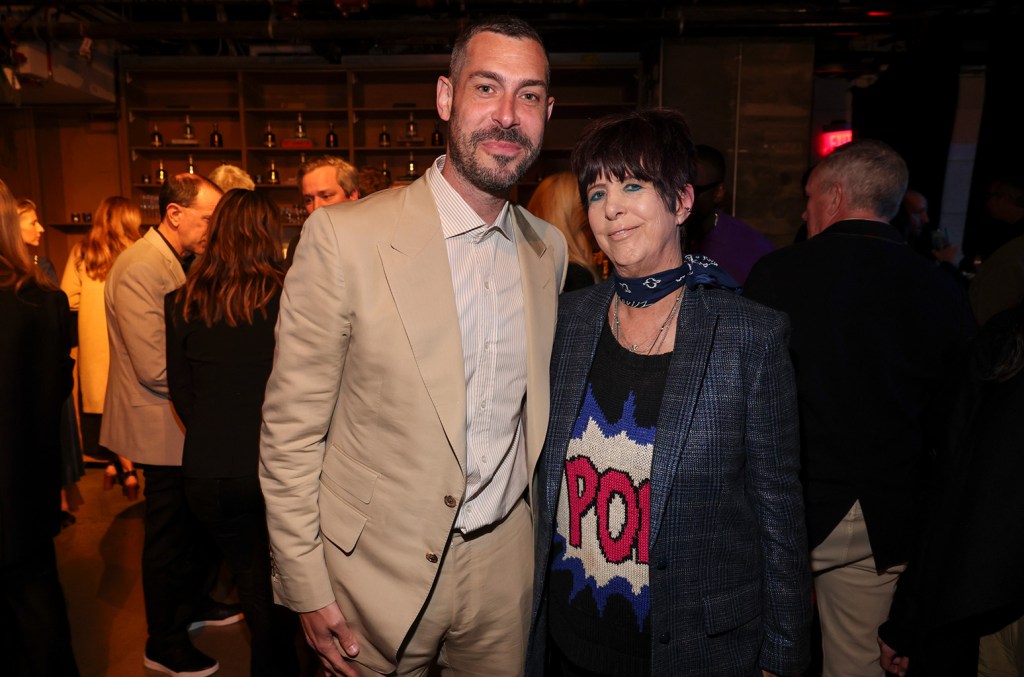
Signatories include major music industry figures such as Warner Records CEO Aaron Bay-Schuck, former Atlantic Music Group chief Julie Greenwald, Roc Nation’s Andrew Gould, YouTube’s Lyor Cohen, Rhino’s Mark Pinkus and UTA’s David Zedeck, among others. Other signatories include manager/TV host Sharon Osbourne, songwriter Diane Warren, producer Ron Fair, and actors Mayim Bialik and Julianna Marguiles.
Trending on Billboard
The letter responds to a series of open statements from the entertainment and literary communities — including one this week addressed to the U.K. government — that the CCFP says contain false claims and inflammatory accusations. It accuses Hamas, Iran and others of spreading antisemitic propaganda since the Oct. 7, 2023, Hamas attack on Israel, which killed approximately 1,200 people.
In the open letter, the CCFP calls on public figures to reject extremist rhetoric and misinformation targeting Israel and the Jewish people. The letter condemns Hamas, Iran, and their allies for spreading false narratives since the Oct. 7 Hamas attack, accusing them of manipulating well-meaning celebrities into amplifying falsehoods. The letter highlights how such misinformation incites real-world violence, referencing the May 21 killing of two people in D.C. The letter denounces Hamas for endangering civilians and using human shields, while accusing those critical of Israel of co-opting social justice causes to vilify the country. The signatories urge their peers in entertainment to reject falsehoods and work toward a lasting peace.
CCFP chairman David Renzer and executive director Ari Ingel highlighted the urgency of the message and warned that without responsible use of social media platforms by influential entertainers, anti-Israel rhetoric could lead to more violence and antisemitic targeting.
The letter concludes with a call for peace, urging colleagues to stand against misinformation and extremism in order to support a future where Israelis and Palestinians can live side by side in dignity.
The conflict began with Hamas’ attack in 2023. Since then, Israel’s military campaign in Gaza has resulted in an estimated 54,000 Palestinian deaths, according to the Gaza Health Ministry, which does not distinguish between civilian and combatant casualties. The Associated Press reports that of the 58 hostages still held in Gaza, Israeli officials believe about one-third may still be alive.
Read the open letter signed by Greenwald, Cohen, Bay-Schuck and more here.

Taylor Swift announced on Friday (May 30) she has regained ownership of her master recordings from Shamrock Capital, the private equity firm that purchased them from Scooter Braun’s Ithaca Holdings in late 2020. According to sources, Shamrock sold Swift’s catalog back to her for an amount relatively close to what they paid for it — which sources tell Billboard was around $360 million.
In a message on her website, Swift says: “All the times I was this close, reaching out for it, only for it to fall through. I almost stopped thinking it could ever happen after 20 years of having the carrot dangled and then yanked away. But that’s all in the past now… I really get to say these words: All of the music I’ve ever made… now belongs to me. All of my music videos. All the concert films. The album art and photography. The unreleased songs. The memories. The magic. The madness. Every single era. My entire life’s work.”
In her announcement, Swift expressed gratitude and praised Shamrock for how they handled the deal, noting they understood the deeply personal meaning behind the transaction. “My memories and my sweat and my handwriting and my decades of dreams,” she writes. “I am endlessly thankful. My first tattoo might just be a huge shamrock in the middle of my forehead.”
Trending on Billboard
The saga of Swift’s masters goes back to June 2019, when Ithaca purchased Big Machine Label Group, which owned the master recordings to Swift’s first six albums, for an estimated $300 million. Swift’s catalog was worth at least half of that amount, according to estimates at the time. Over the years, Swift has very publicly declared her displeasure with the shuffling around of her masters and, in 2019, began re-recording those Big Machine albums in order to restore control over her songs from a commercial standpoint.
Her re-recording journey began with Fearless (Taylor’s Version) in April 2021, followed by Red (Taylor’s Version) in November 2021. In 2023, she released Speak Now (Taylor’s Version) and 1989 (Taylor’s Version), each topping the Billboard 200 chart. Fans are still anticipating the re-recording of her self-titled debut and her final Big Machine LP, Reputation. Since leaving Big Machine in November 2018, she’s released five additional albums on Republic Records: Lover (2019), Folkore (2020), Evermore (2020), Midnights (2022) and The Tortured Poets Department (2024). She also embarked upon and completed her career-defining Eras Tour, which rewrote the rules of what a concert tour could be, and massively boosted streams and sales of her entire catalog, including the re-recordings.
Swift was not involved in Shamrock’s 2020 purchase of her music. “This was the second time my music had been sold without my knowledge,” she said at the time.
Shamrock’s 2020 statement about acquiring Swift’s catalog from Ithaca emphasized their admiration for her artistry and the value of her music. They described Swift as a “transcendent artist” with a “timeless catalog” and said their investment was driven by belief in the long-term potential of her work. While they had hoped to partner with her directly, they acknowledged and respected her decision not to be involved. Shamrock expressed appreciation for Swift’s professionalism and conveyed interest in collaborating with her in the future.
Although terms of the deal were not disclosed, given that sources close to the negotiations say Swift paid a price close to the $360-million price tag Shamrock paid back in 2021, that would imply Shamrock did not make much, if any, profit off the sale of the assets. However, the financial firm with ties to Disney still made a profit of around $100 million in total over the three plus years it owned the records. The six albums and two live albums that Swift recorded when she was signed to Big Machine generated roughly $60 million a year on average globally from 2022 to 2024, according to Billboard’s estimates based on Luminate data. Distribution, marketing and royalty payments to Swift likely consumed about 50% of that revenue, leaving Shamrock with an annual profit of around $30 million a year.
In 2023, Billboard reported that the re-recordings of Swift’s albums Fearless (Taylor’s Version) and Red (Taylor’s Version) were vastly out-streaming their originals since the new versions were released, with the new Fearless earning three times the equivalent album units as the original, and the new Red as much as 10 times the original.
As of May 22 according to Luminate, Speak Now (Taylor’s Version) has racked up 2.3 million equivalent album units to the original’s 8.6 million U.S. units, despite the latter having a more than 12 year head start; Red (Taylor’s Version) has accumulated 5.18 million equivalent album units to the original’s 9.16 million U.S. units, despite the latter having been released nearly 10 years prior to the re-recording; Fearless (Taylor’s Version) has accrued 3.0 million equivalent album units to the original’s 11.7 million U.S. units, the latter having had a 13-year head start; and 1989 (Taylor’s Version) has earned 4.87 million equivalent album units to the original’s 14.6 million, with a nine year gap in release dates.
Overall, Swift’s catalog has racked up 116.77 million equivalent album units in the United States over the years, according to Luminate, stretching back to her self-titled debut album in 2006. She has sold 54 million albums in the U.S. and generated 70.746 billion streams.
Read Taylor’s full message on reclaiming her masters:
Hi,
I’m trying to gather my thoughts into something coherent, but right now my mind is just a slideshow. A flashback sequence of all the times I daydreamed about, wished for, and pined away for a chance to get to tell you this news. All the times I was thiiiiiiiis close, reaching out for it, only for it to fall through. I almost stopped thinking it could ever happen, after 20 years of having the carrot dangled and then yanked away. But that’s all in the past now. I’ve been bursting into tears of joy at random intervals ever since I found out that this is really happening. I really get to say these words:
All of the music I’ve ever made… now belongs… to me.
And all my music videos.All the concert films.The album art and photography.The unreleased songs.The memories. The magic. The madness.Every single era.My entire life’s work.
To say this is my greatest dream come true is actually being pretty reserved about it. To my fans, you know how important this has been to me — so much so that I meticulously re-recorded and released four of my albums, calling them Taylor’s Version. The passionate support you showed those albums and the success story you turned The Eras Tour into is why I was able to buy back my music. I can’t thank you enough for helping to reunite me with this art that I have dedicated my life to, but have never owned until now.
All I’ve ever wanted was the opportunity to work hard enough to be able to one day purchase my music outright with no strings attached, no partnership, with full autonomy. I will be forever grateful to everyone at Shamrock Capital for being the first people to ever offer this to me. The way they’ve handled every interaction we’ve had has been honest, fair, and respectful. This was a business deal to them, but I really felt like they saw it for what it was to me: My memories and my sweat and my handwriting and my decades of dreams. I am endlessly thankful. My first tattoo might just be a huge shamrock in the middle of my forehead.
I know, I know. What about Rep TV? Full transparency: I haven’t even re-recorded a quarter of it. The Reputation album was so specific to that time in my life, and I kept hitting a stopping point when I tried to remake it. All that defiance, that longing to be understood while feeling purposely misunderstood, that desperate hope, that shame-born snarl and mischief. To be perfectly honest, it’s the one album in the first 6 that I thought couldn’t be improved upon by redoing it. Not the music, or photos, or videos. So I kept putting it off. There will be a time (if you’re into the idea) for the unreleased Vault tracks from that album to hatch. I’ve already completely re-recorded my entire debut album, and I really love how it sounds now. Those 2 albums can still have their moments to re-emerge when the time is right, if that would be something you guys would be excited about. But if it happens, it won’t be from a place of sadness and longing for what I wish I could have. It will just be a celebration now.
I’m extremely heartened by the conversations this saga has reignited within my industry among artists and fans. Every time a new artist tells me they negotiated to own their master recordings in their record contract because of this fight, I’m reminded of how important it was for all of this to happen. Thank you for being curious about something that used to be thought of as too industry-centric for broad discussion. You’ll never know how much it means to me that you cared. Every single bit of it counted and ended us up here.
Thanks to you and your goodwill, teamwork and encouragement, the best things that have ever been mine… finally actually are.
Elated and amazed,
Taylor
Additional reporting by Elizabeth Dilts Marshall and Dan Rys.
The Morgan Wallen juggernaut soared even higher this week as his new album, I’m the Problem, only proved problematic for its chart competitors.
The Big Loud/Mercury set debuted at No. 1 on the Billboard 200 with 493,000 equivalent album units, according to Luminate, making it the biggest week for any release this year. Additionally, Wallen broke his own record with 37 songs on The Hot 100, taking up more than a third of the chart with his titles alone and claiming the Nos. 1, 2 and 3 spots, the first for a country artist.
The album, which has already logged three No. 1s on the Country Airplay chart, also debuts at No. 1 on Top Country Albums, knocking Wallen’s 2023 set, One Thing at a Time, out of the top spot and his 2021 album, Dangerous: The Double Album, down from No. 2 to No. 3.
Internationally, Wallen scores his first No. 1 on the U.K. Albums chart, besting One Thing at a Time, which debuted at No. 40. And all that activity helps earn Kolby Vetter, Wallen’s day-to-day manager at Sticks Management, the title of Billboard’s Executive of the Week.
Trending on Billboard
Here, Vetter — who previously worked at Wallen’s booking agency, the Neal Agency, as well as Red Light Management and CAA — details the album’s rollout and how Wallen is leading the way domestically and internationally. “For the country genre as a whole, there has always been this myth that country music has a cap globally,” he says. “That glass ceiling is being shattered, and I think Morgan is leading the charge on that.”
I’m The Problem debuted at No. 1 on the Billboard 200 and Top Country Albums. What decisions did you make leading up to the release that you felt would increase its chances for a No. 1 debut?
You can do all the planning and strategizing in the world, but at the end of the day it comes down to the music and how it resonates with people. I think everyone knew from the get-go the songs that Morgan was putting on this record were going to be strong and relatable. He spent a lot of time writing and crafting every detail of this project, and I think it shows.
The album is a joint project between Big Loud and Mercury. What was the division of duties between the labels?
There were a lot of different perspectives from a whole lot of smart people in a room together. Some of the best ideas for this album rollout came from the time spent sitting in a conference room together, bouncing ideas off of each other, each of us being unafraid to dream big. This whole project was a total team effort. Working with Seth England and his team at Big Loud was great; they’ve been with Morgan from the very beginning, which is a huge asset. Then you bring in guys like [Mercury’s] Tyler Arnold and Alex Coslov, who are responsible for building the careers of so many artists outside of the country format, and it becomes obvious why they are so successful.
I’m the Problem also debuted at No. 1 on the U.K. Albums chart, marking Wallen’s first No. 1 on that chart and a huge leap after One Thing at a Time debuted at No. 40 there. How did playing London’s Hyde Park last summer play into the plan for the U.K. and what other steps did you take to land such a high debut?
[Hyde Park] was a massive moment that really cemented Morgan’s status as a superstar in the U.K. and beyond. It was also a time for us as his team to sit there and think, “What’s possible here?” It’s really a testament to [Wallen’s manager and booking agent] Austin Neal and the strategy he has put in place from a touring perspective. The sky is the limit. And just for the country genre as a whole, there has always been this myth that country music has a cap globally. That glass ceiling is being shattered, and I think Morgan is leading the charge on that.
The album also debuted at No. 1 in New Zealand, Australia, Norway, Scotland and Canada. How will you continue to support the album and build his international career? When will his next global tour be?
We have an insanely talented international team with the folks at Big Loud/UMG and our internal team at Sticks Management. They are always combing through data and finding areas where growth is happening and where the next pop off could be. We’re able to draw from that data to formulate unique ways to break the market. Interesting enough, Morgan is seeing real growth in China. The tour is being worked on currently, but plans are coming together for an international run in 2026.
Wallen played an intimate show at London’s Roundhouse on Wednesday (May 28). How is that furthering his U.K. base or was that show mainly for the U.K. industry?
The idea for this show started way back in January. Last album cycle Morgan played a free show in Nashville at Bridgestone Arena, and it was a massive success. I don’t think I have ever seen a longer line. This time we thought it would be cool to go play a stripped-back set in an intimate setting where fans could get up close and personal. Morgan hasn’t played a room of this size in years, so I think it’s a cool moment for him as well to go back to where he started, and to be in a room where he can see the face of every fan.
Wallen is the first country artist to claim the Nos. 1, 2 and 3 spots on the Hot 100 with his duet with Tate McRae, “What I Want,” at No. 1. He told Billboard that he found out about Tate from his sister. What were the next steps after that with her camp to have the duet happen?
That one was all Morgan. They have known each other for a couple years and have been discussing a collab when the right song presented itself. As Morgan has said, “What I Want” wasn’t written as a duet but rose to the forefront and felt like the perfect match for them. Vocally it’s powerful, and they complement each other very well. We’re really excited to see what this song will do.
Was there any discussion that 37 tracks may be too many, or given that One Thing at A Time had 36 tracks and was still at the top of the charts, has the belief always been bigger is better?
I think we all knew this album would have a good number just by what we were hearing coming out of the writing rooms. So many great songs. They went into the studio and cut 50 tracks and worked back from there. If there is one thing I’ve learned about Morgan since working together, it’s that he is extremely tuned in. If there was any song that he didn’t feel totally great about or it didn’t feel like the right time for the song, it didn’t make the cut. Morgan has earned the right to that creative freedom. He had a lot of things to say on this album, and I think the 37 songs he chose to include reflect that.
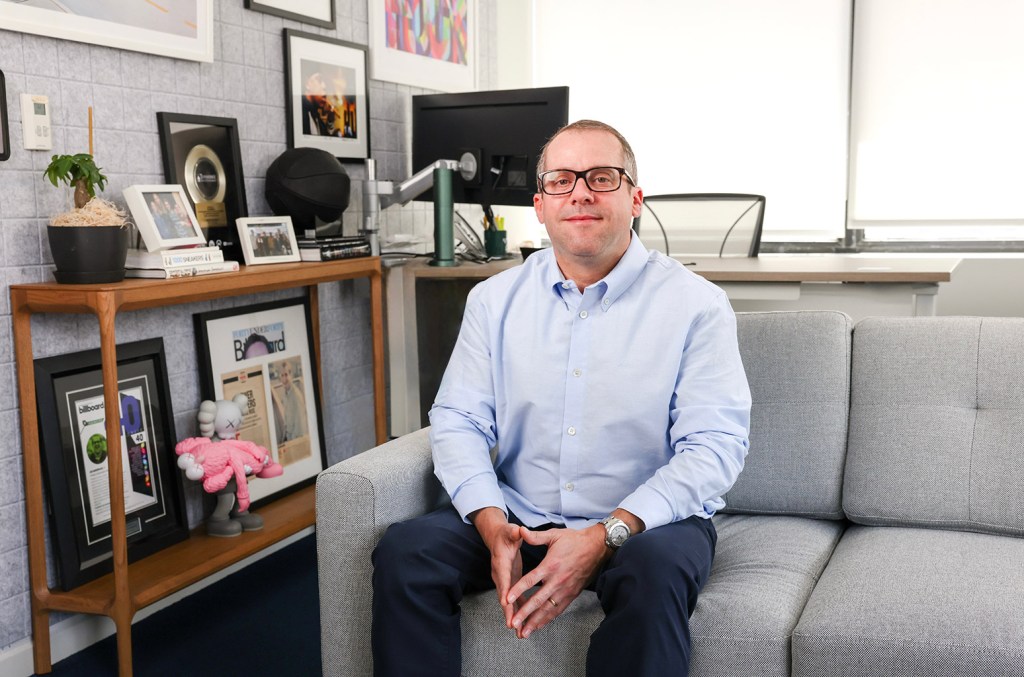
Lee Anderson‘s wife tells him he’s a hoarder, but he prefers to see himself as a Renaissance man of many interests — pop art, ’80s movie posters, ’90s TV action figures, baseball cards and a closet filled with more than 600 pairs of sneakers.
“I love having people over because I love showing off all the s— I have,” says Anderson, who is a year into his new role as president of Wasserman Music — a job that places him at the intersection of commerce and the biggest names in pop culture. He says his zeal for finding, signing and developing talented artists is no different from his passion for adding a rare or sought-after find to his various collections and is part of the skill set that makes him exceptional at his job.
Known for his unmistakable phone voice and large-frame glasses, the Bridgeport, Conn., native cut his teeth in live music working at Burlington, Vt., venues like Nectar’s and Metrodome. Eventually, he joined Paul Morris to work on the agency side of the business, which brought him to Paradigm and then Wasserman Music in 2021, where, in addition to overseeing Team Wass, he works with a client list that includes Skrillex, Zedd, Swedish House Mafia, Charlotte de Witte and Disclosure.
Trending on Billboard
How has your day-to-day changed now that you are president?
I have more responsibility for the business and everybody there, and I’m carving out extra time to make sure I allocate the right amount of time to each client [that I represent]. The net result is that I’m working significantly more hours. It’s looking at how to actualize and optimize all the opportunities that we have across our company with what’s already there. That doesn’t require a larger head count. It requires figuring out how to work better together and how we look at the whole business.
What’s a recent accomplishment under your leadership?
The hiring of Kevin Shivers, James Rubin and Cristina Baxter from WME. Having senior agents of their caliber, at the top of their game, join Wasserman was a milestone for our company, and I’m proud that we’ve been able to build a place that those three would want to join. Our culture of transparency played a role.
What kind of clients are you looking for?
We want to work with clients that we’re aligned with in terms of vision and approach. We’re known for discovering talent early and growing them into stars. But we try to be very thoughtful and honest and make sure that each agent who’s assigned a client has the bandwidth to give them what they deserve to get there. We really believe that everything starts with strategy — short and long term. It builds accountability for us as a business to do what we say we’re going to do. If we don’t, you should fire us.
Let’s talk about breaking your client, DJ-producer Yousuke Yukimatsu. He has landed some big U.S. bookings, including top billing at Portola Festival. How did you connect?
I saw him on the internet, and a manager that I have a relationship with called me and said, “Have you seen this?” I was like, “Yeah, I’ve been obsessed with it for like the last three days.” He said, “Look, we’re in touch with him, there’s a manager in place, and we’re talking about potentially working with her. Would you be interested?” I said, “Absolutely.” I got on the phone with them and laid out the way I would approach it. And I did what I said I was going to do.Wasserman Music President Lee Anderson on the Festival Headliner Shortage & Why Fyre Fest Isn’t an Anomaly
What’s your strategy for him?
Generally, when you’re coming in, there are metrics of ticket sales or streams or social media engagement. But he’s unique. This wasn’t a producer with a bunch of his own records. He’s very much a Laurent Garnier-style selector and very respected DJ and technician. There was a huge swell of excitement around him. Danny Bell at Portola Festival saw that right away. Huston Powell with C3 saw that right away. We began to put some headline shows up, selling out 3,000 and 5,000 tickets instantly. He had goals, and I understood the aesthetic and types of events and artists he wanted to play around and the types of rooms that he wanted to be in. And we were able to put that plan together.
Are festivals still a good outlet for breaking artists?
Yes, but it has to make sense. There were times when we’d envision our artist playing in front of 15,000 people, and they’d actually be performing for closer to 400 because they’re on at 2 o’clock. So now I ask a number of questions: Is this going to be an impactful moment? Who else is playing at that time? I usually start with that before I even start with the fee. I don’t think I’ve ever had a deal die over the money.
Is there a headliner shortage in the festival space?
It’s hard to get a headliner these days, and that has hurt the festival ecosystem to a degree. I don’t want one client playing 40 festivals in a summer. I want my clients playing the right moments, with different cultural ecosystems that appeal to different audiences.
What makes a good festival talent buyer?
The best talent buyers are the ones that are calling me and chasing me about an act that I haven’t even pitched. Buyers who like to put cool packages together.
Do you want your agents pitching all the big festival buyers?
If an agent sends a list of hundreds of acts to a festival buyer, they’re not doing their job. If an agent’s doing a good job, they should have a plan and targets for their clients. They should be inviting buyers to a show or sending music or doing all the things it takes to get those bookings.
Billy McFarland flamed out trying to revive Fyre Festival. Could another disastrous event like that happen again?
As long as there are ambitious, naive people all over the world who do not recognize their blind spots or realize they’re capable of failure, there will be festivals that crash and burn. I just don’t want to work at the agency that’s got half the lineup on the next one that goes down. It’s very important for agencies to be diligent about what they’re looking at in terms of live opportunities for their clients — and not just look at an offer with a big guaranteed number. Fyre is not the only time we’ve seen things like that.
Tell me about some of the things you collect.
I love Danny Clinch photography. My two favorite artists of all time are Jay-Z and Phish, and I have Clinch prints of both. And for my birthday like eight years ago, Clinch printed and framed a photo that he had taken of me and Skrillex together at Bonnaroo and signed it for me. That is one of my most prized possessions. I collect a lot of toys and pop culture items from the ’80s and ’90s like Miami Vice action figures still in the packaging or like Cheech and Chong or Jay and Silent Bob. I have all the McDonald’s cups from the Dream Team, and I collect sports cards and baseball cards. I’m into sneakers and have over 600 pairs, mostly Nikes, as well as the old Charles Barkley and Deion Sanders sneakers and stuff that I probably will never wear. But I have to have them because I had them when I was in sixth grade or something.
What’s the most you’ve spent on an item for your collection?
I spent seven years collecting all of the original Hasbro World Wrestling Federation action figures from the late ’80s and ’90s. Some of those in the newer, limited series are hard to get, and I paid between like $300 and $400 per figure.
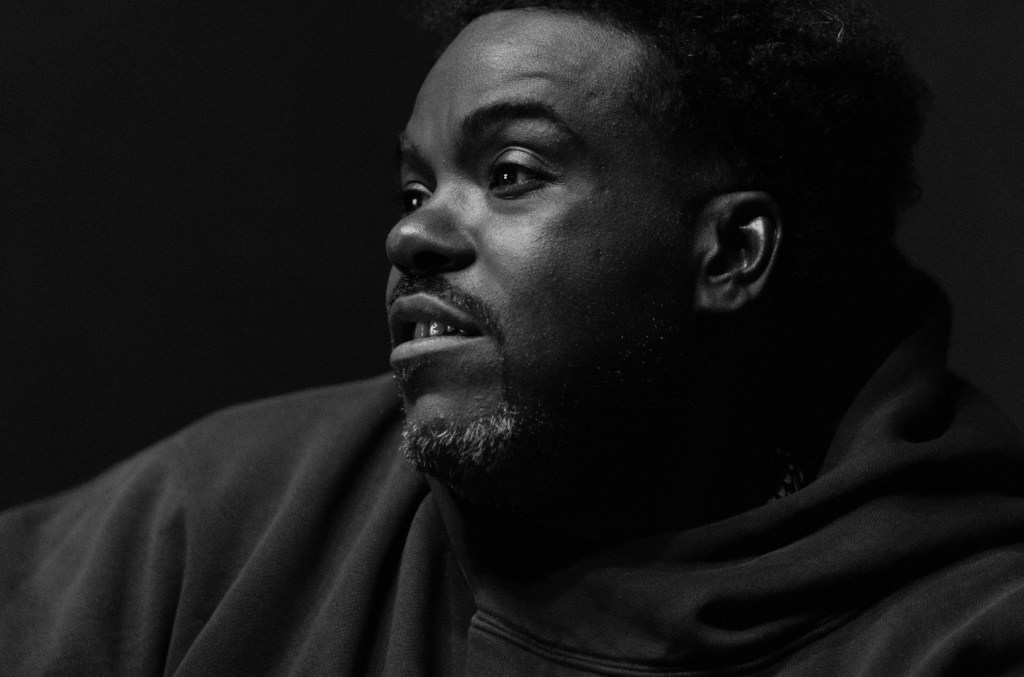
HarbourView Equity Partners has acquired part of Grammy Award-winning songwriter/producer Rodney “Darkchild” Jerkins‘ royalty catalog, the Newark, N.J.-based entertainment company said on Thursday (May 29). The deal was facilitated by Chapter Two, a Stockholm-based tech company that gathers royalty data for catalog buyers and sellers to forecast future income and speed up the due diligence […]

Offset is now demanding that his estranged wife Cardi B pay him spousal support after their split is finalized, according to new court filings in their divorce case.
The Migos rapper filed an updated answer to Cardi’s divorce petition in New Jersey’s Bergen County Superior Court earlier this month, as first reported by TMZ. The amended filing adds a request for an unspecified amount of alimony, but remains unchanged otherwise.
A representative for Offset and an attorney for Cardi did not immediately return a request for comment.
Trending on Billboard
After six years of marriage, Cardi filed for divorce from Offset in August, seeking primary custody of their 5-year-old daughter Kulture, 2-year-old son Wave and then-unborn baby. According to Cardi’s rep, the divorce filing was “not based on any one particular incident, it has been a long time coming and is amicable.”
Except it has been anything but. In anugly social media exchange in December, Offset claimed Cardi “look[ed] like the hoe” and was “focus[ed] on d—.” She immediately fired back: “So dating because I’m single means I’m just worried about d—?? You sound like a dummy,” before later adding: “F— off and sign the papers TODAY.”
In February, Offset filed his response to the divorce case, seeking joint custody of the children and that her home be the kids’ primary residence.
The current case is actually the second time Cardi has filed for a divorce. The “WAP” star previously filed in Georgia court to end their marriage in September 2020. At the time, she said it wasn’t “because of cheating” — although rumors of infidelity plagued their relationship for years.
Within a month, Cardi revealed that the couple had reconciled, and she later withdrew the case. “It’s hard not to talk to your best friend,” she said on Instagram Live of the rekindling. “It’s really hard not to talk to your best friend. And it’s really hard to have no d—.”
Over the next four years, their romance survived a few more rough patches — more cheating rumors, plus a social media squabble between the spouses — before Cardi finally confirmed that they had split once more. “I’ve been single for a minute now,” she said on Instagram Live in December 2023. She formally filed for divorce on Aug. 1.
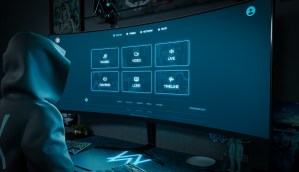
It’s no secret that artists are at the mercy of the algorithm when it comes to reaching fans online and through social media — but many acts report that new music and posts on platforms like Instagram and YouTube only reach a tiny fraction of their fan bases.
This issue is one experienced by Norwegian producer Alan Walker, whose manager, Gunnar Greve, tells Billboard that “when we release a new song, it reaches only 0.4 to 2% of our most active listeners. The same goes for YouTube — even fans who want to stay connected don’t always see the content. Editorial playlists and algorithmic feeds have started to replace organic discovery.”
This is despite the fact that Walker has roughly 10.4 million followers on Instagram alone and has clocked songs with millions, even billions, of streams.
Trending on Billboard
“When I released ‘Faded’ in 2015,” Walker says of his biggest hit, “streaming was still in its early days. There was a sense of excitement, a new world opening up. But in the years since, the pace of the industry has exploded. Today, the landscape is crowded, noisy, and often overwhelming even for those of us with big followings and strong communities.”
Like many other artists, Walker has observed that “the connection between artists and fans is starting to slip. Not because people care less, but because the systems we rely on don’t prioritize or find space for meaningful content. The pressure to chase trends or fit into playlist algorithms often takes the spotlight away from creativity, experimentation and emotional connection. The reasons most of us got into music in the first place.”
To cut through this noise, Walker and Greve are preparing to launch World of Walker, a custom app and online community tailored for Walker’s millions of global fans.
Launching on Aug. 8, World of Walker will offer exclusive immersive fan experiences, access to premium content (including Walker’s entire music and video catalogs), behind-the-scenes material, exclusive weekly livestreams, direct chats and more. Users can also participate in community-driven projects, events and discussions. The app is free to join, and pre-registration is available now.
The way Walker and Greve see it, World of Walker will provide greater opportunity than most social platforms for everyone involved. “For one, we can speak freely, without worrying about algorithms or chasing virality,” says Walker. “I have a global, diverse fanbase with different interests, and this app gives each person the chance to build their own World of Walker. They can find their people, join conversations that matter and stay connected to what truly resonates with them. We also get better insight into what fans actually want, which means we can shape the platform based on real feedback, not guesswork.”
Greve says the goal is reaching 500,000 users within the first year, “but the most important thing is for people to be active and engaged within the app.” In terms of monetization, he adds that the business model has two layers.
“First, just having a direct line of communication with fans without relying on third-party platforms. This is a success in itself. But in the app, we’ll have a mix of activity-based experiences and monetization through a small premium model and an in-app store with both physical and digital items. If we create enough engagement and value, profitability will follow.”
While Walker and Greve acknowledge that not every artist has the resources to build such a platform, they hope their project will help the industry evolve “in a way that puts fans and artists at the center. Not just as tools for big corporations,” says Greve.
Ahead of the app’s August launch, fans will get the opportunity to join the world of Walker in real life when he plays the final show of his two-year Walkerworld Tour at SummerStage in New York’s Central Park on Saturday (May 31.) Walker reports playing for more than 500,000 people during the tour and says he’ll also be releasing new music this summer.
World of Walker
Courtesy of World of Walker
World of Walker
Courtesy of World of Walker
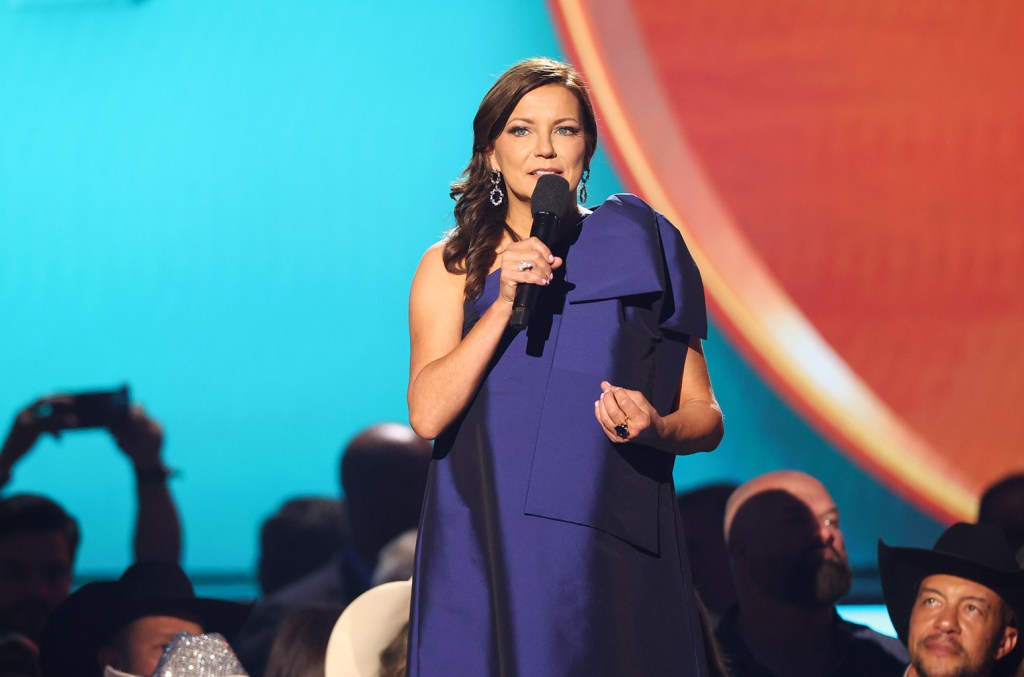
I recently had the opportunity to testify before Congress about the NO FAKES Act of 2025 — a landmark effort to protect human voices and likenesses from being cloned by artificial intelligence without consent.
I started singing when I was four years old and have used my voice throughout my career to amplify lyrics that I believe in. Each recording reflects pieces of my individuality and artistry that have evolved throughout my life.
My recordings reflect my human experience, and I am honored that they are a part of people’s lives — from wedding vows to breakups, to celebrating milestones and even the special relationship between a mother and daughter.
Trending on Billboard
But today, my voice and likeness, along with so many others, are at risk. AI technology is amazing and can be used for so many wonderful purposes. But like all great technologies, it can also be abused when it is harnessed to steal people’s voices and likenesses to defraud families, manipulate the images of young girls, impersonate government officials or pose as artists like me.
It’s mind-blowing that we must even question that our voices and likenesses should be our own to control. It’s scary and unquestionably wrong.
I was so gratified with the commitment of the bipartisan group of Senators I testified before last week in DC to deal with deepfake images by supporting the NO FAKES Act, which would prevent the theft of someone’s voice or likeness to harm, harass, bully or defraud them or others, and damage our careers, reputations and values.
The NO FAKES Act gives every person the power to say “yes” or “no” about how their most personal human attributes are used.
In Congress, I was asked about the impact of unauthorized deepfakes on the careers and livelihoods of young artists — and that impact can be immense. Every performer in our business must establish early in their career who they are and what they stand for, creatively, artistically and personally. That is how we build connections with our fans. But if bad actors can invade that artist-fan bond and distort the story a young artist tells the world about who they are, many careers could be lost before they truly get started. And that’s a problem that goes beyond the arts — unconsented deepfakes and voice clones rob every person of the ability to speak their own truth and tell their own story.
The NO FAKES Act also supports innovation by providing a roadmap for how these powerful tools can be developed responsibly. And it doesn’t stand in the way of protected uses like news, parodies, or criticism. Thanks to technology companies like OpenAI and Google who support this bill, as well as the legions of creators who have worked so hard to advocate for it (nearly 400 of us last week endorsed it here), and the child protection and anti-sex-trafficking and exploitation groups who support it and continue to fight for those who are most vulnerable, we have a real chance of it becoming law this year.
It has been a special honor to record songs that shine a light on the battles many women fight, especially domestic violence. Fans have shared with me that “Independence Day” has given them strength, and in some cases, the song has been the catalyst that has made them realize they need to leave an abusive situation.
Imagine the harm an AI deepfake could do breaching that trust, using my voice in songs that belittle or justify abuse. Or the devastation of a fan, scammed by a deepfake voice clone impersonating me or any artist they trust, into handing over their hard-earned money to a fraudster. Or my voice and/or likeness being used to promote a product that may be subpar at best, and harmful at worst. And while this isn’t the part that I am an expert on, knowing AI is being used to deepfake and manipulate young girls in ways that can devastate and ruin their lives is especially troubling. As a mother, an artist and a human being who cares about others — I ask you to join in the fight to stop that kind of betrayal.
Passing the NO FAKES Act will set us on the right path to develop the world’s best AI while preserving the sacred qualities that make our country so special — authenticity, integrity, humanity and our endlessly inspiring spirit.
Martina McBride is an award-winning country music singer who has charted seven top 10s on the Billboard 200 and landed 21 songs on the Hot 100 in her career, and been nominated for 14 Grammys. She’s also a four-time CMA Female Vocalist of the Year and three-time ACM Top Female Vocalist winner, and in 2019 was honored with the ACM’s Icon Award.

Growing up in rural Minnesota, Stacy Vee didn’t have particularly lofty ambitions. While attending St. Cloud State University, she says, “my dream job was maybe I could be a special events planner at this hotel on the freeway one day and do weddings and conferences.”
Vee did end up planning events — just on a far larger scale than that highway-adjacent hotel. Now she’s executive vp of Goldenvoice/AEG, where she has been in charge of the world’s largest country music festival, Stagecoach, since 2015, greatly expanding the three-day, Indio, Calif.-based event that launched in 2007 — and altering perceptions of country music in the process. Attendance at the late-April festival, capped at 85,000 per day, rivals its eclectic cousin, Coachella, which Goldenvoice holds on the same grounds the previous two weekends each year (and which Vee is also involved in booking).
On the day Billboard meets with her, Vee is sentimental, sad, elated and tired. It’s the last day of Stagecoach and she’s sitting in her trailer in the artist compound, which she has made cozy with a bowl of fresh nectarines, macrame pillows strewn on the sofa, vintage lamps, Christmas lights and cowboy boots and hats.
Trending on Billboard
After all these years, she still gets pre-festival jitters. “On the night before day one of Stagecoach, I woke up at one and I just couldn’t get back to sleep,” she says. “It’s excitement and nerves and we’ve been working on the show for so long.” In fact, she adds, “I’ve been working on 2026 for a year already. It’s 80% booked.”
Vee, who is 48, has her hand in every facet of the festival. She smiles as the clock strikes 1 p.m. and Quiet Riot’s “Cum on Feel the Noize” blasts through the loudspeakers, signaling that the grounds are open for another day. “Heck, yes. I pick the song that plays when gates open for Stagecoach!” she says. The first day’s choice was AC/DC’s “Thunderstruck” and day two was Black Sabbath’s “Paranoid,” but high winds delayed the opening, so no song was played. “I was feeling a little metal this year,” Vee says. “I very seriously don’t take myself and Stagecoach too seriously.”
When Goldenvoice president Paul Tollett started Stagecoach eight years after he had co-founded Coachella with the late Rick Van Santen in 1999, Vee would’ve seemed an unlikely choice to be his successor to helm the festival, given how little she followed country music.
“I listened to a little Mavericks, a little Dwight Yoakam, a little Tim McGraw, Garth Brooks in high school,” she says. “But then after that, I was really into indie and alternative and college rock.”
Stacy Vee
Ashley Osborn
So much so that after graduation, Vee worked as promotion director at a Minneapolis alternative radio station for two years before moving to Los Angeles in 2000. She became an agent’s assistant at WME before shifting in 2002 to Goldenvoice (which AEG had acquired the previous year), where she started as former Concerts West co-CEO Paul Gongaware’s assistant and quickly joined Tollett’s team as well.
“I had noticed [Tollett] didn’t have an assistant and Coachella was coming up, so I asked if I could also assist him. Paul Gongaware’s response was, ‘Well, if you want to work twice as hard for the same money… go for it!’ I said, ‘Thank you!,’ thinking it was the coolest thing that had ever happened to me, professionally,” she says.
That willingness to step in wherever needed made Vee stand out, says Tollett, to whom she still reports. “She was organized from the beginning and could always follow the conversation. That’s what I love about Stacy,” he says.
The two worked hand in hand on Coachella and then Stagecoach. Though her indie and alternative rock tastes were more aligned with Coachella, she learned country through osmosis. “Over the years, I began anticipating needs, studying and putting ideas in front of him,” she says. “Paul graciously allowed me the opportunity to run with the ball, make decisions and get my feet wet booking.”
Vee took on increasing responsibility until, in 2015, Tollett told her, “You’re ready,” and handed her the Stagecoach reins.
“You could turn over anything to Stacy. That’s the key,” he says. “It turned out to be Stagecoach, but it could have been anything. When you’re someone like her, where success is where you just want to be, she’s going to work toward it, no matter the challenge or the hurdle.”
Plus, by then, country was shifting; edgy country-rock artists like Nikki Lane and Sturgill Simpson had come onto the scene. “The first time I heard those two, it was a switch that kicked on for me,” Vee says. “I was like, ‘OK, this s–t is cool.’ It always was, but I just really identified with it.”
From left: Nikki Lane, Stacy Vee, Diplo, and Sierra Ferrell backstage at Stagecoach Festival on April 25, 2025 in Indio, Calif.
Julian Bajsel
Just as Coachella’s aesthetic reflects Tollett, Stagecoach’s now reflects Vee. She has made country cool again by, paradoxically, expanding Stagecoach’s purview beyond the genre’s strict musical parameters. That’s especially evident on the Palomino Stage, a tent that has far less capacity than the Mane Stage but is viewed as the hippest spot to play. At Palomino, Vee books acts that, if not country, are compatible and share fans with core country artists; legends like Tom Jones, Smokey Robinson and, this year, Lana Del Rey have appeared there.
Regardless of the stage, Vee says, “I think my stamp on Stagecoach is looking just outside of country and bringing these artists in. Nelly toured with Florida Georgia Line, so he belongs at Stagecoach. Post [Malone], he’s Texan. During the pandemic, he was doing at-home performances, and I saw him cover a Sturgill Simpson song. I was like, ‘That man has to come play Stagecoach.’ ” In 2024, Post Malone performed a full set of country covers on the Mane Stage months before the release of his star-studded country album, F-1 Trillion. “I keep my eyes and ears peeled for people who just belong in the space,” she says. This year, that also included rapper BigXthaPlug, who has a collection of country collaborations coming out.
She has learned that veteran acts of all genres — in addition to Nelly, this year’s Palomino roster included Backstreet Boys, Goo Goo Dolls, Creed, Crystal Gayle, Sammy Hagar and Tommy James & The Shondells — pack the tent. “All bets are off in there, and I can get as creative as any person ever could at a festival,” she says. “People just love to sing some of these iconic anthems and songs where everyone just puts their arms around each other.”
Still, Vee knows she can impose her personal tastes only so far: “I still have to sell 85,000 tickets, so I have to get the biggest headliners. I have a job to do, but I can put some of myself in there, too.”
Vee is always looking for ways to enhance the experience for festivalgoers, such as Stageshop Marketplace, a vintage clothing store run for several years by Lane that also included its own performance space. That’s also how both Diplo and Guy Fieri ended up as cornerstones of the festival. Fieri’s Stagecoach Smokehouse, which serves barbecue and holds cooking demonstrations with music guests, debuted in 2018 and has become a popular hangout. “This was Stacy’s idea,” Fieri says. “If you’re going to bring people here and you’re going to set this environment around country music, you have to give them all the senses. Stagecoach is Stagecoach because of Stacy Vee.”
Even before Diplo put out his first country album in 2020, he wanted a platform at Stagecoach, but Vee, protective of her patrons, had to be convinced he was coming for the right reasons. “Diplo’s managers really wanted him to come and play Stagecoach,” she says. “I was like, ‘I don’t think so. He can’t come here and make fun of people.’ They said, ‘He wants to respectfully come into this space. He wants to collaborate with these artists. He wants to write.’ His managers came to Stagecoach [in 2018], and each of them were wearing T-shirts that had Diplo wearing a cowboy hat.”
Diplo played a late-night set in 2019 and now curates the Honky Tonk Tent, which programs during the day as well. The tent has become so popular that even members of the Backstreet Boys were left waiting in line late one afternoon this year when Paris Hilton’s DJ set, with special guest Lizzo, packed the tent so tightly that security quit letting people in.
“Stacy is a superstar. She took a random idea me and my managers cooked up in a trailer backstage at Coachella and turned it into a full-blown tent at Stagecoach with my name on it,” Diplo says. “She saw the trend of country taking over pop light-years before anyone else and has built such an amazing festival with something for everyone — old school, new school, outlaw and pop. Stagecoach is my favorite show every single year… Stacy truly is the queen of Stagecoach, and I always look forward to seeing her, even though, somehow, she always manages to have better outfits than me.”
Stacy Vee
Miranda McDonald
Vee considers Fieri and Diplo part of her brain trust. “I find it fascinating — other people’s interpretation of Stagecoach, other people’s interpretation of country music,” she says. “I want to know what draws Guy in. I want what Diplo is excited about. A way for me to keep learning and to keep expanding is to have this trusted posse of people that we work with and see what ideas they bring in.”
In addition to Stagecoach, Vee is in charge of Morgan Wallen’s new festival, Sand in My Boots, which took over the Gulf Shores, Ala., grounds and mid-May calendar slot of former all-genre Goldenvoice fest Hangout. She also runs June’s Buckeye Country Superfest in Columbus, Ohio, and is on AEG’s touring team for Zach Bryan, who this year headlined Stagecoach alongside Jelly Roll and Luke Combs. “Anything high level for country music domestically, or even internationally, I have my hand in,” she says.
Beyond country, she runs Goldenvoice’s Just Like Heaven, a May indie-rock festival in Pasadena, Calif., and is on Coachella’s five-person booking committee. “We lock ourselves in a conference room a lot and just discuss ideas,” she says of the Coachella booking process. “We throw up a lot of grids, throw up a lot of stats. Take a look at playlists. Just all the things.”
Her future seems limitless, bolstered by a team, including Tollett and AEG Presents chairman/CEO Jay Marciano, that supports and empowers her. And unlike the college kid whose goal was to work at the local hotel, her aspirations have greatly expanded, especially when it comes to her role in building country music.
“[I want to] pull people into our community because it is such a loving, vibrant, supportive, artistic, fulfilling community,” Vee says. “I want to not let people underestimate the genre or the fans. I want to grow the genre. I want to change country music. That’s my dream.”
This story appears in the May 31, 2025, issue of Billboard.
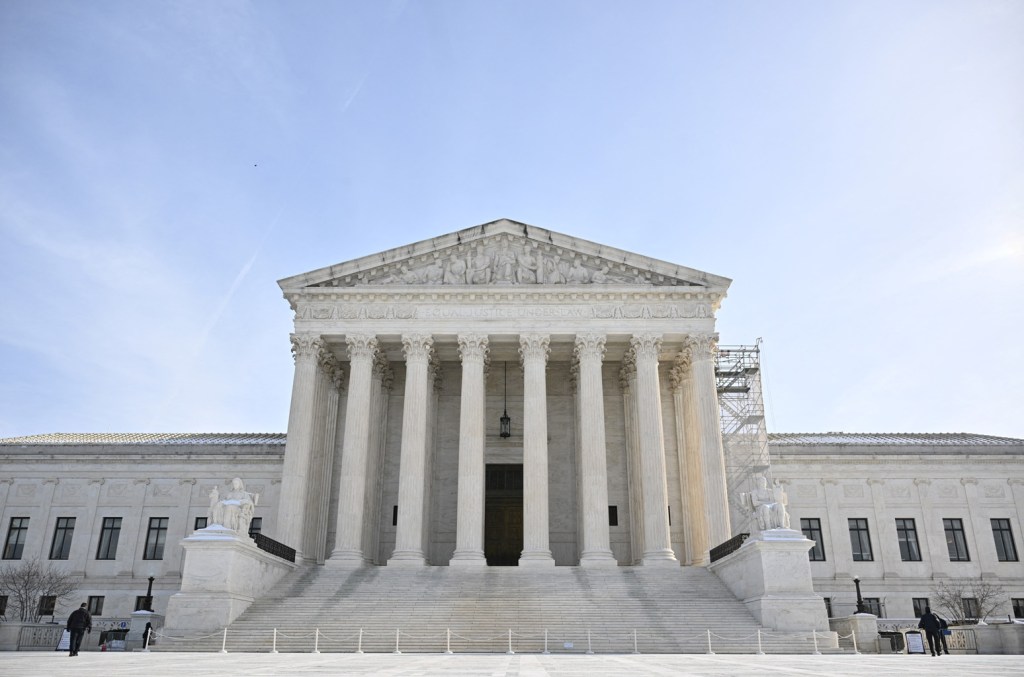
A billion-dollar lawsuit over music piracy must be reviewed by the U.S. Supreme Court, the Justice Department now says, warning that a “sweeping” ruling won by the record labels could force internet providers to cut off service to many Americans.The massive copyright case – in which Universal Music Group, Sony Music Entertainment and Warner Music Group won a $1 billion verdict in 2019 – saw a lower court hold Cox Communications itself liable for widespread illegal downloading by its users.
But in a brief filed Tuesday, Solicitor General D. John Sauer says the justices must consider overturning that ruling – telling the high court that the “sweeping” decision conflicts with legal precedent and has “broad practical implications” for how Americans use the internet.
Trending on Billboard
“Losing internet access is a serious consequence, as the internet has become an essential feature of modern life,” the solicitor general writes. “And because a single internet connection might be used by an entire family—or, in the case of coffee shops, hospitals, universities, and the like, by hundreds of downstream users—the decision below could cause numerous non-infringing users to lose their internet access.”
The central problem with the ruling against Cox, the feds say, is that it imposes costly liability on an internet service providers (ISPs) simply because “the music industry sends notices alleging past instances of infringement by those subscribers.” They say that approach could force IPSs to take aggressive measures out of fear of billion-dollar verdicts.
“Given the breadth of that liability, the decision below might encourage providers to avoid substantial monetary liability by terminating subscribers after receiving a single notice of alleged infringement,” Sauer writes.
An attorney for the labels did not immediately return a request for comment. In previous filings, lawyers for the music companies have rejected such dire warnings, calling them “contrived” and “disingenuous” efforts to avoid legal liability.
UMG, Warner and Sony all sued Cox in 2018, seeking to hold the internet giant itself liable for alleged wrongdoing committed by its users. The labels said Cox had ignored hundreds of thousands of infringement notices and had never permanently terminated a single subscriber accused of stealing music.
ISPs like Cox are often shielded from such lawsuits by the Digital Millennium Copyright Act, or DMCA. But a judge ruled that Cox had forfeited that protection by failing to terminate people who were repeatedly accused of violating copyright law. Stripped of that immunity, jurors held Cox liable in December 2019 for the infringement of 10,017 separate songs and awarded the labels more than $99,000 for each song — adding up to a whopping $1 billion.
Earlier this year, a federal appeals court ordered the award recalculated earlier this year, ruling that aspects of the verdict were improper. But the appeals court also upheld other parts, and Cox is still facing the potential of a very large penalty when it is re-issued.
So Cox took the case to the Supreme Court in August, warning that the “draconian” approach to copyright law “threatens mass disruption” for internet users: “This court should grant certiorari to prevent these cases from creating confusion, disruption, and chaos on the internet. Innovation, privacy, and competition depend on it.”
Those same arguments are echoed by the solicitor general’s Tuesday brief to the justices, albeit in more subdued terms.
The appellate court ruling against Cox “departs from this court’s contributory-infringement precedents,” Sauer writes, including the landmark 2005 ruling that shuttered filesharing websites like Grokster. The feds say it also conflicts with a more recent ruling that said Twitter didn’t aid a terrorist attack simply because ISIS used the social media site.
“Adoption of Sony’s rule would … threaten liability for other service providers (e.g., an electric utility) that might be asked to cut off service to identified customers who had previously used the service for unlawful purposes,” Tuesday’s filing.
Attorneys for the labels will have a chance to file their own brief responding to the government’s arguments. In their own motion asking the Supreme Court to reject Cox’s appeal, the music companies said the ISP was exaggerating such warnings to help its legal case.
“Cox has no problem severing the internet lifeline for tens of thousands of homes and businesses when its own revenue is on the line,” the labels wrote in a November response. “Cox terminated over 600,000 subscribers for failure to pay their bills during the two-year period relevant here. During that same period, it terminated 32 subscribers for copyright infringement.”