State Champ Radio
 video games
Page: 5
After Sleepy Hallow‘s “2055” went triple platinum four years ago, Sony Music’s gaming-and-music team noticed something about the Jamaican-American rapper’s fans: They were gamers. And not just gamers, but Fortnite players.
According to the label’s internal research, Sleepy Hallow fans are 2.5 times more likely to play Fortnite than the national average and twice as likely to play games overall. “It stuck out,” says Alex Ciccimarro, vp of marketing for Sony-owned RCA Records. “Since then, every campaign we’ve worked on with Sleepy, we’ve tried to incorporate gamers.”
The latest project on this front is “The Hallow Heist,” an April 18 virtual-concert event on Fortnite in which a world designed by Sleepy Hallow with his team, employing Epic Games’ user tools known as Unreal Engine for Fortnite, led players to a new music video for “Girls Like Girls.” Hallow, 25, is a longtime Fortnite player who “came in with a bunch of ideas,” Ciccimarro says. The rapper built “The Hallow Heist” with help from his Winner’s Circle Entertainment managers, plus RCA and Sony Immersive Music Studios.
Trending on Billboard
Since the pandemic, a hit Fortnite experience can help an artist build a massive audience. Travis Scott‘s performance drew more than 12 million players in 2020, and 14.3 million experienced last December’s Remix: The Finale event starring Snoop Dogg, Juice WRLD, Eminem and Ice Spice. The user bases of Fortnite, Roblox and other gaming platforms are so potent for artists that one content producer told Billboard last year: “Just the way every artist has an Instagram account and a TikTok, eventually everyone’s going to have a Roblox presence.” Sony’s team has been especially aggressive in this space, including by arranging a virtual concert last October for British singer-songwriter Myles Smith.
“That intersection of gaming and music is a young-consumer-led trend — which obviously is super-important for us, because they’re so influential in breaking new artists,” says Dennis Kooker, Sony Music’s president of global digital business. “We’ve had a lot of young artists that have grown up playing games and know the space really well and have great creative ideas.”
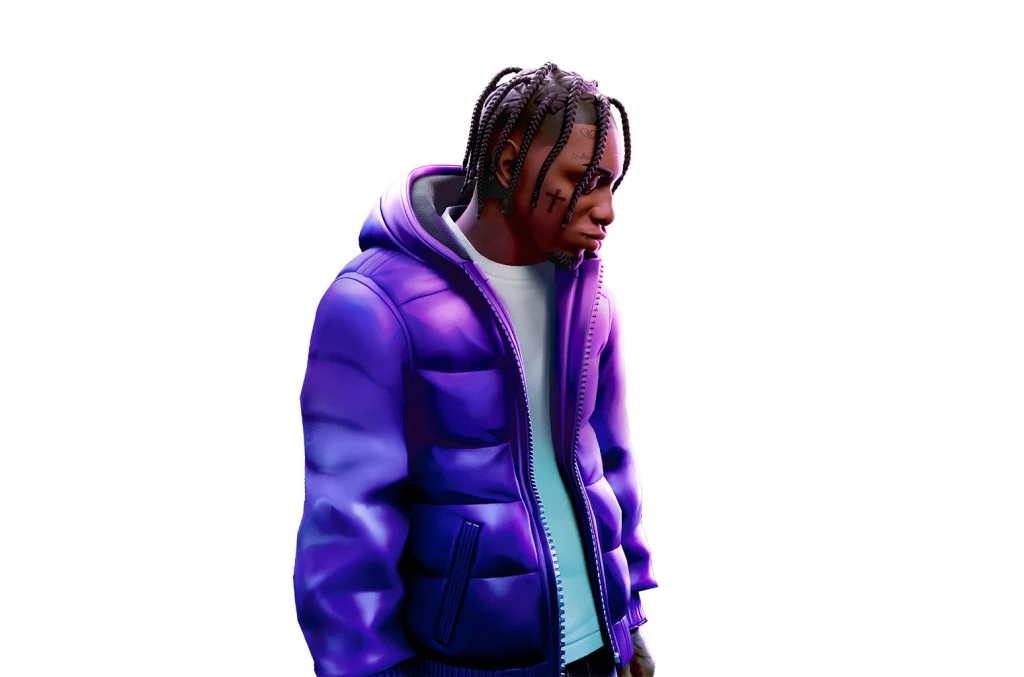
Brad Spahr, senior vp/general manager of Sony Immersive Music Studios, says the Hallow world-creation team focused on a singular question: “What would Sleepy’s brain look like?” Very purple, as it turns out. In “The Hallow Heist,” the rapper’s avatar wears a puffy purple coat as evil robots armed with lasers put him to sleep, while the rest of the game involves players floating, jumping, zip-lining and racing cars through a futuristic purple cityscape. When they finally succeed, Hallow declares, “What a trip. I’ve got this song stuck in my head. Yep, studio time.” The game ends with a trip to a recording studio, where Hallow debuted his new single “Girls Like Girls.” A music video for the track subsequently came out on April 24 and landed 108,000 YouTube views in the first five days of its release. The track has streamed 1.2 million times overall, according to Luminate.
“He was involved the whole way,” says Spahr, whose Culver City, Calif.-based Sony Music team initially emphasized virtual reality when it started nearly 10 years ago, but now emphasizes Fortnite and Roblox in addition to other projects. “He gave us a lot of reference material — things we could work with to build the framework of a creative concept.”
As with all of the Sony team’s projects, Hallow’s Fortnite activation entailed a complex technology design but a simple idea: Reach gamers where they are. “It’s an ‘If you build it, they will come’ situation,” RCA’s Ciccimarro says. “The community wants to be there, and we just gave them something to do.”

Skaters who have dreamed of nosebone kickflipping the curb in front of the El Rey Theater or landing a 360 Varial McTwist under the venue’s iconic marquee can now live out that dream on Tony Hawk‘s Pro Skater 3 + 4. Both games are set to drop on July 11, according to game maker Activision Publishing, Inc. […]
HipHopWired Featured Video
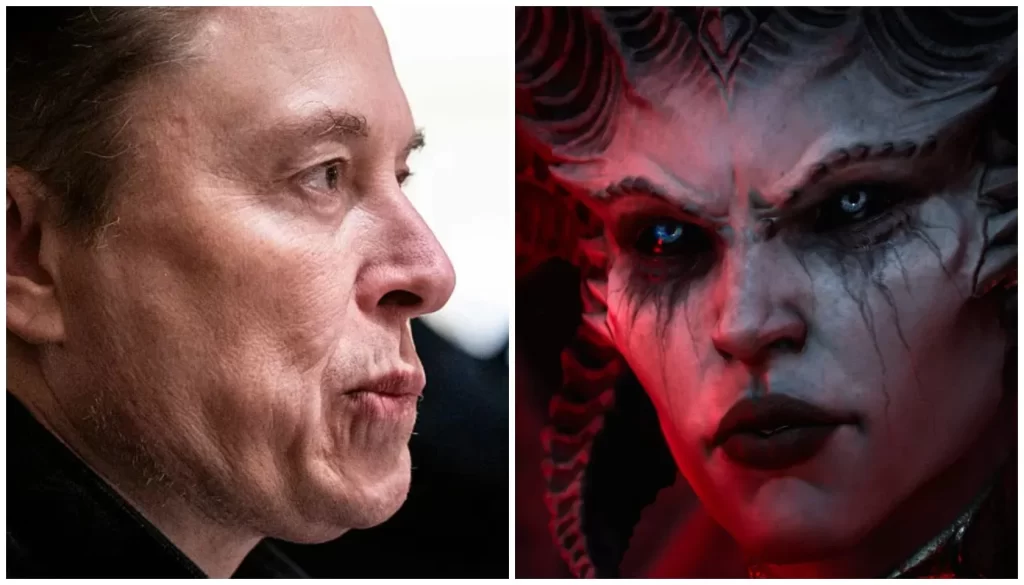
Getty Images / Elon Musk / Diablo IV
Elon Musk has once again been trolled for video gaming skills, or lack thereof.
Musk, who recently claimed he was cutting back his time with DOGE (Department of Government Efficiency) because his company, Tesla, is flopping due to his involvement in ruining people’s lives, decided to share another video of himself playing Diablo IV.
The billionaire is still desperate to prove that he is the ultimate gamer, but in the process, he only invited trolls to clown him once again. Musk’s skills came under scrutiny when he was accused by gamers, including the popular problematic streamer Asmongold, of paying someone to play Path of Exile 2 for him or “fraudmaxing.”
Being the petulant manchild he is, Musk unfollowed Asmongold, stripped him of his verified status, and shared the DMs they exchanged with each other.
Musk would eventually admit to cheating in both Diablo IV and Path of Exile 2, but his lame behavior hasn’t stopped. He shared another stream of himself playing Diablo IV on his X account, but this time he disabled his comments, only allowing his closest friends to reply to the post, because people were once again clowning his skills.
This latest moment also follows Musk’s “rage quitting” when trolls took over his comment section during a test of his Starling service on his private plane, which United Airlines allegedly wants to use on its fleet of commercial aircraft.
Elon Musk’s Gaming History
Musk takes his gaming very seriously; he is so into it that he had a gaming rig installed in his DOGE office to get in some gaming time between laying off hard-working Americans.
It doesn’t sound very efficient, if you ask us; in fact, that sounds like a complete waste of government time and money.
Well, we hope Musk continues to get trolled; he deserves every bit of it.

HipHopWired Featured Video
CLOSE
Source: Nintendo / Nintendo Switch 2
After a delay, primarily due to Donald Trump’s blatant abuse of tariffs, Nintendo was forced to postpone pre-orders for the Nintendo Switch 2 for fans in the US. After some waiting, the day has arrived for gamers stateside to secure Nintendo’s new console, and as expected, things did not go smoothly.
Although people have been complaining about the Switch 2’s price, demand is still strong. Gamers had a frustrating time trying to secure a Nintendo Switch 2 due to several sites offering pre-orders crashing under the high volume of traffic.
Best Buy, Target, and Walmart all experienced issues with their websites on Thursday morning once pre-orders for the Switch 2 went live, according to Downdetector.
For about 45 minutes, starting around midnight, following the announcement that pre-orders for the Switch 2 went live, more than 2,000 customers reported experiencing issues while trying to connect to Target’s website.
Best Buy wasn’t any better. Even though they required customers to have an account on the website, a tactic to combat scalping, customers began encountering issues around 9 PM on Wednesday, which persisted until 2 AM on Thursday.
GameStop, remember them? Kicked off their Nintendo Switch 2 pre-orders on Thursday at 11 AM; spoiler alert, it was also a hot mess.
Still, some were able to secure their Nintendo Switch 2 consoles, even though it required some searching. To those people, congratulations on your major accomplishment.
The Buzz & Discourse Around The Nintendo Switch 2
The Nintendo Switch 2 is set to launch on June 5, a date Nintendo says will hold firm. Since its announcement, there has been considerable excitement, as well as considerable discourse, particularly regarding the costs of its games.
Mario Kart World, one of the console’s launch titles, will cost $80, and that is not sitting well with some gamers.
Many were worried that Nintendo would raise the price of the console in response to Trump’s tariffs, but the company has recently announced that the console’s price will remain unchanged. However, they did raise the price on accessories.
Welp.
You can see more reactions to the Switch 2 pre-order situation in the gallery below.
1. Felt this
3. Gotta kill time somehow
8. Nature is healing
HipHopWired Featured Video
CLOSE
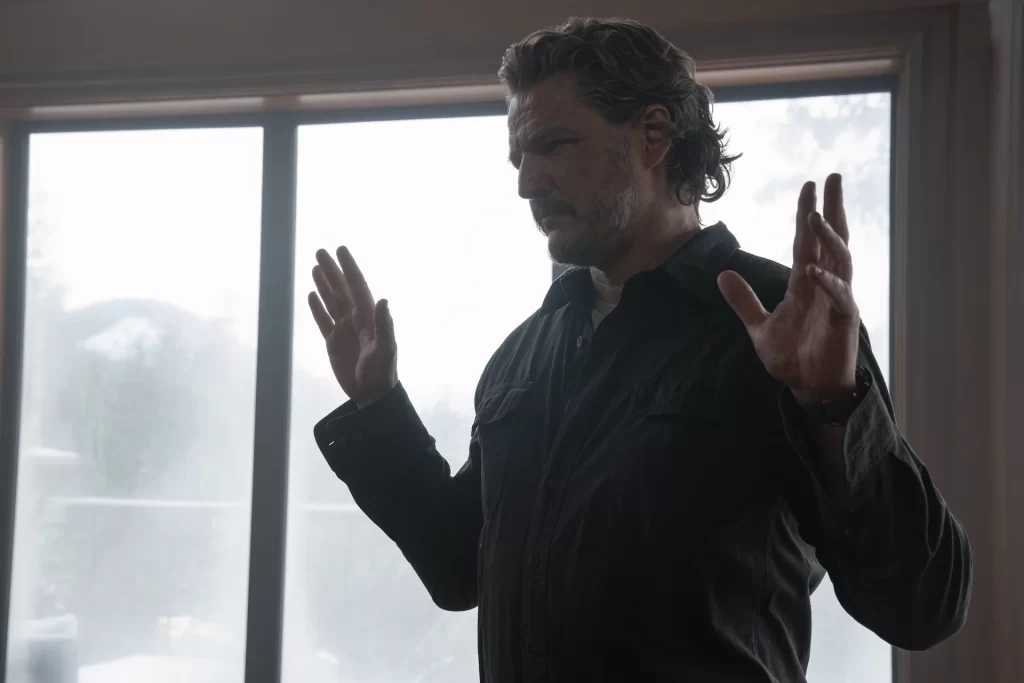
Source: Liane Hentscher/HBO / The Last of Us / Pedro Pascal
Gamers have already experienced this controversial moment in video game history. Still, watching it unfold in HBO’s hit television adaptation of the iconic video game, The Last of Us, has hit even harder, leaving fans stunned.
Like watching the Titanic barrel towards a massive iceberg, fans of The Last of Us video game knew this day was coming and eagerly anticipated seeing how casual viewers would handle this moment that sparked plenty of discourse in the video game world when The Last of Us Part II was released in 2020.
*Spoilers Ahead*
Okay, if you moved past the spoiler warning, you no longer care about what is about to be said.
How Joel’s Time Came To An End In The Last of Us Season 2
At the end of season 1, we saw Pedro Pascal’s Joel slaughter a bunch of members of the Fireflies and including doctors who were about perform a fatal surgery on Ellie (Bella Ramsey) in hopes of turning her immunity to the fungal plague into a cure to end the Cordyceps brain infection that ravaged the entire globe, basically bringing civilization to a crashing halt.
Joel’s decision to save his surrogate daughter comes back to haunt him in season 2 with the introduction of Abby (Kaitlyn Dever), who just happens to be the daughter of the head surgeon he killed in season 1, and yes, she wants revenge, and she gets it brutally.
After Joel saves her from a horde of infected, she quickly realizes he is the man she has been searching for. She shoots in the knee with a shotgun before brutally beating Joel with a golf club, delivering the fatal blow in front of Ellie for a gutwrenching scene as she screams for surrogate dad to get up, before dragging herself over to his lifeless body.
We knew it was coming, but man, it still hit like a ton of bricks.
Showrunners Craig Mazin & Neil Druckmann Didn’t Want To Torment Fans
The Last of Us television show is a rare gem, as it has rich source material to draw from in the game; for the most part, it perfectly mirrors the game with some slight changes made to the story.
Like in this season, Abby is not muscular like she is in the game, much to the chagrin of some purists, but Dever still plays the role with the same anger, and Joel’s death in the show was more brutal than it was in the game, and this was done on purpose.
In an interview with Variety, showrunners Craig Mazin and Neil Druckmann explained why they wasted no time when handling Joel’s death in the show.
They admitted they had thought of every possible scenario. Still, Druckmann explained from a storytelling perspective that Joel’s death happening early made sense “because this is the inciting incident for this story.”
Mazin and Druckmann also wanted to address the elephant in the room, Joel’s death, because it has been looming over the show since season 1, and they felt they had an obligation to spare fans from any more torment.
“There’s a danger of tormenting people,” Mazin told Variety. “It’s not what we want to do. If people know it’s coming, they will start to feel tormented. And people who don’t know it’s coming are going to find out it’s coming because people are going to talk about the fact that it hasn’t shown up yet.
“Our instinct was to make sure that when we did it, that it felt natural in the story and was not some meta-function of us wanting to upset people.”
Social Media Reactions To The Last of Season 2’s Heartbreaking Moment
As expected, the reactions to Joel’s gruesome death were those of shock, and mostly people who knew it was coming were still left reeling after watching Pedro Pascal take a golf club and plenty of punches to the face.
We’re not sure if those people who were tuning in to watch Pedro Pascal will stick around, but if this one post on X, formerly Twitter, is an indicator, HBO and The Last of Us might be in trouble.
But we don’t think last night’s episode will be the last time we see Pascal’s Joel. Remember, we got a whole five years of time we need to catch up on.
Damn Joel, we hate it had to be you.
You can see more reactons to the episode in the gallery below.
1. If you hate her, that means she’s doing a phenomenal job

HipHopWired Featured Video
Play Company / 2K
Play Company and 2K are partnering to give NBA 2K players another way to take on each other and back up all the trash-talking using a new dedicated tournament system.
The new, groundbreaking multi-year partnership announced last week allows NBA 2K players to win monetary prizes through online tournaments, giving them the ability to truly put their money where their mouth is, if they are as skilled in NBA 2K as they claim to be.
The new tournament system, called Play NBA 2K, will be integrated within The Play Company’s flagship product, Play OS. The deal also makes Play OS the official tournament platform for the game. It will introduce a dedicated menu button in the NBA 2K25 Play Now section for eligible players, allowing them to learn how to gain access to NBA 2K tournaments.
Through Play NBA 2K, players can participate in free-to-enter tournaments and entry-fee-based tournaments, providing NBA 2K fans with even more opportunities to compete in the basketball video game.
“Unlocking the ability for NBA 2K players to earn real cash prizes through competitive play marks a major milestone for us and the industry. We’re incredibly grateful to the team at 2K for helping make this transformative partnership a reality,” said The Play Company CEO, Brandon Pitts.
“2K’s partnership with The Play Company will further expand the ways that we are trying to build engagement and connect with our players,” said 2 K’s head of lifestyle and content marketing Ronnie “Ronnie 2K” Singh. “For us the deal with The Play Company serves as yet another way to quench the thirst of our competitive 2K community,” Singh said.
The service will go live with Play Now and MyTEAM tournaments. Additional tournament formats will be rolling out in the months ahead. Gamers can join Tournaments by downloading the Play OS mobile app on iOS or visiting this website.
NBA 2K Continues To Find Ways To Keep Players Engaged
NBA 2K remains at the forefront, allowing its players to enhance their gameplay experience and earn money. There the NBA 2K League that partners with the NBA, allowing those who are exceptionally good at the game to make a living playing 2K and be treated like actual athletes and there was the players only tournament that took place during the pandemic featuring some the league’s biggest stars who are also good at NBA 2K.
We are intrigued to see how successful this new partnership will be.
HipHopWired Featured Video
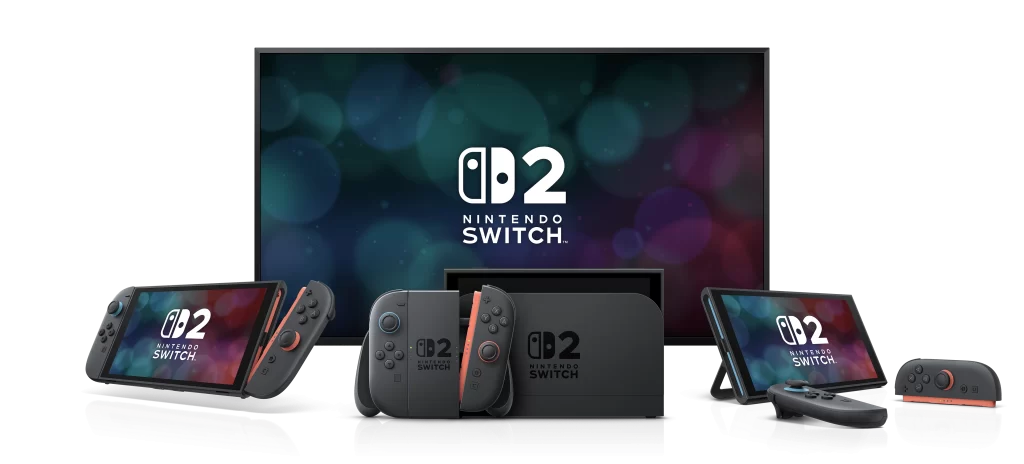
Nintendo / Nintendo Switch 2
Mark your calendars, U.S. Nintendo fans, you can now officially preorder your Switch 2 on April 24.
Nintendo announced the new preorder date for U.S. customers and revealed that the price for the Switch will also remain at $449.99 for the base console and $499.99 for the Mario Kart World bundle.
Prices for both physical and digital versions of Mario Kart World ($79.99) and Donkey Kong Bananza ($69.99) will remain unchanged.
However, there is some bad news: the price of Nintendo Switch 2 accessories is going up. The Switch 2 Joy-Con, Switch 2 Pro Controller, and Switch 2 Camera are seeing price bumps.
The Joy-Con 2, originally priced at $89.99, will now be priced at $94.99. The Pro Controller increased from $79.99 to $84.99, and the Nintendo Switch 2 Camera rose from $49.99 to $54.99.
Gamers who usually use video games as an escape from politics are now seeing how politics can invade their space.
All of these moves by Nintendo are a direct result of Donald Trump’s abuse of tariffs. Originally, preorders for the Switch 2 were supposed to begin on April 9, but were delayed after Orange Mussolini announced his tariffs, which would affect everyone, including an island inhabited by penguins and seals.
In response to his boneheaded actions, Nintendo said it was delaying Switch 2 preorders in the U.S. “to assess the potential impact of tariffs and evolving market conditions,” but also stated that the June 5 release date remains unchanged.
How We Got Here
On April 8, Nintendo also delayed preorders for the Switch 2 in Canada “in order to align with the timing of preorders to be determined in the US.”
After watching the global economy tank and the U.S. stock market nosedive for a few days, Trump issued a 90-day pause on some of the tariffs, but kept the 145 percent tariff on China in place.
Then, news broke that the Trump administration had announced exemptions for smartphones, computers, and chips. Unfortunately, gaming consoles were not on the list, but then Trump said that “no one is getting off the hook.”
In anticipation of Trump’s tariffs, Nintendo began stockpiling the Switch 2 in the United States and shifted most of its non-Chinese production there.
The Switch 2’s announcement has been a clusterf***, with some issues being on Nintendo’s part, but mainly due to the company trying to navigate Trump’s erratic behavior with the tariffs.
Let’s hope this date stands firm, and people won’t have to choose between putting food on the table or getting a Switch 2 at this point.

A TikTok user who says she created the viral “Apple dance” to a Charli XCX song is suing Roblox over allegations that the company violated copyright law by selling her dance moves as an “emote.”
In a lawsuit filed last week in Los Angeles federal court, Kelley Heyer says the online game platform used the dance – a viral sensation set to Charli’s “Apple” that was emulated by scores of celebrities and influencers – in a version of its “Dress To Impress” game that featured the singer Brat singer.
Though Roblox allegedly reached out to negotiate a license, Heyer says the talks never led to a deal – and that the company simply used her dance moves without permission.
Trending on Billboard
“Roblox proudly advertises that its platform allows creators to ‘create, scale and monetize,’” her lawyers write. “Yet, it has prevented Ms. Heyer from the crucial monetization of her work on the Roblox platform.”
Charli XCX is not named in the lawsuit nor accused of any wrongdoing.
Numerous copyright lawsuits have been filed in recent years over viral dance moves featured in online video games. Alfonso Ribeiro, who played Carlton on The Fresh Prince of Bel-Air, sued Fortnite owner Epic Games over the use of his heavily-memed “Carlton dance” as an emote, as did the mother of Russell Horning, the so-called Backpack Kid who helped popularize the viral “Floss” dance.
For years, those cases faced skeptical judges who questioned whether simple dance moves were covered by copyright law. In 2020, a federal judge sided with Epic and tossed out a case filed by two former college basketball players over their “running man” dance. But in 2023 a federal appeals court issued a first-of-its-kind ruling reviving such a lawsuit against Epic Games, in which a panel of judges said they “see no reason to treat choreography differently” from longer dance routines.
In her lawsuit, Heyer says her dance was clearly protected by copyright law – and that Epic and Netflix have both struck licensing deals with her to use it. She says Roblox earned $123,000 in sales from selling the dance to users, but has refused to pay her any of it.
“Roblox has substantially benefitted and profited from its unlawful infringement of Ms. Heyer’s copyright and other uninvited misappropriations of Ms. Heyer’s intellectual property and proprietary rights in the Apple Dance,” her lawyers write.
In a statement responding to the lawsuit, Roblox denied any wrongdoing: “Roblox takes the protection of intellectual property very seriously and is committed to protecting intellectual property rights of independent developers and creators to brands and artists both on and off the platform,” the company said. “Roblox is confident in its position and the propriety of its dealings in this matter and looks forward to responding in court.”
HipHopWired Featured Video
CLOSE
Source: Sprayground / Destiny 2
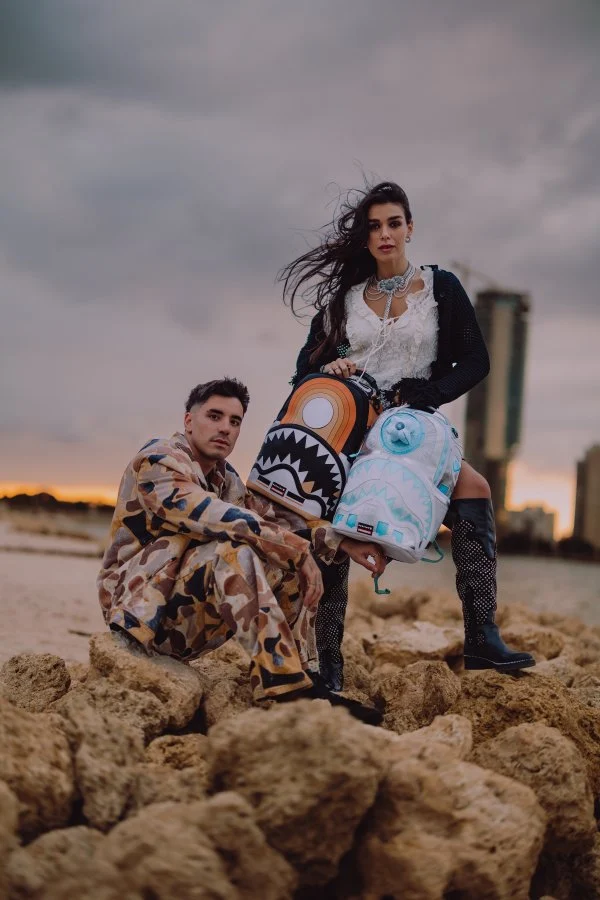
Sprayground, the popular brand best known for its collectible backpacks and luggage, is back with another fire collaboration. Fans of Bungie’s shooter, Destiny 2, definitely need this in their collection.
The limited Destiny 2 collection from Sprayground will feature two eye-catching backpacks that have become a staple among street style enthusiasts and young kids.
This latest collection celebrates Guardians, Ghosts, and lunar frontiers, all found in Destiny 2, with two amazing backpacks.
“Destiny has cultivated a passionate global community, and we wanted to craft something that truly resonates with the players,” said David BenDavid, Founder and Chief Creative Director of Sprayground. “These backpacks are more than just accessories – they’re a tribute to the game’s lore, visuals, and those who embrace the adventure.”
Source: Sprayground / Destiny 2
The first backpack is inspired by the Guardians’ floating companions, the Ghosts, which also guide the Lightbearers on their mission to protect the Last City and the solar system from the Witness, Fallen, Hive, Vex, Cabal, Taken, and various other threats.
Dubbed the Destiny Ghost Buddy Backpack ($120), it features a plush Ghost on the backpack along with other intricate detailing to help it truly stand out from other backpacks.
Source: Sprayground / Destiny 2
Next, the Destiny First Light Backpack ($90) draws inspiration from the First Light Lunar Installation, one of the first locations the Guardians explored in the Destiny franchise.
It incorporates the facility’s distinctive logo with 曙光 (shǔguāng), meaning “Dawn” or “First Light,” delivering fans another magnificent backpack that is a must-have.
Source: Sprayground / Destiny 2
How To Get One of The Destiny 2 Backpacks
Both backpacks are currently on sale via Spraygrounds’ website and select retailers, featuring staple features such as a spacious laptop compartment, a plush velour pouch for valuables, and Sprayground’s signature hidden pockets.
Hit the gallery below for more photos.
1. Sprayground x Destiny 2
Source:Destiny 2
Sprayground x Destiny 2 destiny 2,sprayground
2. Sprayground x Destiny 2
Source:Destiny 2
Sprayground x Destiny 2 destiny 2,sprayground
3. Sprayground x Destiny 2
Source:Destiny 2
Sprayground x Destiny 2 destiny 2,sprayground
4. Sprayground x Destiny 2
Source:Destiny 2
Sprayground x Destiny 2 destiny 2,sprayground
5. Sprayground x Destiny 2
Source:Destiny 2
Sprayground x Destiny 2 destiny 2,sprayground
6. Sprayground x Destiny 2
Source:Destiny 2
Sprayground x Destiny 2 destiny 2,sprayground
7. Sprayground x Destiny 2
Source:Destiny 2
Sprayground x Destiny 2 destiny 2,sprayground

In 2009, in between full-time shifts at a local factory, then-19-year-old musician Daniel Rosenfeld composed a score for an independent video game. “It was just a side hustle, maybe not even that. It was a hobby, really,” explains Rosenfeld, who records under the name C418.
The game, Minecraft, turned out to be successful beyond Rosenfeld’s wildest dreams. In 2014, Microsoft purchased Minecraft’s Swedish developer, Mojang Studios, for $2.5 billion, and through 2023, it had sold 300 million copies of the game, making it the best-selling video game of all time. Now, it’s the latest one to receive a movie adaption, and even that has been wildly successful: A Minecraft Movie, starring Jack Black, is the biggest box office hit of 2025 to date, having already grossed $550.6 million since it opened on April 4.
Because no one anticipated the game’s whirlwind success, or had the budget to properly pay him back in 2009, Rosenfeld was compensated for his work with a small fee and 100% ownership over Minecraft’s now-iconic score. Then, when Microsoft came calling in 2014, Rosenfeld made a fateful decision: he refused to sell the score to the tech behemoth, opting instead to bring on game composer manager Patrick McDermott to help him navigate building a business as an independent composer of Minecraft.
Trending on Billboard
McDermott counts himself as one of the rare folks who understands how to navigate both games and music. He started his career at Captured Tracks, and from 2015 to 2020 he built Ghost Ramp, a label which specialized in releasing game soundtracks on vinyl. At the time he was brought in to help Rosenfeld, he was also managing a number of other games composers, too.
Though McDermott says deals like Rosenfeld’s, where composers retain ownership of their IP, are increasingly rare, his Minecraft soundtracks have proven to be big business. The score, Minecraft Volume Alpha, which is distributed via TuneCore, was certified gold by the RIAA in 2023, and this month, it was inducted into the Library of Congress by the National Recording Registry, which cited it as an “audio treasure worthy of preservation.”
Since its release on digital service providers, streams of Minecraft Volume Alpha and its companion Volume Beta have averaged 38% year over year growth, and they have been streamed 2.8 billion times worldwide, according to McDermott. McDermott and Rosenfeld have built a surprisingly formidable vinyl business, too. The album, distributed by Ghostly, has sold over 200,000 units to date globally. Rosenfeld even has fans of his own who often congregate in a Discord server devoted to talking about his work, which includes the scores for other games such as Catacomb Snatch and Wanderstop.
But it’s not all fun and games for Rosenfeld. He thinks that by not selling the score to Microsoft, he might have sacrificed his chance to make future soundtracks for the Minecraft franchise — and it’s true that since the sale, Rosenfeld has not written anything for the game, with Microsoft instead turning to other composers. But because many Minecraft players are nostalgic for his original soundtrack, the score for A Minecraft Movie, composed by Devo’s Mark Mothersbaugh, interpolates it — giving Rosenfeld some upside from the blockbuster’s success.
In the end, Rosenfeld feels he made the right choice. “I don’t want to be stuck with the same thing for the next 50 years,” he says of Minecraft, and now, he can turn his attention to the new scoring gigs that excite him.
Here, Rosenfeld and McDermott speak to Billboard about the strange business of scoring for games and building a living off of Minecraft. “I know it’s hard to believe, but there’s a real argument that Daniel’s music is up there for the most heard audio by humans in history,” says McDermott.
How were you compensated for the original Minecraft game?
Daniel Rosenfeld: I asked for a share of the game, and I didn’t get a share. I got a tiny, tiny amount of salary for the music itself. The good thing, though, is that I owned the rights to the music, and that’s still persistent to this day. At the time, like 2010, people liked doing [revenue] shares for indie games as payment — like the musician gets 10 percent [of the game’s IP], the visual artist gets 20, and then the main developer gets 40 or whatever. That’s usually what happened back then. Mine was a little different.
Back in the day, when you made this score, is this also how larger game scores worked? Would Nintendo, for example, offer a deal like this?
Rosenfeld: Absolutely not. Nintendo is a Japanese company and in that culture, it’s typical that you would likely not get ownership but you’d just be employed there for, sometimes, the rest of your life. It’s the expectation of a company like Nintendo that it’s like a family — we work together and stay together. The mindset of American video game companies is different. The usual deal is the composer writes a song, and they get a single fee. That’s it. No residuals are typical in a AAA [a term used to describe video games produced by large publishers] big game.
Patrick McDermott: The typical structure is to get paid a price per minute of audio.
Has the way composers are paid in the independent game industry shifted since Minecraft launched?
McDermott: The way I see it is that there was a big boom of independent games. The comparison I use to explain this is what happened to the music business when [digital audio workstations] and home recording got easier. We got a lot more independent musicians, right? Independent gamemaking was the same. It got a lot easier because you had new tools like Unity and Gamemaker that make it possible to start building your own games. I’d say the heyday of indie games was something like 2008 to 2012 or so. The upstart, scrappy indie game business that allowed for a lot of this shared equity model was really successful for a period of time, but it’s just one of the sad, prototypical things that as people see more success in a market, the more bureaucratic and standardized things become.
Minecraft was a surprise hit. Then, Microsoft came along and bought it. You’ve said before that they wanted to buy the music rights from you. Why did you decline that offer?
McDermott: We did have conversations about it. Honestly, beyond sheer dollar figures, there was a gap in our understanding of each other. This was the genesis of Daniel and my relationship — when these conversations with Microsoft started to happen. And Daniel was smart enough to say, “Maybe it would be good to have an intermediary to help with it.” We involved a really wonderful lawyer on our side, and we had a strong belief that this music really matters. We just never quite came to the same terms and understanding on it [with Microsoft]. Daniel’s music is doing incredibly well. Who knows? Maybe they’ll knock on the door again someday, but for now, we’re thrilled that Daniel maintained ownership through all this.
Rosenfeld: I’m still going to therapy for this whole process. [Laughs]
Do any of your peers have the rights to their music from popular games today?
Rosenfeld: I am in a unique position, but it’s a bit of a monkey paw. I think it’s still frowned upon by the Microsofts, Sonys and Nintendos of the world for an artist to have ownership like I do. I’m a proponent of keeping rights, but it comes with the problem of some people not liking you so much for it.
McDermott: A lot of these composers don’t have anyone to advocate for them in these deals. I’ve had a couple situations with clients that I’ve worked for that are less known than Daniel, and we’ve been able to secure some rights for them, just because video games lawyers typically don’t know the nuances of the music business language enough to iron some things out. In a number of cases, I’ve been able to get the full IP ownership [of the music for the composer] and give gaming companies the unfettered usages that they want, but we can still sub-license back the monetization of digital and physical royalties that the musician wants.
Patrick, when you go into a negotiation for one of your clients, what is the first thing you ask for?
McDermott: I always want artists to be able to maintain their digital royalties, their physical royalties and their autonomy to make those decisions where they can sign with a record label for the vinyl side of things — stuff like that.
I honestly wouldn’t expect someone to want a game soundtrack on vinyl, but it seems like you all have built a booming vinyl business.
McDermott: When we grew up, we would buy games, and we loved the physical boxes and manuals and keepsakes that came with it. Now, most things you buy you just fire up on Steam or on the PlayStation store. I think people are drawn to the idea of having something physical from the Minecraft game they’ve always loved. If I had to guess, probably like 75% of the people who buy it never put it on a turntable. Even beyond just Daniel’s music, there’s just a lack of physical collectibles in these digital spaces, so it just fills that need.
Patrick, you’ve mentioned before that there’s a lack of understanding, on both the music and gaming sides, of the other. What are some of the mistakes you saw musicians making in the gaming world?
McDermott: When I got into game audio, I would talk to these game composers and realize their sales numbers were so massive compared to the independent tier that I had worked on. It was akin to the top artists at a label like Captured Tracks [where I previously worked]. You’d find someone who casually had Mac DeMarco-level sales numbers. The biggest mistake I saw some game composers making is they would be selling 30,000 units on Bandcamp in six months, but they never registered their music with a PRO. They didn’t know about SoundExchange. They probably had not been receiving publishing royalties in a meaningful way. I realized I could at least bridge these gaps for these composers and help them capture the royalties that are out there for them.
Rosenfeld: Yeah, I wasn’t signed with a PRO [when I met Patrick]. There were a lot of back royalties that were owed to me that I didn’t know existed.
McDermott: BMI, to their credit, reached out to Daniel because there was uncollected money. Thankfully these PROs have a period of about three years for retroactive royalties. So some of his money was technically lost, but we were still able to garner three years of back royalties.
I imagine the streaming habits for fans of the Minecraft score are pretty different from traditional mainstream pop listeners. Patrick, can you explain what listening behavior you’re seeing?
McDermott: There are two main things that I find pretty wild about Daniel’s digital performance. One is just the sheer amount of organic listens that avoid any of the algorithmic and editorial playlisting. The other thing is Spotify started sharing streams per listeners, which obviously shows if listeners hear a single once and move on or if they are bingeing the track, and Daniel’s is quite high. It’s 15 streams per listener. That’s at least seven or eight listens higher than anyone else I have access to. It’s also very evenly listened to throughout the soundtrack.
How is Daniel’s score represented in the new Minecraft film?
McDermott: There’s a song that the film licensed from us for interpolation across the score. It’s in there a number of times. There’s one song called “Dragonfish” that’s from a separate composition Daniel did during his negotiation with Microsoft, and Microsoft actually owns the rights to that one — well, Daniel owns the royalty and monetization rights, but Microsoft owns the IP. They actually play that song in full in the movie. We have no idea if that was gamesmanship on their part, using one of the songs of Daniel’s that they have better access to, or if they creatively just chose that one.
Rosenfeld: To their credit, I find the way they interpolated my song to be quite respectful. I haven’t seen the movie. I don’t know if I want to see the movie. I still need to go to more therapy. [Laughs]
The movie is still very new, but has hype around it translated into more streams for Daniel’s original score?
McDermott: Since the release of the film, his three highest streaming days ever were consecutive. Like within a range of 10 percent to 20 percent higher than usual.
Patrick, have you seen a noticeable impact in the consumption for this soundtrack since you came on as manager?
McDermott: Since Daniel and I started working together, the catalog is probably about eight to 10 times [more] in terms of monthly [listeners]. Still, every year has been bigger than the last since we started working together. I think it’s just worth saying that Minecraft is obviously continuing to add players — I think that’s what separates this. It’s such a unique IP to be associated with — so different from traditional music or even film. It’s just getting bigger over time.
Do you attribute the growth in listenership to Minecraft’s continually growing popularity, or do you also think that the trend is due to your various marketing efforts?
Rosenfeld: This is actually my little source of pride: as long as I have worked on Minecraft, there has been next to no marketing help.
McDermott: We don’t have a marketing budget for ads or anything. This is just organic. We just let it ride and see where it goes. But I think the reason it’s growing is twofold. It’s new Minecraft fans, and I think there was a transition of game audio listeners leaving Bandcamp and becoming Spotify users. We saw a big drop in Bandcamp and a big jump in Spotify in the last few years.
What about YouTube? There are so many gamers who are streaming their game play on there and other sites like Twitch. How do you handle monetizing your IP versus letting users enjoy the soundtrack?
Rosenfeld: We don’t collect any Content ID stuff on YouTube. We just rejected the idea of claiming those videos.
Why?
Rosenfeld: Legally I wasn’t allowed to. It was part of the original first contract.
McDermott: It’s a pretty unique thing to gaming. You would never want to short-change the marketing of the game to monetize the music. It just wouldn’t make any sense to pull monetization from these streamers because then they will just start muting the music. The spirit of the arrangement is to let content creators play the game and even do things beyond the game and let the score be part of it. It’s definitely different. If my music was being used on a random stream, I would claim it, but that’s not how it works here.
How much does Spotify account for Daniel’s soundtrack income now?
McDermott: Nearly 70 percent.
Back when you had the opportunity, you decided to not sell to Microsoft. Since then, there have been more compositions made to build on the Minecraft universe that came from other composers. Do you feel that if you had done it differently then maybe you’d be part of the newer scores?
Rosenfeld: Yeah, I bet I would, but here’s the thing: If I would have said yes, I would probably be able to write so much more music for them, but I probably would not feel great about it. I chose not to sell it, and now, I get the different sadness of, like, a messy divorce [with Minecraft] — but in return, I get my mental health and my freedom.
This story is part of Billboard’s music technology newsletter Machine Learnings. Sign up for Machine Learnings, and other Billboard newsletters for free here.