State Champ Radio
 R&B/Hip-Hop
Page: 54

Doja Cat heard from the fans, and she’s giving them a little Cinco De Mayo gift. There’s been demand for her to release a track titled “Crack” she previewed in 2022 on Instagram Live, and it’s finally available on her website for download on Monday (May 5). Explore Explore See latest videos, charts and news […]
As Godfather of Harlem returns for its fourth and final season on MGM+, the gritty television series about 1960s crime boss Bumpy Johnson — played by Academy Award winner Forest Whitaker — closes out with one last original soundtrack curated by none other than Swizz Beatz. With nearly three decades of hitmaking under his belt, Swizz has served as executive music producer for all four seasons, enlisting an all-star lineup of veteran MCs and rising voices to match the show’s powerful storytelling.
Explore
Explore
See latest videos, charts and news
See latest videos, charts and news
The latest 10-track project features collaborations with the likes of Conway the Machine, Jadakiss, Busta Rhymes, Snoop Dogg, and Jay Electronica, while the lead single “Danger Danger” pairs Swizz with Jadakiss and Pusha T. Additional contributions come from Cruel Youth, ScarLip, Sauce Walka, Tobe Nwigwe, Larry June, and more — proving that the series is going out with a bang.
Trending on Billboard
Billboard caught up with Swizz Beatz in New York City to talk about what first drew him to the series, how the music helps elevate its message, and what advice Bumpy Johnson might give to today’s generation of artists.
Godfather of Harlem is such a captivating show. What initially drew you to get involved with it, and how did your role evolve over time?Godfather of Harlem is the gift that keeps on giving. I’ve always been a big fan of Forest Whitaker — and come to find out, he was a big fan of mine. When they were looking for an executive music producer, Forest was like, “No, we need somebody from New York who understands the streets — someone who comes from the streets — to give the show the real, the grit that it needs.”
I got a phone call from Forest and a call from the team. It was a simple conversation: “Yo, we’re working on this show based on Bumpy Johnson. It’s set in Harlem.” Most of my family still lives in Harlem. I’m from the Bronx, but it’s HBO — Harlem Bronx Only. That’s what we say. I was just like, “OK, let’s have fun.” Four seasons in, it’s been an amazing journey, and we’re just getting started.
The show explores themes of power, identity and culture in Harlem. In what ways do you think the music you created enhances those themes, and how do you balance staying true to the history while adding your own personal touch?
When I first started, I was just doing tracks. I was like, “Okay, this track sounds good, that track could sound good.” But the way that I really broke down the formula for the show was making the songs voices in the head. My voice is what Bumpy Johnson is thinking. Then you have other artists’ vocals, which are what Rome’s thinking, what Mimi’s thinking. Make the musicians characters themselves in the film. When you see the score and how it’s lined up, it’s coming from the mind of the actor or actress you’re seeing at that moment. I kind of scored the individual actors for the music, instead of just doing music and having them put it with the scene.
How did working on the show influence your approach to creating music? Did it spark any new ideas or projects you’re excited about?
Working on the show is different from a lot of other things, especially in TV. In TV, they really have strict direction of where they want to go. I’m not gonna lie, I had the freedom to do whatever on this show, which is cool because I was able to invite a lot of new artists to the project. I didn’t have to just get hit songs to make the project seem cool. When you listen to the music, you don’t care if it was made then or now, it fits the property of the show.
Chris Brodo and my whole team have been super supportive, just saying, “Listen, let Swizz do what he’s gonna do.” We have parties in the studio — when we’re shooting Godfather of Harlem, it’s a party. The artists are there, the actors are there, the producers are there, the production manager, the sound man… we keep an open-door policy of creativity, and that’s how we feed off the energy from season one to season four.
As someone who’s both a creative force in music and involved in the TV/film world, how do you balance those two worlds? And what advice would you give to others trying to expand their creative boundaries?
The balance of TV and any other part of music is using the same part of the brain, they all go together. They’re all brothers and sisters, photography and artists, brothers and sisters, art and music as brothers and sisters, cinema, photography — all of these are still under the umbrella of art. It’s not even a hard job to just switch your brain from the subject matter.
The advice I would give to anyone is just to be as original as possible. Just do something disruptive, stand on it, and not really follow what everybody’s doing.
If I were to follow the rules or follow what everybody’s doing for this series the music wouldn’t feel organic. I’d feel pressured to make a hit record and feel pressured to do something on the charts. I built and designed this for the viewers and the listeners, but the viewers first.
What’s one song from the soundtrack that you think defines the show?
I would say, ” Crown Don’t Make You King” — that’s Conway the Machine, featuring Cruel Youth. When you see this song in the show, it’s at such a pinnacle peak: You got the crown, but it takes many more things to be a king than just the crown that you’re wearing. It’s what’s under the crown that makes you the king. The way that Teddy Sinclair wrote the words to those vocals is just unbelievable. And then Conway the Machine, just giving his energy on it, it’s one of my favorites.
What’s one piece of advice that you think Bumpy would give to rappers in this day and age?
Bumpy was about building community. Although he had a bad rap for being a gangster, if you really look at what he was doing, it was basically like Robin Hood, he was investing back into his people. He was investing back into every major program — he would fund every major government program. Even his wife would fund them. He was a big philanthropic gangster. I think what he would tell people is to give more, double down more, get your education, and be smart about risking your life.

Fat Joe and Jadakiss have joined forces to launch their Joe & Jada podcast. Produced by Colin Cowherd’s The Volume and Roc Nation, the podcast will tackle all things music, sports and culture.
Starting this week, two episodes will be released weekly on YouTube and all major audio platforms. The pair of New York rap titans wear their hearts on their sleeves and are as authentic as they come in the music world. But their in-depth knowledge and respect span plenty of industries outside of the music game, so it only made sense to bring their brash commentary and expertise to the podcasting world.
“My brother Jadakiss and I will be delivering a podcast experience like none other,” Fat Joe said in a statement. “We’re both passionate and opinionated about music, sports, entertainment and culture, so you can definitely expect to get unfiltered analysis, versatile interviews and untold stories. We’re coming to shake up the podcast game and set a new blueprint.”
Trending on Billboard
Fans can expect plenty of special guests to join the pair of diehard New York Knicks fans, with athletes, actors and celebrities from all walks of life sitting down for interviews and embracing debate.
“I’m looking forward to teaming up with Joe on this podcast and showing another side of my personality,” Jadakiss added. “We’ve been friends for a long time, so we have the right chemistry and foundation to make this a really special show. Everyone is finally going to get to hear what we debate and discuss all the time behind the scenes.”
Joey Crack and Jada are no strangers to collaborating. They represented the Big Apple on Ja Rule’s “New York” anthem in 2004, which peaked at No. 27 on the Billboard Hot 100.
“Fat Joe and Jadakiss are legends. Joe & Jada is everything we aim to do at The Volume — bring together strong, authentic voices to create conversations that connect with fans,” said Logan Swaim, who serves as chief content officer at The Volume.
The Bronx native has hosted his show Fat Joe Talks on Starz, but Joe & Jada is the first podcast venture for the duo. Look for the first episode to drop later this week and follow the pod’s official Instagram here.
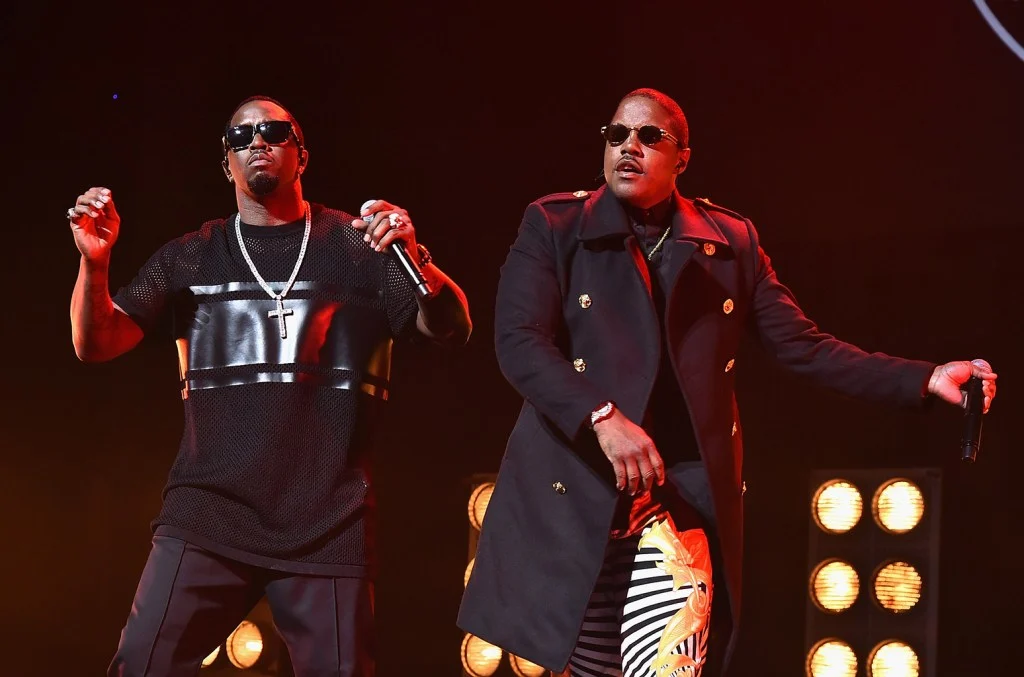
Mase is considering making an appearance at Diddy‘s upcoming trial. The former Bad Boy artist opened a recent episode of his sports talk show It Is What It Is by asking viewers to vote on whether he should pull up or not. “I wanna put it out to the fans,” he said. “I’ll let the […]
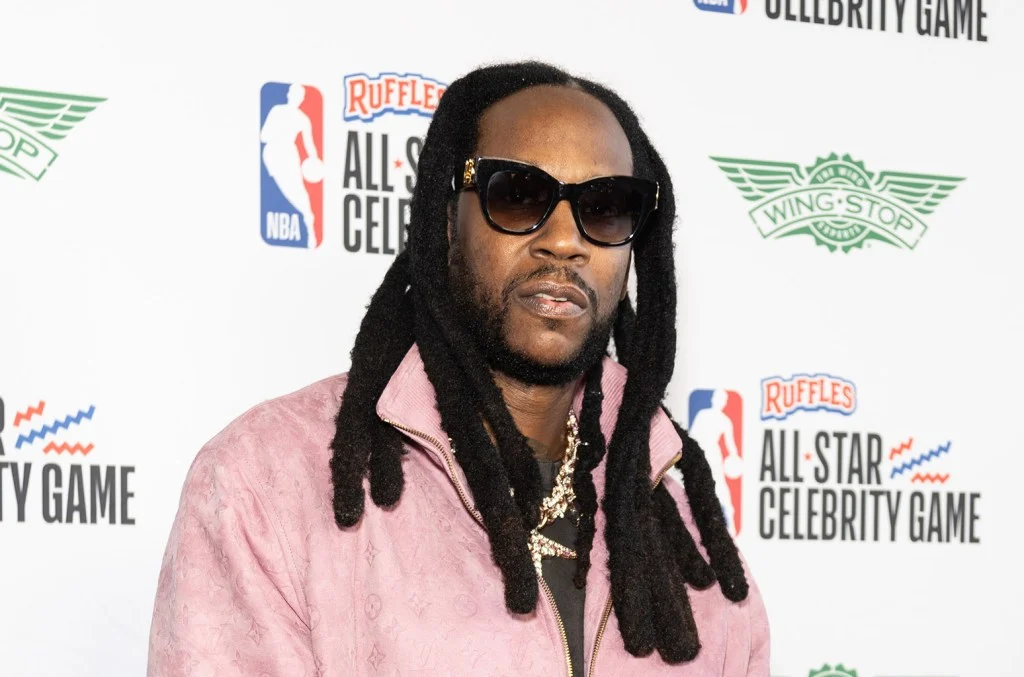
2 Chainz is set to premiere a new short film he made with Omar Epps at the Atlanta Film Festival on Saturday. In an interview with Variety on Friday (May 2), 2 Chainz said his new film Red Clay felt like a fitting extension of his music. “I tell stories through my music, always hoping […]

YEAT paid homage to Drake with a cover of “Feel No Ways” during his Coachella set in April, and the electronic cover of the Drizzy fan-favorite received an official release on DSPs on Friday (May 2). Explore See latest videos, charts and news See latest videos, charts and news The “Feel No Wayz (Yeat Mix)” […]
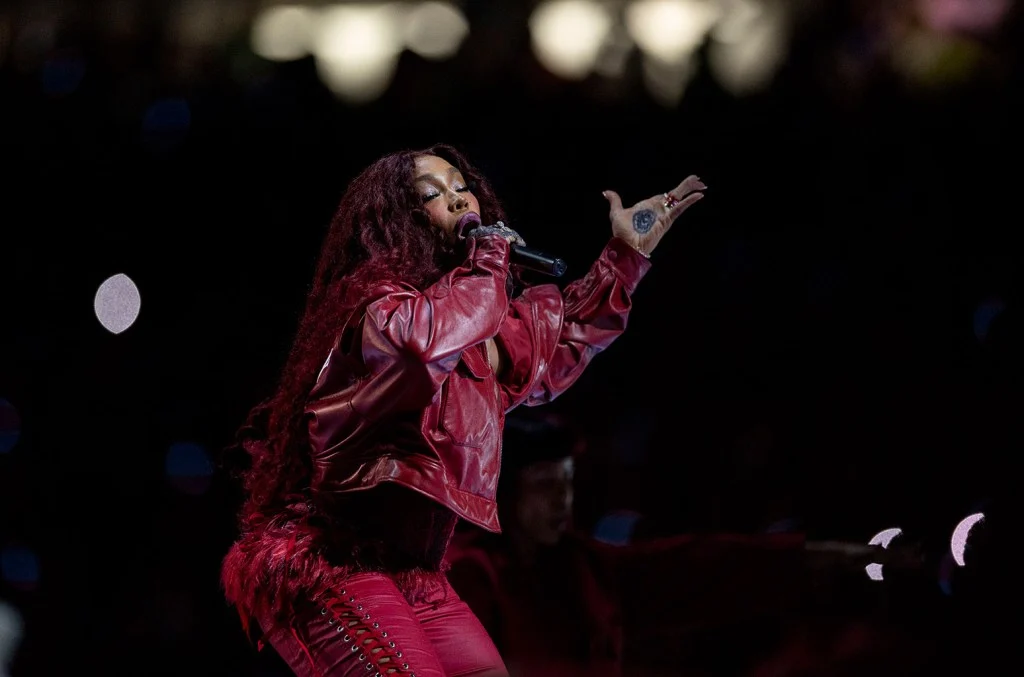
After performing in Texas as part of The Grand National Tour, SZA gave fans a behind the scenes look at the blockbuster show. On Friday (May 2), SZA hopped on Instagram to share a vlog dedicated to The Lone Star State. The R&B singer and Kendrick Lamar performed in Arlington, Texas at the AT&T Stadium […]
Conductor, we have a problem! Conductor!
If you haven’t heard that saying while listening to rap music, then you need to diversify your listening habits — because Kansas City’s Conductor Williams has quickly become one of the latest underground acts to crossover into the mainstream, as rap music continues to fight for its soul the more it dominates the charts. He’s been at this beatmaking thing since the mid 2000s, when he worked with New York-based rappers like Outasight and Fresh Daily around 2008. However, Williams didn’t really begin to find his groove until he decided to reinvent himself in 2016 after falling on hard times. “It was just a moment where everything changed,” he said. “So, maybe I needed to change too.”
Fast forward a couple years and Griselda Records founder Westside Gunn is in his Instagram DMs asking him to take a video down about a beat he made because he wanted to use it for his upcoming album Pray for Paris which then began his swift ascension into becoming one of the most in-demand producers in the game today. He’s made beats for the likes of Drake, J. Cole, and Joey Bada$$, who have all reached out to him when they feel like they want to rap a certain way and reach a certain audience. And while they haven’t worked together yet directly, Tyler, the Creator helped him win a Grammy when he used one of his beats on his song “Sir Baudelaire.”
Explore
Explore
See latest videos, charts and news
See latest videos, charts and news
Conductor is now planning on producing full-length projects with guys like Rome Streetz, just as he did with the impressive Boldy James record Across the Tracks and wants to put out more instrumental tapes. We caught up with Williams and talked about a wide array of topics, ranging from how he got his start, his process, and the moment when he started to climb out of the shadows of the underground, among other things.
Trending on Billboard
Check out our talk below.
You smoke a lot of cigars. What’s your favorite brand?
This is a Joya de [Nicaragu.] This is a classic joint. I suppose the story goes that President Nixon made these the office favorite during this term, or something like that. But this is just a staple, and more than anything, it’s just a moment for me to stay still. If not, I’d be trying to do all kind of s–t but once I light one up, I got 40 minutes. So, it’s kind of meditative and enjoyable in that way.
What were you doing before you started producing, like as a day job?
I worked for a railway and my father did it too, and my uncle. I did that, but I went to university too, and I got out of university and then got a job with the old man doing that.
Were you alway interested in production?
Yeah, I was making beats in college and just fascinated with the process in college. Before college, I just loved music, you know, I’m saying playing little shows and colleges and stuff like that, house parties. But the love for actually making the instrumentals day come until maybe my last year of college was when I was like I’m gonna start cooking and see how good I can get. And I did that locally. And I did it to a place where I kind of like, I wouldn’t say I had outgrown Kansas City hip-hop, but I got to a place where I kind of worked with everyone, and it was kind of boring, and I was like, working a full time job, so I decided to attack the Internet. And that was actually the best gift, was me deciding to use the internet and meet other people around the world.
I started with the beats in like 2008. There’s a cat from out here — his name was Outasight at the time — and him and I linked on Myspace. Around 2008 is when I felt like I was good enough to start sharing music with people outside of my city and then by 2016 is when I decided to stop working with everybody and only focus on myself. I wanted that instant gratification of making a beat and seeing what everybody says about it, so I started posting instrumentals on Instagram. So, selfishly I wanted to know how good and entertaining my beats can be without having a rapper on them. Then I learned Adobe Premiere, and just kind of started hustling on how to present myself differently.
In your Amoeba record store “What’s in My Bag” video you had a J Dilla Donuts vinyl, and mentioned how much it influenced your production style. Were you listening to a lot of Dilla, Madlib, and DOOM beat tapes at the time?
Yeah, a lot of that. Pete Rock, too. And I honestly think Dilla was about to take it to a place where it was about to turn into jazz records, like instrumental beat tapes were about to be jazz records. He just didn’t get a chance to finish his ideas. But I think the idea that he started is like, “Yo, beats and samples can be told into stories in that way.”
You mentioned that you decided to reinvent yourself around 2016 and a couple years later you pop up on some Griselda records. Talk about that relationship a bit.
Ironically, the thing about Griselda that I haven’t been able to articulate yet because I haven’t had a chance to is that they were just outsiders. West and those guys kind of viewed themselves as outsiders, coming from Buffalo, and I was in Kansas City feeling the same way. And, you know, through the stars and through God, we all kind of met, so I didn’t never have to change my s—t. They really appreciated that. Westside Gunn really appreciated me being me. It just so happened that we were in the same mindframe.
How did you guys link up?
Instagram.
Did you hit him up?
The blessing of my career has been that everybody hit me directly — like, there hasn’t been a time where someone tried to go through a manager or an A&R yet. We’re getting to that place now, but all of the records that you’ve heard, they DM’d me. So, there’s something interesting about isolation and a one track mind, a one track system that I created where it’s like, “Yo, you got to go to that guy to get that thing.” And if you don’t go to that guy and get it, then you won’t get it. That’s kind of been the allure of things, you know I’m saying?
But West just seen me post a video the of the “Euro Step” beat I did, which was the first record he chose on Pray for Paris. I posted the beat video of me making it with cartoon projections behind me, and he hit me on a DM and was like, “Yo, take that down. Take that down. I need that. I need that send that.” And he was in Paris with Virgil, and I want to say Mike Dean. It was a bunch of people that were there. That’s kind of how that all started.
You’re very proficient with your vlogs.
That was the thing. I would make beats all week and then on the weekends I would work on videos for the next week.
So, you already had a strategy.
I don’t know if you have children, but when you have that responsibility and your dream or your passion is for real, you gotta figure it out. It’s not a matter of like, “I can’t make beats this weekend.” That was never the case, it was always, “How am I going to make beats this weekend?” You gotta figure it out. More than anything, persistence was the key there.
Your vlogging got you in a little bit of trouble, or that’s the rumor. You posted the Drake “Fighting Irish” freestyle and had to take it down.
That’s my brother. It was never “trouble.” It’s wasn’t a situation of like, “Yo, why the f—k you do that? Take it down right now.” It was just like, “Yo, Conductor. I know we were gonna do that, but not right now.” It was all good and it wasn’t a big deal. And eventually we’ll get to that. It was just like a miscommunication on both sides. And it’s like, “Yo, Conductor, can you take that down?” And it’s like, “Yeah, sure, I can take that down.”
You’re giving people advice on your vlogs. Some of them almost feels like a diary.
It is like a diary to a certain degree, but with the YouTube specifically. I wanted it to be what I wanted from somebody else, like what I wanted from the RZA or some other god-tier producer. Like, what would the villain do? What would DOOM do?
And you mentioned that he’s your favorite rapper.
I would say DOOM, West, and Evidence are my favorites. My top MCs are super strange for my taste.
What is it about Gunn’s style that you like?
It’s the character that he is. It’s how the music makes you feel. It’s his confidence. The way he loves himself is how we should all love ourselves. And a lot of us feel that way, but we don’t got the guts to say it. So, when you listen to a Westside Gunn record and he’s saying, “I’m the flyest ever,” and you’re rapping that, then it’s like that loop of you saying that out loud, you know? I tell West all the time, “You can rap, bro.” I think he is as nice as the other two. For the life of him, he’ll be like, “Nah, I don’t even rap. I’m a fashion n—a.”
Your beats reminded me of Dilla, DOOM and Madlib when I first heard them. You’re from that school of thought. The loops, the cartoon sounds.
Ultimately, those guys inspire me a lot. More than anything, bro, it’s just trying to find a way to tell a story through the instrumental, more than emulating the style, and a lot of it is necessity too. I don’t like computers like that. I don’t like synthetic sounding music. But the studies, though, the studies is all Dilla, you know, and I don’t know how I got spit out in the universe of like DOOM and Madlib, but the studies are completely all Dilla.
I think the results of the studies is something like “8am in Charlotte.” That record is all of the years of studying the legend and trying to not be like him. There’s times where I’m cutting a sample and I gotta turn the machine off, because it’s going Dilla World — because I’ve studied it so much.
You’ve said that you used to make five-to-10 beats a day. Has that process changed now?
I’ll never master the machines, but I’m at a place where I know how to get what I want. Now that I’ve got there, it’s about why am I doing what I’m doing and if it’s making sense. The part of the process that hasn’t changed is once it’s in the machine and to tape? I’m not an edit guy. I’m not listening to it constantly and going back to change the kicks. That s—t is cooked.
I don’t know if you ran into this, but I feel like at least for major label releases, even someone like Drake, right? Maybe you’ll come with something to the table, and then like, Boi-1da or somebody else will come, and they’ll add there bells and whistles to it.
The gift of this whole s— is a gentleman in Missouri making the records that he makes with the feeling that he gets. They want that. When they come to me, they’re like do whatever you do. On the Cole record “7 Minute Drill” there’s a baseline in there, it’s like a sine wave base, or an 808 — maybe elongated one — and Cole was so kind and almost halfway anxious about asking me if he can add it. He hit me a couple times that day that he was gonna add that little bass in there, and it was needed.
I want the best piece of art imaginable for the fan when they hear the track. It’s death of ego at all times, unless you’re trying to change my whole s–t. If you want to come in and pitch up the sample and put extra drums, then it’s not what I do. So maybe you should try, you know, by yourself, but it’s death of ego every time I touch down. And that’s the source of what I create out of and I think a lot of artists get that about me, and that’s what they respect most.
How did you feel about the drama surrounding that song? The Alchemist talked about “Meet the Grahams” and he said that he can’t control what rappers say on his beats.
And Al told me the same thing. You can’t control it. My job is to service the artist as best as I can. For me, being a man controlled by God, things that are blasphemous always alert me. Like n—as on some devil worshiping type s–t. You know what I’m saying? “God ain’t real, n—as out there praying is suckas.” I’m like, “Yo, chill out” [Laughs.] I’m one of those, one of those people. Other than that, it’s entertainment, and the artists that work with me come to me for the art.
So, you didn’t feel a way that he decided to delete it.
No, because he communicated.
So, Joey Bada$$, J. Cole and Drake all reached out to you?
Everybody reached out. You know what’s funny? There are fans that say I don’t do any music with the West Coast, but that music is coming, bro. The records with the Jay Worthys and the Larry Junes and the Ab-Souls are coming. N—as are reaching out, you just gotta wait.
You know what it is, too? I think it’s the stan stuff on social media. You made a beat for Drake, so you’re not allowed to make a beat for Kendrick.
You know what I’m saying? Why not? That’s that weirdo s–t. It doesn’t make any sense. I’m doing my job. At the end of the day, it’s rap at its highest level, and I’m just thankful to be a part of being of any of it.
What’s the difference in approach when you’re working with different rappers? What’s your process like?
This is pretty important because it’s maybe ethos at this point, no matter who the artist is — and Drake kind of ruined it for everybody in the best way — because a man of his stature and his schedule and his life still had the time to communicate with me about what he was feeling, what type of records he was listening to, where he was at with the pen, and that’s the beginning of the process with everybody.
Rarely is it getting a beat off the shelf. Generally, they pick off the beat tape and then we’re having more conversations about what’s happening. This is nothing more than a movie director or a movie producer. N—as don’t just show up to Tarantino and they want him to do a movie for them and they don’t talk about it.
So, the beat that they pick off the tape initially isn’t necessarily the one that they rap over?
With Drake, Joey and Cole, they pick off the beat tape and then they reference other songs in history, whether that be hip-hop or jazz. So, now I’m creating in their world. It’s a commutative thing, and that’s why them records feel like that. That’s why I can’t make another “8am” for Joey, because of the conversation and the energy that went into me building with Drake in that room.
So, you prefer a very collaborative process instead just handling things over email?
I want to know what the artist is thinking. A lot of folks be like, “Yo, I came to you because I’m trying to rap.”
You’ve become the go-to guy for the mainstream cats when they wanna get on some real rap sh—.
Yup. They be like, “I got some s–t I’m trying to talk about. I’m trying to get people to feel that I’m in a place,” and then they come to me.
Conductor Williams
AMES CREATIVE
Can you elaborate a little bit more on how different your relationship is with Gunn compared to other people?
I feel like if something terrible happened to me, Gunn would provide for my family. I’ll never be broke and I’ll never be down bad. He’ll pay for my kids to go to college if I’m not able to. That’s the difference between my relationship with him and everybody else.
I wanted to get into when you decided to rebrand yourself. Were you frustrated when you decided to do that?
It was a moment of internal reform. My granny had died. I went through a bad relationship. I was living in my car a little bit and couch hopping. I really didn’t have no money like that. I got laid off at the job. It was just a moment where everything changed, so maybe I needed to change too. And then there’s a record that I just re-released that I put out in 2018 called Listen to Your Body, Talk to Plants, Ignore People. I started building beats for that in 2016 because I changed my life.
I started like this hybrid vegan thing which was probably more vegetarian looking back at it. I really started my journey in mindfulness and meditation, and actually took it serious. I cut off all my friends, and the ones that were truly friends are still here with me now, but I cut off everybody. I didn’t resort to s–t like gambling, manipulating women. I didn’t start drinking and smoking weed or getting into drugs. I just stopped everything and I started finding what I truly was as an artist. I thought about not doing this anymore and going back to the railroad to make a career out of it. I was at a crossroads and I let God direct me.
What was your big break?
There’s a couple. I met Remy Banks.
Remy is a friend of the family.
Remy introduced me to Evidence who was going through something personal at the time. He wasn’t in the headspace to rap. He didn’t want to do anything, but he saw my output and linked me with Termanology. So, Term was the first person to put his brand with mine and I did a couple joints on his album Vintage Horns around 2019.
Shortly after that, Westside Gunn reached out for Pray for Paris and we did “Euro Step.” Then came “Michael Irvin” where he rapped, “You ever cook a brick in an air fryer?” And that worked so much, Tyler, the Creator used it. Also, Mach-Hommy’s Pray for Haiti was a really big moment because he put my three records back-to-back-to-back. Those are the type of things that visionaries do and I honestly feel like West saw what I was building towards and put me in position to execute.
Have you and Tyler talked about working together? Because you guys remind me of each other. You both have a natural curiosity, a willingness to learn, and an appreciation of history.
Nah, man. I feel like it’ll be soon, though — because I’ve been working with Domo [Genesis.] We got a lot of incredible things in common, you know, even down to our days of birth. His birthday is on March 6 and mine is on March 5. I also hear from a lot of people there we’re a lot alike, so I’m just curious to see if that’s true or not.
Let’s talk about the tag. How did that come about?
The idea is going back to the 2016 rebranding myself and the internal reform I had, which was a sensitive moment for me. So then in 2018, I’m like, “Man, if n—as can’t see that I’m cold and don’t want to say it, then I’ll say it myself. I’m gonna be obnoxious in a way where I’m repping myself like a graffiti artist.” It’s all purposeful. I wanted to scratch a nerve. A lot of that is me getting to that place where I was just so frustrated and being overlooked. At some point, you take on the underdog role.
Do you walk around saying it randomly? Because I do, especially after playing some of the tracks you’ve produced.
[Laughs.] Yeah, people say that all the time. If somebody calls me, I’ll answer and they’ll be like, “Conductor, we have a problem.”
How did you link with Wiz?
The most exciting record for me this year is the the Wiz Khalifa record with Ty Dolla $ign, “Billionaires.” He texts me, like, “Yo, wait till you see what I did with this.” And I’m like, “You rapping, rapping?” He made that jam. I want people to feel whatever emotion that radiates out.
You still get excited when motherf–kers comes back with some s—t.
Yeah, that’s the best part. How did you find that pocket? Why did you find that pocket? Why did you pick that beat? He was like, “This motherf—ker jam.”
Did you send Wiz a pack?
Nobody gets a nobody a cooked pack. Maybe West. But that’s like I said, that’s always different. Over the winter, I got into Matt Reeves super tough. I started marveling at Matt Reeves and the idea that he had to follow The Dark Knight trilogy. I fell in love with Matt Reeves for that moment and decided to rival that against Bruce Wayne. So, you get tapes like Matt Reeves vs. Bruce Wayne.
And then there’s photos that I found interesting for like color reasons, and then there’s always a note for the artist on why I felt how I felt, so they can see where I was at creatively and then the tape happens. I feel like seeing what another artist is thinking and feeling gives you a moment to collaborate and join them, or find a moment of juxtaposition.
Is there anything that you’re working on this year that we can look forward to?
I think the record with Rome is gonna be another dot on the map, because it’s the entire joint — which we haven’t got much of that for me yet, where I do every song, the arrangement of the track order, how it should feel all the way to the end. We ain’t got that. We just seen me in like little spurts. Now you get to see some dynamic movement all at the same time. Then an instrumental album to drive home.
No matter how far I get or how big the artist is that I work with, I want to keep making those jazz-like records — because honestly, bro, I really feel like that’s where the guy Jay Dee was gonna take it. And I feel a sense of obligation to continue on that path just to see what happens.
Are you planning on doing more full-lengths with rappers?
Maybe three more.
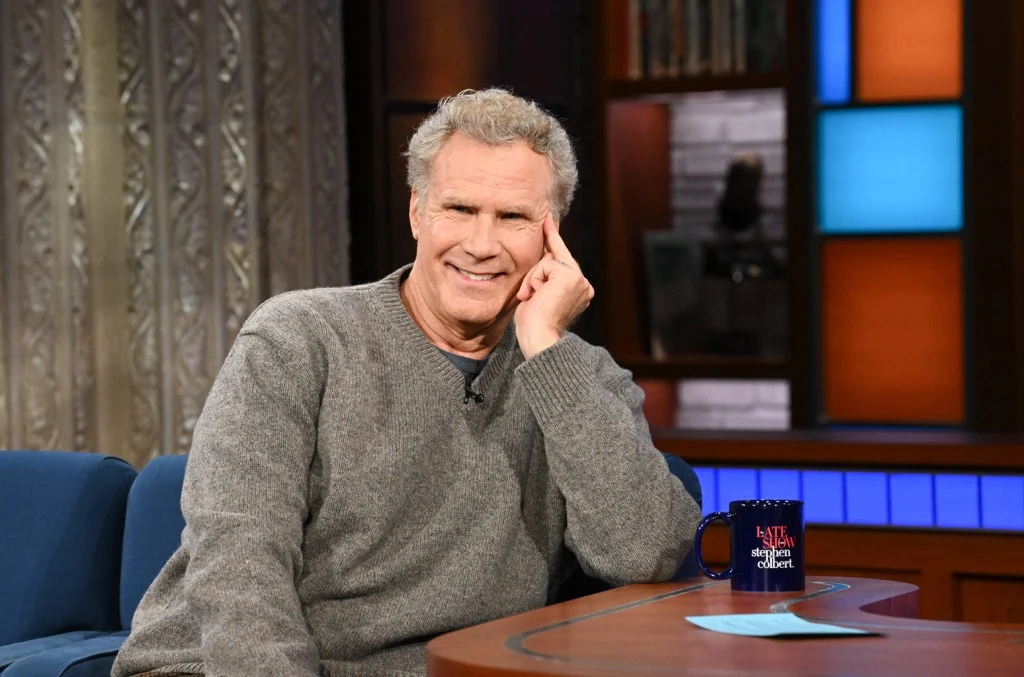
Will Ferrell shocked the world when he revealed that the first concert he ever attended was a Roddy Ricch show. Being 57 years old, many thought he’d go elsewhere with his answer during a recent appearance on The Late Show With Stephen Colbert’s Colbert Questionert segment. Colbert had no idea about the Compton rapper and […]
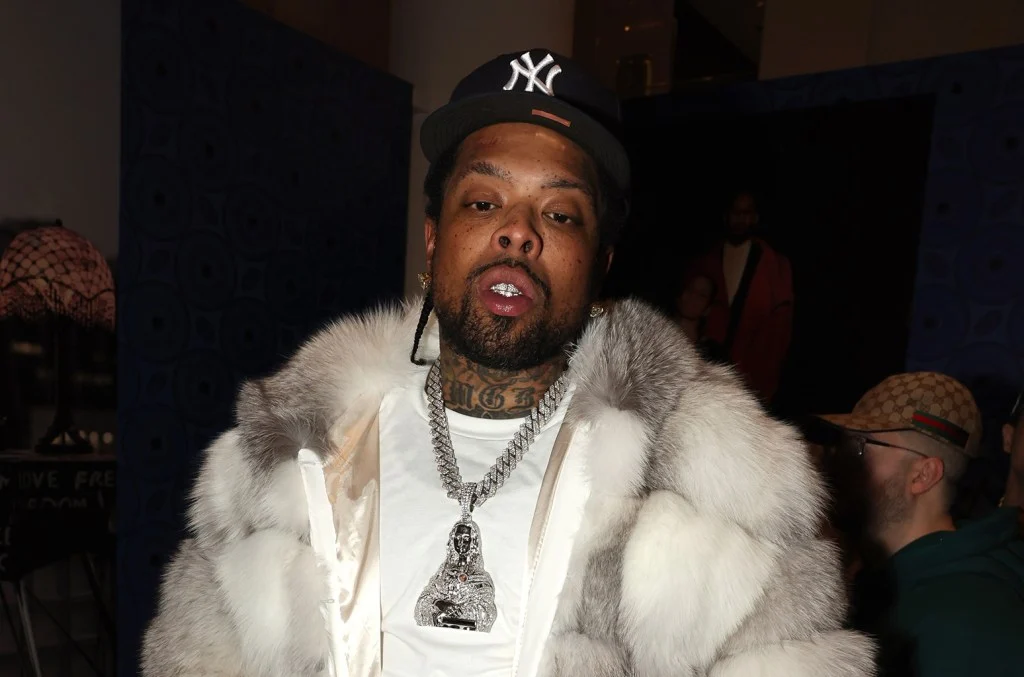
Westside Gunn has dropped off a surprise remix of “Egypt” featuring some fiery bars from Doechii. On Friday (May 2), Gunn unleashed the unexpected collaboration on the world, which made sense considering Doechii was technically on the original “Egypt” — or at least, her voice was. In the version of the track that appeared on […]