State Champ Radio
 obituary
Page: 3

Werenoi, the rapper who became France’s biggest-selling music artist in recent years, has died at age 31, his record label and producer said.
The artist, whose real name was Jérémy Bana Owona, was the No. 1 album seller in France in 2023 and 2024 according to the International Federation of the Phonographic Industry’s (IFPI) ranking, which includes in-store and e-commerce sales as well as plays on streaming services.
“It’s with immense sadness that we’ve learned of Werenoi’s passing,” his record company Believe said on Instagram. “All our thoughts are with his family, loved ones, his team and everyone who knew him.”
“Rest in peace my brother, I love you,” his producer Babs posted on X.
French media reports Werenoi died early Saturday (May 17) in a Paris hospital. The cause of his death has not been made public.
Trending on Billboard
Werenoi first became known to the French public in 2021 when he posted his song “Guadalajara” on YouTube and it was viewed hundreds of thousand times.
He released three albums, Carré in 2023, Pyramide in 2024 and Diamant Noir in 2025, making him one of the biggest names in French rap.
Several French rappers posted tributes on social media.
French-Malian pop star Aya Nakamura, who featured on Werenoi’s second album, wrote: “Rest in peace my dude. A news that saddens me and courage to the loved ones especially.”
“He made a difference for the quality of his songs, his melodies and his punchlines,” singer Pascal Obispo, who had accompanied Werenoi on the piano at a 2023 Paris concert, told French newspaper Le Parisien.
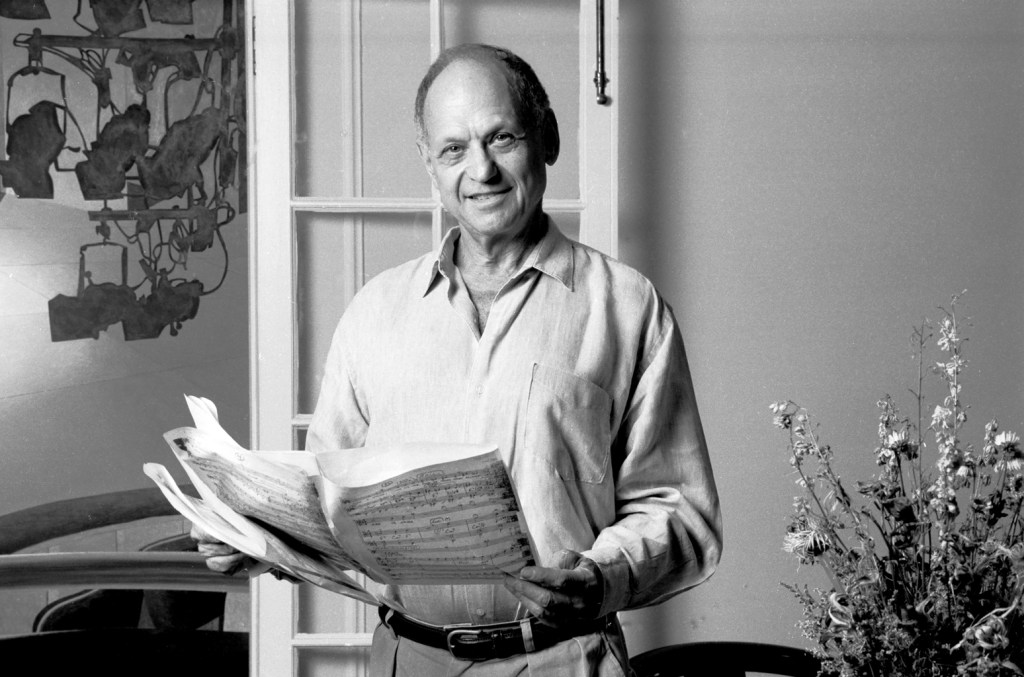
Composer Charles Strouse, who died Thursday at age 96, was Broadway royalty – a three-time Tony winner for Bye Bye Birdie, Applause and Annie. He also won a Grammy for the Annie cast album and a Primetime Emmy for a 1996 revival of Bye Bye Birdie starring Jason Alexander and Vanessa Williams. Strouse was inducted into the Songwriters Hall of Fame in 1985.
Even if you’re not a Broadway buff, you know at least a few of Adams’ songs. Annie spawned the instant standard “Tomorrow,” which Barbra Streisand covered on her platinum album Songbird. Jay-Z had a top 15 hit on the Billboard Hot 100 in 1999 with “Hard Knock Life (Ghetto Anthem),” which sampled “It’s the Hard Knock Life” from Annie.
Bye Bye Birdie, about a pop star who was drafted to go into the Army (inspired by Elvis Presley, the biggest pop star of the 1950s, who experienced a similar fate at the height of his fame), also spawned a standard – the jaunty “Put on a Happy Face,” which Dick Van Dyke performed in the musical (and in the 1963 film version). The song was covered by such artists as Nancy Wilson, Johnny Mathis, The Supremes and Tony Bennett. Bye Bye Birdie also included the spirited “A Lot of Livin’ to Do,” which was recorded by such stars as Bobby Rydell.
Trending on Billboard
Strouse was born Charles Louis Strouse in New York City on June 7, 1928. In 1949 he met lyricist Lee Adams at a party, which led to a long and successful musical partnership. The duo began by writing tunes for numerous revues, as well as special material for performers such as Kaye Ballard, Carol Burnett, Jane Morgan and Dick Shawn.
In 1958, Strouse teamed with Fred Tobias to write “Born Too Late,” which became a No. 7 hit on the then-new Hot 100 for Poni-Tails, a female vocal trio.
Strouse teamed with Adams to write the songs for several long-running Broadway musicals. They won Tonys for best musical in 1961 for Bye Bye Birdie (for which Van Dyke won a Tony) and in 1970 for Applause (for which Lauren Bacall won a Tony). They were nominated for a Tony for best musical in 1965 for Golden Boy (for which Sammy Davis Jr. was nominated for a Tony).
Even some of their lesser hits spawned memorable songs. 1962’s All American, which starred Ray Bolger, closed after 80 performances. However, one song from the score, “Once Upon a Time,” became an oft-performed standard of the 1960s, with recordings by such top singers as Tony Bennett, Vic Damone, Perry Como, Bobby Darin and Frank Sinatra. Richard Carpenter performed the poignant ballad at a 1983 concert soon after the death of his sister, Karen Carpenter.
Strouse scored the 1967 film classic Bonnie and Clyde, which brought him a Grammy nod for best original score written for a motion picture or TV special. Strouse and Adams wrote songs for The Night They Raided Minsky’s, a 1968 film produced by Norman Lear. While that film was only a modest hit, their collaboration with the producer would be a blockbuster.
In 1970, Strouse and Adams were asked to write a theme song for a TV show that Lear was developing. The show, which debuted in January 1971, was All in the Family, the biggest and most groundbreaking TV hit of the decade. Series stars Carroll O’Connor and Jean Stapleton performed the theme song “Those Were the Days,” which perfectly captured the tone of the show, from its opening lines: “Boy, the way Glenn Miller played/ Songs that made ‘The Hit Parade’/ Guys like us we had it made/ Those were the days.” The title sequence, of Archie and Edith performing the tune at their piano, is said to have been inspired by Strouse’s childhood memories of playing music with his parents at home. Released as a single, the original version reached No. 43 on the Hot 100 in 1972.
Several of Strouse’s scores climbed high on the Billboard 200. The Bye Bye Birdie cast album reached No. 12 (the subsequent film soundtrack climbed even higher – No. 2 in 1963). A TV soundtrack to All in the Family (which included “Those Were the Days”) reached No. 8 in 1972. The Annie cast album petered out at No. 81, but went platinum.
While Strouse is probably best known for his long partnership with Adams – who is still living at age 100 – he also collaborated with other lyricists. He and Martin Charnin teamed to write Annie, which won seven Tony Awards, including best musical and best original score.
Strouse received three subsequent Tony nominations for best original score, working with a different lyricist on each of the shows. He teamed with David Rogers on Charlie and Algernon (1981); with Steven Schwartz on Rags (1987); and with Richard Maltby, Jr. on Nick and Nora (1992).
Two revivals of Annie have received Tony nominations for best revival of a musical. In addition, a live staging of the show, titled Annie Live!, was produced for NBC in 2021.
Strouse loved what he did and remained active, which was doubtless a key to his longevity. “I work every day,” he told The Associated Press during an interview on the eve of his 80th birthday in 2008. “Activity — it’s a life force. When you enjoy doing what you’re doing, which I do very much, I have something to get up for.”
Strouse died at his home in New York City, his family said. Strouse’s wife, director-choreographer Barbara Siman, died in 2023. He is survived by four children, Ben, Nick, Victoria and William.
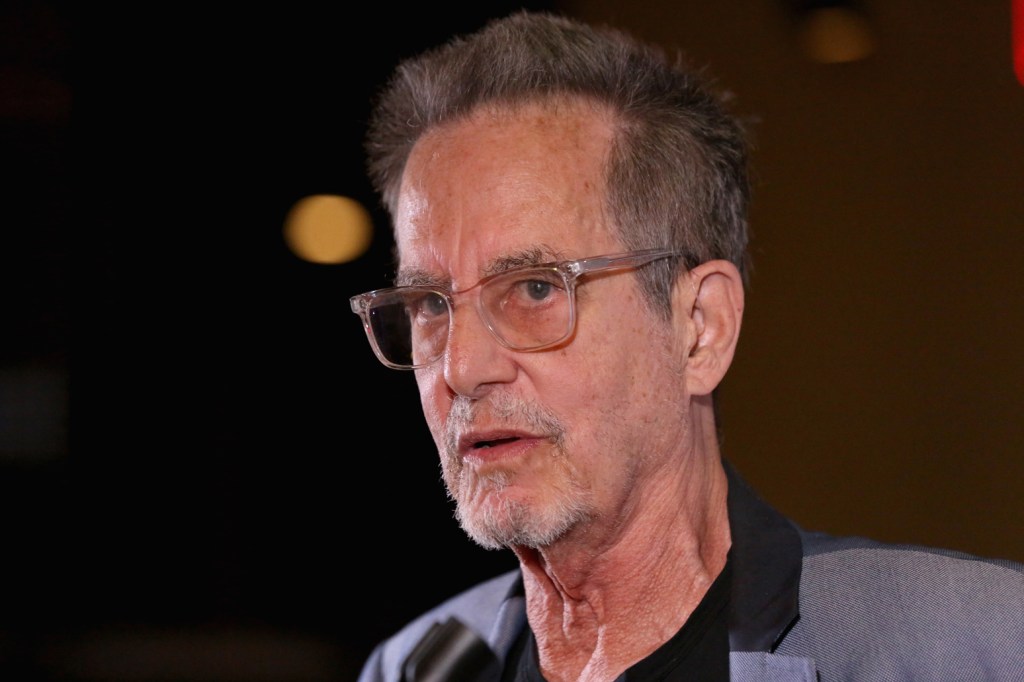
Brian Avnet, who began his long career as a road manager for Bette Midler and later managed such top acts as The Manhattan Transfer, David Foster, Josh Groban and Eric Benét, died in Los Angeles on Wednesday (May 14), after living with Parkinson’s disease for many years. He was 82.
Avnet was inducted into the Personal Managers Hall of Fame in 2017, in the same class as Sid Bernstein, Eileen DeNobile, Eric Gardner, Richard Linke, Lois Miller, Eliot Roberts, Dolores Robinson, Arthur Shafman, David Sonenberg, Rick Siegel and Jerry Weintraub.
Trending on Billboard
On hearing of his death, Linda Moran, CEO of the Songwriters Hall of Fame told Billboard, “Brian was loved by everyone who knew him. [He] was a familiar face at Atlantic and WMG over the years as most of his artists were signed there.”
Based in Los Angeles, Avnet was a personal manager for nearly 40 years. In addition to those named above, his clients also included Johnny Mandel, Herb Alpert and Lani Hall Alpert, Frankie Valli and the Four Seasons, Joshua Ledet, Cyndi Lauper, Take 6 and Jean-Luc Ponty.
Avnet worked with Midler in the early days, starting when she was playing bathhouses in New York before bursting to stardom in the early 1970s. Avnet served as general manager for Midler’s 19-show run at the Palace Theatre in New York in December 1973 for which she won a special Tony Award “for adding lustre to the Broadway season.”
He managed The Manhattan Transfer for 19 years starting in the late 1970s, including when they landed their biggest hit, “Boy From New York City.” That song made the top 10 on the Billboard Hot 100 in 1981 and won a Grammy for best pop vocal performance by a duo or group with vocal.
Avnet was a personal manager for Foster, a 16-time Grammy-winner. In that capacity, he worked on recording projects by such stars as Whitney Houston, Celine Dion, Toni Braxton, Natalie Cole, Diana Krall, Faith Hill, Brandy, En Vogue, Olivia Newton-John, The Bee Gees, Michael Bolton, All 4 One, Julio Iglesias, En Vogue and Smokey Robinson.
He played a key role in discovering Groban, whom he later managed. He found the singer through Seth Riggs, the top vocal coach, and brought him to Foster.
When Foster signed a deal with Warner Bros. in 1995, it enabled him to start 143 Records. Foster hired Avnet to run the label, with a roster that included Groban, Michael Bublé, The Corrs and Beth Hart. Bublé’s first three No. 1 albums on the Billboard 200 – Call Me Irresponsible, Crazy Love and Christmas – were released on the 143 imprint, as were Groban’s first two No. 1 albums on that chart – Closer and Noel.
The Corrs, a sibling pop band from Ireland, had three Billboard 200 albums while on the label; Hart, a Los Angeles-based singer/songwriter, had one.
Foster later sold the label back to Warner. On Sept. 20, 2001, Warner Music Group announced it was shutting down the label.
Avnet’s widow Marcia Avnet told Billboard that her husband grew up in Baltimore and started his career in theater. “He was the youngest theater manager,” she said. “Actually, he used to manage the theater in-the-round in Maryland and then he was roommates with Dustin Hoffman in New York. And Jon Voight. They were all roommates when those guys were doing summer stock. Brian was in management, he ran the ticket booth, did lots of different jobs.”
Early in his career, he served as producer of A Streetcar Named Desire starring Voight at the Studio Arena Theatre in Buffalo, N.Y.
He moved to Los Angeles in the early 1974 to work with Lou Adler on the production of the Rocky Horror Show, which played at The Roxy for nine months. It was turned into a film, The Rocky Horror Picture Show, the following year. The film has long been a cult favorite. Avnet also produced the rock opera Tommy in Los Angeles; and served as manager for the rock opera Jesus Christ Superstar at the Universal Amphitheater in Los Angeles.
He also managed the first season of the Universal Amphitheater.
Avnet worked with producer Robert Stigwood on Sgt. Pepper’s Lonely Hearts Club Band on the Road, an off-Broadway production which opened at the Beacon Theatre in New York in November 1974 and ran for two months. The show was loosely adapted into an ill-fated 1978 film version starring The Bee Gees and Peter Frampton.
Avnet frequently participated in events like Grammy Career Day. At a 2009 workshop, he served alongside such industry professionals as John Burk, Tom Sturges, Tina Davis, Rickey Minor, Harvey Mason Jr., Mike Knobloch and Javier Willis.
The Avnets were together for 36 years; married for 26 of those years.
“It was a really long career, and he was beloved,” said Marcia Avnet. “He never signed a contract with anybody. His word was his bond. And that’s really rare.”
Additional reporting by Melinda Newman.
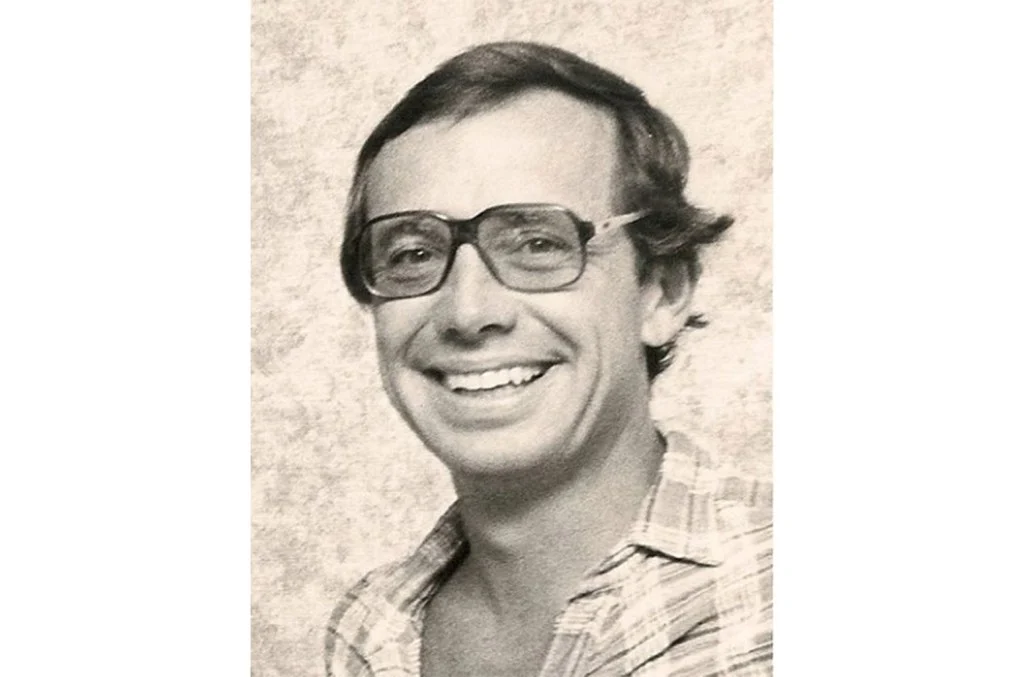
Veteran music journalist Gerry Wood died on Saturday (May 3) in Inverness, Fla. He was 87.
Wood was Billboard’s Nashville bureau chief and country editor in 1980 when he was promoted to editor-in-chief of the magazine, resulting in a transfer to the publication’s New York headquarters. He served in that capacity through 1983, when he left Billboard, only to return in 1986 as general manager/Nashville, a position he held into 1991.
Wood’s elevation to editor-in-chief coincided with the explosion of country music in the late 1970s and early ‘80s, when Kenny Rogers, Willie Nelson and Alabama were among the top-selling acts in any genre and the film Urban Cowboy became a pop-culture phenomenon. Wood was there before, during and after the explosion, charting every bit of it. He could probably relate to the lyrics of a Barbara Mandrell hit in 1981: “I Was Country When Country Wasn’t Cool.”
Ken Schlager, former Billboard managing editor, paid tribute to Wood on Facebook: “When I joined Billboard as managing editor in November 1985 one of the first tasks was finding a new Nashville bureau chief. Our publisher, Sam Holdsworth (R.I.P.), had asked Gerry, who was no longer associated with Billboard, to check out the candidates that had emerged and scout for others. After several weeks, Gerry reported back that he, in fact, was the best candidate. It seemed like a whole lotta hubris, but it turned out he was right. That’s how Gerry ended up back at Billboard.
Trending on Billboard
“Some weeks later, when I made my first trip to Nashville, Gerry, now bureau chief, greeted me with a gift basket in my hotel room filled with GooGoo Clusters, Moon Pies, and airplane bottles of Jack Daniel’s.
“Gerry was a sweet guy. Smart, hard-working, knowledgeable and well-connected. I’m sorry to hear of his passing.”
Born Gerald Edmund Wood in Lewiston, Maine, on April 7, 1938, Wood began his career in radio. He was a news and sports reporter and DJ at WSON in Henderson, Ky., and at WVJS in Owensboro, Ky. He also served as news reporter and DJ at WAKY in Louisville, Ky.
Wood graduated from the University of Kentucky in 1960 and went on to earn a master’s degree from Vanderbilt University in Nashville in 1965. He later worked in public relations at Vanderbilt (1966-69).
While attending Vanderbilt and after, Wood served as news reporter and DJ at WKDA in Nashville (1964-66). After working in public relations at Vanderbilt (1966-69), he shifted to working on Music Row, where he worked in public relations at ASCAP (1969-75), rising to associate director. Wood began his first stint at Billboard in 1975.
Wood left Billboard in 1983 when the editorial leadership was reorganized under group publisher Jerry Hobbs. He moved back to Music City to become editor-in-chief at Nashville magazine (1983-84) and a special correspondent for People magazine (1984). Like many others before and since, Wood returned to Billboard for a second tour of duty, rejoining the staff in 1986 as general manager/Nashville. In that capacity, he directed and coordinated editorial, chart and sales activities in the country sector. He held that position through 1990.
On local TV, Wood became known as “The Gamboling Gourmet” on WTVF-TV. He also worked under that identity for Nashville magazine. As a freelance journalist, Wood wrote for Country Weekly and many other publications. He was also a regular reviewer on the TNN cable channel in the mid-1980s.
Wood won a Journalistic Achievement Award from SESAC in 1981. He was a board member of the Nashville Entertainment Association and a member of the Country Music Association, the Gospel Music Association, the Recording Academy, the Nashville Songwriters Association International, and Sigma Delta Chi.
Wood was also a published author. Ain’t God Good (1975) and Let the Hammer Down (1978) were collaborations with country comedian Jerry Clower. Other titles included The Grand Ole Opry Presents the Year in Country Music (1997) and Tales From Country Music (2003).
Outside of his career, Wood was a travel enthusiast. Late in life, he moved to Florida and wrote books and articles for local publications on the Gulf Coast.
“I was just laughing with Ed [Morris] yesterday as we were reminiscing about our days at Billboard with Gerry at the helm of the Nashville bureau,” says Debbie Holley, who worked under Wood in the country department at Billboard in the 1980s.
“Ed and I never knew where he would be calling in his column from, to whichever one of us was willing to take it over the phone by dictation. If he wasn’t on a plane or boat, he was calling from a train making his way across the country!
“Ed and I truly loved Gerry Wood! If free-flowing, imaginative, intuitive, and emotional thought are characteristics associated with the right brain, his right hemisphere must have been double in size. Gerry Wood definitely encompassed and underscored ‘creative.’ He was full of original ideas, artistic works and new possibilities. He was unconventional and impractical at times, but that always led to even more interesting projects. He was more than willing to share the spotlight and pushed everyone around him to ‘be your best self,’ ‘try things without fear of judgment,’ and ‘go for it, or you’ll always wonder!’
“I’m sad that he has left us, but I bet there are a couple of one-way streets called ‘Music Row’ just inside ‘Heaven’s Gates!’ And, I bet Gerry Wood is right there with all of the songwriters, music publishers and record label execs on ’16th (and 17th) Avenue!’”
Ed Morris, who was Billboard’s country music editor from 1990-95, tells Billboard, “Gerry hired me in 1981 as he was leaving Nashville for New York to take the chief editor job. Having heard I was an atheist, he found it enormously amusing to name me gospel editor, thereby making me hostage to the Righteous for the next two years. Gerry lived to be entertained—by both by personalities and circumstances—and I never once saw him less than buoyant.”
Wood also had a good sense of humor about himself. At one Billboard staff conference, a staff member, Jean Williams, wasn’t able to be present, but sent in taped remarks. At one point she said, “Gerry Wood had a good idea. I think it was about a year ago.”
William paused just a little too long between those two sentences, creating the impression that good ideas from Wood were a rarity. Everyone in the room laughed at the unintended slight. No one laughed harder than Gerry.

Johnny Rodriguez, a trailblazing Hispanic figure in country music, has died at the age of 73.
His daughter, Aubry Rodriguez, confirmed her father’s passing in a heartfelt social media post on Friday (May 9). The late Mexican-American singer had entered hospice care earlier in the week, according to Saving Country Music.
“It is with profound sadness and heavy hearts that we announce the passing of our beloved Johnny Rodriguez, who left us peacefully on May 9th, surrounded by family,” Aubry wrote on Instagram. “Dad was not only a legendary musician whose artistry touched millions around the world, but also a deeply loved husband, father, uncle, and brother whose warmth, humor, and compassion shaped the lives of all who knew him.”
She continued, “We are immensely grateful for the outpouring of love and support from fans, colleagues, and friends during this time of grief.”e
Aubry concluded her tribute by calling her father an “irreplaceable” and an “extraordinary talent,” and requested privacy for the family as they “navigate this painful moment together.”
Born Juan Rodriguez in Sabinal, Texas, in 1951, Rodriguez was discovered at 18 by music promoter Happy Shahan after he was heard singing in a jail cell, where he was briefly held for a minor offense, according to a Ken Burns biography on PBS.org.
Rodriguez’s musical influences ranged from mariachi to honky-tonk, shaped by his South Texas upbringing. “I was drawn to country music because I could relate more to what they were singing about,” he told Burns. “And also it was just like the music of our people. In Mexican music, you have stories. Mexican music and country music said almost the same thing, just in different languages,” he said.
Initially performing under the name Johnny Rogers, Rodriguez played at Alamo Village and soon caught the attention of country stars Bobby Bare and Tom T. Hall. At 21, he moved to Nashville, changed his last name back to Rodriguez, joined Hall’s band as a guitarist, and later signed with Mercury Records.
In the 1970s, Rodriguez achieved scored several No. 1 hits on Billboard‘s Hot Country Songs chart, including “Ridin’ My Thumb to Mexico” and “You Always Come Back (to Hurting Me).” He was nominated for the Academy of Country Music’s entertainer of the year in 1974 and was featured in the Country Radio Seminar’s New Faces of Country Music show in 1973. In 2007, he was inducted into the Texas Country Music Hall of Fame.
Rodriguez is survived by his daughter, Aubry, whom he shared with his second wife, Debbie McNeely.
Read Aubry’s touching tribute to her father on Instagram here.

Fat Joe is mourning the loss of his mother.
On Saturday (May 3), the 54-year-old hip-hop icon shared a heartfelt tribute on social media honoring his mom, Marie Del-Carmen Cartagena, who passed away at the age of 77.
“This a real one, rest in peace to the woman who brought me in this world,” Joe wrote on Instagram alongside a slideshow of family photos. “She didnt have much but she gave us everything.
In the emotional post, the Bronx-born rapper reflected on his mother’s deep love for her family and unwavering commitment to her community.
“Anyone who knows my Mom knows she had a heart of gold, she refused to move out the projects for many years even though i had money,” he wrote. “She loved her community, she loved her people,Ms Ruby the Terror Squad Queen. she was sooooooo proud of us meaning everyone in the crew.”
Joe also shared that his mother died of a “broken heart” following the recent death of his father, Ernesto Delgado, who passed away earlier this year at age 89. The couple had been married for 60 years.
“I tried everything humanly possible,” he continued. “She was happy, to the Castro family, the Cartagena family, the Delgado family i love you and thank you for the outpouring of love.”
Joe concluded the tribute with a touching message to his late mother. “Mommy till i see you again you were my world, my heart, my everything. I’ll continue to make you proud,” he wrote.
The hip-hop community quickly rallied around Fat Joe, offering words of comfort and support in the comments.
“Rest peacefully Beautiful Queen,” Busta Rhymes commented in the post. Questlove added, “Condolences Joe,” along with a prayer hands emoji. And Ja Rule echoed the sentiment, commenting with prayer hands and dove emojis.
See Fat Joe’s full tribute to his mother on Instagram here.

Mike Peters, the lead singer of Welsh rock band The Alarm died on Tuesday (April 29) at age 66 following a decades-long battle with cancer. The death of the author of such strident 1980s alt rock anthems as “Blaze of Glory,” “Spirit of ’76,” “Sixty Eight Guns” and “The Stand” was confirmed in a statement from the group’s publicist titled “Totally Free.”
As the lone remaining original member of the punk-turned-rootsy rock group formed in Rhyl, Wales in 1977 (originally known as The Toilets) Peters continued to tour and release music during a three-decade battle with several forms of cancer, putting himself up as an indefatigable advocate for blood cancer patients.
Last April, before launching a 50-date U.S. tour, he was diagnosed with Richter’s Syndrome, an aggressive form of lymphoma. According to the release, even after extensive treatment at the Christie NHS Foundation Trust in Manchester, U.K., including experimental therapies, doctors could not halt the cancer’s progress.
Michael Leslie Peters was born in Wales on Feb. 25, 1959 and logged time in early Hairy Hippie and The Toilets, forming the latter after being inspired by a Sex Pistols show he attended in 1976. Teaming up with childhood friend and bassist Eddie McDonald, as well as drummer Nigel Twist and guitarist Dave Sharp — initially as Seventeen — the group gelled as The Alarm in 1981, when they were signed to Miles Copeland’s IRS Records, the early indie rock home of groups including R.E.M., The Go-Go’s, Fine Young Cannibals, Wall of Voodoo and many more.
They got a crucial break when U2’s agent saw them live and invited the band to open for the then-ascending Irish group in December 1981. Their sound — a mix of acoustic roots rock, new wave balladry and howling, uplifting anthems — began to gain traction as they supported U2 on that band’s 1983 War tour.
The hard road work paid off on the Alarm’s 1984 debut album, Declaration, which spotlighted Peters’ sensitive, heartfelt lyrics on tracks including the opening salvo, “Marching On.” The anthem for youth found him wailing, “These are the kids they’re powerless/ So you tell them so/ These are the kids they’re powerful/ Don’t say you haven’t been told.”
Setting the tone for the next two decades, the album also featured such fist-in-the-air shout-along hymns to fortitude and fight as “Where Were You Hiding When the Storm Broke?,” “We Are the Light,” “Blaze of Glory” (not to be confused with the Bon Jovi song of the same name) and one of the Alarm’s most beloved calls to arms: “Sixty Eight Guns.”
The song mixed a jaunty rockabilly-meets-mariachi horns sound with another one of Peters’ rallying cries for misunderstood youth, in this case inspired by a late1960sGlasgow street gang who went by the song’s title. “They’re after you with their promises/ Promises of love/ They’re after you to sign your life away,” Peters sings in his signature urgent, raspy yowl. “Sixty-eight guns will never die/ Sixty-eight guns our battle cry/ Sixty-eight guns,” he adds on the chorus.
The group expanded their sound on 1985’s sophomore effort, Strength, which added some churchy organs to the title track and added a handful of other classics to their live repertoire, including the synth-speckled “Knife Edge” and yet another heart-pumping call to arms, the harmonica and piano painted homage to the band’s early origins, “Spirit of ’76.”
They would release three more albums during their initial run, including 1987’s Eye of the Hurricane — featuring their signature ballad, “Rain in the Summertime” — as well as 1989’s Tony Visconti-produced Change, which got them their first and only Billboard Hot 100 top 50 hit with “Sold Me Down the River” (No. 50). That album also represented one of the group’s chart peaks in America, topping out at No. 75 on the Billboard 200 album chart; Strength hit No. 39 in February 1986 and Declaration ran up to No. 50 in April of 1984.
Among their other Hot 100 charting singles were “Strength” (No. 61), “Rain in the Summertime” (No. 71) and “Presence of Love” (No. 77).
After the release of their fifth, and final, LP by the original lineup, 1991’s Raw, the band split up and got back together just one more time, for an episode of VH1’s Bands Reunited, in October 2003. Peters continued his musical march with the Poets of Justice band featuring his wife, Jules Peters, on keyboards, as well as releasing his first solo album, Breathe, in 1994, one year before his first cancer diagnosis.
Peters was diagnosed with non Hodgkin’s lymphoma in 1995, battling that form of cancer, as well as later being twice diagnosed with lymphocytic leukemia in 2005 and 2015. Taking on the disease with the same vigor that fed his songs, Peters co-founded the music-driven charity Love Hope Strength with his wife Jules — who was diagnosed with breast cancer in 2016 — as a means to raise awareness around stem cell donation. The organization’s “Get on the List” campaign at his shows helped add more than 250,000 people to the global stem cell registry.
The singer also kept a sparkle in his eye amidst his health battles, releasing an album by his hoax teen group The Poppy Fields, in 2004, scoring a hit on British radio with the blitzing “45 R.P.M.” Though the song clearly featured Peters’ signature vocals, at the time he said the masked effort was an attempt to shake-up the media’s perception of the by-then 20-plus year old band by concealing their identities and enlisting a group of younger musicians in the band the Wayriders to pose as the veteran act.
In addition to solo singles and albums, Peters, who shared the stage with icons including Bruce Springsteen and Bob Dylan over the years, performed with the indie/new wave supergroup Dead Men Walking with members of The Mighty Wah!, The Damned and the Sex Pistols and briefly joined on as the lead singer of Scottish band Big Country in 2011 following the death of singer Stuart Adamson.
In addition to touring, Peters performed the “highest show ever” on Mt. Everest in 2007, where he was joined by some other 1980s new wave legends, including Cy Curnin and Jamie West of The Fixx, Glen Tillbrook of Squeeze and Slim Jim Phantom of the Stray Cats for a show to raise cancer awareness. A tireless advocate for cancer awareness, Peters shared his stories with his fans and encouraged them to join him on mountain-climbing treks to Mount Kilimanjaro and the Himalayas and released a documentary in 2018 on the BBC about Jules’ cancer battle, While We Still Have Time.
Peters posted from his hospital room in January, his signature shock of long blonde hair shaved down to a slim mohawk, as he shared a new song, “Chimera,” which he said celebrated his receipt of his CAR-T cell therapy on what he called his “new birthday.” Peters booked a series of shows in June of this year in Wales, dubbed “The Alarm Transformation Weekends,” in advance of the upcoming release of his final album, Transformation. He also completed the second volume of his memoirs, Volume 2 HOPE – 1991-2005.
Check out some of The Alarm’s most beloved hits below.

Jiggly Caliente, who rose to fame on season four of RuPaul’s Drag Race, has died at 44.
Caliente, whose real name was Bianca Castro, passed away on Sunday (April 27), just days after undergoing a leg amputation following a severe infection. Her family announced the sad news in a post on Instagram.
“It is with profound sorrow that we announce the passing of Bianca Castro-Arabejo, known to the world and cherished by many as Jiggly Caliente,” the statement read. “Bianca passed away peacefully on April 27, 2025, at 4:42 am, surrounded by her loving family and close friends.”
“A luminous presence in the worlds of entertainment and advocacy, Jiggly Caliente was celebrated for her infectious energy, fierce wit, and unwavering authenticity. She touched countless lives through her artistry, activism, and the genuine connection she fostered with fans around the world.”
The family continued, “Her legacy is one of love, courage, and light. Though her physical presence is gone, the joy she shared and the space she helped create for so many will remain forever. She will be deeply missed, always loved, and eternally remembered.”
News of her passing follows an earlier family update shared on April 24, in which they revealed that Caliente had suffered “a serious health setback” and had undergone the amputation of most of her right leg due to a “severe infection.”
At the time, they noted that she would be unable to participate in the upcoming season of Drag Race Philippines or any public engagements as her recovery was expected to be extensive.
“At this time, we kindly ask for privacy for Bianca and her family as they navigate this difficult journey together,” the earlier statement read. “While Jiggly concentrates on healing, we invite her friends, fans, and community to uplift her with messages of hope and love on her social media channels. Bianca’s family and drag house are deeply grateful for the continued outpouring of support, strength and prayers.”
Caliente first gained attention with her run on RuPaul’s Drag Race season four, where she finished in eighth place. She later returned to the franchise for All Stars season six and joined Drag Race Philippines as a recurring judge in 2022.
Caliente also portrayed Veronica Ferocity in FX’s hit series Pose, appearing in 12 episodes over the show’s three-season run.
Read her family’s full statement on Instagram below.
David Thomas, the howling lead singer of long-running Cleveland-bred post-punk rockers Pere Ubu has died at 71. The band announced the news on its Facebook page on Wednesday (April 23), revealing that the leader of the group — as well as their equally noisesome precursor, Rocket From the Tombs — had died after an unspecified “long illness.”
Explore
Explore
See latest videos, charts and news
See latest videos, charts and news
The tribute added, “On Wednesday, April 23 2025, he died in his home town of Brighton & Hove [in the U.K.], with his wife and youngest step-daughter by his side. MC5 were playing on the radio. He will ultimately be returned to his home, the farm in Pennsylvania, where he insisted he was to be ‘thrown in the barn.’”
Trending on Billboard
The group noted that Thomas had been working on a new album with his band, aware that it would be his last. “We will endeavour to continue with mixing and finalising the new album so that his last music is available to all. Aside from that, he left instruction that the work should continue to catalog all the tapes from live shows via the official bandcamp page,” they said, adding that the singer’s autobiography was “nearly completed” and that they will finish it for him. They ended with a quote from Thomas, which they said, “sums up who he was better than we can”: “My name is David F–king Thomas… and I’m the lead singer of the best f–king rock n roll band in the world.”
David Lynn Thomas was born in Miami on June 14, 1953 and began his career in rock as the lead singer of the short-lived proto-punk Cleveland band Rocket From the Tombs after a stint writing for the Cleveland Scene alternative weekly newspaper under a variety of aliases, including Crocus Behemoth. Though they reveled in obscurity during their original one-year run from 1974-1975, and never released an album, the band’s distorted, frenzied sound — inspired by Detroit punk godfathers the MC5 and The Stooges — was a precursor to the worldwide punk revolution that exploded in the U.S. and U.K. in the mid-1970s.
After the band’s split, two members, guitarist Gene “Cheetah Chrome” O’Connor and drummer Johnny “Johnny Biltz” Madansky, went on to form legendarily shambolic Cleveland punk band the Dead Boys. Thomas and guitarist Peter Laughner teamed up to launch the artier, spikier Pere Ubu, whose name wast a riff on the outré 19th century French play Ubu Roi.
The avant garde group inspired by the sound collage techniques of musique concrète released its debut single, “30 Seconds Over Tokyo” in late 1975 on Thomas’ indie label, Hearthan Records. After a handful of follow-up singles, their debut album, The Modern Dance, dropped in 1978, signaling a purposeful deep-dive into the noise pool from jump on album-opener “Non-Alignment Pact,” which begins with 20 seconds of ear-piercing tones. During a period when such soft rock air bubbles as Terry Jacks’ “Seasons in the Sun” and America’s “Tin Man” were topping the charts, Thomas’ unhinged howl and saxophone/keyboard player Allen Ravenstine’s free jazz strangulated stabs and otherworldly synth tones were an astringent antidote to mainstream AM radio fluff.
With a three-guitar attack combined with Thomas’ yelping vocals and his very un-punk like insistence on wearing suit jackets and a tie on stage, the band cranked out a series of influential, though little-heard-at-the-time albums over the next four years. The LPs included 1978’s classic, Dub Housing and 1979’s New Picnic Time, experimental, chalkboard-scratching noise bombs that helped inspire future acolytes from Sonic Youth to the Pixies and Gang of Four. With a constantly rotating group of players surrounding Thomas — co-founder Laugher left after the band’s first few singles and died in 1977 of pancreatic cancer — the band released three more albums, 1979’s New Picnic Time, 1980’s The Art of Walking and 1982’s Song of a Bailing Man before breaking up.
Thomas continued his experimental journey on a series of solo albums with his bands the Pedestrians and and Wooden Birds in the 1980s, before reforming Pere Ubu in 1987 for the recording of The Tenement Year, which leaned in a distinctly more pop direction (at least compared to the band’s earlier work), followed by 1989s’s Cloudland. Pere Ubu continued into the 1990s and early 2000s, releasing a string of albums including 1995’s Ray Gun Suitcase, 2002 St. Arkansas and their 19th, and final, studio effort, 2023’s Trouble on Big Beat Street.
In between Pere Ubu projects, Smith stayed busy with solo albums, Rocket From the Tombs reunions and experimental theater projects.
Check out some of Smith’s joyful noise below.

Roy Thomas Baker — the producer behind some of rock’s biggest hits, including Queen’s “Bohemian Rhapsody” — has died at age 78, his family announced Tuesday (April 22).
Baker died at his home in Lake Havasu City, Arizona, on April 12. No cause of death has been revealed.
The producer’s credits feature a who’s who of rock stars over the past half-century, including Journey, Yes, Foreigner, The Cars, Alice Cooper, Cheap Trick, Devo, Mötley Crüe, Guns N’ Roses and Smashing Pumpkins. Baker worked with Queen on five of the band’s 1970s albums, including on their bombastic A Night at the Opera lead single “Bohemian Rhapsody,” which is reportedly the most-streamed song recorded in the 20th century. The 1975 single debuted on the Billboard Hot 100 in January 1976 but didn’t hit its No. 2 peak on the chart until its inclusion in the film Wayne’s World in 1992.
Born in Hampstead, London, in 1946, Baker’s career began as second engineer to Gus Dudgeon and Tony Visconti at London’s Decca Records. He graduated to chief engineer in the ’70s and moved to Trident Studios to begin working with the then-unknown Queen. Columbia Records later asked him to relocate to the U.S. to work with Journey and others.
Trending on Billboard
“We did [1978 album] Infinity with the infamous Roy Thomas Baker,” recalled Journey’s Neal Schon, “and we did so many different things on that record that I’d never tried, or even thought about doing. I learned a lot from Roy.”
Elektra Records, Queen’s U.S. label, connected Baker with Lindsey Buckingham, Dokken and The Cars — for whom he produced their first four albums, from 1978 to 1981.
Baker is survived by his wife, Tere Livrano Baker, and his brother, Alan Baker.