State Champ Radio
 News
Page: 141
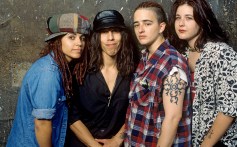
4 Non Blondes’ “What’s Up?” is back on the Billboard charts, thanks to a viral trend.
The 1993 No. 14-peaking Billboard Hot 100 classic reenters the Hot Rock & Alternative Songs tally dated Nov. 8 at No. 13, as users on shortform video platforms such as TikTok have been mashing up the track with Nicki Minaj’s 2012 hit “Beez in the Trap.” (Older songs are eligible for Billboard’s multimetric charts if in the top half and with a meaningful reason for their resurgences.)
Related
In the week ending Oct. 30, “What’s Up?” drew 4.2 million official U.S. streams, up 17%, according to Luminate. It also sold 1,000 downloads, a 34% boost week-over-week, sparking a second week at No. 3 on the Rock Digital Song Sales tally.
Over the past few weeks, streams of “What’s Up?” have steadily gained. A month prior to the Nov. 8 rankings (in the tracking week for charts dated Oct. 4), the song accumulated 2.7 million streams. A year ago this week (Nov. 9, 2024), the track pulled 2.2 million streams.
As for “Beez in the Trap,” the tune from Minaj’s 2012 album Pink Friday: Roman Reloaded (the track hit No. 7 on Hot R&B/Hip-Hop Songs that year) totaled 1.7 million on-demand streams in the week of Oct. 24-30, up 47%. A month ago (week ending Sept. 25), it drew 484,000 streams.
The viral sound featuring both songs synchs up their choruses: 4 Non Blondes singer Linda Perry’s refrain of “And I say, hey, what’s going on?” merges with Minaj’s “Bitches ain’t shit and they ain’t sayin’ nothing/ A hundred motherfuckers can’t tell me nothing/ I beez in the trap” verse.
That said, the original versions of each are having their own moments on platforms including TikTok, although many videos still reference the prevailing meme; some of the top-performing clips, for instance, find users lip-synching to “What’s Up?” but then mouthing along to the lyrics of “Beez in the Trap” at its usual cue even though its audio isn’t playing.
The mashup sound is lip-synch-heavy, as well, with some of the most viral uses indicated by two participants standing back-to-back, one taking the 4 Non Blondes lyrics and the other assuming Minaj’s role. The trend has been utilized by everyone from typical creators to folks dressed up in cosplay or Halloween costumes to celebrities such as Anitta, Jimmy Fallon, Kylie Jenner, Khloe Kardashian and Jennifer Lopez. Lopez’s version even got Perry herself in on the fun.
Trending on Billboard
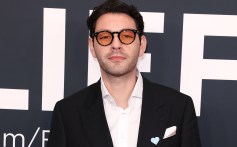
10K Projects, the Warner-owned label founded by Elliot Grainge, has been sued for allegedly hoarding millions of dollars owed to Taz Taylor’s Internet Money Records under a joint venture.
Internet Money’s lawsuit stems from its 2019 partnership deal with 10K, which was at that point a fast-growing indie hip-hop label started by Grainge three years earlier. The 31-year-old son of Universal Music Group chairman and CEO Lucian Grainge, Elliot is now a powerful music executive in his own right as CEO of Atlantic Records.
Related
The 2019 joint venture made Grainge’s 10K the exclusive label home for talent developed by Taylor (Danny Snodgrass Jr.) through his Internet Money producer collective, including Nick Mira, JRHITMAKER and KC Supreme. The two companies were supposed to split net profits 50/50, according to the lawsuit.
“Unfortunately, the defendants, in violation of their obligations to plaintiffs, have acted in such a manner that they are the only entities who have benefited from this relationship,” reads the complaint, filed Tuesday (Nov. 4) in Los Angeles federal court.
Internet Money claims 10K has “engaged in a pattern of misconduct, indeed breaching every promise and obligation that was owed to the plaintiffs.” The crux of this alleged misconduct is a series of maneuvers by 10K that allegedly deflated Internet Money’s share of the net profits by at least $4 million.
The lawsuit says 10K has hoarded these profits by improperly cross-collateralizing accounts and overcharging Internet Money for jacked-up expenses, which are categorized as deductions under the joint venture agreement.
Related
Additionally, 10K is accused in the complaint of diluting Internet Money’s cut from the collective’s hit Gunna collaboration “Lemonade,” which peaked at No. 6 on the Billboard Hot 100 in 2020. Internet Money also claims 10K has failed to share money made from the singer iann dior and withheld publishing royalties linked to various artists.
“As a direct and proximate result of the breaches, Internet Money Records has been denied millions of dollars in net profits to which it is entitled and continues to suffer ongoing damages due to 10K’s intentional misreporting and bad-faith conduct,” writes Internet Money’s lawyer, Sarah Matz.
The lawsuit brings a slew of civil claims, including breach of contract, breach of fiduciary duty and fraudulent inducement. Internet Money is seeking monetary damages and a court order requiring Warner Music Group (WMG), which acquired a controlling stake in Grainge’s label in 2023, to provide it with 10K’s financial statements for an audit.
Reps for 10K did not immediately return a request for comment on Wednesday (Nov. 5). The label has been run under the Atlantic Records umbrella since 2024, when Grainge was named CEO of the storied WMG operation.
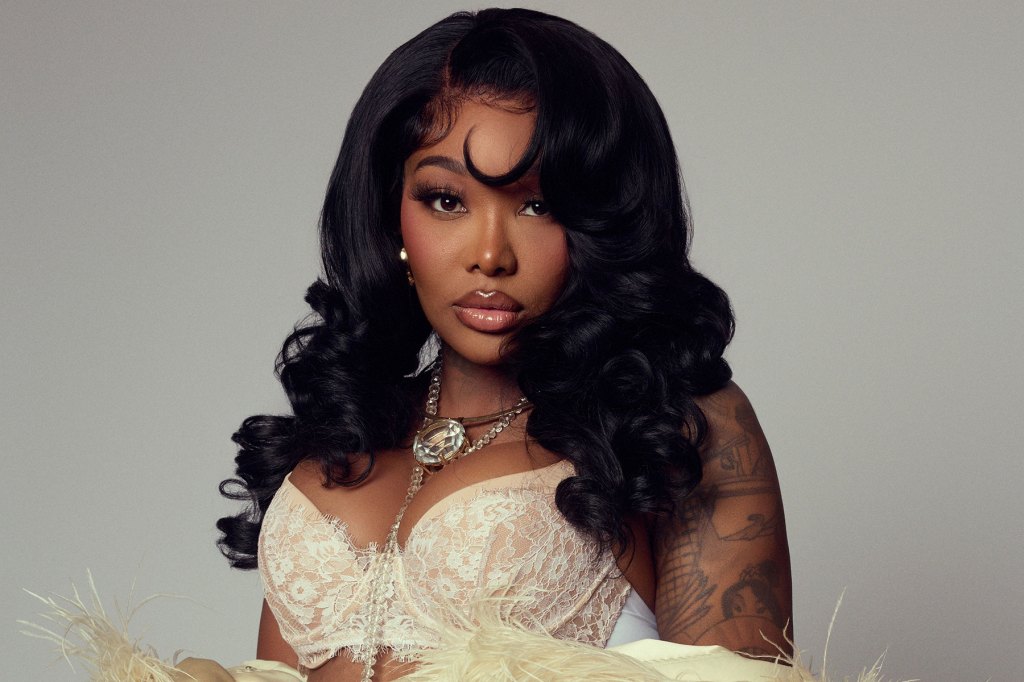
Trending on Billboard Summer Walker looks like she has the post-wedding blues on the album artwork for Finally Over It, which she unveiled on Wednesday (Nov. 5). While being showered with white rose petals, the R&B superstar poses with an elderly white man she’s taken as her husband, drawing inspiration from then-26-year-old model and actress […]
Trending on Billboard
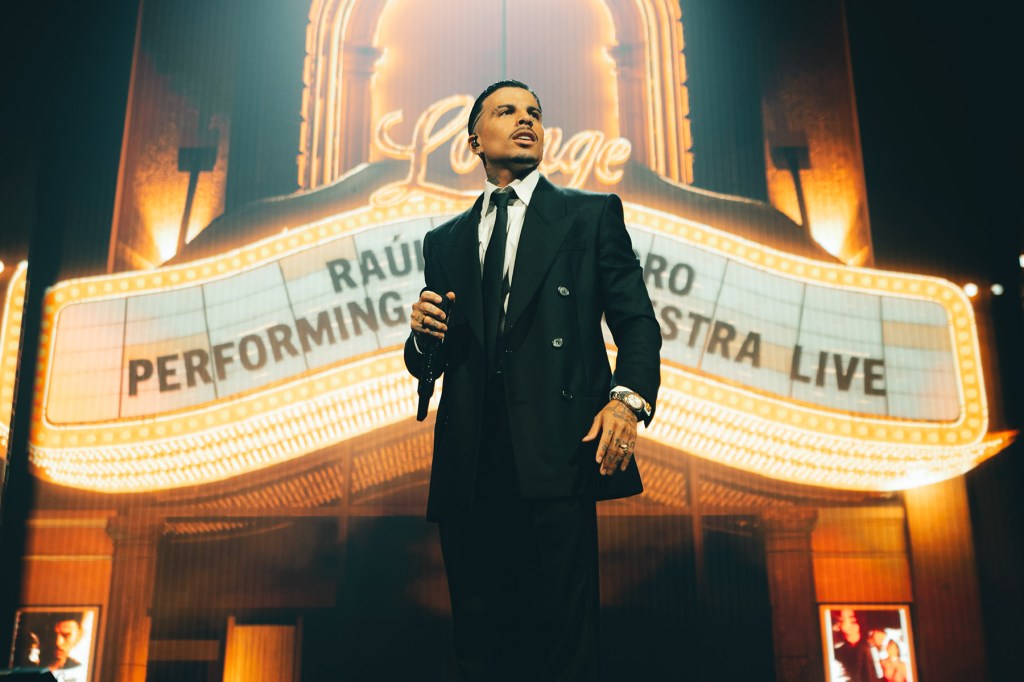
Rauw Alejandro turned his acclaimed Cosa Nuestra Tour into a heartfelt tribute to Mexico and its most famous festivity, Día de Muertos (Day of the Dead), on Tuesday night when the Puerto Rican star, his dancers and musicians all appeared with their faces painted as Mexican skulls for the first of five shows at the Palacio de los Deportes in the capital city.
In a stunning surprise for the 18,000 attendees who packed the venue, according to Ocesa figures, Rauw, elegantly dressed in a 1960s-inspired outfit, resembled the character El Catrín — the eternal lover of La Catrina, the legendary skull created by Mexican cartoonist José Guadalupe Posada, who in Mexican tradition is her eternal companion in celebration on life and death.
“I’m singing here in one of my favorite cities,” Rauw said with emotion to the crowd, who erupted in a warm ovation. “Today’s story is a little different, when two cultures become one, when Cosa Nuestra meets Mexico with lots of love and affection, with great respect for everyone.”
The fact that the dancers and musicians accompanying the artist also appeared with their faces painted as Mexican skulls made the experience even more emotional and intimate for his local fans, who, adhering to the singer’s dress code, wore short sequined dresses, feathers, berets, and classic-cut suits.
Día de Muertos is traditionally celebrated on Nov. 1-2. Over the weekend, the performer had shared a series of snapshots on his Instagram account, where he and his team appeared with their faces painted as a skulls enjoying traditional tacos and tequila in Mexico, where he has 10 fully sold-out shows scheduled.
The Mexican leg of his Cosa Nuestra World Tour began on Nov. 2 in the northern city of Monterrey and continues in Mexico City with five shows, from Nov. 4 to 9. He will also stop in the city of Guadalajara on Nov. 15 and 16.
Rauw Alejandro participated on Monday (Nov. 3) in the Billboard Live Music Summit 2025 in Los Angeles, where he spoke with Billboard’s Leila Cobo and Hans Schafer, senior vp of global touring at Live Nation, about how his partnership with the entertainment giant helped him create a Broadway-inspired show that could “travel the world.”
The Cosa Nuestra tour is a high-concept, 1970s New York-inspired spectacle supporting Rauw’s 2024 album of the same name, which hit No. 6 on the Billboard 200. The tour grossed $91.7 million across spring and summer legs in North America and Europe before heading to South America and Mexico. The trek will conclude at the end of this month with a five-date residency at San Juan’s Coliseo de Puerto Rico José Miguel Agrelot.

There are a lot of happy New Yorkers out there celebrating the victory of Zohran Mamdani in the 2025 mayoral race, and some of them — including Gracie Abrams, Halsey and more — are also big-name musicians.
In response to the 34-year-old Democratic Socialist triumphing over opponents Andrew Cuomo and Curtis Sliwa after the election wrapped up Tuesday night (Nov. 4), numerous stars shared messages of excitement and congratulations on social media. Abrams shared a number of posts about Mamdani’s win on her Instagram Story, writing that she was “SCREAMING” and adding, “I keep getting chills over and over.”
On X, Halsey wrote, “I just got off stage from an AMAZING show and Zohran Mamdani is mayor of New York and I am NOT GONNA BE ABLE TO SLEEP I’m too ALIVE!”
Lorde also weighed in, sharing a “New York” graphic on her Story and typing, “Change … Have a Nice Day” while tagging Mamdani’s account.
All three of those singer-songwriters are based in NYC, which showed up for Mamdani on Election Day with more than 1,036,051 ballots cast in his favor, according to The Associated Press. Running on a platform of lowering the cost of living in the city, the assemblyman earned an estimated 50.4% of the vote, while Cuomo and Sliwa split the rest 41.6% and 7.1%, respectively.
Many other musicians celebrated the results in the comments of Mamdani’s posts on Instagram with Clairo dropping a fire emoji and Lizzy McAlpine writing, “YAYYYY.”
“he’s home!” Rachel Zegler replied, while King Princess commented, “I think we should throw a party ?”
Lauren Jauregui chimed in, “thank God!! May you be protected and guided!! Yayyyy!”
The outpouring of happiness in response to Mamdani’s win reflects the unprecedented grassroots momentum he was able to curate with his campaign. Backed by politicians such as Bernie Sanders and Alexandria Ocasio-Cortez, the Ugandan-born immigrant leaned into social media strategy and pop culture throughout the race, at one point coming out on stage during PinkPantheress’ October concert in Brooklyn.
Mamdani also got himself in the good graces of Swifties by shouting out Taylor Swift’s “Only the Young” — as well as “Hate It or Love It” by The Game featuring 50 Cent and “Right Above It” by Lil Wayne featuring Drake — when he was asked to summarize his campaign in three songs.

Trending on Billboard
Here’s a story that captures everything wrong with Washington: Billion-dollar corporation asks Congress to force car manufacturers to install AM radio in every vehicle — a government tech mandate worth billions of dollars to its bottom line — while refusing to pay the artists and rights owners whose music is the very foundation of their business.
Last Congress, lawmakers such as House Democratic Leader Hakeem Jeffries saw through this scheme and stood firm. Radio lobbyists went home empty-handed. Now they’re back, asking for the same corporate handout, and still refusing to pay artists a dime.
Related
Before you say, “But who listens to AM/FM radio in 2025?”, ask yourself this question: Why are corporate radio lobbyists fighting so hard for this government mandate? Because keeping radio in cars is worth almost $14 billion in advertising every year. And why is it worth that much? Because hundreds of millions of Americans still listen to AM/FM radio every week.
Big Radio spent over $13 million lobbying Congress last year, which doesn’t even include the millions they contributed to political campaigns, to protect their golden goose at the expense of artists.
Corporate radio lobbyists engage in a cynical game of claiming something we all know isn’t true. They claim artists should be satisfied that “promotion” on radio is good enough compensation. But the days of Americans discovering music on AM/FM radio are long gone. Social platforms like YouTube and TikTok are where music breaks now. Last year, 84% of Billboard Global 200 songs went viral on TikTok first. Radio adapted by abandoning discovery and repeatedly playing popular songs radio listeners already know — in a single day recently, one iHeart station played songs by six major artists 112 times. One station. In a single day. Without paying a penny to the performers.
That isn’t promotion. It’s exploitation.
Related
That’s why the last Congress rejected radio lobbyists’ efforts to pass the AM in Every Vehicle Act. And why they must again reject it unless radio corporations agree to tie it to the American Music Fairness Act that ensures artists are paid fairly for radio plays.
Under the American Music Fairness Act, small and community stations would only have to pay between $10 and $500 a year to play all the music they want. The bill also gives radio corporations the opportunity to tell the independent Copyright Royalty Board what they think the performance royalty rate should be. If radio conglomerates believe their airplay has promotional value, they can make their case.
For some reason, AM/FM radio companies think they are special and that the principles of copyright shouldn’t apply to them. Every other platform pays artists for the work they do. Spotify. Pandora. SiriusXM. Only AM/FM radio — the most established music platform — claims it should be exempt from this concept.
For years, corporate radio lobbyists engaged in cynical practices to block music legislation. But now they are the ones who want Congress to act. And that gives music creators power — and they are speaking out with one voice.
Related
Over 300 artists – from Aerosmith to Barbra Streisand to Jelly Roll to Mariah Carey – wrote Congress earlier this year calling for passage of the American Music Fairness Act. This was an unprecedented display of artist unity for fair pay.
And just this week, Boyz II Men, Gloria Gaynor, Mike Love, Sammy Hagar, Smokey Robinson and others called on congressional leaders to pair the AM bill with the American Music Fairness Act. Their message was simple: “When you save the radio industry by mandating its technology remain in cars, we ask that you save the musician too and allow us to be paid fairly when our music is played.”
Artists have never been this fired up. Perhaps that’s because, like the rest of America, they are fed up with our workers being taken advantage of. This is about priorities. Big Radio corporations want Congress to mandate that their product be installed in every new car sold in America — government intervention to protect corporate profits. Meanwhile, musicians are simply asking to be paid for their work.
The solution is simple: If radio corporations want billions in government-mandated protection, they need to start paying the workers whose labor generates their wealth.
No corporate handouts without worker fairness. No radio without royalties.
Michael Huppe is the president and CEO of SoundExchange, where he champions creators and spearheads the use of technology, data and advocacy to power the future of music. To date, SoundExchange has distributed more than $12 billion in digital performance royalties to a growing community of more than 800,000 music creators. Michael is also an adjunct professor at Georgetown Law School, a published author, lecturer and active community member. He is a member of YPO, Forbes Business Council, and Fortune Brainstorm Trust, with opinions published in Variety, Rolling Stone, The Wall Street Journal, Music Business Worldwide, Billboard and The Hill.
Brandi Carlile breaks the record for most No. 1’s by a woman on Billboard’s Top Rock & Alternative Albums chart, as her latest album Returning to Myself debuts atop the Nov. 8-dated tally.
In its first week, ending Oct. 30, Returning to Myself earned 35,000 equivalent album units, according to Luminate. That sum includes 32,000 in album sales.
Related
Returning to Myself is Carlile’s fifth No. 1 on the ranking, all achieved consecutively. She first led with 2015’s The Firewatcher’s Daughter, followed by 2018’s By the Way, I Forgive You, 2021’s In These Silent Days and this year’s Elton John collaboration Who Believes in Angels?.
Carlile’s five leaders are the most by a woman or woman-led act since Top Rock & Alternative Albums began in 2006. Previously, she was tied for the mark with Florence + the Machine and Paramore. (The distinction may be short lived; the former’s new album, Everybody Scream, was released Oct. 31 and will hit next week’s Billboard charts, dated Nov. 15.)
Returning to Myself also starts at No. 1 on Top Rock Albums and Americana/Folk Albums. It’s Carlile’s sixth ruler on the latter list, second only to Bob Dylan’s eight.
Elsewhere, Returning to Myself marks Carlile’s second No. 1 on Top Album Sales, and first since By the Way, I Forgive You. Of the new set’s 32,000 in sales, 15,000 are via vinyl; as a result, the LP starts at No. 2 on Vinyl Albums.
On the all-format Billboard 200, Returning to Myself opens at No. 7, marking Carlile’s fifth top 10, where she first ranked with the No. 10-peaking Bear Creek in 2012. Her personal best on the chart was set by By the Way, I Forgive You (No. 5).
Returning to Myself’s title track lead single reached No. 12 on Adult Alternative Airplay (Oct. 18). Its follow-up, “Human,” is bubbling under the list.
Trending on Billboard Tyla storms in at No. 1 on the Billboard U.S. Afrobeats Songs chart as “Chanel” bags the top spot of the list dated Nov. 8. The new champ, an Afrobeat, amapiano and pop composition, namechecks the iconic designer brand and centers on the repeated lyrical refrain “Say you love me, put me […]
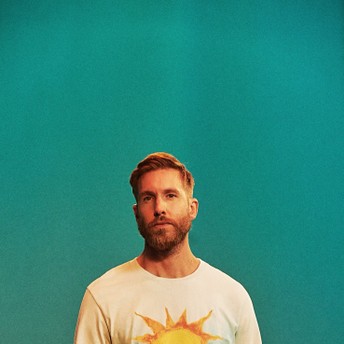
Trending on Billboard Calvin Harris is returning to Las Vegas. The Scottish producer has locked in a two-year residency at Wynn Las Vegas, where he’ll play the resort’s mega-club XS and its poolside Encore Beach Club. The first three dates at XS will happen Jan. 16, Feb. 13 and Feb. 21, with more shows to […]
Is it hot in here, or is it just our chart?
11/5/2025