State Champ Radio
 Legal News
Page: 16
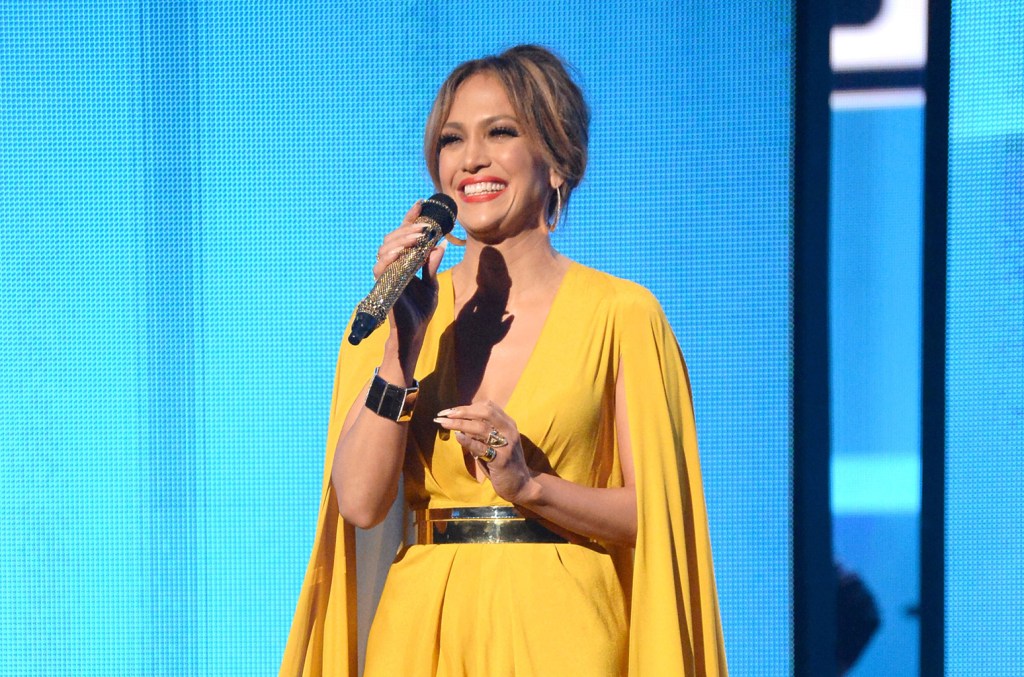
THE BIG STORY: Jennifer Lopez is facing copyright lawsuits over paparazzi pictures — of herself.
In complaints filed this week in federal court, photographer Edwin Blanco and photo agency BackGrid USA accused the star of violating their rights by reposting images of herself outside a Golden Globes pre-party in January.
A star getting sued for posting a picture of herself might sound unusual, but it’s exceedingly common. Over the last few years, Dua Lipa, Miley Cyrus, Justin Bieber, Ariana Grande, Emily Ratajkowski, LeBron James, Katy Perry and others have all faced similar cases.
Unfortunately for J. Lo, the law is pretty clear: Photographers own the copyrights to the images that they take, and using them without a license constitutes infringement. Simply appearing in an image does not give a celebrity co-ownership of it, nor does it give them the right to repost it for free.
As we’ve written here previously, that probably seems unfair to stars hounded by paparazzi. When Khloe Kardashian was hit with such a case in 2018, she said as much: “They can legally stalk me and harass me and then on top of it all I can’t even use the pictures of myself they take LOL what the f— is this,” the reality star wrote on social media.
Trending on Billboard
Those arguments haven’t gotten much play in court. When Ratajkowski was sued, she briefly argued she had legally re-used an “exploitative image” to criticize the “harassing and relentless behavior of paparazzi.” But the vast majority of these cases quickly end in small settlements — and the Lopez case is unlikely to be any different.
For all the details on the case against J. Lo, go read our story on the new lawsuits from Billboard‘s Rachel Scharf. And for more details on how these cases work, go read my in-depth explainer.
You’re reading The Legal Beat, a weekly newsletter about music law from Billboard Pro, offering you a one-stop cheat sheet of big new cases, important rulings and all the fun stuff in between.
Other top stories this week…
DIDDY TRIAL CONTINUES – The sex-trafficking trial of Sean “Diddy” Combs continued into its second week, first with more bombshell testimony from star prosecution witness Cassie Ventura — about Kid Cudi, a $20 million settlement and more vivid allegations of abuse. The singer was then cross-examined by defense attorneys, who showed jurors huge numbers of her emails and text messages — some loving, others sexually graphic — in an effort to prove she was a willing participant in the so-called “freak-off” sex shows at the center of the case. Friday (May 16) and Monday (May 19) were dominated by testimony from Danity Kane singer Dawn Richard, who said she saw Diddy repeatedly attack Ventura, including once with a frying pan and another time at a restaurant with Usher and other celebs present. The trial is expected to run until early July.
POSTY CUSTODY FIGHT – Post Malone legally opposed efforts by his ex, Hee Sung “Jamie” Park, to move their two-year-old daughter to California, arguing that the child has lived in Utah most of her life and should remain a resident there. The filing came in response to a custody petition filed by Park last month, seeking sole physical custody of the girl following their split in November.
COVID COLLUSION? The Justice Department is conducting a criminal antitrust investigation into whether Live Nation and AEG illegally colluded in their concert refund policies at the beginning of the COVID-19 pandemic. The probe was first reported by Bloomberg and later confirmed by Live Nation, which strongly denied any wrongdoing: “It is not illegal for artist agents, promoters and ticketing companies to work together to solve the unprecedented challenges of a global pandemic,” said Dan Wall, the company’s regulatory chief.
“INFLAMMATORY ACCUSATIONS” – Days after sending subpoenas to Taylor Swift and her lawyers, Justin Baldoni’s attorneys made a shocking claim that Blake Lively asked Swift to delete text messages and used “extortionate threats” to try to get a statement of support from the pop superstar. Those allegations, credited to an anonymous source and denied by Lively’s lawyers as “categorically false,” were later thrown out of court by a federal judge, who called them a “misuse of the court’s docket” by Baldoni’s attorneys: “The sole purpose of the letter is to promote public scandal by advancing inflammatory accusations,” the judge wrote.
DRAKE CASE IS “DANGEROUS”? A group of legal scholars warned a federal judge that Drake’s defamation lawsuit against Universal Music Group over Kendrick Lamar’s “Not Like Us” was “dangerous” because it would have a “chilling effect” on hip-hop and encourage prosecutors to use rap lyrics as evidence in criminal cases. The professors, hailing from UC Irvine, said that diss tracks are a form of creative expression, not a “series of news reports” — and that Drake’s case threatens to “deny rap the status of art and instead to flatten lyrics into literal confessions.”
TERMINATION LITIGATION – Salt-N-Pepa sued Universal Music Group to win back control of their masters, claiming in a new lawsuit that the music giant has stonewalled their use of copyright’s so-called termination rights. Rather than accepting the move, the case claims UMG has instead “punished” the legendary hip-hop duo by removing some of its music from streaming and holding its music “hostage.”
DURK LYRICS BATTLE – Federal prosecutors fired back at Lil Durk’s “false narrative” that they’re unfairly using his lyrics against him, arguing that he was indicted because of a “brazen murder plot” and not because of his music. Weeks after the feds removed all musical references from the case, they argued they still had more than enough to charge him for murder-for-hire: “Defendant was charged for his murderous conduct, not his lyrics.”
SMOKEY POLICE REPORT – Attorneys for the housekeepers suing Smokey Robinson for sexual assault confirmed that they had filed a police report against the 85-year-old Motown legend, leading the Los Angeles County Sheriff’s Department to open a criminal investigation. The singer’s attorneys said such a probe was automatically required after the filing of a report, and said they “welcome that investigation”: “We feel confident that a determination will be made that Mr. Robinson did nothing wrong.”
LIL NAS X CASE TOSSED – A federal appeals court dismissed an unusual lawsuit accusing Lil Nas X of copying Instagram posts by a freelance artist and model named Rodney Woodland, who claimed the rapper stole his distinctive semi-nude poses and used them in his own IG posts. The Ninth Circuit ruled that the disputed images “share few similarities” and Lil Nas likely never saw them anyway.
SHEERAN AT SCOTUS – Ed Sheeran urged the U.S. Supreme Court to finally end one of the long-running lawsuits claiming his “Thinking Out Loud” infringed Marvin Gaye‘s “Let’s Get It On.” The star’s lawyers said the case, filed by a company that owns a partial stake in Gaye’s 1973 song, was rightfully dismissed by a lower appeals court in November, which ruled that the two tracks share only basic “musical building blocks.”
TUPAC/BIGGIE COPYRIGHT CASE – A pair of photographers who snapped photos of the late legendary rappers Tupac Shakur and The Notorious B.I.G. teamed up to sue Univision for copyright infringement, accusing the broadcaster of using the images without permission in a web article about “unsolved” murders.
BANKRUPT STREAMER – Free music streaming service AccuRadio filed for bankruptcy, citing $10 million in debts to SoundExchange for artist royalties. The company, which describes itself as “the only online music streaming service curated by human beings, not algorithms,” said it had been unable to reach a settlement to resolve a lawsuit filed by SoundExchange over those debts.

Kid Cudi is expected to testify as a witness in Diddy’s sex trafficking trial.
According to CNN, prosecutor Maurene Comey announced on Tuesday (May 20) that Cudi (born Scott Mescudi) will take the stand later this week.
Last week, during Cassie’s time on the stand, she testified that Diddy became irate and threatened to blow up Cudi’s car after learning she was dating the Cleveland-bred rapper in 2011.
“Too much danger, too much uncertainty of what could happen if we continued to see each other,” she reportedly said of why she ended things romantically with Cudi after a brief dating stint.
Explore
Explore
See latest videos, charts and news
See latest videos, charts and news
“[Diddy] said he wanted Scott’s friends to see Scott’s car blown up,” Cassie added. “We met, [Diddy], [Kid Cudi] and me. [Kid Cudi] said, ‘What about my vehicle?’ And [Diddy] said, ‘What vehicle?’ And that was the end of the meeting.”
Trending on Billboard
Cassie’s bombshell 2023sexualabuse lawsuit against Combs accused Diddy of blowing up Kid Cudi’s car in his driveway after repeatedly threatening the “Day ‘n’ Nite” rapper. Reps for Cudi confirmed the car explosion to The New York Times.
Cassie’s mother, Regina Ventura, took the stand and claimed that Diddy demanded he be paid $20,000 for the money he spent on Cassie as he became enraged to find out she was dating Cudi.
According to Complex, Ventura took out a home equity loan to get Diddy the cash, but returned the money days later without an explanation.
An email sent from Cassie to her mom was reportedly shown in court, which accused Diddy of threatening to leak a pair of sex tapes featuring Cassie. “He is going to release two explicit tapes of me,” the 2011 email reportedly reads. “One on Christmas Day… Another one soon after that. He has also said that he will be having someone hurt me and Scott Mescudi physically.”
Kid Cudi’s testimony will follow George Kaplan, who was an employee of Diddy’s who quit after allegedly witnessing physical abuse. Cudi’s time on the stand could come on Wednesday (May 21) or Thursday (May 22).
Diddy is facing charges of sex trafficking and racketeering, and the Bad Boy mogul could be sentenced to life in prison if found guilty on all counts. The trial is expected to last into July.
The maker of Fortnite has defeated a $32.5 million patent lawsuit over animated in-game concerts put on by Travis Scott and Ariana Grande, with a federal jury deciding that it did not steal another company’s technology for the virtual events.
The verdict came down on Monday (May 19) after a weeklong trial against Fortnite maker Epic Games. Epic was accused of infringing a patent invented by Canadian virtual reality company Utherverse Digital when it staged the virtual Scott and Grande concerts for tens of millions of Fortnite users in 2020 and 2021.
Utherverse was seeking $32.5 million in damages for the alleged infringement. But the jury in Seattle federal court rejected the claims, siding with Epic to rule that neither the Scott nor the Grande concert stole Utherverse’s technology.
Trending on Billboard
Lawyers for Utherverse and Epic did not immediately respond to Billboard‘s requests for comment on the verdict Tuesday (May 20).
The litigation has been ongoing since 2021. That year, Utherverse claimed that the Fortnite concerts relied on a patent it was issued in 2017, which covers a type of technology for playing back a recorded event in a virtual world.
Epic denied any infringement, saying the technology behind its virtual concerts used completely different processes than Utherverse’s patent. Epic’s attorney, Daralyn Durie of the law firm Morrison Foerster, said during the trial’s closing arguments that Utherverse was “trying to fit a square peg in a round hole.”
Jurors heard testimony during the trial from Brian Shuster and Aaron Burch, two Utherverse employees who co-invented the patent at issue. Multiple Epic executives also testified, including controller Brian Boyle and former head of marketing Matthew Weissinger.
Scott’s “Astronomical” concert series in April 2020 made history as Fornite’s largest-yet in-game gathering, drawing nearly 28 million unique players from across the world across five airings of a pre-taped performance by the rapper’s avatar.
In August 2021, Fortnite followed up its success with the Scott concerts with Grande’s “Rift Tour,” which similarly featured an animated version of the pop star performing hits like “7 rings” and “Positions” across five viewings.
A number of other artists have since performed their own virtual concerts within the massively popular Fortnite gaming universe, including Eminem, The Weeknd and Billie Eilish.
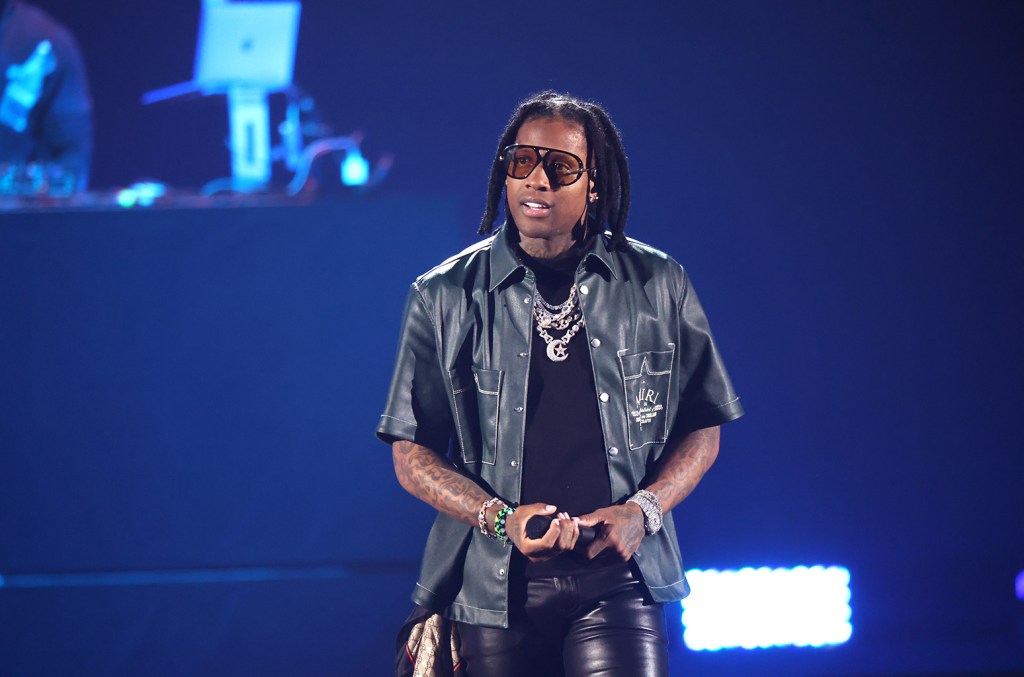
Federal prosecutors are flatly rejecting Lil Durk’s “false narrative” that they’re unfairly using his lyrics against him, arguing in court filings that the rapper is indicted because of a “brazen murder plot” and not because of his music.
Weeks after the feds removed all musical references from the case, they urged a federal judge Monday to reject Durk’s bid to dismiss the charges, arguing there are still more than enough in the allegations beyond the now-deleted lyrics.
“The indictment charges that defendant directed and financed six hitmen to travel across the country to hunt and kill his rival,” prosecutors write. “Defendant is not on trial for his lyrics or his music; he is on trial because he directed, orchestrated, and financed the brazen murder plot at issue in this case.”
Trending on Billboard
Durk (Durk Banks) was arrested in October on murder-for-hire and gun charges over allegations that the Chicago drill star ordered members of his Only the Family (OTF) crew to carry out a 2022 attack on rival rapper Quando Rondo (Tyquian Bowman) that left another man (Saviay’a Robinson) dead.
Lawyers for the rapper have argued that prosecutors used the lyrics as “false evidence” to persuade a grand jury to indict him – and his family has spoken out that he’s latest rapper to be “criminalized for their creativity.” The use of rap lyrics as criminal evidence is a controversial practice that has drawn backlash in recent years.
But in Monday’s response, prosecutors call Durk’s arguments “meritless” and “moot” in light of the new indictment with the lyrics removed, which a grand jury also endorsed.
“The [new indictment] makes clear that the grand jury indicted defendant for his conduct, not for his status as a rapper or because of the violent lyrics,” the feds say. “These allegations make clear that defendant used his power, his wealth, and his control over OTF to exact deadly revenge on his rival.”
When Durk was first indicted last year, prosecutors cited lyrics from a song called “Wonderful Wayne & Jackie Boy,” claiming they referenced the shooting: “Told me they got an addy (go, go)/ Got location (go, go)/ Green light (go, go, go, go, go),” Durk raps in the disputed track. “Look on the news and see your son/You screamin’, “No, no” (pu–y).”
But Durk’s lawyers sharply pushed back — arguing that “Wonderful Wayne” could not have referenced the Rondo shooting because the rapper wrote and recorded his verses “seven months before the incident even happened.” In April, prosecutors filed a so-called superseding indictment that removed the lyrics.
Monday’s court filing, while focused on the removal of the lyrics, also strongly defends their use in the first place. The feds say Durk has “repeatedly used his pulpit to promote violence” and that the lyrics bear a striking resemblance to the facts of the case.
“Whether or not defendant’s lyrics about ‘greenlighting’ a rival were written before or after S.R.’s death, the release of the song after the murder gave defendant’s fans fodder to associate him with the murder — a claim that defendant himself seemed to admit during an interview on a popular podcast,” the feds write.
In addition to seeking to dismiss the case, Durk is also continuing to seek pre-trial release. Though it was denied by a magistrate judge earlier this month, his attorneys have indicated they will ask a district judge to reconsider the issue. The rapper is currently scheduled to face trial in October.

Post Malone is opposing an attempt by his ex to move their nearly three-year-old daughter permanently to California, saying in a new court filing that the child has lived in Utah most of her life and should remain a resident there.
The star (Austin Richard Post) filed a motion Monday (May 19) to dismiss the custody petition brought in Los Angeles court last month by his ex, Hee Sung “Jamie” Park. Post and Park share a child, referred to anonymously in court filings as “DDP,” who was born in May 2022.
According to the motion, the family lived together in Utah until Post and Park ended their relationship this past November. Park then decided to relocate to Los Angeles, and Post says he agreed to share custody and move the child between California and Utah every two weeks.
Trending on Billboard
In April, however, Post says he learned that Park was planning to file for primary physical custody and change their daughter’s residence to California. Park “rushed to enroll DDP in every type of activity she can” in Los Angeles to demonstrate the child’s residence there, Post claims, even though he says DDP’s nanny and doctor are in Utah and she has long attended daycare, music classes and swimming lessons there.
Post filed a paternity action in Utah on April 14 after learning of Park’s plans, he says. Park then brought her California petition for primary custody two days later, and the singer alleges Park’s petition “intentionally misleads” the Los Angeles judge by failing to mention that the child has lived in Utah nearly her whole life.
“I do intend to work cooperatively with Jamie to ensure that DDP has frequent and equal custodial time with her mother,” wrote Post in his declaration. “I do not consent to Jamie’s back door attempt to change DDP’s residence from Utah to California. I request that the California court admonish Jamie for her lack of candor, gamesmanship in attempting to forum shop, and her intentional action to try to mislead the court about DDP’s home.”
Post wants the California custody petition dismissed. He says the former couple’s dispute should be resolved in Utah, where he was the first to bring a custody action and where their daughter has spent nearly three years.
“Jamie’s conduct of attempting to forum shop to change DDP’s home state without Post’s consent or a Utah court order should not be condoned by the California court,” wrote Post’s attorney, Laura Wasser. “California law provides that, under the facts of this case, DDP’s home state is Utah, and subject matter jurisdiction over her custody remains with the Utah court.”
A judge in Los Angeles County Superior Court is scheduled to consider Post’s dismissal motion in late July. Park’s attorney did not immediately return a request for comment Monday.
Post is currently headlining his Big Ass Stadium Tour and is next scheduled to play U.S. Bank Stadium in Minneapolis on Tuesday (May 20).
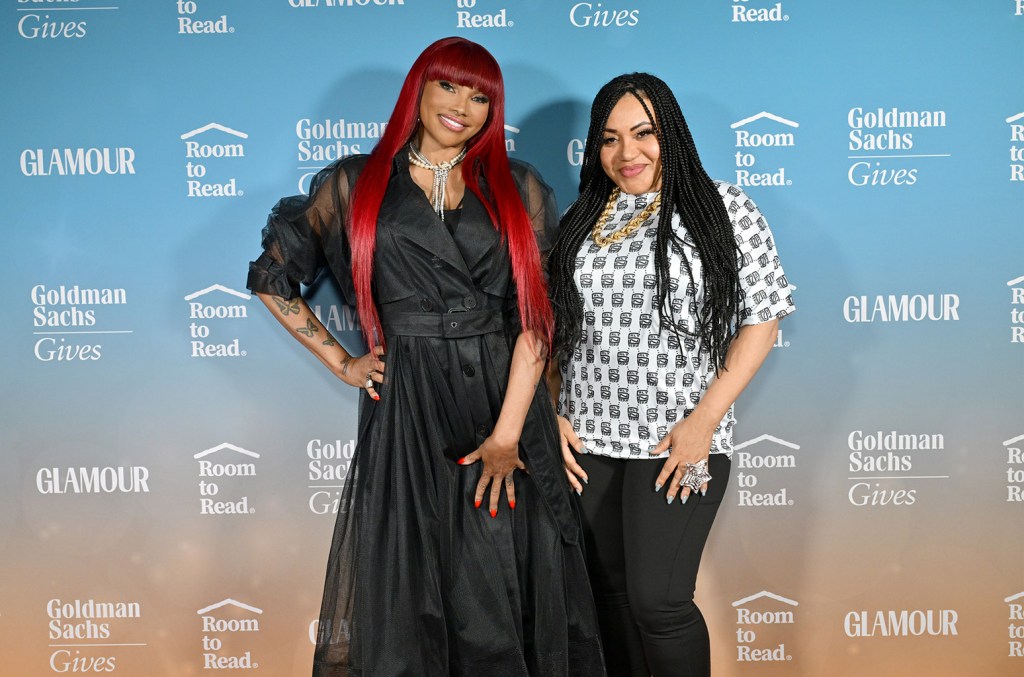
Salt-N-Pepa is taking Universal Music Group (UMG) to court to regain control of the duo’s masters, alleging in a new lawsuit that the record label is refusing to honor copyright clawback rights and has instead “punished” the legendary hip-hop act by removing some of its music from streaming.
The lawsuit, filed Monday (May 19) in New York federal court, accuses UMG of ignoring Salt-N-Pepa’s so-called “termination rights” under Section 203 of the Copyright Act. This provision allows artists who sign over their master recordings to regain control of that intellectual property 35 years after a song’s release.
UMG owns Salt-N-Pepa’s masters per two contracts that the “Push It” singers, Cheryl “Salt” James and Sandra “Pepa” Denton, signed with UMG subsidiaries Next Plateau Records and London Records in 1986 and 1992.
Trending on Billboard
Salt-N-Pepa served UMG with a notice of termination rights in 2022, claiming its albums Hot, Cool & Vicious (1986) and A Salt With A Deadly Pepa (1988) were both up for copyright termination in 2024. The duo also said Blacks’ Magic (1990) and A Blitz of Salt-N-Pepa Hits (1990) are up in 2025 and that Very Necessary (1993) — which peaked at No. 4 on the Billboard Hot 100 — is up in 2026 alongside The Greatest Hits (1991).
But UMG allegedly rejected Salt-N-Pepa’s notice as “invalid and ineffective,” claiming termination rights do not apply because the albums were “works made for hire.” UMG then took Hot, Cool & Vicious and A Salt With A Deadly Pepa down from streaming, a move Salt-N-Pepa describes as “punishing” the group by holding their music “hostage.”
“UMG has, in fact, halted exploitation of the relevant sound recordings in the United States, thereby effectively demonetizing plaintiffs’ catalogue,” wrote Salt-N-Pepa’s attorneys from the law firm Blank Rome. “This is an effort by UMG to pressure plaintiffs into giving up on their effort to recoup their rights to their sound recordings. Plaintiffs are not willing to do so.”
Salt-N-Pepa’s lawyers say that contrary to what UMG is claiming, nothing in the duo’s original contracts with Next Plateau Records and London Records defined its music as “works made for hire.” UMG therefore “makes no legitimate argument against the effectiveness of the notices of termination,” alleges the lawsuit.
“UMG appears to take the position that it can unilaterally decide when and/or if a recording artist is entitled to termination,” wrote the Blank Rome team. “This is not the law, and UMG does not have this power.”
Salt-N-Pepa is asking the court to declare the duo’s termination rights valid and award it control of the masters. The duo is also seeking monetary damages for UMG’s alleged wrongdoing in an amount “believed to well exceed $1 million.”
The lawsuit comes just months before Salt-N-Pepa is due to become the second-ever female hip-hop act to be inducted into the Rock & Roll Hall of Fame this November. The group’s legal reps say in a statement, “This fight is about more than contracts — it’s about legacy, justice and the future of artist ownership.”
“In a stunning act of retaliation, UMG has pulled their songs from all major platforms in the U.S., punishing them for asserting those rights and silencing decades of culture-shifting work,” the reps add. “Like many artists, they’re challenging a system that profits from their work while denying them control.”
Representatives from UMG did not immediately return a request for comment.
This is not the first time UMG has been pulled into court over termination rights. The label and Sony Music Entertainment both inked class action settlements last year over years of closely-watched litigation, in which recording artists sought to win back control of their masters en masse.
Individual artists have also brought one-off lawsuits over termination rights, such as a case that 2 Live Crew won at trial against a small record label last year. The provision also played a significant role in Cher’s royalty battle with Sonny Bono’s widow, in which a judge ruled that termination rights didn’t trump the couple’s divorce settlement.
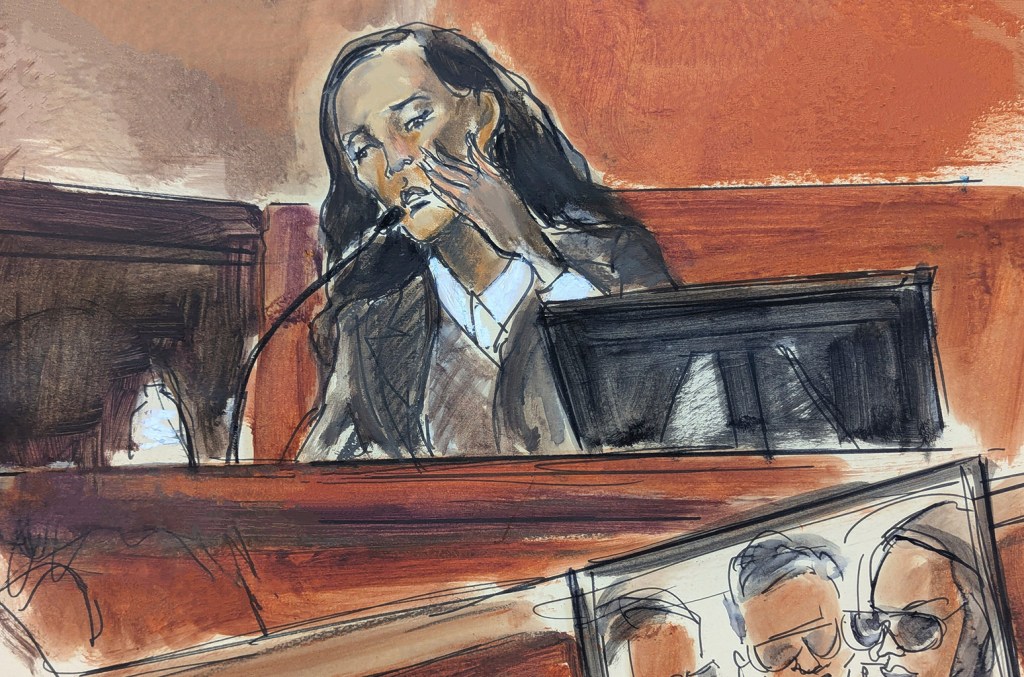
Danity Kane singer Dawn Richard continued her testimony Monday at Sean “Diddy” Combs’ sex-trafficking trial, telling jurors that the rapper would “frequently” assault Cassie Ventura — including once at a restaurant in front of Usher and other celebrities.
The testimony from Richard, who rose to fame on Combs’ MTV reality show Making the Band, kicked off the second week of Combs’ criminal trial, in which the music mogul is accused of coercing Ventura and others into participating in drug-fueled sex shows known as “freak-offs.”
Days after she told the jury that she witnessed Combs abusing Ventura — including once trying to attack her with a skillet — Richard recounted other alleged assaults, according to CNN, The New York Times and other media reports.
In one alleged incident, she testified that Combs punched Ventura in the stomach at a Los Angeles restaurant where Usher and other celebrities were present. “She immediately bent over, he [Combs] told her to leave,” Richard testified, according to People. “No one intervened.”
A rep for Usher did not immediately return a request for comment from Billboard. The New York Post reported that Richard’s testimony left it “unclear” if Usher and other A-listers present had actually witnessed the alleged attack.
Later on Monday (May 19), Richard was grilled by defense attorney Nicole Westmoreland over apparent inconsistencies in her testimony, including the infamous skillet statements. In one such exchange, defense attorney pressed Richard about changes in her recollections about Combs’ drug use.
“You would agree with me that as time progresses your story changes,” Ms. Westmoreland asked. “Yes,” Richard replied.
Combs was indicted in September, charged with running a sprawling criminal operation aimed at facilitating the freak-offs — elaborate events in which Combs and others allegedly pressured Ventura and other victims into having sex with escorts while he watched and masturbated. Prosecutors also say the star and his associates used violence, money and blackmail to keep victims silent and under his control.
Once one of the music industry’s most powerful men, Combs is accused of racketeering conspiracy (a so-called RICO charge), sex trafficking and violating a federal prostitution statute. If convicted on all of the charges, he faces a potential life prison sentence.
During opening statements last week, defense attorneys told jurors that Ventura and other women had consensually taken part in the sex parties. They admitted that Combs had committed domestic violence during his and Ventura’s “toxic” relationship and had unusual sexual preferences, but that he had never coerced her into participating in his “swinger” lifestyle.
Ventura, the prosecution’s star witness, spent four days on the stand last week detailing how Combs allegedly controlled and physically abused her during their 11-year relationship.
After Richard wrapped up on Monday, Ventura’s longtime friend Kerry Morgan took the stand, testifying about multiple incidents in which she says she saw Combs attack Ventura. In one, she said Combs entered a bathroom and that she could hear Ventura screaming.
“It was guttural, terrifying. I heard her screaming so I went to the long hallway, they were coming out of the master bedroom and he was dragging her by her hair,” Morgan said, according to NBC News.
Later in the afternoon, jurors heard from David James, a former assistant to Combs, who testified that he once told Ventura she should leave the superstar, but that she felt she was unable to do so.
“I can’t. I can’t get out,” James said Ventura told him, citing the fact that he controlled her music career, paid for her lodgings and was her source of income: “I just didn’t think that she could easily leave.”
The trial is expected to pick up again on Tuesday (May 20) with more testimony from James. The proceedings are expected to last until early July.

Jennifer Lopez is facing copyright infringement claims for allegedly posting two paparazzi pictures of herself outside a Golden Globes pre-party in January without paying to license the photos.
Lopez was hit with a pair of federal court lawsuits on Saturday (May 17) from photographer Edwin Blanco and photo agency BackGrid USA. They say they co-own the two images of the pop singer and actress standing outside the Amazon MGM Studios x Vanity Fair Party at Los Angeles’ swanky Bar Marmont the night before this year’s Golden Globe Awards on Jan. 4.
A lawyer for Blanco and BackGrid alleges Lopez posted the photos to her Instagram and X accounts on Jan. 5 without permission. This supposedly set off a spate of reposts from fan pages and fashion brands, including the designer of a faux fur coat Lopez was wearing in the photos.
Trending on Billboard
“Ms. Lopez’s unauthorized use of the Images is commercial in nature, intended for the purpose of self-promotion,” wrote attorney Peter Perkowski. “For example, Ms. Lopez used the images to spotlight the designer of her clothing and jewelry, leveraging the publicity from the event to promote her fashion affiliations and brand partnerships.”
According to the lawsuits, a representative for BackGrid and Blanco contacted Lopez’s team about the alleged copyright infringement the next week. Perkowski says the two sides had “fruitful discussions” and orally agreed to a monetary settlement, but Lopez never signed a written settlement agreement and has not paid the promised money.
The lawsuits also note that Lopez was previously sued in 2019 for posting an unauthorized paparazzi image of herself and her then-boyfriend Alex Rodriguez to her Instagram account. That case, also brought by Perkowski, was ultimately dismissed voluntarily in 2020.
“This prior litigation placed Ms. Lopez on notice regarding the legal requirements and potential consequences associated with the use of copyrighted images without proper authorization,” continued Perkowski. “Despite this, Ms. Lopez has continued to engage in similar conduct, demonstrating a willful disregard for BackGrid’s copyrights through a pattern of behavior that undermines the rights of content creators.”
BackGrid and Blanco are accusing Lopez of willful infringement under the federal Copyright Act, which could entitle them to damages of up to $150,000 per photo.
Lopez’s reps did not immediately return a request for comment on Monday (May 19).
While seemingly strange, it’s quite common for celebrities to be sued for posting paparazzi photos of themselves to social media. Artists including Miley Cyrus, Dua Lipa and Justin Bieber have all faced similar lawsuits in the last few years.
As Billboard wrote in 2022, U.S. copyright law is on the side of photographers and image licensers. Though it may seem unfair, celebrities do not automatically co-own images of themselves and therefore don’t have the right to repost them for free.

Ed Sheeran wants the U.S. Supreme Court to finally end one of the long-running lawsuits claiming his “Thinking Out Loud” infringed Marvin Gaye‘s “Let’s Get It On,” calling a recent appeal to the high court “baseless.”
The star’s accuser — a company that owns a partial stake in Gaye’s 1973 song — asked the justices earlier this year to revive the case, which was dismissed in November after a lower court ruled that the two tracks share only basic “musical building blocks.”
In a response Friday (May 16), Sheeran’s attorneys said the “Thinking” case is not the kind of precedent-setting case that’s worth the Supreme Court’s time — but that the accusers are using a “false premise” and “baseless assertions” as it “pretends” that it is.
Trending on Billboard
“The question which petitioner purports to present is not actually presented by this case but has been fabricated in effort to attract this court’s attention,” Sheeran’s lawyers wr0te. “The petition should be denied.”
Sheeran has faced multiple lawsuits over “Thinking,” a 2014 track co-written with Amy Wadge that reached No. 2 on the Billboard Hot 100 and ultimately spent 58 weeks on the chart.
He was first sued by the daughter of Ed Townsend, who co-wrote the famed 1973 tune with Gaye. That case ended in a high-profile jury verdict that cleared Sheeran of any wrongdoing.
Thursday’s petition came in a separate case filed by a company called Structured Asset Sales (SAS), an entity owned by industry executive David Pullman that controls a different stake in Townsend’s copyrights to the legendary song. That suit was rejected in November by the federal Second Circuit appeals court, which said the lawsuit was essentially seeking “a monopoly over a combination of two fundamental musical building blocks.”
“The four-chord progression at issue — ubiquitous in pop music — even coupled with a syncopated harmonic rhythm, is too well-explored to meet the originality threshold that copyright law demands,” the appeals court wrote. “Overprotecting such basic elements would threaten to stifle creativity and undermine the purpose of copyright law.”
In a petition to the Supreme Court in March, SAS argued that the appeals court’s ruling had unfairly restricted its allegations to written sheet music rather than all elements included in Gaye’s iconic recorded version. That thorny issue, which has also cropped up in other major cases over “Blurred Lines” and “Stairway To Heaven” in recent years, must finally be resolved by the high court, the company said at the time.
“The rights of thousands of legacy musical composers and artists, of many of the most beloved and enduring pieces of popular music, are at the center of the controversy,” SAS’s lawyers wrote.
In Friday’s response, Sheeran’s lawyers said the stakes of the case had been vastly overstated — that the case law was clearly settled, that there was no controversy among the lower courts, and that it was SAS that was threatening to upend the law: “The self-serving free-for-all petitioner posits would foment vast uncertainty and encourage rampant speculation, decades after the fact.”
Appeals to the Supreme Court, known as petitions for writ of certiorari, face extremely long odds. The court takes less than 2% of the roughly 7,000 cases it receives each year, hearing only the disputes it deems most important to the national legal landscape.
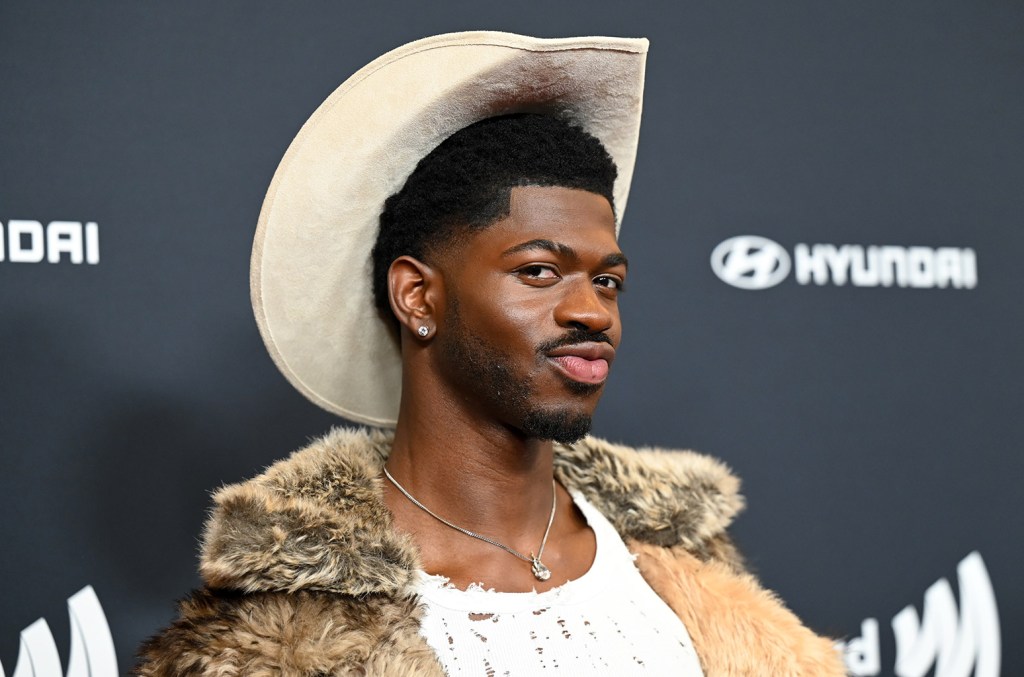
Lil Nas X can’t be sued by an Instagram user who claimed the superstar stole his distinctive “poses” and used them in his own posts, federal appeals court says – ruling that the dispute images “share few similarities” and Lil Nas likely never saw them anyway.
Rodney Woodland, a freelance artist and model, claimed in his 2022 lawsuit that the “Old Town Road” rapper (Montero Lamar Hill) had illegally replicated several provocative photos in which Woodland struck elaborate poses while partially nude.
But in a ruling Friday, the U.S. Court of Appeals for the Ninth Circuit says that the dueling sets of Instagram posts share only a few scattered similarities that didn’t legally add up to copyright infringement.
Trending on Billboard
“Hill’s photograph shares almost nothing in common with Woodland’s,” Judge Kenneth K. Lee writes, analyzing two of the images. “The photos both depict a Black man folded in on himself, but the similarities stop there. The objective elements in the photos—the men’s poses, colors, lighting, backgrounds, etc.—are different.”
The appeals court also rejects Woodland’s lawsuit for an even simpler reason: That Lil Nas had likely never seen the images he was accused of copying. That issue – known as “access” in copyright law – is a crucial component in any infringement lawsuit.
“It is not enough to simply allege that [Lil Nas] is an active user of Instagram and thus had a reasonable possibility of viewing Woodland’s photos,” Lee writes for a three-judge panel. “There are over a billion users and many more posts on Instagram. The mere fact that Hill uses Instagram and that Woodland’s photos are on Instagram raises no more than a bare possibility that Hill viewed Woodland’s photos.”
Attorneys for both sides did not return requests for comment on the ruling on Monday.
Woodland sued Lil Nas in June 2022, claiming the rapper had ripped off 11 of his copyrighted photographs, illegally copying “original and unique elements” of them including “poses, colors, lighting and coloring.” The images all feature Woodland and Nas naked with their genitals obscured, either by their pose or the use of editing elements.
A federal judge dismissed the case in 2023, and the Ninth Circuit affirmed that ruling on Friday. In its written opinion, the appeals court included side-by-sides of each disputed pair of photos and detailed why each of Nas’ posts were not improper.
“The commonalities go no further than the depiction of a man reclining on his side with certain body parts strategically covered — a common pose in photos of male models and actors,” the court wrote about one set of images.
Several of the disputed photos featured both Woodland and Nas “draped in chains.” The court said that was a clear similarity, but not one that trigger’s copyright law’s protections for creative expression.
“The idea in each of the photos is the same — the provocative image of a Black man in chains,” the court wrote. “But that idea is not protected — indeed, it is a common motif in many pieces of art. Only the expression through the selection and arrangement of objective elements receives copyright protection.”
Friday’s ruling carries added importance because it is a so-called precedential ruling, offering new case law on the issue of copyright “access” in the era of social media.
The court said the rules had involved in an analog world and that Instagram and other platforms had made it “easier than ever” for copyright works to be widely disseminated. But the court also warned that accusers would still need to prove that an alleged infringer had a good chance of seeing their work — and that none of Woodland’s posts had recieved more than 75 “likes” on Instagram.
“Social media and other digital-sharing platforms could make it easier for plaintiffs to show that defendants had access to their materials —but only if they can show that the defendants had a reasonable chance of seeing their work under that platform’s algorithm or content-sharing policy,” the appeals court wrote. “That is a big “if”— and, as explained below, Woodland has fallen short here.”