State Champ Radio
 Latin
Page: 21
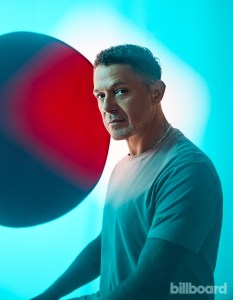
Back in 2005, Spanish star Alejandro Sanz — the heartthrob with raspy vocals, a poet’s way with words and a flamenco flair that defined his global pop sound — teamed with another superstar, Colombia’s Shakira, for “La Tortura,” a sexy flamenco/reggaetón vamp.
It was a headline-grabbing collaboration at a time when such pairings were scarce in Latin music: Spain’s most lauded and top-selling artist cavorting with a crossover star at the height of her popularity.
Accompanied by a video dripping in sensuality, featuring an oil-bathed Shakira writhing on a kitchen table, the song exploded, notching a then-record 25 weeks at No. 1 on Billboard’s Hot Latin Songs chart.
Trending on Billboard
Twenty years later, Shakira and Sanz again danced together to heightened expectations. On May 13, the Colombian star invited her Spanish buddy as a special guest to the opening date of her U.S. tour at Bank of America Stadium in Charlotte, N.C., where the two performed “La Tortura.”
The moment served as a bookend in Sanz’s career as he prepares to release ¿Y Ahora Qué?, his first studio album in four years, featuring “Bésame,” a new duet with Shakira, as the focus track. The song, which harks back to the flamenco/Caribbean sound of “La Tortura” but is set over sparse dance beats, boasts that mix of sophisticated and commercial that has informed so many Sanz hits through the years.
But ¿Y Ahora Qué?, which translates to “Now What?,” is as existential as it is hit-driven, navigating intensely personal fare with humor and unexpected turns.
“It’s what you ask yourself every time you start something new, every time you face change, when you change your sentimental life and things happen that truly move you,” Sanz says, sitting next to me on a couch on a Tuesday afternoon.
Fit, tan and still charmingly impish, Sanz met with Billboard over a glass of red wine at Sony’s 5020 Studios in Miami in early May. This kind of scenario — warm, open, unscripted — has very much been the Sanz way through the years; once he opens up, he shuns formality and careful choreography.
His first album on Sony Music Latin, Y Ahora, is an EP that follows a turbulent period where he switched labels (leaving Universal after a decade in 2021), his former manager took him to court, and, most recently, he publicly dealt with depression and a romantic breakup.
Aside from longtime friend Shakira, Sanz also collaborates with hot new hit-makers Grupo Frontera — in a salsa that steers the act far from its regional Mexican sound — and Manuel Turizo, who eschews his up-tempo rhythmic dance fare for a more melancholy ballad.
For Sanz, it’s a jump of boldness and optimism after the storm. The cover of the album shows him in various stages of movement — walking, leaping, running — as does his newly released tour art. Sanz is a prolific live artist whose 2023 shows grossed $23.8 million and sold 235,000 tickets, according to Billboard Boxscore. All told, between 2022 and 2024, his Sanz en Vivo tour (his largest to date), played 86 concerts throughout Europe, Mexico, South America and the United States, selling over 860,000 tickets and grossing $100 million, according to his management. Sanz has already announced the first leg of his new tour and is slated to play 17 dates in Mexico, including four-sold nights at Auditorio Nacional from a presale, prompting the addition of two more.
Mary Beth Koeth
But Sanz’s real strength lies in his songs. Rhythmically complex and riveting, underscored by his distinctively raspy voice, Sanz’s compositions have led to 14 career entries on Billboard’s Top Latin Albums chart, including four No. 1s and 11 top 10s. On Hot Latin Songs, he has notched 28 entries, including 10 top 10s and five No. 1s; he has won five Grammys and 25 Latin Grammys, and he holds the title for most wins — seven — for record of the year at the Latin Grammys.
In his native Spain, Sanz still boasts the top-selling album of all time, according to local society Promusicae: his 1997 breakthrough, Más, which has been certified 22 times platinum for 2.2 million certified copies sold, and includes his biggest, most lasting hit, “Corazón Partío.”
“In my opinion, Alejandro is the best Spanish-language composer of all time,” says Iñigo Zabala, the former head of Warner Music Latin America & Spain who signed Sanz to his first recording deal back in 1991.
Today, Zabala co-manages Sanz in an unorthodox agreement with Alex Mizrahi, with the two executives focused on different areas of his career. Mizrahi, who heads management and promotion company OCESA-Seitrack, oversees Sanz’s international management and business, while Zabala, who is also a musician, handles his recording career and creative output.
The two began managing Sanz in 2022 when the artist was at a crossroads. He had no formal manager and had decided to end his contract with Universal Music, his home since 2011. But he continued touring, and Mizrahi, his agent in Latin America, yearned to expand his relationship with him.
“I’m a manager focused on touring. But an artist as sophisticated as Sanz needs someone like Iñigo, who knows his origins and who’s had a long artistic relationship,” Mizrahi says.
That same mind frame — artistry leading the business — also informed Sanz’s decision to sign with Sony Music a year later, in a license deal that lets him keep control of his masters.
“I need a label I can talk music with, who will dream about repertoire with me,” Sanz says. “I have attorneys to talk numbers, and so do they.”
Mary Beth Koeth
Which is not to say Sanz is improvising. Beyond his touring, he has been active in ancillary, visible projects. He’s in the midst of shooting a Netflix documentary that will premiere this fall, and production crews have followed him for the past year, including when he sat for a Q&A at Billboard Latin Music Week last year and received the Billboard Lifetime Achievement Award.
His music is also being used for an upcoming stage musical, jukebox-style, that is not based on his life story, but features a character called Ale. And a deluxe version of ¿Y Ahora Qué? will be released later in 2025 with additional collaborations.
Sanz spoke to Billboard about his creative process and where he is now.
So, now what?
“Now what,” “¿Y ahora qué?,” is the first line of the album, in [the single] “Palmeras en el Jardín.” “Now what?” is a question almost everyone asks themselves at some point. Whenever you’re about to start something new, whenever something happens, whenever you face a change, you ask yourself, “Now what?” Especially when it comes to emotional or sentimental changes that really shake you up. I find it very relatable, and I love taking common phrases or ideas that are already part of our collective imagination and giving them a poetic twist in my albums.
“Palmeras en el Jardín,” the song with that phrase and the first single, is about sadness and the loss of your previous relationship. But the album’s mood shifts after that.
I think emotions don’t really distinguish between what’s sad and what’s happy; instead, they create a certain sense of satisfaction. You like sunny days, but sometimes you also enjoy rainy ones, don’t you? “Palmeras en el Jardín” is the rainy day, and there are a few sunny ones throughout the album. It felt fitting for that to be the first thing said because it reflects the inner struggle I went through to start making this album and to feel inspired again to create new songs. I needed that question in my life: “Now what?” Because you have so many options — stay where you are, crumble, move forward, climb higher or jump out of a hot air balloon.
Do you have a process for starting to make music, or do you just wait for the perfect moment?
No, no. Waiting for the perfect moment is just laziness and shows zero commitment. I think you have to actively go after the song, just like you chase luck or love.
Are you disciplined when it comes to songwriting?
When I have to do it, I do it. When I first started making albums, I could write anywhere — in a bakery or on a plane. Now I go to the studio and work with the people I collaborate with — musicians, producers, composers — and approach it differently. Before, I used to lock myself in my room and spend 14 hours writing compulsively and, honestly, in a completely unhealthy way. But that’s how I used to do it. Now I find shorter sessions much more productive, and I’ve changed the way I work.
I used to think those habits were set in stone…
But they’re not. You can change them. The same tools from before don’t always work anymore. For example, when I used to write an album, I would always learn a new instrument or find inspiration within the music itself. Now I’ve discovered that working with other people really sparks something in me. It teaches me a lot, and I get to share what I know, too. That fascinates me because I’d never done it before.
Speaking of working with others, this album has a lot of collaborations. You’ve got three, including “Bésame” with Shakira. How did that one happen?
We’d been talking for a while about working together again. I used to joke with her, saying, “When are we going to make another song? You only make songs with talented, handsome guys!” We hadn’t found the right song that we both connected with. It’s tough after making a song like “La Tortura” to find the right reason to team up again. You don’t want to be too predictable or repeat the same thing, but you also want the new collaboration to be just as sweet.
You’re both so busy. Did you work together in the studio?
No, we didn’t. But I think the process unfolded exactly how it needed to. We worked perfectly by sending ideas back and forth. We’d send each other voice notes and messages. We’re both very hands-on artists, so our conversations were intense. She’d send me audiobooks, and I’d try to summarize them. It was beautiful because we managed to create what we always do when we sing together: Something magical happens. I think we accomplished that by combining our roots, a little imagination and, now, some added experience. There weren’t any arguments because she loves the world of flamenco and we really admire each other’s work. That mutual respect is so important when collaborating.
This album feels like a release for you — more so than others.
Well, what is a release, really? At its core, why do we use music? To communicate. Over time, music has become more commercialized, but if you think about it, the original reason for making songs was to tell your stories and free yourself. People are always surprised when music is used to tell deeply personal stories, but that’s how it’s always been. The difference now is that, with social media, everyone knows exactly where the stories are coming from. I often debate whether to release something or not. But what’s the alternative? Once everything is out in the open and the well is discovered, it’s there for everyone. You can’t clip the wings of creativity just because you feel a little embarrassed about one feather.
When people ask me if this album has a common thread, I say that the connection is me — my voice, my way of interpreting music. I’ve always loved being eclectic and exploring different rhythms. That’s the beauty of music — it reflects what’s happening in your life.
“Hoy No Me Siento Bien” with Grupo Firme is a salsa song, despite its title, and it’s upbeat. But “Como Sería” with Manuel Turizo and “Vino de Tu Boca” are about loss.
“Hoy No Me Siento Bien” is about recognizing that it’s OK to feel bad sometimes. It’s about finding the light at the end of a dark tunnel. That’s why the synergy between the lyrics, which talk about emotional struggles, and the upbeat music works — it’s like saying, “I feel bad, but it’s OK.”
You and Shakira are aligned, but it feels like you pushed Turizo and Grupo Frontera out of their comfort zones. Did Frontera ever say no to singing salsa?
No, not at all. They were excited! I think they love experimenting with music, and you can tell. What musician doesn’t enjoy playing around with music, trying new things and getting their hands dirty? That’s the most wonderful part of doing this job.
Let’s talk about “Como Sería,” your ballad with Turizo.
It’s a ballad, but not your typical ballad. It has layers and corners that feel familiar for a ballad, but it’s less safe. You know, there are ways to write lyrics or melodies that keep you in your comfort zone, but this song steps out of it. I hadn’t worked with Manuel before, but we met at a show in Spain, hit it off and decided to make a song together. His brother also co-wrote it, and honestly, the result is great. It’s similar to the single with Shakira — there’s a bit of his world, a bit of mine, and we meet in a place where you wouldn’t expect to see either of us.
Did you write it together?
They had an idea and sent it to me, and we went back and forth. Some might think that process sounds cold, but I love it. Sometimes when you’re in the same room writing, there are distractions — other people watching who aren’t contributing, for example. When you’re in the studio, there’s embarrassment or hesitation, and it doesn’t flow the same way. But when someone sends you the song, you’re at home, tweaking it, sending it back — you have the intimacy to work freely.
I love this album. It feels like it has all the right songs. What does this album mean to you?
It came into my life at a very important moment. I was closing a chapter where, musically and emotionally, I was in a tough spot. I was caught up in conversations that had nothing to do with music — more about numbers and other things that didn’t resonate with me. I got into music to free myself from math equations, to wake up late and to be my own boss — those are the three things I’ve always wanted to be. Somewhere along the way, I lost that excitement. Before, people would sell out musically, but they’d do it discreetly. Now it’s out in the open: “Let’s make this trash because we know it’ll work.” And if you don’t do that, you get stuck in this giant drawer of [old artists]. I was in that space, and this album brought light back into my life — into that empty space where my passion, drive and effort had disappeared.
Mary Beth Koeth
With today’s business models, I keep hearing that artists need to manage their businesses themselves.
A lot of artists love to say they’re entrepreneurs and that’s fine, but I don’t believe it. As an artist, you can try to make a living however you want based on supply and demand, but I don’t think you can truly be an entrepreneur at the same time. There’s a complete conflict of interest there.
Beyond the music, you’ve spoken openly about your experiences with depression and mental health in 2023. Why?
Because it’s important. If not us, then who? If we can’t openly talk about these things, then what are we showing the people listening to this interview, for example? That they should be ashamed of it? No. But it’s a very personal thing.
Did it take you a while to decide to say, “I’m feeling bad, but I’m going to talk about it”? I ask especially because you’re so private.
Yes, I’m very private about the things that aren’t anyone else’s business because, really, no one cares about what I do in my personal life. But this is something that affects everyone, and I think it’s good to talk about it. When I was going through it, I struggled with social situations. Seeing too many people at once gave me anxiety. But the one place I felt comfortable was onstage.
You’d think it would be the opposite.
Exactly. I did my first concert in Spain and thought, “If this goes well, I’ll do the tour. If not, I won’t.” And I felt amazing up there. As the tour went on, I made changes to prioritize myself. For example, I decided not to meet with anyone after the show. I’d finish the concert, go to my hotel or my house and not worry about meeting everyone’s expectations. That’s so important — to be polite, do your job well, be kind to your people and that’s it. That’s all you need to demand of yourself. The rest should be whatever makes you happy. If signing autographs for 20 hours makes you happy, do it. But if it doesn’t, then don’t.
Do you have mechanisms to manage your anxiety?
It’s less about mechanisms and more about habits. I’ve learned to say no. You always try to be the person you once were — to be nice to everyone. But I know how to set boundaries now, and I don’t let things get out of hand.
What can we expect from this tour?
I’m really excited to include new songs in the setlist. I want to invite friends to some of the shows, but mostly, I want to completely refresh the repertoire. I don’t know if I’ll perform the entire album, but almost all of it. There will also be changes within the band. We start rehearsals in July and will spend all of July and about 20 days in August rehearsing in Spain at my place in the country. I set up a tent there, and we rehearse surrounded by horses, sheep and chickens. I want to create something beautiful and put a lot of care into the stage design. There’s always a special connection during the concerts. We always create something unique, and it’s been a while since we’ve seen each other.

Back in 2005, Spanish star Alejandro Sanz — the heartthrob with raspy vocals, a poet’s way with words and a flamenco flair that defined his global pop sound — teamed with another superstar, Colombia’s Shakira, for “La Tortura,” a sexy flamenco/reggaetón vamp. It was a headline-grabbing collaboration at a time when such pairings were scarce […]

Bad Bunny is continuing his acting streak, this time joining the cast of the forthcoming film Caught Stealing, alongside Austin Butler and Zoë Kravitz. The artist born Benito Antonio Martínez Ocasio appears on the official movie trailer out Wednesday (May 21), where he is seen portraying a Puerto Rican gangster. “Either I get what I […]
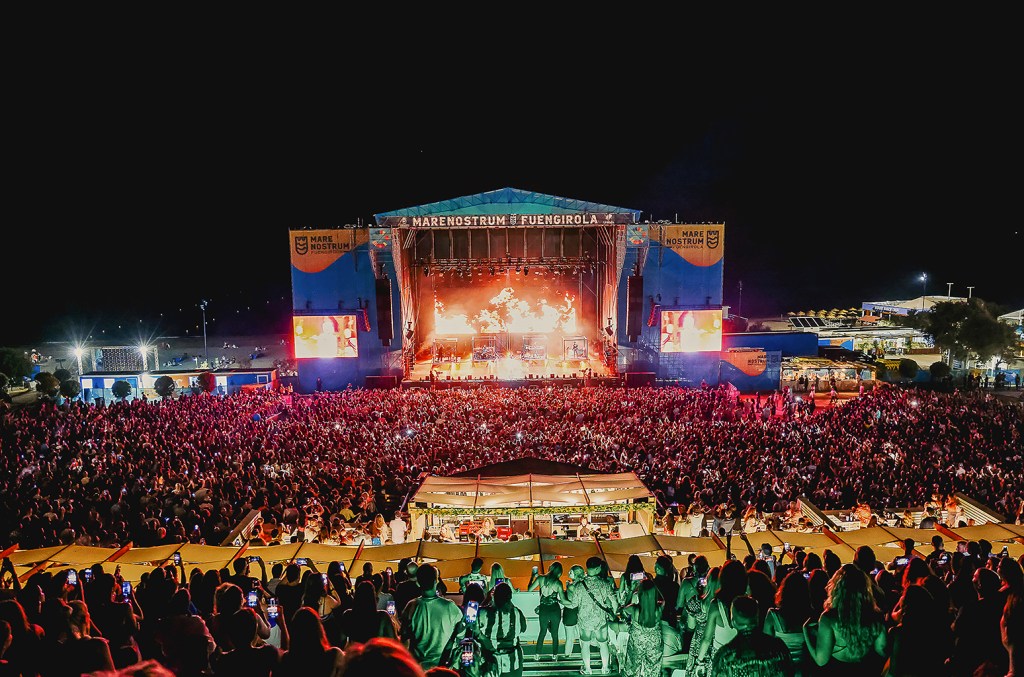
Marenostrum Fuengirola, one of the most important live music series in southern Spain, has just become the first of its kind to obtain the Carbon Footprint Certificate for Events, awarded by AENOR (Asociación Española de Normalización y Certificación, or the Spanish Association for Standardization and Certification)
Explore
See latest videos, charts and news
See latest videos, charts and news
The recognition, which highlights the festival’s 2024 efforts, comes right as the Marenostrum celebrates its 10th anniversary with its biggest and most ambitious edition yet — featuring a lineup of over 100 artists — while doubling down on its growing commitment to sustainability.
“Achieving this milestone is a recognition of all the work Marenostrum Fuengirola has been doing since the beginning when it comes to sustainability, environmental responsibility, and supporting the community around the venue,” Daphne Martínez, the festival’s head of sustainable development goals, tells Billboard Español. “For us, it’s one of our most important pillars.”
Trending on Billboard
Born in 2016 as an initiative by the Fuengirola City Council to boost cultural tourism in the city, Marenostrum Fuengirola has grown year after year to become one of the standout events of the summer music scene in Spain. The concerts take place from late April to mid-September at Castillo Sohail, a 10th-century fortress located by the sea in Fuengirola, Málaga province.
Over time, Marenostrum has established itself as a must-stop on the country’s concert circuit, attracting big names like Jennifer Lopez, Ricky Martin, Bob Dylan, Santana, Rod Stewart, and Bizarrap, along with more than 880,000 attendees. The ambitious 2025 edition spans genres from pop and electronic music to classic rock, flamenco, and reggaetón, with confirmed artists including Maná, Leiva, Ozuna, Chayanne, Lionel Richie, Bonnie Tyler, Thirty Seconds to Mars, and Juan Luis Guerra, among others.
Since 2019, Marenostrum eliminated single-use cups and became the first venue in its category to be free of disposable plastics. In its 2024 edition, it became the first music event in Spain to officially measure and offset its carbon footprint — a recognition granted by AENOR after verifying the impact of its emissions throughout the season — and doubled down on its efforts with initiatives like using 100% renewable fuels for its main generators, solar panels to power areas of the venue, and solar-powered mobile charging stations.
Additionally, the festival plants its own “Marenostrum Forest” every year as part of its emissions offset plan, and this year, even the staff wristbands were made from recycled ocean plastic.
“We hope this experience serves as a reference for other venues because environmental responsibility is a shared concern across the entire sector,” Martínez says. “We need to strengthen responsible practices with certifications like these, not just good intentions, contributing to the preservation of the environments where we carry out our activities.”
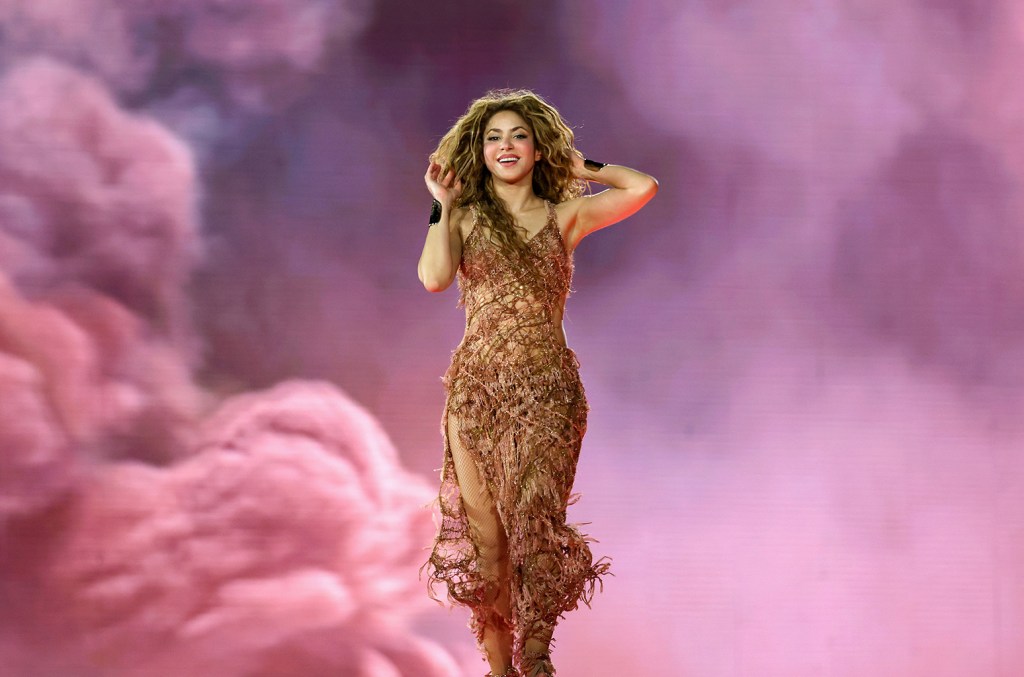
Officials are alerting those who attended Shakira‘s May 15 concert at the MetLife Stadium in New Jersey of possible exposure to measles. The New Jersey Department of Health announced on Tuesday (May 20) that a person who was infected with the disease attended the show. The statement warned that anyone present at the stadium from […]

As the debate over narcocorridos heats up, the original masters of the genre, Los Tigres del Norte, are back with a new EP that’s slyly more provocative than anything currently under scrutiny.
Explore
Explore
See latest videos, charts and news
See latest videos, charts and news
La Lotería, dropping May 22, features five songs that tackle topics like the effects of divorce on kids, and the title track, “La Lotería,” a corrido with biting social commentary where the devil card in the video bears the face of President Trump.
For Los Tigres—brothers Jorge Hernández, Hernán Hernández, Luis Hernández, Eduardo Hernández, and their cousin Oscar Lara—this is about staying true to their roots. “We’ve always tried to raise awareness with our music, and our goal has been to make songs that stand the test of time. That’s why “La Reina del Sur” is still relevant. That’s why “Jefe de Jefes” is still relevant,” says Luis Hernández, referencing two of their most iconic corridos from their over 40-year career. “One thing Arturo Pérez Reverte [author of the novel La Reina del Sur] said: ‘If you want to understand Mexico’s history, you need to take a look at Los Tigres del Norte’s discography.’”
The songs on La Lotería (Fonovisa) come with cinematic music videos directed by filmmaker Sergio Arau, who brings a visual storytelling flair to Los Tigres’ stories. The release coincides with Los Tigres’ concert at Madison Square Garden in New York on May 24, as well as the naming of a street in the city in their honor. Ahead of the EP’s launch, Billboard sat down with Los Tigres in Miami for an exclusive interview where they opened up about pretty much everything.
Here are three key takeaways. Watch the full interview above.
On the ban of narcocorridos in Mexico
“We’ve always told stories through our corridos. We don’t focus on the characters,” says Jorge Hernández. “We talk about the events that happen, the realities. With the younger generations, they have a completely different language and imagination when it comes to corridos. For us, corridos are about expressing yourself naturally—like delivering the news. Their language is more about imagination, but it means something to their generation. That’s why the government intervenes and all this controversy exists. We’re not for or against what any musical group does. But the most important thing is that, banned or not, you have to stay within the bounds of the law.”
On Trump and his immigration policies
“When [songwriter Luciano Luna] wrote ‘La Lotería,’ what’s happening now hadn’t even started,” says Hernán Hernández of the spicy single. “For people who don’t have the means to live in another country, they want to come to the U.S. That’s the reality. And every president—not just this one, though he’s the most infamous—has tried to crack down on immigration. But laws aside, you’ve got to have a heart. Trump uses laws from as far back as the 1800s to justify his policies. But being a leader isn’t just about laws—it’s about compassion. If the world’s powers don’t lead with love, the world’s going to fall apart.”
Their message to immigrants
“The message is simple,” says Luis Hernández. “Most people who come to this country are just trying to find a better life. For years, Latinos have been the backbone of this country’s growth because the work we do here, no one else does. And as generations have progressed, we’ve gotten educated and moved forward. We need to keep improving, especially now that the minority has become the majority. We need to focus on education, teach those coming after us to vote, and remind them of their roots. This generation, as they say, isn’t from here or there. But once you understand your roots, it’s much easier to understand the message.”
Watch the full video here.
The season finale of The Last of Us is approaching, and in honor of the popular post-apocalyptic drama series, Billboard is highlighting its season two star, Isabela Merced, who in addition to acting, leads a music career of her own.
Explore
Explore
See latest videos, charts and news
See latest videos, charts and news
Isabela was cast as the last major addition to the show, joining series stars Pedro Pascal (Joel Miller) and Bella Ramsey (Ellie). In season two, Isabela portrays Dina, a freewheeling and loyal spirit who serves as Ellie’s romantic interest and Jesse’s ex.
“Dina is warm, brilliant, wild, funny, moral, dangerous and instantly lovable,” said Craig Mazin and Neil Druckmann, The Last of Us‘ co-creators, writers, executive producers and directors, according to Deadline. “You can search forever for an actor who effortlessly embodies all of those things, or you can find Isabela Merced right away. We couldn’t be prouder to have her join our family.”
Trending on Billboard
In addition to the lovable character on the hit HBO series, Isabela has also portrayed roles in films including Transformers: The Last Knight; Sicario: Day of the Soldado; and Dora and the Lost City of Gold, where she portrayed Dora.
But beyond her remarkable screen work, Isabela is also a promising music star. Below, check out some fun facts about the actress and singer.
Her Artist Name
The actress was born in Ohio to a Peruvian mother and a father from Louisiana. Her real name is Isabela Yolanda Moner, and was formerly known as Isabela Moner when she kicked off her acting career. However, when she launched her career as a solo musician in 2018, she changed her artist name to Isabela Merced as a tribute to her grandmother, Yolanda Merced, and her Peruvian heritage.
Her Music Career
In 2019, Isabela officially launched her music career, and has already collaborated with artists including Sebastian Yatra, Matt Hunter, and Danna (formerly known as Danna Paola), to name a few. Her 2020 EP The Better Half of Me features five tracks —in English and Spanish — navigating from reggaetón to R&B rhythms, and best putting on the map her fresh bilingual pop sound. Isabela has also recorded songs for the Instant Family and Spirit Untamed movie soundtracks, and has two Christmas songs: “Caliente Navidad” and “Cuffing Season.” Billboard can confirm that she’s currently working on new music.
Her Latin Roots
Isabela is a proud Peruvian-American, and the official music video for her single “Papi” is proof of that. The clip included a modern twist to the traditional Peruvian dance called Marinera and the devil masks worn by her dancers, which represent the Diablada. “Different elements of my Peruvian culture, from the coast to the Amazons, are incorporated into every aspect of my music, wardrobe, dancing, and storytelling of my videos,” she previously said to Billboard. She’s also a UNICEF ambassador in Peru and has visited communities in the Amazon.
The season two finale of The Last of Us will air at 9 p.m. ET on Sunday, May 25 on HBO and stream on Max.

Soccer, music and community came together on Monday (May 19) at the Tenple field in Villaviciosa de Odón, Madrid, Spain, where Myke Towers’ Young Kingz Foundation and David Villa’s DV7 Academy officially kicked off their global partnership. The event marked the start of a series of joint initiatives aimed at creating real opportunities for young people in vulnerable situations.
Explore
Explore
See latest videos, charts and news
See latest videos, charts and news
Towers, one of the most influential voices in Latin urban music, and Villa, the all-time top scorer for Spain’s national soccer team and a 2010 World Cup champion, share the same vision: transforming lives through talent, discipline and social commitment.
“I’m not doing this expecting it to blow up like a song,” Towers tells Billboard Español. “It’s more about leaving a legacy. Creating a habit. Inspiring those who can help to do so, in their own way.”
Trending on Billboard
“I feel good because this brings together two things I’m passionate about: music and sports,” he adds. “And if I can do something for others through that, even better.”
For Towers, giving back is essential. “When you’re blessed, it’s only natural to want to bless others,” he shares.
Although Villa couldn’t attend the event in person as he was in the Dominican Republic visiting one of his academies, he connected with Towers via video call, where both reaffirmed their commitment to joining forces to provide real resources to young people. Towers took the opportunity to thank Villa for his earlier visit to the Quintana Club in Puerto Rico, a gesture that marked the beginning of the bond between their two foundations.
Villa, on the other hand, celebrated the collaboration with the Young Kingz Foundation. “Soccer is a powerful tool for building community and well-being,” he tells Billboard Español, and reveals that his favorite song by Towers is “Lala.”
The partnership is already underway, with projects in Puerto Rico, New York, Colombia and Spain that include free sports clinics, exchange programs, urban space revitalization and educational support for vulnerable youth. For Villa, the most rewarding part is seeing the immediate impact on the daily lives of young people. “When I visit the academies and see them happy, sharing, and enjoying themselves, that’s the most beautiful thing,” he says. “You can win or lose, but the important thing is that they have a meaningful experience.”
The Young Kingz Foundation was established in July 2024, but Myke Towers’ community commitment had been developing long before that. “Michael had already been consistently supporting his community. The foundation allowed him to organize that effort and amplify its impact,” Derick Luna, president of the board of directors and the artist’s business manager, tells Billboard Español.
One of the standout stories from the event was that of Mateo Bermúdez, a 13-year-old Puerto Rican soccer player who traveled from Galicia to attend; he was sponsored by the DV7 Academy to continue his training in Spain. Mateo was born in the same community as Towers, Quintana, and represents the kind of talent this project aims to highlight and support.
“He has something special. He adapts, smiles when the group smiles and knows how to push through tough moments. That’s not something you can teach,” Ossie Antonetti, president of JDB Internacional (Young Puerto Rican Athletes) and a partner of the Young Kingz Foundation, tells Billboard Español.
“Mateo is a kid I’ve known since he was little, and I have a lot of love for him. I know he’s going to go far because he has humility, and that will take him very high,” adds Towers.
In a conversation with Billboard, Villa emphasizes the importance of supporting soccer development in communities that often go unnoticed. “We know where we can help, and this partnership allows us to do so with real impact,” he says.
During the event in Madrid, Towers also spent time with students from Villa’s soccer academy and took photos with fans who came to the field.
The event coincided with the kickoff of Myke Towers’ Europe Tour 2025, which will begin with two sold-out concerts at the Movistar Arena in Spain’s capital. In the coming weeks, the artist will perform in Cádiz, Barcelona, Paris, Zurich, London and other cities as part of his tour.
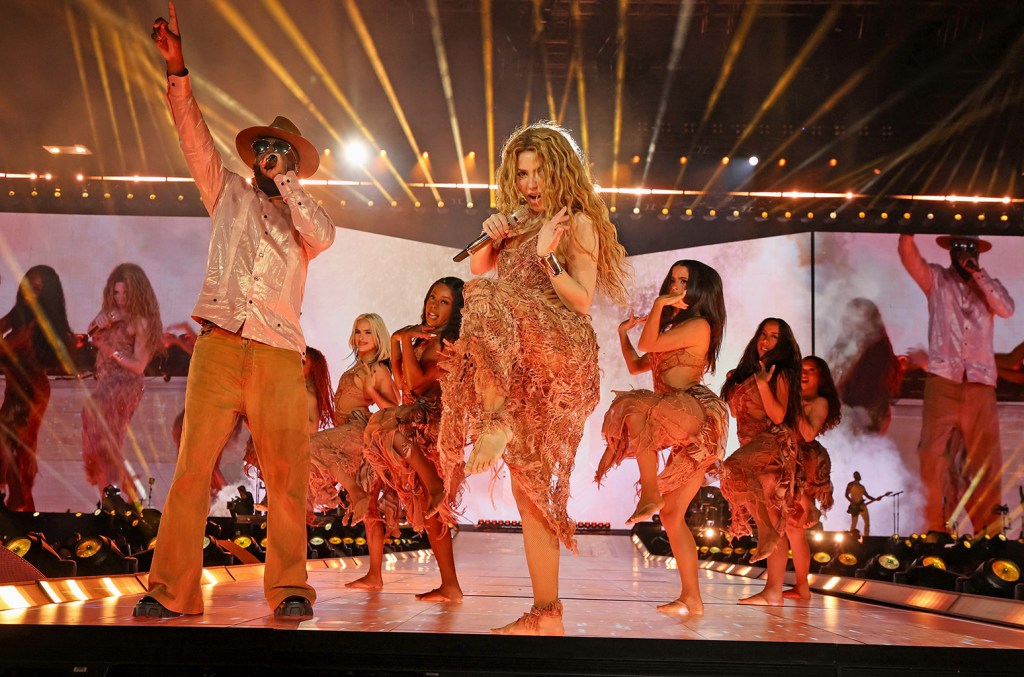
Since launching her Las Mujeres Ya No Lloran World Tour in Brazil earlier this year, Shakira has surprised attendees by inviting a number of fellow hitmakers to join her onstage. From Grupo Frontera, Carlos Vives and Maluma — all three joined her in Latin America — to Wyclef Jean, Alejandro Sanz, Ozuna and Rauw Alejando […]
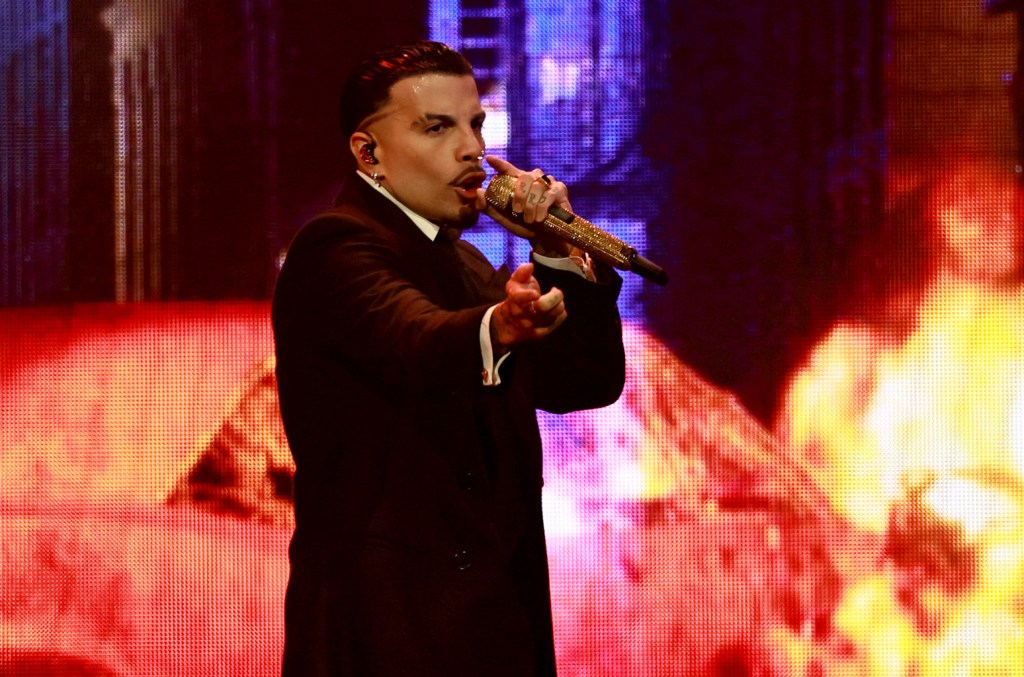
Elegance. Showmanship. Unmatched flair. Rauw Alejandro made his triumphant return to New York City on Monday night (May 19), kicking off a three-night takeover at Brooklyn’s Barclays Center as part of his Cosa Nuestra tour.
For the Puerto Rican singer, these performances carry deep significance, blending his personal story with the cultural legacy of the city’s Nuyorican community.
“Rauw Alejandro performing Cosa Nuestra live, where it all began, here in the city of New York,” said the man of the night while commanding the stage with superstar swagger. “New York is very special to me, it’s my second home. It’s where my father was born. My grandfather — they came here to work hard, to earn money for their family. Cosa Nuestra was created right here in New York. Tonight is special. This concert is a little bit different from the others.” And he was absolutely right about that.
Trending on Billboard
The energy in the arena was electric, with fans dressed to the nines per Rauw’s “dress code” for the night — a glam celebration that felt more Broadway than your typical Latin music show. And Rauw’s performance delivered high-octane drama in four acts, crafted like a theatrical masterpiece, at times invoking West Side Story, in others Michael Jackson’s “Smooth Criminal” video, to his own arsenal of hits from his new album — “Revolú,” “Déjame Entrar,” “Mil Mujeres” — and even some Rauw classics such as “Tattoo,” “Todo De Ti,” “Desesperados” and more.
The show was filled with imagery that depicted New York’s iconic landmarks and its Latin roots, with the Brooklyn Bridge and the city skyline as a backdrop. With his impeccably tight choreography, tailored and glitzy wardrobe and the vintage muscle car in one notable scene, his homage to the Boricua diaspora was heartfelt and unapologetically vivid — a tribute to resilience, culture and identity.
“New York is a special place, especially for this show, for Puerto Rican culture — for me being Puerto Rican from New York,” said an attendee who looked dapper in vintage-looking slacks and a flat cap. “There’s a lot of history here, a lot of culture, and it’s good to see all the people come together for a special event like this that celebrates us.”
The city is also the cradle of Puerto Rican salsa, the birthplace of the late ‘60s and ‘70s Latin music revolution defined by legends such as the Fania All Stars. That golden era of big-band artistry sparked the vision for Rauw’s Cosa Nuestra album and the theatrical brilliance of the night’s performance — a seamless fusion of tradition and modernity that felt like a love letter to New York’s Puerto Rican roots.
Rauw’s Cosa Nuestra topped Billboard‘s Best Latin Albums of 2024 (Staff Picks), and reached No. 1 on the Top Latin Albums chart, where it remained at the top for six weeks.
His next stops include Atlanta, Orlando and several dates in Miami before wrapping up his U.S. tour with a four-night series of shows at the iconic Coliseo de Puerto Rico. This summer, he’ll take his Cosa Nuestra tour to Europe.