State Champ Radio
 Blog
Page: 569
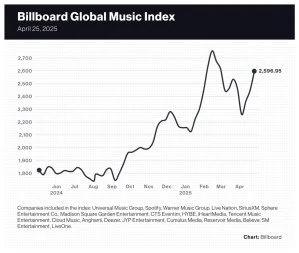
Proving that the best way to get stock prices to rally is to first bury them deep underground, markets surged this week as President Trump eased his tone on U.S. Federal Reserve chair Jerome Powell and said tariff negotiations with China are ongoing (although China denied the claim).
The 20-company Billboard Global Music Index surged 6.1% to 2,595.95, marking its third consecutive weekly gain after falling 10.9% in the two-week period ended April 4. The spoils of a less chaotic global market were felt by nearly all music stocks. Of the 20 stocks in the index, 16 finished the week in positive territory, and two — Anghami and Sphere Entertainment Co. — had gains exceeding 10%.
Major indexes improved this week as investor sentiment regarding U.S. tariff policy improved and President Trumpsaid he would not fire Powell. The Nasdaq composite rose 6.7% to 17,382.94 and the S&P 500 gained 4.6% to 5,525.21. The U.K.’s FTSE 100 improved 1.7% to 8,415.25. South Korea’s KOSPI composite index rose 2.5% to 2,546.30. China’s SSE Composite Index rose 0.6% to 3,295.06.
Trending on Billboard
After investors’ confusion about the U.S. tariff policy put a damper on stocks in recent weeks, markets seemed to find comfort in reports that said the U.S. Trade Representative was quickly working with some trading partners under a streamlined process. Jay Hatfield, founder/chief investment officer of InfraCap, told CNBC, “We’ve reached peak tariff tantrum” and believes the worst of the uncertainty has passed. In fact, the market could have been due for a rebound. Thomas Martin, senior portfolio manager at GLOBALT in Atlanta, told Reuters the stock market “was oversold by virtually all measures.”
Sphere Entertainment Co. was one of the week’s winners, rising 13.8% to $28.88. On Friday, Sphere Entertainment subsidiary MSG Networks announced it had negotiated a $514 million reduction in its debt and lower fees to broadcast New York Knicks and New York Rangers games. The news sent Sphere’s share price up 9.1%.
Spotify, which reports first quarter earnings on Tuesday (April 29), rose 8.1% to $620.72, giving the streaming giant a 23.3% gain over the past three weeks. This week, UBS lowered its price target to $680 from $690 and Wolfe Research raised its outlook on SPOT to “outperform” from “peer perform.”
Live Nation gained 4.4% to $132.76. Wolfe Research lowered its price target to $158 from $165 and maintained its “outperform” rating.
Warner Music Group (WMG) improved 2.4% to $29.83. Morgan Stanley lowered WMG shares to $32 from $37 and dropped the rating to “equalweight” from “overweight.” Universal Music Group (UMG), which also reports earnings on Tuesday, rose 3.5% to 24.79 euros ($28.28), bringing its year-to-date gain to 3.7%.
K-pop stocks had an unremarkable week after performing well during the tariff-driven chaos. HYBE, which, like Spotify and UMG, reports first-quarter earnings on Tuesday, rose 0.9%. SM Entertainment and JYP Entertainment improved 0.6% and 0.2%, respectively. YG Entertainment dropped 4.9%. Still, K-pop stocks are outperforming most music stocks this year. Collectively, the four South Korean music companies have posted an average year-to-date gain of 27.1%.
Cumulus Media shares dropped 16.0% to $0.21 after the company announced on Wednesday (April 23) it will de-list from the Nasdaq exchange on May 2 and immediately begin trading over the counter. The radio broadcaster’s shares are down 72.7% in 2025 and have fallen 92.2% over the last 52 weeks.
Billboard
Billboard
Billboard
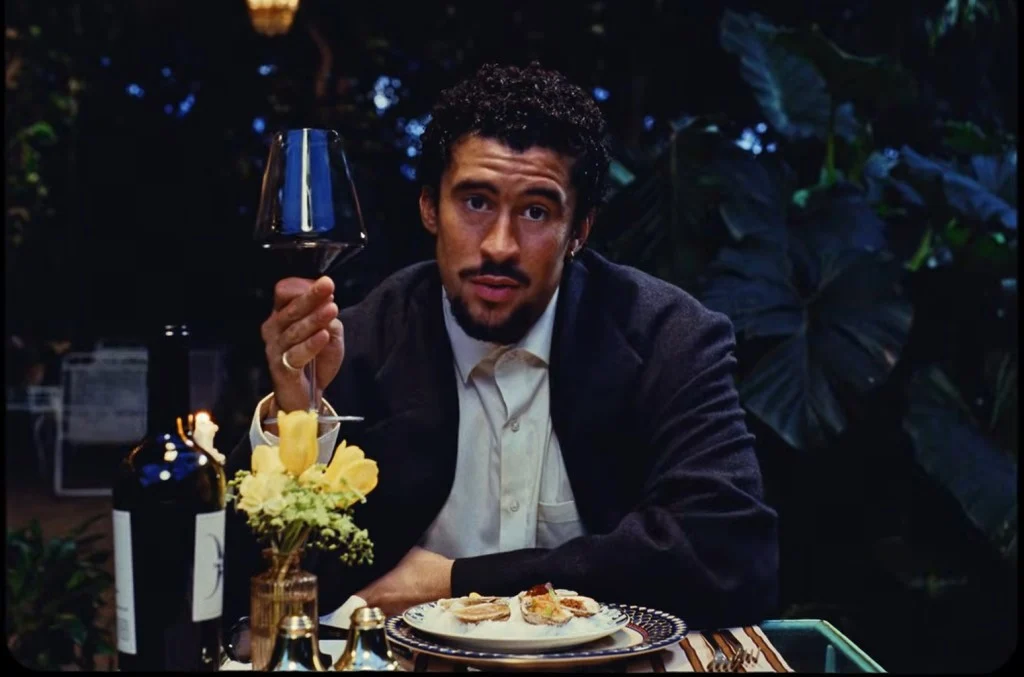
Bad Bunny takes viewers on a heartfelt and surreal journey in a music video released Friday (April 25) for “BOKeTE,” a melancholic track from his Billboard 200 chart-topping album DeBÍ TiRAR MáS FOToS. With a blend of cinematic nostalgia and haunting vulnerability, the Puerto Rican superstar’s video digs deep into the pangs of heartbreak, using […]
HipHopWired Featured Video
Theo Wargo / Billy McFarland
Billy McFarland, for whatever reason, thought he could revive Fyre Fest, but now claims he is canceling the struggling music festival before attempting to make it happen.
Shortly after announcing that he is transforming Fyre Fest into a music streaming video-on-demand service, McFarland is now saying that he is officially canceling the festival.
The news comes after word of the Fyre Fest 2 postponement, with no new date of the festival’s return in sight. McFarland also announced that he is planning to sell the brand that is now synonymous with Ja Rule and struggle after poor festivalgoers found themselves stranded on the Bahamian island of Great Exuma.
McFarland announced the news via a statement he shared on Instagram:
“A new chapter begins. After two years of rebuilding FYRE with honesty, creativity, and relentless effort, it’s time to pass the torch. We’re officially putting the FYRE brand up for sale. To the right buyer: the platform is yours. Execute the vision. Make history.” On why he is selling the brand, McFarland shares that he the festival is becoming “bigger than any one person and bigger than what I’m able to lead on my own.” He added in the statement, “When my team and I launched FYRE Festival 2, it was about two things: finishing what I started and making things right. Over the past two years, we’ve poured everything into bringing Fyre back with honesty, transparency, relentless effort, and creativity. We’ve taken the long road to rebuilding trust. We rebuilt momentum. And we proved one thing without a doubt: FYRE is one of the most powerful attention engines in the world.”
Welp.
Billy McFarland Came Up With The Idea of Fyre Fest 2 While In Prison
McFarland claimed he got the idea to try again with Fyre Fest during a stint in solitary confinement while he was in prison serving out his term after being found guilty of financial crimes related to the festival.
It’s clear he didn’t learn his lesson if he was planning to do it all over again. Our question is who would be dumb enough to bankroll this idea, or even consider purchasing tickets after the last fiasco.
HipHopWired Featured Video
Theo Wargo / Billy McFarland
Billy McFarland, for whatever reason, thought he could revive Fyre Fest, but now claims he is canceling the struggling music festival before attempting to make it happen.
Shortly after announcing that he is transforming Fyre Fest into a music streaming video-on-demand service, McFarland is now saying that he is officially canceling the festival.
The news comes after word of the Fyre Fest 2 postponement, with no new date of the festival’s return in sight. McFarland also announced that he is planning to sell the brand that is now synonymous with Ja Rule and struggle after poor festivalgoers found themselves stranded on the Bahamian island of Great Exuma.
McFarland announced the news via a statement he shared on Instagram:
“A new chapter begins. After two years of rebuilding FYRE with honesty, creativity, and relentless effort, it’s time to pass the torch. We’re officially putting the FYRE brand up for sale. To the right buyer: the platform is yours. Execute the vision. Make history.” On why he is selling the brand, McFarland shares that he the festival is becoming “bigger than any one person and bigger than what I’m able to lead on my own.” He added in the statement, “When my team and I launched FYRE Festival 2, it was about two things: finishing what I started and making things right. Over the past two years, we’ve poured everything into bringing Fyre back with honesty, transparency, relentless effort, and creativity. We’ve taken the long road to rebuilding trust. We rebuilt momentum. And we proved one thing without a doubt: FYRE is one of the most powerful attention engines in the world.”
Welp.
Billy McFarland Came Up With The Idea of Fyre Fest 2 While In Prison
McFarland claimed he got the idea to try again with Fyre Fest during a stint in solitary confinement while he was in prison serving out his term after being found guilty of financial crimes related to the festival.
It’s clear he didn’t learn his lesson if he was planning to do it all over again. Our question is who would be dumb enough to bankroll this idea, or even consider purchasing tickets after the last fiasco.

HipHopWired Featured Video
Theo Wargo / Billy McFarland
Billy McFarland, for whatever reason, thought he could revive Fyre Fest, but now claims he is canceling the struggling music festival before attempting to make it happen.
Shortly after announcing that he is transforming Fyre Fest into a music streaming video-on-demand service, McFarland is now saying that he is officially canceling the festival.
The news comes after word of the Fyre Fest 2 postponement, with no new date of the festival’s return in sight. McFarland also announced that he is planning to sell the brand that is now synonymous with Ja Rule and struggle after poor festivalgoers found themselves stranded on the Bahamian island of Great Exuma.
McFarland announced the news via a statement he shared on Instagram:
“A new chapter begins. After two years of rebuilding FYRE with honesty, creativity, and relentless effort, it’s time to pass the torch. We’re officially putting the FYRE brand up for sale. To the right buyer: the platform is yours. Execute the vision. Make history.” On why he is selling the brand, McFarland shares that he the festival is becoming “bigger than any one person and bigger than what I’m able to lead on my own.” He added in the statement, “When my team and I launched FYRE Festival 2, it was about two things: finishing what I started and making things right. Over the past two years, we’ve poured everything into bringing Fyre back with honesty, transparency, relentless effort, and creativity. We’ve taken the long road to rebuilding trust. We rebuilt momentum. And we proved one thing without a doubt: FYRE is one of the most powerful attention engines in the world.”
Welp.
Billy McFarland Came Up With The Idea of Fyre Fest 2 While In Prison
McFarland claimed he got the idea to try again with Fyre Fest during a stint in solitary confinement while he was in prison serving out his term after being found guilty of financial crimes related to the festival.
It’s clear he didn’t learn his lesson if he was planning to do it all over again. Our question is who would be dumb enough to bankroll this idea, or even consider purchasing tickets after the last fiasco.
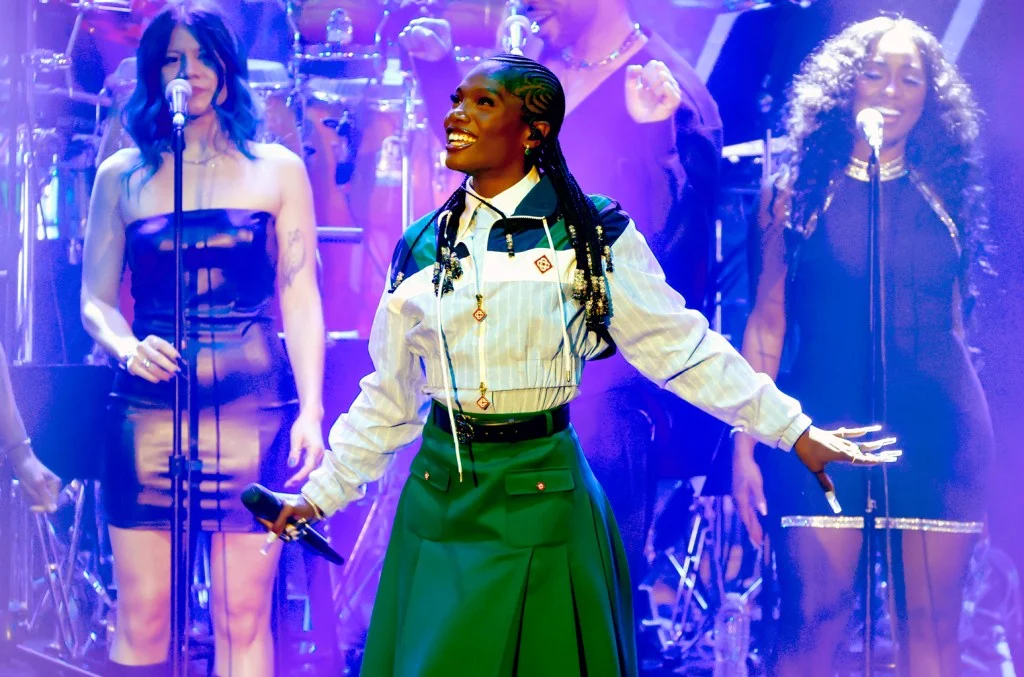
Doechii is clearly a fan of You. The rap star approved of Penn Badgley’s “Anxiety”-inspired dance when he hit The Jennifer Hudson Show this week, offering up an affirmative Instagram comment on his “spirit tunnel” appearance. On Wednesday (April 25), Badgley hit Doechii‘s signature “Anxiety” dance on his way down the backstage J-Hud spirit tunnel. […]
HipHopWired Featured Video
CLOSE
Source: “Whenever” / Megan Thee Stallion
Hot Girl Summer is upon us, Megan Thee Stallion, the Queen of the Hotties, is back with a new single, “Whenever,” which also has a tantalizing visual accompanying it, and yes, her knees and twerking are still top-tier.
Megan Thee Stallion is back with some new music for the Hotties after rocking the Coachella 2025, letting us know that she is once again looking to take over the summer once again.
In her latest single, Megan Thee Stallion shows off her lyrical prowess while effortlessly floating over the Bankroll Got It produced track. In the visual directed by Zac Dov Wiesel, Thee Stallion rocks her signature cowboy hat while rocking a denim bikini before crashing her car into a doctor’s office reception area.
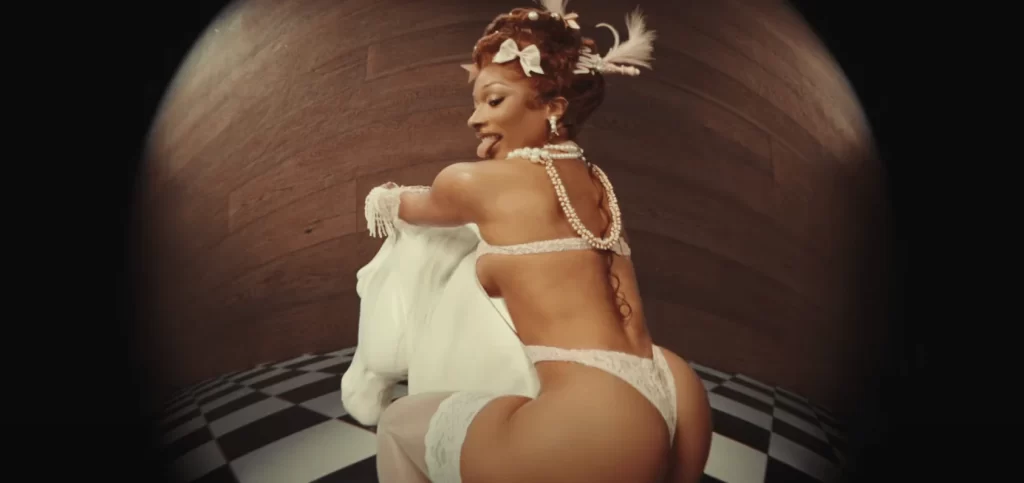
In other scenes, she poses on furniture in the office, including inside a fish tank, on a reception desk, a clock, and on a chessboard.
The chessboard scene is a standout moment for obvious reasons, as she straddles a chess piece while wearing nothing but lingerie and twerking.
“Whenever” will live on her next album, Act: III, which the Houston Hip-Hop star confirmed is “in the works” during a recent TikTok Live.
Megan Thee Stallion Talks About Her Upcoming Album’s Features
As for who will be on the album, Thee Stallion set down some ground rules for the artists she potentially wants on the project.
“I’m really just trying to figure out who do I want to do features with at this point in life,” she said. “I only want to do features with people that … one, I haven’t done a feature with yet, and two, that I listen to on my own time — people that I actually, you know, f— with.”
We’re going to have to wait and see who will be on Act: III, but until then, you can see more reactions in the gallery below.
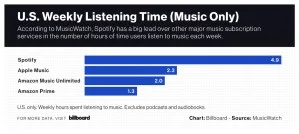
Spotify gets more engagement — much more — than its competitors in the music subscription space.
In the second quarter of 2024, the average Spotify Premium listener spent 4.9 hours per week listening to music, according to a MusicWatch survey of U.S. consumers that excluded time spent listening to podcasts and audiobooks. That easily bested Apple Music (2.3 hours), Amazon Music Unlimited (2.0 hours) and Amazon Prime (1.3 hours). These ratios have been fairly consistent over the past five years, with Spotify having an approximately 2.0 to 2.5-times advantage over its nearest competitor.
Billboard
Last year, Spotify executives described “the Spotify machine” as multiple verticals working together to give consumers more content choices and increase engagement. Podcasts, which are a natural fit for a music service built on audio advertising, offered the promise of keeping people listening longer. The same goes for audiobooks, which Spotify began streaming in the U.S. in 2023. Product features such as Spotify Wrapped and Discover Weekly are also intended to keep people listening.
Judging from statements made by Spotify’s executives, the Spotify machine is working as intended. In November, CEO Daniel Ek said that “overall, Spotify keeps bringing up engagement and bringing down churn,” the term for a subscription service’s subscriber losses. In July, Ek said the company was seeing “healthy MAU [monthly active user] engagement trends year-over-year.”
Trending on Billboard
But Spotify’s own numbers show its average global user’s listening time has remained steady over the past six years. According to data available in Spotify’s annual reports, the service had an average of 24.8 hours per monthly average user (MAU) per month in 2024, down slightly from 25.2 hours per month in 2023 and on par with the preceding four years (24.6 in 2022, 24.4 in 2021, 24.9 in 2020 and 25.5 in 2019). These listening averages cover music, podcasts and audiobooks.
Billboard
So, based on Spotify’s publicly available figures for global listening hours and MAUs, the average user’s listening time has not increased as hundreds of millions of new users have flocked to the platform.
Why the disconnect? How can Spotify executives say that engagement is growing while its own numbers show flat engagement? Perhaps engagement has increased within pockets of Spotify users. MusicWatch’s Russ Crupnick believes that in the U.S., Spotify’s late adopters are relatively light users who balance out the higher streaming activity of earlier adopters. In that scenario, if Spotify is adding listeners, it will always have new listeners to drag down other listeners’ increasing listening time.
Geographical differences could be at play, too, based on the length of time Spotify has been in each market. In July, Ek described engagement in mature markets as “high” but chose the word “different” for engagement in emerging markets. Based on his choice of words, engagement differs depending on the length of time Spotify has been in a market.
But in the U.S., at least, the time spent listening to music on Spotify has remained “reasonably” steady over the years, says Crupnick. In fact, Spotify’s weekly listening time was “actually a bit higher a few years ago,” he says. Again, the listening habits of late adopters are a reasonable explanation.
It’s worth noting that MusicWatch’s figures exclude podcast and audiobook listening. If Spotify has been able to maintain weekly music listening over the years, it stands to reason that podcasts and audiobooks have provided incremental engagement. Spotify’s lucrative, exclusive deal with The Joe Rogan Experience worked so well that Spotify became the top network for podcast listening in the U.S. in the second quarter of 2023. Last year, Spotify ranked No. 2 behind YouTube for podcast listening (26% to YouTube’s 33% and Apple Podcast’s 14%), according to Edison Research’s The Infinite Dial 2025 report.
In the subscription business, engagement is king. It leads to more subscriptions, lower subscriber churn and a better “lifetime value,” or LTV, a metric that quantifies the present value of future revenue from a subscriber. Stronger engagement gives companies the confidence to raise prices, as Spotify has recently done, and launch superfan tiers, as Spotify has teased, that offer additional bells and whistles for a higher price.
The ability to keep people listening — and be better at it than your peers — can also be a competitive advantage. One reason Spotify has a market capitalization of more than $110 billion is because investors believe Spotify is a “best in class” service that merits such a high share price.
There’s an incredible amount of product innovation going on at music subscription services. Apple Music recently launched three more live, global radio stations. Amazon Music Unlimited offers hands-free listening with Alexa. Both services provide high-quality audio at no extra cost. But Spotify has succeeded in keeping people listening longer.
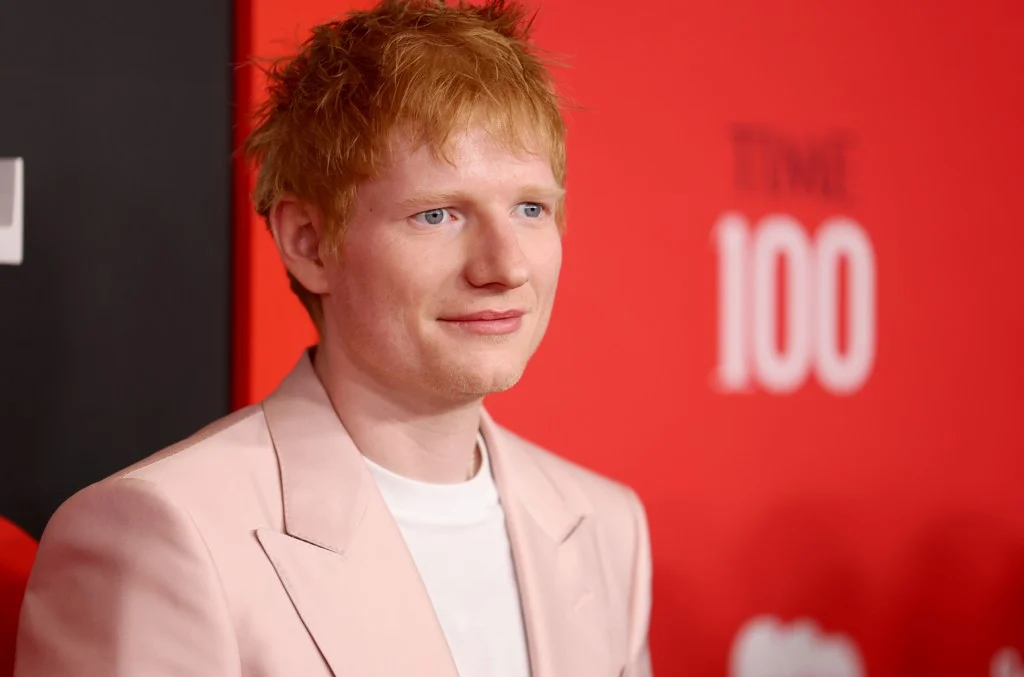
Ed Sheeran has accomplished more than most people could ever dream of, from selling out stadiums to winning Grammys and earning four No. 1 albums over the course of his career. But recently, he achieved something that even he probably thought he’d never do: make a best-dressed list. On Friday (April 25), the pop star […]

HipHopWired Featured Video
Source: Axelle/Bauer-Griffin / Getty
R&B singer Kehlani was scheduled to perform at a concert event at Cornell University next month, but it has been canceled due to their support for the Palestinian people and their stance on the war in Gaza. The decision was announced by Cornell University president Michael I. Kotlikoff in an email on Wednesday (April 23), where he wrote that “although it was not the intention, the selection of Kehlani as this year’s headliner has injected division and discord” into the Slope Day event, which is held after the last day of classes at the school.“In the days since Kehlani was announced, I have heard grave concerns from our community that many are angry, hurt and confused that Slope Day would feature a performer who has espoused antisemitic, anti-Israel sentiments in performances, videos and on social media,” Kotlikoff wrote, adding that the choice would “be celebrated by some and criticized by others,” but it was “the right thing to do.”The 30-year-old singer has been consistently vocal in their support for the Palestinian people and against Israel’s actions in the war. Kehlani was a signee of the Artists Against Apartheid letter calling for a ceasefire in October 2023 and featured Palestinian flags and kaffiyehs in their “Next 2 U” video. The singer has also criticized the silence of other artists regarding Gaza, saying in a video from last May, “f— Israel, f— Zionism.”The news was disappointing to students expecting to see Kehlani. “I was ecstatic,” said Black Students United history co-chair Muna Mohamed in an interview with the New York Times. And then, “to see it kind of torn from us so quickly, it was kind of like, oh, our happiness never really mattered in the long run.”Cornell University is one of the Ivy League institutions which has been targeted by the Trump administration over allegations of antisemitism, having had $1 billion in federal funding frozen by President Donald Trump. The decision also comes after Gambian-British student Momodou Taal, who participated in pro-Palestinian protests at Cornell, left the school this year to avoid being forcibly deported by the administration.