State Champ Radio
 Blog
Page: 112

Trending on Billboard
Navy Blue is an interesting person.
He was childhood friends with Earl Sweatshirt and introduced him to Tyler, The Creator, with Earl then returning the favor years later by introducing Navy to the late Brooklyn rapper Ka, which led to not only a working relationship, but a genuine friendship. He came up as a skateboarder and model, often seen in Supreme lookbooks, before he decided to share his music with the world.
I remember noticing the name Navy Blue floating around the underground during the late 2010s, but it wasn’t until he dropped his debut album Àdá Irin in 2020 that I realized Navy Blue and Sage were the same person. Maybe that was by design, as he said in multiple interviews that rapping under the moniker was a safe space for him to be able to express his intimate feelings.
Explore
See latest videos, charts and news
In 2023, he made is major label debut under Def Jam with the Budgie-produced Ways of Knowing. However, he was subsequently dropped from the label, which in turn inspired him to release Memoirs in Armour a year later. “Due to the shift in circumstances, this project became a refuge to me, I hope you enjoy it,” he shared on social media. “I’m happy to be putting this album out independently, the way I had always intended to be releasing music.”
He continued to record music, and eventually realized that he was making a follow up to Memoirs — which had themes of knighthood and armor — while The Sword & The Soaring was touching on things like the sword Archangel Michael is often depicted with, and how our angels in heaven protect us here on earth.
Billboard talked over Zoom with Navy Blue as he was in Europe on tour with British MC Loyle Carner — about the themes of this latest project, why being vulnerable is important (especially for men) and his close friendship with the late, great Ka.
What’s the underlying theme of this album?
Well, even in, you know, posing the question about my brother… I mean, death definitely kind of created this like doorway for me to walk through, in terms of connecting with my own spirituality. And growing up, I always viewed my brother as like a guardian angel. And a lot like Archangel Michael who, as the story goes, defeated Satan and expelled the other fallen angels to protect the heavens against evil. So, this album kind of was birthed out of that idea, because I always saw angel Michael depicted with a sword, and all of my music praises the people that have passed on and honors them.
Why did you go with “Orchards” for the lead single?
It was the first one that I did that really made me feel like I was making an album. It kind of solidified the message. I’ve always been a fan of Child Actor, and his beats are just different. They make me think differently. They’re a lot like movies. I always see imagery when I hear his music and his unorthodox approach to beatmaking. The way that like that some of his beats have this…they like pump almost. I don’t want to talk about his, like, beatmaking “drip,” but I can hear the things that he does where his music feels really alive. So, it’s really cool to nestle myself into that world. With “Orchards” specifically, when I heard that beat, I was like, “Wow.”
And another beautiful thing that Child Actor does, is he’ll send me a beat and he’ll make me feel really special and say, “You’re the only one that I know will get this,” and it feels good to be thought of in that way, and the manner in which we communicate with each other, and constantly being like, “Yo, bro, thank you.” We say thank you to each other very often. And since he’s kind of become a part of my life, and my music making, I felt this new kind of portal open up that I didn’t know was was there, which is really nice.
Why did you decide to follow up Memoirs in Armour with this particular project?
It’s not as strategic and as thought out other than it’s just what came through me at the time. I’m always working on music, so I generally try to approach making music through the lens of just being a conduit and whatever the spirit has for me, that’s what I need to say. So, it’s not like, “Ah, I’m going to do this one.” It’s just where my focus, went because I had another project that’s been done for a while.
Instead of being stagnant and waiting around, I started working mainly with Child Actor sending me a bunch of joints, and the theme just presented itself especially coming off of releasing Memoirs in Armour last year with this theme of like knighthood and armor. And then it just felt like I was discussing the battle on this project. So, I felt like the sword was the earthly tool used for battle and the soaring meaning the heavenly council, and like our angels and protectors and how they intervene. It just felt like the culmination of my struggles of becoming and the support of what I call my angels.
Your stuff is always so personal. Is it like a release for you? Because you’ve said that you make music really for yourself, and if people can connect with it, they connect with it.
It’s definitely a release. You release it from the confines of your head and you get to witness other people have their own experience with it — and that’s really gratifying, and makes me feel like I’m giving something to the world, especially during a time like this right now, where there’s just so much going on in the world, a lot of sadness, a lot of traumatic events, we’re extremely desensitized. It makes me feel like I’m putting good energy into the world.
And just feels like it gives me purpose, and I just want to make other people feel seen and heard and not alone through their experiences. If I could offer any help through sharing what I go through and how I get through my hardships, then I feel pretty content with who I am and what I’m doing. Because I know there’s a lot of music that’s very fleeting, and I know there’s probably people who don’t identify with my music, and that’s okay because I make music for those who it speaks to. You know, like Ka said, “If it don’t move you, then move on.”
But I love knowing that there are people that are invested in my journey and simultaneously invested in theirs, and we kind of get to have this kinda like dance where we grow together. It’s always been my goal to speak to an experience for somebody who doesn’t have the words. I’ve only been on earth for 28 years, so I don’t have that much experience, but I feel like none of the experiences that I’ve had in getting through depression and addiction and things like that, I feel like none of it was in vain, because it gave me reference and it allows me the insight to speak on an experience that maybe somebody else is going through.
I know at first you were kind of apprehensive with sharing your music, and I feel like rap is a form of therapy for you, at least that’s how most of your stuff comes across to me. Do you feel nervous about having your feelings out there?
As human beings we’re deeply concerned about how we’re perceived, and we want to control as much of it as we can. I feel very proud to share that with the world. I think it’s a shame that the world that we live in that you get, “Wow, that’s so powerful,” for telling your truth. It’s just a testament to where we’re at where me just talking about my feelings is like, “Wow, it’s so vulnerable.” I’m just trying to shine a little light on a path that doesn’t get enough love, which is self love and self discovery and honest expression.
We’re fed so many lies and people are talking about things that don’t hold much weight. All we really have is this lifetime, and I just don’t want to squander my opportunity. I want to talk about real things. I think there’s enough music out there that doesn’t really talk about things that are of any importance. I try to not get in my own head about that — but yes, as a man also, yeah, it definitely can feel that people might think I’m soft or whatever. But, you know, I see strength in that.
It’s very powerful for men to talk about feelings and lived experience. There’s a stigma behind that, so it feels quite important for me — because it’s who I am, it’s how I’ve always been, I always kind of lead with my heart first. I’ve been living this way since I was a kid, man, feeling like, “Man, it’s hard out here.” I wear my heart on my sleeve. I cry, I go through stuff, and I tell people how I feel, and that’s not normalized. It can be a little isolating at times, but as I release more music, it’s attracting more people that think like me and want to better themselves. And that feels really good.
Did you keep a journal growing up or write poetry? Your style kind of feels like poetry.
Yeah, I grew up writing a lot. It just it always felt like the place that I could make sense of my thoughts. And yeah, I think for a long time I used to kind of push against that like, you know, “Oh, it’s poetry.” But, yeah, that’s exactly what it is. Rap music is poetry, whether it comes across poetic, quote unquote, or not. I don’t journal as much anymore, but I definitely approach writing as a form of journaling. I try to welcome in God, and just see what comes out.
When I’m going through a tough time, it’s generally like the first line that just — whether the music creates the space for me to do that or something that I’ve seen — it doesn’t really matter, it just happens. That’s the beauty of it. It doesn’t feel so forced. I’m not going into a studio and forcing myself to make a song. It’s just a natural expression for me, and poetry has always been a way for me to feel. Poetry is beauty, man, it’s like a place where you get to say things in a manner that… you don’t get to speak that way in everyday life. So, it’s really nice to to make these experiences that were painful and make them beautiful.
I know you had the situation with Def Jam and I wanted to ask, how did you end up at Def Jam and what did you learn from that experience?
I guess I learned to trust my gut and that there’s nothing that a label could do for me that I can’t do for myself. I’ve always been a self-sustainable person and sometimes, in hopes of bringing your music to more people, you lose a little bit of yourself in the process. It kind of reminds me of when Drake won a won a Grammy a few years ago and he got on stage and he said, “This don’t mean nothing.” He said, “If you got people coming out to your shows in the snow, in the rain, you’ve already won. You don’t need this.” And I always loved when he said that, because that’s how I feel. If there’s one person in the world who puts their headphones on and vibes out to my music, I’m content.
I learned through that process and I’m grateful for the experience. I’m grateful for it all. No experience, no matter how stressful or annoying as things might be, none of it is in vain. It’s all part of the greater plan. Had that situation not happened, Memoirs in Armour wouldn’t have come out. I wouldn’t have made that album. I wouldn’t have made The Sword and The Soaring, so that was the blessing hidden in the frustration of what happened with them.
Why did you decide to record Memoirs after that situation.
Yeah, I didn’t want to be sitting around. I just gotta start making new joints and revisit a couple old joints that I thought weren’t good enough that were sitting in the hard drive for a year or two. I was like, “You know, these are good. People deserve to hear these.” Joints like “Slow” and “Time Slips” and “Say the Word,” joints that have just been sitting there, and I’m glad that they got to come out. You know, had the situation with Def Jam not happened, then I wouldn’t have made that album, and I’m proud of it.
There’s definitely more music to come that I’m excited for the world to hear, but it felt necessary to do The Sword and The Soaring, because Memoirs was only 10 joints. I thought it was very concise and a solid album, but it feels good to give the listeners a bit more and something to really sit with and digest and dive all the way in.
You mentioned being self sufficient earlier and I was curious about your relationship with Ka, because he was very big on that. He recorded, produced, made his own videos. Mailed everything out himself. Can you kind of talk about the relationship you guys had a little bit?
For sure, man. Ka’s a one-of-a-kind artist, and it’s very rare that you get to meet your heroes, even if the saying goes that you shouldn’t meet them. But in this case, I met one of my heroes, and out of that blossomed a really beautiful friendship and relationship. He became somebody that I could confide in. He was like a big brother/uncle figure. It’s almost like I felt connected to him, like I knew him before this life type s—t. I remember meeting him early on, and the first bit of advice that he gave me in regards to making music, he said, “Only make music with people that you’ve built a friendship with,” because then what you make is real. It’s not like a transaction. So, that was always some of my favorite advice — because that means the world to me, when you make music with somebody that you really connect with.
When Ka was finally willing to work with me… I didn’t even ask, I just played him a joint and he said, “Nah, send me that.” That solidified who I was to him. It made me feel really seen, understood. Even before knowing him, his music always felt like a hug to me. When I heard his music for the first time, it fully shifted everything that I was doing — not that I was doing anything different per se, but it gave me purpose. I just wanna make people feel, I wanna make someone else feel the way that I feel when I listen to this guy. He’s speaking about life in a way that feels sacred. The way that he speaks about his lived experience in such a poetic manner, in such a simple way that I could understand was always so intriguing. So, of course, as we do when we’re inspired, I tried to just take that little bit of magic that I was offered and tried to do something with it.
I mean, the little bit of magic being that, like, just that moment when I was like, “Wow, I want to do this,” and he was incredibly supportive of me. And beyond the music, he was a great friend and a confidant of sorts, someone that I could rely on, especially as an elder. Someone that I could really talk about the things that I was going through and get his advice on. I always yearned for that kind of big brother figure, and Ka was a force. I feel really lucky to even have gotten to know him, or to have known him in this lifetime.
How’s your experience been performing overseas?
The past 14 shows that I’ve done out here in Europe have been beautiful. Especially as a supporting act, because there’s a lot of new listeners — so it’s like, I’m going out there and I’m sharing my music with new people, and it’s really beautiful to witness people connect with it in the present moment, which is nice. Without any reference to who I am, what the music sounds like, I just come on the stage — and there’s definitely some listeners that are there — but it’s beautiful. It’s hard to do, but it’s also why I do it: for the experience, just challenging myself to get out there and be present, smile and share my music.
I definitely feel like I’ve left some of those shows with new listeners and people going, “Wow, that was beautiful” — especially with the language barrier, maybe they go home, and they want to have a deeper look into what I’m saying. I have some beautiful moments where I’m singing “La Noche” with people in the crowd, and it’s really amazing, man. I’m really grateful. Loyle Carner is a really solid dude, and he’s been really helpful, especially with how to navigate going out there and sharing such vulnerable music and feeling like sometimes you’re not getting anything back from the audience, but they’re listening. Just because they’re not bouncing and putting their hands up, they’re present, and they’re listening to what I have to say and that’s all I could ask for really.

Trending on Billboard
Benson Boone didn’t get the mystical, magical day he was hoping for when the Grammys unveiled its list of 2026 nominees Nov. 7.
In a hilarious Monday (Nov. 10) post on his Instagram Story, the pop star joked about getting snubbed by the Recording Academy, which did not recognize his song “Mystical Magical” in any of its categories for next year. Sharing a brightly lit selfie in which he stares straight into the camera, his eyes comically wide, Boone wrote, “Can’t believe moonbeam ice cream didn’t get a Grammy nom,” referencing one of the most meme-worthy lyrics in his Billboard Hot 100 top 40 hit.
The singer added, “it’s literally pure lyrical genius.”
The post comes a few days after the nominations ceremony, which revealed Kendrick Lamar as the 2026 frontrunner with a total of nine nods. Lady Gaga, Jack Antonoff and Cirkut picked up seven nominations apiece, while Bad Bunny, Sabrina Carpenter and Leon Thomas earned six.
Boone, however, was shut out from the awards, despite the success of his album American Heart, which dropped in June and debuted at No. 2 on the Billboard 200. Multiple songs from the LP charted on the Hot 100, including “Mystical Magical,” which reached No. 17.
Though the Washington native wasn’t recognized this year, he did score a best new artist nomination last year. That particular category was especially stacked in 2025, with Chappell Roan ultimately winning over Boone, Sabrina Carpenter, Doechii, Khruangbin, RAYE, Shaboozey and Teddy Swims. This year, Olivia Dean, KATSEYE, The Marias, Addison Rae, Sombr, Leon Thomas, Alex Warren and Lola Young will duke it out for the prize.
Boone is currently on tour in Europe, with his final show for the run slated for Nov. 18 in Stockholm. A couple of weeks later, he’ll perform on Dec. 4 slot at the Formula 1 Abu Dhabi Grand Prix in the United Arab Emirates.
His trek recently hit a bump in the road when the American Idol alum was forced to cancel his show in Birmingham due to vocal issues. “I am so so sorry but I will not be able to perform tonight,” he wrote on Instagram at the time. “I have tried everything I can to revive my voice, but I cannot give you the show I’d like to be able to give you with the condition of my throat right now. This is genuinely the crappiest feeling, I am so sorry. I promise you I will do everything in my power to make it up to you.”
Source: Simone Joyner / Getty
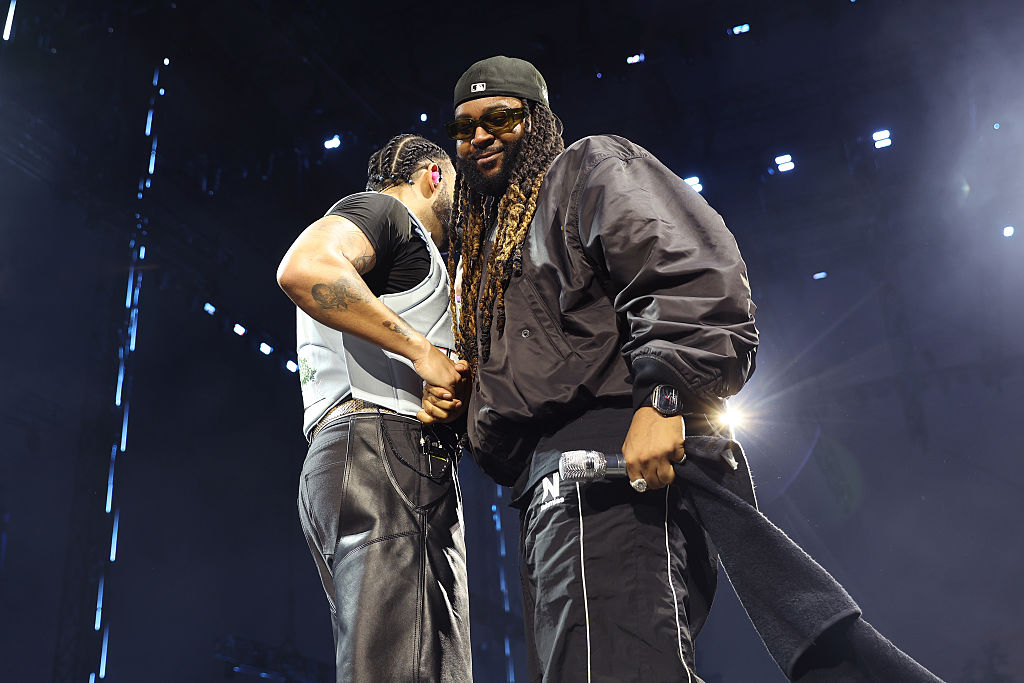
Drake and PartyNextDoor have just achieved another milestone.
This one came from their collaborative album, “$ome $exy $ongs 4 U”, which recently went certified platinum. After years of teasing a joint project, the OVO member finally linked up in February 2025 to deliver on their promise. The 21-track project was filled with mostly love songs but still had a few Hip-Hop moments sprinkled in.
Some of the most popular songs were “Spider-Man Superman,” “Somebody Loves Me,” and “Raining In Houston.” The most successful track off the project is undoubtedly “NOKIA,” which is currently 2x certified platinum. PND also had his solo record on the album, “Deeper,” giving fans those Day 1 PX vibes. The album sold 246,000 units in its first week, Party’s biggest debut to date, and The Boy’s 14th.
Since the release of this project, both artists have not taken their foot off the gas. Drizzy has been teasing the release of his next solo project, “ICEMAN,” and has already dropped the single, “What Did I Miss?”
He appeared to take a few jabs at so-called friends who turned their backs on him during the beef with Kendrick Lamar. One ex-friend of the Canadian rapper is LeBron James, who fans allege caught a few strays on the track. This comes after Kendrick’s Pop Out concert, which, in theory, turned into an anti-Drake event, and guess who was front and center? The NBA GOAT.
Party has still been riding off his late 2024 release of the fourth series of his self-titled album.
Trending on Billboard
Last week, GoldState Music founder and managing partner Charles Goldstuck gathered his investors along with a collection of music’s most brilliant minds for “Conversations in Music,” a three-day conference about the future of the business.
Goldstuck has been convening exclusive thought-leadership meetings for decades in his many roles: he’s the founder of The Sanctuary at Albany, a state-of-the-art recording studio and music academy in the Bahamas; the executive chairman of TouchTunes Interactive Networks, and a major-label veteran who ran business operations for BMG’s music labels and co-founded J Records with Clive Davis, building it into the RCA Music Group.
Related
But the South African philanthropist said that this year’s event — which he hosted at the luxurious Pier Sixty-Six resort in Ft. Lauderdale, Florida — marked his first event of such scale and urgency, reflecting the speed at which industry dynamics are changing.
Each expert-moderated conversation was packed with insight, and reflected Goldstuck’s own keen interest in the intersection of AI and music — he is currently funding the AI & African Music initiative at his alma mater, Witz University in Johannesburg, to empower creatives to use AI to preserve, teach or co-create African musical traditions and sounds, and recently published a paper arguing that music companies ought to negotiate deals with AI companies to set precedent before courts and lawmakers weigh in.
Among the conference highlights: Water & Music’s AI analyst and music producer Yung Spielberg demonstrated how to make songs using Suno. MIT professors showcased the cutting-edge music technology their top students are building. DAYA, a GoldState artist who shot to fame with her feature on Chainsmokers’ “Don’t Let Me Down,” revealed how she’s navigating the modern industry and shared her new music. Dr. Tamay Aykut, founder and CEO of Sureel, broke down the possibilities for how to determine which rights holders should get credit for music produced with AI models trained on their works.
We asked Goldstuck for his five top takeaways from the invite-only affair – here’s what he pointed to.
Publishers are gaining leverage. The deal between Kobalt and ElevenLabs establishes a 50-50 split between publishers and recorded-music rights holders, a big improvement from streaming and sales, which have paid out lower rates to publishers. This sets a new precedent for future generative AI licensing deals, with publishers now in a position to secure stronger economic outcomes as the landscape evolves. Industry surveys estimate that more than half of younger creators already use AI tools in their workflows, suggesting that generative AI could make songwriters more productive.
Laurent Hubert (Left), CEO of Kobalt Music, Mary Megan Peer (Center), CEO of peermusic, and Kristin Robinson (Right), Senior Correspondent at Billboard – at the GoldState Conversations in Music Conference
Courtesy of GoldState Conversations in Music Conference
Music catalog deal volume is at a record high. Buyers include both established music companies and financial investors. There have been no significant defaults or financial problems across these transactions in recent years, fueling the highest level of investor confidence seen in the sector since the Napster era. The market is competitive, but investors are employing more sophisticated knowledge and due diligence thanks to increased transparency from the digital music ecosystem. And yet, there are only two major players in the catalog valuation space. Is there room for more?
The indies are rising. Independent music companies claim nearly half the global market share and the majority of new releases in 2025. Improved creator tools, the proliferation of distribution options, and the ease of accessing audiences across more than 700 digital and social platforms worldwide are powering the expansion of independent distributors like Symphonic Distribution, Too Lost, Create Music Group, and Empire, all of whom are posting double-digit annual growth. Financing for independent creators is getting more sophisticated too, with leading distro platforms now offering artists advances based on real-time consumption data.
Ghazi Shami (Left), Founder and CEO of EMPIRE, and Priyanka Khimani (Right), Founding Partner of Khimani & Associates – at the GoldState Conversations in Music Conference
Courtesy of GoldState Conversations in Music Conference
Investing in China and India is about to get easier. Historically, Western artists and rightsholders lacked clarity on Chinese consumption, but Luminate’s new licensing partnership with Tencent Music promises new transparency from the world’s fifth-largest music market. Luminate is also ramping up its Indian market data coverage, as Billboard launches in India.
AI detection and attribution technologies will be key. Only a handful of formal licenses have been announced for generative AI platforms and music, but commercial and licensing momentum is building. Landmark agreements include those between Kobalt and ElevenLabs, Merlin and ElevenLabs, and the Universal Music Group with Udio. As Goldstuck wrote in his paper, Past Precedent, Future Proof: Towards a New Commercial and Legal Framework for AI-Generated Music, generative AI platforms and rightsholders should move towards collaboration through negotiated settlements, not litigation, so as to pave the way for a more standardized commercial licensing regime for AI-generated music. Accurate detection will help monitor the use of tracks for training, while new attribution systems will be critical for properly crediting and compensating rights holders and creators for outputs. Platforms like Deezer, which offers detection, and Sureel, which specializes in attribution, are showing early promise in moving the industry towards proactive AI music tracing and licensing, but widespread adoption will require a lot more work.
Charles Goldstuck (Left), Recording Artist Daya (Center), and David Conway (Right), President of Hard 8 Working Group and Daya’s Manager – at the GoldState Conversations in Music Conference
Courtesy of GoldState Conversations in Music Conference
Next week, Harbourview Equity founder and CEO Sherrese Clarke Soares brings her investors to Miami for another series of panel conversations, as the investor-conference circuit continues.
Trending on Billboard
Since subscribing to Spotify in 2023, Genevieve Capolongo says she’s mostly listened to “lesser-known artists” like Próxima Parada, Julia Cooper and Brusco. But she says the streamer’s recommendation tools keep serving her “mainstream, major-label tracks” by Drake, Zach Bryan and Justin Bieber.
According to her lawyers, that’s because Spotify was paid to do so.
Related
In a lawsuit filed last week, Capolongo claims the streamer’s Discovery Mode and editorial playlists amount to a “modern form of payola,” allowing labels to secretly boost their tracks with a “deceptive pay-for-play” program. She says she wouldn’t have subscribed if she knew that Spotify’s recommendations had been sold “to the highest bidder.”
The case is sometimes light on specifics, like citing unnamed “industry insiders” about alleged illicit payments or “disproportionate” rates of major-label music. Spotify, for its part, called the lawsuit “nonsense” and said it was “riddled with misunderstandings and inaccuracies.”
But it targets a program that has raised eyebrows for years — and comes at a time when Spotify has faced multiple accusations about manipulation on the platform. For more, go read our full story here.
You’re reading The Legal Beat, a weekly newsletter about music law from Billboard Pro, offering you a one-stop cheat sheet of big new cases, important rulings and all the fun stuff in between. To get the newsletter in your inbox every Tuesday, go subscribe here.
Other top stories this week…
DRAKE’S APPEAL – As Drake asks an appeals court to revive his lawsuit over Kendrick Lamar’s “Not Like Us,” I asked legal experts what his lawyers might argue — and whether it’ll work.
TAYLOR V. TRUMP? – Taylor Swift fans want her to sue the Trump administration after it used “The Fate of Ophelia” in a TikTok video. She probably could, but almost certainly won’t.
DISJOINT VENTURE – 10K Projects, the Warner-owned label founded by Elliot Grainge, is facing a lawsuit claiming it owes millions to Taz Taylor’s Internet Money Records under a joint venture.
FAST & FREE SONGS – How did New York City Mayor-elect Zohran Mamdani get clearance to use Bob Dylan’s iconic anthem “The Times They Are A-Changin’” in a campaign ad? It turns out he didn’t.
MJ LITIGATION – Michael Jackson’s estate is locked in a legal battle over abuse allegations from the Cascio siblings, who spent much of their childhoods with the King of Pop.
GORDIAN SLIPKNOT – Slipknot’s lawsuit against a group that has owned slipknot.com for decades has hit an unexpected snag: The shadowy entity has hired a lawyer and is fighting back.
ATLANTA ARREST – Rod Wave was arrested in Atlanta on weapon and drug charges. His lawyer — star defense attorney Drew Findling — says Wave was “unjustly profiled and unlawfully arrested.”
NAME REVEAL? – A “Jane Roe” woman who accused Garth Brooks of sexual assault is refusing to concede defeat in her fight to remain pseudonymous, filing an appeal to avoid disclosing her real name.
NOVEMBER LITIGATION – An ex-manager of Guns N’ Roses is suing the band, claiming it has unfairly blocked the release of his memoir by threatening to sue him and his publisher over a decades-old NDA.
Trending on Billboard
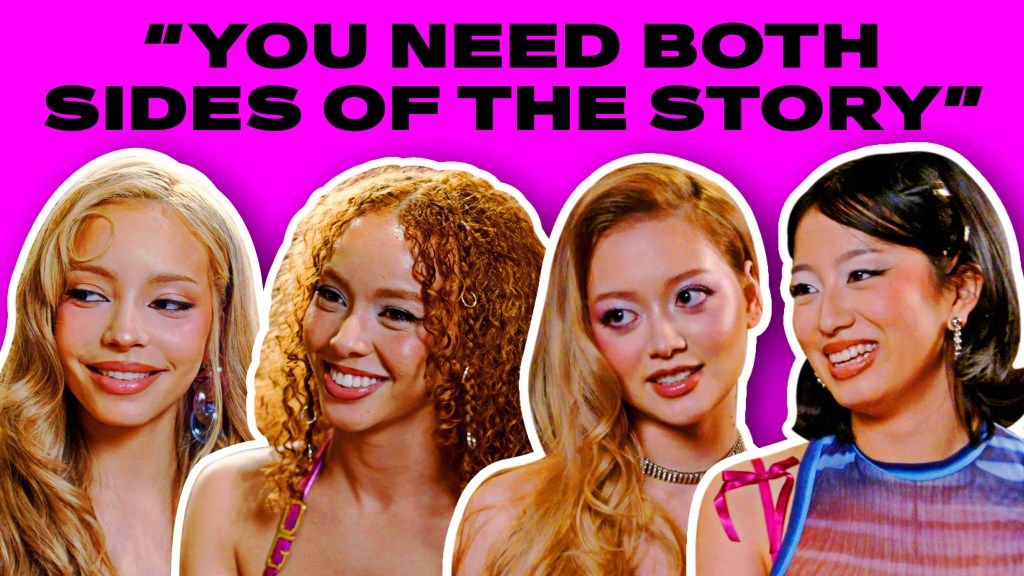
GIRLSET is back! Formerly known as VCHA, GIRLSET makes their return to the music scene and sat down with Billboard to dive into it all. From going through the K-pop training system during A2K, to past member lawsuits and allegations, and those KATSEYE comparisons, GIRLSET doesn’t hold back
Brooke Morrison:
You guys are finally back in the spotlight. You know, back to the grind. How does it feel to kind of come out of a waiting period and finally be out again?
Camila:
I mean, I think it’s definitely like a shift, because for some time we weren’t like grinding as much as we’re doing now, so it’s kind of just getting back in the feeling and the vibes is very different now. It’s kind of just getting into this vibe again. But, I mean, we love it.
You guys have gone through a lot of change in two years than most groups see in five. And there’s a lot to be said, you know, and like, frankly, how did you guys feel whenever headlines hit about a lot of controversy, maybe KG’s lawsuit, Kaylee’s health hiatus, how did that hit you guys personally, and did it affect your confidence at all?
Kendall:
It definitely hit hard at some points. Some things were unexpected. Some others were not recent news to us, and I feel like we had a lot of deep, intertwined feelings about everything because obviously, of our journey where we came from, our relationships with people, with the past members, everything. But I feel like have like us to rely on, like, we just rely on each other, and we’re able to one, like, talk out how we were feeling with each other. And also, I feel like it’s so important that we were able to, like, put those into songs that we’ve written as well that’s become a big way for us to express ourselves, and is the way that we want to communicate with the world how we feel because, frankly, there is just so much to be said that we feel that it’s kind of, you can’t describe it.
Keep watching for more!
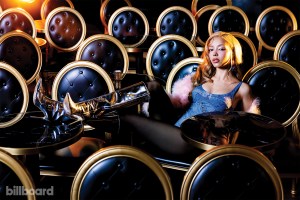
Trending on Billboard
GIRLSET wants you to know that nothing’s over until they say it is.
Ten months ago, news broke of the group’s shake-up: a lawsuit against its label, South Korea’s JYP Entertainment, from a former member, KG, followed by the exit of another, Kaylee, due to health concerns seven months later. But by the end of August, the now four-member girl group had already redebuted with new music and a new name.
Formerly known as VCHA, GIRLSET is a K-pop rarity: a group that didn’t crumble under pressure but rebuilt itself from within. It’s a story of optimism — and what follows a breaking point in the often unforgiving world of K-pop. GIRLSET’s hiatus would’ve been a death sentence for most groups. Instead, the resilient quartet returned with a renewed love for its craft.
In a plush, dimly lit Hollywood club on a recent Wednesday afternoon, GIRLSET’s members — Kendall, Lexi, Camila and Savanna — are bubbly and noticeably excited to chat about their latest era. There’s a light, airy energy among them.
“I had to keep reminding myself, ‘You’re doing this for you,’” Lexi, 19, says of her experience within the rigid K-pop training system. “Whatever happens, happens. I love what I do and that’s what kept me going.”
VCHA formed in 2023 through the competition show A2K (or America2Korea), a joint project by JYP Entertainment and Republic Records that followed American contestants through multiple rounds of evaluations in Los Angeles and Seoul that summer. Thousands of young girls auditioned, but only 11 trainees made it to the show’s final rounds. JYP Entertainment founder and CEO J.Y. Park envisioned a multicultural girl group that could represent the Western market while undergoing the famously rigorous training of the K-pop system. Having already secured his place among South Korea’s “Big Four” entertainment giants, Park, who this fall was named co-chairman of the Korean government’s presidential committee focused on cultural exchange, wanted to bridge the two pop worlds.
JYP wasn’t the only K-pop company with this goal. As A2K was holding auditions, HYBE and Geffen Records jointly launched The Debut: Dream Academy, another reality show with similar objectives to A2K. The competition yielded a new group, KATSEYE, whose formation was documented in the 2024 series Pop Star Academy: KATSEYE. Now, KATSEYE is dominating the pop world: The group received a Grammy nod for best new artist in early November, as well as a best pop duo/group performance nomination for its single “Gabriela,” released in June, which hits a new No. 33 high on the Billboard Hot 100 dated Nov. 15.
GIRLSET’s Camila, a 20-year-old Cuban Canadian, embraced the opportunity to get involved in the K-pop system. “For me, I always wanted to be a singer,” she says of her motivation to audition for A2K. “I loved K-pop and pop groups, but it felt like a faraway dream. So when the opportunity came, I told myself, ‘I’m getting it. I’m going to be in a girl group.’ ”
Camila
Munachi Osegbu
Kendall, a 19-year-old Vietnamese American who hails from Texas, says auditioning was more about blending her passions than choosing just one. “Back then, I was figuring out my future — college, career — and I loved both singing and dancing,” she says. “But I thought the only place I could do both was Broadway, and that wasn’t what I wanted. So I assumed I’d have to pick one, maybe go into production. Then A2K came along — it was perfect.”
As Kendall, who describes herself as “calm and collected,” explains, “We always say, ‘Everything happens for a reason.’ That’s something we all repeat a lot.”
The four members say they found strength in camaraderie when things got tough during training. Savanna, a 19-year-old Venezuelan Trinbagonian from Florida, recalls that the hardest part of the A2K audition process was “taking it day by day. Growth doesn’t happen overnight. Seeing everyone beside me working hard helped, too. We were all pushing each other.”
VCHA’s initial run was promising. The original six-member act debuted in January 2024 with the single “Girls of the Year,” reached No. 5 on Billboard’s since-discontinued X-based Hot Trending Songs chart with “Y.O.Universe,” opened for JYP powerhouse girl group TWICE on select tour dates and quickly built an international following. However, following a canceled Lollapalooza 2024 debut due to unforeseen circumstances and the imminent departure of two members, things quickly turned — and left fans wondering if the act would continue. But GIRLSET’s drive, and the discipline forged through its members’ auditions and training, became a foundation as the quartet’s world threatened to fall apart.
On Dec. 7, 2024, a lawsuit was filed in Los Angeles County Superior Court by the guardian of then-17-year-old member KG Crown, alleging child neglect, labor exploitation and unfair business practices by JYP USA staff. Two days later, on Dec. 9, JYP USA issued a statement calling the claims “false and exaggerated” — but also suspended VCHA’s activities. The case ignited widespread debate among K-pop fans about the treatment of young artists within the idol system, a topic that continues to dominate social media as the once-niche genre expands globally.
Months later, the group suffered another blow. In July, JYP USA announced that 15-year-old member Kaylee had “mutually agreed to part ways” with the company. Now only four of VCHA’s original six members — Lexi, Camila, Savanna and Kendall — remained.
Many VCHA fans have wondered: Had the girls foreseen the hard times on the horizon? “Some things were unexpected; others weren’t new to us,” Kendall reflects. “We had a lot of intertwined feelings about everything: our journey, our relationships, the past members. But we had each other to rely on.”
Kendall
Munachi Osegbu
All four say they talked through the toughest moments and felt supported by their team at JYP USA and Republic. But they’re still processing the changes to VCHA and the turmoil that followed. “It’s impossible to sit down and explain everything,” Camila says softly before Savanna brightly adds, “But then we found a group in us. It felt right — like this was the moment to truly put ourselves out there as GIRLSET.”
Less than 30 days after Kaylee’s departure, on Aug. 7, VCHA redebuted as GIRLSET under JYP USA and Republic. Its first release as a rebranded act, “Commas,” signaled a confident reset. The fun, stand-alone pop single highlights where the group is heading next, with a girl-crush concept that says, “We’ve been here the whole time. Pay attention.”
While the highly publicized departure of two members might’ve rattled another group’s confidence — and its label’s faith in its future — GIRLSET is digging its heels in.
“When we’re in dance practice, I always have these moments,” says Sheboygan, Wis., native Lexi, her eyes bright. “I’ll stop, look in the mirror and think, ‘Wow — This. Is. Us.’ We’ve come so far. Hearing the sound, seeing how much we’ve evolved — it’s crazy. Every time I look in the mirror, I lock in for 10 seconds and say it out loud: ‘Guys, this is us.’ ”
Lexi
Munachi Osegbu
The rest of the girls smile as she speaks, for these optimistic, supportive moments have become Lexi’s calling card within the group. “It’s easy to forget change when it’s gradual,” Kendall adds. “But when we look back, we see how much we’ve grown.”
JYP Entertainment is confident about GIRLSET’s future as well. “They’ve walked a path no artist has taken before, and we hope this original journey leads them to a new level of success that no artist has achieved before,” the company says.
And in a 2025 pop world where global girl groups — and especially those hailing from the K-pop training system — are hot commodities, GIRLSET may have reemerged at the perfect time. The term “multicultural girl group” has recently become a fixture in industry conversations. Traditionally, K-pop groups comprised East Asian members. The newer multicultural model, however, seeks trainees from diverse national, ethnic and cultural backgrounds. It’s a concept that Park pioneered through A2K — and GIRLSET embodies the promise of that experiment. It knows that “multicultural girl group” has become something of a buzzword, but for the members, it’s a lived reality. They’re deeply proud of representing their own cultures within K-pop.
“I always feel so happy being the representation for Latinas,” Camila says, glowing. “Growing up, seeing Fifth Harmony with Cuban members made me feel like maybe I could also make it. I know there are girls and boys seeing us now and seeing themselves in us. That’s really special.”
Lexi, who is Hmong American, adds, “Being able to bring different communities together is such a great feeling. Everyone loving the same thing — that’s the best part.” As Camila explains, “We want people to see themselves in us. That’s the whole point.”
GIRLSET isn’t alone in that mission — but does the group feel any rivalry with its fellow L.A.-based K-pop-trained peers in KATSEYE? “We’re all just doing our own thing,” Kendall says matter-of-factly. The act is aware of the constant online comparisons between it and KATSEYE but isn’t phased by them. “It shouldn’t be about competition,” Camila says with a smile. “Let’s just slay together.
“It’s amazing seeing so many talented girls from different cultures coming together and making something great,” she adds. “I think what they’re doing is amazing — and they’re super sweet. It’s more about appreciating both [groups]. I think we’re both special in our own ways.”
When it comes to GIRLSET’s place within the larger multicultural group movement, JYP Entertainment says, “The members were born and raised in North America, but they were trained under JYP’s signature training that highlights discipline and artistry. The combination of their cultural diversity and K-pop artistry makes them truly distinctive. For us, GIRLSET isn’t just joining the movement; they’re helping to shape the next era of U.S. pop.
“The goal isn’t just success,” the label adds. “It’s endurance and legacy.”
GIRLSET feels a shared responsibility to represent authenticity in a world that prizes perfection. “We always want to be a group that speaks about real things and be raw and realistic,” Savanna says. “We’re just people with emotions, and I think that’s what we want to be remembered for.”
Savanna
Munachi Osegbu
Of course, being a K-pop act based in L.A. rather than Seoul presents logistical challenges. In Korea, JYP groups have access to fellow idols who can share tips and tricks of the trade, as well as state-of-the-art training facilities, built-in TikTok content buddies and consistent opportunities to sharpen their skills on Korean music shows. K-pop fans have come to love seeing their faves collaborate with other groups, and crossover TikTok dance challenges have become common.
“L.A. is different,” Kendall notes. “There aren’t weekly music shows where idols naturally meet. It’s less accessible, but if it happens, it happens.”
They’ve still found community within the JYP universe. GIRLSET’s members reflect on opening for TWICE in early 2024 with admiration. “Seeing TWICE’s show was inspiring,” Camila recalls. “Lily from NMIXX is really sweet. She’s given advice about this lifestyle and overcoming things.” Kendall adds, “We’ve also talked with [NiziU members] Nina and Rima. Speaking English makes it easier to connect. They’ve been supportive.”
As for their L.A. peers? “Maybe one day,” Kendall says of connecting with KATSEYE. “They’re super talented and sweet; the essence of their group is similar to us — global, representing your culture, bringing something new.”
For GIRLSET, just the opportunity to start fresh means everything. When asked what they want fans to remember most about this new era, the answers come quickly: survival, growth, empowerment.
“We’ve all pushed ourselves individually and become so much stronger as a group,” Savanna says. “Our versatility now — it feels like a power. Seeing our artistry come to life in sessions and performances, it hit me: We’re really transforming now. We’re becoming the artists we were meant to be.”
They’re proud of how far they’ve come — and ready to show it. “This new music era feels a lot like, really, the core of us. The vibe of this comeback is very much our vibe,” Kendall teases. “It’s bold, confident and full of personality. Definitely a new chapter.”
Munachi Osegbu
The group’s latest single, “Little Miss,” represents that new chapter. Due Nov. 14, the Y2K-flavored pop track with hip-hop edges and GIRLSET’s signature vocal prowess is the act’s second release since its redebut, and it cements its image as four young artists embracing their power. “The song feels like the core of us,” Kendall says. “It’s really our essence.”
“I think I really value that during this era, we just get to be truly who we are moving forward,” Savanna reflects confidently. “I think that’s something that I appreciate the most about being GIRLSET now.”
And when things get heavy, they lean on each other. “No one else could ever understand us like we do,” Camila says. “We’re living it together.”
This story appears in the Nov. 15, 2025, issue of Billboard.

Trending on Billboard
Spotify and the National Music Publishers’ Association (NMPA) have joined forces to create a new opt-in license for NMPA members to enter into a direct license agreement for “expanded audiovisual rights” in the U.S., according to a press release about the deal. NMPA members can sign up using a portal, and the deal is said to increase the royalty-earning potential of participating publishers and writers by offering them a new audiovisual royalty stream.
News of the deal comes during a time of great tension between Spotify and the NMPA. In March 2024, Spotify began paying music publishers and songwriters a discounted royalty rate for streams on its premium tiers. Spotify explained that by adding audiobooks to its premium offerings, these subscriptions could be reclassified as “bundles,” a type of plan that qualifies for a discounted rate on U.S. mechanical royalties, given that multiple products are offered under one price tag.
Related
The NMPA and its allies have fought this assertion ever since, spearheading a multi-faceted attack against Spotify soon after. This included the Mechanical Licensing Collective filing a lawsuit against Spotify over the matter, and the NMPA filing a legislative proposal, an FTC complaint and cease-and-desist notices over allegedly hosting lyrics, videos and podcast content that contained their members’ copyrighted works without proper licenses.
This deal, at least, potentially creates a pathway for any alleged unlicensed videos on Spotify to become licensed. According to a source close to the deal, the NMPA does not plan to back down from its other pushes against Spotify, given that this deal does not address bundling.
News of the agreement comes after a series of announcements from NMPA members — including Universal Music Publishing Group, Sony Music Publishing, Warner Chappell Music, Kobalt and their parent companies — each of which came to direct deals with Spotify throughout 2025. Little is known about the nature of the deals beyond what is disclosed in the press release, but each was said to improve remuneration for songwriters and offer multi-year agreements for the companies, often covering both publishing and recorded music.
“This new partnership with the NMPA will increase revenue for songwriters and independent publishers who are the heart of the industry,” says Alex Norström, co-president and chief business officer, Spotify. “We look forward to continuing to work with the NMPA to create new value and opportunities for their members.”
Related
“We are pleased that this deal offers indie publishers the chance to enter into direct deals with Spotify in regard to audiovisual streaming functionality on the platform alongside the recently announced larger publishing companies,” says David Israelite, president and CEO, NMPA. “This new income stream reflects the growing value of songs as digital platforms offer new capabilities to consumers.”
The NMPA Opt-In Portal is open to eligible publishers beginning today, Nov. 11, with onboarding continuing through Dec. 19.
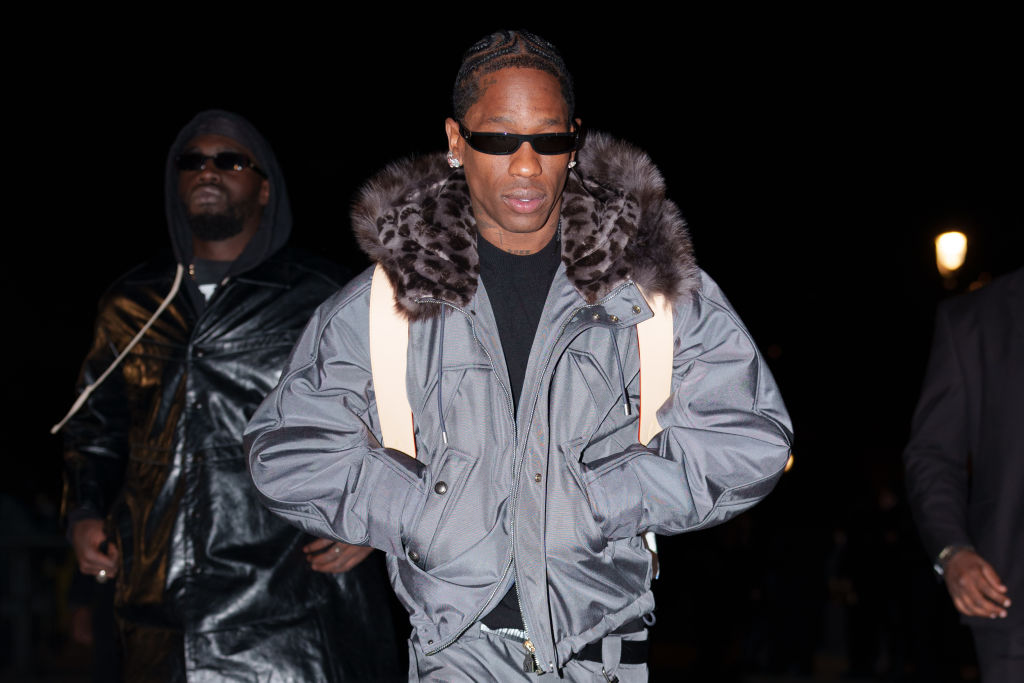
Kanye West might be on a redemption tour. Travis Scott brought out the old Ye at his show in Japan, and the crowd went crazy.
According to Hip Hop N More, Travis Scott was in the Land of the Rising Sun for his Circus Maximus Stadium Tour. His performance was well-received as soon as he started his first song. Cactus Jack took ticket holders through a medley of his biggest hits and even tracks that only hardcore fans could probably sing line by line.
Midway into the evening, the stage lighting was turned off and the music stopped. Out of nowhere, the opening keys from “Runaway” started playing, which sent the crowd into a frenzy. Shortly after Kanye West came out wearing an all black outfit with his face covered.
Needless to say, the surprise electrified everyone at the Belluna Dome in Tokyo. He proceeded to perform a mini-set of his tracks, which included “Stronger” and “All of the Lights,” all the while being backed up by Travis Scott. Kanye then proceeded to add yet another memorable moment to the surprise appearance when he took off his mask at the end of “Can’t Tell Me Nothing.”
In recent weeks, the world has been treated to a more intentional Kanye West. Not long ago, the Chicago native sat down with Israeli Rabbi Yoshiyahu Yosef Pinto and apologized for his antisemitic behavior.
“It’s a big deal for me as a man to come and take accountability for all the things that I’ve said,” Ye said. “And I really just appreciate you embracing me with open arms and allowing me to make amends. And this is the beginning and the first steps, and the first brick by brick to build back the strong walls.”
You can view Kanye West’s surprise performance with Travis Scott below.
—
Photo: Getty
Trending on Billboard
For Riot Games’ goal to elevate women and marginalized genders in esports with its Game Changers initiative, few music-gaming collaborations would make a more natural fit than KATSEYE and Valorant.
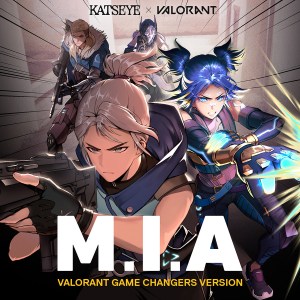
The newly Grammy-nominated act’s song “M.I.A,” off their Billboard 200 top 10 EP Beautiful Chaos, is reimagined in a new “Valorant Game Changers Version,” out Tuesday (Nov. 11) ahead of the 2025 Valorant Game Changers Championship finals, taking place this month in Seoul. However, this collaboration carries extra resonance because one of KATSEYE’s six members is an avid gamer who appears to have manifested the team-up.
“I used to just say it on livestream before I even knew anything was gonna happen with KATSEYE and Valorant,” Megan shares, speaking to Billboard exclusively about the new partnership. “So when they presented this collaboration, I was literally so stoked. I’ve been playing this game since I was like 14 years old on my brother’s computer in COVID times; this is so nostalgic to me, honestly.”
Now 19, Megan’s enthusiasm — as well as KATSEYE’s larger message of inclusivity and empowerment — is threaded throughout the reworked anthem, with new lyrics drawing on themes of perseverance and community that stem from the connections in gaming when uplifting one another.
“We all stand behind that anyone can play any game and there shouldn’t be any weirdness,” the Honolulu native adds. “We really, really do think this aligns so much with KATSEYE and our brand. We’re so, so excited to do this collab.”
With several No. 1 Billboard chart hits to its name, Riot Games has leaned into music as a storytelling mechanism for gaming before. However, Valorant Game Changers shines the spotlight on new players in its first-person shooter game, with its global championship in Asia for the first time. The event will run Nov. 20-30 in Seoul, with finals scheduled from Nov. 28-30 at Riot’s LoL Park esports stadium in Seoul. Bringing in Korea-based HYBE and its global girl group KATSEYE positions the collaboration as a cultural handshake between two rapidly growing cultural communities.
“KATSEYE already had a ton of fans across Riot [Games] and in the Valorant community,” Jonny Altepeter, Riot Games’ senior manager of music supervision and A&R, tells Billboard. “When we found out Megan was a VAL player and they were excited to collab, it just made sense.”
For Altepeter, the appeal of reworking “M.I.A” resonated both musically and to the culture within the gaming community: “Sonically, it has that high-energy, bold confidence that works so well in our world. And thematically, it lined up perfectly with the moment we were trying to capture…our artist collaborations are everything. We’re always looking for voices that feel exactly right for a specific moment in our universe. We’re really intentional — and honestly, pretty precious — about VAL music, because we know how much it means to our community. Every artist we bring in is chosen for a reason. They bring something unique that helps elevate the story we’re telling, both in-game and beyond. That level of care and specificity is what sets us apart. We’re not just trying to find good songs… we’re building meaningful creative partnerships that help shape the emotional core of our world. And we’re so grateful to the artists who trust us and bring their full selves to that process.”
Anna Donlon, head of Valorant Studios and the architect behind Game Changers, frames the partnership as precisely the kind of crossover Riot Games built the program to foster.
“When we started Game Changers, the goal was always bigger than just competition,” Donlon shares. “It was about creating a space for players who hadn’t always seen themselves represented in esports. This year’s anthem and music video captures that same spirit, bringing people together, no matter where they come from. Across all our global events, music has been a powerful way to connect players, celebrate them and deepen their bond with Valorant. At the Game Changers Championship finals, you’ll see all of that come to life: the energy, the pride, the love for the game. And having South Korea’s own Ninetails, the first all-Korean team to qualify for the championship, take the stage on home turf? That’s going to make it even more special.”
Altepeter calls collaborations with actual players “hands down our favorite types of collaborations” because players-turned-artists speed up creative chemistry. “When someone already understands our world, everything just flows better…you can always feel that real connection in the final result.”
Check out the results for yourself with KATSEYE’s new video for “M.I.A. (Game Changers Version)” here and read on for more with Megan below.
KATSEYE X VALORANT Game Changers – “M.I.A. (Game Changers Version)”
Riot Games Music
How does it feel remixing “M.I.A” for the Valorant Game Changers initiative?
Megan: “M.I.A” is such a hard-hitting, strong, confident song. Especially with Valorant, since it’s such a cool, fun, very fierce game, I feel like going with “M.I.A” was just the perfect song. Especially [how] it tells a story with determination and perseverance, so I think going with this new reimagined version of “M.I.A” for Valorant was just like a no-brainer decision for all of us.
How did KATSEYE get involved in the program and what did it mean to you also to be here as a player?
Megan: Especially with me being a player myself, I used to just say on livestream before I even knew anything was gonna happen with KATSEYE and Valorant. I was like, “Oh yeah, I play Valorant.” It was just something that I said because it’s something I used to do in my free time. When they presented this collaboration, I was literally so stoked. I’ve been playing this game since I was, like, 14 years old on my brother’s computer in COVID times; this is so nostalgic to me, honestly. So, when we were presented this, I was literally jumping for joy. This is literally my game; I love this game. So it really does mean a lot to me and especially with the Game Changers, with what it represents — it’s just so cool. We’re just all so excited for this collaboration and we’re just so grateful that we’re able to do it.”
What’s your history with gaming and Valorant?
Megan: I grew up with a brother, so a lot of the games that I would play, my brother would introduce them to me. When I was little, I would always want to play dolls with him, but obviously he wasn’t going to play with dolls. So then he would introduce me to computer games like Valorant, Minecraft and those kind of games. And then he was really into Valorant and I was like, “OK, like let me get into this.” And I did. It was just so addictive. Especially during COVID and everything, like that was my sh–. That’s all, really, I could do because no one was going outside and it was a fun way to play with your friends. I feel like it was just a cool thing to do on my free time and it felt so much fun. There’s nothing really more to it than just saying that it was really, really fun and I really am such a competitive person that loves games like these — I thrive in it. [Laughs]
Do you have a go-to agent you play with in Valorant?
Megan: I usually play as Sage, the healer. There’s like this little term for Valorant players that you say they’re the “pocket Sage,” so I would usually be a pocket Sage when I would play with my friends. I would be their support to heal them when they’re dying.
Do you ever play Valorant with any of your KATSEYE members?
Megan: No, I actually haven’t got the chance to yet. I feel like right now we’re like so busy with our schedule, but I really specifically want to see how Yoonchae will play with me. [Laughs] I have to teach her how to be a pocket Sage — I feel like she’d be a really good pocket Sage. Yeah, we really do need one sit-down gaming session, all six of us, to play Valorant and see who’s naturally gifted. I think that Lara would be Jett. I feel like Sophia could maybe be Neon since Neon is Filipino…
This Game Changers program is meant to empower people from different backgrounds and marginalized genders. Have you ever experienced pushback as a girl gamer? Are things changing?
Megan: Honestly, I think it’s better now, but there were times in games where you would turn your microphone on and play with random people who were online, trying to find a group member. It was such a big thing for a second where if a girl turned their mic on, they would start bullying the girl — it happened to me a few times. It was pretty crazy, but then the funniest thing is when you’re really good, as a girl, and they get so mad. [Laughs] But I just don’t understand that, it was a big thing but I don’t think it’s as big of a thing now. It’s just them thinking that I was going to drag them behind and I ended up being the last one standing, pulling through and carrying the team. It’s the funniest thing ever, honestly, I just laugh.
Do you notice any direct link between music and gaming? Does music enhance the experience?
Megan: Music and games are such a big thing and I feel like people don’t really realize how much music is incorporated and how much it like really affects the gameplay. I mean, when you’re in combat mode, you want some good hype-up music and when you’re in more of a chill vibe, you would want like some [chill music], you know what I mean? It really does affect the whole overall vibe. I think Fortnite would play concerts in their games, which was so insane and so, so cool. I love how like they incorporated that in such a fun way. I would honestly love to do a virtual concert one day. I’d love to see how that works — it’s so intriguing.