Author: djfrosty
Page: 527
HipHopWired Featured Video
Source: Ron Galella, Ltd. / Getty
During a recent episode of the “It Is What It Is” podcast, Mase sparked discussion when he mentioned he might attend Sean “Diddy” Combs’ upcoming trial on sex trafficking charges.
Speaking alongside co-hosts Cam’ron and Treasure “Stat Baby” Wilson, Mase floated the idea to the audience. “They’re asking me to come to the Diddy trial,” he said around the 1:35 mark. “You think I should go this week?” Rather than making a firm decision, Mase suggested letting fans weigh in.
Cam’ron, referencing the pair’s well-known tension, responded, “It’s up to you, I don’t know your relationship,” prompting laughter from the group. Mase went on to explain that multiple people had contacted him about possibly showing up in court. “I was trying to figure out a way I could go at least a day,” he added.
The comments reignited interest in the complex dynamic between Mase and Diddy. Once a prominent artist under Bad Boy Records, Mase has publicly criticized Diddy in the past, accusing him of unfair business practices and mistreatment. His appearance at the trial would carry significant weight, not only because of their history, but also due to the serious nature of the charges Diddy is facing.
Whether Mase will attend remains undecided, but his remarks have fueled speculation and added another layer of intrigue to a high-profile case that continues to dominate headlines.
According to Live Nation CEO Michael Rapino during the company’s earnings call on Thursday (May 1), every chief executive is being asked the same question this earnings season: Are you feeling a consumer pullback?
It’s a reasonable query given the worsening state of the economy. U.S. gross domestic product decreased at an annual rate of 0.3%, the U.S. Bureau of Economic Analysis announced on Tuesday (April 30). And on Thursday, news broke that U.S. joblessness claims for the week ended April 26 surged beyond expectations. Earlier in April, the University of Michigan reported that its consumer sentiment score fell to 57.0 in March, down from 71.8 in November. That puts the closely watched measure on par with scores during the 2009 fallout of the U.S. housing crisis and in August 2011, as consumers feared a stalled recovery.
But on Friday (May 2), a reprieve from the bad news arrived in the form of a better-than-expected jobs report. And judging from comments during this week’s earnings calls, many music companies remain confident that their businesses will weather whatever storms develop in 2025.
Trending on Billboard
“We haven’t felt [a pullback] at all yet,” Rapino said. Whether it’s a festival on-sale, a new tour or a standalone concert, Live Nation has seen “complete sell-through” and “strong demand” that surpasses 2024’s record numbers, he added: “So, we haven’t seen a consumer pullback in any genre, club, theater, stadium [or] amphitheater.”
To see how Live Nation fared during the last recession, you’d have to go back to 2009. The U.S. housing crisis had shaken the economy and GDP shrank 2.0% that year, but Live Nation’s revenue increased 2.3%. Then, as the economy rebounded in 2010, the company’s revenue jumped 21.1% in 2011.
Of course, live music took a nosedive during the pandemic, but the drop-off in 2020 and 2021 was caused by a decrease in the supply of concerts, not a dip in demand for live music. When artists returned to touring, fans showed up in record numbers.
Some parts of the economy can be trusted to stumble during a downturn. Case in point: U.S. advertising revenue fell 14.6% in 2009 and dipped 5.4% in 2020. Brands are quick to cut their ad spending when they anticipate a pending sales decline. For example, car dealerships frequently advertise on TV and radio, but cut back as auto sales fell 17.6% in 2009 and 20.3% in 2020.
A decline in advertising is harmful to some parts of the music business. Radio companies have struggled with weak ad revenues in recent years, and their stock prices have taken a beating. Through Friday, iHeartMedia’s stock price is down 50% year to date, and Cumulus Media, which de-listed from the Nasdaq today, has lost 82%.
But music is a “counter-cyclical” business, meaning it doesn’t follow larger economic trends, and the popularity of subscriptions has helped insulate the music industry from economic woes. It’s widely believed that consumers simply won’t part with their favorite music service. In fact, $11.99 for a month from Spotify or Apple Music, although a few dollars higher than two years ago, is considered by top music executives to be underpriced.
During Spotify’s earnings call on Tuesday, CEO Daniel Ek said “engagement remains high, retention is strong” and the ad-supported free tier gives users a way to remain at Spotify “even when things feel more uncertain” — not that Ek is uncertain about the company’s future. “I don’t see anything in our business right now that gives me any pause for concern,” he said flatly.
Universal Music Group (UMG) is on the same page as Ek. CEO Lucian Grainge attempted to ease investors’ concerns by explaining that he has witnessed music weather numerous recessions. “Music has always proven to be incredibly resilient,” he said during an earnings call on Tuesday. “It’s low cost, high engagement and obviously a unique form of entertainment.” In addition, added chief digital officer Michael Nash, UMG’s licensing agreements include minimum guarantees that provide “very significant protection against digital revenue downside risk this year.”
There’s always a chance that unforeseen events or a particular confluence of factors will ruin music’s winning streak. With subscription prices rising, a possible “superfan” subscription tier on the horizon, ticketing prices not getting any cheaper and tariffs increasing the costs of music merchandise, consumers may reach a breaking point. MIDiA Research’s Mark Mulligan argued this week that superfans are being “pushed to the limit” and concertgoers don’t have an unlimited ability to absorb higher ticket prices.
So far, however, the evidence suggests music fans’ spending is continuing unabated. Live Nation says its various metrics — ticket sales, deferred revenue for future concerts — point to another “historic” year in 2025. Rapino added that the company’s clubs and theaters haven’t reported a decrease in on-site spending. Part of that could be that Live Nation carefully curates an array of food and beverage options that maximize per-head revenue. But a more likely explanation is that people need entertainment now more than ever.
HipHopWired Featured Video
CLOSE
Source: Starz / BMF
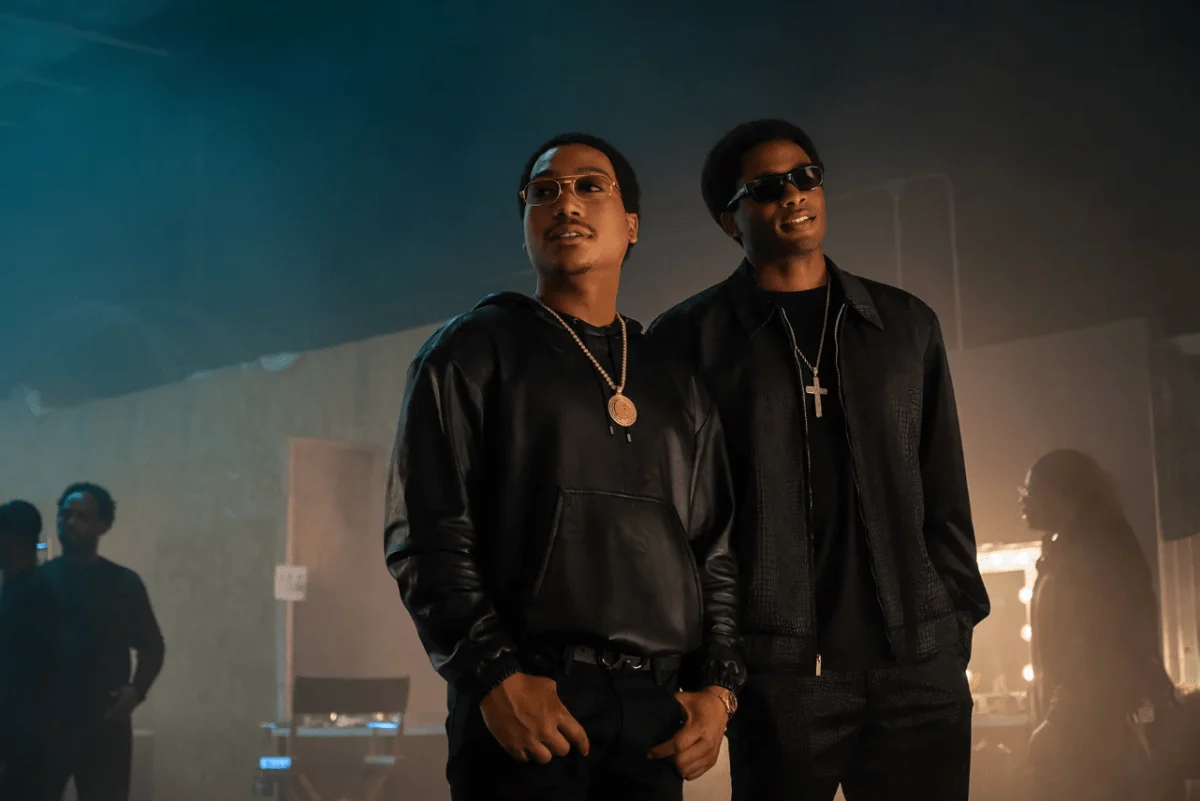
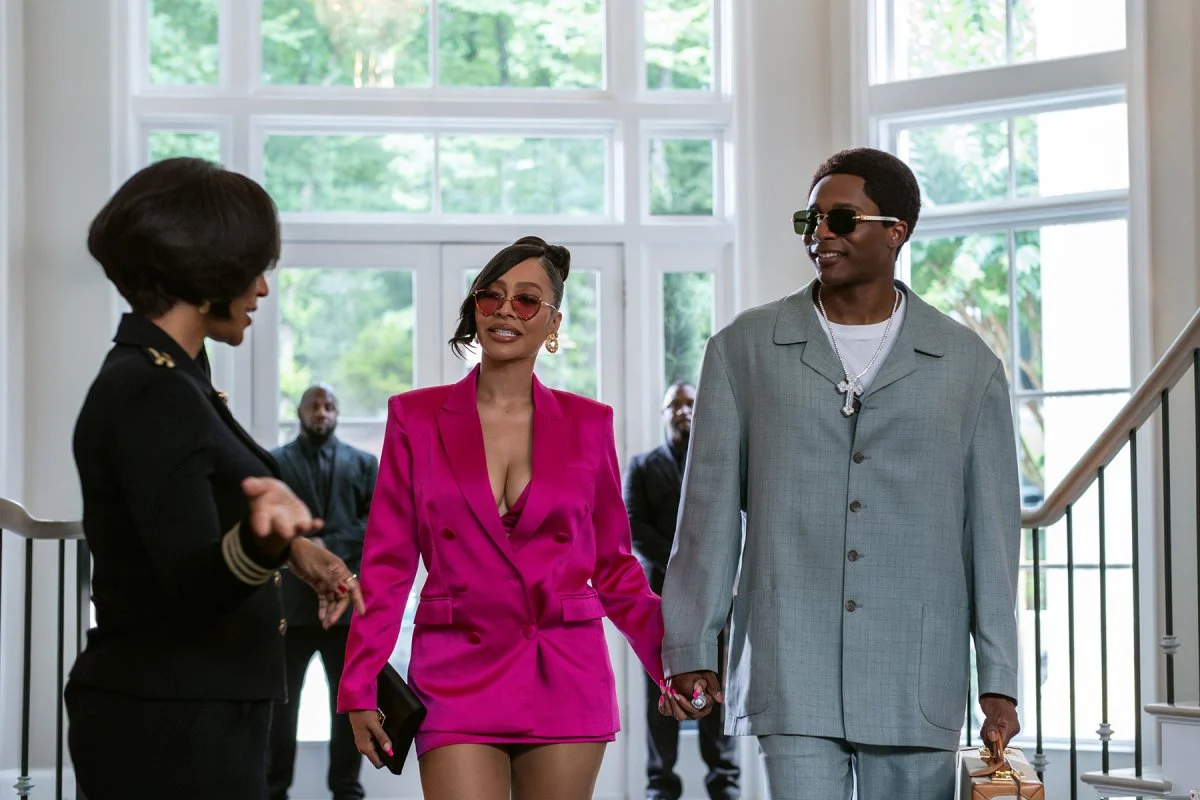
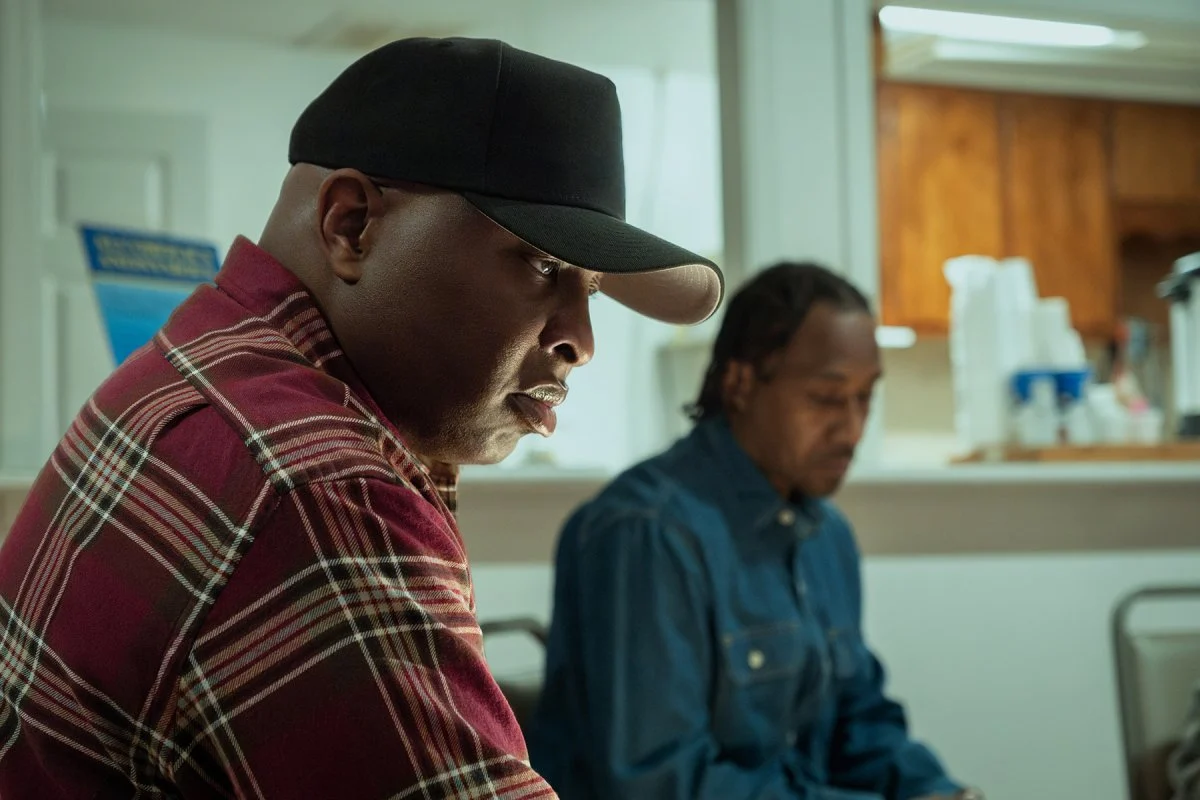
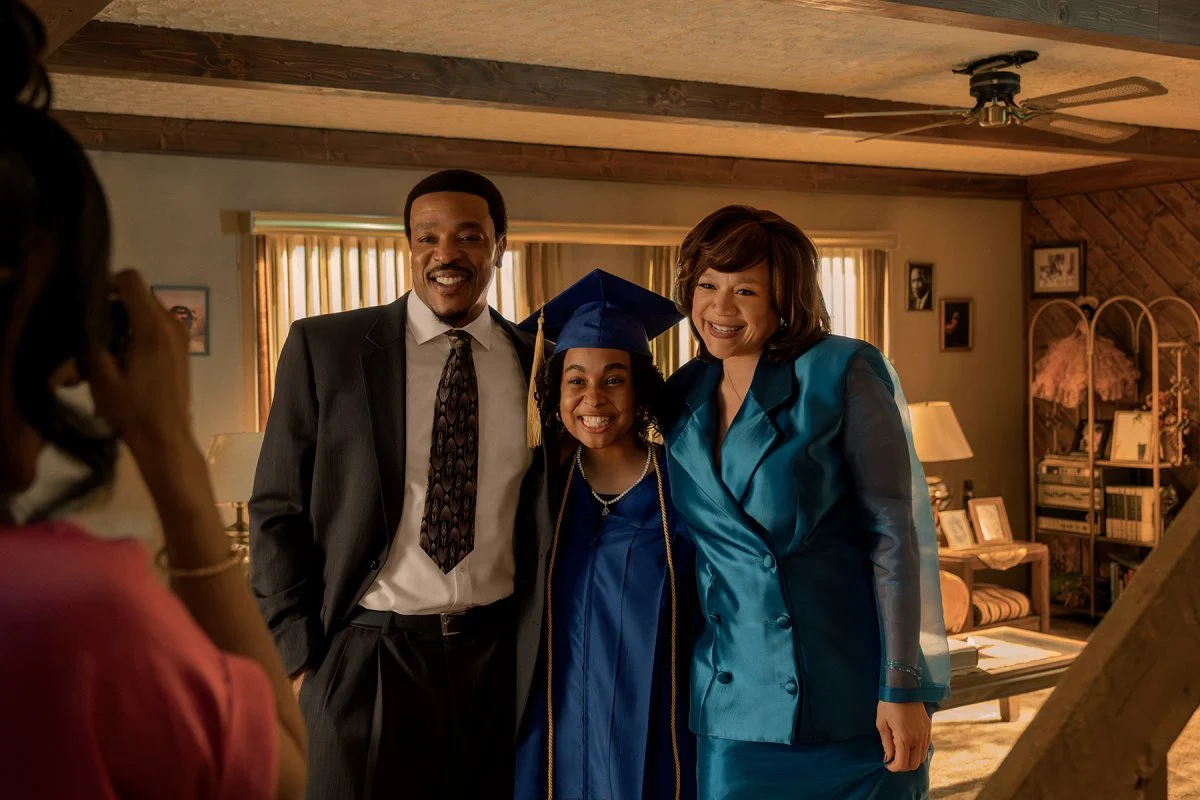
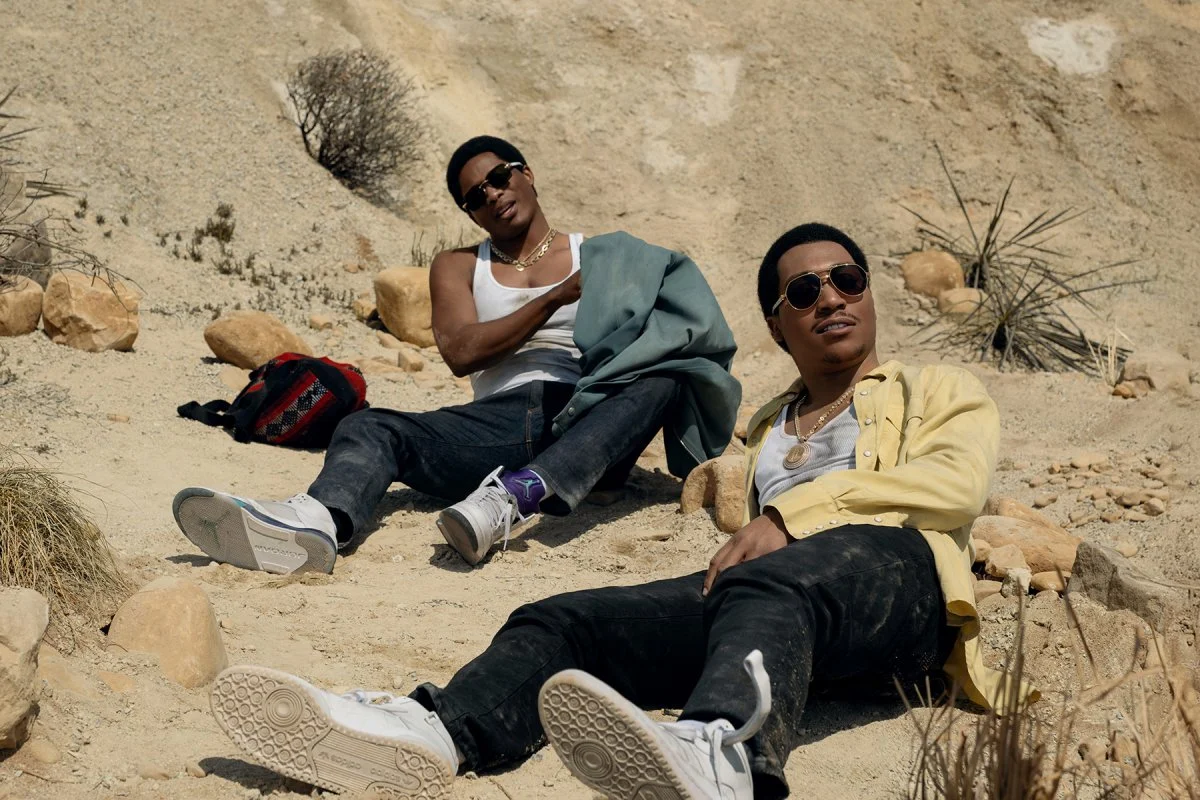
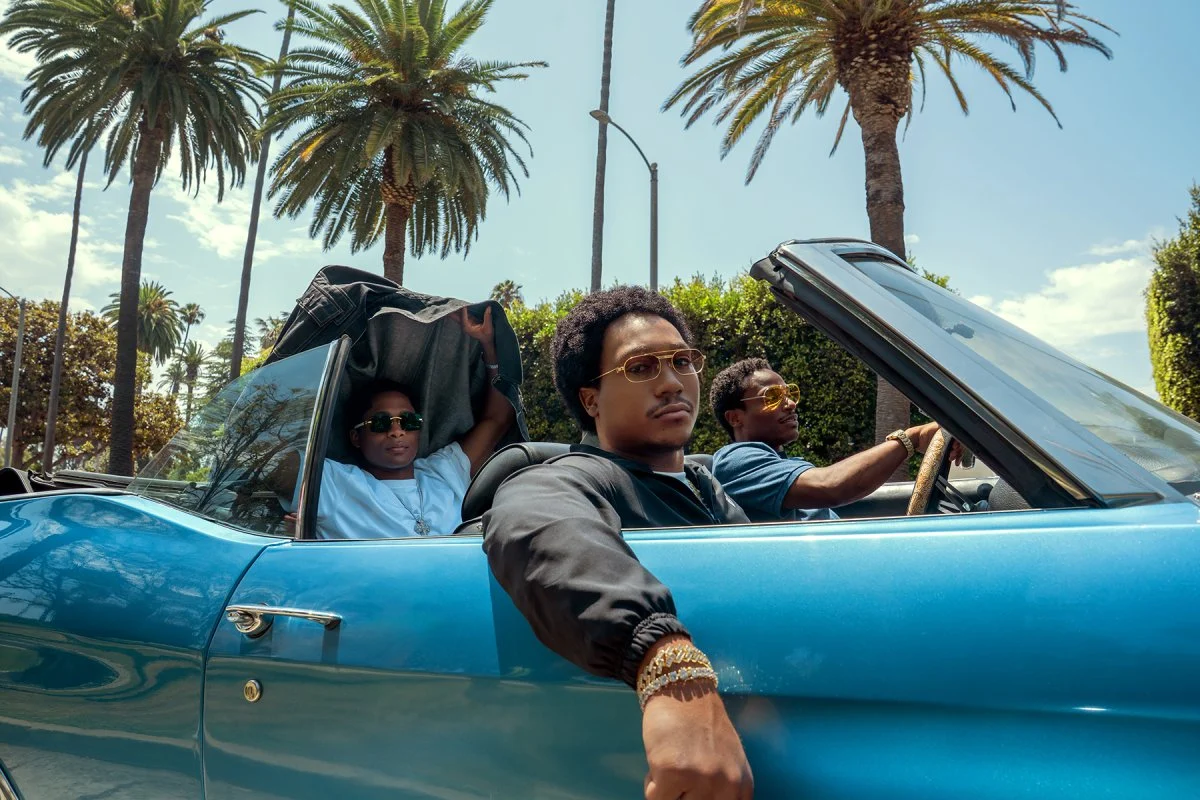
Season 4 of BMF teases more shenanigans for the Flenory brothers and the return of two characters.
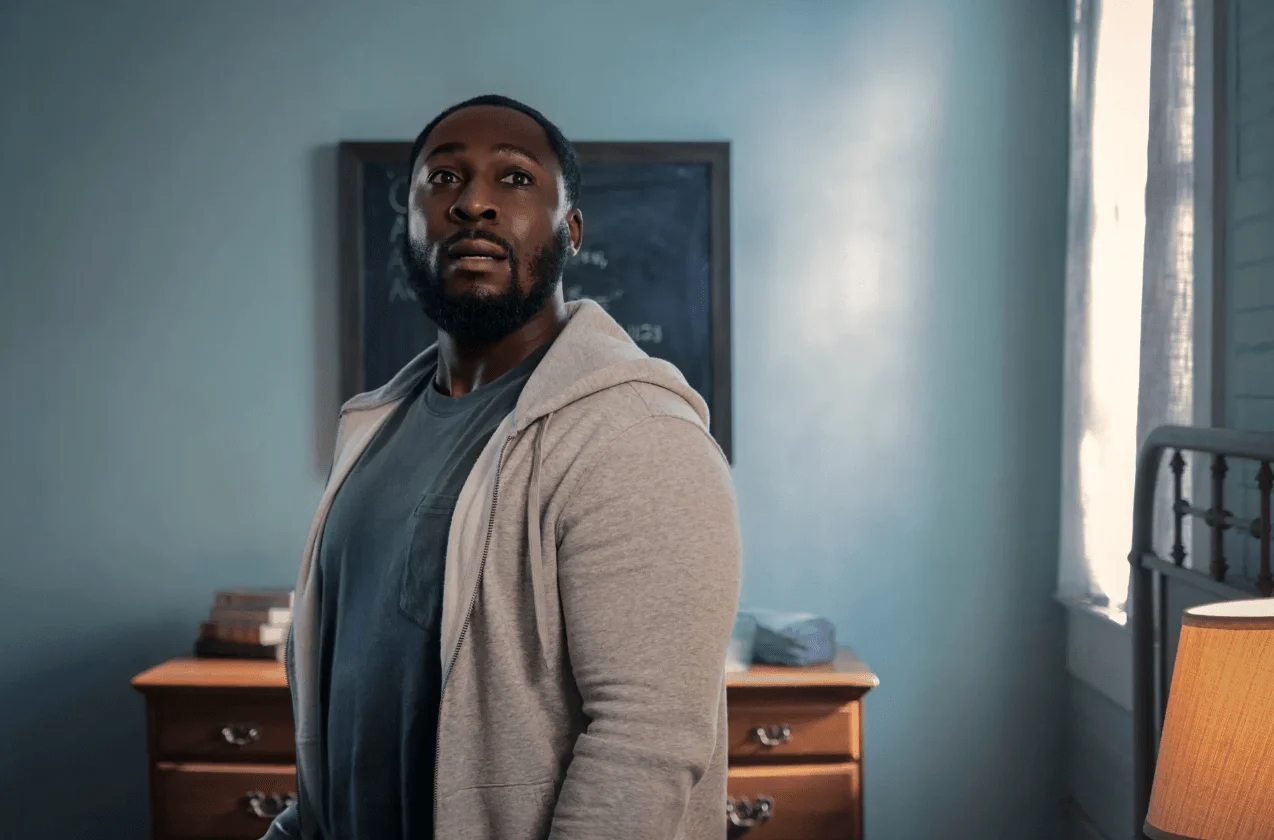
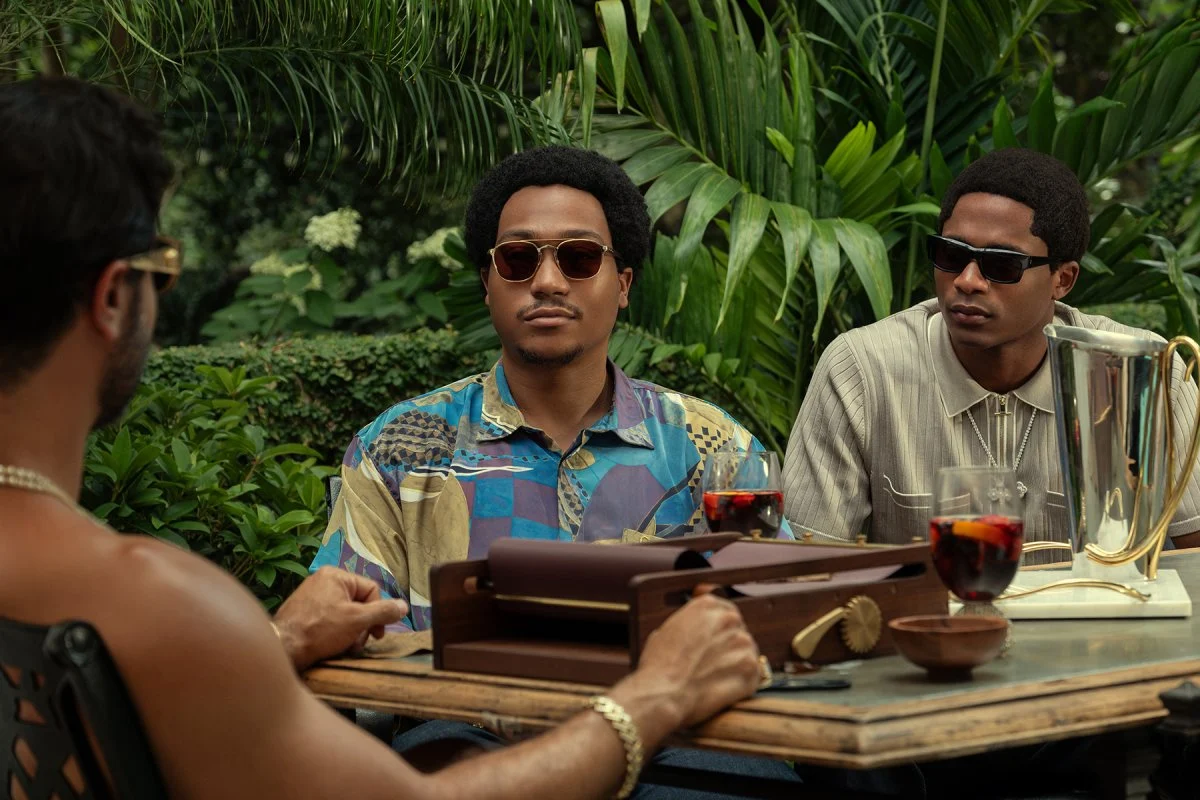
The first trailer for season 4 of BMF has finally arrived, and it is full of big reveals that set up what could be the most explosive season yet for the hit crime drama loosely based on Demetrius “Big Meech” Flenory and Terry Lee Flenory’s lives.
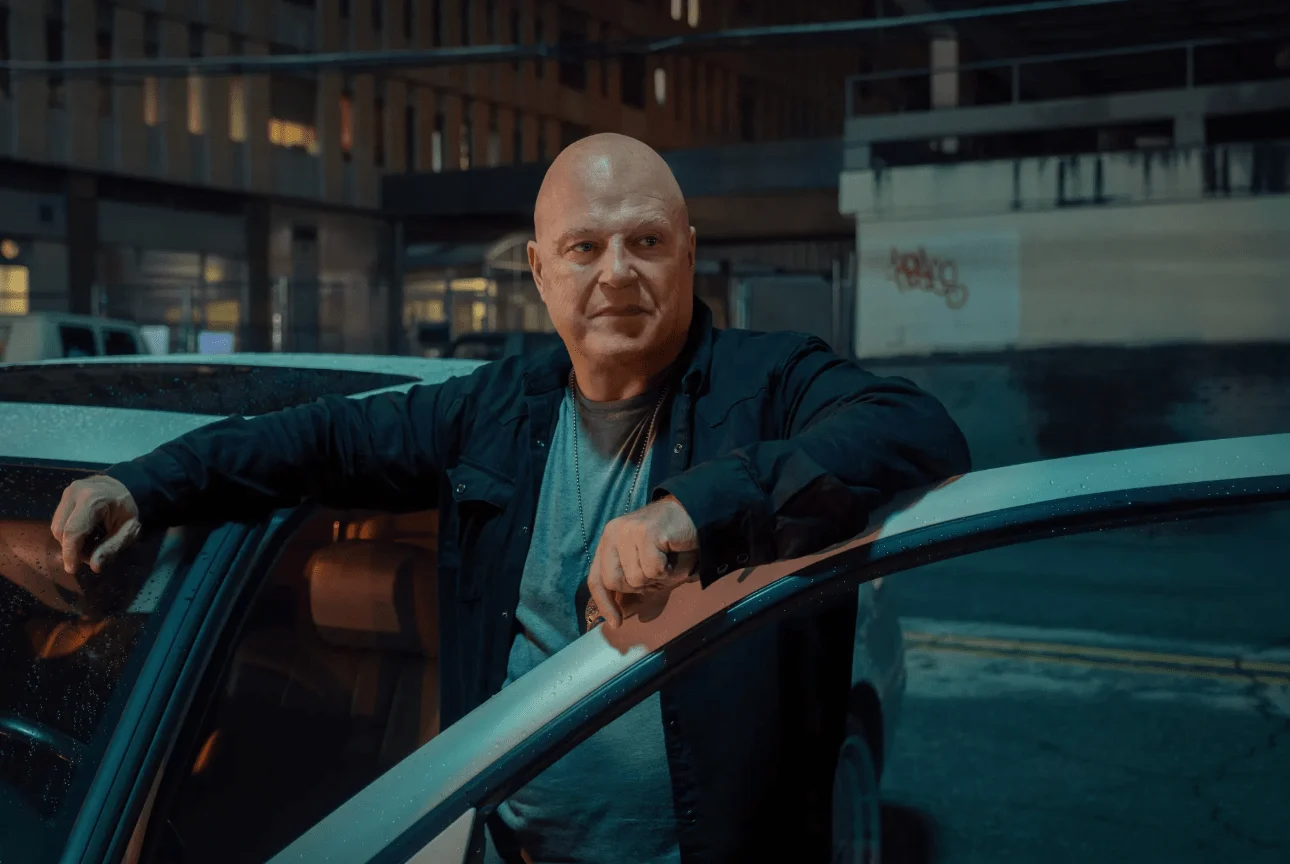
One of the big reveals is that Emmy Award-winning actor Michael Chiklis (The Shield, Fantastic Four) has joined the cast and will appear this season as DEA Agent Taylor, who will assist in trying to take down BMF.
Source: Starz / BMF
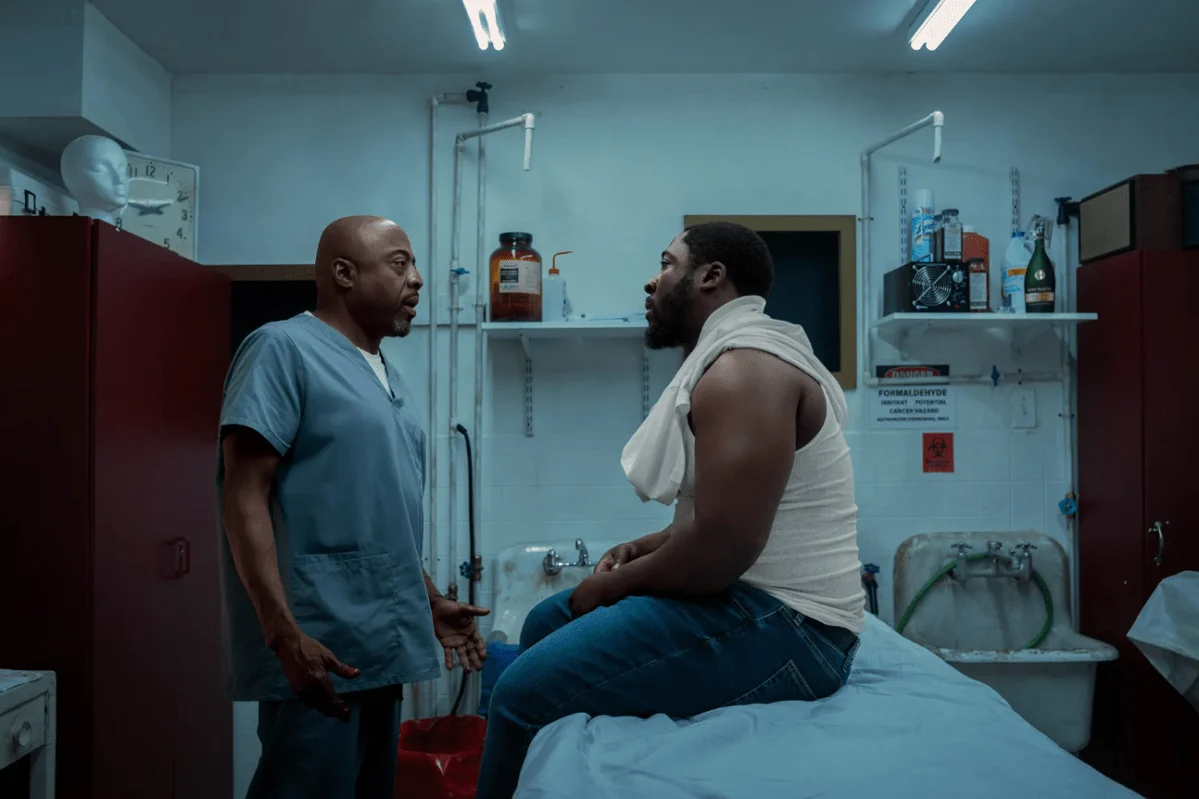
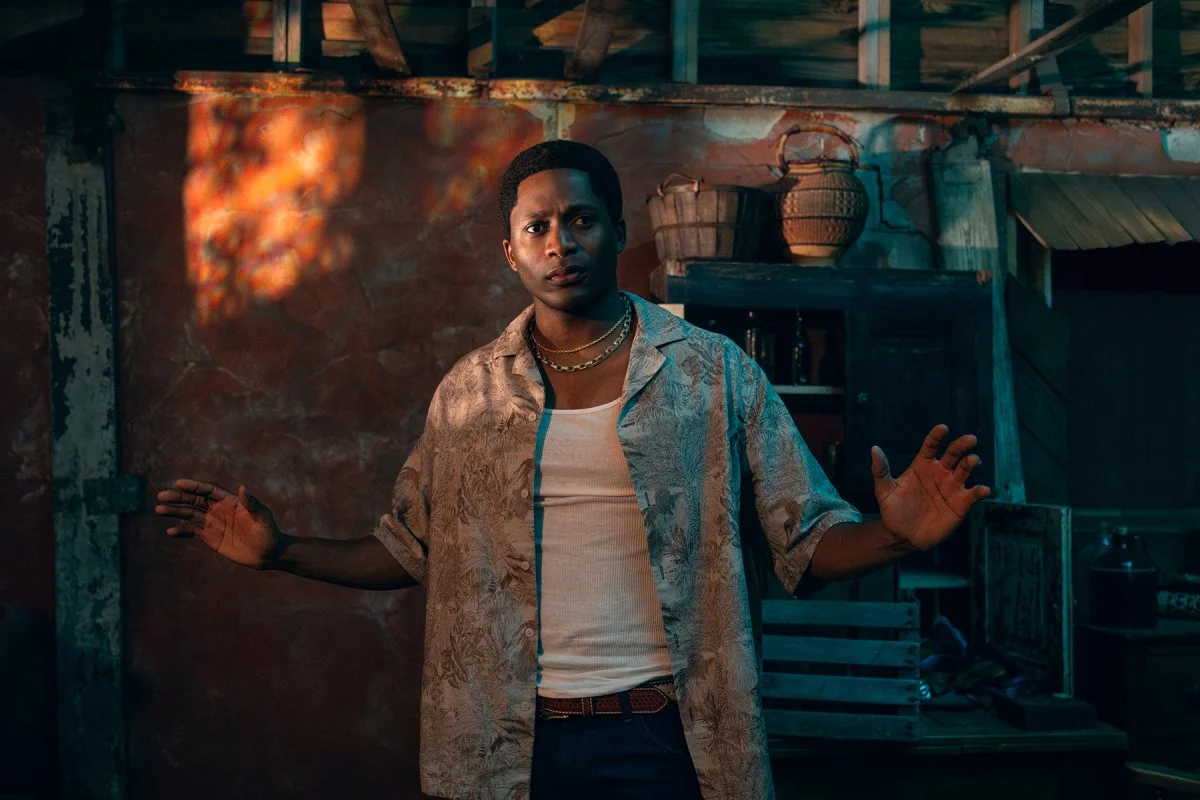
Returning this season will be Lamar (Eric Kofi-Abrefa), the Flenory brothers’ arch-nemesis, who became a drug addict at the end of season 2, alongside Donnell Rawlings, who played his hilarious comedic cousin, Alvin.
B-Mickie (Myles Truitt) is also back this season and wants back in on the action.
As for what’s going on this season, the Flenory brothers’ next hustle is starting their music label in Atlanta, expanding their drug empire into national territories during the 1990s, following whatever happened to them in Mexico. Of course, things go wrong thanks to the return of an old foe, the police breathing down their necks, leading to them being unable to trust anyone, including each other, setting up a sibling rivalry that could drive them apart.
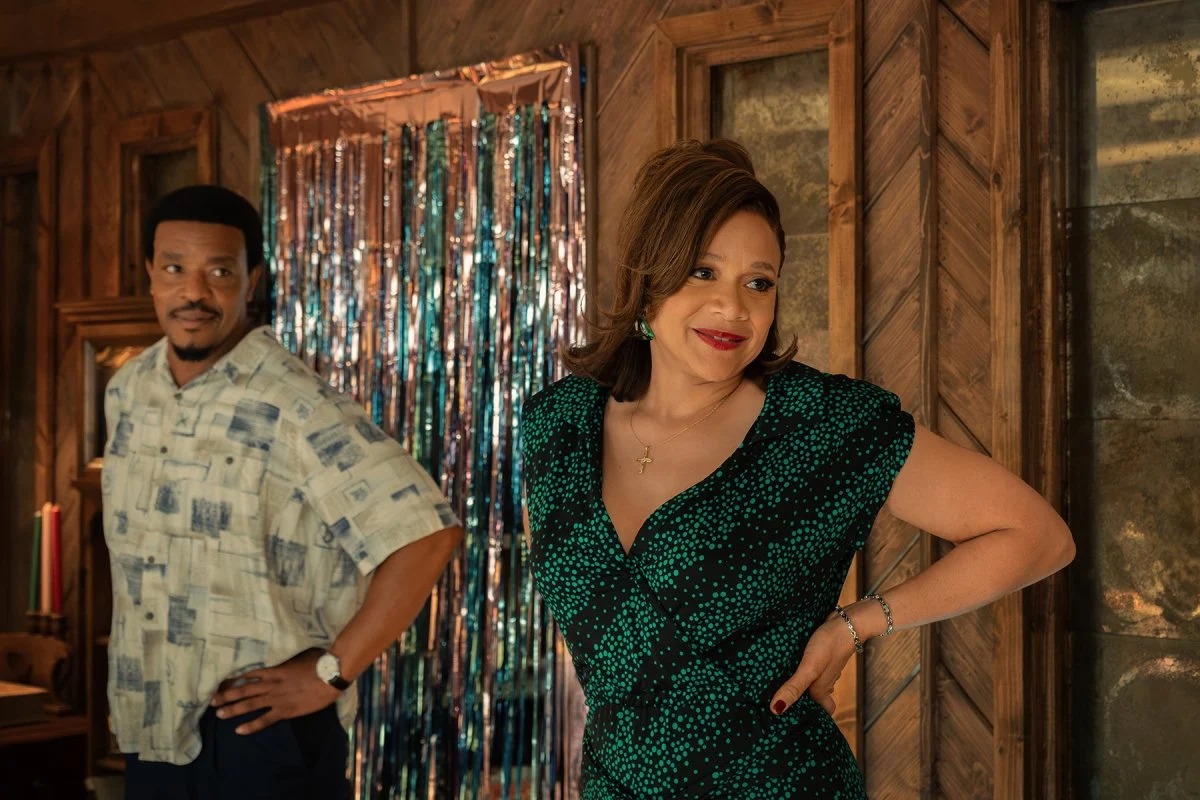
Russell Hornsby as Charles Flenory, Michole Briana White as Lucille Flenory, La La Anthony as Markisha, and Steve Harris as Detective Bryant are also returning in season 4.
Real Life Drama Around BMF
The show’s return has been fueled by real-life drama involving star Lil Meech, his father Big Meech, and the show’s executive producer, Curtis “50 Cent” Jackson.
The G-Unit general has been trolling the star and his dad for dealing with his longtime nemesis, Rick Ross.
BMF returns on June 6. Hit the gallery below for more photos.
1. BMF
Source:BMF
BMF starz,bmf
2. BMF
Source:BMF
BMF starz,bmf
3. BMF Season 4
Source:BMF
BMF Season 4 starz,bmf
4. BMF Season 4
Source:BMF
BMF Season 4 starz,bmf
5. BMF Season 4
Source:BMF
BMF Season 4 starz,bmf
6. BMF Season 4
Source:BMF
BMF Season 4 starz,bmf
7. BMF Season 4
Source:BMF
BMF Season 4 starz,bmf
8. BMF Season 4
Source:BMF
BMF Season 4 starz,bmf
9. BMF Season 4
Source:BMF
BMF Season 4 starz,bmf
10. BMF Season 4
Source:BMF
BMF Season 4 starz,bmf
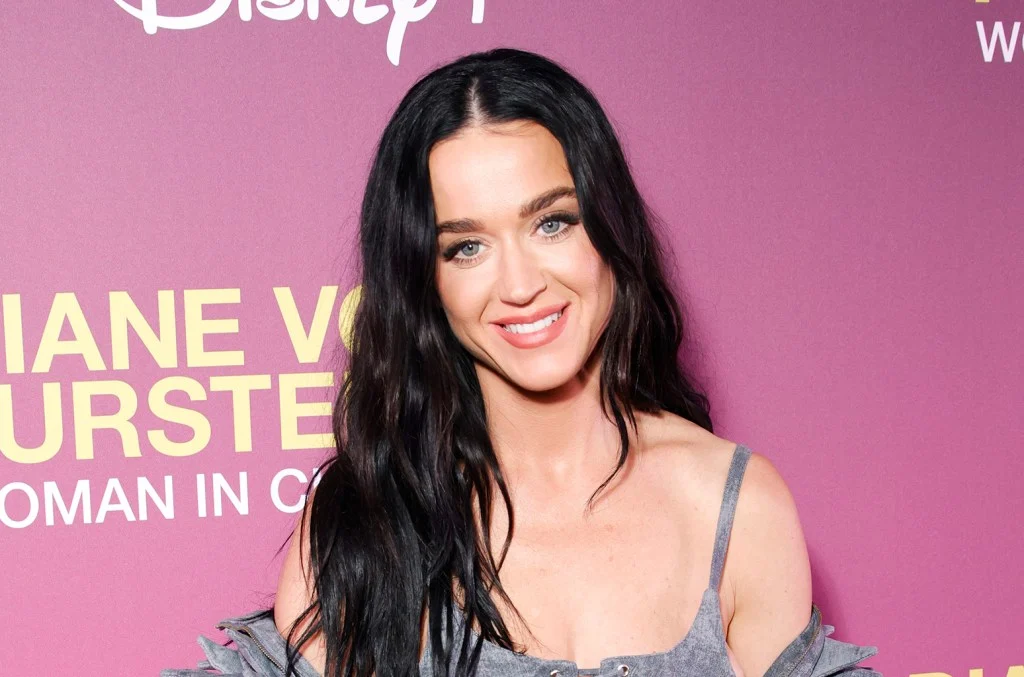
Katy Perry proved she was in on the joke after The Onion took to social media on Thursday (May 1) to riff about the criticism the pop star has received as of late.
The exchange started when the satirical news site posted a photo of the singer with the headline, “Katy Perry Teases New Single ‘Stop Making Fun of Me.’” The caption to the post continued to poke fun at the star, attributing a made-up quote to her saying, “‘Working with Dr. Luke on my fav single in years—this is for the ladies out there who can’t catch a goddamn break even though they’re seriously trying their best.’”
The post also contained a sampling of lyrics to the fake song, with the caption concluding, “‘I’m not messing around anymore/ You’re killing my self-esteem with these cruel comments/ And it really hurts’ can be heard over a pounding four-on-the-floor beat.”
Trending on Billboard
The “I’m His, He’s Mine” singer took The Onion‘s post in stride, and even added to the gag by chiding, “This photo is clearly photoshopped I would never let my Botox go that long, do better The Onion!” in the comments.
The singer’s loyal Katy Cats also flocked to the comments section to defend their queen, with one writing, “CAME HERE CAUSE KATY’S COMMENT ENDING THIS FLOP ACCOUNT.” Another clapped back, “Katy Perry hate is so forced” while a third wrote, “She’s a queen after all.”
Perry has withstood multiple waves of backlash in recent months for, as The Onion‘s post implies, reuniting with Dr. Luke on her latest album 143, as well as her high-profile trip to space in April as part of the Blue Origin mission.
During the 11-minute space flight, Perry unveiled the setlist for her Lifetimes Tour live from zero gravity — giving the internet further fodder to turn into memes, gifs and running jokes.
Others in The Onion’s comment section couldn’t help but keep the bit going. “New single titled ‘girls just need space’ released with a music video featuring astronaut recently stuck in space for 9 months. Receives immediate backlash,” one Instagram user joked. “Involuntarily added to your playlists over on amazon music,” quipped another.
Check out The Onion’s joke and Perry’s response here.
CAAMP’s “Let Things Go” climbs a spot to No. 1 on Billboard’s Adult Alternative Airplay chart dated May 10.
The track marks the band’s fourth leader on the list, following “Believe” (2022), “Officer of Love” (2020-21) and “Peach Fuzz” (2019).
In between “Believe” and “Let Things Go,” CAAMP charted the No. 3-peaking “The Otter” in 2022. Four of the band’s six Adult Alternative Airplay entries have hit No. 1, and five have reached the top three. “By and By” peaked at No. 11 in 2020.
CAAMP is tied for the second-most Adult Alternative Airplay No. 1s dating to its first week on top (Nov. 2, 2019), after only Hozier’s five in that span. Also with four each in that stretch: The Black Keys, The Lumineers, Phoenix and Nathaniel Rateliff (solo and with the Night Sweats).
Explore
Explore
See latest videos, charts and news
Concurrently, “Let Things Go” ranks at No. 29 on the all-rock-format, audience-based Rock & Alternative Airplay chart with 1.4 million audience impressions, up 3%, in the week ending May 1, according to Luminate. The song’s best on that tally so far, No. 28, was achieved on the May 3 ranking; it stands as CAAMP’s highest-peaking hit, surpassing the No. 29 high of “Believe.”
“Let Things Go” appears on the four-song EP Somewhere, which the band released in February and has earned 8,000 equivalent album units to date. A full-length album, Copper Changes Color, will follow on June 6. CAAMP’s fifth album follows 2022’s Lavender Days, which peaked at No. 5 on the Americana/Folk Albums chart that July and has accumulated 240,000 units so far.
Trending on Billboard
All Billboard charts dated May 10 will update Tuesday, May 6, on Billboard.com.
The theme is Superfine: Tailoring Black Style. The culture will be on display this Monday, May 5, where the most fashionable celebs in the world gather on the steps of the Metropolitan Museum of Art in NYC for the 2025 Met Gala. With a focus on Black Dandyism, men’s fashion will be center stage. And Anna Wintour honored this year’s co-chairs to the top men in fashion. All eyes will be on Pharrell, A$AP Rocky, Colman Domingo, Lewis Hamilton, and honorary co-chair, Lebron James, to set the bar for attendees. With only a few days til the Met Gala, we’re looking back at some of Rihanna and Cardi B’s Met Gala style evolution.
Rihanna: Queen Of The Met Gala
Source: picture alliance / Getty
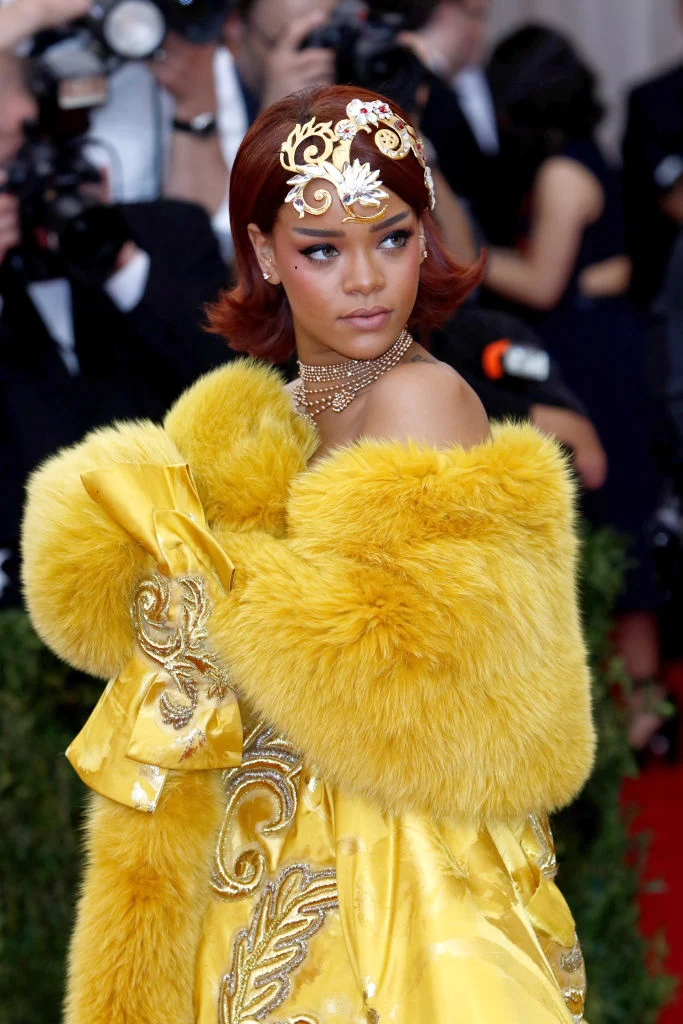
When it comes to literally shutting down the Met Gala, there are few celebrities who do it better, or are as highly-anticipated as Rihanna. Since 2007, RiRi has attended a staggering 10 Met Galas and stunned fashion fans worldwide each time with looks that further cemented her as one of the true fashionistas of our time.
Her intricate and regal golden Guy Pei gown from the 2015 event practically left fans gasping, as the long train flowed down the Met steps and allowed Rihanna to effortlessly steal the spotlight. In 2017, she opted for a sculpted Comme des Garcons look that was as intentional as it was bold, and as feminine as it was fierce. While pregnant in 2023, Rihanna proved that pregnancy couture is right up her alley in Chanel.
However, her most iconic look to grace the Met Gala so far was her 2018 interpretation of the Heavenly Bodies theme in her own take on Catholic fashion courtesy of Maison Margiela and John Galliano.
Cardi B: Queen Of The Met Gala
Source: Gilbert Carrasquillo / Getty
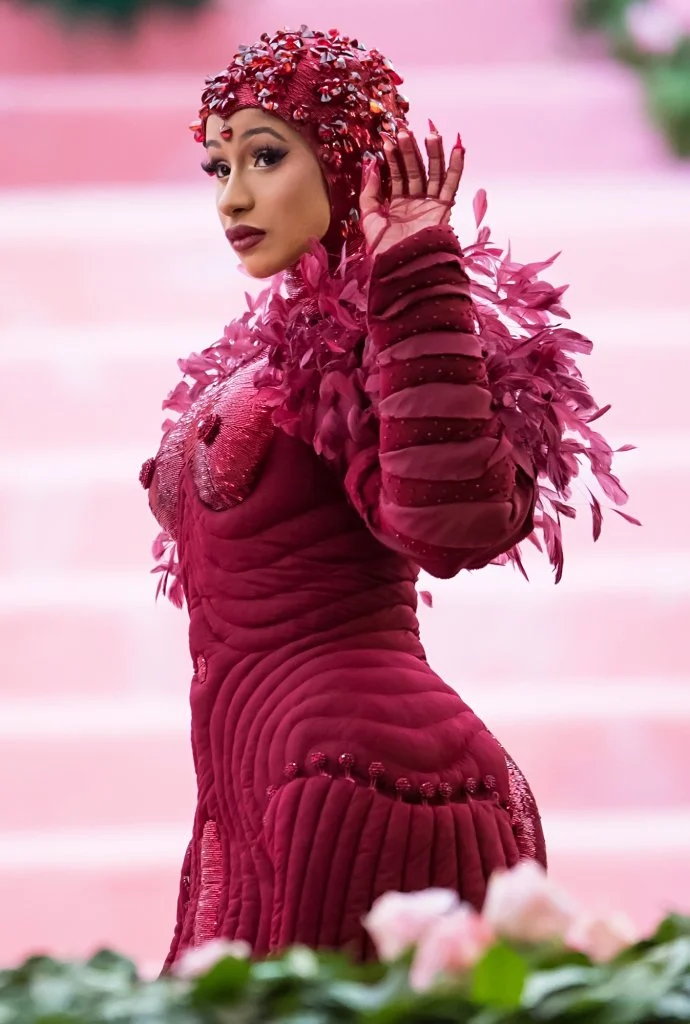
Cardi B doesn’t do anything on a small scale, and with her Met Gala debut in 2018, she quickly rose among the ranks of the fashion elite who always get it right and leave a lasting impression.
Generally favoring robust looks with long trains, coordinating headwear and opulent jewelry, Cardi has worn some of the fashion world’s biggest names to the Met Gala, including Jeremy Scott, Thom Browne, Versace, Miss Sohee, Chen Peng and Windowsen.
We know BardiGang can’t wait to see Cardi’s take on this year’s theme…and neither can we.
Met Gala Queens: Rihanna And Cardi B Are Met Gala Royalty
was originally published on
hellobeautiful.com
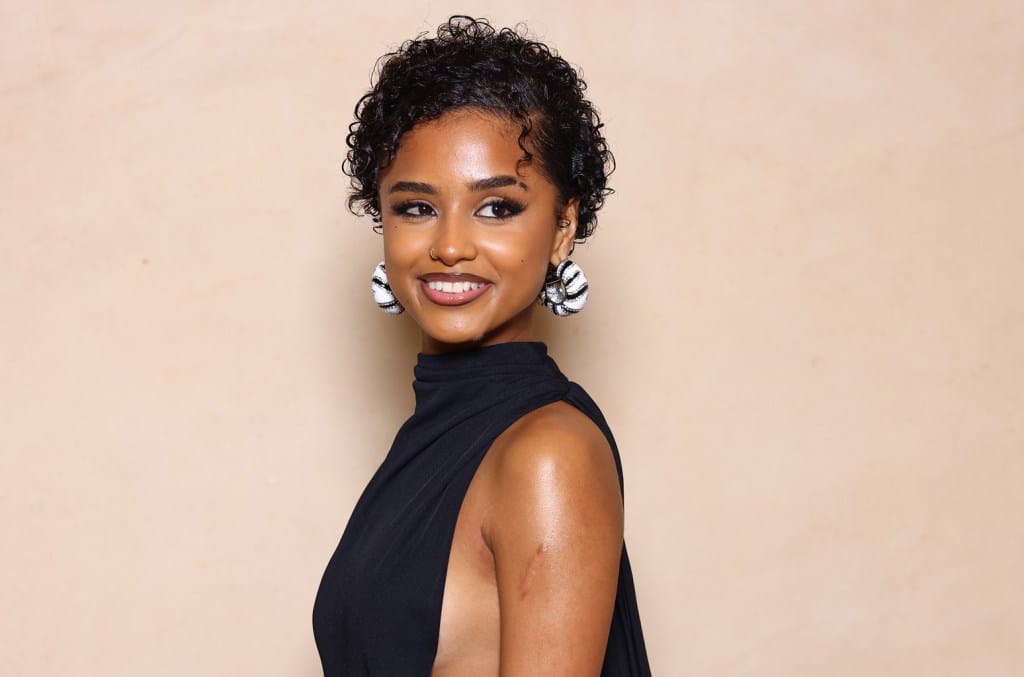
Tyla revealed on Friday (May 2) that she will release her new “Bliss” single next Friday, May 9. She posted a promo photo on Instagram that features the “Water” hitmaker crouched in the fetal position with sand crystals covering her glistening skin, which feels reminiscent of the gritty sand-sculpted Balmain gown she wore during her […]
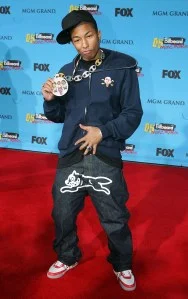
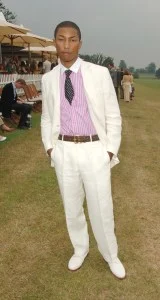
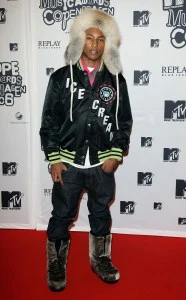
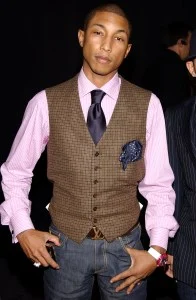
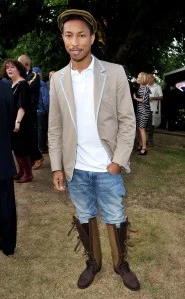
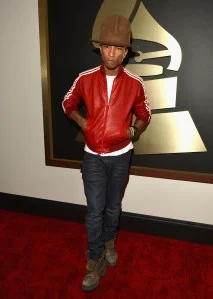
Pharrell Williams has always had impeccable style. From his early days as a producer and performer with the Neptunes and N.E.R.D working on songs for Wreckx-n-Effects, the Clipse, Jay-Z and Nelly, Skateboard P always put a premium on looking good while sounding excellent.When the world first met Williams — who is a co-chair for the 2025 Met Gala — he was rocking distressed, baggy jeans, track jackets and trucker hats before launching his own bespoke fashion label, Billionaire Boys Club in 2003, followed by spin-offs Ice Cream, Bee Line and Billionaire Girls Club. All along, the multi-hyphenate has relished being a bridge between what the kids are wearing in skate parks and clubs and what’s pushing the envelope on the runways in Milan.
As his client list expanded to include production, songwriting and collaborations with Ed Sheeran, Migos, Beck, SZA, J Balvin and Rauw Alejandro, Williams also branched out on the fashion side, co-designing a line of glasses and jewelry for Louis Vuitton in 2008, followed in 2013 with a sunglass line for Moncler.
Constantly juggling his own music, a heavy production schedule and voicing himself in the 2024 LEGO autobiographical film Piece by Piece, Williams also teamed with G-Star Raw in 2014 on the “RAW For the Oceans” denim collection made from recycled ocean plastic. He followed with a 2014 collab with Uniqlo called “i am OTHER,” then paired with Adidas on a 2016 “Human Race” edition of shoes, and in 2017 designed an $1,100 sneaker for Chanel/Adidas.
His crowning fashion achievement, though, was in February 2023, when Louis Vuitton announced that Williams had been appointed to serve as their men’s creative director, with his first collection for the famed fashion house hitting runways during Paris Men’s Fashion Week in June 2023.
Check out Billboard‘s chronicle of Williams’ fashion evolution.
2002
Image Credit: Paul Natkin/Getty Images
From left: Chad Hugo, Shay Haley and Pharrell Williams of N.E.R.D. at the Park West on June 2, 2002 in Chicago.
2002
Image Credit: J. Vespa/WireImage
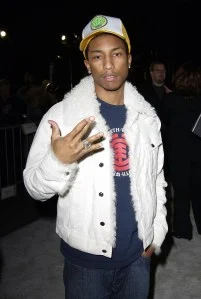
Pharrell Williams during Motorola 4th Annual Holiday Party at The Lot on Dec. 5, 2002 in Los Angeles.
2004
Image Credit: Theo Wargo/WireImage
Pharrell Williams during Pharrell Williams and Nigo Debut “Billionaire Boys Club” Apparel Line and “Ice Cream” Footwear at Drive-In Studios on August 25, 2004 in New York City.
2004
Image Credit: Evan Agostini/Getty Images
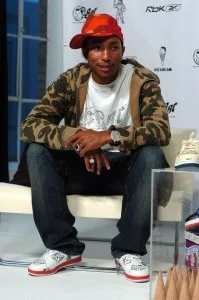
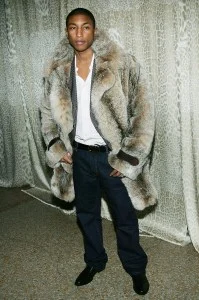
Pharrell Williams attends a preview gala dinner for the Metropolitan Museum’s “Wild: Fashion Untamed” exhibition on Dec. 6, 2004 at the Metropolitan Museum of Art in New York City.
2005
Image Credit: Jeffrey Mayer/WireImage
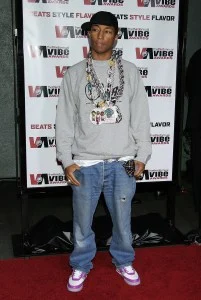
Pharrell Williams arrives at the 2005 Vibe Awards at Sony Studios on Nov. 12, 2002 in Culver City, California.
2005
Image Credit: Ethan Miller/Getty Images
Pharrell Williams arrives at the 2005 Billboard Music Awards held at the MGM Grand Garden Arena on Dec. 6, 2005 in Las Vegas, Nevada.
2006
Image Credit: Jon Furniss/WireImage
Pharrell Williams attends The Audi Polo Challenge Cup on July 5, 2006 at Cowdray Park in Midhurst, Great Britain.
2006
Image Credit: Gareth Cattermole/Getty Images
Pharrell Williams arrives at the 13th annual MTV Europe Music Awards 2006 at the Bella Center on Nov. 2, 2006 in Copenhagen, Denmark.
2007
Image Credit: Jean-Paul Aussenard/WireImage
Pharell Williams arrives at the Louis Vuitton Gala celebrating the Murakami exhibition held at the Geffen Contemporary at Moca on Oct. 28th, 2007 in Los Angeles.
2008
Image Credit: Brad Barket/Getty Images
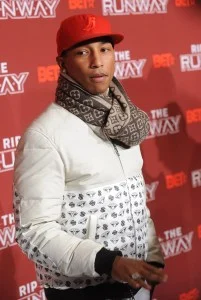
Pharrell WIlliams attends BET’s ‘Rip the Runway’ at The Manhattan Center on Feb. 21, 2008 in New York City.
2009
Image Credit: Jon Furniss/WireImage
Pharrell Williams attends the annual summer party at The Serpentine Gallery on July 9, 2009 in London, England.
2010
Image Credit: Dominique Charriau/WireImage
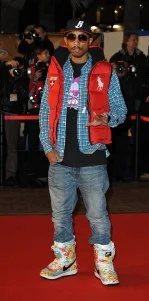
Pharrell Williams attends the NRJ Music Awards 2010 at Palais des Festivals on Jan. 23, 2010 in Cannes, France.
2011
Image Credit: Dimitrios Kambouris/Getty Images
Pharrell Williams visits the Dior pop-up shop featuring Anselm Reyle for Dior at Miami Design District on Nov. 29, 2011 in Miami City.
2012
Image Credit: Frazer Harrison/Getty Images
Pharrell Williams attends the OHWOW & HTC celebration of the release of “Terrywood” with Terry Richardson at The Standard Hotel & Spa on Dec. 7, 2012 in Miami Beach, Florida.
2013
Image Credit: Mark Davis/Getty Images
Pharrell Williams arrives at the premiere of Universal Pictures’ “Despicable Me 2” at Gibson Amphitheatre on June 22, 2013 in Universal City.
2014
Image Credit: Lester Cohen/WireImage
Pharrell attends the 56th Grammy Awards at Staples Center on Jan. 26, 2014 in Los Angeles, California.
2015
Image Credit: Jason Merritt/Getty Images
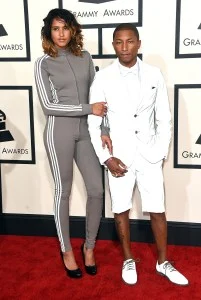
Helen Lasichanh and Pharrell Williams attend The 57th Annual Grammy Awards at the Staples Center on Feb. 8, 2015 in Los Angeles.
2016
As part of the ongoing Jazz & Heritage Festival in New Orleans, a jubilant event took place at music venue Tipitina’s on Monday (April 28): the annual Shorty Fest, which took over the block outside the legendary club to showcase the talented teens and young adults involved with the Trombone Shorty Foundation.
This marked the 13th year the Foundation hosted Shorty Fest, which gives kids a chance to show off their skills outside Tipitina’s before heading inside for a student-assisted performance by “Trombone Shorty” (born Troy Andrews). The annual event serves as a fundraiser for the foundation, started by New Orleans native Shorty, that provides a free after-school program for kids aged 12-18 (Trombone Shorty Academy); a music industry apprenticeship program; a free program on the music business (Fredman Music Business Institute); and masterclasses and cultural experiences including trips to Cuba.
The young students not only perform at Shorty Fest, but use the skills learned through the foundation’s business-oriented programs to help produce the event, which features marching bands, alumni bands and a battle of the bands contest.
Trending on Billboard
“People can see on display the full beauty of New Orleans music culture, but through the eyes of the younger generation,” says Trombone Shorty Foundation co-founder/executive director Bill Taylor. “Then throughout the evening, our young people sit in with the various bands that are performing, and then they all come out with [Trombone Shorty] during his set, and it creates this magical moment that it’s hard not to be emotionally moved seeing that on stage playing out in front of your eyes. It’s like watching the passing on of culture in real time.”
The Trombone Shorty Foundation launched in 2012 as a way to pass on and preserve the various musical cultures that have made New Orleans such a vibrant city. Taylor tells Billboard that the foundation was created in the aftermath of Hurricane Katrina in 2006. With so many families displaced by the tragedy, historically Black neighborhoods became gentrified, especially the Treme neighborhood where Shorty grew up.
Trombone Shorty Foundation at Shorty Fest in New Orleans.
Jafar M. Pierre
“One of the things that New Orleans has always been known for is its ability to regenerate that culture and pass it down to the next generation. And the way Troy was able to absorb a lot of it early on was through his neighborhood,” says Taylor. “We recognized the need to protect the culture and to give young people the same opportunities that a young musician like Troy had when he was their age.”
The foundation’s flagship program, the Trombone Shorty Academy, provides students a chance to learn how to play instruments, perform on stage and be immersed in the musical traditions of New Orleans. While the city is best known for brass bands and jazz, students are also taught about soul music, funk and other less well-known influences on the Louisiana sound.
Shortly after the foundation launched in 2012, the leadership decided they needed to also educate students on the business side of the music industry and launched the Fredman Music Business Institute. The free program gives students insight into how to financially support themselves as musicians, but also how to get involved in event production, touring, licensing, management, finance and marketing. The foundation takes the students — roughly 200 per year — to other U.S. music hubs to see how the business of music is run outside New Orleans, giving them the chance to visit studios, agencies, management companies and more in Nashville, New York, San Francisco and other locations.
“That infrastructure that exists in Nashville, and obviously New York and L.A., is pretty lacking in New Orleans,” says Taylor. “It is going to be the young people who are going to change that.”
The foundation’s apprenticeship program allows kids ages 12-24 to learn from industry experts and then apply those skills to paid positions with hands-on work throughout the city, with apprentices selecting the industry partners that best align with their interests.
Taylor offers an example of a talented young trumpet player who performed and traveled with the Academy but whose real passion was graphic design. “He is out of college now and opened up his own graphic design company,” Taylor says. “He now designs some of the artwork for our events. He connected with his real passion and it’s connected to music, but he’s not trying to be a professional musician, necessarily.”
Trombone Shorty
Jafar M. Pierre
Along with a trip to Nashville, the foundation also recently took a group of 250 students, staff and musicians to Havana, Cuba — where Shorty found a lot of inspiration while visiting a relative — for an annual trip that started in 2020. The most recent visit to the country included appearances by George Clinton, Valerie June, Yola, Robert Randolph and more.
“New Orleans is your superpower, because if you’re from New Orleans and you’re in music, you naturally get respect,” says Taylor. “Then the question is, what can we do to connect some of these young people to a bigger world, so that the possibilities of what they can do with their career, with their life, with their music, starts to expand?”
Ryan Coogler’s Sinners – a Southern Gothic vampire-musical-period epic led by Michael B. Jordan – is an irrefutable juggernaut. With thousands of moviegoers clamoring for prized IMAX 70mm tickets and endless discourse across social media, Sinners is perhaps 2025’s first genuine cultural phenomenon – and the haunting Raphael Saadiq-penned “I Lied to You” sits at the center of it all.
Performed by breakout star Miles Caton in a pivotal – and instantly viral — scene tracing the history and legacy of Black music, “I Lied to You” is, at its core, and simple acoustic guitar-and-vocal track that effortlessly conjures the spirit of 1930s Delta blues. Already a leading contender for 2026’s best original song Oscar, “I Lied to You” marks the union of Saadiq, a Grammy-winning R&B maestro and founding member of Tony! Toni! Toné!, and two-time Oscar-winning composer and longtime Coogler and Childish Gambino collaborator Ludwig Göransson. Built around a refrain Saadiq, now 58, first came up with when he was around 19 years old, the song’s journey also mirrors the timelessness of blues songwriting.
Trending on Billboard
Saadiq — who’s no stranger to scoring films, having contributed music to everything from Soul Food and Baby Boy to Empire and Love & Basketball – could pick up his second career Oscar nod for “I Lied to You.” In 2018, he earned a best original song nomination alongside Mary J. Blige and Taura Stinson for Mudbound’s “Might River,” bringing him one step closer to an EGOT. In addition to a 2021 Emmy nod, Saadiq has collected three Grammys, including a recent win for album of the year thanks to his work on Beyoncé’s culture-quaking Cowboy Carter LP, the latest addition to a catalog that champions the breadth and depth of Black music.
“We’re the ones chosen to raise the bar – and the bar has been pretty low in a lot of different areas,” he tells Billboard of artists like himself, Beyoncé and Coogler. “Some choose to not let the bar be that low, and that’s what happened. When somebody calls your name, you go to be ready.”
For an artist and musicologist like Saadiq, all of that hardware pales in comparison to connecting with the fans who have sustained his nearly four-decade career. At the top of the year, he launched an exclusive vinyl club for fans to peruse his legendary vault, access exclusive artwork, and enjoy quarterly releases of old and new work. On May 31, the esteemed multihyphenate will launch his No Bandwidth one-man show at New York’s iconic Apollo Theater, his first totally solo trek.
In a wide-ranging conversation with Billboard, Raphael Saadiq talks working on Sinners and Cowboy Carter, drawing inspiration from Mike Tyson, and where he hears the blues today.
When did Ryan Coogler first approach you to contribute a song to the film?
I think maybe a week before he went to shoot it in New Orleans [in April 2024]. He reached out to me and gave me the full scope of what the movie was about. He told me that his uncle was a blues guy and explained how the church had a problem with blues players. There was a separation. But it wasn’t that the blues players didn’t believe in God, it’s just that the blues was their church.
It was right up my alley because that’s exactly how I grew up. Playing R&B music, I was told that I was playing the devil’s music, too, so it made sense to me.
What was your initial reaction to the plot?
I don’t even know if I really understood the plot completely. There’s really no way to understand it by someone telling you. You need to see it. He gave me some guidelines, and I took it from there. I was used to doing that because I worked with John Singleton a lot on some pieces – he was the one who told me I should score film. John would tell me what was happening in the scene, and that was really good practice because I didn’t really have enough time [to write “I Lied to You”]. The movie wasn’t shot. I didn’t hear [the song] until the movie came out.
What was most unique about the Sinners process?
The passion of the story. I have so many stories of Howlin’ Wolf, O.V. Wright, Bobby “Blue” Bland and B.B. King playing in my house growing up. This process really brought me back to my Baptist church roots. Even the humming that I’m doing on the track – I got that from Union Baptist Church. We call it devotion-type singing.
Without seeing any of the dailies, I knew [that humming] would fit. I didn’t know how well it would fit, but it was really some kind of ancestral-pilgrimage-storm. And [Miles Caton’s] voice… oh my God! That voice is crazy. I never heard his voice, so I just wrote the song how I would sing the blues.
They wanted me to put my demo out as well, but I felt like the movie is so amazing that when people go to DSPs – they should only hear Miles. I love his voice.
Where do you think Sinners fits in the legacy of Black music films?
I would say it could match The Color Purple. I would have said Superfly, but Curtis Mayfield had way too much music in there. But the way Ryan likes to work, one day, I know he’ll make a very musical shoutout to the world, like what Curtis Mayfield did with Superfly. I feel like that’s on the horizon.
Walk me through the session in which you and Ludwig Göransson wrote “I Lied to You.” How did you capture the essence of 30s Delta blues despite using modern tech?
In a modern time where people have a lot of outboard gear and different compressors, it doesn’t matter what you have, it’s really in the fingers. It’s in the hands. It’s in the mind of the person that’s doing it. I was playing an acoustic guitar in Ludwig’s studio, and we jammed for a second. I wrote the lyrics on the spot right there, and recorded everything that night. And then Ludwig scored the hell out of it [for the Black music history montage] – I wasn’t there for that.
What musical touchstones from your career and catalog did you pull from to write this song?
I’ve always had blues ideas, but I never thought I had the voice for blues. I would just sit around and make blues hooks because blues hooks are the best hooks ever. When I was younger and struggling to tell my girlfriend the truth about something, I said, “You know what would make a good blues song? They say the truth hurts, so I lied to you.” I’ve always had that.
I had another one when I was a kid; my mom asked me to do some work, and I remember thinking, “I’m so young, with the way she’s treating me, I might as well grow a beard.” [Laughs]. I never told her that, but I sang it in my room.
For [“I Lied to You”], I thought Sammie’s character was lying to his dad, but he wasn’t really doing that. He was telling him the truth. But [at the time], I thought he was lying, so that’s why I landed on those lines.
What makes a real blues voice?
You hear how Miles talks? He sound like somebody grandpa. He got that thing; he got that it factor. You gotta sound gravelly. I have to try to sing a blues song. He just gotta open up his mouth. My dad would tell me all the time — that I had to change my tone if I was gonna sing the blues. But I’m a tenor dude, I got a pretty voice. I just don’t think that I have a blues voice. I’ve gotten raspier and know how to do it now, but when I was in Tony! Toni! Toné! in the 90s – and it worked, I’m not complaining! — [my voice] was cute. Once I did my The Way I See It album, I learned how to sing and act like David Ruffin. Never had his voice, but I could mimic things. But this kid [Miles] doesn’t mimic nothing! That sound just comes out.
What was it like when you finally saw that key scene?
Honestly, the second time I saw it, I closed my eyes, and I prayed. I saw it for the first time with Ryan in IMAX at the premiere in Oakland. But the second time, I understood the movie even more. I hadn’t been back in Oakland since my brother [D’Wayne Wiggins] passed about two or three weeks [before the premiere]. I had a whole lot in my mind, and I was just very grateful and thankful.
The music from all those time periods – from the ‘30s to Parliament-Funkadelic – is all the things I grew up with. I’m not old enough to have been there with John Lee Hooker, but my father was born in 1929 and he’s from Tyler, Texas. My mother’s from Monroe and Shreveport, Louisiana. The gospel quartets I played in as a child, all those men — they all picked cotton. That was their job. So, I’m not removed; I grew up in a house with people who did that. When the movie opens up? That was probably my father. To be able to contribute music to a piece like that… it just came out.
Did you also feel a link between Remmick’s character and predatory record execs?
Definitely. When he said, “I want your stories…” Wow… We all make music — Black, white, Asian, etc. A lot of people are really good at it; it’s a universal thing. I know some bad players in every genre, singing, drumming, bass guitar, arranging, anything. The gift is not given to just one nationality, it’s given to all.
But the one in Blues, we own it. The soul s—t, we own it. Nobody got us with that one. This is ours. I know this because in my car I’ll listen to everything from classical to classic rock – and I still come back to the soul station or some blues station. I think the world understands that about Black culture and Black music. It’s not like they don’t know. We put spice in the game.
That bluesy storytelling is also present on “16 Carriages” and “Bodyguard,” two Cowboy Carter tracks you worked on. What was that moment like when they called the album’s name for best country album and album of the year?
I’m not big on Grammys or awards, but I was that day! It felt really good. I had a nice glass of champagne and a really good time just being there. Beyoncé works so hard, it’s just crazy; when somebody works that hard, they deserve it all. I really like to work with people who can work harder than me and match my work style – and I work really hard! It’s great to see someone who has accomplished so much already – who you would think Grammys don’t mean that much to, but I’m sure they do – continue to be driven by something that’s definitely not awards. It’s something deeper. I was honored to be a part of it.
I don’t really remember too much about working on the record, because we were just having a good time. The only thing I remember is when I played the guitar solo on “Bodyguard.” I don’t normally do guitar solos; I’d probably just call my boy Eric Gales, who plays guitar all over [Sinners]. We were going to have an eight-bar solo, and Beyoncé was like, “Nah, you can go 16.” We were in a time crunch, and I didn’t have time to call somebody, so I had to go in the room and play the solo, which I could already hear in my head. I loved that challenge. I always love passing work to great people, but this time I had to jump on it. It was fun cutting a Dirty Mind-era Prince guitar solo.
Sinners and Cowboy Carter are two landmark works that, at times, feel in conversation with each other. How does it feel to be able to work on these projects and intertwine your own legacy with theirs?
I love the storytelling on both Cowboy Carter and Sinners. It feels like we’re the chosen ones. I’m just in the right place at the right time. Not to sound cliché, but people can either wait for things to happen, or take the road less traveled and find other people traveling that road who don’t have the platforms to be heard. Like what Bey did on Cowboy Carter, grabbing different artists like Shaboozey. Look at him now. Look at Ryan grabbing Miles and giving him a platform.
There’s a lot of people who don’t have a platform and probably could do it better than we’re doing it. But with these projects, we’re showing that we hear you. We hear that something real has to happen in music and film. We’re the ones chosen to raise the bar – and the bar has been pretty low in a lot of different areas. Some choose to not let the bar be that low, and that’s what happened. When somebody calls your name, you go to be ready.
Your one man show, No Bandwidth, kicks off at the end of May. What are you most looking forward to about taking the stage by yourself?
Looking at Neil Young’s one-man show and watching Mike Tyson’s [show] is what really made me want to do one. When I saw it years ago on HBO, I was like, “Man, Mike did a good job. I wanna do that!”
I feel like I have some stories to share with people about my life, and [I get to play] some of my favorite songs. I’m gonna play a little bit of piano. I’m no Prince on the piano, but in the pandemic, I fell in love with the piano. I might play a couple of tunes I learned during that time. When I was a kid, I took piano, but I quit because I wanted to go play basketball and football with my friends. My teacher told me, “You’re gonna wish you kept playing,” and I knew she was telling the truth, but I was already pretty good on the bass. [Laughs]. But I’ve always written songs on piano, just never retained anything. Now, I’ve bought maybe three or four different pianos, so I took up lessons again.
Why did now feel like the right time to open up the vault and launch your vinyl club?
Some people may have loved some of the music that I put out, and some of their friends may have never heard it. It’s always good to be discovered. If you can be discovered twice, and be discovered on vinyl, that’s even more of a thrill for me. It also puts you in a different creative space of creating artwork, which makes them more of a collector’s item. It kind of feels like when the Grateful Dead had people going to different cities just to get different cassettes with different artwork.
I [also] wanted to create some new vinyl with music I haven’t even made yet. I wanted to start [the vinyl club] off with some things I have in the vault.
Where do you hear the blues today?
I once talked to B.B. King, and I asked him, “You think more Black people should play the blues?” He said, “Let them do what they do, and we do what we do.” I think the energy came from his being okay with his huge fan base playing the blues. But I felt like more people should know about it and play it. It’s a big genre. It’s something you should always have in the vault and listen to.
I think where it is now in the South is more like [Hampton, Va.-born soul/R&B singer] King George’s “Keep on Rollin.” That’s the blues today. Sometimes when you hear different MCs, they also sound a bit bluesy to me. But in terms of blues guitarists, it’s more others doing it than us. That’s just how it goes. But back in the day, that Delta blues was just a whole different life, a second language.
State Champ Radio