State Champ Radio

by DJ Frosty

Current track

Title

Artist

Current show

State Champ Radio Mix

12:00 am 12:00 pm

Current show

State Champ Radio Mix

12:00 am 12:00 pm


Author: djfrosty

Page: 1084

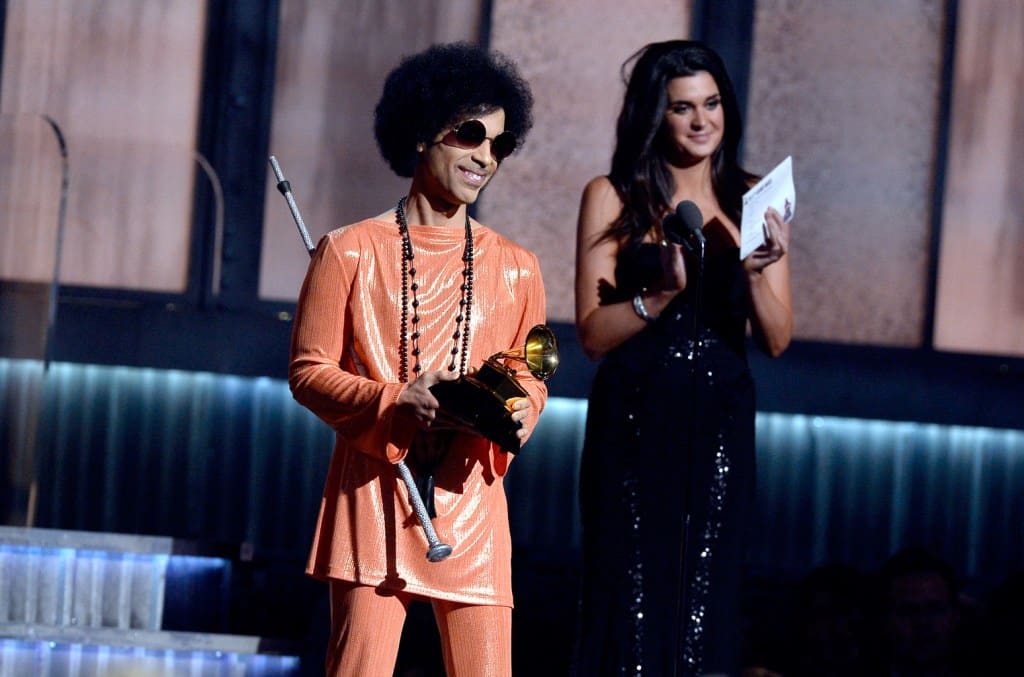
We all know that Prince was a musical genius, but at the Recording Academy’s Special Merit Awards on Saturday (Feb. 1), Jimmy Jam, formerly of The Time, told of other keys to Prince’s success – he was willing to outwork anybody and he could be something of a taskmaster. “He had the best work ethic of anybody I ever met,” Jam said flatly.
Jam recalled workshopping The Time’s 1982 hit “777-9311” (which Prince co-wrote with Morris Day). Prince kept giving Jam notes, pushing him to improve various aspects of the performance and choreography. Some might have chafed at all the notes, but Jam took Prince’s tutoring the right way. “What that lesson taught me was that he saw me as better than I saw myself.” Jam added that he has tried to pass that on. “I want to enlighten other people to their greatness.”

Prince was one of seven artists to receive lifetime achievement awards at this year’s ceremony, which was held at its usual home, the Wilshire Ebell Theater in Los Angeles. Lifetime achievement awards also went to  The Clash, Frankie Valli, Frankie Beverly, Dr. Bobby Jones, Taj Mahal and Roxanne Shante. The trustees award recipients were Erroll Garner, Glyn Johns and Tania León. Dr. Leo Beranek was the Technical Grammy Award honoree.

Trending on Billboard

Several people spoke in the Prince tribute – Prince’s niece Rihanna Nelson (accompanied by her daughter and her twin sons, who wore tuxes with tennis shoes); Jam and Jerome Benton of The Time; Andre Cymone and Bobby Z. of Prince’s backing bands; Prince’s longtime manager/attorney L. Londell McMillan, and Charles F. Spicer Jr., a partner in managing Prince’s legacy.

“He was an advocate for artist rights,” McMillan said. “He didn’t put ‘Slave’ on his face just for fun. He wanted to take a stand.”

Bobby Z. said he met Prince when he was 19. “He was one of the most gifted human beings that ever lived; the greatest entertainer that ever lived,” a line that received applause from the audience.

Several awards were presented posthumously. R&B singer Beverly died in September; Prince and Dr. Beranek both died in 2016; Joe Strummer of The Clash died in 2002; and Garner, the composer of the pop standard “Misty,” died in 1977. The Recording Academy has presented trustees awards since 1967 (classical conductor George Solti and his producer John Culshaw were the first recipients). It’s remarkable that it took the academy 48 years to get around to Garner.

Most of the special merit award recipients every year are advanced in age. This year, four are in their 80s. Valli is 90.

Producer/engineer Glyn Johns, 82, joked about that in his acceptance speech. “Having been notified of this award in November, my main objective has to remain alive until today. Well, I made it!,” he said.

Valli made note of how long it took the Recording Academy to get around to him. Valli has never won a Grammy, on his own or in the Four Seasons, which landed their first three No. 1 hits on the Billboard Hot 100 in 1962-63. “This has been an incredible evening,” he said. “I don’t know what took so long, but that’s the way it goes.”

Chuck D of Public Enemy (which received a lifetime achievement award in 2020) accepted for The Clash. The rapper marveled at the breadth of talent being honored on the night, singling out jazz pianist Error Garner, rock producer/engineer Glyn Johns and rapper Roxanne Shante. He read an acceptance speech from the surviving members of The Clash, which concluded with their thanks to Chuck D for accepting the award for them. “As you heard our voice, we also heard yours,” a nice example of cross-genre respect.

Shante’s 1985 R&B hit “Roxanne’s Revenge,” an answer record to UTFO’s “Roxanne, Roxanne,” was described as the first rap diss track. Shante is 55, making her the youngest of this year’s honorees. Shante said when she learned of her award, she finally felt she had made it. She said when an artist enters the business, they want three things – a record that gets on the Billboard charts, to get paid for it, and to win a Grammy. Now, she said, she has realized all three goals. Shante also paid her respects to Biz Markie, the “Just a Friend” hitmaker who died in 2021 at age 57. “I lost my hip-hop brother,” she said.

Taj Mahal was accompanied by two of his daughters as he accepted his award. He suggested that his path in music may have been pre-ordained. His parents met at a Chick Webb/Ella Fitzgerald concert at the Savoy Ballroom in Harlem in 1937.

Most of the awards were accepted by the recipients, or family members, in the case of the recipients who have died. The award to Frankie Beverly was accepted by his son, Anthony Beverly, and by Ronald “Roame” Lowry, a longtime member of Beverly’s group, Maze. Lowry said that the group’s classic “Before I Let Go” is “the most danceable song about breaking up.”

The award to acoustics expert Dr. Leo Beranek, the Technical Grammy Award honoree, was accepted by his son, Tom Haynes. “My dad accomplished many things, working until he was 87 on concert halls in Japan,” he said. Beranek died in 2016 at age 102.

The academy also presented its music educator of the year award to Adrian L. Maclin of Cordova High School outside Memphis, Tenn., who said when he was a boy his dream was to become an artist and win a Grammy. His path segued into music education and now he has won a Grammy by turning other kids onto music.

The final presentation of the night was the Harry Belafonte Best Song for Social Change Award. This was the third year the award has been presented; the first since it was named in honor of the late singer, actor and activist, whose daughters Gina and Shari Belafonte were present. The award originated as a Special Merit Award but was recategorized as a CEO’s Merit Award.

Iman Jordan, who won for his song “Deliver,” noted that “Nina Simone said that art should reflect the times – and I wasn’t hearing much of that.” He co-wrote the winning song with his father, Roy Gartrell, along with Ariel Loh and Tam Jones.

Many have said that the Special Merit Award ceremony is warmer and more congenial than the following night’s Grammys. But one thing is missing. There are video packages before every presentation, but not a note of live music. If nothing else, the music educator award could include a performance by some of his/her prized pupils, and the winner of the Song for Social Change award could be performed.

Several of this year’s recipients had already received major honors. Prince was inducted into the Rock & Roll Hall of Fame in 2004, received a lifetime achievement award at the BET Awards in 2010, and was honored by the Songwriters Hall of Fame in July 2024 (he had been voted in while he was alive, but scheduling the presentation proved difficult).

Valli was voted into the Rock & Roll Hall of Fame (as a member of the Four Seasons) in 1990, followed by The Clash in 2003 and producer Glyn Johns in 2012. Maze featuring Frankie Beverly received a lifetime achievement award at the BET Awards in 2012. León received a Kennedy Center Honor in 2022.

Lifetime Achievement Awards are presented to performers who have made creative contributions of outstanding artistic significance to the field of recording.

Trustees Awards are presented to individuals who have made significant contributions, other than performance, to the field of recording.

Technical Grammy Awards are presented to individuals, companies, organizations or institutions who have made contributions of outstanding technical significance to the recording field.

André 3000, who’s nominated for album of the year at the 2025 Grammy Awards, will not be in attendance at Sunday’s (Feb. 2) ceremony in Los Angeles.
“Unfortunately, I’m not able to attend the GRAMMYs tomorrow but some of the New Blue Sun musicians, friends and supporters will be in attendance,” he wrote in an Instagram post on Saturday (Feb. 1), not giving the reason for his absence.

André’s instrumental album New Blue Sun competes with Beyoncé’s Cowboy Carter, Sabrina Carpenter’s Short n’ Sweet, Charli XCX’s Brat, Jacob Collier’s Djesse Vol. 4, Billie Eilish’s Hit Me Hard and Soft, Chappell Roan’s The Rise and Fall of a Midwest Princess and Taylor Swift’s The Tortured Poets Department at this year’s awards show. Album of the year is one of the most anticipated honors to be handed out at the Grammys.

Trending on Billboard

New Blue Sun is also up for the Grammy for best alternative jazz album, and the Outkast member’s “I Swear, I Really Wanted to Make a ‘Rap’ Album But This Is Literally The Way The Wind Blew Me This Time” is nominated for best instrumental composition.

In his statement on Saturday, André added, “Our album was conceived and recorded in Los Angeles with the spirit of openness and creative collaboration. We hope that the rebound of Los Angeles is swift and renewing.”

“Congrats to all the musicians and collaborators being acknowledged,” he said. “Keep playing.”

In November, he commented on his nominations during an interview, saying, “I’m just happy to get paid attention to. The awards are nice because you know at that point more people get to listen and pay attention to what you’re doing, so more than anything, that’s what I love about it.” He also noted he’ll be working on new music in 2025.

The 2025 Grammys will be broadcast live on Feb. 2 from the Crypto.com Arena in Los Angeles, starting at  8 p.m. ET/5 p.m. PT. Trevor Noah hosts the 67th annual ceremony.

See his announcement in its entirety below.

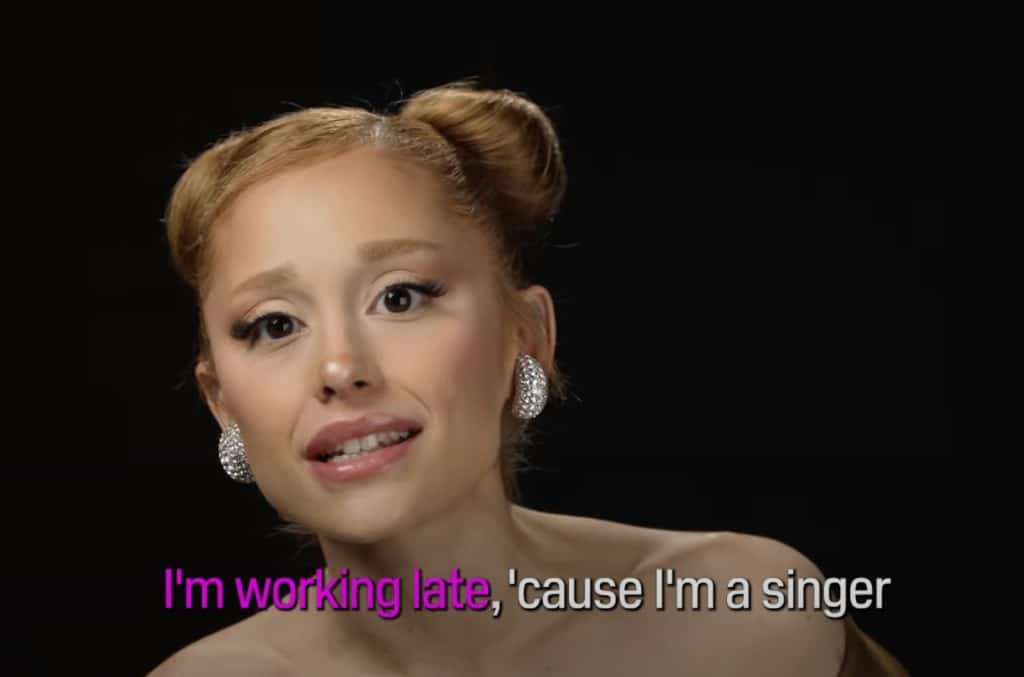
Ariana Grande will happily sing Sabrina Carpenter‘s “Espresso,” in case anyone thought otherwise — or at least do a dramatic reading of the lyrics. “This is ‘Espresso’ by Sabrina Carpenter? What is it doing here?” she asks in a video uploaded by W Magazine on Saturday (Feb. 1), where she’s on an interview set and […]

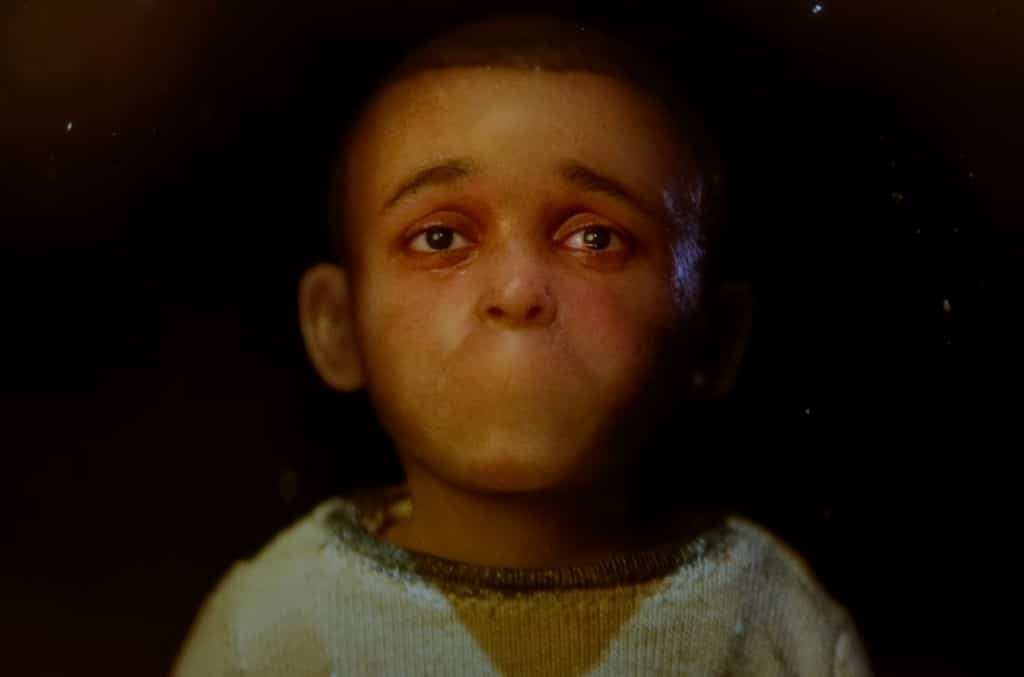
The Weeknd‘s “Red Terror” video sets a disturbing stop-motion scene for the track from Hurry Up Tomorrow, Abel Tesfaye’s new album and the ending to the trilogy that began with Dawn FM and After Hours. A young being experiences an unsettling transformation in what looks like an Upside Down-esque alternate dimension in “Red Terror.” The music video […]

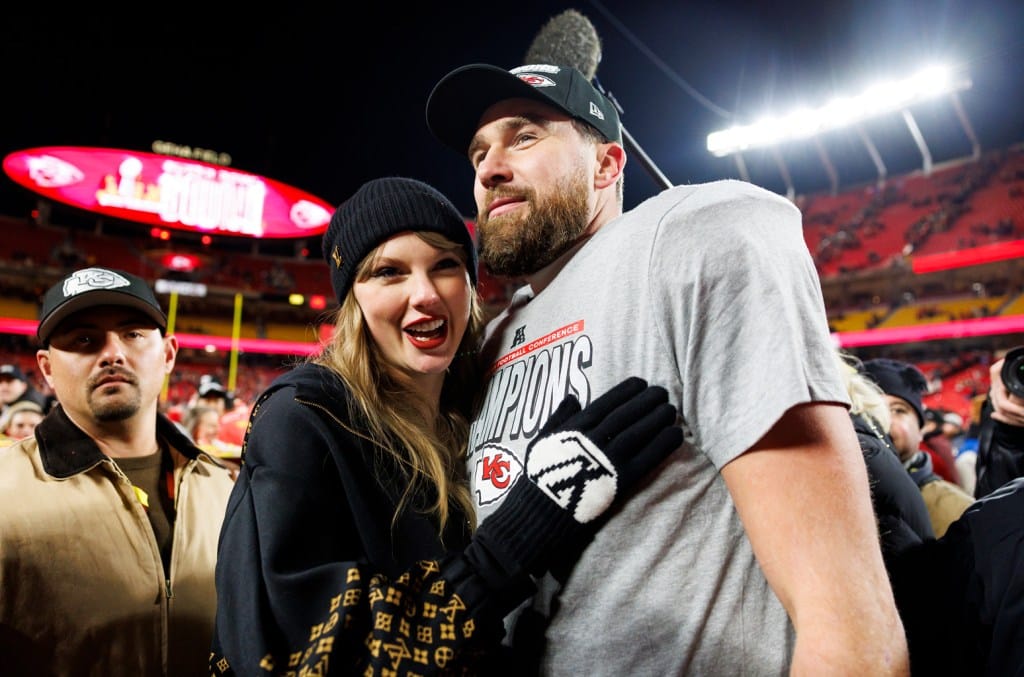
Travis Kelce won’t be attending the 2025 Grammy Awards in Los Angeles to support his girlfriend, Taylor Swift — but he has a pretty good reason.
In the lead-up to the Grammys ceremony at Crypto.com Arena on Sunday (Feb. 2), the Kansas City Chiefs tight end will be practicing with his team ahead of Super Bowl LIX, according to Page Six.

Swift, who will be at the Grammys as a presenter, is nominated in six categories, including the top three — album, record and song of the year. She’s also vying for her fifth album of the year win with The Tortured Poets Department, which topped the Billboard 200 for 17 nonconsecutive weeks.

Meanwhile, Kelce and the Chiefs are gearing up for their Super Bowl matchup against the Philadelphia Eagles on Feb. 9 at New Orleans’ Caesars Superdome. Swift is expected to attend the game, just like she did at last year’s Super Bowl. If the Chiefs win, they’ll become the first NFL team to claim three championships in a row.

Trending on Billboard

Kendrick Lamar will serve as the halftime performer at the game, where he’ll be joined by SZA.

After the Chiefs’ AFC Championship win over the Buffalo Bills on Jan. 26, Kelce celebrated with his mother, Donna, and Swift on the field. In a video shared by the NFL, Swift marveled, “This is so insane,” as she urged Kelce to take in the scene at K.C.’s Arrowhead Stadium. “This is not a real-life situation.”

This marks the second year Kelce won’t be able to attend the Grammys with Swift. In January 2024, he explained on The Pat McAfee Show, “I wish I could go support Taylor at the Grammys and watch her win every single award that she’s nominated for.” He added, “Unfortunately, I’ve got to get ready for this big ol’ Super Bowl we got in a week.”

Last year, just hours after wrapping up her final Eras tour show in Tokyo, Swift flew to Allegiant Stadium in Las Vegas to support Kelce and the Chiefs at Super Bowl LVIII. Following the team’s victory, she and Kelce shared a kiss on the field, and she affectionately watched as he gave a speech to the fans.

Approximately 900 people joined a town hall meeting hosted by Burning Man Project on Saturday (Feb. 1) with the organization’s CEO Marian Goodell, along with other staffers, making myriad announcements regarding the 2025 event, including information regarding a tiered ticketing system with new prices.
The town hall happened after months of fundraising efforts by Burning Man Project — the nonprofit behind the annual gathering in Nevada’s Black Rock Desert and other Burning Man-related initiatives –after it reported a $10 million deficit due, as Goodell explained to Billboard in November, 2024 tickets not selling as forecasted.

The financial issue was compounded when Burning Man 2024 failed to sell out for the first time in many years. In November, Goodell said all ticket tiers saw decreased sales in 2024 and estimated that attendance was down by roughly 4,000. As such, in the latter part of 2024, Burning Man spent months trying to raise $20 million (with 2024’s $10 million deficit added to $10 million the organization typically raises every year) through a subscription program that encouraged Burners from around the world to make monthly donations to Burning Man Project.

Trending on Billboard

In the Saturday meeting, Goodell noted that the organization did not meet this fundraising goal, although she did not announce how much money was raised. (Goodell did note that a December campaign to raise $3 million was a success, and elaborated on the organization’s financial picture in a recent blog post.) She added that Burning Man Project “did manage to reduce our internal spending and budget by 9%… and will continue to tightly manage operating expenses and capital expenses across the organization.”

Goodell and the team then unveiled a revamped ticketing program, with new and updated price tiers. Tickets for Burning Man 2025 will start at $550, with prices scaling up from there — $650, $750 and $950m and more.

Tickets will be sold in three separate public sales, with the first happening on Feb. 12. Tickets in this sale (dubbed the “Today Sale”) will be $550, $650, $750, $950, $1,500, and $3,000, plus applicable taxes and fees. Registration for this sale opens on Monday (Feb. 3), with the sale offering a limited number of tickets available at each price. The Burning Man site notes that “$550 and $650 tickets are expected to sell quickly.” The meeting did not address how many tickets will be available at each price point.

Since 2022, Burning Man’s main sale tickets cost $575, an increase from $475 in 2019. (Burning Man didn’t officially happen in 2020 or 2021 due to the pandemic.) Therefore, many 2025 main sale tickets will be sold at a higher price than in previous years. In the meeting, Goodell emphasized that making new tiers (with ticket tiers previously offering no tickets between $550 and $1,500) provides more pricing options than ever before and “helps keep ticket prices affordable”

Beyond this first sale, the annual Steward’s Sale will happen on March 5, with these tickets going to camps, art installations, art cars, and groups supporting organizational initiatives having access to attending the event. The Stewards Sale has its own ticket price allotments reserved unrelated to other ticket sales.

Another ticket sale (dubbed the “Tomorrow Sale”) will happen at to be determined date and include ticket tiers based on ticketing availability following the “Today Sale.” A final sale (the annual “OMG sale”) will happen in July and offer any remaining tickets across all the price points.

Meanwhile, two new programs  — the “Renaissance Program” and “Resilience Program”  — will debut with the goal of bringing networks and groups to Black Rock City and brings people affected by natural disasters and geographical conflict, respectively. More information regarding these programs will be announced in the coming weeks and months.

Goodell alluded to backlash over the recent fundraising campaign among factions of the global Burning Man community, saying that “with the event selling out every year, we [previously] didn’t need to explain that tickets do not cover the event cost and that philanthropy is needed, but the game has changed, and we should have brought you along better on this journey and we appreciate you sticking with us… We are learning and improving, reducing bureaucracy and red tape, and we hope that you see and feel this in how you engage with us and one another.”

The meeting featured presentations from several members from Burning Man Project, with operations director Charlie Dolman explaining several new processes, including an expedited process to acquire the vehicle passes that allow Burners to drive through the event. Burning Man will also issue new “decommodification guidelines” meant to, as Dolman said, address “cultural issues,” along with a more organized ingress and egress system. (In previous years it’s taken some attendees roughly 12 hours to leave the event.)

“Over the last last few months we’ve gotten a lot of feedback from a lot of people, and I just want to say that we’ve heard you, and honestly even when it’s been uncomfortable we’ve kept our eyes and ears open. We want that feedback,” Dolman said, continuing that “in places we’ve overcomplicated things and we’ve made things too bureaucratic maybe, and that’s no fun. That has all been done with good intention… but also it became not fun, so we needed to course correct.”

Later in the presentation, Goodell also noted a new attempt to push back on costs related to the Bureau of Land Management, with fees from the organization typically coming in at $8 million. “I think we’re going to see some improvements in costs with the BLM,” she disclosed.

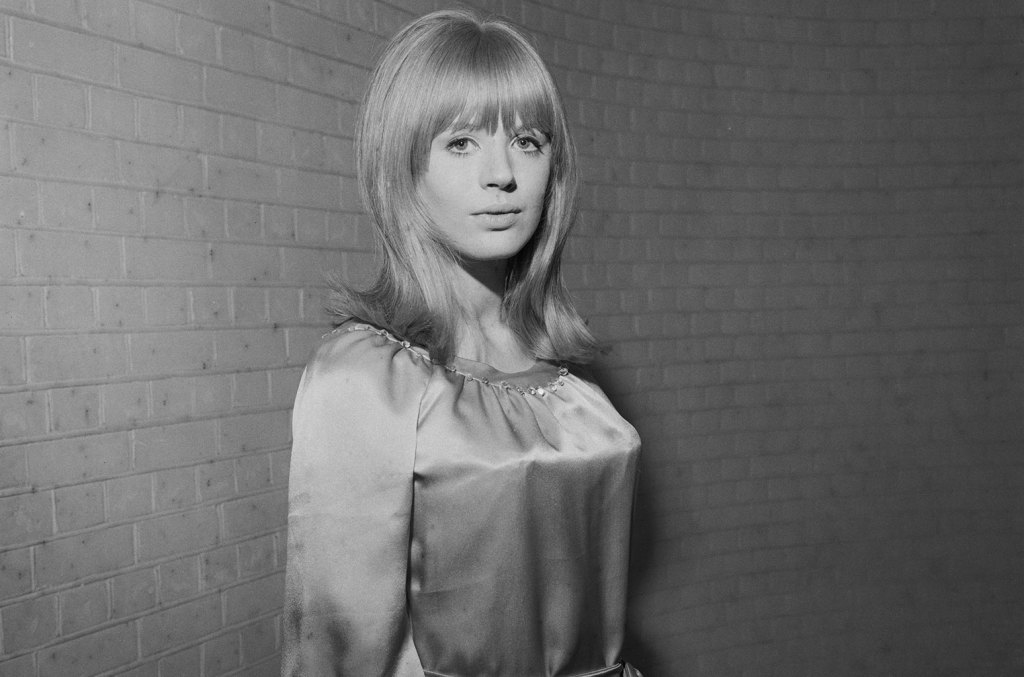
You could tell the story of Marianne Faithfull, who died Jan. 30 at the age of 78, in three recordings — specifically three versions of “As Tears Go By.” The British singer initially recorded the song, one of the first that Mick Jagger and Keith Richards wrote together, in 1964 as a 17-year-old ingénue. Produced by Rolling Stones manager Andrew Loog Oldham, who discovered her at a party, the recording is a brisk, breezy slice of chamber-pop and Faithfull’s vocals are all breathy sweep. Faithfull wrote in her 1994 autobiography that Oldham immediately knew it would be a hit, and it reached No. 9 on the UK Singles Chart and No. 22 on the Billboard Hot 100.

Faithfull returned to the song twice more in the studio: First on Strange Weather, the 1987 album she recorded after struggling with drug addiction for much of the ’70s and ’80s, and then again on the 2018 Negative Capability. Especially in this last version, recorded when she was 71, you can hear both how far she travelled and the toll that hard road took on her. Faithfull was, above all, a survivor — of tabloid coverage of a drug bust where she was found wearing only a fur rug, of a heroin addiction that cost her custody of her son, of years living on the street — but she was never made it look easy. Indeed, her genius was to make it sound as hard as it must have been.

Trending on Billboard

Faithfull, who dated Jagger for years in the late 1960s, began her career as a living symbol of Swinging London, an especially beautiful woman in a scene of beautiful people. She had a glamorous background to match: Her father was a British intelligence officer and her mother was the daughter of an Austrian aristocrat. (She was related to the Austrian nobleman and writer Leopold van Sacher-Masoch, for whom masochism is named, which would have been a great opening line if Faithfull ever needed one.) She was better educated than Jagger, and she introduced him to Mikhail Bulgakov’s The Master and Margarita, which inspired the song “Sympathy for the Devil.”

It’s hard to hear that kind of depth on Faithfull’s first recording, “As Tears Go By,” which came out more than a year before the Stones version. Even by 1964 standards, the song sounds remarkably innocent — it’s pop, without a rock sensibility. In her 1994 autobiography, Faithfull describes it a bit disparagingly as “the Europop you might hear on a French jukebox.” The lyrics are downcast — it’s the evening of the day, she’s watching the children play — but her voice sounds too high and pure to give them much feeling.

The following April, in 1965, Faithfull released two albums the same day — a self-titled pop album and the folk-oriented Come My Way. (The latter album didn’t come out in the U.S.) Within a year, she separated from her husband, John Dunbar, and started dating Jagger. (“I slept with three” Rolling Stones, she said later, “and then I decided the lead singer was the best bet.”) The year after that, she was busted at Richards’ estate with Jagger, Richards and others, wearing only a rug and, she writes in her biography, coming down from an acid trip.

After Faithfull broke up with Jagger, in 1970, her life unraveled — she lost custody of her son, attempted suicide, became addicted to heroin and ended up living on the street in London. She tried to return to singing, with a couple of false starts, including recordings from 1971 that eventually came out as Rich Kid Blues and the 1975 and 1976 country tracks released as Dreamin’ My Dreams and then as Faithless. Finally, in 1979, she recorded her masterpiece, Broken English, a mix of off-kilter dance music and rough New Wave with a punk edge. By then, her voice had worn ragged — lower in pitch, rougher in tone, better suited for more sophisticated songs.

Faithfull recorded two more albums before getting clean in the mid-’80s and, on the 1987 album Strange Weather, finding a deep, world-weary voice that stayed with her for the rest of her career. A dark cabaret sensibility ties together the album, which is all covers, from “Boulevard of Broken Dreams” to “Hello Stranger.” She also revisited “As Tears Go By,” which was released as a single but didn’t chart, in a slower, sadder version. On this version, her voice is deeper, the orchestration darker and sparser. Faithfull now sounds like she’s watching the children play from the distance the lyrics imply, looking at their innocence with hers behind her. She could be looking back on herself singing in 1964 (“Doing things I used to do/ They think are new”). It’s an astonishing reinvention of her earlier hit.

Faithfull spent the rest of her career bringing her deep, weathered voice to various kinds of music — standards by Bertolt Brecht and Kurt Weill, compositions by writers of her generation, and songs written for her by younger musicians who admired her (including Beck and Jarvis Cocker on Kissin Time and Nick Cave and PJ Harvey on Before the Poison). Finally, on Negative Capability, she revisits a few songs she had already recorded — “A Tears Go By,” as well as Bob Dylan’s “It’s All Over Now, Baby Blue” (which she had recorded on Rich Kid Blues) and “Witches’ Song” (on Broken English). All three sound slower, almost strained at times, as though they are harder to for Faithfull to sing than they once were. She turns “Witches’ Song,” powerful and incantatory on Broken English, into a dirge, as though she recognized she was no longer the witch she once was. But the most striking difference is in “As Tears Go By.”

Faithfull’s 2018 take on “As Tears Go By” is a lifetime away from her 1964 hit — literally. Her voice, long since worn, now sounds downright weary — as though she’s singing only with great effort. The production, lush in 1964 and sparse in 1987, is minimal but warm, transparent enough to reveal every tremor in her voice. The song, originally light and airy, now sounds almost funereal, as Faithfull’s voice comes close to cracking. It sounds as though she’s revealing more than she intends to — “It is the evening of the day” has a very different meaning at 71 than it does at 17. The children in the song, once so close, are now only visible from a distance. The 17-year-old ingénue is obscured by a lifetime of hard-won accomplishment and regret. This last version of the song is a harder listen, especially for anyone who has heard the other two, and it wasn’t a single, much less a hit. On it, though, Faithfull took ownership of the song, and her history with it, and with it her remarkable legacy.

Source: Gennadiy Kravchenko / GettyHip-Hop has evolved tremendously in its 50 years of existence. Technology is one of the main factors that help the art form become the beast it is. The music genre is not just known for the hit records and other big moments that kept us talking throughout its 50-year history; it has also impacted our culture in many ways.No music genre affects how we think, dress, talk, eat, drink, and socialize like Hip-Hop does. Its impact is felt not only in the United States but also globally.But to blossom into the billion-dollar behemoth, it is today, Hip-Hop had to undergo an evolution, and technology is one of the main reasons it has become one of the most popular art forms on the planet.From how we party, consume it, reach out to friends, and conduct business to how it is covered, Hip-Hop’s longtime partnership with technology and the advancements in equipment and devices helped push Hip-Hop forward.HipHopWired decided to break down the different ways tech has been involved in the music genre and how it helped shape it into what it is today. From advancements in how music is made to how it’s played and how we enjoy it, from the gadgets your favorite rapper convinced us we just had to have to how we get our news and the latest music videos, technology plays a major key (word to DJ Khaled) in all of that.So hit the gallery below for a brief history of how tech has helped shape and continue influencing Hip-Hop.

1. How Hip-Hop’s Hits Are Made?

Source:Getty
Crafting infectious hits that stay on repeat has evolved greatly in Hip-Hop’s 50 years of existence. 
Before we had drum machines, DJ Kool Herc unknowingly sparked a revolution while spinning records at a house party in 1973 when he added a second turntable to his DJ rig. 
How was the significant? In his book, Hip-Hop Production: Inside the Beats,  Prince Charles Alexander, professor in the Music Production and Engineering Department, explained what Kool Herc was able to accomplish with that decision. 

” “[I]f you had two turntables and a mixer, you could alternate a beat between the two turntables and extend a four-bar musical pattern—you know, that hot break section in the middle of that fly record—you could extend that musical pattern to infinity,” Alexander writes. 
You can listen to a recording of Herc’s innovation on the turntables here. 
We jump to 1979 and the Sugar Hill Gang  showed the world no DJ, no problem. They performed their iconic hit “Rappers Delight” backed by a live band allowing them and the genre to reach bigger audiences the limited DJ experience at the time couldn’t. 
By 1981, with the introduction of the drum machine, Hip-Hop fully embraced technology, expanding the reach of the DJ and putting the genre on the path to commercial success. and opening the door for more rappers and producers to get in the game.
The first three machines Linn LM-1, Roland TR-808, and Oberheim DMX paved the way by providing rappers like Grandmaster Flash and The Furious Five with the tool, the DMX to craft an iconic record like “The Message” which Alexander says helped “change the sound of hip-hop—and eventually, modern music in general.”
The evolution didn’t stop there. The introduction of MIDI (Musical Instrument Digital Interface) which is described as a system or a musical language took things further by allowing all the music tech at the time to work together. 
The MIDI protocol allows computers, synthesizers, controllers, sound modules, sound cards, samplers, and drum machines from different manufactures to speak with each other. A great example of a record that benefited from MIDI protocol was Salt-N-Pepa’s classic “Push It.”
Finally, we reached the Sampler, which allowed producers to take excerpts from other songs and incorporate them into new compositions. Ice Cube’s 1993 hit record, “It Was A Good Day,” which brilliantly sampled “Footprints in the Dark,” by the Isley Brothers  is a great example Sampler being used to perfection. 
Later on down the line “super producers” like Kanye West, Just Blaze and others would take sampling to greater heights.
Then there was Fruity Loops, which was a great tool for entry level producers, and hell, put Soulja Boy on the map, who honestly paved the way for other artists to make it big without a machine (record label) behind them. 

With technology behind making music continuing to innovate and improve, we can only expect the tools to be even better, especially with the introduction of AI which could open the door for more producers and rappers. 

2. How We Consume Music?

Source:Getty
No genre of music was more innovative in releasing its product than Hip-Hop; debate your aunties on that. 
We have come a long way from handing out cassette tapes from car trunks, picking up bootleg CDs on Flatbush Avenue in Brooklyn, and risking our computer’s health while illegally downloading songs off Limewire and Napster.
We are now in the digital age, and Hip-Hop evolved to take advantage of it. To his credit, Mr “First To Do Everything” Soulja Boy definitely was an innovator when he took advantage of the ringtone era, specifically with “Snap music.” Lil Wayne holds the record for most ringtones sold at 5 million with his Tha Carter III banger “Lollipop.”

Ringtones aren’t very common anymore, and if you still use one, you are definitely showing your age. In their place is having your songs played on social media platforms like TikTok or Instagram Reels, which is now helping break new artists in. Whether those artists are good and have staying power is another issue.
Speaking of ringtones, JAY-Z, who was ever so innovative partnered with Samsung to have his album, Magna Carta Holy Grail available to Galaxy S3, S4 and Note II phones owners via an app. 
Hova made history with move as the album went platinum out the gate, thanks to Korean tech giant purchasing 1 million copies of the album and preloading it onto an app for Samsung users listening pleasure. 
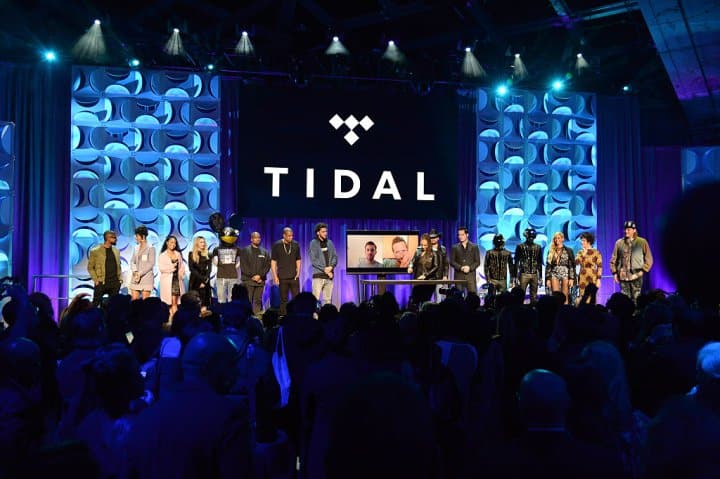
The digital age has also made music streaming huge, and no genre benefits more than hip-hop—services like Spotify, Apple Music, Amazon Music, and Tidal. Speaking of Tidal, JAY-Z led a bunch of artists, including his former homie, Kanye West, Alicia Keys, his wife, Beyonce, and more, to sign onto Tidal, presenting it as an artist-friendly streaming service that would not only supply users with quality sounding music, and experiences but would also ensure artists were getting compensated adequately for their songs being streamed. 
We all know how that played out, JAY-Z sold his majority stake in Tidal, and we have no clue what the other artists involved did. However, the platform is still a thing, and streaming is still massive, with artists like Drake, Kendrick Lamar, Nicki Minaj, and Megan Thee Stallion making dominating DSPs.

3. Reaching Out & Securing The Bag

Source:Getty
One area where Hip-Hop always seemed to set the trend was with communication devices. Before everyone walked around with smartphones in their pockets, your favorite rapper had a pager on their hip, plenty of quarters in their pockets, and access to the nearest payphone to reach out to someone or “secure the bag.”
Yes, we know the absolute struggle.
Before Apple and Samsung, Motorola was the king of the cellphone market. 
Gordon Gekko (Wall Street) and Zack Morris (Saved By The Bell) showed up with the legendary Motorola DynaTac 8000X, sparking interest in owning a phone you could carry around with you all the time. 

Unfortunately, that technology, while groundbreaking, was a bit cumbersome and not all that mobile because, honestly, who’s traveling with that big a** phone? By the 90s, the cellphone shrunk with the arrival of MicroTAC 9800x, the first flip phone on the market. 
Your favorite rappers, like NaS, can be seen “using” the phone in his visual for “It Ain’t Hard To Tell” from his classic album Illmatic. The phone also appears in The Notorious B.I.G’s’ video for “Warning” alongside the Motorola Flare. 
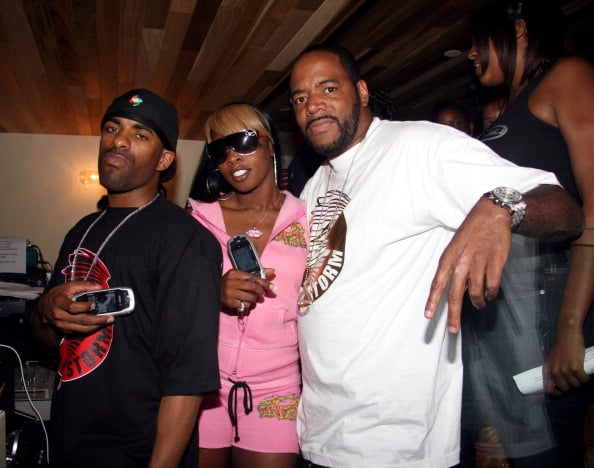
1996, the Motorola Startac came through and shook the building and was eventually one up by the sleeker Timeport. If you were a baller, you definitely also had the matching Motorola 2-Way Pager as seen in the videos for JAY-Z’s “I Just Wanna Love U (Give It 2 Me)” and Fabolous’ “Young’n (Holla Back)”. 
What made the 2-Way Pager even more popular among the Hip-Hop crowd was that songs could easily turned into alerts. One of the greatest 2-Way pager alerts definitely belongs to Cadillac Tah for his banger “POV City Anthem.” 
Eventually, Motorola got sidelined for Nextel and their phones, which featured a popular chirping feature allowing you to contact people via a walkie-talkie instead of wasting those precious phone minutes. 
Nextel wasn’t the only phone service provider to use a walkie-talkie feature. Boost Mobile arrived on the scene with a variation of the technology and took full advantage of the popularity among the Hip-Hop community with its “Where You At” ad campaign, recruiting rappers The Game, Ludacris, and Kanye West for an epic commercial featuring the trio of Hip-Hop stars spitting over West-produced beat. 
Eventually, a device called the Sidekick from Danger Research Inc., founded by three former Apple employees, was exclusively sold through T-Mobile, came through, and completely dominated the space.
The device introduced the idea of mobile internet to the world, allowing people to connect to AIM (AOL Instant Messanger) and T-Mail. The device made plenty of appearances attached to the hips of your favorite MCs, but its most prominent appearance had to be in JAY-Z’s “Excuse Me Miss” video. 
Eventually, Sidekick’s dominance ended, and the Blackberry, once just a tool for Wall Street regulars, businessmen, and women, became popular in the culture. This was precisely because BBM Messenger was introduced before the iPhone ate Blackberry’s lunch and made it obsolete.

4. Covering The Culture

Source:Getty
The way Hip-Hop is covered has also drastically changed over the years. Initially, Ralph McDaniels was our ears to the streets, keeping us up to speed on what was happening in the culture through his iconic show Video Music Box.
MTV eventually came around with YO MTV Raps!, which initially only aired on MTV Europe from 1987 to the mid-90s and MTV US from August 1988 to August 1995. 
Fab 5 Freddy was the original host before Dr.Dre and Ed Lover took over on weekdays, with Fab 5 Freddy holding down hosting duties on the weekends. 

BET would have its own Hip-Hop-orientated shows with Rap City hosted by Big Tigger, which is blessed with some classic freestyles and BET Uncut.
Then came the internet and the “Blog Era,” with websites like Missinfo.TV, RapRadar, UHeardTheNew, Hip Hop Since 1987, 2DopeBoyz, NahRight, AllHipHop, HipHopDX, and more kept us up to date with all that’s going on in the world of Hip-Hop daily because no longer were reporters just confined to a desk, they could report on events, concerts and other shenanigans on the spot if the situation called for it. 
But that has all changed again. While websites like ours are still alive and kicking, Podcasts and now Twitch streams have taken over. 
The late Combat Jack, born Reggie Ossé, was the pioneer and widely considered to be Hip-Hop’s flagship podcaster with the Combat Jack Show. Other shows like the Joe Budden Podcast, Rap Radar, Drink Champs, Juan EP Is Life, and more fill the void left by Combat Jack’s passing. 
Also, technology now allows anyone to turn their smartphones into podcast recording devices, so a studio isn’t even necessary. All you need are microphones and plastic cups to pour whatever you and your guest are going to be sipping during your conversation about the latest song, rap beef, or other Hip-Hop-related news. 
Finally, streamers are also getting into the game thanks to platforms like Twitch and other networks that will rename nameless. Currently, Kai Cenat’s Twitch stream is becoming the go-to spot for your favorite Hip-Hop acts, or if you want some “insight” on the latest shenanigans, DJ Akademiks is also popular, unfortunately. 
The game is changing, whether the old heads like it or not, so it’s time to adapt or get left behind. 

Justin Timberlake is getting some birthday love from his wife. On Friday (Jan. 31), the pop superstar celebrated his 44th birthday, and Jessica Biel showered him with a heartfelt message on social media.

Explore

Explore

See latest videos, charts and news

See latest videos, charts and news

“Another year to make memories that I keep sacred in my heart,” Biel, 42, wrote on Instagram. “Another year of joy and challenges being a parent with you. Another year together being curious and creative in the world. Another year growing and evolving and sometimes devolving, with you. Another year laughing about it all. Happy birthday my love.”

The 7th Heaven alum’s post featured a gallery of photos showcasing the couple and their children over the years. The carousel begins with a candid shot of the couple sharing a loving glance under a red archway, followed by a throwback of the “Cry Me a River” singer and Biel embracing.

Trending on Billboard

Other highlights include a nighttime shot of Timberlake grinning in front of the Eiffel Tower and a festive Halloween photo of the family dressed in Lego-inspired costumes.

Biel and Timberlake, who have been married since 2012, share two children: Silas, 9, and Phineas, 4.

Timberlake’s *NSYNC bandmates also sent birthday wishes. “HBD fam! We gonna keep stacking throw backs!” JC Chasez posted on his Instagram Story alongside a pair of nostalgic photos.

Lance Bass also celebrated his friend, writing on Instagram: “Happy birthday to my brother @justintimberlake! Wouldn’t put ramen noodles on my head for anyone else.” He shared several photos of the pair, including a clip of himself wearing blond curls while singing Timberlake’s iconic line, “It’s Gonna Be Me.”

“Why are we acting like you ain’t go crazy frosting them tips?! 😂 love you, brother!” Timberlake replied in the comments.

In October, Timberlake and Biel marked their 12th wedding anniversary. Timberlake acknowledged the milestone during his Forget Tomorrow World Tour at Montreal’s Bell Centre, where Biel was present.

“It’s also a very special evening for me,” Timberlake told the crowd, as Biel stood on the side of the stage. “My wife is here tonight. And tonight is our 12-year anniversary.” He added, “So be nice to her, Montreal, because she’s sharing me with all of you guys tonight. I love you, baby.

Biel shared the sweet moment on her Instagram Story, writing, “Wouldn’t want to spend it anywhere else.”

“The Grateful Dead are a lot of things. I would venture to say they are the great American band,” declared Andy Cohen at the opening of MusiCares Persons of the Year annual gala on Friday night (Jan. 31) at the Los Angeles Convention Center.
You’d be hard pressed to find any disagreement among the 2,000 or so Deadheads — whether for a lifetime or just for the night — who danced and sang along to the music of the band, who is celebrating its 60th anniversary this year.

Though there had been some question whether it was appropriate for the evening to proceed as planned given the wildfires that have ravaged parts of Los Angeles County, leaving almost 30 dead and more than 22,000 households destroyed, Recording Academy CEO Harvey Mason jr quickly addressed the disaster and the way MusiCares has helped already  at the beginning of the evening.

Trending on Billboard

MusiCares, the Academy’s philanthropic arm that provides financial aid and other services to those in the music community, “launched a relief effort, raising and distributing almost $4 and a half million dollars in grants to over 2,000 affected music professionals,” he said. “Throughout the Grammy weekend, we’ll continue to raise awareness and funds, celebrate first responders and support this city, so as we begin the 2025 Grammy weekend, there’s no better honoree than the Grateful Dead.” (Though the final numbers aren’t in from the evening, MusiCares executive director Laura Segura said during the night that more than $5.2 million had been raised from a paddle auction with the Dead’s Weir donating $100,000 and comedian Bert Kreischer giving $25,000.)

What a long, strange trip it’s been for the Dead, who were represented by guitarist Weir and drummer Mickey Hart, as well as the late Jerry Garcia’s daughter, Trixie, and the late Phil Lesh’s son, Grahame. (Drummer Bill Kreutzmann joined in via video.) Hart and Weir sat together at a front table taking in the 16 performances feting them with Hart often smiling broadly and swaying along while Weir appeared more stoic, though appreciative.

MusiCares, whose past honorees have included Bruce Springsteen, Tom Petty, Gloria Estefan, Bonnie Raitt and last year’s Person of the Year, Jon Bon Jovi, always provides a stellar evening of music and a chance to hear interpretations of the honoree’s catalog filtered through the musicians chosen to fete them. This year was no different. With a crackerjack band led by Don Was that included members of Goose, Dead & Company and Grahame Lesh, a number of performers made the Dead’s uniquely genre-blending sound into their own.

Among the most pleasing performances were those tributes performed by co-ed duos, which brought a refreshing, feminine energy to some of the songs. The War and Treaty opened the evening, accompanied by Mick Fleetwood and Stewart Copeland, to provide a sassy, playful “Samson and Delilah,” once again proving that there’s no musical style that Michael and Tonya Trotter can’t tackle (They, Sammy Hagar and Marcus King were the only three artists who had performed last year for Bon Jovi who appeared again Friday night).

The War and Treaty were followed by My Morning Jacket, who were joined by a very pregnant Maggie Rose for a funky “One More Saturday Night,” as Rose and MMJ lead singer Jim James’ voices wrapped around each other. Lukas Nelson and Sierra Farrell took to the circular rotating B-stage in the middle of the floor for a gorgeous, intertwining “It Must Have Been the Roses,” which felt like a collaboration album must be inevitable. Farrell, sporting a beautiful rose and ribbon headpiece and red velvet gloves, clearly understood the assignment.

Then there were those acts that felt like descendants of the Dead, who put their own stamp on their performances while still hueing closely to  the jammy sounds of the originals.  Best of the bunch were Zac Brown and Marcus King who united for an exhilarating “Bertha,” while Vampire Weekend brought a lilting airiness to “Scarlet Begonias.” Dwight Yoakam’s version of “Truckin,’” a song he cut nearly 20 years ago, provided a delightful psychobilly turn, while Billy Strings’ “Wharf Rat” and The War on Drugs’ “Box of Rain” (played with Grahame Lesh) both paid homage, while adding their own colors.   

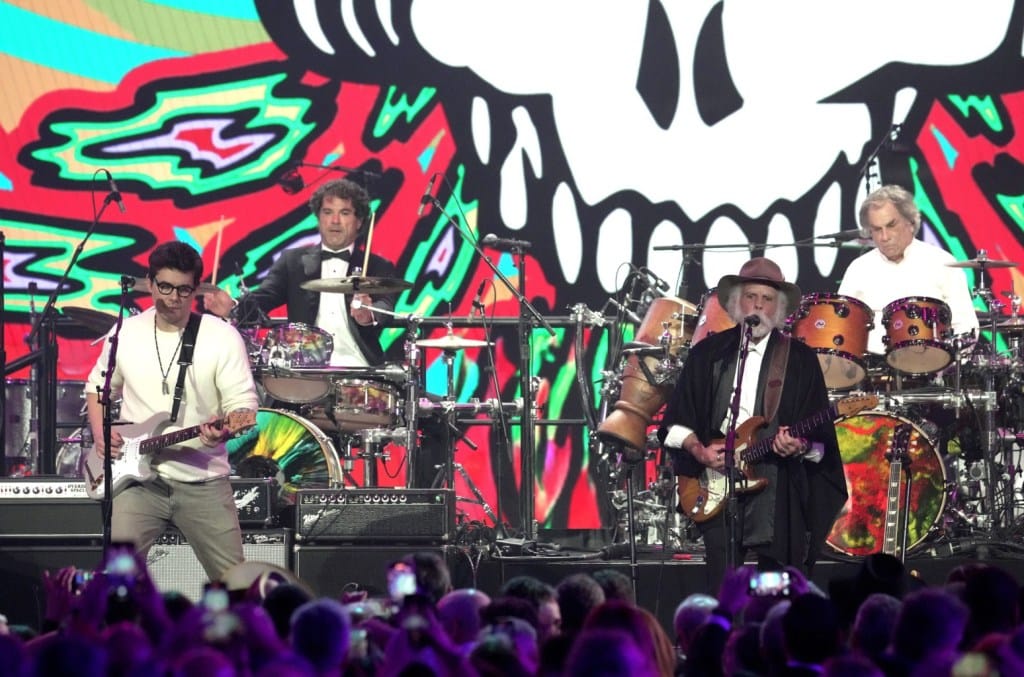
Former and current Dead associates also provided highlights: Bruce Hornsby, who played with the Grateful Dead as keyboardist from 1990-1992 following the death of Brent Mydland, turned in a delicate, intimate take on “Standing on the Moon,” while John Mayer soared on “Terrapin Station.”

The varied selection dove deep into the group’s canon and while there’s no way to cover every tune, signature songs like “Casey Jones,” Shakedown Street” and “Uncle John’s Band” went undone often in favor of lesser-known tunes.

Actor and longtime fan Woody Harrelson presented Hart and Weir with their award, humorously recalling his adventures with the group, including “smoking a fatty with Jerry in a bathroom of the vice presidential mansion and the band getting the boot by a very angry Al Gore.”

Hart picked up on the story adding that the event occurred on his daughter’s first birthday, with Gore even presenting her with a cake, but then segued into how the Grateful Dead’s mission has always been communal.  

“For me, music’s always been more than just sound. It’s a force, a healer. But music doesn’t exist in a vacuum,” he said. “Music needs a community to play to. And in turn, a community needs its music. We know the power of community because we’ve lived it. Deadheads have kept the dream alive for 60 years now and continue to take this music into the next century.

“The Grateful Dead has always been more than just music,” Hart continued. “It’s about the people who believed in it, supported it and built something bigger than any one of us before the world even knew what to make of us. Our community lifted us up and kept us going. Without their support, there would be no Grateful Dead… [Music] soothes the soul, raises our consciousness and gives us strength when we need it most, because at the end of the day, that’s what it’s all about — giving back the very thing that’s given us so much.”

Following Hart, Weir took the stage and tied in the evening with the devastating Los Angeles fires. Growing up, Weir said he would spend his summers at camp, which evolved into a summer job as a ranch hand, “which as it turns out, was the only real job I’ve ever had outside of music,” he said. “But in all of this, I learned early on that you’re gonna get a lot more done a lot faster if you can make a team effort of your tasks… What we have here in SoCal these days is a rebuild that’s gonna take some time & effort — and an immense amount of teamwork. My guess is it’s gonna take a few years, but SoCal will be back, stronger and shinier.”

Hart also addressed the Grateful Dead’s long legacy of helping others. “All along, my old pal Jerry used to say, ‘You get some, you give some back.’ And so we did. From early on it was more than apparent to us that we could be of substantial benefit to our broader community — and have big fun doing it. We also learned right away that it was an honor and a privilege to be in this position — something we never took lightly… That brings us back to MusiCares, a beacon of hope in the music industry that provides financial assistance, mental health resources, recovery programs and other support to artists and music technicians facing challenges. Their work ensures that the people who make music — from behind-the-scene professionals to household names — will be able to carry on.”

To close the evening, Dead & Co took the stage for a medley of a Mayer-led “Althea” and then “Sugar Magnolia,” and the band’s only top 40 hit, 1987’s “Touch of Grey,” with Weir on lead for the latter two.  It was a tuneful, upbeat set with “Grey’s” “We will get by/ We will survive” refrain serving as the perfect benediction for the night and a reminder that no matter how challenging times get, whether from fires and illness and other obstacles, there is, hopefully, a brighter road ahead.

Check out the Grateful Dead’s MusiCares setlist below:

“Samson and Delilah” (The War and Treaty with Mick Fleetwood and Stewart Copeland)

“One More Saturday Night” (My Morning Jacket with Maggie Rose)

“Ripple” (Norah Jones)

“Bertha” (Zac Brown and Marcus King)

“Ramble on Rose” (Wynonna Judd)

“Friend of the Devil” (Noah Kahan with Bela Fleck)

“Scarlet Begonias” (Vampire Weekend)

“Truckin’” (Dwight Yoakam)

“They Love Each Other” (Maren Morris)

“It Must Have Been the Roses” (Lukas Nelson and Sierra Farrell)

“Wharf Rat” (Billy Strings)

“Loose Lucy” (Sammy Hagar)

“Standing on the Moon” (Bruce Hornsby with Rick Mitarotonda)

“Box of Rain” (The War on Drugs)

“Terrapin Station” (John Mayer)

“Althea/Sugar Magnolis/Touch of Grey” (Dead & Company)