State Champ Radio
 tech
Page: 5
All products and services featured are independently chosen by editors. However, Billboard may receive a commission on orders placed through its retail links, and the retailer may receive certain auditable data for accounting purposes.
Trending on Billboard
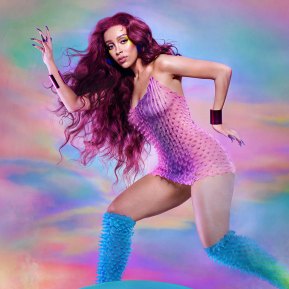
Doja Cat and Teyana Taylor just made Ray-Ban’s latest Meta glasses look ultra cool for the brand’s “You Ain’t Seen Nothin’ Yet” global campaign.
The tech meets fashion style both musicians donned is a second generation product for the brand, utilizing Meta capabilities to bring audiences something straight out of the future. It only makes sense that both Doja and Taylor were tapped for this occasion. Both parties are exceedingly fashionable, with their proverbial fingers always on the pulse of what’s hot and trending.
Explore
See latest videos, charts and news
Stylishness aside, the collaboration is rather timely for both artists, with Doja just dropping her latest album Vie and Taylor dropping Escape Room, her fourth studio album after a five-year hiatus. The glasses worn by both stars in the campaign can be purchased right now on Ray-Ban’s website and retail for $379.
Ray-Ban Meta Wayfarer Gen 2
A second-gen Meta-powered glasses.
If you haven’t already gotten yourself a pair of Ray-Ban Meta glasses, the accessory is what is classified as “smart glasses.” The eyewear is a blend of Ray-Ban’s classic and ultra-chic style with technology, allowing users to do all sorts of things, from take photos and videos, listen to music, make calls and interact with AI assistant features all hands-free.
The Gen 2 style now comes in new colorways and silhouettes that can be applied to the glasses on Ray Ban‘s website. The new model also features major improvements from the OG including a longer battery life, a 3K Ultra-Wide 12MP camera for UHD video capture and advanced Meta AI tools including Hyperlapse, which allows users to capture sped-up, smooth time-lapse videos hands-free, Slow Motion, which captures video with a slower frame rate and Live Translation, which gives users real-time audio translation with AI voice cloning.
As we get closer to the holiday season, we’d like to think that these glasses would make a great gift, especially for the tech wiz in your life. They’re practical, given they’re glasses, and functional thanks to the Meta AI tools. Ray-Ban frames are also extremely stylish and of great quality, made to last for years to come. The quality and attention to craftsmanship explain the price tag. It’s more of an investment piece rather than a standard accessory. Think of it like buying a super fancy iPhone or laptop, but for your face. It has all the same bells and whistles, all built into a portable package. Don’t just take it from us. If they’re a favorite of Doja and Taylor, they’re probably a great fit for your loved ones, too.
Getty Images / NBA 2K League
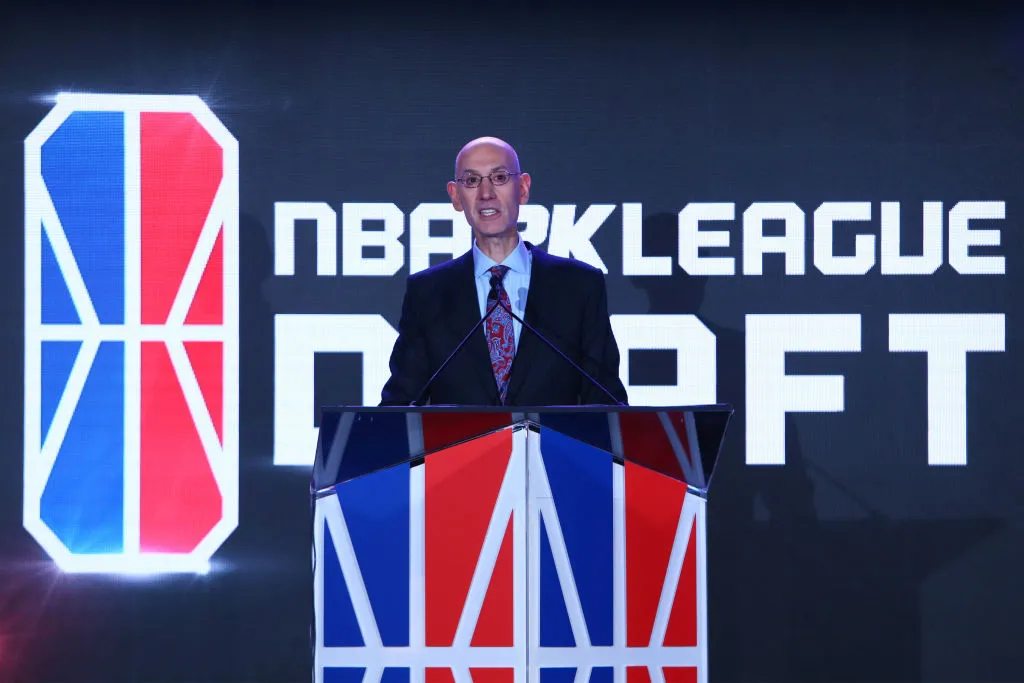
The NBA 2K League, the eSports organization tied to the NBA 2K video game franchise, is back—but this time, it’s boasting significant changes.
NBA Take-Two Media announced the relaunch of the NBA 2K League, which will now focus on entertainment and online content.
The new NBA 2K League will highlight creators and NBA players who will battle it out on the sticks throughout the season.
NBA 2K players, don’t worry, you haven’t been forgotten. There will also be an open ladder competition for fans.
Love Hip-Hop Wired? Get more! Join the Hip-Hop Wired Newsletter
We care about your data. See our privacy policy.
NBA players will now be able to be involved in the NBA 2K League because of NBA Take-Two Media’s new multi-year partnership with the National Basketball Players Association.
NBA Take-Two Media, an entertainment company formed earlier this year by the professional basketball league and Take-Two, focuses on eSports and online social content.
Sticking to that focus, you can expect to see various creators throughout the season, including honorary commissioner Jess’ Jesser’ Riedel, a popular sports YouTube creator with over 35 million followers.
The 2K League Will Feature Six Teams
The new season will feature six teams: Boston Celtics, Detroit Pistons, Memphis Grizzlies, Toronto Raptors, Utah Jazz, and Washington Wizards.
Each team will be represented by duos featuring content creators and NBA players who participate in various challenges throughout the year.
The league’s revamp was first teased by the NBA 2K League back in July. The decision to switch things didn’t come without some bad news: a significant number of staff lost their jobs, according to Dexterto.
“With the new 2K League, we’re building an entirely new type of entertainment universe that blends competition with content,” said Andrew Perlmutter, CEO of NBA Take-Two Media.
“Filled with wild, wacky, unpredictable and emotionally resonant moments, we’re extending the immensely popular world of NBA2K beyond competitive gaming and will show fans who their favourite athletes and creators are off the court.”
Lookout For These 2K League Events
The new season of the NBA 2K League will start with a new reality series called MyPlayer Mayhem that will be a combination of competitiveness and entertainment.
You can catch the first episode on November 5 on the NBA 2K League’s YouTube channel, with new episodes dropping every week.
MyPlayer Mayhem will conclude with two live tournaments on Twitch from November 8 to 9th and November 15 to 16th, 2025.
Next Fan Up, the 2K League tournament, begins on November 16 and will offer NBA 2K players who think they are good enough to compete with creators and NBA players.
Those participating in Next Fan Up will have the opportunity to represent an NBA team of their choice by climbing the online ranks through gameplay and social media challenges.
Getty Images / Soulja Boy / SouljaGame Flip
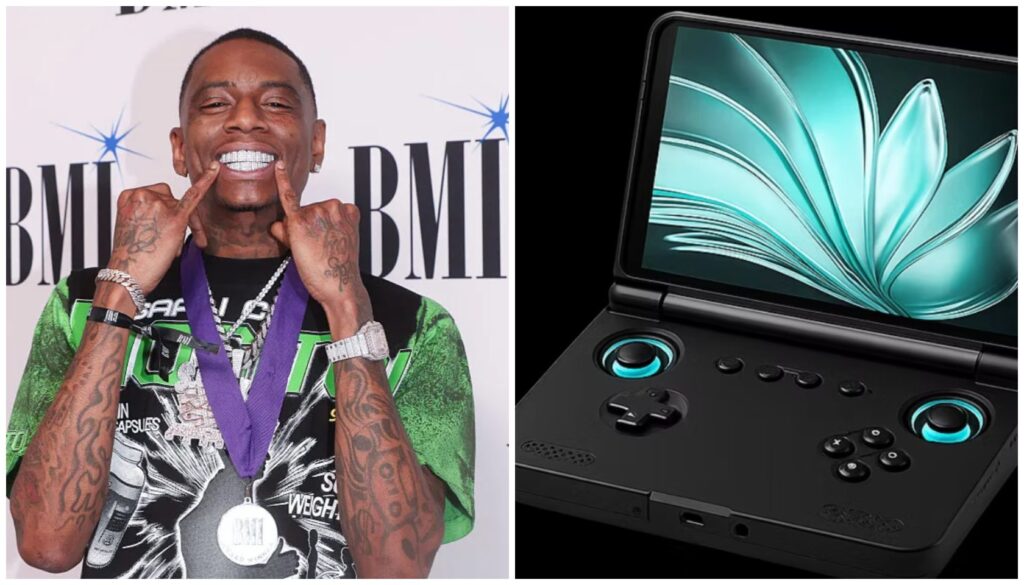
Soulja Boy is back with his console-copying shenanigans. The rapper is being accused of stealing Retroid’s flow, bar-for-bar, with his newly released SouljaGame Flip console.
We at HHW Gaming are always rooting for everyone Black, especially for significant accomplishments like releasing your own gaming console.
However, we can’t get behind jacking another company’s whole design and then partaking in price-gouging by selling that same fugazi console for a ridiculous price.
That’s precisely what DeAndre “SouljaBoy” Cortez did with his SouljaGame Flip console, which is a blatant ripoff of Retroid’s Retroid Pocket Flip 2.
Aside from ripping off the Pocket Flip 2’s design, what sets Soulja Boy’s retro handheld apart from Retroid’s device is the ridiculous $435 price tag, which is double the Pocket Flip 2’s $210. In the comment section of Soulja Boy’s post, one person said, “Not a single gamer buying this. Especially at that price.”
Another commenter wrote, “Play some games on it. Where’s the gameplay? Is it an emulator??? Rather get a Steam Deck for less that does more.”
The “Turn My Swag On” crafter did share videos in his story of him playing 50 Cent’s Blood In The Sand video game on the device, and Grand Theft Auto: San Andreas while doing other things like “making beats.”
Still doesn’t justify the price he was charging for the device, and he has since marked the console down to $200, Kotaku reports.
Retroid Immediately Responded Regarding Soulja Boy’s Fugazi Handheld
Soulja Boy’s grift was first reported on by Retro Dodo, which quickly reached out to Retroid about the console. A representative for the company responded, “I didn’t know about this,” the site reported. “This is not any kind of official licensing deal. He does not have permission to rebrand our products and sell them as his own. The Retroid Pocket Flip 2 is patented in the U.S by ourselves.”
So that means he can be swiftly sued if Retroid wants to apply pressure.
It wouldn’t be the first time Soulja Boy gets pressed by a gaming company. Nintendo, which is infamous for suing people for ripping off its property, went after the rapper for selling a Soulja Boy-branded emulation console preloaded with Nintendo ROMs.
After hilariously saying Nintendo wouldn’t sue, he changed his tune, telling his followers on X (formerly Twitter), “I had to boss up, I didn’t have a choice,” after Nintendo threatened him with legal action.
Soulja Boy needs to chill, unless he wants to be the first rapper sued by a video game company.
You can see more reactions below.

Rockstar Games / Grand Theft Auto
Rockstar Games, the developer of the highly anticipated game Grand Theft Auto 6, is being called out following the firing of 30 employees at its UK and Canadian offices.
Bloomberg reports that after Take-Two, the parent company of Rockstar Games, stood behind the firings, claiming the former employees were “for gross misconduct,” the Independent Workers’ Union of Great Britain (IWGB) is singing a different tune, accusing the game developer of “union busting.”
According to Bloomberg’s report, the fired employees were all either current union members or working to organize at Rockstar, and were also members of the same private Discord group.
IWGB is calling CAP on Take-Two’s Claims
The IWGB reacted to the latest developments, writing on X:
“This is the most ruthless act of union busting in the history of the UK games industry. Yesterday, @RockstarGames fired over 30 employees for union activity. We won’t back down, and we’re not scared – we will fight for every member to be reinstated.”
In a statement sent to Bloomberg’s Jason Schreirer, IWGB president Alex Marshall categorizes described Rockstar’s firings as “flagrant contempt for the law and for the lives of the workers who bring in their billions is an insult to their fans and the global industry.”
Take-Two Fully Supports Rockstar Games’ Decision
Take-Two company spokesperson Alan Lewis issued a statement on the matter:
“We strive to make the world’s best entertainment properties by giving our best-in-class creative teams positive work environments and ongoing career opportunities. Our culture is focused on teamwork, excellence, and kindness. Rockstar Games terminated a small number of individuals for gross misconduct, and for no other reason. As always, we fully support Rockstar’s ambitions and approach.”
Well, the news isn’t sitting well with the gamer social media. We don’t expect this to kill the hype surrounding GTA 6. However, people are still not feeling that Rockstar Games can allegedly fire employees who are trying to unionize during some trying times in the gaming industry.
You can see those reactions below.

Trending on Billboard
Music Artists Coalition (MAC), a nonprofit dedicated to advocating for music creators, has responded to Universal Music Group’s new AI deal with Udio, asking questions about how artists will be compensated. “We’re cautiously optimistic but insistent on details,” said Jordan Bromley, leader at Manatt Entertainment and board member of MAC, in a press release put out by MAC on Friday (Oct. 31).
The UMG-Udio deal, which was announced Wednesday night (Oct. 29), is multifaceted. First, it involves a “compensatory” legal settlement for UMG, which sued Udio last summer, along with the other major music companies, for copyright infringement of their sound recordings during Udio’s training process. (Sony and Warner’s lawsuit against Udio is ongoing.)
Related
It also provides go-forward licensing agreements for UMG’s recorded music and publishing assets, which is said to open up a new revenue stream for the company and its signees who decide to opt in. Those artists and songwriters who participate will be compensated for both the training process of the AI model and for its outputs, according to a source close to the deal.
As part of the agreement, Udio plans to pivot its offerings significantly. In 2026, the company will launch a new platform “powered by new cutting-edge generative AI technology that will be trained on authorized and licensed music. The new subscription service will transform the user engagement experience, creating a licensed and protected environment to customize, stream and share music responsibly, on the Udio platform.” This will include new tools that let fans remix, mashup and create songs in the style of participating UMG artists. It will also allow fans to use UMG artist voice models.
Opting into the Udio deal is not a one-size-fits-all approach. According to a recent interview with Udio CEO Andrew Sanchez about the deal, the company “[has] built and invested an absolutely enormous amount into controls. Controls over how artists’ songs can be used, how their styles can be used, really granular controls…One of the things that you’ll see is we’re going to launch with a set of features that has a spectrum of freedom that the artist can control.”
Related
One area that Sanchez and UMG’s announcement about the deal did not provide clarity on was how exactly participating artists will be compensated. This is why MAC put out a press release on Friday (Oct. 31) asking exactly what is going on — and noting the organization is only “cautiously optimistic” about the agreement.
As Irving Azoff, top artist manager, entrepreneur, board member and founder of MAC, put it in the announcement: “Every technological advance offers opportunity, but we have to make sure it doesn’t come at the expense of the people who actually create the music — artists and songwriters. We’ve seen this before — everyone talks about ‘partnership,’ but artists end up on the sidelines with scraps. Artists must have creative control, fair compensation and clarity about deals being done based on their catalogs.”
The press release goes on to say that while MAC appreciates that the deal is “opt-in” and with “granular control,” the organization still has questions, which are quoted below:
“Meaningful consent: How do artists actually control what uses they authorize? What happens when multiple songwriters or performers on a single song disagree about participation?”
“Revenue splits: What percentage of revenue goes to artists versus the label versus the AI company when their music is used to train models or generate new works?”
“Data and deal transparency: Was settlement money paid? How will that be distributed to artists? Will artists’ pay-outs for a new revenue stream just be applied to old unrecouped balances? Will artists see exactly how their work is being used within the AI system and have ongoing visibility into its use?”
Related
“Artist opt-in sounds promising, but participation without fair compensation isn’t partnership; it’s just permission,” said Ron Gubitz, MAC’s executive director, in the press release. “Artists create the work that makes these AI systems possible. They deserve both control over how their work is used and appropriate compensation for its value generation. It’s the three C’s: consent, compensation, and clarity.”
“The music industry is at a crossroads,” Gubitz added. “The decisions being made right now will shape how music gets created, distributed, and monetized for decades to come. That’s exactly why MAC exists — to ensure artists have a seat at the table when those decisions are made.”
Bromley added: “True partnership requires appropriate oversight and remuneration for all involved parties. The industry needs to get this right — for artists, for fans, and for the future of music itself.”
Trending on Billboard
On Wednesday night (Oct. 29), Universal Music Group (UMG) and AI music company Udio announced they had reached a strategic agreement. Importantly, this agreement not only settled UMG’s involvement in the massive copyright infringement litigation the major labels brought against Udio and another AI music company, Suno, last summer, but also paved the way for the two companies to “collaborate on an innovative, new commercial music creation, consumption and streaming experience,” according to the announcement.
Related
The newly revamped version of Udio is set to debut in 2026, and it will feature fully-licensed UMG sound recordings and publishing assets that are totally controlled by UMG — but only those from artists that choose to participate.
Here, Billboard looks at the deal more deeply and answers some questions that have arisen in the wake of the first-of-its-kind agreement.
Why did UMG and Udio decide to come together and settle this week?
It’s hard to know exactly what happened behind closed doors, but reports that the major music companies had been in talks to settle with Udio — and Suno, which was also sued in a nearly identical lawsuit by the majors — have been circulating since this summer, making it relatively unsurprising to hear that at least one deal has been finalized.
One clue as to why there was incentive to settle here comes from a recent Barclays Research report on the majors’ lawsuits against the AI music firms, which stated that it could be “prohibitively expensive to lose” for Udio, much more than Suno, given the two firms had raised $10 million and $125 million, respectively, at the time the report was published on Tuesday (Oct. 28). Even a tough settlement, the report states, “would likely only mean the disappearance of Udio.”
The timing of the press release about the UMG-Udio deal also arrived the night before UMG’s Q3 earnings call, which took place yesterday (Oct. 30). The company has a history of announcing big news just before earnings calls in general, including one instance when UMG reached an agreement with TikTok the night before earnings in 2024 after a three-month standoff.
Related
What exactly will this 2026 version of Udio entail?
The new version of Udio will feature a number of tools to allow users to remix, mash up and riff on the songs of participating UMG artists. Users will also be able to create songs in the style of participating artists and use some artists’ voices on songs.
According to Udio CEO Andrew Sanchez, who spoke to Billboard just after the deal was announced, “[Udio is] going to involve all kinds of AI models, like a base model… The best way to explain it, [is it] will have sort of like flavors of the model that will be specific to particular styles or artists or genres. And this, again, provides an enormous amount of control.”
How can UMG artists and songwriters participate, and can they get paid for that?
Yes, UMG artists and songwriters will be remunerated for participating in Udio. According to a source close to the deal, this will include financial rewards for both the training process of the AI model and for its outputs. The details of exactly how that payment will work beyond this are unclear. Sanchez declined to answer a question about whether the model uses attribution (tracing back which songs in a training dataset influenced the outputs of a model) or digital proxies (a selected benchmark, like streaming performance, used to determine the popularity of songs in a dataset against others overall) as a way to determine payment — two of the most often proposed methods of AI licensing remuneration.
This answer is also made more complicated when considering the breadth of AI tools Udio plans to offer on its service. Importantly, artists can pick and choose exactly which Udio tools they “opt-in” to: “We’re going to launch with a set of features that has a spectrum of freedom that the artist can control,” Sanchez said. “There are some features that will be available to users that will be more restrictive in what they can do with their artists or their songs. And then there will be others that are more permissive. The whole point of it is not only education but just meeting artists at the levels they’re comfortable with.”
Related
Who is the target audience for the newly revamped Udio?
According to Sanchez, it’s fans: “We want to build a community of superfans around creation. As we say internally, it’s connection through creation — whether that’s with artists or that connection with other music fans. We want to lean into that. I think it’s going to be a huge asset for artists and fandoms.”
Are Sony and Warner still pursuing their lawsuits against Udio?
Yes, for now. UMG’s settlement and deal with Udio does not impact Sony Music and Warner Music Group’s lawsuit against Udio for widespread copyright infringement. While some industry onlookers posit that Sony and Warner are more encouraged to settle now that UMG is no longer pursuing litigation against Udio, there’s no indication that these companies are definitely planning to do so yet.
Why are some Udio users upset about this deal?
By doing this deal with UMG, Udio has agreed to a major pivot in its offering to users. Currently, the site is known for helping users make songs from simple text prompts, which they can then export and upload to streaming services, share on social media — or whatever they want to do.
Users are particularly upset because, as part of this deal with UMG, Udio immediately removed its users’ ability to download their work from the service. Angry subscribers gathered on a subreddit to complain. “This feels lie an absolute betrayal,” wrote one user. “I’ve spent hundreds of $$$ and countless hours building tracks with this tool,” wrote another. “No one warned us that one day, we wouldn’t even be able to access our own music. You can’t just pull the plug and call that a ‘transition.’”
Related
In a statement to Billboard on Thursday (Oct. 30), an Udio spokesperson said that disabling exports on the platform is “a difficult but necessary step to support the next phase of the platform and the new experiences ahead.” On Friday (Oct. 31), Udio relented slightly, writing on Reddit that starting Monday (Nov. 3), the platform will give users a 48-hour window to download their existing songs — and that any songs downloaded during that time will be covered by the terms of service that existed before the UMG deal was signed.
The move to restrict downloads in the long term may prove to be more than just an inconvenience for users — Udio could also be hit with legal claims over it. There could be arguments made that disabling downloads was a breach of the subscription contract that Udio signed with users, or that Udio falsely advertised its services in violation of consumer protection laws. It wouldn’t be the first time this has happened in recent memory: Just last year, Amazon Prime users brought claims like this over changes to the cost of ad-free movie and TV streaming for subscribers.
JUNG YEON-JE / Xbox
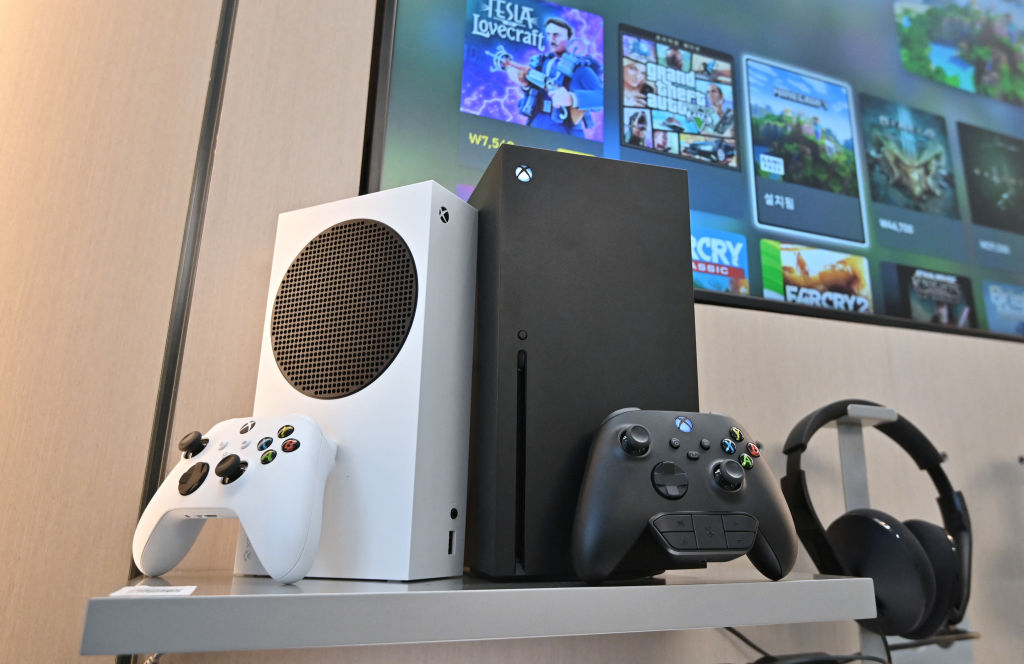
Given recent news about the state of the Xbox Series S and X consoles, it shouldn’t come as a surprise that Xbox’s hardware sales continue to nosedive.
Microsoft shared its Q1 2026 earnings, revealing that Xbox hardware revenue was down 29 percent year over year.
This latest financial news paints a bleak picture for the hardware division, as the numbers keep getting worse rather than better. Last quarter, hardware sales were down 22 percent, down 29 percent for the first two quarters of 2025, and down 42 percent in Q4 of 2024.
Things will only get more challenging as the company also has to contend with Donald Trump and his blatant abuse of tariffs, which have forced Microsoft ot make some unpopular decisions like raising the price of the Series X console to $599.
Love Games? Get more! Join the Hip-Hop Wired Newsletter
We care about your data. See our privacy policy.
The company has also implemented a new strategy with its “Xbox everywhere” initiative, which promotes the idea that any device that can play its games in the cloud is an Xbox.
Microsoft’s gaming division has also begun ditching the idea of exclusive games and, basically, conceded the “console wars” when it announced that Halo: Campaign Evolved, a remake of the first game in the franchise, is coming to the PlayStation 5.
Despite all the dire news about hardware sales, Microsoft is not out of the console business yet. The company just released two new handheld devices in partnership with ASUS, the ROG Xbox Ally and Xbox Ally X.
Company heads like Xbox President Sarah Bond and CEO Satya Nadella have also begun teasing the next Xbox console, sharing that it will be a premium, high-powered PC/gaming console experience that will most likely include multiple storefronts, like Steam.
We shall see what the future holds for the company.

Trending on Billboard
On Wednesday (Oct. 29), Universal Music Group came to a landmark agreement with AI music company Udio. The deal ends UMG’s involvement in the lawsuit against Udio, which it filed last summer with the two other major music companies — Sony Music and Warner Music Group. In the lawsuit, the labels accused Udio of infringing on its copyrighted sound recordings to train its AI music model, which can generate realistic songs in seconds.
Wednesday’s deal went beyond a “compensatory” legal settlement for UMG and Udio, as stated in the press release; it also provides licensing agreements for UMG’s recorded music and publishing assets, creating a new revenue stream for the company and its signees. Participating UMG artists and songwriters will be rewarded for both the training process of the AI model and for its outputs, according to a source close to the deal.
Related
The deal also means that Udio will significantly revamp its existing business. In 2026, Udio and UMG plan to work together to launch a new collaborative platform that will combine music creation with streaming capabilities. According to the press release, the new platform will be “powered by new cutting-edge generative AI technology that will be trained on authorized and licensed music. The new subscription service will transform the user engagement experience, creating a licensed and protected environment to customize, stream and share music responsibly, on the Udio platform.”
The source close to the deal says that Udio users will not be able to export works made within Udio’s forthcoming platform. Instead, they can enjoy their creations within the service, which will be geared towards superfans.
To talk about the new deal, along with Udio’s plans for 2026, Billboard got on the phone with Udio CEO Andrew Sanchez minutes after the deal was announced. You can read the Q&A below.
What was the turning point in negotiations with UMG when you felt like both companies could actually become partners?
Sanchez: We share a really similar vision about what we want to do. The thing that I think is going to be the most extraordinary thing for the music industry in general is when people can do things with their favorite artists and their favorite music. Actually, I think that we had agreements with UMG across the board on this. We said, “Look, we want the human to be centered in this. We want the AI to empower human creators. And we also think, by the way, that that’s actually going to really expand the market.” There actually was a lot of — we had a philosophical alignment on that throughout the whole process. And then the question was, it’s incredibly complex. It’s not something [where] we can pull something off the shelf. We had to actually walk through and figure out how it would all work, and that’s just based on time.
How long did your negotiations with UMG last?
Many months.
One of the things that I thought was really interesting in the press release about this deal is that it notes that Udio will be a “creation, consumption and streaming” destination. Right now, I think of Udio as a place for creation. Can you provide more insight about your vision for this forthcoming 2026 platform with UMG that will do it all?
You’re a keen reader. We believe there’s an incredibly exciting market that combines creation and consumption, both of human-generated songs and of AI-generated songs. We are building a platform that is going to allow you to engage in both of those activities, because that’s where we think the market and users want to go. By the way, we also think that’s the way that artists are going to benefit from this enormously. Because if you can go and you can do stuff with your favorite artists, make a song in their style or remix [a] favorite song, you’re also going to listen to their own music. And we want to be able to meet the users and provide them one place to do that.
It sounds like some of the capabilities you’ll provide with this new platform include mash-ups, remixes and speed controls of existing music. There’s already a few things on the market that do these sorts of things — MashApp, Hook and even Spotify sounds like it’s working on tools like that. How will you make Udio stand out from the pack?
There’s a couple of ways. It’s not just remixing and mashing up. It’s also creating in the style of artists with their opt-in. There’s a huge amount of desire for this, and we know that when we do this the right way with the artist, a huge amount of value will be made for the fan and revenue for the artist.
If I were to say I want to make a pop ballad in the style of Taylor Swift, I can now do that because it’s all licensed?
Well, I don’t want to get specific with artists. It’s their choice, but yeah, in the new service, you would be able to do that, and you’d be able to make extraordinary music. I mean, our model is already really powerful. You can imagine what it’s like when you get to do it directly with the artist’s input and their voice and style, and then the artist gets to benefit from that in multiple ways. They get the financial upside from it. They can increase their brand. And the user gets to go deeper in their connection with you as a fan.
Can users export what they make in Udio to streaming services now?
Not now. That’s an important component of this deal. As we’re entering this transition period, when we’re building out our new models and functionality, you’re not able to have songs leave the platform.
Sony and Warner still have active lawsuits against Udio. Are you confident that they will come to the table now that you’ve reached a deal with UMG?
This is something I need to pass on answering.
There are three parts to this. You have your “compensatory” deal with UMG that settles the lawsuit. Then you also have licenses with UMG on the publishing and recorded music side for this future Udio platform. Does this first part mean you are now retroactively paying UMG for the licensing of their recordings for training data?
To be honest, I think I’d be a little bit over my skis on this, and there’s a lot of legal complexity around that. I don’t think I’m in a position to actually speak about that directly.
Now that you have publishing and recorded music licenses in place with UMG, how does the process of compensating participating artists work? Are you doing a system of attribution or digital proxies for payment?
I wish I could give more details about this right now, but it’s something that we have a clear plan for. This is a trade secret for the moment.
Given this past history with this lawsuit, I imagine that a number of artists will be hesitant about opting in and working with your team. How do you plan to reassure UMG artists who might be hesitant but are interested in diving into AI?
So I think the way to do this is to say you have control, right? We’re very clear about this: If you want to participate, that’s great. If you’re unsure about participating, call me, I’ll sit down with you, and we will talk about it. Call Universal. They’ve been working and thinking about this alongside us. We’ve built and invested an absolutely enormous amount into controls. Controls over how artists’ songs can be used, how their styles can be used, really granular controls. And I think that the way for artists to become comfortable with this is to just talk to me or anyone on the team, and we can walk them through what’s possible.
One of the things that you’ll see is we’re going to launch with a set of features that has a spectrum of freedom that the artist can control. There are some features that will be available to users that will be more restrictive in what they can do with their artists or their songs. And then there will be others that are more permissive. The whole point of it is not only education but just meeting artists at the levels they’re comfortable with.
I think this is something that, when done right, can bring an enormous amount of interest and fan engagement. By the way, data is a huge thing for artists. So imagine that you’re an artist, you’re a hip-hop artist, people are on the platform, and 60% or 70% of them are remixing your songs or using your style in a country song. That’s amazing information that we will provide artists in the back end. They’re going to have this new insight into what people like and want. And I also hope that will inform their own music making.
Interesting. So it sounds like artists aren’t just doing a blanket opt-in here. It’s more granular, and artists can pick and choose what they want to say yes to?
One hundred percent. I also think what we’ll see is, artists at different points in their career are going to also have different views on this — when they’re trying to break, and they want to get their name out there, you know, versus when they’re at the peak of their career. We are ready to learn about that, and we’ll meet them where they’re at.
Since this is a destination for creation and streaming, it feels like an interactive product. Do you have any plans to integrate social features into this, too?
Yeah, for sure. I think that we want to build a community of superfans around creation. As we say internally, it’s connection through creation — whether that’s with artists or that connection with other music fans. We want to lean into that. I think it’s going to be a huge asset for artists and fandoms.
So this platform will now include artists’ voice models, correct?
It’s going to involve all kinds of AI models, like a base model, and then we will have a specific…it’s hard to describe. The best way to explain it, [is it] will have sort of like flavors of the model that will be specific to particular styles or artists or genres. And this, again, provides an enormous amount of control.
Who is your ideal user base for this, since it’s a departure from what you’re doing right now?
I think our ideal user is a passionate music fan who maybe hasn’t created yet, but has the impulse to do so. And if they’re given tools, or they’re given experiences that are straightforward, and they’re given a community that they can engage with, they’re going to want to go deeper. I think that people are going to create songs, or there’ll be songs for you made by people in the communities that you love. I think it’ll be an interesting combination of creation and consumption. I think it goes towards people who are just deep music lovers, who want to go further than is possible today, further than is possible on any of the normal forms of music consumption that we have right now.
Now that Udio is moving forward with this partnership with UMG, I’m wondering, how do you feel this deal can help differentiate the direction that Udio is going in versus Suno, since so many people have lumped the two companies together for so long?
I think that we’re clearly building into a totally new space. I mean, what I’ve described to you isn’t even a question of Udio versus other players. Today, we are breaking new ground on a market that combines new forms of AI and artist interaction — creation and consumption. We’re making a new market here, which we think is an enormous one. I think that we’re already incredibly differentiated just today, just by saying all of this.
Anything else to add?
Partnership is absolutely vital to doing this. This has to be done with artists and songwriters and rights holders, and we are super thrilled about this announcement today, and we want to do this with other artists across the board. So we’re ready to build alongside the entire user community.
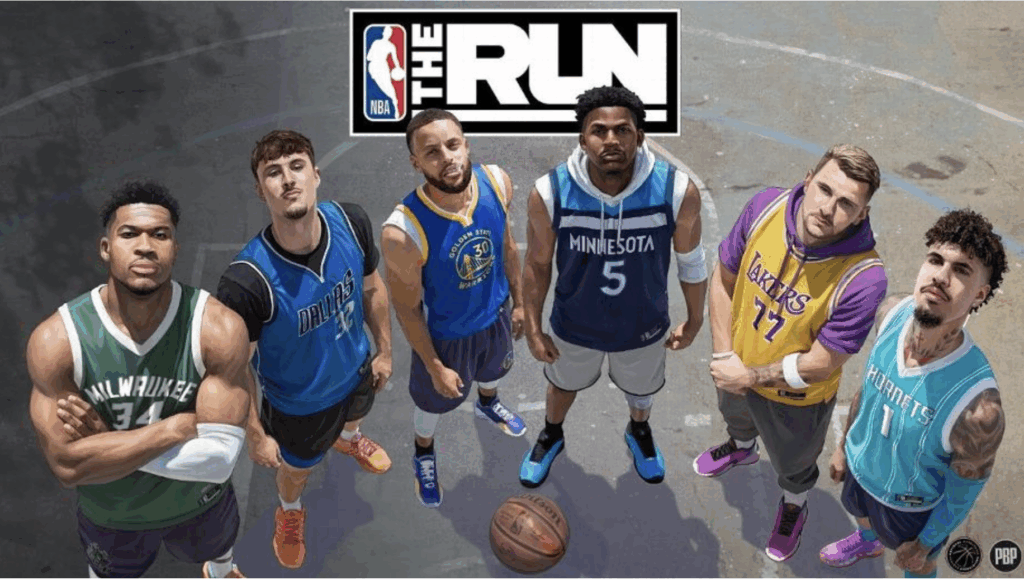
Play By Play Studios / NBA The Run
Gamers have been screaming for the return of NBA Street. Now, former developers of the long-dormant video game franchise look to answer those cries with NBA The Run.
Play By Play Studios, which is comprised of former EA Sports developers, has secured both official NBA and NBPA licenses for its new game, NBA The Run.
NBA The Run will serve as a spiritual successor to EA Sports Big’s iconic 3v3 basketball game, NBA Street, and its equally, if not more popular, sequel, NBA Street Vol . 2.
Before the game landed NBA and NBPA licenses, it was known simply as The Run: Got Next in 2024 and was only going to feature original characters. Now players can look forward to playing street-style basketball using their favorite pro hoopers like Giannis Antetokounmpo, Steph Curry, Anthony Edwards, and even Cooper Flag.
Speaking with Brian Shea of Game Informer, studio founder and CEO Scott Probst touched on learning that he and his team were not alone in their love and appreciation for arcade-style streetball basketball games.
“We didn’t know; we were working in the shadows,” Probst told Game Informer. “We were making The Run: Got Next before it was licensed, and we didn’t really know. We had this sense that players would love this and players would still want it, and I think the reaction that we got was bigger and better than we actually thought it was going to be.”
NBA The Run Will Utilize Rollback Netcode
What made NBA Street so popular among gamers was its coop couch play, sparking many a battle between friends.
NBA The Run hopes to recapture that same energy, but with online crossplay, while using rollback netcode, which fighting games use to reduce the impact of ping differences in multiplayer sessions and level the playing field.
Bobbito Garcia, who handled the play-by-play in NBA Street, is in talks to return to NBA The Run when it launches on PC, PS5, and Xbox Series X|S in 2026.
The reception to the game has been lukewarm, with many asking why not just bring NBA Street back?
We’re gonna hold judgment until we get hands-on with the game. Who knows, NBA The Run could be a banger.
Peep more reactions below.
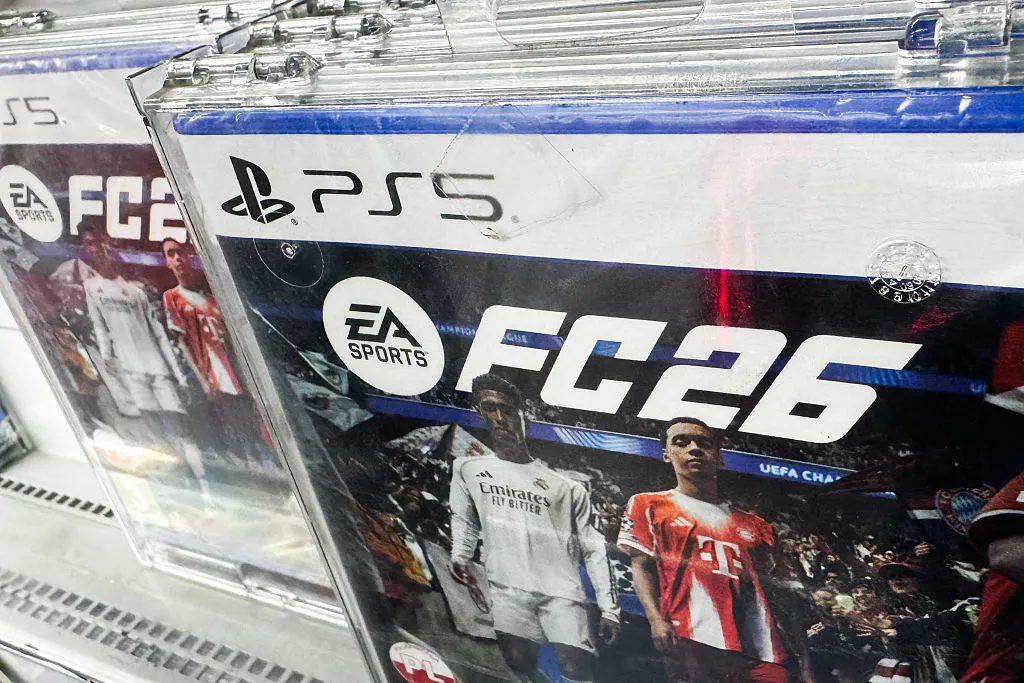
NurPhoto / Electronic Arts
After being acquired and on the verge of going private, Electronic Arts saw its sales fall 13% year over year in the July-September quarter, according to its latest earnings report.
The company announced it will also stop holding quarterly Q&A calls between analysts and EA leadership, something it has done for years, and will no longer share forward-looking financial guidance.
Variety reports the company’s decisions could be tied to the $55 billion acquisition deal that will see the Saudis and Jared Kushner’s Affinity Partners and Silver Lake Group take control of the video game developer.
The Sept. 29 acquisition hasn’t been completed yet, but is on track to be completed by next spring.
Per Variety:
Love Games? Get more! Join the Hip-Hop Wired Newsletter
We care about your data. See our privacy policy.
Wall Street forecast earnings per share (EPS) of 35 cents on $1.87 billion in revenue for the quarter, according to analyst consensus data provided by LSEG. EA reported non-GAAP diluted EPS of 54 cents on $1.82 billion in net bookings ($1.84 billion in revenue).
That net bookings figure was down 13% from the $2.1 billion in net bookings EA posted from July-September 2024, which EA attributes to especially strong sales for “College Football 25” at that time.
Despite sales falling, EA CEO Andrew Wilson expressed optimism in a letter sent to shareholders.
“Across our broad portfolio — from ‘EA Sports’ to ‘Battlefield,’ ‘The Sims,’ and ‘skate.’ — our teams continue to create high-quality experiences that connect and inspire players around the world,” Wilson said. “The creativity, passion, and innovation of our teams are at the heart of everything we do.”
We shall see if that optimism remains if the sales numbers don’t improve.