State Champ Radio
 News
Page: 481
HipHopWired Featured Video
Source: Variety / Getty
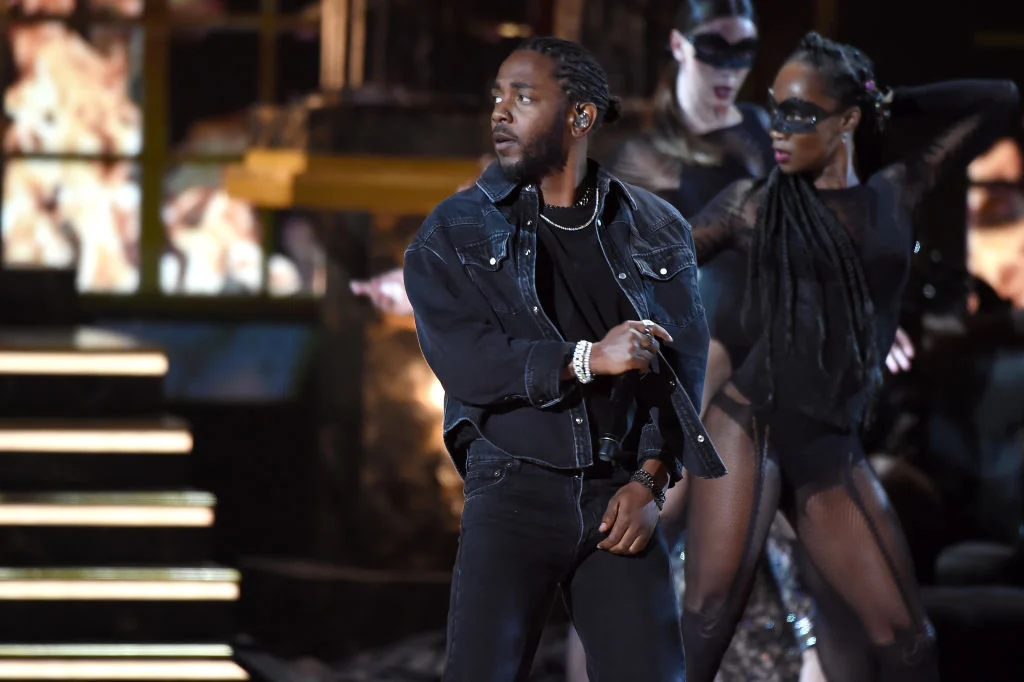
t is clear Kendrick Lamar had a banner year in 2024. He leads the nominations for the 25th BET Awards with 10 nods.
As spotted on Deadline, Kendrick Lamar is poised to be the man of the hour at the 2025 BET Awards. On Wednesday (May 7), the television network announced the nominations for their upcoming ceremony and K-Dot locked in 10 nods throughout several categories. His nominations include Album of the Year for GNX, Video of the Year for “Not Like Us,” three Viewer’s Choice Award slots for “Not Like Us,” “Luther,” featuring SZA, and “Like That” with Future and Metro Boomin. He is also up for three Best Collaboration awards for “Like That,” “30 for 30,” and “Luther,” featuring SZA. He is also up for Video Director of the Year with his frequent collaborator Dave Free, and Best Male Hip Hop Artist.
While Kendrick is the front-runner some of his Rap colleagues will also have the opportunity to have a big night. Doechii is also nominated six times with her Alligator Bites Never Heal mixtape up for Album Of The Year, Video of the Year and Viewer’s Choice Award for “Denial is a River,” BET Her for “Bloom,” Best Collaboration for “Alter Ego” featuring JT, and Best Female Hip Hop Artist.Drake is also up for Best Male Hip Hop Artist, Album Of The Year for $ome $exy $ongs 4 U with PartyNextDoor, Video Of The Year for Family Matters, Best Group, Best Male R&B/Pop Artist, and Viewer’s Choice Award for “Nokia.”
The 2025 BET Awards will stream live Monday (June 9), on BET at 8 p.m. ET/PT hosted by Kevin Hart.
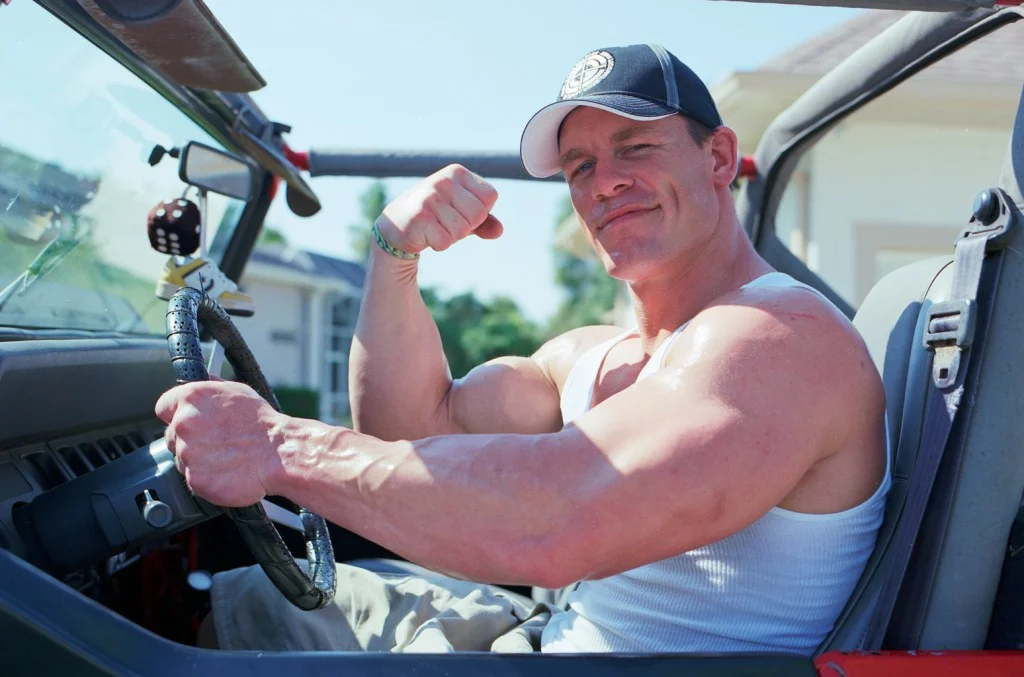
When John Cena dropped his 2005 debut album, You Can’t See Me, critics wondered if the wrestling powerhouse had more brawn than bars. What began as a perceived gimmick evolved into a two-decade-long run, marked by unfiltered charisma, sharp wit and unshakeable confidence. Sure, his popularity and in-ring dominance made him box office gold, but when he unleashed his mic skills — especially over Jake One’s soulful beats — Cena cemented himself as the godfather of the rap-wrestling crossover.
Explore
See latest videos, charts and news
See latest videos, charts and news
Released on May 10, 2005, You Can’t See Me — a collaboration with his cousin, fellow rapper TradeMarc — debuted at No. 15 on the Billboard 200, also reaching No. 3 on Top Rap Albums — proof Cena had real appeal on the mic. Even while locking up with heavyweights like Triple H, Randy Orton, and The Undertaker each week, Cena carried that same grit and resilience into the booth. On tracks like “Just Another Day” and “If It All Ended Tomorrow,” Cena’s raw candor and introspection made him surprisingly easy to root for. As he raps on the latter: “You the new kid, now you gettin’ some shine/ When every vet sayin’ that it’s not yo’ time/ My hustle is non-stop and it’s not yo’ grind/ Plus I hear very clear, I’m not so blind.”
And though Cena was dubbed WWE’s Superman, his rap heroics on You Can’t See Me became every critic’s kryptonite. His bravado and swagger leglocked the doubters into submission. The album’s title track became his armor — its hook both a taunt and a shield — as he swatted away skepticism with a single phrase: “You can’t see me.” The song became both a gift and a curse: a champion’s anthem and rallying cry, but also a punchline for detractors who turned it into an easy jab, diminishing Cena even as he continued to dominate.
Now on his final lap as a professional wrestler, Cena’s recent partnership with Travis Scott — rap’s latest generational leader — speaks volumes about his influence across both arenas. WWE is in the midst of a renaissance, with pop culture once again reinvigorated by its presence. Hip-hop’s footprint in the ring is larger than ever: WaleMania just celebrated its 10th anniversary at WrestleMania, while wrestlers like Montez Ford and Trick Williams proudly showcase their rap chops with original music, and genre superstars like Drake, Metro Boomin, Lil Yachty, and Quavo now flood wrestling arenas with the same fervor and excitement as the everyday diehards beside them. Much of this stems from Cena’s early efforts to meld both worlds — what began as a desperate bid to save his WWE career ended up bridging a gap between music and wrestling, one that remains tightly connected to this day.
And while we may never get another album from the 48-year-old multi-hyphenate, You Can’t See Me still deserves a spin — for everything it gave to hip-hop, wrestling, and pop culture at large.
It’s Walton Goggins’ world, we’re just living in it. The actor who has been on a red hot streak lately thanks to his dual over-the-top roles in The White Lotus and The Righteous Gemstones is hosting Saturday Night Live this weekend and things are, honestly, off to a rough start.
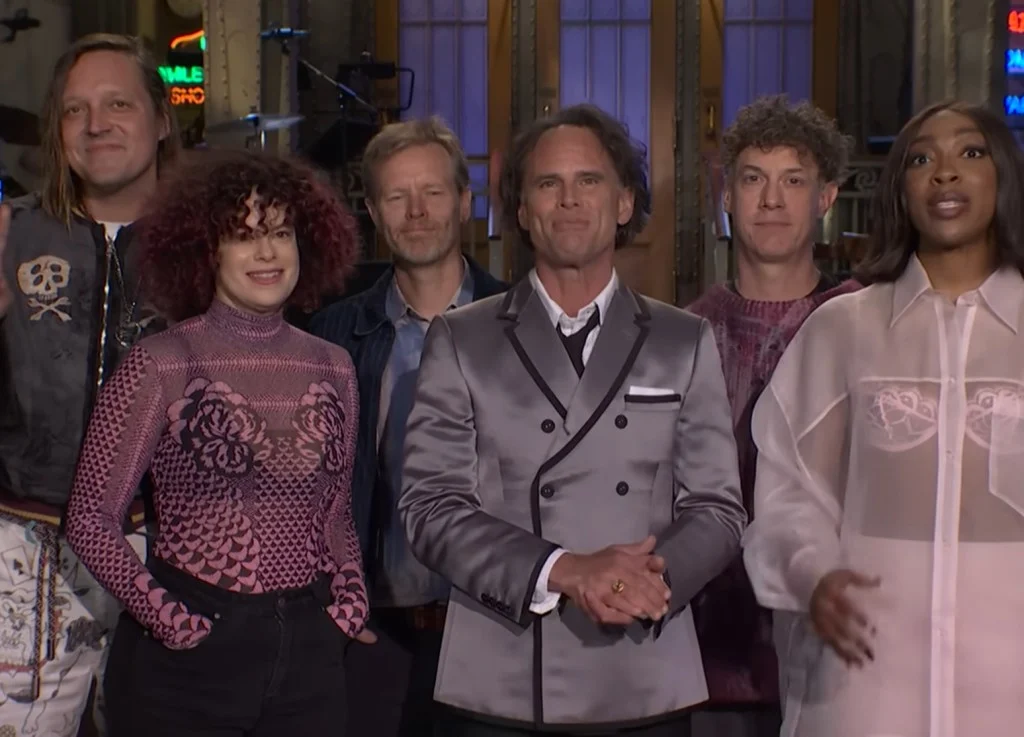
In one of the promos for Saturday’s (May 10) show, the veteran character actor gets a little taste of what it’s like to be super recognizable, for… something. “I’m Walton Goggins and I’ll be hosting SNL this week with musical guest Arcade Fire,” Goggins says. Cast member Ego Nwodim can’t hold in her excitement, fangirling to Goggins that she loves his “music.”
“I… what… you think I’m Arcade Fire?” Goggins says a bit peeved. “Oh shoot, my bad,” Nwodim replies, embarrassed. “You thought Walton Goggins was four people?,” the host huffs while surrounded by members of the band. “We hung out at the Met Gala! Also, I literally said my name at the beginning of this!”
Not willing to endure the indignity any longer, Goggins says “screw this” and walks off. “We’re still cool, right Walton?” Nwodim asks Arcade Fire, as singer Win Butler waves goodbye to “Arcade Fire.”
Nwodim gets it right, kind of, in another promo.
“Walton, I hear you’re a pretty serious actor. So how do you prepare for the role of ‘Walton Goggins?,’” she asks. “I dunno, I just try to have fun and… um, wait a minute. Oh God. Oh Jesus, this is the role of a lifetime,” Goggins realizes, haunted. “How do we honor that which we have lived so directly, for he who can’t truly be himself is a fraud,” the actor continued as Nwodim and musical guests Arcade Fire slowly, nervously slip out of frame while the Righteous Gemstones star gets into serious method mode.
“… And… they’re gone,” he laments as he’s left alone on stage.
Finally, Nwodim tells Goggins she loved him in The White Lotus, while Butler adds that he also loved him in the holy roller Max comedy Righteous Gemstones. “Ah, much obliged,” says Goggins, who has been killing it for more than 30 years in films including Django Unchained, The Hateful Eight, Ant-Man and the Wasp and dozens of TV series before turning into a global sensation over the past six months.
“And I liked you in that other thing you were in,” Nwodim adds, at a loss to name the exact project. “Oh yeah, and that one episode of that… one show,” Bulter says, as Goggins blushes at the non-specific plaudits. “Wait a second, didn’t you also play that guy that…” Nwodim begins, as Goggins completes her thought with, “… in that thing with the other guy.”
“Yes!” Nwodim and Butler say in unison.
Watch the promo below.
She’s got a bit of a potty mouth, so when Ashley Cooke released a track titled “the f word,” her friends weren’t particularly surprised.
“I have the mouth of a sailor,” she says, “so [that title] didn’t really bother me, because it was just so brilliant. And I love that it was something that caught your attention off the bat. In today’s world with music, I feel like you kind of have to push the boundaries a little bit and do something that maybe shocks people and makes people curious.”
The phrase “the f word” is designed to hide a term that makes some folks uncomfortable. Oddly enough, “the f word” didn’t follow its inspiration to the letter, because “f” wasn’t the initial plan.
Explore
Explore
See latest videos, charts and news
See latest videos, charts and news
“I had written ‘The B Word’ down on my phone,” songwriter Emily Weisband (“If I Die Before You,” “Looking For You”) remembers. “I was talking to my friend one day, and she was like, ‘Could you see him being my boyfriend?’ I was like, ‘Ooh, you said the B word, dirty mouth.’ I just made a joke about it, so I wrote ‘The B Word’ down in my phone. And then as I thought about the idea more, I said, ‘You know, ‘the f word’ might be a little cooler, a little more potent.’”
Trending on Billboard
Weisband had a Zoom writing appointment on Oct. 30, 2021, with Lori McKenna (“Humble and Kind,” “Girl Crush”) and Gordie Sampson (“Jesus, Take The Wheel,” “God, Your Mama, And Me”), and she suggested writing “the f word.”
Zoom presents some co-writing challenges, so under the circumstances, some F bombs were definitely dropped. “I’m gonna say just a couple – maybe 55, 60,” Sampson jokes.
The title looks like a novelty, so an uptempo song seems obvious. They took an unexpected turn, and wrote “the f word” as a ballad. “I love the juxtaposition sometimes when it’s a sad song that is upbeat, or a happy song that’s slow,” Weisband says. “I think that can be a really beautiful ‘art’ thing sometimes, so I kind of felt, because the title was a little gimmicky, [we should] balance that out.”
The thing was, the payoff line for “the f word” would be a surprise. Listeners would certainly expect the song to use a swear word, based on the title. But the writers had a different F word in mind. The goal was to tease the listener a bit, hinting at the implied four-letter term while introducing clues to the song’s actual F expression.
“I try not to swear” became the opening line, and they kept that first verse short, using just six lines until they got to the end of the pre-chorus: “I should wash my mouth out with soap.”
“If you, the listener, have granted us that you’re going to click on this, we owe it to you to keep you there and get to the point right off the top, instead of dilly-dallying and making them wait,” Sampson says.
“I said the F word in front of your mama” – the opening of the chorus – was dramatic enough, and they unwittingly dropped in a “what the hell” in the third line, before they finally got to the F word: “I’d probably spend forever with you.”
“Forever” may work in fairytales, but it often scares men away. And the singer in “the f word” keeps using it – she says it “in front of your sister” in the second chorus, and at “4 in the morning” in the third. Since the guy is still there, the risky “forever” word paid off.
Matching the surprise lyric, they stocked “the f word” with a couple of surprise chords at key moments. Sampson created a demo after everyone left Zoom, and a few weeks later, Weisband applied an almost-dreamy lead vocal. “We used a very mellow, reverbed-out, clean guitar in the background to stay out of the way of the lyric,” Sampson says. “We had to make a lot of space in the track for the lyrics, so that it would be out front and very present, so you could hopefully get reeled into it.”
A number of artists liked it, but “the f word” hung around unrecorded until Weisband emailed it among several songs to Cooke on Aug. 28, 2024. The title intrigued Cooke, and the “forever in front of your mama” line nailed it; Cooke had once made the mistake of telling her boyfriend’s mother over sushi that he had changed his mind and was ready to get married – before he was ready for his mom to know.
“He looked at me like I was a psycho person,” Cooke recalls. “I heard the song, and it took me immediately back to my sushi restaurant.”
Cooke performed it live for the first time during a Feb. 19 date at Nashville’s Brooklyn Bowl, with Weisband singing harmony, and she cut it with producer Dann Huff (Keith Urban, Rascal Flatts) before heading to Australia in March. Huff kept the spirit of the demo, though he turned the guitar background into a subtly morphing sound, the tones shifting indiscernibly from Derek Wells’ atmospheric guitar into Alex Wright’s glassy keyboards into Justin Schipper’s tangy steel. Jerry Roe snuck into the arrangement gradually, and Jenee Fleenor applied shimmering fiddle to a couple of spots, emulating a string quartet in the second verse.
“To me, there’s a dance to this song,” Huff says. “Jenee studied classical music when she was young, so she has the repertoire… She can be as bluegrass as she can be classical. That’s kind of where we went with this thing.”
Huff felt the track needed a fourth chorus, allowing them to repeat “I said the F word in front of your mama.” Cooke had her doubts, but they cut both options, and once she saw live audiences attempting to repeat the “mama” line when they sang along, she agreed with Huff. “We let it sit and marinate, and came back to it, and she chose that [extra chorus],” Huff says. “I’m glad she did, because I think it’s the right way to do it.”
Will Weatherly produced her lead vocal, and the final product turns a title that initially looks edgy into a sweet moment that feels, as Cooke says, “like ‘90s rom-coms.”
Big Loud released “the f word” to digital service providers on April 18, but there’s a chance it could go to radio. Programmers have responded well, recognizing that it lets adults in on the joke while keeping it clean for kids.
“It seems controversial, but it’s not,” Cooke says. “I’ve heard from a lot of program directors [who say] when the title comes across their dashboard, [fans] are curious, and so it makes them want to turn it up and listen to what’s happening. And when they hear it, there’s no profanity or negativity in the song. So it’s actually the best thing for them, because it catches attention without having to worry about the viewership and the age groups. It’s a really cool thing. We’ll see what happens.”
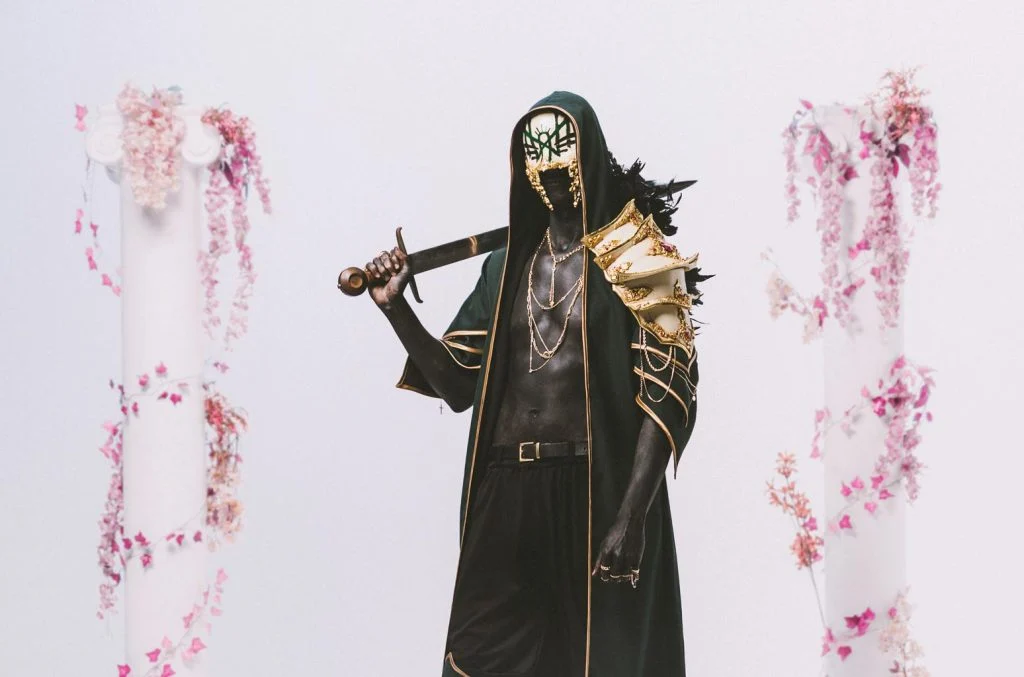
Behold, a new offering. In the last five years, an enigmatic rock band named Sleep Token has bent metal to its will. Emerging from the pandemic shadows of 2020, the masked group quickly established itself as an amorphous entity, syncing guttural screams with pop melodies, hip-hop drums and reggaetón grooves to the growing curiosity of […]
HipHopWired Featured Video
CRT FRSH, Hip-Hop Wired’s playlist where we showcase music that we believe is “Certified Fresh,” is back with the newness! With our latest update this week, we’ve added some songs you should know and other joints you need to know, so let’s get into it.
I want to explain how I approach curating the CRT FRSH playlist. Most importantly, I don’t segregate my Hip-Hop. Every form of music from the main cultural tree deserves a listen and a look. When I construct the playlist, I want to include all regions across the States and, when applicable, across the globe. I also want to entertain every fan of Hip-Hop, not just those who enjoy one segment of it. Now that we’ve got that out of the way, let’s get to it. — D.L. Chandler, lead curator for CRT FRSH
The CRT FRSH playlist is a labor of love. We don’t take payments, nor do we do favors. We only add joints to our playlist that fit the theme and vision we’re going for and don’t seek to waste the listener’s time. Further, we don’t stick to one lane of Hip-Hop. We believe that all aspects of the music should get some light, whether it’s young lions in the trenches or those hoping for that one shot to blow up to grizzled veterans puffing out their chests with lots more to say.
We open up this weekend’s playlist with Megan Thee Stallion’s bouncy single “Whenever,” released under the Houston Hottie’s full creative control. We follow that up with Westside Gunn’s “EGYPT” remix featuring a face-melting verse from Doechii.
Switching it up, we feature BigXThaPlug’s high-charting single “All The Way” featuring Bailey Zimmmerman, and the ultra-talented JID’s “WRK” single foll ows that track. Taking things down to Baton Rouge, we have “Shot Callin” from NBA YoungBoy, and then we hop over to New Orleans to check out La Reezy’s “Have Mercy” joint.
Salute to all of the acts that make up this CRT FRSH update: Flo Milli, T-Pain, Russ, Bas, The Hics, Ab-Soul, Saba No ID, MFnMelo, REASON, Cozz, Ray Vaughn, Defcee, Pararell Thought, Lil Tjay, 42 Dugg, Niontay, Swizz Beatz, Larry June, Conway The Machine, Sauce Walka, Benny The Butcher, Daringer, Skylarr Blatt, MIKE, Tony Seltzer, Sideshow, Valee, Harry Fraud, Curren$y, and Deante’ Hitchcock.
We’ll be back in two weeks with 20 new Certified Fresh songs. Stay tuned. Check out this week’s drop below.
To be considered for inclusion in the CRT FRSH playlist, please email playlist curator D.L. Chandler at: dchandler@bhmdigital.com
—
Photo: AnnaStills / Getty

All products and services featured are independently chosen by editors. However, Billboard may receive a commission on orders placed through its retail links, and the retailer may receive certain auditable data for accounting purposes.
Loungefly celebrates the Princess of Pop, Britney Spears, with a first-ever bag collection. Paying homage to her legendary career filled with hit singles and iconic outfits, this new release gives off early 2000s nostalgia, featuring a Hit Me Baby One More Time mini backpack, an Oops! I Did It Again crossbody bag, a Butterfly tote bag, and a large card holder. The collection is available now on Loungefly with prices ranging from $25 to $80.
Explore
Explore
See latest videos, charts and news
See latest videos, charts and news
Want to have your own Britney moment? The Hit Me Baby One More Time mini backpack brings the singer’s full iconic “…Baby One More Time” outfit to life. You’ll find appliqués of Britney’s tie-front top and mini skirt, and her gray cardigan is made of knit material. Fans can even find a pom-pom zipper charm attached to the zipper. If you turn the bag around, you’ll discover “Hit Me, Baby, One More Time”” written on the back, flanked by butterflies. For $80, this bag is a must-have for any Britney stan.
Trending on Billboard
Loungefly x Britney spears
Hit Me Baby One More Time Mini Backback
Next up is a bold red crossbody bag that gives flowers to Britney’s “Oops!…I Did It Again” music video. Resembling her iconic outfit, the bag features a bright red patent faux leather, and a silver-colored metal charm of Britney’s silhouette on the front. On the back, you’ll find “Oops! I Did It Again” written in silver foil. This bag is ready for anyone ready to relive their Britney era and will only run you $70.
Loungefly x Britney spears
Oops! I Did It Again Crossbody Bag
This tote bag features a blue butterfly on the front, with smaller butterflies flying around on the front, sides, and back. For an extra fun detail, you’ll find an adjustable crossbody strap with a snakeskin print and a snake-head coin bag attached. Add this subtle Britney-themed tote to your collection for only $75.
Loungefly x Britney spears
Butterfly Tote Bag with Coin Bag
Lastly, the card holder is an accumulation of the other three bags showcasing appliqués of Britney from her “Oops!…I Did It Again,” “…Baby One More Time,” and “I’m a Slave 4 U” eras. Sitting on a pearlescent background, these three iconic Britney looks will help protect the four-card slot holder in the most pop way. Celebrate each Spears’ era with the $25 card holder below.
Loungefly x Britney spears
Large Card Holder
The Loungefly x Britney Spears collection is available now on the brand’s site. If you’re looking for more Britney Spears collectibles to add to your home or serve as a fun gift, shop the pop star’s Funko Pop! collection that also pays homage to the singer’s hit singles “Oops!… I Did It Again,” “Lucky,” and “Stronger.”
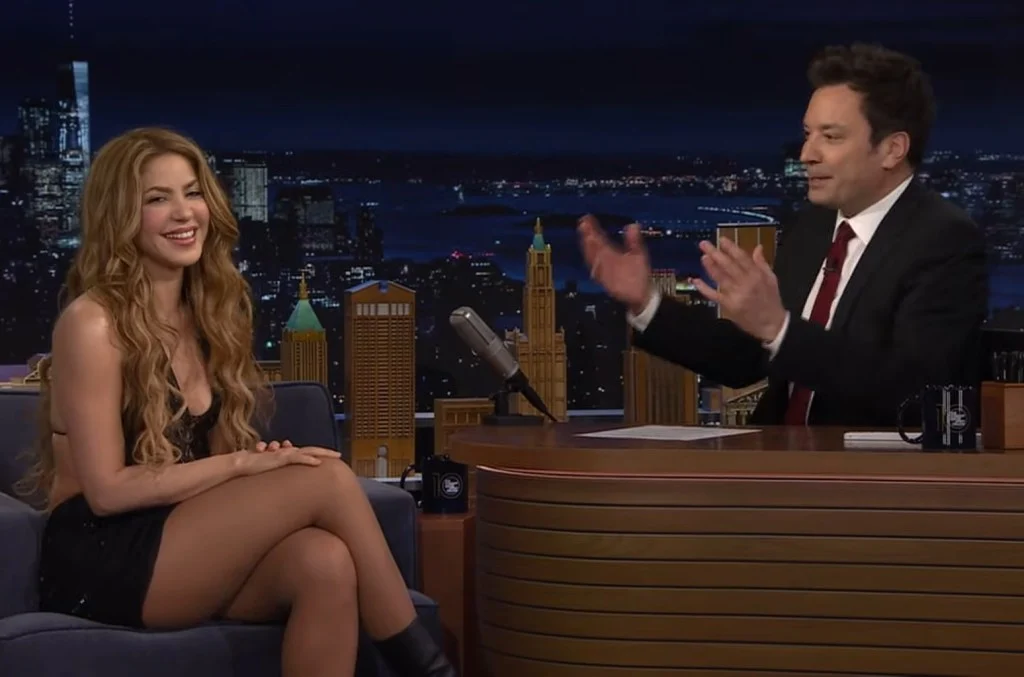
It’s hard to imagine Shakira‘s discography without the 2006 smash hit “Hips Don’t Lie,” but according to the star, the song very nearly didn’t come out when it did.
In an interview with Jimmy Fallon on The Tonight Show Thursday (May 8), Shakira recalled having to plead with her record label to release the now-iconic Wyclef Jean collaboration on a reissue of her album Oral Fixation, Vol. 2, even though the original LP was already out on store shelves. “I remember my album was already distributed, and then this idea came up, and Wyclef and I met,” she began, noting that she’d had a prophetic dream about the Haitian rapper just before he reached out asking to work with her.
“This song came about,” she continued. “I knew I had a hit, so I called Donny Ienner, who was in charge at the time of [Sony Music Label Group U.S.], and I said, ‘Donny, you have to pick up the albums from the stores.’ He was like, ‘No way, this album is already out there.’ I was like, ‘You’ve got to believe me. You’ve got to trust me. You do that, we have a hit.’”
Trending on Billboard
To great reward, Shakira’s team ended up doing just that. Released in February 2006 on a repackaged version of Oral Fixation, Vol. 2, the track would ascend to the top of the Billboard Hot 100 and spend two weeks at No. 1, marking the four-time Grammy winner’s best performance on the chart to date. As Shakira put it to Fallon, “It changed my story.”
Shakira’s sit-down chat with the late night host comes just two days after she and Jean reunited on The Tonight Show to perform “Hips Don’t Lie” in celebration of its 20-year anniversary. She’s currently gearing up to embark on the United States leg of her Las Mujeres Ya No Lloran World Tour, which kicks off May 13 in Charlotte, N.C., following a run of Latin America dates earlier this year.
Just last year, however, Shakira gave fans a taste of what’s to come when performed a surprise concert in Times Square in March 2024 for 40,000 fans. The show was truly something to behold, but according to the “She Wolf” singer, she thought it would be a complete failure in the hours leading up to it.
“The funny thing is I was so scared to do that performance, because I thought people were not going to show up,” she told Fallon on Thursday. “We announced it, like, two hours before the appearance, and half an hour before the appearance, I just saw cars. I was peeking through the window, I was so scared, I was like, ‘Oh my god, this is the end of my career.’ And then in the last 20 minutes, it was a sea of people.”
Watch Shakira’s full interview on The Tonight Show Starring Jimmy Fallon above.
“Your record collection defines who you are; your book collection defines who you want to be.” — Will Page
When e-books were first introduced in 2007 (Amazon’s Kindle followed by Barnes & Noble’s Nook in 2009, and Apple’s iPad in 2010), people were loudly ringing the death knell for printed books. Digital devices had convenience and portability, and digital books could be instantly downloaded and consumed. Why would anyone choose to carry around or deal with a cumbersome printed book, or go to a bookstore, or have it delivered days later by Amazon, when 200 books could be held on a lightweight digital device, such as the original 1st Generation Kindle, and read immediately?
With the added decline of CDs and DVDs, the dominoes quickly fell; the 642-store Borders chain filed for bankruptcy in 2011, and Barnes & Noble closed its flagship store in early 2014 and separated out its Nook division. By 2018, Barnes & Noble had closed 400 stores.
Fast forward to 2023, when Barnes & Noble opened 30 new stores, and to 2024, when it opened 57 new stores (more than the total it opened between 2009 and 2019). It recently announced it would be opening an additional 60 stores in 2025.
Trending on Billboard
Incredibly, physical books now outsell digital books 4 to 1. What changed?
It seems that even younger readers have come to prefer the tactile experience of holding a physical book and being able to easily navigate through pages, and see an advantage in retaining information and focusing when reading on paper rather than on digital screens. Kids and teenagers now gather at bookstores after school, as they have come to see them as safe spaces, and regularly show off their books on BookTok. What lessons can the music business learn from what happened with the book business?
Let’s look at the arc of recorded music. Music formats went from vinyl to 8-track and cassette to DAT and CD. With the introduction of digital file sharing and downloads with Napster in 1999, and streaming music starting with Rhapsody in 2001 and then Spotify in 2009, it seemed that physical records were destined for the wastebin of history (and like so many others, I foolishly gave away or sold for peanuts my vinyl and CD collections). Digital music streaming posed the question of why anyone would need to “own” music when it could be listened to immediately on demand from a limitless library of virtually all music ever recorded, literally at one’s fingertips, from any location.
The record business followed a pattern similar to that of the book business. Major labels sold their vinyl pressing plants and let go of their manufacturing employees, and many of the pressing machines were sold for scrap (Bertelsmann alone reportedly scrapped 150 machines). In 2006, record store chain Tower Records closed all of its 89 U.S. stores and filed for bankruptcy, as did Sam Goody (which at one point had approximately 800 U.S. locations).
Streaming took over completely once the industry fully embraced it, and it now represents about 90% of all music consumption.
Just like printed books, vinyl albums have, incredibly, made an enormous comeback, with sales increasing for 18 straight years and representing U.S. sales of over $1.4 billion in 2024 (and predicted to be over $3.5 billion by 2033). What’s the throughline?
Simply put, human beings are built to socialize and interact with each other and “things” in person in real life, not online — and it’s finally catching up with us. People desperately need the slowed-down, tactile interactions that have been largely absent, particularly amongst Gen Z, who have grown up predominantly in the fast-moving digital world. Although there is clearly enormous benefit to people connecting and interacting globally via the web and social media, there are also significant downsides: isolation, echo chambers, addictions, social comparisons, loneliness, depression, self-harm and even suicide have risen significantly in the digital age (as have mass shootings). Are physical locations the antidote?
Bookstores and record stores are part of a breed of what are called “third spaces”, a term originally created in the 1980s by sociologist Ray Oldenburg. Third spaces refer to “a physical location other than work or home where there’s little to or no financial barrier to entry and where conversation is the primary activity.” As Barnes & Noble stated in its recent press release, “Our stores have become popular social spots.”
In a 2022 article in The Atlantic, Allie Conti described third spaces as “physical spaces for serendipitous, productivity-free conversation” which “incentivize lingering”, where one can learn “the art of hanging out,” “mingle and make small talk with strangers” and where there is always “the possibility of a wildly unexpected spontaneous encounter.”
However, with people frequently spending their leisure time in solitude in front of their personal screens at home, consuming digital media (movie theater attendance is on the decline as well), “the simple act of spending time with new people can be an unnecessarily complex challenge.” Young people will have to learn new skills and flex new muscles for third spaces to thrive. For example, according to one study, almost half of men aged 18-25 have never approached a woman in person to ask for a date. Kathy Giuffre, a professor at Colorado College, says “socializing is a learned skill,” and “a world made up of atomized, physically isolated people is a world without a true shared reality — which is a recipe for civic disengagement, misinformation, and perhaps even political extremism.”
Bookstores and record stores also offer a way to be around like-minded people in real life who have similar interests, creating the possibility of forming new bonds. Many famous musicians credit their time working in record stores as having given them a musical education they wouldn’t have otherwise received (and in some cases, it’s where they actually met their future band members). Keith Richards, Axl Rose, Slash, Iggy Pop, Dave Grohl, Rivers Cuomo, Jeff Tweedy, Nels Cline, Aimee Mann, Nikki Sixx, Nelly Furtado and Peter Buck are but a few, and many have cited musical suggestions made by record store clerks as leading them to what became their favorite music. One could argue that record stores might actually be better “third places” than bookstores because music is always playing, clerks are knowledgeable music fans themselves, and customers are regularly chatting and interacting.
The rebirth and growth of record stores beyond Record Store Day has already begun. Rough Trade recently tripled the size of their store in New York City’s Rockefeller Center, and Waterloo Records was recently purchased from its founders by new owners who plan to relocate and expand it. Vinyl record and high-end equipment retailer Supervinyl in Los Angeles has become a “go-to” destination for music aficionados and artists alike. Innersleeves, a local independent record store in the Hamptons, recently doubled the size of its physical space and even added a small stage for musical performances. Tower Records has 80 locations in Japan. And “vinyl listening bars” built with expensive high-end sound systems and curated musical collections inspired by bars in Japan have been opening up in major cities across the U.S.
If U.S. record store chains return as well, they’d be smart to take a page out of Barnes & Noble’s playbook when it comes to the physical design of its stores. The manager of each B&N store is given a free hand (even including how the B&N logo appears) to make it feel more like a local independent bookstore with localized aesthetics rather than an invading mass chain that looks exactly the same in all locations. The goal is to “create a more intimate, community-focused, books-first experience.” And many of the new stores even have a B&N Café, which record stores could adopt to emulate the “coffee house” circuit where many musicians of the ‘60s and ‘70s launched their careers and built local fan bases. As streaming music levels off and consumer patterns change, vinyl records, record stores and listening bars as “third places” could be a boon to the physical record business — provided our industry truly embraces the big opportunity which is staring it in the face (“AlbumTok,” anyone)?
Fred Goldring is an entrepreneur, entertainment lawyer and co-founder of Pressing Business, a vinyl record and CD manufacturer, and record labels Flatiron Recordings and Label 51.
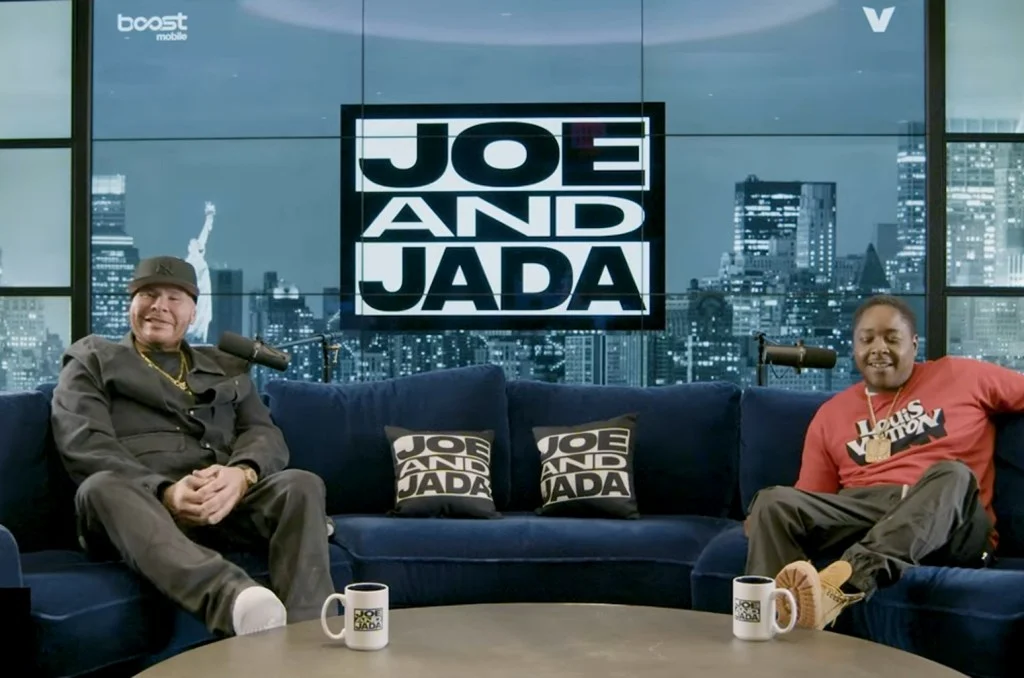
Fat Joe and Jadakiss have a new podcast called Joe & Jada where they talk about all things music, sports, and culture. On their recently released premiere episode, the two rap legends — who’ve seen their fair share of rap beef — talked about the one-year anniversary of the kick-off of the historic rap battle between Kendrick Lamar and Drake.
Explore
See latest videos, charts and news
See latest videos, charts and news
Jada started things off by clarifying that what went down wasn’t exactly “beef,” and that he couldn’t believe that it’s been a whole year already. “One year since the Kendrick and Drake discrepancy. What they like to call it ‘beef’ in the media world,” Jada quipped. “Thank God nothing really happened to anybody, physically. Personally, I thought it was about four or five months ago. I can’t believe it’s already been a year.”
Trending on Billboard
Joey Crack couldn’t believe that it’s been a year either, and then sparked a light debate between the two when he said he noticed that Lamar gets more airplay than other West Coast legends did in their prime. ‘Kiss fired back by saying, “Everybody from L.A. gets spins on L.A. radio.”
Joe then asked him when was the last time Jadakiss was out there, with both of them saying they were recently in L.A. and Joe adding, “Yo, bro, I never seen nothing like this. Every single song, they like, ‘Turn the TV off,” causing Jada to agree that Kenny does indeed get a lot of spin in Southern California.
“It’s a fact. Kendrick Lamar gets played nine out of every 10 songs in L.A. right now,” the Bronx rapper proclaimed. “Not even Snoop Dogg, not even Tupac Shakur — nobody from L.A. has dominated the paint like this guy. That last year? What they’re doing in L.A. — if you’re from L.A., you probably think there’s only one guy on Earth, Kendrick Lamar. I’m just keeping it a buck with you. You turn on that radio in L.A. — if you from L.A., you work at Target, Amazon, you’re delivering some s–t, you working at the bakery, panadería, wherever, East L.A., holmes — you thinking it’s one man breathing in hip-hop, it’s called Kendrick Lamar.”
Joe then shifted the conversation to rap beef in today’s landscape, asking the Yonkers MC what he thinks about historic hip-hop battles. “For me, I thought it was always good if you take it all the back to Wild Style and LL and Kool Moe Dee and all the way up to us and 50,” he began. “It’s always good as long as it stays on wax. “When it first started, somebody say something about you, you gotta go to the studio, you gotta immediately work on getting one back at there, knock the stick off your shoulders like a fight after school at three o’clock. Now, as the technology evolved, it turns into movie skits, animations, retrieving fake information… It got a little wacky for me. I like it to be beats and rhymes and keep it like that. Once it got out of my pay grade, it’s a little bit of disinterest to me because it’s turning political now.”
Fat Joe agreed about things getting political and brought up Drake’s controversial UMG lawsuit. “There’s even lawsuits behind rap diss records now. I never saw that,” he said, to which Manteca Jada replied, “That’s over my head, I don’t really understand… I just wanna see rhymes and song and hip-hop s–t.”
You can watch the full episode below.