 State Champ Radio
 News
Page: 199
Trending on Billboard
HeadHuncho Amir comes from a family of hustlers. Amir’s father, Antong Lucky, is a well-known dot connector around Dallas. The former gang leader-turned-activist even had a record label while Amir was growing up.
Explore
See latest videos, charts and news
However, Amir was intent on blazing his own path and not relying on his father’s name and connections. In fact, Lucky was one of the last to find out Amir rapped — and it was his friends who told him about his son’s budding music career.
“Just being around people like my pops, my mom, my grandfather, like my family tree was always full of hustlers,” Amir tells Billboard. “Everybody in my family doing something to make some money.”
In the two years since his first performance, Amir has notched a deal with 300 Entertainment and is at the forefront of the New Dallas movement, uniting the city and bringing the rap spotlight back to the Big D, alongside peers like Montana 700 and Zillionaire Doe.
“We’re letting the world know unity is cool and you ain’t gotta hate on nobody,” he explains. “We genuinely mess with each other, this ain’t for the camera. It’s cool to support your homie. If you want to see everyone win, you could say New Dallas.”
HeadHuncho Amir drives in the motivational rap lane, taking inspiration from Jeezy’s caffeinated trap tales and Rick Ross’ boss talk, but with fewer frills. He spun the block for a second project in 2025, earlier in October, with 50 Year Run, a manifestation of leaving a legacy.
“I’m trying to be on Jay-Z status,” he proclaims. “We just trying to be here for a long time, handling business.”
The East Dallas rapper, who never wears a pair of his crisp white Nike Air Force 1s more than once, is Billboard‘s Hip-Hop Rookie of the Month for October. Get familiar with Amir as he talks about his upbringing, New Dallas and getting mistaken for fellow Dallas native BigXthaPlug at a Mavericks game.
Who were some artists you were bumping growing up that you were inspired by?
I’d so Yo Gotti, Rick Ross, Young Jeezy and Houston artists like Lil Keke, Big Moe, Z-Ro and Pimp C. That’s what I grew up listening to every day. I’m getting in the car and that’s the music I was hearing.
It’s my understanding your pops had a record label. What was your entrance into rap?
When I was younger, I watched a bunch of 106 & Park and MTV Cribs. I was infatuated with music. My pops had his own record label at the time. They had a movement going. I’m hands-on and in the studio and around the music every day. At the time, I wasn’t telling everyone I wanted to be a rapper. I’d be freestyling and playing around with my cousin, putting on beats. Since a kid, it was a God-given talent. I was good at it. I had kept it a secret for a while. That’s when I had came out and started letting everyone know that I rap.
When was this around?
When I started telling everyone I rap, it was like high school days. I would probably say like 11th grade or going into senior year. I started actually going to the studio and paying for studio time and making songs. At the time, i wasn’t putting the songs out. I was just putting it on Instagram and Snapchat seeing what people’s reaction was. That’s when I had shot a video and once I started getting feedback that everyone liked my music, that’s what made me take it serious. I really wasn’t being serious at the time. I’d drop a few videos and then stop.
Once I had dropped a song called “Real Members,” the feedback I had got back from it was crazy. I didn’t have that many followers on Instagram, but I had got a lot of comments and shares. This promoter, DY, he had booked me for a show in the city for free. He’s like, “I believe in you, you hard. I want you to come perform.” I pulled up and it was packed. A lot of people already know me and they say me rapping and they ain’t know I rapped, but they liked what I was rapping about. I did the show and I had my mom, uncles and cousins with me. I still got the videos in my phone. The crowd’s going crazy and they vibing with it. And from that day forward, I said, “Oh yeah, I can’t be playing. I gotta take it serious.”
Coming from a family of hustlers, how did you apply that to your music?
My pops is well known for what he does in the city. There’s one thing about about our family, like either somebody selling houses, doing her own a beauty shop, selling clothes. Just being around it and growing up around that environment of hustlers in my family, like they groomed me well, from when I got older to know you can’t be lazy. I’m rapping about my life — stuff I’ve either seen or did. It just fell with the music so good because everything I’m saying is real life and not made up.
Your dad didn’t want you to rap, right? You had a bar on “Trap Again” about him passing the game down to you.
See, my pops didn’t care about buying your shoes every week or clothes. You know how you got some parents buying Jordan stuff every week? My pops wasn’t with none of that. He’s asking, “What your schoolwork like?” He want to know when the report card comes out.
My pops used to own a bail bond company in South Dallas. I remember sitting there and a song came on and one of my uncles was like, “I bet you don’t know what movie that beat’s from?” I’m like, “Yeah, Set It Off, at the end when Queen Latifah had died.” He like, “Bruce, I feel like nephew gonna be a rapper when he get older. He be on point with it.” I remember my pops’ response: “Nah, he ain’t finna be no rapper. He finna go to college. We ain’t finna put that in his head.” So when he said that, at the time, it kinda shocked me, because I [already] know how to rap.
I’m probably 12 or 13, but when he said that it made me shy away from him with the rap. I went in a zone like, “I’ll never tell my pops I know how to rap, because he don’t even know that I know how to rap right now.” As I got older, I never played my music around him. Everyone around him knows I rap. I’m letting his homeboys and family members hear it, and it starts getting back to him, “You ain’t been listening to your son? You need to mess with your son!” He’s all confused. They started sending him the music, so it got to a point like, “Nah, son, you got something. You can rap.” He was like the last one to know.
Touch on the New Dallas movement as well, which has been dope to see you guys making noise. Between you, Montana 700 and Zillionaire Doe uplifting the city.
The New Dallas movement going crazy. I can’t even remember around what time we started seeing it, but I remember we were all in the studio. Doe was like, “Bro, we the new wave in Dallas. We the New Dallas. The city’s in a dark spot, Mo3 just passed. We finna uplift the city and bring back that good feeling and let people know it doesn’t matter what side you’re from.” We’re not a group, we’re a movement.
What does 50 Year Run mean to you?
When I say 50 Year Run, I mean longevity, like I’m trying to leave a legacy. I’m trying to be here for a long time. It’s about getting your health together, just making sure your mindset is on the right track. You trying to get to the next level. I’m finna put this work in. I’m trying to be here forever. Everybody should be on a 50-year run — feeling good and getting their health together.
How did the project come together?
I’m a studio junkie. I make songs so much, so the process of putting it together, it really be the certain beats I hear. When I hear a certain type of beat, it makes me write. I don’t freestyle. Every beat on the tape, I was in a different vibe. Some of ‘em I made in Dallas, some of ‘em I made in Cali, some of ‘em I made in New York. It’s new vibes on there. I linked with new producers, but of course I linked with Ziggy Made It. I linked with ChopSquad DJ, me and him got a good relationship and made a hard song “Everytime.” We picked the best songs that we felt fit. I hope everyone messes with it as much as I mess with it.
You mentioned “Everytime,” talk about that “Party Like a Rockstar” sample inspiring you to rap?
I made that in LA. It was me and Chopsquad DJ. He was telling me about all the artists he worked with like Lil Durk. He’s going through a beat pack and I asked him if he had something with a sample. He played it and I thought it was cool. We vibing out and I go in the booth and write something quick. When I get done with the song, I didn’t even like it. That ain’t even really my type of vibe. It sat with me for a minute. The team and the label was vibing with it. I didn’t think that was my style. I put it out there to see if they messed with it and we played it in a club and it went crazy. I got so many DMs and texts. I’m like, “We might got something.” I went to another club and got the same reaction.
Do you feel like rap can go back to drug-dealing music rather than the drug user music dominating now? Do you see it that way?
Yeah, I see it that way. I see it both ways, like, drug dealer music, drug user music. But when you listen to my music, you gon be like, “Man, Amir just motivate you. He put you in a different zone, like, I gotta go get some money. I can’t just be sitting around.” Like, I just really be trying to make that feel-good music, that motivational music.
I see Moneybagg Yo, Bossman Dlow and Sexyy Redd tapped in. What’s it like getting those cosigns?
When Bagg had tweeted some lyrics from “A Boss or a Leech,” I was like, “Nah!” Bagg’s tapped in. Dlow hit me and Kevin Gates hit me. It’s crazy because I grew up bumping Moneybagg. He’s one of them ones. Dlow hit me when “Get in With Me” just dropped. He was getting on the scene. It just feel good, and I linked with Moneybagg in L.A. at writer’s camp, and he let me know, “You hard, keep going.” He gave me that motivation. It feels good to have rappers I listened to hitting me up.
Explain the sun chain you had on when you came to the Billboard office. What’s the Only Sun Music Group and 2700?
2700 is where I’m from. It’s a block in East Dallas. My granny got a house on that block and it’s a dead end that I grew up at. My uncle owns a house right there so I’ve been there my whole life. It’s so much history. The sun chain, shout-out to uncle, he got so much jewelry. He had the sun chain and when I started rapping, before I could buy my own, he gave me the sun chain to wear. It stuck out so people knew me by the chain. Amir with the sun chain, that’s how they identified me. It’s been in the family so long and people know me by the chain. I’m the only one in the city with a sun chain.
How’d you end up signing to 300 Entertainment?
Before I signed, I had a lot of labels trying to sign me. I had my entertainment attorney going over different contracts. After going through all of them, he let me know the real about every one. When we got to 300, he checked me, “This a good move.” He let me know, like, “I’m not gonna put you in position where I feel like it ain’t the right move. This a good move.”
I had met Selim [Bouab], Montana 700 is my brother, and he’s signed to them. I been knowing him since 7th grade and he was telling me good things about the label. They came down for Montana’s birthday and I met Selim at a bar. I didn’t know who he was at the time. He called my name and let me know, “I’m watching you. You hard!” I end up going to New York and they end up coming to Dallas. We made it happen.
Who’s your dream collab?
Future, Lil Baby and Rick Ross. That Wham and Future era was just different. I know almost all their songs. That’s like a dream collab. I know I’m hard. If I make a song with them, I know it’ll be one of them ones.
When you were up here in New York, you said you step out in a new pair of Air Force 1s every day. Is that true?
That’s anti-cap. That’s facts. I literally wear my Air Force 1s one time. I do a show and as soon as I walk out, I’ma take them off and put my slides on. Video shoot, go out of town or in town, I’m putting them on one time. I’m an Air Force 1 head. As a kid, I wanted the J’s, but I couldn’t get ‘em. My mom was working two or three jobs and the Air Force 1s were more affordable. They were like $75. I fell in love with the Air Force 1’s. That’s my favorite shoe.
What’s the biggest purchase you’ve made in the last year?
Probably getting my dad that car for his birthday. It was a Bentley two-door coupe. My mom’s birthday is coming up Sunday, and I’m asking her what she wants. She not a picky person. I’m trying to decide if I’ma give her some money. She keeps saying she don’t know.
Did people mistake you for BigXthaPlug at a Mavs game?
That’s facts. I get that a lot. I wasn’t as known in the city as I am now. I was going to get something to eat and kids were running up on me like, “BigX!” So many people wanted to take pictures with me. I took it as motivation. I posted videos of me taking pictures with everyone and tagged BigX like, “This motivation.” He’s putting on for Dallas.
Where do you see yourself in 10 years?
We on a 50 Year Run right now. My goal in 10 years — I want to be one of the top charting artists. I want to have a bunch of real estate. I want to be taking care of my family and my health in good condition. I want to be one of them household names in the industry. Keep giving the fans good music, doing what I’m supposed to be.
Trending on Billboard
With 17 of the top 20 songs on Billboard‘s current Country Airplay chart written, or co-written, by the artist who performed it, the country music industry has found an interesting time to recognize the interpreters.
Emmylou Harris, who relied on other songwriters for most of the material she has recorded during her career, was inducted into the Nashville Songwriters Hall of Fame on Oct. 6. Trisha Yearwood, who waited until her latest album to dig seriously into songwriting, was recognized for that project, The Mirror, in an Oct. 8 conversation with songwriter Liz Rose at Nashville’s Anzie Blue. And The Music of My Life: An All-Star Tribute to Anne Murray finds at least a dozen acts celebrating a Canadian songstress who has never written a song in her life on Oct. 27 at the Grand Ole Opry House.
“The average listener doesn’t know” if you wrote the song, Murray reasons, “and if you do a good interpretation and you pick good songs, I see no reason why you can’t have success. And I did.”
Related
Indeed, in previous eras, artist-writers were less common than those who built their careers on songs fashioned by full-time composers. And it’s tough to fault the accomplishments of interpreters Martina McBride, Barbra Streisand, Frank Sinatra, Dionne Warwick, Glen Campbell, Elvis Presley, Gladys Knight, Bing Crosby or Linda Ronstadt.
“I just always wanted to be her,” Yearwood said of Ronstadt during her Oct. 8 event. “I still just want to be her.”
Not everybody does. A premium is placed on singer-songwriters in the current marketplace, in part by the artists and their representatives, since writer royalties provide singers with an additional revenue stream. But the age of the internet likely creates extra pressure for artists to write their own material. Fans interact with performers through social media, and with that personal connection, they seek personal insights from artists in their songs, too.
“It’s great, whatever they choose to do to become successful and happy,” Murray allows. “Things do change.”
Murray, in fact, witnessed the first wave of that change. The Beatles, Bob Dylan and The Beach Boys‘ Brian Wilson elevated the concept of the artist as writer in pop music in the 1960s.
It created a certain level of snobbery from some fans — and from some artists — around the subject. Murray is certain she has been criticized for not writing her own songs — “but,” she says, “not to my face.”
Related
Yearwood similarly maintains a sense of humor about it. When questioned about not writing her hits, she often insisted that “no one ever thought ‘I Fall to Pieces’ was less of a song just because Patsy Cline didn’t write it.”
In fact, some of the albums that have been most important in country music history — Willie Nelson‘s Stardust, Ray Charles‘Moderns Sounds in Country & Western Music and The Nitty Gritty Dirt Band‘s Will the Circle Be Unbroken — were intentionally built around songs not written by the artist. The genre wouldn’t be what it is without them.
Similarly, most of Harris’ albums were shaped by other people’s material, even though she proved on The Ballad of Sally Rose, Red Dirt Girl and Stumble Into Grace that she is quite adept at composing when it suits her.
“The song, for me, is everything,” she said during her Nashville Songwriters Hall of Fame acceptance speech. “I’m an interpreter — proud to be — and I really am grateful that there are people like Rodney [Crowell]who write these wonderful songs so that I don’t have to go into the writing room and pull them out.”
With thousands of songs available, Harris — much like Charles, Ronstadt or Nelson — selected her songs to fit specific themes or sonic motifs. She was able to renew her art repeatedly through her choices.
“She has really challenged herself as an artist through the years and she’s just kept growing,” fellow Songwriters Hall inductee Jim Lauderdale notes. “I would have been content as a fan and listener if she would have just done the first five albums — you know, repeating those in some way — but she went way beyond that.”
Harris evolved from album to album much the same way that Meryl Streep, Johnny Depp or Charlize Theron drew from different parts of their creative wells to play parts in movies they did not write. That often required them to convey the personality of roles that had no relationship to their real lives.
Similarly, no one required McBride to have actually burned down a house to deliver the story in “Independence Day.” Garth Brooks didn’t have to crash his ex’s wedding to sell the drunken scenario of “Friends in Low Places.” Reba McEntire wasn’t forced to kill anyone to sing “The Night the Lights Went Out in Georgia” or become a hooker to capture the emotions in “Fancy.” And Yearwood didn’t need to have a teenage fling with a criminal to pull listeners into “Walkaway Joe.” She also was able to maintain some privacy.
Related
“I become a character in the movie for three-and-a-half minutes when I sing a song,” Yearwood said. “You’re able to [connect] through your emotions, but that’s really personal. You’re not necessarily sharing [your inner life] with everybody. I feel like I kind of kept that wall up for a long, long time.”
Still, when the majority of artists are mining their inner world to write their material, a gut-level connection with songs does matter, even for the interpreters. But artists weren’t always allowed to select the material that resonated most with them; many — particularly females — were at the mercy of their producers.
“A lot of the girl singers — Rosemary Clooney, Peggy Lee and Patti Page and people like that — they didn’t even have a choice,” Murray says. “Somebody chose the songs for them. I’ve had conversations with Rosemary Clooney about that. She hated some of the stuff she did because they didn’t give her meaty stuff. You know, something like ‘You Needed Me’ where you could sink your teeth into it.”
Ultimately, the emotional impact on the listener remains the most important aspect of a performance, whether the conduit is a singer-songwriter or an interpreter.
“The world needs songs,” Harris said. “We need someone to express what is inside our hearts, what is inside our souls, and nothing touches us more than a song that speaks to our humanity.”
Trending on Billboard
This week, Megan Moroney offers up valuable wisdom enveloped in a lilting ballad, while Maddie Lenhart sings of longing for a carefree night of throwing romantic caution to the wind. Storied songwriter Kent Blazy, bluegrass ensemble Steep Canyon Rangers and Koe Wetzel also offer up new tracks.
Explore
See latest videos, charts and news
Check out all of these and more in Billboard‘s roundup of some of the best country, bluegrass and/or Americana songs of the week below.
Megan Moroney, “Beautiful Things”
Megan Moroney turns her potent pen to crafting a song of encouragement and wisdom for her younger niece on this insightful, gentle ballad. Sketching scenes of a girl who’s been left off a party invite, or who is learning to survive through heartbreak, Moroney relates how “Lies can break a fragile heart/ And doubt can crush your dreams,” before reminding that “The world is hard on beautiful things.” This song has the makings of an essential track for young women facing harsh headwinds, feeling like wise perspectives and a warm hug wrapped together. The song is set to be included on Moroney’s upcoming third studio album.
Maddie Lenhart, “Drive Me Crazy”
With her latest song, Virginia native Maddie Lenhart emerges as a singer-songwriter with a gift for distilling life’s messy moments into songs of emotional acuity. On “Drive Me Crazy,” she’s ready to jettison caution in favor of a carefree night spent on a romance that has equal chances of flourishing or fizzling. The song follows previous releases including “Shooting Stars” and “A Rock,” and marks her current status as a rising artist with artistic depth and a nuanced approach to her work.
Koe Wetzel, “Werewolf”
Just in time for Halloween, Wetzel releases this musical warning shot filled with unbridled energy and a nod to expecting the unexpected. “I don’t need a full moon/ To be howling like a d–n fool/ Tearing up everything I see,” he sings, fully embracing the havoc that can come with being a rebel soul. Urgent percussion, brash guitars and Wetzel’s commanding vocal meld mightily on this new track.
Kent Blazy, “American Dreamers”
Storied songwriter Kent Blazy understands better than most the well-traveled road of those who dare to build a life in music. As a songwriter behind hits such as Garth Brooks’ “If Tomorrow Never Comes” and “Ain’t Goin’ Down (‘Til the Sun Comes Up),” as well as Chris Young’s “Gettin’ You Home (The Black Dress Song),” Blazy has seen firsthand how the right song can skyrocket a career. On this heartland rock-style track, he nods to artists including the Eagles, the Byrds and Bob Dylan, as he turns his attention and gritty vocal tones to the scores of dreamers who wrestle melodies and ideas into songs, then take those songs out into the world to create a spark of connection between artist and listener. “American Dreamers,” written solely by Blazy, appears on his new album, Where I Am Now.
Steep Canyon Rangers, “Circling the Drain”
Steep Canyon Rangers lend their musical mastery to this bluegrass jamband vibe, filled with blistering fiddle and expert picking, as they sing from the perspective of someone who has survived the devastation that remains in rural communities following the loss of “big coal” and influx of “big pharmacy” that “came to ease that pain like a buzzard to the bleaching bones.” Together, the group’s Graham Sharp (banjo), Aaron Burdett (guitar), Barrett Smith (bass), Mike Guggino (mandolin), Mike Ashworth (drums) and Nicky Sanders (fiddle), turn in a sharply clear-eyed observation, wrapped in a party-ready musical foil.
Trending on Billboard With just over a week until Election Day, NYC mayoral candidate Zohran Mamdani made a surprise appearance during PinkPantheress’ Brooklyn concert on Friday (Oct. 24). The British singer’s “True Romance” performance was interrupted by a Mamdani cameo, as the Democratic candidate — who was in the audience — appeared on the screen, […]
Trending on Billboard
“I love to laugh. I love the feeling of it,” says Ryan Bitzer — and since 2016, he and Damion Greiman, have turned their mutual fondness for funny into a multi-format comedy powerhouse that works with the top names in stand-up. The co-founders, who started the company in 2016, estimate it currently generates just under $10 million in gross profits annually, and serves 2.3 million followers and 20 milion comedy fans monthly across its five YouTube channels and social media platforms. The Nashville-based company, which also operates an international division in London, initially worked with stand-up comedians to produce, distribute and market their audio recordings and specials to larger audiences, including such hit YouTube projects as Mark Normand’s Out to Lunch and Matt Rife’s Only Fans, as well as specials for major streamers. They include Leanne Morgan’s I’m Every Woman on Netflix and Sean Patton’s Number One on Peacock. Distribution partners include Kevin Hart’s Laugh Out Loud Network, Bill Burr & Al Madrigal’s All Things Comedy, and its own legacy label, Clown Jewels, which has released works from legends like Lucille Ball, Robin Williams, Gilbert Gottfried, The Smothers Brothers and Bob Newhart. The company is now venturing into producing scripted and unscripted movies, TV shows and documentaries. It announces new content weekly for such comics as Iliza Shlesinger, Fortune Feimster, David Spade, John Crist and Russell Peters; works with Nate Bargatze’s multimedia platform Nateland, and is a producer on the Marc Maron documentary Are We Good? 800 Pound Gorilla has also built a profitable pipeline to spotlight international comedians via its Comedy Exports YouTube channel, and earlier this month, announced that it will begin dubbing content by Rife, Anjelah Johnson-Reyes and Michael Yo in Spanish and French and releasing it on that channel as well. Early in their careers, Bitzer, who mainly handles 800 Pound Gorilla’s business affairs, and Greiman, who focuses on creative development, worked in country music — both in artist management, and Greiman, at Outback Presents, a leading promoter of country music and comedy tours.
Explore
See latest videos, charts and news
They, along with director of marketing Amanda Zuckerman, who runs point on 800 Pound Gorilla’s marketing, publicity, YouTube engagement and digital strategy, sat for a conversation with Billboard about the company’s growth, the burgeoning popularity of international comics and their methods for building comics’ fan bases. Damion and Ryan, you both come out of country music. Do you think there’s a connection between that genre and comedy?
Damion Greiman: It’s a little bit different for Ryan than it is for myself. I came from Outback Presents. We did country music concerts, but we also did a lot of comedy. We started the Blue Collar Comedy Tour, and my boss at the time, Mike Smardak, started Outback Concerts, and that company became known as the go-to company for comedy. We had other guys focused on rock shows, country shows, different types of concerts, but I gravitated to the comedy side which then led to management, which led to us starting this.
Ryan Bitzer: I was working in music artist management for, I think, 15 years. It was a lot of fun, don’t get me wrong. But one of the things about managing at that time was you weren’t as in control of your artist’s career as you can be now. There were gatekeepers along the way, and if someone wasn’t feeling it, it was, “Sorry,” and two or three years of work that you had put into something shut down overnight. Over here in comedy, it’s such a blue ocean for us because if we get behind our artists, we can elevate their careers. The work you put in, you get out.
When you say gatekeepers, can you be more specific?
Bitzer: In country music, for example, radio drives that business. You could have everything lined up — the right artist, a hit songwriter, someone who’s been on Broadway for eight years and well-polished —doing the rounds, and if the program director says, “We’re not feeling this today,” it’s like, “What do you mean? It’s working.” You do that enough times, and you just lose your zest. It’s been so much fun over here because we can put that same amount of energy into these artists and have a real impact. I’m guessing that a lot to do with Amanda and your digital strategy?
Bitzer: You got it. Post-pandemic we saw a lot of comedians blow up from their socials — like Matt Rife. Amanda, how did that strategy evolve?
Amanda Zuckerman: That’s a great example to start with. I’ve been at the company for a little over eight years now. Our pivot to video and how we handle clips on socials and position these specials in front of the audience online happened around that time. There’s a debate about what’s more important for breaking and maintaining a stand-up career: touring vs. social media. What’s your take?
Zuckerman: I would say touring is really important. Where we come in is helping to position their special online and drive that discoverability across all platforms to feed the touring and funnel back to ticket sales.
Bitzer: You can work things backwards so if someone blows up socially, depending on their art and their work ethic, they can make it work in the club. But [success as a live performer] takes a while. Whereas, if you take a Chad Daniels — someone who’s been touring for close to two decades —by the time he gets to us he’s built up this quiet fanbase.
So, when you finally put something out online properly it’s like lighting gasoline. You’ve just got to get in front of them. Matt Rife really blew up on the internet first. so that worked backwards. But he has the chops. He’s so good at crowd work and what he does online, he can do it live so well.
Greiman: When we’re talking with comics, they typically say, “I want more eyeballs on my videos, and the reason for that is I want more people coming to my shows” It’s usually not about how much money I can make. Of course, they want to make more money on their project, but more importantly, it’s about how is this going to impact my tour numbers? That is what led us to start this company. We were using it as a marketing tool for their tours.
When we were thinking about comedy audio, we didn’t even know that there was a real business there. We just thought this is another way to get an artist out into the world, so that more people go to their shows. What are the milestones that distinguish 800 Pound Gorilla’s past year?
Greiman: Throughout the life of this company, we’ve progressed organically. We started as an audio company and became the record label for Netflix, for Kevin Hart’s company, for Bill Burr and All Things Comedy. That led to us doing video projects. Comics came to us saying they needed help on video projects. We started by spending a lot of money to produce these projects and trying to sell them to major streamers. A lot of times those projects would get passed on, and that forced us to think about building an audience here.
So, that’s what we’ve been doing the last several years because we needed a home for our own projects. The benefit of that is now other comics see us as a home for these projects because we have built this audience of stand-up comedy fans. So, it’s not just about a comedian’s audio project or video project. It’s about the fans that we have that are used to watching long-form stand-up comedy. Our channels are built for that.
We were one of the producers on a Marc Maron documentary, Are We Good? We’re now working on feature films with some of the comics that we work with, so that feels like the next phase. You have five YouTube channels. How would a comedy fan navigate those?
Zuckerman: One thing that we’ve learned is that comedy fans exist online in many different places consuming comedy in different formats. We’ve built channels around those different formats to super serve each of those audiences.
Our main channel, The Whole Banana, is built for our long form stand-up specials. Then there are audiences that like to watch short-format comedy — clips and shorter chapters from the specials. So, we have the Shorts channel that’s built for that. There’s a clean comedy audience out there as well so we have a channel that we call Safe for Work, as well as an international channel, Comedy Exports, that speaks directly to U.K. and Australian audiences. And there’s still an audience for people that want to listen to audio only. So, we have a channel that’s built for that: full specials in audio-only form.
Bitzer: We also have a legacy channel called Clown Jewels and that’s playing Robin Williams, George Carlin, all the legacy acts. The thing that gets me excited now is, four years ago, we didn’t really have an audience, and today, we’re almost up to a million people a day watching something either on the website, YouTube, Facebook — wherever this content lives. Now we can put someone we love in front of a real audience and it moves them faster. We can grow them. What are some of the comedians you’ve done that with?
Zuckerman: Matt Rife is a good example. He definitely already had momentum on his own before he partnered with us. When he partnered with us, his special had about 2 million views on his channel. When he brought it over, and we put it up in front of our audience, our channel had 18 million views, and it revived the special on his own channel, where it shot up to 15 million views. We’ve seen that across the board. We call it the “same movie, different movie theater” approach. It’s the idea that comedy fans are online at different places, and our approach is meeting them where they’re at to expand the discoverability of the content. Ryan Bitzer: Greg Warren is a great example of someone who was the club level, and we did one project with him. We figured out who his audience is, then did a second project that went really well, Where the Field Corn Grows. That got us a conversation with Nate Bargatze.
When we approached Nate, he was trying to build Nateland, and we said, “Hey, let us be your backbone. We know what you want to do. We know how to do this. And you remember Greg, don’t you?” They did comedy together in New York, so it was an easy intro. We partnered up and we did The Salesman, [Warren’s special, which Bargatze directed]. Between us and Nate and Greg’s talent, that blew up. Then Nateland just did The Champion which we all worked on together again. Now when Greg goes back to cities where he might have had trouble moving 50 tickets, he sells out. And to hear that in his voice when he calls is the coolest thing in the world for me.
800 Pound Gorilla logo
800 Pound Gorilla
How does 800 Pound Gorilla differentiate itself from Punchup Live and Comedy Dynamics?
Bitzer: Punchup Live is sort of a ticketing play. We work with them — we’ll license a piece of content over there, but they’re really interested in working on the live and ticketing side so it’s a totally different company. We’re more of a media company. I think Dynamics maybe is a little closer to how we do business, but this is almost 40 people, and we’re solely focused on stand-up comedy and comedy related film or TV, where Comedy Dynamics is doing shows about toys and decade [retrospectives].
We’re comedy all the time here. We’re here on this earth to make people laugh. We’re also very focused on international. We think that’s been an underserved market. Whenever we hear, “Don’t waste your time on that, there’s no money,” that perks up my ears. It means someone went fishing in this spot with the wrong lure. Sometimes we lose, but when we started the company, we heard, “You don’t market recorded comedy audio because there’s no money in it.” Well, like I said, this is almost 40 people now.
We heard this about international five years ago. If you go over to The Festival Fringe in Edinburgh [Scotland], they’re moving more than 2 million tickets a year. There’s 100,000 people there and they’re all watching comedy shows. You just look around and you’re like, “There’s got to be a business here.” You just have to dig in, and you’ve got to be in it for the long haul. And that’s where we’re at. It took us probably three years to get profitable working in the United Kingdom — signing U.K. acts, putting them on Comedy Exports and building that audience through email. It takes time. Now it’s at a place where it’s a business, there’s an audience, and hey, they may like Kyle Kinane or David Cross, so let’s see if that works. And then vice versa. Could we take Jimmy Carr and Sarah Millican and bring them over here?Those things are working.
Damion Greiman: When we first started, our competition was some of those companies that you pointed out. Now, it feels like we’re competing with Netflix — we’re the Netflix of comedy. It used to be that we when we had conversations with comics, they weren’t going to Netflix [with a special] and wanted to put it out on their own YouTube page. Now we’re working alongside the comics. We can do things like the collab feature with YouTube or we can upload something on one of our channels at the same time, so it’s our team, plus the comic’s team. If you’re releasing on your own, you want to talk to us. Have you done investor rounds?
Bitzer: It’s 100% organic here. We haven’t taken any external money. It’s just been taking the profits and pouring them back into the company every year. Are those profits from YouTube traffic, and production fees?
Bitzer: Yeah, the royalties that come off comedy audio, YouTube, Meta, a little bit from TikTok. We sell direct to the consumer as well and generate a fee for service. I find it interesting that you’re in Nashville. Clearly there’s a comedy scene there, but New York and Los Angeles are considered the de facto capitals.
Greiman: When we first started the company, it was as simple as, we lived in Nashville. Some people in the industry were asking us, “When are you going to move to L.A.? When are you going to move to New York?” And we just said, “What do you mean?” We don’t have any intention of moving. It felt like, right around the pandemic, people really started to realize, yeah, you don’t have to be in one of those places. You can do this from anywhere.
Also, Nashville as a whole and the community here has grown for comedy. One of the biggest, if not the biggest, comic in the world, Nate Bargatze, lives here. There’s a lot of comics that either live here now or are moving here. One of the best comedy clubs in the country, Zanies, is here. So, there is this comedy community now.
Bitzer: I was just going to add the staffing talent here is amazing because you have all the kids at Belmont and MTSU [Middle Tennessee State University] being trained in the entertainment industry, and there’s only 10 jobs that open up in country music a year. So, you get these really talented young adults coming out of school looking for work. You find the one that loves whatever, Theo Von’s podcast or whoever they’re into, and they go, “Oh, I didn’t even know you guys were here.” All of a sudden, you have this amazing young staff. And it’s a lot of fun. It’s probably our greatest achievement as a company.
Trending on Billboard
Weeks after Sean “Diddy” Combs was sentenced to over four years in prison on prostitution convictions following a sweeping sexual abuse case, inmate records posted by the federal Bureau of Prisons show that Diddy, 55, is now expected to be set free on May 8, 2028.
Combs had already been expected to serve less than the full sentence, thanks to roughly a year of time-served as he sat in jail awaiting his trial and verdict. But the newly-revealed release date would represent an even-earlier release than previously thought — only roughly two years and seven months after his date of sentencing.
Such dates are just estimates, reflecting the “inmate’s projected release date based on BOP calculations.” The earlier-than-expected date could reflect that Combs will serve the final few months of his sentence at a residential reentry center, or halfway house, or his participation in BOP’s drug abuse rehab program, which can sometimes shave months off an inmate’s sentence.
Related
Reps for Combs did not immediately return a request for comment. Reps for the federal Bureau of Prisons were unavailable for comment, citing the government shutdown.
Once one of the music industry’s most powerful figures, Combs was arrested and charged in September 2024 with racketeering (RICO) and sex trafficking violations. Prosecutors said he ran a sprawling criminal operation aimed at facilitating “freak-offs” — elaborate events which he allegedly forced ex-girlfriend Cassie Ventura and other women to have sex with male escorts while he watched and masturbated.
Following a blockbuster trial this spring, jurors issued a verdict clearing Combs on the RICO and sex trafficking charges that could have seen him sentenced to prison for life. But he was still convicted on two lesser counts for transporting Ventura and others across state lines for the purposes of prostitution.
At a sentencing hearing earlier this month, Judge Arun Subramanian sentenced him to 50 months in prison on those convictions. That was far less than the 11 years sought by prosecutors, but well more than the 14 months his lawyers had asked for. Counting his year of time-served credit, that sentence would seemingly have seen the star released at some point in September or October 2028.
Regardless of BOP estimates, Diddy’s release date could change dramatically if he wins his appeal, which he launched last week at the U.S. Court of Appeals for the Second Circuit. His lawyers will challenge not only the length of his sentence, but also his underlying convictions themselves.
If such arguments are successful – read what Diddy’s lawyers might argue here – he could get out even earlier than May 2028. But the appeals process is often slow, and Combs will likely serve a sizeable chunk of his prison term before the case is even decided.
That is, unless he’s pardoned or commuted by President Donald Trump – the other big factor could significantly change his release timeline. Though Trump confirmed that Diddy’s team reached out to the administration about such an edict, the White House has publicly denied that it is considering clemency for the convicted mogul.
Trending on Billboard Demi Lovato is coming to your town. The singer announced the dates for their 2026 North American It’s Not That Deep tour on Monday morning (Oct. 27). The 23-date outing in support of the singer’s just-released ninth album of the same name is slated to kick off at the Spectrum Center in […]

Trending on Billboard
Grimes is coming to the defense of Selena Gomez, as well as all other women whose appearances are routinely criticized online.
In response to a viral post on X — in which a user had posted screenshots of the Rare Beauty founder’s “In the Dark” music video and written that she looked like an “X Files monster” — the hyper-pop singer-producer wrote Saturday (Oct. 25) that she might have to “leave” the internet because of all the “unhealthy as f–k” content.
“Watched this Selena Gomez video, besides a few weird derp shots that ppl were able to clip and super misrepresent how she looks she looks extremely beautiful, is prob one of the most beautiful girls,” Grimes began. “Imagine what it [would] feel like if people talked about you this way. Try to imagine the mental fortitude she presumably has. How do we not utterly morally castigate someone who has a post like this blows up and chooses to keep the clout at the expense of everybodies mental health.”
“How do u think little girls feel reading stuff like this about another woman?” she continued. “This might be vaguely the second gen of women being allowed to be over 30 in entertainment if u can even count the first gen as anything besides a few outliers. It shud not be ok to do high school level bullying.”
Grimes went on to say that she thinks accounts posting derogatory things about women’s appearances should be “suspended for body shaming en masse.”
“This is disturbing – in part because it’s not even true if u actually watch this video,” she added. “This being socially acceptable behavior is culture death – not just for the Selena or the writer but everyone who sees this and engages with this level of dehumanization.”
Ruthless scrutiny of women’s looks isn’t new to the internet, but it certainly isn’t getting any better with time. It’s one of several reasons why Grimes has previously criticized social media, writing in July that it was “profoundly clear” to her that X — which just so happens to be owned by her ex-partner Elon Musk, with whom she shares three children — is “a poison.”
The artist’s latest post comes shortly after the release of her new single, “Artificial Angels,” which she’s been teasing is just the first taste of a whole batch of new music coming soon. In the single’s accompanying video, Grimes debuted her new face tattoo — not that anyone realized she had it.
“I got a face tattoo a few months ago and literally nobody noticed, not even my parents lol,” Grimes wrote Oct. 22, sharing a photo of the new faded red ring permanently inked around her left eye. “Idky this face tattoo is imperceptible but just for the record it’s my fave tat.”

Trending on Billboard
“I hope you feel so proud, and I’m sure you might feel a little scared, too,” said Maggie Rogers as she gave a wisdom-filled commencement address in May at Radio City Music Hall to New York University’s Tisch School of the Arts class of 2025 — the school from which Rogers graduated in 2016.
“A lot of speakers might tell you that they remember how you feel,” Rogers added. “But I was sitting where you were sitting just nine years ago, so when I tell you that, I promise that I mean it.”
Nine years ago, Rogers also appeared in Billboard for the first time, on the opening page of the 2016 Top Music Business Schools list. She was shown in a photograph with Pharrell Williams, whose astounded reaction to her self-released track “Alaska” went viral on YouTube and ignited her career straight out of the Tisch School’s Clive Davis Institute of Recorded Music.
Related
For more than a decade, Billboard has been spotlighting schools that are educating the next generation of music industry leaders, as well as the artists and producers who recognize the importance of the business skills that these schools teach.
Billboard chooses its top music business schools based on industry recommendations, alum information provided by honorees from our multiple power lists, years of reporting on educational options and information requested from the schools themselves. We invite selected schools to tell us what makes their program unique, to boast about accomplished alums and to describe specific courses, events and speakers. (This year, the Liverpool Institute for Performing Arts claims the coolest campus visit, as LIPA founder Paul McCartney hosted Bruce Springsteen, who took part in an hourlong Q&A session with students in June.)
The schools here are not ranked; they are listed alphabetically. “Rankings have created an unhealthy obsession with selectivity,” former U.S. Secretary of Education Miguel Cardona said in a 2023 speech. Despite moves to downsize the U.S. Department of Education, that federal agency still hosts a free, online college scorecard that provides quantitative information to complement the qualitative profiles on our list, including specific data on college costs, graduation rates, employment and student debt.
Acknowledging college costs and debt, Billboard has opted to emphasize more affordable public colleges and universities, which now make up one-third of this list. We also continue to recognize historically Black colleges and universities such as Howard University and Tennessee State University and to add schools from outside the music industry’s capitals, such as the newly included University of Georgia in Athens.
What Rogers said she would have told her younger self upon graduating nine years ago certainly also applies to those now searching for schools to start their music careers — on or off the stage.
“I’d remind her that two artistic careers will never be the same and that numbers do not matter — what matters is how you make people feel,” Rogers said. “I’d tell her that the people you do this with — and how you define what it means to live a beautiful life — matter more than anything. The world is waiting for you and all of the beautiful things you will create.”
Abbey Road InstituteLondon
The Abbey Road Institute offers its students an intensive music production and sound engineering diploma, which, as closely as possible, replicates the experience of working in the music and audio industry. The school prepares graduates to build their careers as professionals in music and pro audio. Its core program is the Advanced Diploma in Music Production and Sound Engineering, which includes an in-depth music business module that covers management, A&R, marketing, synch, licensing and much more. The new Dolby Atmos Mixing for Music course is taught by Grammy Award-winning engineer James Auwarter. More than 90% of graduates are in music- and audio-related work within six months of graduation. The institute now has affiliated programs worldwide and is on track to open campuses in Mumbai, India, and Los Angeles.
Alum: Producer-engineer-mixer Gil Portal at RAK Studios, whose credits include work with Disclosure, Coldplay, Shaznay Lewis, J Balvin, Usher and DJ Khaled.
American UniversityWashington, D.C.
Housed within American University’s Kogod School of Business, the Business and Entertainment Program offers a core business background while students specialize in the entertainment industry with classes primarily taught by industry veterans. Kogod added a focus on artificial intelligence to every class this year, and many speakers at the fourth annual Artist Rights Symposium — including SAG-AFTRA general counsel Jeff Bennett — addressed topics surrounding AI and name, image and likeness rights. Each year, students head to New York and Los Angeles to visit business management firms, agencies and other entertainment companies. On campus, recent speakers include Lionsgate chairman/chief creative officer Kevin Beggs, Academy Award winner David Dinerstein and Kogod alums working at Live Nation, United Entertainment Group Worldwide, CAA and the three major music groups. Recent graduate placements include eight students hired at business management firm FBMM and 12 students hired at major agencies.
Faculty: New program director Linda Bloss-Baum also teaches a class where students attend SXSW and the National Independent Venue Association conference and help promote a showcase.
Auburn UniversityAuburn, Ala.
Auburn’s Department of Music established a music business minor in 2023, and the late-2024 completion of a state-of-the-art recording studio located within the Music Studies complex is the latest enhancement to the Music Studies Program, which offers courses taught by instructors with real-world experience. Students are introduced to all aspects of the music business, from labels and publishers to touring and concert promotion, with an emphasis on a global/entrepreneurial perspective. Speakers including Universal Music Publishing Nashville CEO Troy Tomlinson and former Warner Music Nashville A&R executive vp Scott Hendricks keep the conversation fresh. While the Music Business Program is relatively new, Auburn University grads include Apple CEO Tim Cook and executives working at companies such as WME, Sony, The Trenches Collective, Sun Records and Sweet Talk Publicity.
Course: Record Company Procedures gives students the experience of working for a record company by forming a label, working with an artist from a designated artist pool and creating a marketing, sales and media plan all while staying within a designated budget.
Baldwin Wallace UniversityBerea, Ohio
Located just 15 minutes from Downtown Cleveland, Baldwin Wallace offers a bachelor of arts in music industry and, in 2021, was invited to become an educational affiliate of the Grammy Museum. Last fall, music industry students had the opportunity to attend the Disney+ live production of the induction ceremony at the Rock & Roll Hall of Fame; in the spring, they traveled to Washington, D.C., to meet with staff from NPR’s Tiny Desk, Live Nation and the RIAA. On campus, students this year were visited by NPR senior podcast operations specialist Darius Cook and Music Asset Management founder and CEO Mary Jo Mennella, and students also benefit from internship experiences with local partners including Blossom Music Center and Beachland Ballroom & Tavern.
Course: Music Licensing and Placement, taught by music supervisor Joe O’Riordan, delves into practical elements of song placement for film, TV and commercials. O’Riordan has placed songs for projects such as MTV’s Ridiculousness and Bravo’s Vanderpump Rules.
Belmont University (Curb College of Entertainment and Music Business)Nashville
Belmont’s Curb College this year is opening a 17,000-square-foot facility on Music Row to house songwriting rooms, listening spaces, live-sound classrooms and student lounges. The college offers internships, unique projects and A-list guest speakers. Case in point: Ed Sheeran spoke to a songwriting class in the spring, sharing new songs, critiquing student work and participating in a Q&A. And Kelsea Ballerini dropped in with producer Alysa Vanderheym, A&R lead Kelly Bolton and the songwriters she collaborated with on her album Patterns. Curb’s program is enhanced by semester-long trips to New York and L.A. and leads to a bachelor of business administration. Alums include Songwriters Hall of Fame inductees Ashley Gorley and Hillary Lindsey, and John Zarling, co-founder of Results Global, whose clients include Dolly Parton, Megadeth and Trisha Yearwood.
Course: Through a partnership with Dolly Parton; her management company, CTK Enterprises; and the team behind Dolly: A True Original Musical, Belmont this spring launched Dolly U, comprising four courses including Dolly Parton: Icon & Influence, which featured lectures and interviews with members of Parton’s team and even a surprise conversation with Lainey Wilson.
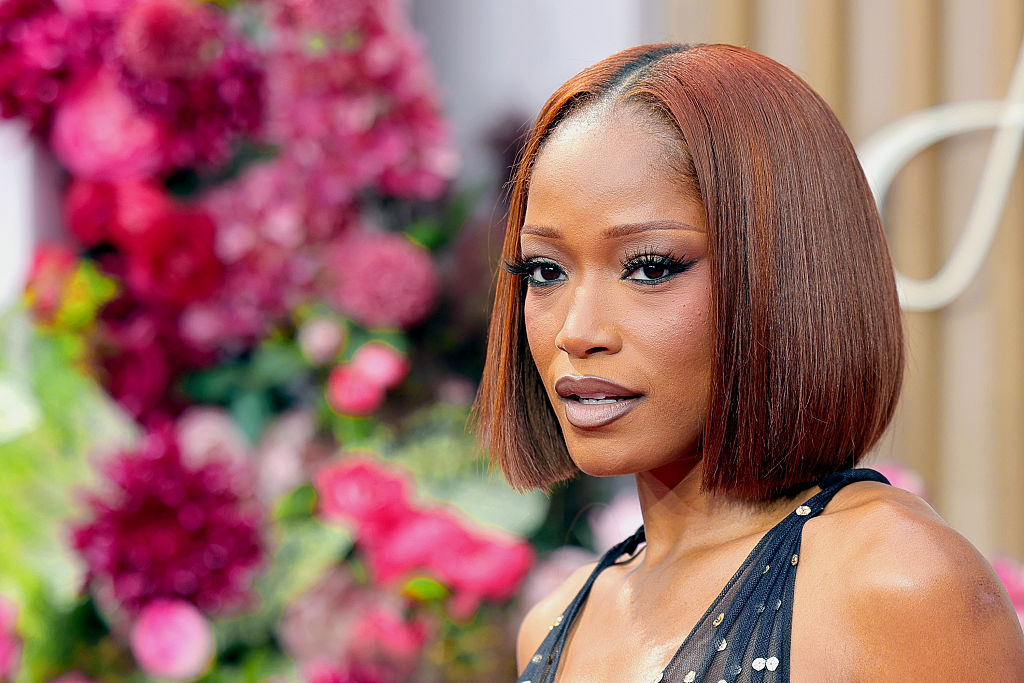
Keke Palmer might be one of the most beloved celebrities in the mainstream today, but it appears that her fans have a bone to pick with her over a new series she greenlit. Keke Palmer is facing backlash after promoting a new series, Southern Fried Rice, which follows the exploits of a Korean American adoptee who gets accepted into an HBCU.
Southern Fried Rice is part of Keke Palmer’s KeyTV lineup and stars Page Yang as Koko, who grew up in a Black family and enters the fictional Wright University in Atlanta.
More from Instagram:
Southern Fried Rice follows KoKo Jackson, a Gen-Z Korean-American adoptee raised in a tight-knit Black Southern family. When she leaves her small-town to attend Wright University, an elite HBCU in Atlanta, she enters a world that challenges her sense of belonging.
Love News? Get more! Join the Hip-Hop Wired Newsletter
We care about your data. See our privacy policy.