State Champ Radio
 News
Page: 179
Trending on Billboard
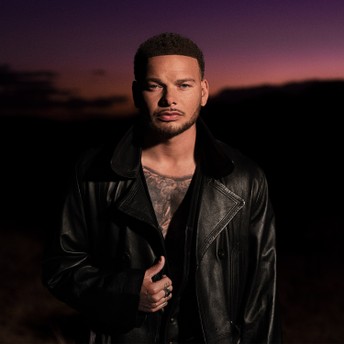
Louis Tomlinson, Kane Brown, Steve Aoki, DJ Pee .Wee (aka Anderson .Paak) and Kaskade are among the artists set to perform at the 2025 Formula 1 Heineken Las Vegas Grand Prix, organizers announced Wednesday (Oct. 30).
Explore
See latest videos, charts and news
The performances will take place Saturday, Nov. 22, on the track’s Grid stage, with entertainment scheduled around the race itself. Fans with access to hospitality areas — including the Heineken Silver Main Grandstand, Paddock Club, Wynn Grid Club and others — will be able to catch the exclusive sets live from trackside.
Tomlinson, who rose to fame as a member of One Direction, will perform following the drivers’ parade as part of the American Express-presented F1 Grid Gigs series. He recently announced his third solo album, How Did I Get Here?, due Jan. 23, 2026, and will kick off a global tour in the spring.
Country star Kane Brown will perform ahead of driver introductions, bringing his crossover hits like “Heaven” and “What Ifs” to the pre-race stage. Other performers include Grammy-nominated producer Kaskade (who will close out the night with a post-race set), Las Vegas native Steve Aoki, DJ duo VAVO, and DJ Pee .Wee — the high-energy vinyl-spinning alter ego of Anderson .Paak.
Additional performances are planned throughout race weekend. At the T-Mobile Zone at Sphere, previously announced headliners include T-Pain, Machine Gun Kelly and Zedd, with sets from Sofi Tukker, Lauv, Cimafunk, Balu Brigada and others also confirmed. Meanwhile, the Heineken Stage will feature Shaggy, Dillon Francis, Jazzy, Jabbawockeez, Cirque du Soleil’s Mad Apple and more.
In addition to three days of performances, T-Mobile Zone at Sphere ticket-holders will also enjoy race-day activations and up-close views of the Grand Prix, including turn 5G and the chicane (a sequence of tight, alternating corners added to a racetrack, usually to slow down cars before a high-speed section) spanning turns 7 through 9.
“While the action on the Las Vegas Strip Circuit is the main event, the T-Mobile Zone at Sphere elevates the experience with its incredible fan zone entertainment,” Emily Prazer, president and CEO of Las Vegas Grand Prix Inc., said in the previous announcement.
“Las Vegas is an entertainment hub within itself, so it was only fitting to bring together some of the music industry’s best to create an unmatched concert experience for race weekend. Paired with the jaw-dropping graphics of the Exosphere and incredible views of the track, T-Mobile Zone at Sphere has the best of all worlds.”
The second annual Las Vegas Grand Prix takes place Nov. 20–22 on a 3.8-mile circuit that weaves through the Las Vegas Strip. For more information, visit f1lasvegasgp.com.

Trending on Billboard
On Wednesday (Oct. 29), Universal Music Group came to a landmark agreement with AI music company Udio. The deal ends UMG’s involvement in the lawsuit against Udio, which it filed last summer with the two other major music companies — Sony Music and Warner Music Group. In the lawsuit, the labels accused Udio of infringing on its copyrighted sound recordings to train its AI music model, which can generate realistic songs in seconds.
Wednesday’s deal went beyond a “compensatory” legal settlement for UMG and Udio, as stated in the press release; it also provides licensing agreements for UMG’s recorded music and publishing assets, creating a new revenue stream for the company and its signees. Participating UMG artists and songwriters will be rewarded for both the training process of the AI model and for its outputs, according to a source close to the deal.
Related
The deal also means that Udio will significantly revamp its existing business. In 2026, Udio and UMG plan to work together to launch a new collaborative platform that will combine music creation with streaming capabilities. According to the press release, the new platform will be “powered by new cutting-edge generative AI technology that will be trained on authorized and licensed music. The new subscription service will transform the user engagement experience, creating a licensed and protected environment to customize, stream and share music responsibly, on the Udio platform.”
The source close to the deal says that Udio users will not be able to export works made within Udio’s forthcoming platform. Instead, they can enjoy their creations within the service, which will be geared towards superfans.
To talk about the new deal, along with Udio’s plans for 2026, Billboard got on the phone with Udio CEO Andrew Sanchez minutes after the deal was announced. You can read the Q&A below.
What was the turning point in negotiations with UMG when you felt like both companies could actually become partners?
Sanchez: We share a really similar vision about what we want to do. The thing that I think is going to be the most extraordinary thing for the music industry in general is when people can do things with their favorite artists and their favorite music. Actually, I think that we had agreements with UMG across the board on this. We said, “Look, we want the human to be centered in this. We want the AI to empower human creators. And we also think, by the way, that that’s actually going to really expand the market.” There actually was a lot of — we had a philosophical alignment on that throughout the whole process. And then the question was, it’s incredibly complex. It’s not something [where] we can pull something off the shelf. We had to actually walk through and figure out how it would all work, and that’s just based on time.
How long did your negotiations with UMG last?
Many months.
One of the things that I thought was really interesting in the press release about this deal is that it notes that Udio will be a “creation, consumption and streaming” destination. Right now, I think of Udio as a place for creation. Can you provide more insight about your vision for this forthcoming 2026 platform with UMG that will do it all?
You’re a keen reader. We believe there’s an incredibly exciting market that combines creation and consumption, both of human-generated songs and of AI-generated songs. We are building a platform that is going to allow you to engage in both of those activities, because that’s where we think the market and users want to go. By the way, we also think that’s the way that artists are going to benefit from this enormously. Because if you can go and you can do stuff with your favorite artists, make a song in their style or remix [a] favorite song, you’re also going to listen to their own music. And we want to be able to meet the users and provide them one place to do that.
It sounds like some of the capabilities you’ll provide with this new platform include mash-ups, remixes and speed controls of existing music. There’s already a few things on the market that do these sorts of things — MashApp, Hook and even Spotify sounds like it’s working on tools like that. How will you make Udio stand out from the pack?
There’s a couple of ways. It’s not just remixing and mashing up. It’s also creating in the style of artists with their opt-in. There’s a huge amount of desire for this, and we know that when we do this the right way with the artist, a huge amount of value will be made for the fan and revenue for the artist.
If I were to say I want to make a pop ballad in the style of Taylor Swift, I can now do that because it’s all licensed?
Well, I don’t want to get specific with artists. It’s their choice, but yeah, in the new service, you would be able to do that, and you’d be able to make extraordinary music. I mean, our model is already really powerful. You can imagine what it’s like when you get to do it directly with the artist’s input and their voice and style, and then the artist gets to benefit from that in multiple ways. They get the financial upside from it. They can increase their brand. And the user gets to go deeper in their connection with you as a fan.
Can users export what they make in Udio to streaming services now?
Not now. That’s an important component of this deal. As we’re entering this transition period, when we’re building out our new models and functionality, you’re not able to have songs leave the platform.
Sony and Warner still have active lawsuits against Udio. Are you confident that they will come to the table now that you’ve reached a deal with UMG?
This is something I need to pass on answering.
There are three parts to this. You have your “compensatory” deal with UMG that settles the lawsuit. Then you also have licenses with UMG on the publishing and recorded music side for this future Udio platform. Does this first part mean you are now retroactively paying UMG for the licensing of their recordings for training data?
To be honest, I think I’d be a little bit over my skis on this, and there’s a lot of legal complexity around that. I don’t think I’m in a position to actually speak about that directly.
Now that you have publishing and recorded music licenses in place with UMG, how does the process of compensating participating artists work? Are you doing a system of attribution or digital proxies for payment?
I wish I could give more details about this right now, but it’s something that we have a clear plan for. This is a trade secret for the moment.
Given this past history with this lawsuit, I imagine that a number of artists will be hesitant about opting in and working with your team. How do you plan to reassure UMG artists who might be hesitant but are interested in diving into AI?
So I think the way to do this is to say you have control, right? We’re very clear about this: If you want to participate, that’s great. If you’re unsure about participating, call me, I’ll sit down with you, and we will talk about it. Call Universal. They’ve been working and thinking about this alongside us. We’ve built and invested an absolutely enormous amount into controls. Controls over how artists’ songs can be used, how their styles can be used, really granular controls. And I think that the way for artists to become comfortable with this is to just talk to me or anyone on the team, and we can walk them through what’s possible.
One of the things that you’ll see is we’re going to launch with a set of features that has a spectrum of freedom that the artist can control. There are some features that will be available to users that will be more restrictive in what they can do with their artists or their songs. And then there will be others that are more permissive. The whole point of it is not only education but just meeting artists at the levels they’re comfortable with.
I think this is something that, when done right, can bring an enormous amount of interest and fan engagement. By the way, data is a huge thing for artists. So imagine that you’re an artist, you’re a hip-hop artist, people are on the platform, and 60% or 70% of them are remixing your songs or using your style in a country song. That’s amazing information that we will provide artists in the back end. They’re going to have this new insight into what people like and want. And I also hope that will inform their own music making.
Interesting. So it sounds like artists aren’t just doing a blanket opt-in here. It’s more granular, and artists can pick and choose what they want to say yes to?
One hundred percent. I also think what we’ll see is, artists at different points in their career are going to also have different views on this — when they’re trying to break, and they want to get their name out there, you know, versus when they’re at the peak of their career. We are ready to learn about that, and we’ll meet them where they’re at.
Since this is a destination for creation and streaming, it feels like an interactive product. Do you have any plans to integrate social features into this, too?
Yeah, for sure. I think that we want to build a community of superfans around creation. As we say internally, it’s connection through creation — whether that’s with artists or that connection with other music fans. We want to lean into that. I think it’s going to be a huge asset for artists and fandoms.
So this platform will now include artists’ voice models, correct?
It’s going to involve all kinds of AI models, like a base model, and then we will have a specific…it’s hard to describe. The best way to explain it, [is it] will have sort of like flavors of the model that will be specific to particular styles or artists or genres. And this, again, provides an enormous amount of control.
Who is your ideal user base for this, since it’s a departure from what you’re doing right now?
I think our ideal user is a passionate music fan who maybe hasn’t created yet, but has the impulse to do so. And if they’re given tools, or they’re given experiences that are straightforward, and they’re given a community that they can engage with, they’re going to want to go deeper. I think that people are going to create songs, or there’ll be songs for you made by people in the communities that you love. I think it’ll be an interesting combination of creation and consumption. I think it goes towards people who are just deep music lovers, who want to go further than is possible today, further than is possible on any of the normal forms of music consumption that we have right now.
Now that Udio is moving forward with this partnership with UMG, I’m wondering, how do you feel this deal can help differentiate the direction that Udio is going in versus Suno, since so many people have lumped the two companies together for so long?
I think that we’re clearly building into a totally new space. I mean, what I’ve described to you isn’t even a question of Udio versus other players. Today, we are breaking new ground on a market that combines new forms of AI and artist interaction — creation and consumption. We’re making a new market here, which we think is an enormous one. I think that we’re already incredibly differentiated just today, just by saying all of this.
Anything else to add?
Partnership is absolutely vital to doing this. This has to be done with artists and songwriters and rights holders, and we are super thrilled about this announcement today, and we want to do this with other artists across the board. So we’re ready to build alongside the entire user community.
Trending on Billboard
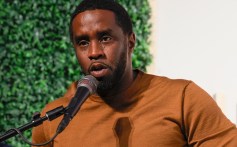
Sean “Diddy” Combs is trying to expedite his criminal appeal, saying he could be close to getting out of prison by the time his case is heard if forced to follow the typical, drawn-out argument timeline.
Combs is challenging both his July conviction and the resulting four-year prison sentence for arranging the drug-fueled sex marathons, known as “freak-offs,” between his girlfriends and male escorts. Jurors found Combs guilty of illegal prostitution, but they acquitted him of more serious racketeering and sex-trafficking charges.
Related
As is the case in much of the court system, appellate procedure is usually slow. In the Second Circuit Court of Appeals, where Combs’ case will be heard, it takes nearly a year and a half on average to get a criminal appeal decided.
Combs’ lawyers don’t want to wait that long. They say in a Wednesday (Oct. 29) court filing that he could complete most of his prison sentence during the typical appeal timeline; Combs is getting credit for the year he’s already spent in jail, plus the sentence could be further trimmed down for good behavior or participation in a drug abuse rehab program.
“An expedited briefing and argument schedule is critical to ensure that Mr. Combs’s appeal of his sentence does not become moot while the appeal is pending,” writes his attorney, Alexandra Shapiro. “To ensure that Mr. Combs could meaningfully benefit from any appellate ruling vacating his sentence, we have proposed a schedule that would expedite this court’s consideration of Mr. Combs’s appeal.”
Shapiro suggests that the lawyers submit all their legal briefs by March and deliver oral arguments in April — that is, she wants the case heard just six months after Combs’ notice of appeal last week.
Related
Wednesday’s court filing says prosecutors have consented to this expedited briefing schedule. This means it’s likely to get approved, absent scheduling conflicts from the Second Circuit.
A rep for the prosecution did not immediately return a request for comment. Shapiro said in a statement to Billboard, “Sean’s appeal will challenge the unfair use of the Mann Act, an infamous statute with a sordid history, to prosecute him for sex with consenting adults.”
The Mann Act, which makes it illegal to transport people across state lines for prostitution, indeed has an ugly past. Originally called the White-Slave Traffic Act of 1910, it has its roots in a government campaign to criminalize interracial relationships. Combs’ legal team said from the beginning of the case that Mann Act prostitution counts were improperly tacked onto his sex-trafficking indictment, and this argument has taken center stage since Combs defeated the heftier charges at trial.

Getty Images / Abby Phillip / Cam’ron
CNN Newsnight Anchor Abby Phillip opened up about her extremely awkward interview with rapper/podcast host Cam’ron.
Phillip sat down as a guest on The Breakfast Club on Tuesday, October 28, to plug her new book, A Dream Deferred: Jesse Jackson and the Fight for Black Political Freedom, but the conversation shifted to her awkward exchange with the It Is What It Is host.
She was asked about the interview in which she asked Cam’ron about the allegations Diddy was facing.
Instead of adding his opinion on the matter, Cam’ron plugged his sexual enhancement supplements, Pink Horsepower, and even took a sip of it before adding that he was going to get some “cheeks.”
“I knew that we needed to end the interview,” Phillip told the morning radio show hosts. “We were up against the end of the show, and we had to get to a certain time. I had to land that plane, and I did. And look, I mean, it was ridiculous, but as we know, that was the point.”
Love Current Events? Get more! Join the Hip-Hop Wired Newsletter
We care about your data. See our privacy policy.
When Charlamagne jokingly asked about transcribers being confused by the “cheeks” remark, Phillip laughed it off, adding that the staff all wondered, “What just happened?”
Abby Phillip Knew From The Jump That A Quick Wrap From Cam’ron Was Necessary
Phillip then said she wouldn’t give the situation “much more oxygen,” revealing that it was Cam’ron’s team that had requested the Diddy question, despite Cam’ron’s response.
“All I will say is that we were told by his team that he wanted to talk about this, not the other way around,” Phillip revealed.
She also claims that the CNN team knew from the jump that an immediate wrap would be necessary.
“It was from the get-go,” Phillip said. “I’m not new to this. Like, I know from the beginning when somebody is not interested in being interviewed.”
Phillip also claims the Dipset founder was late to the interview, but it serves as a consolation prize; Cam did tell The Breakfast Club that his viral moment with CNN was his favorite interview.

Trending on Billboard
Universal Music Group (UMG) and Udio, one of the top AI music models on the market, have announced a strategic agreement, thereby settling UMG’s copyright infringement litigation against Udio. Now, a press release from UMG states that the two companies will also “collaborate on an innovative, new commercial music creation, consumption and streaming experience.”
This deal includes a compensatory legal settlement for UMG, which sued Udio and its rival Suno with the two other major music companies in June 2024, accusing the two platforms of copyright infringement on an “almost unimaginable scale.” At the time, Suno and Udio were using UMG and the other majors’ copyrighted sound recordings to train their models, which could make realistic songs at the click of a button, without a license in place. (Sony Music and Warner Music Group are still involved in the lawsuit against Udio and Suno).
Related
According to the press release, this deal goes beyond just settling the lawsuit — it also provides licensing agreements for recorded music and publishing to UMG, creating a new revenue stream for the company and its signees. Notably, the lawsuit was only focused on the apparent infringement of UMG’s sound recordings, so this now provides a licensing framework for not just sound records but songs as well. Participating UMG artists and writers will be rewarded for both the training process of the AI model and for its outputs, according to a source close to the deal.
For now, Udio’s existing model will remain available for users as the AI company transitions over to this new model with UMG. Any song created with Udio’s existing model will be “controlled within a walled garden,” according to the release, and there are already amendments to Udio in place to make sure that all songs created with it are fingerprinted, filtered and more. According to a source close to the deal, users are not able to export their Udio songs for now.
The new collaborative platform will be launched in 2026, and UMG artists and songwriters can participate in it on an opt-in basis. The press release states it will be “powered by new cutting-edge generative AI technology that will be trained on authorized and licensed music. The new subscription service will transform the user engagement experience, creating a licensed and protected environment to customize, stream and share music responsibly, on the Udio platform.” The source close to the deal adds that works made within Udio’s forthcoming platform cannot be exported. Instead, users can enjoy their creations within the service, which will be geared towards fans. Some capabilities are said to include mashups, remixes and tempo changes to existing, licensed works as well as voice swapping with UMG artists’ voices who have chosen to make their vocals that available to users.
Related
This marks UMG’s latest collaboration with an AI music company, and certainly its biggest announcement to date. In the past few years, UMG has struck deals with “responsible” AI music companies, as the company often calls them, including KLAY, SoundLabs and Pro-Rada. More deals between UMG and AI companies are expected to arrive in the coming days.
“We couldn’t be more thrilled about this collaboration and the opportunity to work alongside UMG to redefine how AI empowers artists and fans,” said Andrew Sanchez, co-founder & CEO of Udio, in a statement. “This moment brings to life everything we’ve been building toward — uniting AI and the music industry in a way that truly champions artists. Together, we’re building the technological and business landscape that will fundamentally expand what’s possible in music creation and engagement.”
Lucian Grainge, chairman and CEO of UMG, said, “These new agreements with Udio demonstrate our commitment to do what’s right by our artists and songwriters, whether that means embracing new technologies, developing new business models, diversifying revenue streams or beyond. We look forward to working with Andrew who shares our belief that together, we can foster a healthy commercial AI ecosystem in which artists, songwriters, music companies and technology companies can all flourish and create incredible experiences for fans.”

Source: NurPhoto / Getty
On Tuesday (Oct. 28), the Israeli military carried out renewed actions in Gaza at the direction of Prime Minister Benjamin Netanyahu, breaking the ceasefire negotiated Oct. 10. Netanyahu ordered “powerful strikes” to be carried out in response to an alleged cover-up by the Hamas organization regarding the return of the remains of an Israeli hostage taken Oct. 7, 2023.
The prime minister’s office said that the airstrikes were ordered after Netanyahu met with security ministers who advised him of Israeli Defense Forces coming under fire in the southern Gaza Strip, and showed drone footage allegedly of Hamas operatives using the remains of an IDF soldier in place of one of the hostages for a handover per ceasefire terms. “Hamas will pay many times over for attacking the soldiers and for violating the agreement to return the fallen hostages,” said Defense Minister Israel Katz.
In a statement, Hamas said that Israel’s allegations were “baseless and aimed at misleading public opinion.” They also declared they would halt the handover of the remaining 13 dead hostages they have or are trying to locate. Families of the hostages and other critics have accused Netanyahu of prolonging the war in order to further delay his ongoing trial. According to the Times of Israel, Netanyahu is accused of fraud, bribery, and breach of trust.
The Gaza Government Media Office fired back at Israel’s allegation of Hamas breaking the ceasefire by listing 125 incidents where Israel broke it after Oct. 10, “resulting in the killing of 94 Palestinians and the injury of more than 344 others.” One instance occurred Oct. 19, when airstrikes took place after Israel claimed two of its soldiers were killed in Rafah. President Donald Trump, who helped enact the ceasefire, said that it was still in place after that attack, but that Israel should “hit back” if attacked. “Nothing is going to jeopardize” the ceasefire, he said to reporters on Air Force One, according to the BBC. “You have to understand Hamas is a very small part of peace in the Middle East, and they have to behave.”

Trending on Billboard On Oct. 10, Tame Impala‘s Kevin Parker and an intimately sized group of fans gathered in Mexico City’s magnificent Parque Quetzalcóatl for a DJ set by Parker. Produced by Cercle, the 90-minute set happened in conjunction with the Oct. 17 release of the new Tame Impala album, Deadbeat, a collection of dance […]
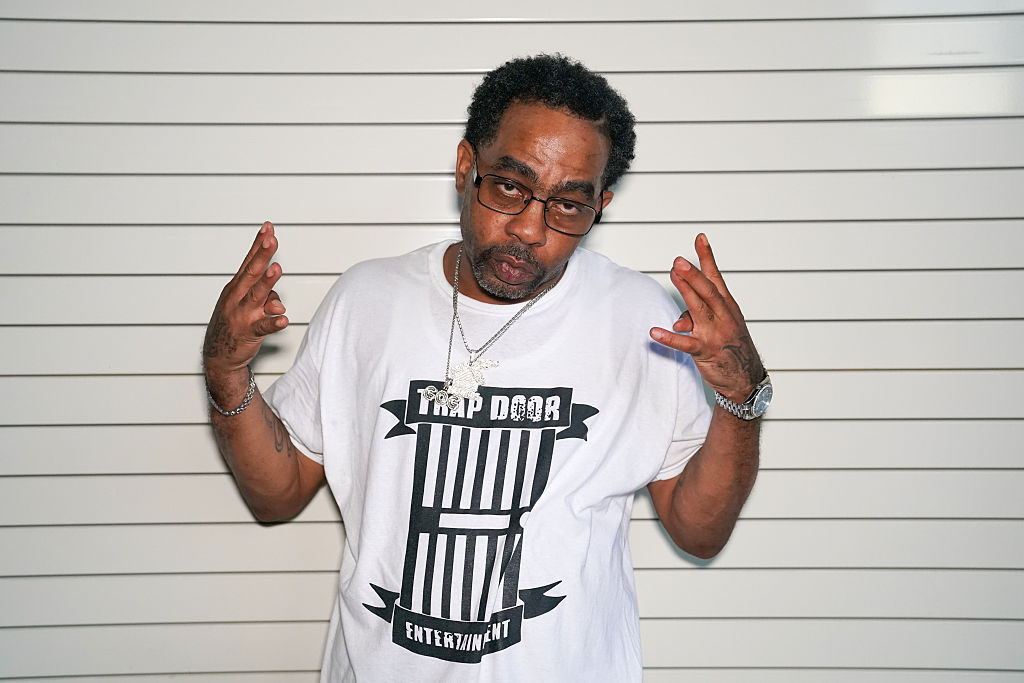
Young Bleed, fresh from an appearance with his No Limit Records family in the recent VERZUZ clash with Cash Money Records, was the subject of reports that he unfortunately passed away. After urging from the rapper’s family, it has since been revealed that Young Bleed is currently hospitalized and being held at an ICU.
Young Bleed is still alive and fighting for his life after he was hospitalized earlier in the week for reasons that have not been revealed to the public. On social media, several large accounts began posting memorials in Bleed’s honor, prompting his sister, Tedra Johsnon-Spears, to take to Facebook and ask everyone to take down the news.
From Facebook:
HIS WILL BE MY FIRST AND LAST POST, WE ARE RECEIVING A TREMENDOUS AMOUNT OF CALLS ABOUT MY BIG BROTHER GLENN, TANK, YOUNG BLEED.IF YOU HAVE NOT CALLED HIS MOTHER PERSONALLY PLEASE DO NOT POST ABOUT HIMOUR FAMILY ASK THAT YOU RESPECT OUR PRIVACY AND HOLD ALL CALLS AND TEXT AT THIS TIMEHE IS STILL CURRENTLY IN ICU AND HIS MOTHER ASKED IF YOU ALL WOULD RESPECT HER WISHES AND NOT MAKE ANY RIP POST
Master P followed up with a post on his Instagram page confirming that Bleed is still alive and asked fans for prayers.
From IG:
@snoopdogg and I was just talking about how we have to love eachother while we here! We just turned up with our brother @therealyoungbleed @verzuztv Thanks for all y’all prayers and we need more prayers for him and his family as he fights in ICU #GodGotUs #NoLimitSoldier Tell your people you love them every time they walk out the door.
Hip-Hop Wired extends its warmest thoughts to the family of Glenn “Young Bleed” Clifton Jr.
—
Photo: Getty

Trending on Billboard Billboard’s Top Holiday Albums chart returns for the 2025 season, with familiar favorites among the top 10 of the Nov. 1-dated list, including Vince Guaraldi Trio’s A Charlie Brown Christmas soundtrack, Michael Bublé’s Christmas and Mariah Carey’s Merry Christmas (at Nos. 2, 3 and 5, respectively). Leading the tally is the Christmas-meets-Halloween […]

Trending on Billboard DistroKid has launched a new direct-to-fan platform that will allow artists to quickly create custom merch, the DIY distributor announced on Wednesday (Oct. 29). Called Direct, the platform will allow artists to transform the artwork from their albums and singles into custom t-shirts, tote bags and mugs that can be produced on […]