State Champ Radio
 Music
Page: 196
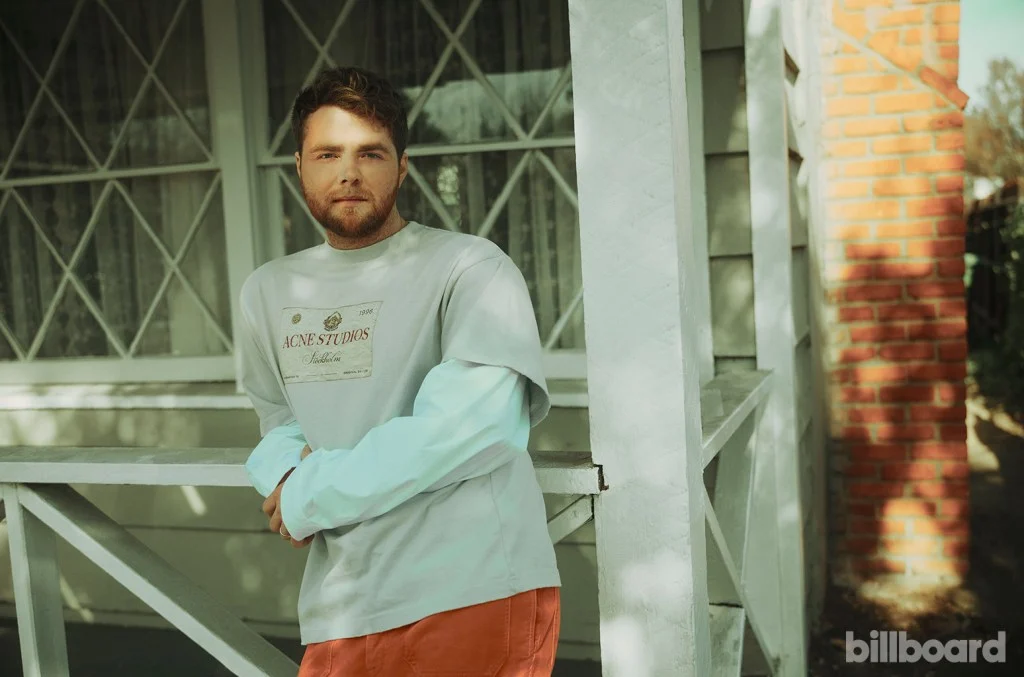
A documentary on Grammy-nominated singer-songwriter Noah Kahan is on the way, it has been confirmed.
The currently untitled film is the product of Live Nation Productions, Federal Films, Polygram Entertainment and RadicalMedia, with Nick Sweeney serving as director, and RadicalMedia on board as the production company.
The film is set to portray Kahan’s rise from his Vermont roots to global stardom, tracing his early musical ventures, leading into the release of early albums such as Busyhead and I Was / I Am, and the household name status that would follow as the result of 2022’s Stick Season.
Explore
Explore
See latest videos, charts and news
See latest videos, charts and news
Following the release of his Stick Season album, which would hit No. 2 on the Billboard 200 and see its title track hit No. 9 on the Hot 100, Kahan found himself firmly in the spotlight, receiving widespread acclaim and even a Grammy nomination for best new artist.
As the documentary follows his journey, it shows Kahan grappling with the realities of becoming a prominent voice in the conversation surrounding mental health, the pressures surrounding his success, and the challenges of following it up. The intimate look also captures Kahan returning to Vermont as he reconnects with the people and places that helped shape him while also navigating through the challenges of life and changing relationships.
Trending on Billboard
The film has already wrapped production and is currently in the market for distribution with CAA. The film’s producers include Ryan Kroft, Vaughn Trudeau and Anna Keegan for Live Nation Productions, Jeff Ludwig and Devon Libran for Federal Films, David Blackman for Polygram Entertainment and Samantha Mustari, Dave Sirulnick and Stacey Reiss for RadicalMedia.
Executive Producers on the project include Michael Rapino, Jessica James Batista, Michael Yerke and Alex Maxwell for Live Nation Productions, Drew Simmons and Ryan Langlois for Foundations, Ben Adelson and Alex Coslov for Mercury Records, Monte Lipman and Jeffrey Remedios for Federal Films and Jon Kamen for RadicalMedia. Asher Brown and Henry Allison also serve as co-producers.
Following the release of Stick Season in 2022, Kahan has since released two expanded editions of the record, including 2023’s Stick Season (We’ll All Be Here Forever) and 2024’s Stick Season (Forever).
In August 2024, he released the Live from Fenway Park album, with the next month seeing Vermont governor Phil Scott proclaim Sept. 19, 2024 as Noah Kahan’s Busyhead Project Day in recognition of Kahan’s efforts surrounding mental health.
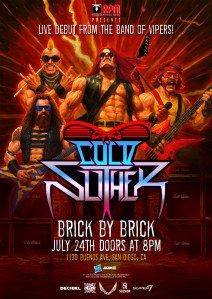
For parents and priests back in the ‘80s worried about subliminal, evil messages in heavy metal music, Cold Slither was their worst nightmare. Or at least the four-piece hard rock band would have been if they’d been flesh-and-blood instead of a cartoon band from the iconic animated series G.I. JOE: A Real American Hero. But at San Diego Comic-Con, Cold Slither – the villainous metal band whose music was laden with subliminal messages from terrorist organization Cobra – is coming to life for the first time.
On July 24 at San Diego’s Brick by Brick, Cold Slither will take the stage for a one-night-only show presented by Hasbro and Reigning Phoenix Music. The evil (but honestly kind of doltish) band of swamp mercenaries working for Cobra Commander will be brought to life by Gus Rios (vocals/bass, portraying Zartan), Ross Sewage (guitar, portraying Torch), Matt Harvey (guitar, portraying Ripper) and Andy Selway (drums, portraying Buzzer).
Trending on Billboard
The day after the concert, Friday, July 25, Cold Slither’s debut album will drop. It features the “Cold Slither” song that appeared in the Dec. 2, 1985, episode of the series that introduced the band, as well as nine additional tracks, including “Thunder Machine,” which debuts today. Pre-orders are available now.
Soldiers and mercenaries who swing by the Hasbro and Reigning Phoenix Music booths can pick up the “Zartan Chameleon Blue” and “Blood Moon Red” vinyl variants, respectively, both exclusive to San Diego Comic-Con. Fans can also pick up limited-edition action figures of the hard-rocking Dreadnoks at the event.
Courtesy Photo
“This isn’t just an album – it’s a sonic strike straight from Cobra Command!” the band says. “We’re back, louder, heavier and deadlier than ever. We can’t wait for G.I. JOE fans and metalheads to experience the raw power of our music, culminating in our live debut at San Diego Comic-Con. Prepare your ears for total domination… Let’s Rock and Cobra Roll!”
Check out the Cold Slither album tracklist below.
Cold Slither1. Welcome to the Swamp (Intro)2. Cold Slither3. Knock ‘Em Dread4. Thunder Machine 5. Zartan’s Revenge 6. Snakes on the Bayou7. Torched8. Under the Dreadnok’s Spell9. Master of Disguise10. The Ballad of Buzzer11. These Fluffies Are Fatal
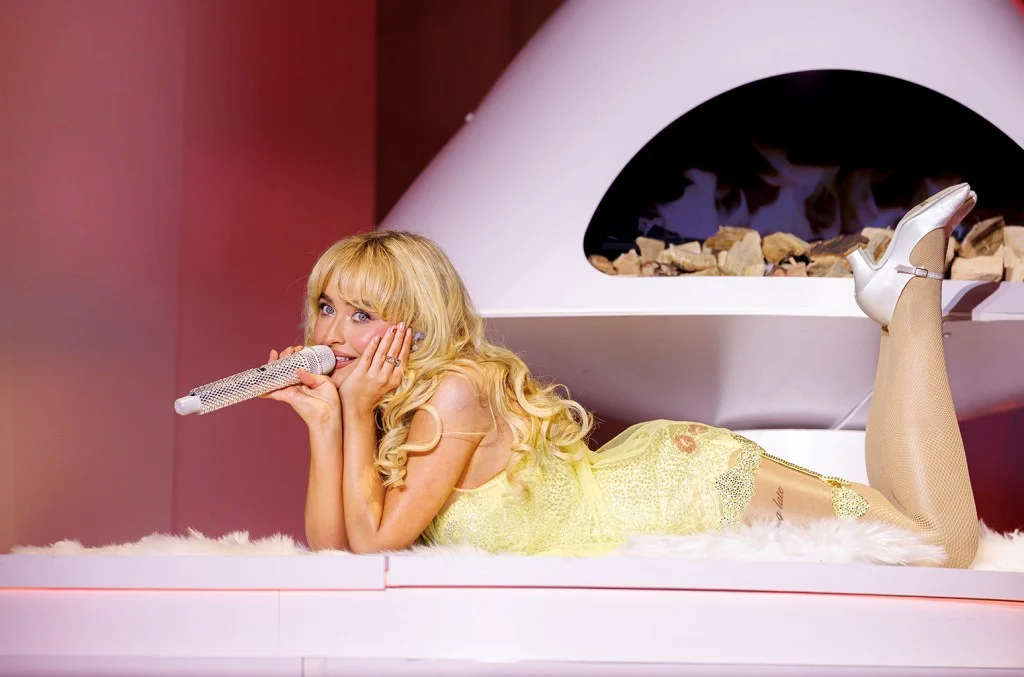
Sabrina Carpenter is up to something. This week, the pop star has been taking to the streets to tease a new project, first with a clip of herself trying to hitchhike followed by a series of mysterious billboards. On Monday (June 2), Carpenter first got fans paying attention by posting a video on social media […]

With Tha Carter VI set to arrive on Friday (June 6), Lil Wayne is plotting a North American tour to bring the album with him on the road later this year. Announced on Tuesday (June 3), Weezy’s Tha Carter VI Tour is slated to kick off on Friday with a celebratory show at the iconic […]

Mariah Carey is stepping into a new era. After going nearly seven years without dropping a proper album, the pop superstar appeared to tease on social media that she has a new LP in the works — and the first taste of it may be coming sooner than you think.
In one video posted Monday (June 2), Mimi looks as glamorous as ever while sitting in a car, listening to a single with a groovy club beat on the radio. The video then cuts to a shot of the screen displaying an untitled track — “T:D_MC16.mp3.” “To show my appreciation for your support, thank you DJs,” Carey’s smoky voice says as the track heats up.
The clip then pans to the car’s license plate, which displays the following: “MC16.” The caption reads, “What’s your type?” — the same message that the video ends with.
Trending on Billboard
Based on the license plate, it looks like the Songbird Supreme is finally following up 2018’s Caution, which was the 15th album in her discography — as in, her next LP will be her 16th, or “MC16.” It would also appear that the first single could arrive Friday (June 6), based on another video Carey posted on Instagram one day after the first one. In the second clip, she sits again in a car while music plays on the stereo system, the engine loudly running before the shot cuts to a message reading, “June 6.”
Billboard has reached out to Carey’s reps for comment.
Though the “Obsessed” singer has been active over the years with her yearly “All I Want for Christmas” pushes, fans have been growing increasingly impatient for fresh music. Carey’s last album, Caution, reached No. 5 on the Billboard 200, one of 18 top 10 entries she’s scored on the chart over the course of her career.
The new teasers come just a few days after Carey celebrated the 20th anniversary of one of her most iconic albums, The Emancipation of Mimi, which spent two weeks at No. 1 in 2005. To mark the occasion, she recently released a special multi-disc anniversary edition of the project, featuring remixes, bonus tracks, radio mixes and a cappella cuts compiled together in one place for the first time.
See Carey’s posts below.
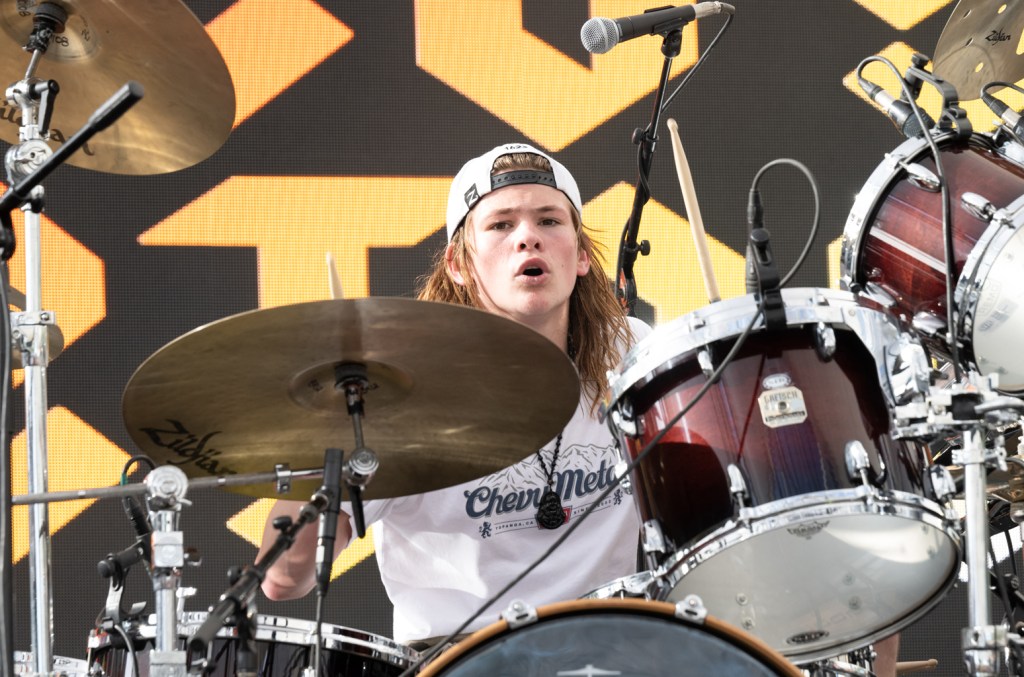
Shane Hawkins set the record straight on which Foo Fighters song was his late dad Taylor Hawkins‘ favorite to play during a recent drum clinic at the Dead Famous cocktail bar in Newquay, England. “All right, this is another one of my dad’s that I like to play,” Hawkins, 18, told the crowd at the […]

Lenny Waronker says his that receiving the Ahmet Ertegun Award at this year’s Rock & Roll Hall of Fame induction ceremony will be “very nice” but also acknowledges that “it scares me a bit.”
“What they’re going to be doing certainly will take the pressure off of having to get up and make a speech, ’cause I’m not going to have to make a speech,” the longtime record executive tells Billboard. “There’s going to be a lot of video and things like that. But when you get right down to it, it’s nice. It’s an honor and it’s important and it feels good.”
Two of his five children have followed Waronker into the music business – singer-songwriter Anna Waronker, who founded the rock band that dog, and drummer Joey Waronker, who’s worked with everyone from Beck to R.E.M. and will be on the road playing with Oasis this summer.
Trending on Billboard
The elder Waronker, 83, is being honored for more than six decades of groundbreaking work, as a producer as well as the former president of Warner Bros. Records and co-founder of DreamWorks Records, playing an instrumental role in the careers of artists such as Randy Newman, James Taylor, Rickie Lee Jones, Maria Muldaur, Rod Stewart, Eric Clapton, Prince, John Fogerty, R.E.M., Rufus Wainwright and Elliott Smith. Since 2010 he’s been back at Warner working as a consultant or, as he puts it, “a senior A&R executive” who’s helped with projects by Jenny Lewis, Gary Clark Jr., Kimbra and more.
Being behind the scenes was part of Waronker’s DNA. Growing up in Los Angeles’ Pacific Palisades with childhood friend Newman, his father Simon transitioned from playing violin in the 20th Century Fox Orchestra to a contractor, then founded Liberty Records in 1955. “I was exposed to music at a very young age,” says Waronker, who spent summers at Liberty while attending the USC Thornton School of Music. He joined the company full-time after graduating, working for the label’s publishing division, Metric Music, where he produced song demos.
“The door really opened when my father started (Liberty). I grew up watching a record company being built and being part of it. I knew what was going on; when he would sign an act that I was familiar with I’d be excited, and when he lost an act…I got to understand that kind of disappointment.”
Waronker subsequently became one of Warners’ most prolific in-house producers, bringing Newman and Van Dyke Parks to the label and helming albums by Jones, Muldaur, Harpers Bizarre, the Everly Brothers, Ry Cooder, Arlo Guthrie and Gordon Lightfoot. He also worked on specific tracks for Taylor (“Shower the People,” “Mexico,” “How Sweet It Is (To Be Loved By You)”), Michael McDonald (“I Keep Forgettin’”), Clapton (“Forever Man”) and Stewart (“Broken Arrow”). Mo Ostin — who received the Ertegun Award in 2003 — made Waronker head of A&R in 1970 and company president in 1982.
“I had two careers, in a way,” says Waronker, who brought producers such as Ted Templeman (formerly of Harpers Bizarre), Russ Titelman, Gary Katz, Michael Omartian and others into the Warner ranks. As a producer himself, he notes, “I was pretty judgmental — which of course is stupid, but there you go.”
Ultimately, Waronker says he realized “I was surrounded by great artists, so I had to keep reminding myself, ‘Don’t worry. Keep your mouth shut when something’s going good.’ If I had some idea that could make a record better, say something. I had an enormous amount of respect for the artists; a lot of time it’s staying the hell out of the way when you’re dealing with the kind of people I was dealing with and being as supportive as you can.”
Waronker says he applied that philosophy in his executive roles as well. “When you’re around somebody like (Ostin), if you’re paying attention and listening and asking questions, you’re gonna do OK,” he explains. “(Ostin) wanted a creative community as much as a record company. The relationship part of that was a big, big reason for my having any success as an executive.
“It was a time for experimentation and learning about what you could and couldn’t do. In those days it wasn’t just about the hits; at least in my mind, signing an artist was important because it gave the creative community a sense of what the company stood for. We really took advantage of that, big time. When I think about it now it’s like, ‘Jeez, how did that happen?’ But if you have a point of view and you have strong beliefs about what you’re doing, who you work with, what the company stands for, and you’re right, the rest sort of takes care of itself.”
Prince was, of course, one of those prestige acts on the Warner roster — and one who made Waronker realize the value of standing back and letting the artist follow his muse. “He was incredibly focused, very strong. He knew what we wanted. Every once in awhile he would open up, but mostly he knew what he was doing and wasn’t interested in (outside) ideas. So it was one of those things where he had it and he wasn’t cut out to sit and listen to somebody else talk about his music, which is good and bad because everybody can use help. But he was amazing, what can you say?”
Waronker and Ostin presided over what was considered a golden age for Warner until the early ‘90s, when a corporate reorganization after the death of Time Warner chairman Steve Ross in 1992 led to them leaving the company in 1994. With DreamWorks, Waronker steered the company to nearly five-dozen gold or better albums and more than two dozen Grammy Awards before he left.
“At the time I was starting to get antsy and (then-Warner chairman) Tom Whalley asked me to come in as a senior A&R executive who could help the younger A&R people and get involved, and that idea sounded good to me,” Waronker remembers. “So I went there and I found that it was fun. I like the young A&R (staffers); they were all very open and incredibly respectful, and that felt good. If someone is struggling, I know what that’s like and I know what to say to them.
“What was surprising to me was the amount of knowledge (current Warner staffers) had about what made us tick in the ‘60s, ‘70s, ‘80s, early ‘90s, whatever. They tried to hold onto as much of that as they could. Again, you get the right people — that’s artists, too — and you’re gonna be in good shape.”
The upcoming Rock Hall honor does have Waronker reflecting on his career, of course. But he doesn’t expect that will turn into something more, like a memoir. “Nah, I don’t want to do that,” he says. “If you’re going to write you have to tell the truth, and I just didn’t want to do that. I’m not good with dishing stuff. Most of these books are a good attempt at telling the truth, but having to tell the real truth, then it becomes my truth, and I’m not interested in it.”
The Rock Hall induction ceremony takes place Nov. 8 at the Peacock Theater in Los Angeles and will stream live on Disney+, moving to Hulu the next day and an ABC special later. Performer inductees are Bad Company, Chubby Checker, Joe Cocker, Cyndi Lauper, Outkast, Soundgarden and the White Stripes. Salt-N-Pepa and Warren Zevon will receive the musical influence award, with Thom Bell, Nicky Hopkins and Wrecking Crew bassist Carol Kaye receiving the musical excellence award.
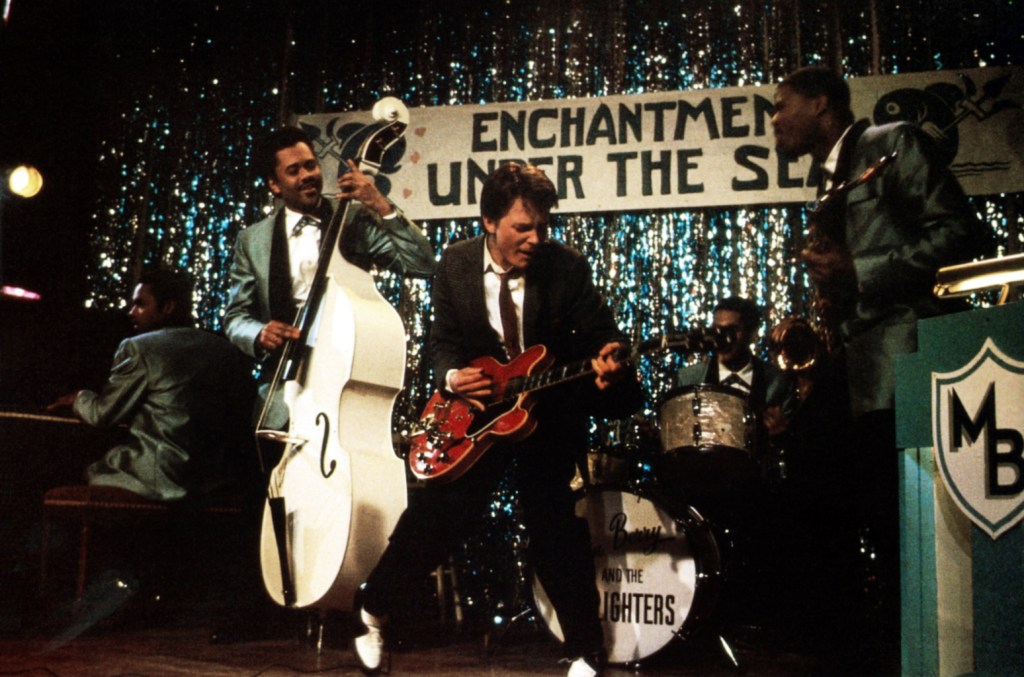
The hunt is on for an iconic but missing artifact from Robert Zemeckis’ classic 1985 film Back to the Future.
Gibson Guitars and Universal Home Entertainment, in conjunction with filmmaker Doc Crotzer, have launched Lost to the Future, a search for the Gibson ES-345 Cherry Red guitar that Michael J. Fox, as Marty McFly, played in the beloved film. As fans well know, Fox picked up the guitar during the movie’s Enchantment Under the Sea high school dance, where he performed the Penguins’ “Earth Angel” and then shredded Chuck Berry’s “Johnny B. Goode.”
The guitar, which was rented as a prop from Norm’s Rare Guitars in Tarzana, Calif., has been missing for several decades. Now Gibson and Crotzer (Road House, Shotgun Wedding, Glee) have begun a “true crime search” for the instrument, and the filmmaker is planning to make a documentary about the endeavor.
“Back to the Future made me want to make movies as a kid, and made me want to pick up a guitar,” Crotzer tells Billboard. “I’m a guitar player but I’m just a hobbyist; I went on with my (filmmaking) career, but I had always wondered what happened to that guitar. Over the last however many years so many props from the movie have surfaced…but (the guitar) had never surfaced.”
Trending on Billboard
Gibson’s director of brand experience Mark Agnesi, who previously worked at Norm’s Rare Guitars before joining Gibson, also cites the “Johnny B. Goode” scene as one of his inspirations to play. “I’ve been searching for this thing for 16 years now,” he says. “I started searching everywhere. Norm’s has this big warehouse of guitars and occasionally I’d go in and look for certain things, and every time I’m in there I was always looking around for (the Back to the Future guitar), but to no avail.”
They aren’t the only ones who were inspired by the scene, of course. When Fox joined Coldplay at last year’s Glastonbury Festival in England, frontman Chris Martin told the crowd that, “The main reason why we’re in a band is because of watching Back to the Future,” adding that Fox is “our hero forever and one of the most amazing people on Earth.” In a new video announcing the Lost to the Future project, John Mayer notes that the scene “was a big Rocky moment for a lot of kids,” while Jason Isbell explains “that’s the most iconic guitar from a movie. I don’t think anything else comes close…That was a huge deal for me. The world needs to see that guitar.”
Those with leads about the guitar’s whereabouts are asked to call 1-888-345-1955 or send a message via www.LostToTheFuture.com.
The trail for the guitar is indeed cold. It was apparently sold, then sold back to Norm’s and then presumably resold again. “Back then there was no digital record of that stuff; it was all hand-written receipts and stuff,” Gibson’s Agnesi says. “We know it was returned to Norm’s. At that time in the mid ‘80s there was a Japanese vintage guitar boom; charter buses of Japanese tourists were pulling up and buying everything in sight. So it could be someone has it in Japan. We don’t know. The possibilities of where it could be are endless.”
The guitar’s serial number is not known, but there is a unique tell that will allow it to be authenticated, according to Agnesi; the inlay on its 12th fret is solid, not split like the others on the neck, which was standard for the ES-345 at the time. “That anomaly is the smoking gun we’re looking for, thank God,” Agnesi says. “That will not be on any other guitar. Either someone custom-ordered it that way or it would be marked a factory second on the back of the head stock. That’s how we’ll know we’ve found the guitar we’re looking for.”
Filmmaker Crotzer adds that the tell is “the most amazing coincidence. I personally believe it’s like some higher power giving us the opportunity to find the thing.”
An irony is that while Back to the Future is set in 1955, the ES-345 was not yet in production in 1958, and not made in cherry red until the following year. “Norm has publicly said he knew that guitar was wrong for the era,” Agnesi notes, adding that in ’55 Berry was playing a Gibson ES-5 Switchmaster. But the filmmakers, he says, wanted something slimmer and more streamlined. “They wanted that Chuck Berry 345 look even though it wasn’t the right guitar for the time period,” Agnesi says. “They were willing to take some small liberties and have fun in the movie with it. If not for that guitar, the scene might not have been as impactful.”
It also dovetails with the fact that “Johnny B. Goode” wasn’t released until 1958 — adding to Marty McFly’s future prognostication that, “I guess you guys aren’t ready for that yet, but your kids are gonna love it.”
Charles Berry says that his father was not bothered by those historical inaccuracies, however. “Dad was fairly laid back when it came to stuff like that,” he says, adding that the family didn’t know about the “Johnny B. Goode” scene “until maybe a month or two before. It’s just like (the 1987 documentary) Hail! Hail! Rock ‘n’ Roll; he said, ‘Oh yeah, by the way, they want to make this movie about me.’ (Back to the Future) was the same type of thing; he comes to the house and says, ‘Yeah, there’s this movie coming out, in one of the scenes this kid’s playing ‘Johnny B. Goode.’ ‘Really?!”
Seeing the film, the younger Berry — who owns some of his father’s old guitars and administrates the loan or donation of others to museums — says, “We got a kick out of it. It’s a very good movie, a nice wholesome movie. Michael J. Fox did a really cool job. It may not be exactly the right guitar, but we’ll take it.”
The scene famously ends with one of the band members, ostensibly Berry’s cousin Marvin, calling the rock n’ roll pioneer and holding the phone up to hear what’s being played on stage. “Besides, ‘What’s it like to be Chuck Berry’s son?,’ after ’85 the most-asked question I get is, ‘Does your dad really have a cousin Marvin?’” says Charles Berry with a laugh. “No, it was just in the movie.”
The video announcing the search also features Back to the Future co-screenwriter Bob Gale, co-stars Lea Thompson and Christopher Lloyd, and Huey Lewis, who had an uncredited bit part and, with his band the News, scored a Billboard Hot 100 No. 1 hit with “The Power of Love” from the soundtrack. “Back to the Future, it keeps growing; it’s like a Wizard of Oz for a new generation,” says Lewis, adding that, “it’s fascinating (the guitar) has not turned up. It’s a very distinctive one. Whoever has this guitar must not have heard that they’re searching for it yet. Once the word is out, if you’ve got a 345, you’re going to look and see if that’s the one.”
The search is part of a number of Gibson initiatives related to the film and the guitar’s legacy in it. An episode of Gibson TV: The Collection that premieres in October features Fox talking about his own history of guitar playing and his collection of 40-some instruments. The same month, Gibson and Epiphone will release new custom models of the ES-345 as well as Back to the Future-themed apparel, and Gibson Gives will announce a partnership with the Michael J. Fox Foundation.
“I just wanted to be a rock n’ roll guitarist,” Fox says in The Collection. “That’s all I wanted to do. I became an actor instead of a guitarist…It’s always been a passion of mine, rock n’ roll — especially the guitar.” He adds that the ES-345 in the film “was such a good guitar. It’s like Excalibur…. Being 23 years old and that scene, I was having the f–king best time. But I didn’t realize the influence it had on people. It’s just expressing my love for the guitar and all the great players.”
Crotzer says all of that will be part of the Lost to the Future documentary. A happy ending is hoped for, but Crotzer is also out to tell the greater story surrounding it.
“We’ve realized (the story) is bigger than we thought,” he says. “The through-line is the true crime search for this guitar, but the emotional core of it is tracking how it inspired a generation of kids, whether they went on to become Chris Martin or went off to do completely other things. There’s a collective experience here that we really want to capture.”
What will be the No. 1 song of the summer of 2025? We begin making our way toward the answer, as Billboard’s annual Songs of the Summer chart returns to Billboard.com. The 20-position Songs of the Summer running tally tracks the most popular titles based on cumulative performance on the weekly streaming-, airplay- and sales-based […]
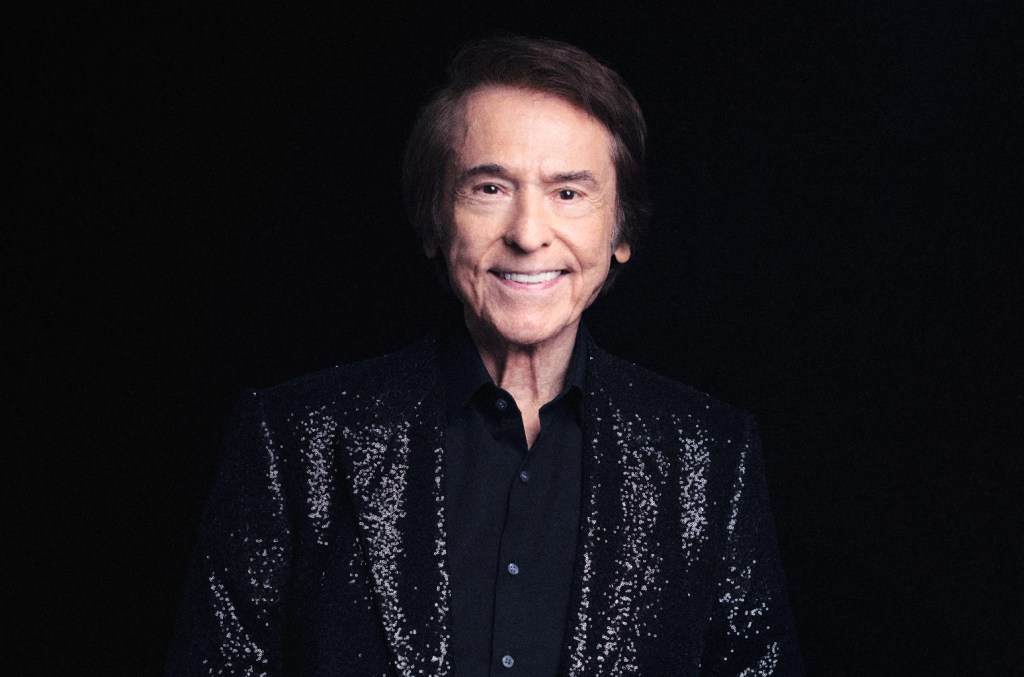
Raphael will be honored as the Latin Recording Academy’s 2025 Person of the Year in celebration of his incredible 60-year-plus career.
Seen as one of the trailblazers in bringing Latin music to the global stage, the legendary Spanish singer will be celebrated on Nov. 12 in Las Vegas, the night before the Latin Grammys, at a star-studded gala where top artists will perform his songs.
“I feel deeply grateful to The Latin Recording Academy for this recognition that I have dreamed of receiving for many years,” Raphael said in a statement Tuesday (June 3). “Being named Person of the Year thrills me immensely; it’s the best way to celebrate so many years of dedication and love for music. It’s an honor I will always carry in my heart. I look forward to reuniting with everyone in November to celebrate together and give back all that affection through songs.”
“We feel tremendously proud to pay this well-deserved tribute to Raphael for an exemplary artistic career that has transcended borders and languages,” Manuel Abud, CEO of The Latin Recording Academy, said in a press release. “His unmistakable style, resilience, and constant reinvention have kept him relevant throughout the decades, making him a source of inspiration for new generations of Latin music creators.”
Raphael, whose real name is Rafael Martos, is one of the most iconic figures in Spanish-language music. Born in Linares in 1943 and raised in Madrid, his talent was evident from an early age, earning him the title of Best Child Voice in Europe at the Salzburg Festival at just 9 years old. He gained international recognition representing Spain in Eurovision with songs like “Toco Madera” (1988), “Maravilloso, Corazón, Maravilloso” (1989), and “Escándalo” (1992), which reached No. 2, No. 7, and No. 9, respectively, on Billboard‘s Hot Latin Songs chart. In 2022, the legendary artist was honored with the Billboard Lifetime Achievement Award.
Trending on Billboard
This past December, it was revealed that the 82-year-old artist had been diagnosed with primary brain lymphoma after being hospitalized in Madrid in October. After overcoming the illness at the end of 2024, he announced his return to the stage this year with Raphaelísimo, a new tour that will take him across Spain and Latin America, according to a statement.
The Latin Recording Academy Person of the Year honors musicians and their artistic achievements in the Latin music industry as well as their humanitarian efforts. Past honorees are Carlos Vives (2024), Laura Pausini (2023), Marco Antonio Solís (2022), Rubén Blades (2021), Juanes (2019), Maná (2018), Alejandro Sanz (2017), Marc Anthony (2016), Roberto Carlos (2015), Joan Manuel Serrat (2014), Miguel Bosé (2013), Caetano Veloso (2012), Shakira (2011), Plácido Domingo (2010), Juan Gabriel (2009), Gloria Estefan (2008), Juan Luis Guerra (2007), Ricky Martin (2006), José José (2005), Carlos Santana (2004), Gilberto Gil (2003), Vicente Fernández (2002), Julio Iglesias (2001) and Emilio Estefan (2000).