Legal

Here’s Why Kid Cudi & Michael B. Jordan Came Up During Jury Selection for Diddy’s Trial

Jury selection began at Diddy’s sex trafficking and racketeering trial on Monday (May 4), and some celebrities like Kid Cudi and actor Michael B. Jordan were mentioned during the selection process.

Explore

See latest videos, charts and news

See latest videos, charts and news

According to CNN, the Sinners actor won’t be called to testify as a witness in the case against Diddy. Jordan was previously referenced by Cassie in a 2023 lawsuit against Diddy. Although Cassie didn’t list Jordan by name in the lawsuit, CNN confirmed that she was indeed referring to the actor.

The case, which was quickly settled, alleged that Cassie started a “flirtatious relationship with an actor” in 2015 while she and Diddy were on a break. After spending New Year’s Eve with Jordan, Diddy allegedly called the actor and “threatened” him.

Trending on Billboard

As for Kid Cudi, he was listed by name in Cassie’s lawsuit against Diddy. Combs allegedly was “enraged” to find out that Cassie and Cudi were communicating in 2012, and he threatened to “blow up Kid Cudi’s car.”

Around the same time, the Ohio rapper’s car blew up in his driveway. Reps for Cudi confirmed Cassie’s allegations to be “all true” in a statement to the New York Times.

Billboard has reached out to representatives for both Jordan and Cudi for comment.

While Diddy settled the lawsuit filed by Cassie, he’s denied all of the allegations against him and an attorney representing him said that the settlement isn’t an “admission of wrongdoing.”

Opening statements in Diddy’s case are set for May 12, which is being overseen by U.S. District Judge Arun Subramanian. Diddy’s legal team is led by Marc Agnifilo along with Teny Geragos and Alexandra Shapiro. Brian Steel, who represented Young Thug in his RICO case, is also on board.

If found guilty on sex trafficking or racketeering charges, Diddy potentially faces life in prison.
Lil Durk Rap Lyrics, Diddy Jury Selection, Led Zeppelin Lawsuit & More Top Music Law News

This is The Legal Beat, a weekly newsletter about music law from Billboard Pro, offering you a one-stop cheat sheet of big new cases, important rulings and all the fun stuff in between.

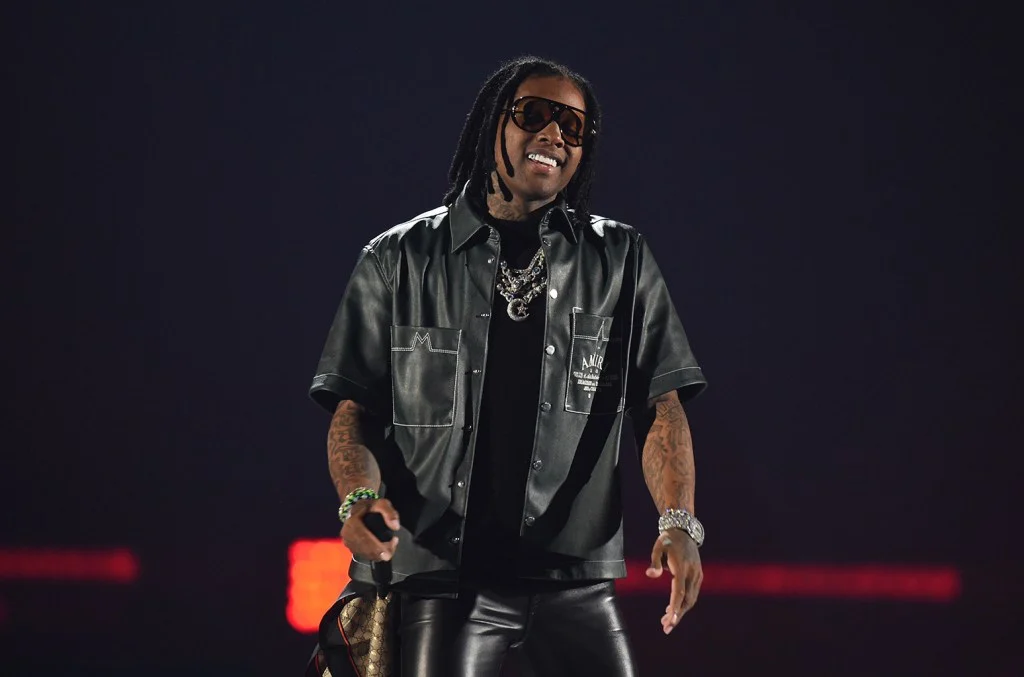
This week: Prosecutors delete Lil Durk’s lyrics from his murder-for-hire case, jury selection begins in Diddy’s sex-trafficking trial, Led Zeppelin’s Jimmy Page is sued over a decades-old credits dispute and much more.

THE BIG STORY: Rap On Trial — Or Not?

When federal prosecutors indicted Lil Durk on murder-for-hire charges last year, they quoted from one of his songs, claiming the lyrics were a direct reference to the alleged shooting and evidence of his guilt.

That was a controversial choice. The use of rap music as evidence in criminal cases has drawn pushback in recent years, as critics argue it threatens free speech and can sway juries by tapping into racial biases. Some states have moved to restrict the practice, but many have not — and there are no such rules in federal prosecutions.

Trending on Billboard

In Durk’s case, his lawyers strongly objected to the use of his music, arguing the song in question was written and recorded months before the shooting even took place. They called the lyric allegations “false evidence” that had been unfairly used to indict him and to deny him pre-trial release. In a public statement, Durk’s family said he had been the latest rapper to be “criminalized for their creativity.”

Prosecutors initially defended the move, arguing that Durk had “repeatedly used his pulpit as a voice of violence.” But in an updated version of the indictment released last week, they backed down — removing all reference to his lyrics and instead focusing on other allegations tying him to the shooting.

The case against Durk will continue — in a separate filing, the feds stressed that the new indictment still contains “significant allegations that show defendant’s alleged role in the execution-style murder” — but it will do so without his lyrics.

Other top stories this week…

DIDDY TRIAL, EXPLAINED – Jury selection is officially underway in the sex trafficking trial of Sean “Diddy” Combs, ahead of opening statements next week. To get you up to speed before the trial gets underway, I put together an exhaustive explainer on everything you need to know about the Diddy trial — from the exact charges he’s facing, to key players in the courtroom, to the Cassie Ventura tape and much more.

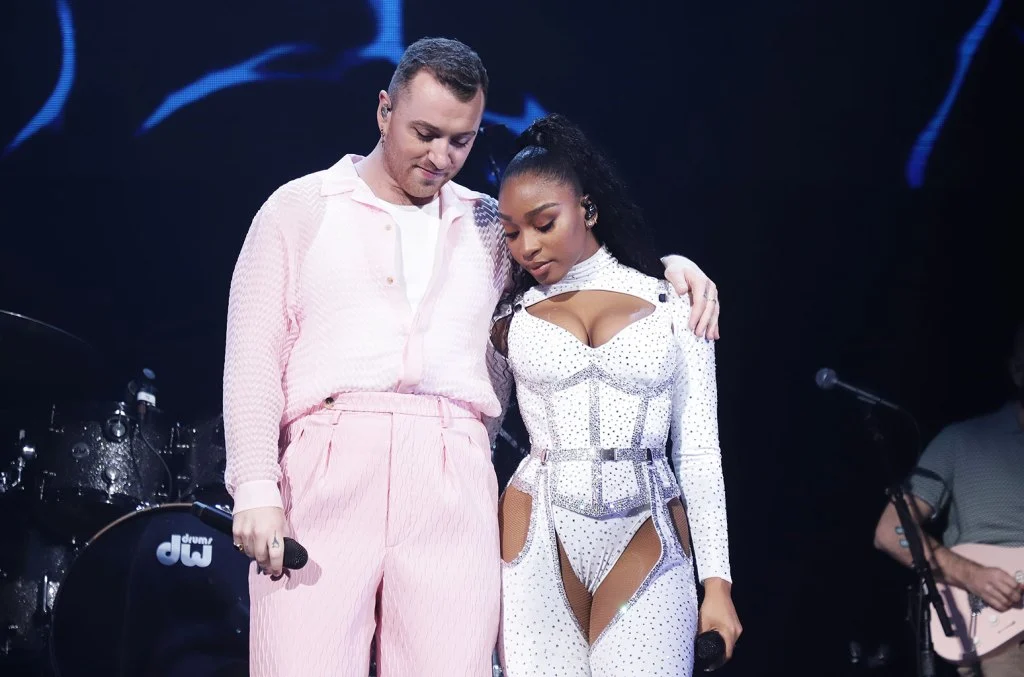
AIN’T OVER YET – A federal appeals court revived a lawsuit claiming Sam Smith and Normani stole key elements of their 2019 hit “Dancing With a Stranger” from an earlier track, ruling that a judge prematurely dismissed the case and should have sent it to a jury. That’s a worrying ruling for any artist hit with a song-theft lawsuit; if such disputes must be litigated all the way to trial to be decided, they become dramatically more expensive.

WHOLE LOTTA LITIGATION Led Zeppelin‘s Jimmy Page was hit with a new lawsuit over the credits to “Dazed and Confused,” reviving a decades-old dispute over the iconic track. Jake Holmes has claimed for years that he actually wrote the song, and he reached a legal settlement with Page back in 2012 to resolve those allegations. But in the new case, Holmes says Page is effectively ignoring the settlement and has released archival recordings that infringe Holmes’ copyrights.

SCENT SETTLEMENT – Revlon and Elizabeth Arden have fully settled a corporate espionage lawsuit, filed last year, that claimed several former employees “sabotaged” the companies’ decades-old fragrance partnership with Britney Spears and took the business to an upstart rival called Give Back Beauty. The settlements clear the way for Give Back Beauty to formally take over Britney’s lucrative perfume brand, which reportedly earns tens of millions per year.

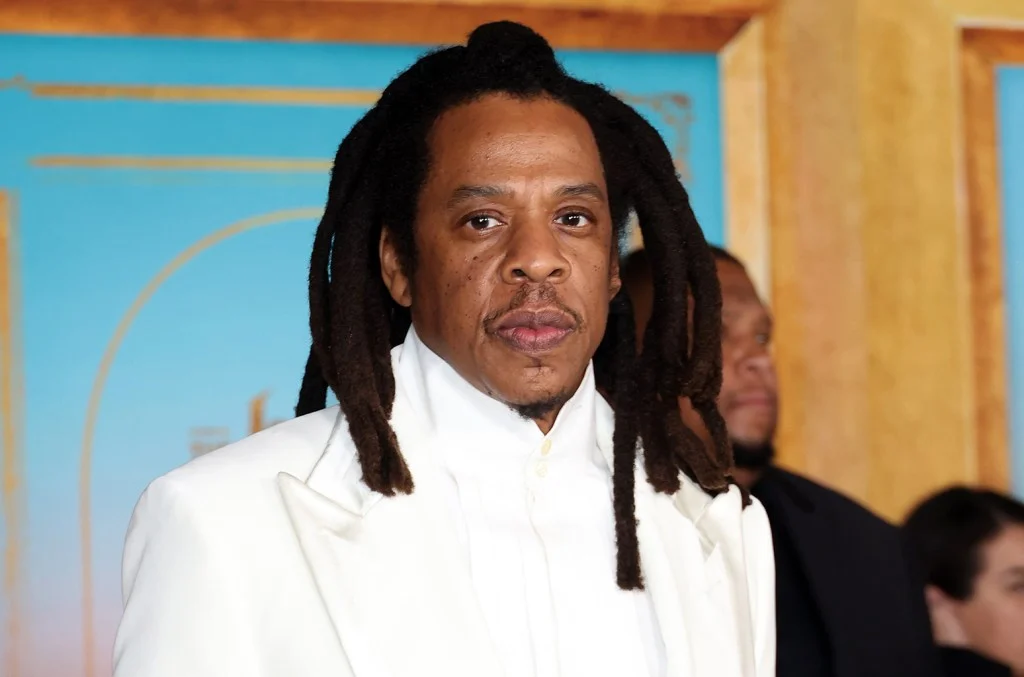
JAY V. BUZBEE GOES ON Jay-Z filed an unusual new allegation in his legal war with attorney Tony Buzbee, accusing the lawyer of ordering employees at his law firm to edit Wikipedia pages in an effort to damage the rapper’s reputation. The new claim was the latest salvo in a bitter fight that started when Buzbee filed a shocking lawsuit accusing Jay-Z of raping an unnamed girl decades ago.

Jay-Z Says Rape Accuser’s Attorney Edited Wikipedia Pages to Harm His Reputation

Jay-Z has filed an unusual new allegation in his legal war with attorney Tony Buzbee, accusing the lawyer of ordering employees at his law firm to edit Wikipedia pages in an effort to damage the rapper’s reputation.

The new claim is the latest salvo in a bitter fight that started when Buzbee filed a shocking lawsuit accusing Jay-Z of raping an unnamed girl decades ago. Jay-Z vehemently denied the allegation, which has since been voluntarily dropped, and has blasted Buzbee for allegedly trying to extort him.

In an updated version of an earlier case against Buzbee and his client filed Monday (May 5), Jay-Z is adding an eyebrow-raising new claim: That the lawyer made sneaky edits to Wikipedia as part of his alleged plot to harm the rapper.

“In violation of Wikipedia’s rules, Buzbee directed his employees to edit Wikipedia pages to enhance Buzbee’s image and damage Mr. Carter’s and Roc Nation’s reputations,” Jay-Z’s attorneys write in the amended complaint. “Users with an IP address directly linked to the Buzbee Firm made over 100 positive edits to Buzbee’s Wikipedia page.”

The lawsuit does not elaborate on what exact edits were allegedly made to Wikipedia. Reps for Jay-Z did not immediately return a request for comment.

In a statement to Billboard on Tuesday, Buzbee strongly denied the new allegation and the rest of Jay-Z’s claims: “Most of the pleading is nonsensical. All of it is meritless.”

The case against Jay-Z, filed in December, claimed that he and Sean “Diddy” Combs drugged and raped a 13-year-old girl at an after-party following the 2000 MTV Video Music Awards. Jay-Z forcefully denied the allegations, calling them a “blackmail attempt.” After just two months of heated litigation, Doe dropped her case without a settlement payment.

Weeks after the case was dropped, Jay-Z sued both Doe and Buzbee, accusing her of defamation and accusing both of malicious prosecution and other wrongdoing. The lawsuit called it an “evil conspiracy” against the rapper: “The extortion and abuse of Mr. Carter by Doe and her lawyers must stop.”

Buzbee and his client have denied the lawsuit’s allegations and moved to dismiss the case — arguing, among other things, that she cannot be sued for defamation over allegations made as part of a lawsuit.

Beyond the Wikipedia claims, Monday’s new complaint makes several other notable changes to the earlier lawsuit.

The new version of the case now also targets Antigone Curis, a New York attorney who served as co-counsel in the original rape lawsuit against Jay-Z. Naming Curis as a co-defendant, Jay-Z alleges that Buzbee “used Curis” because he himself was not admitted to practice law in Manhattan federal court — an issue that has since come to light in several of Buzbee’s cases against Combs in New York.

“It is clear that Curis joined the conspiracy to extort Mr. Carter, which was hatched in Alabama, and quickly became an integral part of the scheme by using her admission to the [Southern District of New York], weaponizing the civil justice system,” Jay-Z’s attorneys write in the new case.

The lawsuit also includes new claims about the alleged harm caused to Jay-Z by the rape accusation. It says Roc Nation lost contracts in the sports and entertainment space that would have generated at least $20 million; that Jay was personally denied a $55 million personal credit line; and that a company he’s associated with was denied a $115 million loan.

“At trial, plaintiff will present evidence demonstrating how the extortionate scheme, and the false complaint filed in New York, resulted in the loss of business opportunities to Mr. Carter [and] have served to preclude him from new business opportunities,” his attorneys write, before later adding: “Buzbee, Doe, and their co-conspirators must answer for all of this.”

A$AP Rocky Opens Up About His Gun Assault Trial: ‘I Was Definitely Scared for My Freedom’

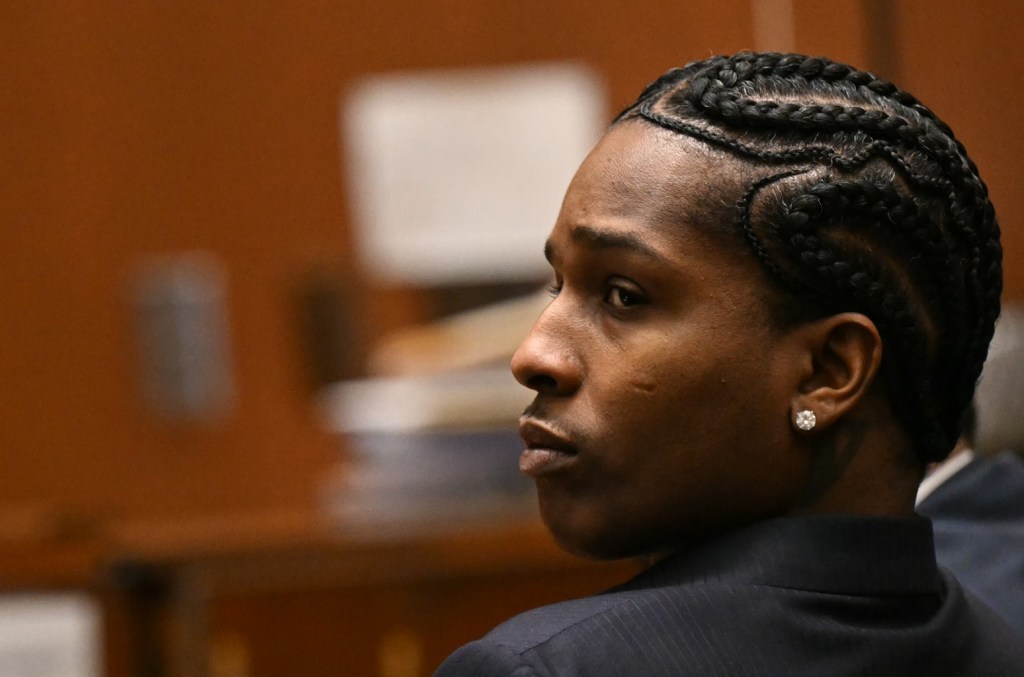
A$AP Rocky has opened up about his gun assault trial for the first time, calling the experience “gut-wrenching and nerve-wracking.”

In a new interview with Variety published on Tuesday (May 6), Rocky talked about what it was like sitting in the courtroom for his gun assault trial in February — he was accused by former friend A$AP Relli of shooting him in November of 2021. Rocky was found not guilty on all charges. The rapper said the experience taught him to “focus on his own actions,” adding that he is “blessed” to be able to get back to work.

“You got to stop yourself from thinking like that,” Rocky told the publication when asked whether he was worried about being found guilty. “Because that could get the best of you, and you can manifest that energy by mistake. I tried to stay positive at all times. But it was definitely gut-wrenching and nerve-racking, and I was definitely scared for my freedom. I was so thankful that the jury made that decision. I was really thankful for how the judge was respectful and treated me like a first-class citizen. And I was thankful for my team and my lawyer, my family and my mom for being there with me the whole time.”

He added that his character in Spike Lee’s upcoming Highest 2 Lowest film, which Rocky stars in alongside Denzel Wasington, was heavily inspired by his own legal troubles.

Trending on Billboard

“I was able to act like a piece of s—t who was going away for a long time but didn’t realize the consequences, because in real life, I knew exactly what the consequences felt like,” Rocky said. He added that acting was his “only escape” during the trial. 

The trial’s most viral moment came at the end when Rocky launched himself into Rihanna’s arms after his “not guilty” verdict was read. The rapper told Variety that moment came from “being happy and wanting to get the f—k out that building.”

Now, the “L$D” rapper is moving forward with his life — and with some happy news, too. Shortly before the 2025 Met Gala — which Rocky co-chaired — began on Monday (May 5), Rihanna revealed that she and the Grammy-nominated rapper — who share sons RZA, nearly 3, and Riot Rose, 1 — are expecting their third child together.

Revlon Settles Lawsuit Claiming Staffers ‘Sabotaged’ Decades-Old Britney Spears Perfume Partnership

Revlon has fully settled a corporate espionage lawsuit that claimed several former employees “sabotaged” the company’s decades-old fragrance partnership with Britney Spears.

The case, filed last year by Revlon and its Elizabeth Arden unit, accused four ex-staffers of stealing trade secrets and breaching their contracts by taking the Britney account to upstart rival Give Back Beauty – a move the lawsuit described as a “heist.”

But over the past few months, Revlon has quietly struck deals to resolve those claims – first with Give Back Beauty and one of the execs in February, then last week with three more ex-staffers. On Monday, the judge signed off on the latter deal and ruled that the “matter be closed.”

Trending on Billboard

The settlements have cleared the way for Give Back Beauty to formally take over Britney’s lucrative perfume brand. In a February press release, the smaller company announced that it had “signed a transition agreement” with Revlon to clear the use of the intellectual property and end the legal dispute.

“My fragrance business has always held a special place in my heart,” Spears said at the time. “It’s always been a way for me to connect with my fans, who I love. I’m excited for this new chapter and bringing more beauty into the world with Give Back Beauty.”

A rep for Revlon did not immediately return a request for comment on the resolution of the litigation.

Spears first inked a deal with Elizabeth Arden in 2004, launching her “Curious” scent later that year to a reported $100 million in sales. By 2013, that brand had reportedly sold more than 500 million bottles and the overall Spears-Arden partnership was earning $30 million a year. But last year Spears declined to renew the deal and instead signed with Give Back Beauty, an Italian firm founded in 2017.

Faced with the loss of a valuable partnership, Revlon went the legal route – claiming that Britney had not simply walked away, but had been illegally poached by Give Back Beauty. The lawsuit claimed four Arden staffers (Vanessa Kidd, Dominick Romeo, Reid Mulvihill and Ashley Fass) had secretly helped orchestrate the star’s departure, including one who allegedly “acted as a double-agent” – working directly with Give Back Beauty while ostensibly negotiating with Britney’s team to renew her Revlon deal.

“Revlon and Elizabeth Arden were completely unaware that Revlon’s own team was actively sabotaging one of their most valuable licensing relationships,” the company’s lawyers claimed at the time. Spears herself was not named in the lawsuit nor accused of any wrongdoing.

Give Back Beauty and the former execs strongly denied the allegations, arguing in a later legal response that Revlon had gone to court with a “false narrative” of espionage and corporate raiding simply because it was angry that it had been beaten by a competitor.

“Revlon’s motion is … an anticompetitive ruse to damage a competitor because Revlon, weakened in the market by its recent bankruptcy, cannot compete fairly with GBB, and seeks to frustrate GBB’s transition of Britney Brands, at the same time, sending a warning about future competition from an international rival that poses a growing threat to Revlon’s market share,” the smaller company’s lawyers wrote at the time.

But by February, despite the strongly-word legal broadsides, Give Back Beauty and Revlon had apparently struck a deal to end their dispute. Beyond allowing Give Back to take over the IP for the brand, the terms of the deal have not been disclosed in court filings.

“Give Back Beauty will bring Britney’s fragrance and beauty business to another level,” Corrado Brondi, the company’s founder, wrote at the time. “We are looking forward to building on that legacy, introducing innovations to her product lines and expanding the brand into new markets globally, while ensuring that the spirit and authenticity of her brand remain intact.”

The February settlements covered Give Back itself and Ashley Fass; the settlement approved Monday covered Kidd, Romeo, Mulvihill. Reps for both sides did not immediately return requests for comment.

Led Zeppelin’s Jimmy Page Hit With New Lawsuit Over Decades-Old ‘Dazed and Confused’ Dispute

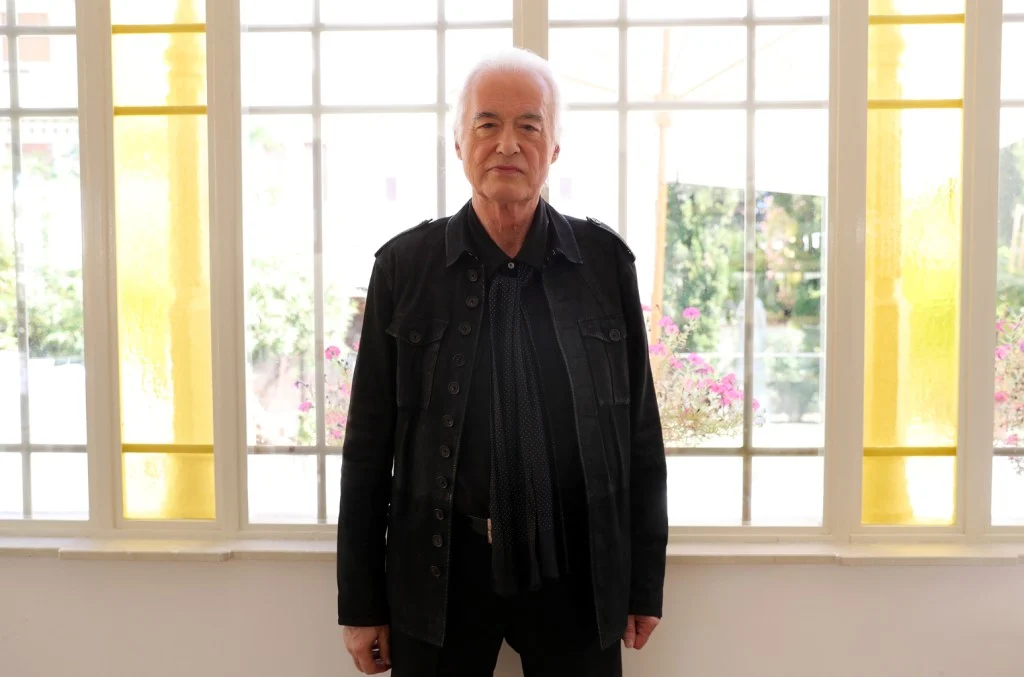
More than a decade after Led Zeppelin‘s Jimmy Page settled a lawsuit over the disputed songwriting credits to “Dazed and Confused,” he’s facing a new case accusing him of flouting that earlier agreement.

Jake Holmes has claimed for years that he actually wrote “Dazed and Confused” and that Page simply performed it without credit or payment — first as a member of The Yardbirds, and then more famously by re-working it into a signature song for Led Zeppelin.

That dispute led to a copyright lawsuit in 2010 and a later settlement. The terms of that deal were not disclosed, though later credits for Zeppelin’s track say the song was “written Jimmy Page, inspired by Jake Holmes.”

Trending on Billboard

But in a new case filed Monday (May 5) in Los Angeles federal court, Holmes says Page is once again violating copyright law by failing to credit or pay him — on both newly-released recordings of Yardbirds performances of the song and in the recent documentary Becoming Led Zeppelin.

“By falsely claiming that the Holmes composition is the Page composition, … Page [and others] have willfully infringed the Holmes composition,” Holmes’ lawyers write. “Defendants…have ignored plaintiff’s cease and desist demand and continue to infringe.”

Holmes says he wrote and recorded “Dazed and Confused” in 1967, and he believes Page first heard it during a performance in New York’s Greenwich Village at which Holmes opened for The Yardbirds. He says that band later started performing the song and, after they broke up, Page used it as the basis for the Zeppelin song of the same name — one of the legendary rock band’s best-known hits.

According to Holmes, the settlement in the earlier lawsuit included a provision in which Page acknowledged he had “no claim whatsoever to or with respect to the Holmes composition.” But in recent years, he says archival Yardbirds recordings have been released that feature the song — a move he says clearly violates his rights to the original.

Holmes says Becoming Led Zeppelin, released in February, also infringes his copyrights by featuring footage of live performances of the song: “Defendants have thus committed multiple acts of willful infringement by continuing to use the Holmes composition without authorization.”

A representative for Page did not immediately return a request for comment.

Mase Wants Fans to Vote If He Should Attend Diddy’s Trial

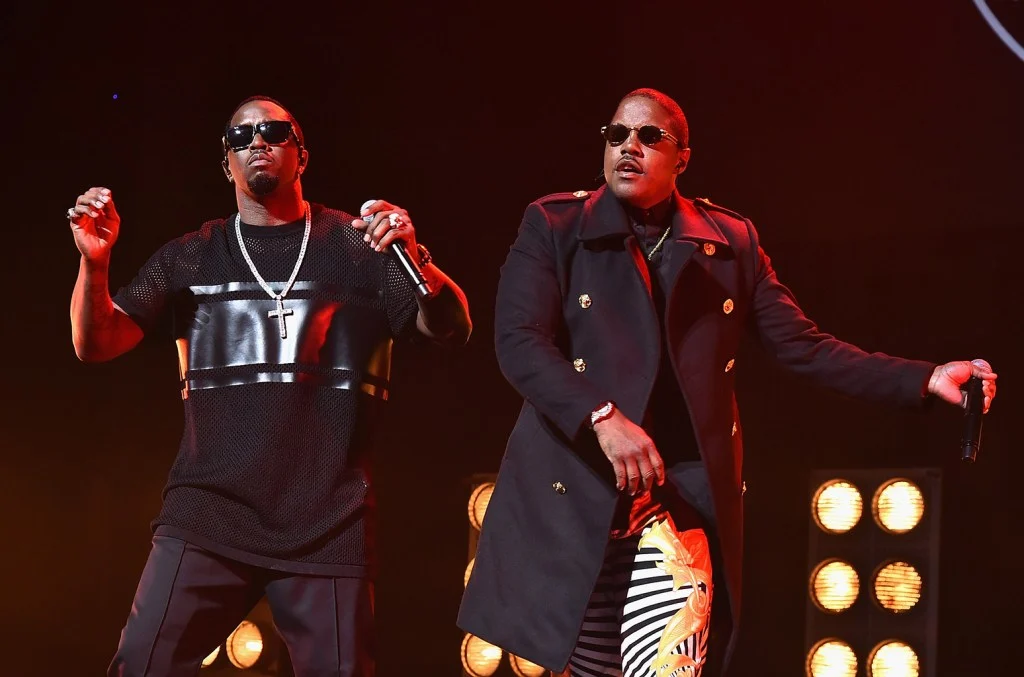
Mase is considering making an appearance at Diddy‘s upcoming trial.

The former Bad Boy artist opened a recent episode of his sports talk show It Is What It Is by asking viewers to vote on whether he should pull up or not. “I wanna put it out to the fans,” he said. “I’ll let the fans vote on it — unless you wanna vote on it, Killa. They’re asking me to come to the Diddy trial, You think I should go this week?”

His co-host Cam’ron then sarcastically answered, “It’s up to you, I don’t know your relationship. What is y’all relationship?” Mase then revealed that he had some folks reach out to him to see whether he was going and that he was actually being serious about his question. “Nah, just a few people reached out to me to ask me was I going. I was trying to figure out a way I could go at least a day,” he said to Cam, who then asked why Mase didn’t go to the 2023 MTV Video Music Awards where Diddy received the Global Icon Award.

“Why you ain’t go to the MTV lifetime achievement award when he won that?” Cam asked as everybody in the studio burst into laughter. “Because I see his son performing all y’all’s parts on the song. Why you didn’t go to that?”

Trending on Billboard

Mase then asked Cam why he just couldn’t answer the question. “What’s the question? If I’m going? I’ll go with you if you’re going. Yeah, I’mma go with you,” he answered. “Just me randomly going? Nah, I ain’t going by myself.”

The topic then went back to the MTV VMAs after their co-host Treasure “Stat Baby” Wilson said it was a funny question. “How do you feel about that? Now that I think about when somebody else wear they hat to the back, dress like you, and start spinning around on stage,” Killa asked, to which Murda answered, “I think it’s flattering. I think it’s a good thing.”

Diddy’s trial is set to begin on Monday, May 5.

You can check out the full episode below.

Lil Durk Murder-for-Hire Case: Feds Delete All Reference to Rapper’s Lyrics In New Indictment

Federal prosecutors have unveiled a new indictment against Lil Durk in his murder-for-hire case — only this time, they’ve dropped all reference to lyrics that the star’s lawyers had claimed were being unfairly weaponized against him.

The new “superseding” indictment, released Friday (May 2), came six months after prosecutors first charged the Chicago drill star (Durk Banks) with murder-for-hire, accusing him of ordering members of his Only the Family (OTF) crew to carry out a 2022 attack on rival rapper Quando Rondo that left another man dead.

Though it added a new charge of stalking, Friday’s new indictment is most notable for what it removed: Any mention of Durk’s lyrics. Last month, his lawyers argued that the cited song was clearly unrelated to the shooting and had been unfairly used against him; in a social media post Wednesday (April 30), Durk’s family said he was the latest rapper to be “criminalized for their creativity.”

Trending on Billboard

In separate court filings on Friday, prosecutors acknowledged removing Durk’s lyrics from the new indictment, but said the move would not weaken the case against him.

“Defendant Banks has presented a false narrative that he is being prosecuted and detained because of his violent lyrics. This claim is, and has always been, baseless,” prosecutors write. “Just like every iteration of the indictment before it, the [new indictment] contains significant allegations that show defendant’s alleged role in the execution-style murder of [the victim] on a busy street corner in Los Angeles.”

Durk’s attorney, Drew Findling, filed his own response to the new indictment in court Friday, arguing that “it appears that the government has conceded” the “hotly contested” dispute over the lyrics. He also noted that prosecutors had deleted another passage from the indictment that directly accused one of Durk’s co-defendants of paying a bounty at Durk’s direction.

A spokesman for the U.S. Attorney’s Office in Los Angeles declined to comment on the new indictment. Findling did not immediately return a request for comment.

Durk was arrested in October on murder-for-hire and gun charges related to the September 2022 shooting at a Los Angeles gas station, which left Rondo (Tyquian Bowman) unscathed but saw his friend Lul Pab (Saviay’a Robinson) killed in the crossfire.

In court filings, prosecutors have argued that Durk’s OTF crew was not merely a well-publicized group of Chicago rappers, but a “hybrid organization” that also functioned as a criminal gang to carry out violent acts at his behest. One of them was the Rondo attack, the feds say, allegedly carried out in retaliation for the 2020 killing of rapper King Von (Dayvon Bennett), a close friend of Durk’s.

To back up that claim, prosecutors quoted lyrics from a song called “Wonderful Wayne & Jackie Boy” that allegedly referenced the shooting. They claimed Durk “sought to commercialize” Lul Pub’s death by “rapping about his revenge” on Rondo: “Told me they got an addy (go, go)/ Got location (go, go)/ Green light (go, go, go, go, go),” Durk raps in the track. “Look on the news and see your son/You screamin’, “No, no” (pu–y).”

The use of rap music as evidence in criminal cases is controversial, as critics argue it threatens free speech and can sway juries by tapping into racial biases. Over the past few years, the practice has drawn backlash from the music industry and led to efforts by lawmakers to stop it. But it has continued largely unabated, most notably in the recent criminal case against Young Thug in Atlanta.

Last month, Durk’s lawyers sharply pushed back — arguing that “Wonderful Wayne” could not have referenced the Rondo shooting because the rapper wrote and recorded his verses “seven months before the incident even happened.” Mockingly asking if the government was prosecuting Durk “on a theory of extra-sensory prescience,” the star’s lawyers called the lyric allegations “false evidence” that had been unfairly used to indict him and to deny him pre-trial release.

Ahead of Friday’s new indictment that dropped the lyrics, prosecutors had strongly defended their use of Durk’s music. In a court filing earlier this week, the feds said he was not being prosecuted “because of his lyrics,” but suggested they might still be cited as evidence in the case.

“Defendant has repeatedly used his pulpit as a voice of violence, publicly rapped about paying for murders, hunting opponents with machineguns, ‘bounty hunters’ in Beverly Hills — and other lyrics that have a striking similarity to the modus operandi used to kill S.R.,” the government wrote. “It’s true that words have power, and that defendant’s words about ‘green lighting’ violence and placing bounties may be admissions of criminal conduct. That is for a jury to decide.”

Diddy Trial: Everything You Need to Know — From RICO Charges to Cassie Tape to ‘Freak Offs’

Sean “Diddy” Combs is about to go on trial over accusations of sexual abuse. But what exactly are the charges he’s facing? Is Cassie Ventura testifying against him? And what in the world are “freak offs”? Before the trial starts, let’s get you up to speed.

The once-all-powerful hip-hop mogul was arrested in September, charged by federal prosecutors with running a large-scale criminal operation aimed at his own “sexual gratification.” For decades, the feds say, Diddy “abused, threatened and coerced women” into giving him what he wanted, including participating in drug-fueled sex parties.

Combs, who has denied all of the allegations, will finally head to trial next week to face a jury of his peers. Before he does, here are answers to all your Diddy trial questions.

What are the charges against Diddy?

Prosecutors have built much of the case against Diddy under the Racketeer Influenced and Corrupt Organizations Act, the “RICO” law used against mobsters and drug cartels. RICO, which allows the feds to target an entire illicit organization over many individual crimes, was designed to target organized crime, where bosses often insulate themselves from actual illegal acts.

In Diddy’s case, prosecutors say the star served as his own kind of crime boss, exploiting the “employees, resources and the influence of his multi-faceted business empire” to carry out a decades-long campaign of sexual abuse. That operation included numerous sexual and physical assaults, the feds say, but also forced labor, kidnapping, arson, bribery, witness tampering, drug crimes and more.

Separately, Diddy is also charged with violating a federal sex trafficking statute, which makes it illegal to use force, fraud, or coercion to compel someone to engage in commercial sex acts. He’s also accused of violating the Mann Act, an older statute that made it illegal to transport people across state lines for the purposes of prostitution.

What’s a “freak off”?

At the very center of the case against Diddy are allegations about so-called “freak offs” — drug-fueled orgies in which victims were allegedly coerced into having sex with male sex workers while Combs looked on.

Prosecutors say these “elaborate and produced sex performances,” which Combs “masturbated during,” were a regular occurrence and “sometimes lasted multiple days.” The rapper and his associates allegedly plied victims with illegal drugs, which prosecutors say was designed in part to “keep the victims obedient and compliant.”

According to charging documents, freak offs were “often electronically recorded,” sometimes without the knowledge of those being filmed — and the footage was then later used as a form of “collateral” to keep victims from speaking out.

The events were so complex that they required substantial logistical efforts by Diddy’s associates to pull off, the feds say — including booking hotel rooms, arranging travel, delivering large sums of cash to pay sex workers, cleaning up to “mitigate room damage,” and providing supplies. Among those supplies were “more than 1000 bottles of baby oil” — a headline-grabbing allegation when it was included in September’s initial indictment.

Who are the alleged victims?

Diddy has been hit with civil lawsuits by dozens of alleged victims, but the criminal charges against him formally center on just four people, identified in court documents as Victim-1, Victim-2, Victim-3 and Victim-4.

While technically still anonymous in filings, Victim-1 is strongly believed to be Cassie Ventura, Combs’ longtime girlfriend whose civil rape lawsuit in November 2023 helped to spark the rapper’s downfall. Prosecutors have said Victim-1 will testify in the courtroom under her real name, setting the stage for a potentially blockbuster moment at the trial.

The identities of the other three victims remain unknown, and prosecutors have sought to keep it that way. In a motion last month, they cited recent cases against R. Kelly, Ghislaine Maxwell and others in which judges allowed alleged victims to remain anonymous to avoid “harassment from the media and others” amid a case that has received an “exceptional amount of media coverage.”

At a hearing last week, the judge ruled that the three other victims could testify without revealing their names.

Who are the key players in the courtroom?

Diddy’s trial will be overseen by U.S. District Judge Arun Subramanian, a relatively new federal judge nominated by President Joe Biden in 2022 after a long stint as a litigator at a prestigious New York law firm. Subramanian, confirmed to the post in March 2023, has an understandably short track record so far — though he is also currently handling the Justice Department’s high-profile antitrust lawsuit against Live Nation and Ticketmaster.

Diddy’s lead attorney is Marc Agnifilo, a veteran defense attorney with an extensive background in handling the kind of complex, high-profile charges that Combs now faces. After prosecuting RICO cases against mobsters in New Jersey, Agnifilo worked for years under legendary New York criminal lawyer Ben Brafman, where he represented Martin Shkreli, the so-called “Pharma Bro” convicted of securities fraud in 2017, and Keith Raniere, the leader of the upstate New York sex cult NXIVM.

Combs is also represented by Teny Geragos, another Brafman alum (and daughter of celebrity attorney Mark Geragos) who joined Agnifilo when he left to start his own firm last year; and Alexandra Shapiro, a well-known appellate law specialist. Brian Steel, a veteran Atlanta defense attorney who rose to fame last year by winning Young Thug’s release from jail on gang charges, joined the team at the last minute last month.

On the prosecution side, the charges against Combs were filed last year by Damian Williams, the top federal prosecutor for Manhattan, who is known for bringing cases against cryptocurrency entrepreneur Sam Bankman-Fried, former U.S. senator Bob Menendez and New York Mayor Eric Adams. Following November’s election, President Donald Trump has since appointed Jay Clayton, a longtime partner at the law firm Sullivan & Cromwell, to fill that post.

Unlike the case against Adams — which was controversially dropped in early April — there has been no indication that Trump or Clayton plan to back away from Combs. The same attorneys under Williams (Meredith Foster, Emily A. Johnson, Christy Slavik, Madison Reddick Smyser and Mitzi Steiner) are all still on board, and the district attorney’s office has since added Maurene Comey — one of the lead prosecutors in the sex trafficking case against Ghislaine Maxwell, a top accomplice of Jeffrey Epstein.

Go read Billboard’s full story on all the lawyers involved in the Diddy litigation.

When does the trial start and how long will it take?

The proceedings will kick off on Monday (May 5) with jury selection. Jurors will be pre-screened with a questionnaire about their backgrounds and beliefs; Combs’ lawyers said in earlier filings that they want to ask their opinions of “people with multiple sexual partners.” After a broader pool is established, the two sides will spar in court over how to pick 12 jurors who can impartially decide the case.

Once a jury is selected, the trial will really get under way on May 12, first with opening statements by both sides, then with witness testimony. The trial is widely expected to last at least eight weeks, though that’s only an estimate. Back in 2021, the trial of R. Kelly — another major musical artist facing RICO charges over allegations of sexual abuse — took six weeks to complete.

How will the prosecution make its case?

If R. Kelly’s trial is any guide, prosecutors are likely to offer jurors mountains of evidence and hours of witness testimony aimed at painting a vivid picture: of an all-powerful man abusing his role at the top of an organization to coerce women into sexual activity against their will.

That will likely include not just the alleged sexual assaults, but all that happened before and after them, including threats, isolation, financial dependence and blackmail. “These are the tools of coercive control,” Nadia Shihata, one of the prosecutors in the Kelly case, told Billboard last year. “In the R. Kelly case, we called it the ‘Predator’s Playbook’.”

In court documents filed early in the case, the feds said they had interviewed more than 50 witnesses during their investigation, “many of whom saw or experienced the defendant’s abuse.” They also said they had pulled evidence from over 120 cellphones, laptops and other electronic devices.

One explosive piece of evidence that jurors will definitely see is the infamous 2016 surveillance video of him assaulting his former girlfriend Cassie Ventura in the hallway of a Los Angeles hotel. Though he initially apologized, Diddy’s lawyers have fought hard to keep it out of the trial, arguing the clip would “unfairly confuse and mislead the jury.” But prosecutors called that a “desperate” attempt to avoid “crushing” evidence, and Subramanian ruled last week that it could be played at the trial.

How will Diddy’s lawyers defend him?

Since the earliest days of the case, Diddy’s lawyers have signaled that they plan to build their narrative around the idea of consent — that the star’s sexual encounters with the alleged victims, while perhaps weird and unseemly, were ultimately still consensual.

At a bail hearing days after Combs was arrested, Agnifilo hinted at that argument, telling the judge that the star and then-girlfriend Cassie had brought sex workers into their relationship because “that was the way these two adults chose to be intimate.” And at a hearing just days ago, Agnifilo suggested that Diddy was a “swinger.”

“There’s a lifestyle called swingers, call it whatever you will, that he was in, that he might have thought was appropriate,” Agnifilo said, according to Reuters. “Part of the reason people think it’s appropriate is because it’s common.”

What happens if Diddy is found guilty?

Short answer: Lots of prison.

If Combs is convicted on the racketeering charge or either of the sex trafficking charges, he’s facing a potential life prison sentence; the trafficking charges alone have a mandatory minimum of 15 years, which would leave Diddy in federal prison until he was 70 years old. The Mann Act charges carry lesser penalties, with a maximum of 10 years in prison.

Recent RICO cases against alleged sex abusers don’t offer a rosy outlook for Diddy. In the R. Kelly case, the singer was sentenced to 31 years; Raniere, the NXIVM cult leader convicted of turning vulnerable women into sexual “slaves,” was sentenced to 120 years.

Even if acquitted on all charges — and court watchers aren’t optimistic — Combs is still facing a rough future. His reputation will be difficult to repair, and much of his once-formidable business empire is already crumbling. He’s also facing dozens of civil lawsuits, where he could still be held liable for monetary damages even if he’s cleared on the criminal charges.

Sam Smith Copyright Lawsuit Over ‘Dancing With a Stranger’ Revived By Appeals Court

A federal appeals court has revived a lawsuit claiming Sam Smith and Normani stole key elements of their 2019 hit “Dancing With a Stranger” from an earlier track, ruling that the case was tossed out too soon and should have been decided by a jury trial.

The decision, by the U.S. Court of Appeals for the Ninth Circuit, reversed a 2023 ruling by a lower judge that had dismissed the case – a copyright lawsuit claiming Smith and Normani ripped off a little-known earlier song called “Dancing with Strangers.”

At the time, the trial judge said the two songs were simply not similar enough to constitute copyright infringement. But in a ruling Tuesday, the appeals court said a jury of their peers might have decided the case differently if they’d been given the chance.

Trending on Billboard

A “reasonable jury” could potentially decide that the hooks of the two tracks share the same combination of musical elements “in substantial amounts,” the appeals court wrote, including lyrics, “metric placement” and the same “melodic contour.”

Though the two songs also have key differences, the appeals court said a trial judge cannot simply pick a winner if there are conflicting reports from musical experts: “Under that approach, expert testimony would not be required at all.”

The ruling is a loss for Smith and Normani, but is also a worrying decision for any artist hit with a song-theft copyright lawsuit. If such cases must be litigated all the way to trial to be decided, they become dramatically more expensive for defendants, and give accusers more leverage to secure settlements from artists wary of protracted litigation.

Released in 2019, “Dancing with a Stranger” peaked at No. 7 on the Hot 100 chart, making it one of Smith’s biggest hits and Normani’s peak spot on the chart. The song, released on Smith’s third studio album Love Goes, ultimately spent 45 weeks on the chart.

In March 2022, the two artists were sued over the track by songwriters Jordan Vincent, Christopher Miranda and Rosco Banlaoi, who claimed that the 2019 hit song was “strikingly similar” to their own “Dancing” — and that it was “beyond any real doubt” that their song had been copied.

A year later, the case was dismissed by Judge Wesley L. Hsu, who ruled that the two songs were not “substantially similar” – the legal threshold for proving copyright infringement. He granted Smith and Normani summary judgment, meaning he ended the case without a trial because he believed a jury could not validly side with the plaintiffs.

But in Tuesday’s decision, the Ninth Circuit overturned that ruling, saying that so long as there is “sufficient disagreement” among the musicologists retained by each side, then case “must be submitted” to a jury.

The ruling will send the case back to Judge Hsu for more litigation, including a potential jury trial.