State Champ Radio
 Legal
Page: 11
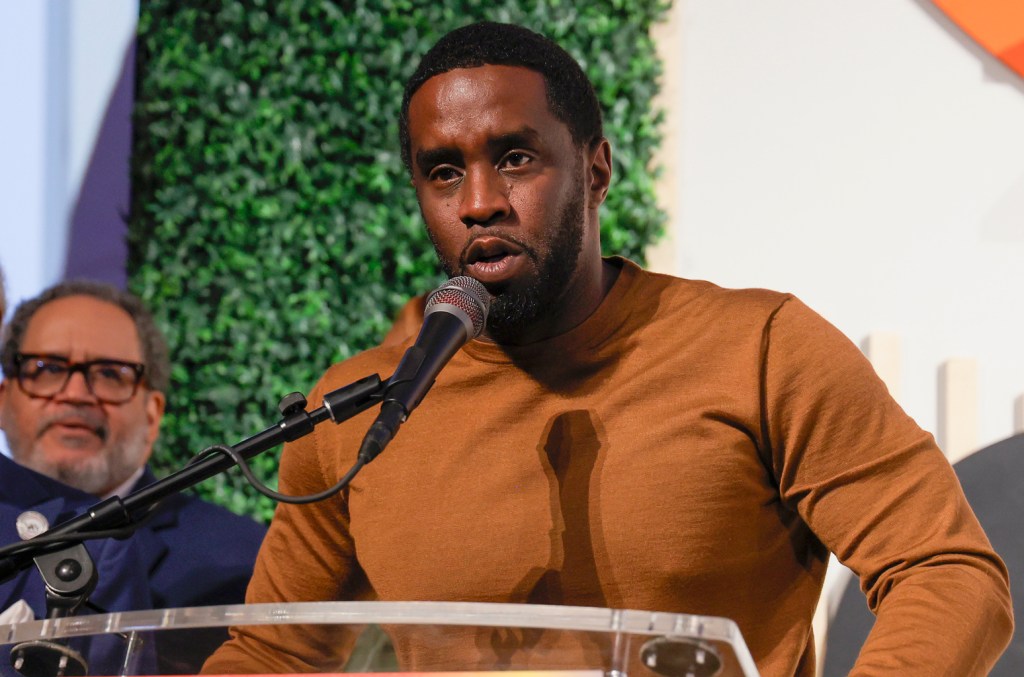
The judge in Sean “Diddy” Combs‘ sex trafficking trial has formally dismissed a juror for giving inconsistent answers about where he lives, rejecting warnings by the rapper’s defense attorneys about a “thinly veiled effort to dismiss a Black juror.”
Prosecutors moved to remove the juror last week, citing a “lack of candor” in his answers before he was picked for the trial. The defense blasted the move, arguing in a court filing over the weekend that he was “one of only two black men on the jury” and that Diddy would be “severely prejudiced” by his removal.
But at the start of Monday’s proceedings Judge Arun Subramanian said it was “inappropriate to consider race” in deciding whether the juror had been truthful in his answers, according to ABC News.
Trending on Billboard
“The record raised serious concerns as to the juror’s candor and whether he shaded answers to get on and stay on the jury,” Subramanian said. “There’s nothing the juror could say at this point to put the genie back in the bottle.”
The judge replaced the juror, a 41-year-old Black man, with a member of the alternate pool, a 57-year-old white man.
Combs is standing trial over accusations that he ran a sprawling criminal operation aimed at facilitating “freak-offs” — elaborate events which he allegedly forced his ex-girlfriend Cassie Ventura and other women to have sex with male escorts while he watched and masturbated.
Prosecutors also say the star and his associates used violence, money and blackmail to keep victims silent and under his control. (Read Billboard‘s full explainer of the case against Diddy here.) Combs has pleaded not guilty to the charges, which include on racketeering and sex trafficking; if convicted, he faces a potential sentence of life in prison.
Five weeks into a trial that’s expected to run until early July, prosecutors moved to dismiss Juror No. 6, citing alleged inconsistencies about where he lives. During jury selection, the man said he lives in the Bronx, but he later revealed that he had been living some of the time in New Jersey – a residence that would make him ineligible to sit on the jury.
Diddy’s team, which criticized prosecutors during jury selection for striking several Black candidates, vehemently opposed the removal. In court last week, defense attorney Xavier Donaldson called it a “thinly veiled effort to dismiss a Black juror.” And in a motion filed with the judge on Sunday, Diddy lawyer Alexandra A.E. Shapiro said the government had a “discriminatory motive” and was seizing an opportunity to “strike yet another black male from the jury.”
“The fairness of the trial depends in part on having jurors with backgrounds similar to Mr. Combs share their perspectives on the evidence with other jurors from diverse backgrounds during deliberations,” Shapiro wrote. “Removing this particular juror will deprive Mr. Combs of that important perspective.”
In the filing, Shapiro warned that removing the juror “at this late stage” would warrant a mistrial: “There is no question Mr. Combs would be severely prejudiced if the juror in question were removed,” she wrote. “Their pretextual motion to dismiss [the juror] is just one more attempt to gain an unfair advantage at the expense of Mr. Combs’s right to a fair trial — which is all we ask this Court to preserve.”
At Friday’s proceedings, Judge Subramanian tentatively dismissed the juror, though he vowed to consider the defense’s objections over the weekend. On Monday, he stuck by his earlier decision, including rejecting the complaints about race: “This jury does not raise those concerns.”
After blockbuster testimony last week from an alleged victim known as “Jane,” the Diddy trial will now continue into its sixth week. Prosecutors are expected to wrap up their case by the end of the week, allowing Combs’ team to begin presenting their own witnesses. A verdict is expected by July 4th.

Smokey Robinson claims in a new court filing that the former housekeepers suing him for rape are trying to slow-walk the lawsuit to gain maximum leverage for an extortionate settlement payout, including by dealing a financial blow to the Motown legend’s ongoing tour.
Lawyers for the 85-year-old singer made this argument in a Thursday (June 12) motion to require the deposition of one of the four anonymous former housekeepers who allege he forced them to have sex at his Los Angeles-area home dozens of times over nearly two decades. Robinson adamantly denies the claims and has countersued the women for extortion, defamation and elder abuse.
Robinson’s attorney, Christopher Frost, says in the new court filing that the housekeepers are refusing to participate in evidence collection. He claims that the women’s lawyer, John Harris, allegedly informed him that he wants to delay all discovery until they’ve litigated a motion to strike Robinson’s counterclaims, a lengthy process that could take months.
Frost claims the housekeepers, who he says demanded $100 million from Robinson and his wife Frances before suing them both in May, are doing so as a tactic to maximize settlement leverage. According to the motion, this strategy is aimed at cutting into profits from Robinson’s ongoing international tour celebrating the 50th anniversary of his album A Quiet Storm.
“Plaintiffs have effectively conceded that their intention was to file a salacious lawsuit, do nothing to prosecute it, neuter the Robinsons’ ability to defend themselves, and let the lawsuit linger publicly while the Robinsons have to live every day under the unfair specter of public opinion and while Mr. Robinson’s tour is negatively affected,” Frost writes.
“This plays into plaintiffs and cross-defendants’ strategy to exact leverage on Mr. and Ms. Robinson,” Frost adds. “The longer Mr. Robinson’s livelihood is harmed, the more pressure there is for the Robinsons to give in to plaintiffs’ and cross-defendants’ extortionate demands.”
Frost is asking for a court order requiring one of the four housekeepers, identified in court filings as “Jane Doe 2,” to sit for a deposition at his Los Angeles law office within two weeks of the motion being heard. Frost says the women should also foot the bill for nearly $5,000 in legal fees the Robinsons have run up bringing this motion.
“If plaintiffs and cross-defendants are not sanctioned for their abusive behavior, they will expect that they can continue this behavior during the pendency of this case, which will only create more delays and more motion practice,” writes Frost. “The utilization of this strategy must be nipped in the bud.”
The housekeepers’ lawyers did not immediately return a request for comment on the motion on Friday (June 13).
In addition to the civil lawsuit, the former Robinson housekeepers have also filed a police report against the singer. The Los Angeles County Sheriff’s Department is now investigating the women’s sexual assault claims.
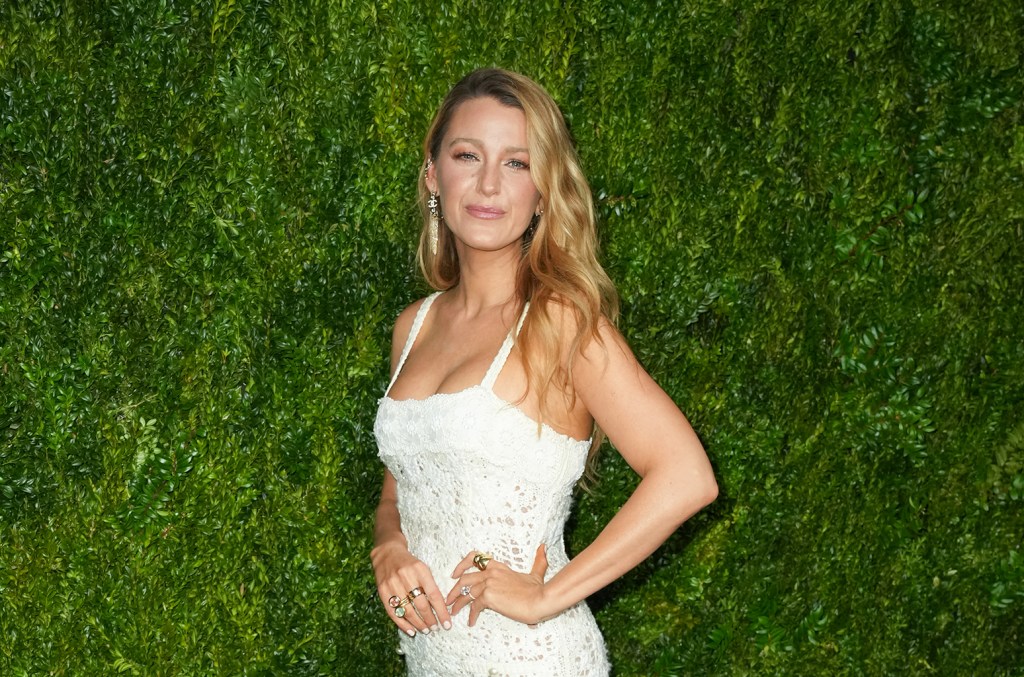
Blake Lively is fighting Justin Baldoni’s continued attempts to see her texts with Taylor Swift in the It Ends With Us litigation, saying the movie’s director and co-star shouldn’t be allowed to drag Swift into the court battle just to generate “sensational headlines.”
Lively filed a motion on Friday (June 13) asking a federal judge to shut down Baldoni’s discovery request seeking all communications between the actress and Swift, her longtime close friend, related to It Ends With Us or Lively’s lawsuit alleging Baldoni sexually harassed her on the film’s set and then orchestrated a smear campaign in retaliation for her complaints.
Baldoni and his production company, Wayfarer Studios, previously sought these communications via subpoenas to Swift and her lawyers. But the pop superstar’s reps vehemently opposed the subpoenas as “tabloid clickbait,” and Baldoni withdrew the requests last month.
Trending on Billboard
According to the Friday filing, Lively’s team is unsure whether Swift handed over any texts as part of a deal with Baldoni to get the subpoenas dropped. Though Swift’s attorney advised them that “no documents are being produced,” the same day, a Daily Mail article quoted an “insider” stating that the Wayfarer team got “exactly what they were seeking” from the pop star.
Lawyers for Lively say this “insider” quote, published by a Daily Mail reporter with known ties to Baldoni’s publicists, could be interpreted either to mean that Swift produced documents or that the hefty tabloid coverage of Swift’s subpoena was enough to achieve Baldoni’s aims.
“Either interpretation of the reason the Wayfarer parties withdrew the subpoenas warrants the entry of a protective order,” write Lively’s attorneys. “If the Wayfarer parties received documents from Ms. Swift such that they have ‘exactly what they’ need, then the discovery sought … is cumulative and duplicative, and need not be produced again by Ms. Lively.”
“If, on the other hand,” Lively’s lawyers continue, “the Wayfarer parties were ‘seeking’ only sensational headlines by serving the subpoenas rather than materials to support their claims and defenses, they are not entitled to the information… The purpose of civil discovery is to obtain information relevant to claims and defenses in court, not to prop up a public relations narrative outside of court.”
Some of the ”sensational headlines” generated by the Swift subpoena revolved around allegations from Baldoni’s lawyers that Lively had asked Swift to delete text messages and tried to extort her into voicing public support for the sexual harassment lawsuit. These claims, attributed to an anonymous source and denounced by Lively’s team as “categorically false,” were struck from the case’s docket after Judge Lewis J. Liman determined they were improper, irrelevant and “potentially libelous.”
Judge Liman dealt another loss to Baldoni earlier this week when he threw out the actor-director’s defamation countersuit, which alleged that Lively conspired with the New York Times, her husband Ryan Reynolds and publicist Leslie Sloane to fabricate the sexual harassment and retaliation claims.
A rep for Lively cited this dismissal ruling in a statement to Billboard regarding Baldoni’s continued pursuit of the actress’ communications with Swift.
“The ongoing attempts to once again try and use the world’s biggest star as a PR tactic in this matter reflects a public unraveling of epic proportions — and serves only to distract from the fact that Justin Baldoni’s lawsuits against Ms. Lively, Ryan Reynolds, their publicist and the New York Times have been entirely dismissed,” said a Lively spokesperson on Friday (June 13).
Reps for Baldoni and Swift did not return requests for comment.
The continued fight over the Swift text messages comes as Lively is serving her own subpoena on the singer’s public opponent, Scooter Braun. Lively wants to know what Braun knows about the alleged smear campaign orchestrated by publicity firm The Agency Group PR, a controlling stake of which is reportedly owned by Braun’s company, HYBE America.
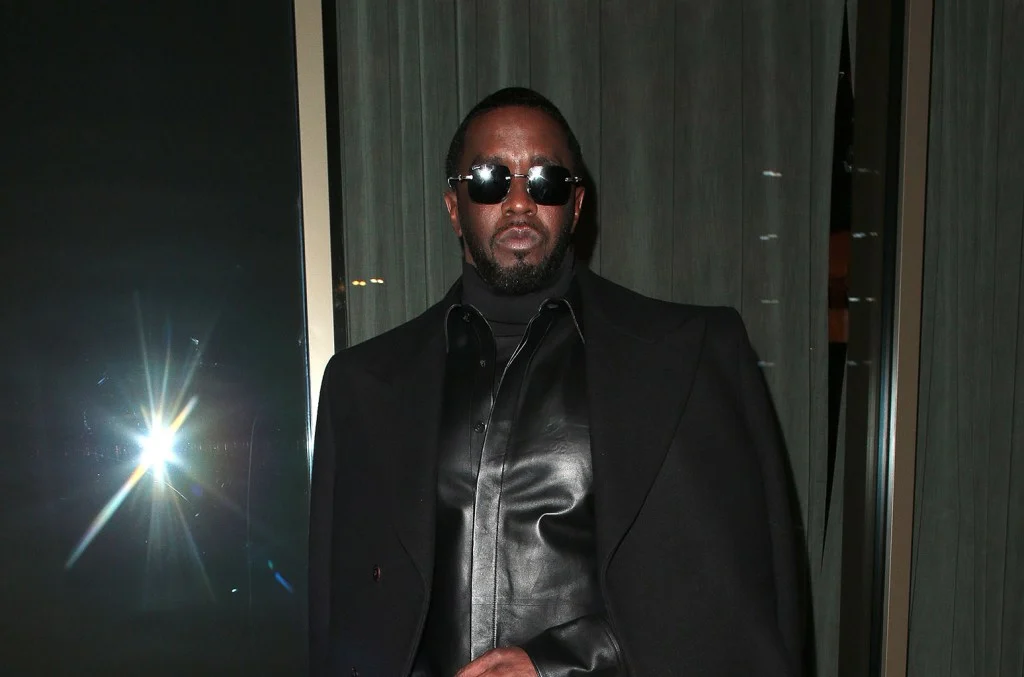
With week five of the Diddy trial now in the books, Billboard is recapping the biggest moments you might have missed this week — from Jane’s blockbuster testimony to Kanye’s surprise appearance to the mysterious mention of an unnamed rapper.
The trial, expected to last until early July, will decide the fate of Sean “Diddy” Combs, who federal prosecutors say coerced ex-girlfriend Cassie Ventura and others to take part in freak-offs — drug-fueled sex marathons with male escorts for his entertainment. He has denied the charges; his attorneys say the events were consensual and part of a “swinger” lifestyle.
Combs is charged with five counts, including racketeering and sex trafficking, over those accusations. If convicted on all of the charges, he faces a potential sentence of life in prison.
If you weren’t following along for every moment this week, here are the five big developments you need to know.
Jane On The Stand
The week was dominated by testimony from “Jane,” an anonymous former girlfriend of Combs who says she was forced to participate in the freak-offs with male prostitutes.
Like Ventura, Jane told jurors about a complex romantic relationship, according to NPR — one that included real affection for the superstar, but also coercion and manipulation, including through promises of more time together or of financial support.
During cross-exam, defense attorneys tried to show Jane as a willing participant in the events, per The New York Times, by showing jurors a trove of text messages in which she appeared to have positive thoughts about the freak-offs. But she insisted she was simply telling Combs what he wanted to hear and was “putting on a show” during the events.
Mystery Rapper
At one point during her testimony, Jane described a night she allegedly spent with another famous rapper in January 2024 — setting off a debate between the legal teams over whether the mystery celebrity could be revealed.
On the night in question, per USA Today, Jane told jurors that she traveled to Las Vegas with the rapper and ended up watching what amounted to a freak-off — a male prostitute having sex with a woman — in the celebrity’s hotel room. She said the event later sparked rage in Combs, who demanded to know: “How could you go to another man’s freak-off?”
Prosecutors quickly urged the judge to bar any reveal of the rapper’s name, warning that it might threaten Jane’s anonymity if the name were divulged. Judge Arun Subramanian ultimately agreed to keep the name hidden, but defense attorneys gave clues — calling him an “icon in the music industry” and someone with a close relationship to Combs.
Jane v. Teny
Midway through cross-examination, Jane got into a heated exchange with Teny Geragos, one of Combs’ defense attorneys, over designer handbags.
According to TMZ, it started when Geragos asked if Jane, like another Combs girlfriend, received a Chanel bag from the rapper. Jane quickly shot back: “I only got trauma.” When Geragos then asked her what a Bottega bag was, Jane replied, “I’m sure you have one.”
“How much does it cost?” Geragos quickly asked her. “How much does my body cost?” Jane fired back.
The tense exchange highlighted Jane’s unusual position in the case. As reported by the Times, she dated Combs right up until his September arrest, didn’t participate in the criminal investigation until she was subpoenaed, and met with his defense attorneys repeatedly before the trial began. She also confirmed on the stand that he’s currently paying both her rent and her legal bills related to the case.
When she wrapped up her six days on the witness stand on Thursday, per CNN, Jane made an unusual move: She hugged the attorneys who had been questioning her, including prosecutor Maurene Comey and Geragos.
Ye Stops By
Ye, the rapper formerly known as Kanye West, dropped in on the trial on Friday (June 13), telling reporters he was there to support Combs.
Dressed in all white, Ye arrived at the courthouse late in the morning and spent about 40 minutes at the trial. Per the Associated Press, he didn’t make it into the main courtroom where the judge, jury and attorneys are arguing the case, instead watching testimony on a closed-circuit monitor in an overflow room.
Though hardly in the same kind of hot water as Combs, Ye has faced his own controversies in recent years — including posting antisemitic rants to social media, running Super Bowl ads for swastika t-shirts, and making outrageous claims about Jay-Z and Beyoncé’s children.
This wasn’t the first support Ye has shown for Combs, a longtime friend. In February, he posted to X (formerly Twitter) asking President Donald Trump to “please free my brother Puff.” And in March, he dropped a song called “Lonely Roads Still Go to Sunshine” that appeared to feature Combs’ voice on a phone-call recording.
When asked if he might testify on Combs’ behalf when the defense begins presenting its case, Ye didn’t respond.
Mistrial Denied
Early in the week, Judge Arun Subramanian denied a motion for mistrial filed by Combs’ lawyers over juicy testimony — a small but important moment.
Attorneys for the embattled hip-hop mogul had argued that prosecutors knowingly introduced false testimony by Bryana Bongolan, the witness who claimed that Combs dangled her from a 17-story balcony in 2016.
But at the start of Tuesday’s proceedings, Judge Subramanian said the alleged issue did not rise to the level of a trial-ending error: “This is not fodder for a mistrial. This is the adversarial process at work,” Subramanian said from the bench, according to ABC News.
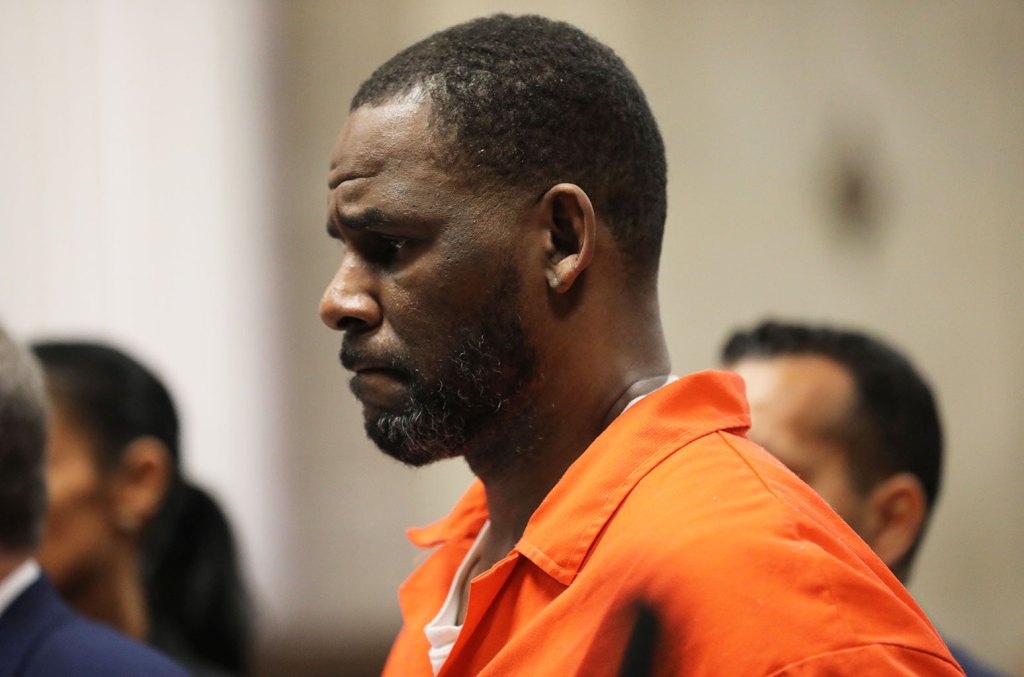
R. Kelly’s attorney claims the disgraced R&B star and convicted sex offender has been placed in solitary confinement as retaliation for publicizing bizarre allegations that prison officials tried to solicit a fellow inmate to kill him.
Kelly’s solitary confinement is the subject of a court filing late Thursday (June 12) from lawyer Beau Brindley, who earlier in the week petitioned a federal judge in Chicago to cut short the 30-plus-year prison sentence imposed on the singer (Robert Sylvester Kelly) for two sets of sex crime convictions.
Brindley claimed on Tuesday (June 10) that prison officials at the Federal Correctional Institution in Butner, N.C., are trying to have Kelly killed to keep him from divulging prosecutorial misconduct he’s supposedly uncovered since his trials. Brindley said a member of the Aryan Brotherhood prison gang was tasked with Kelly’s murder.
Now, Brindley says Kelly is facing retaliation for publicizing his strange allegations. The defense lawyer claims Kelly was placed in solitary confinement within hours of filing the motion for release, without access to a phone to call his family or lawyers.
“Mr. Kelly has spiders crawling over him as he tries to sleep,” writes Brindley. “He is alone in the dark in miserable conditions.”
According to Brindley, Kelly has not eaten since being sent to solitary because he’s afraid that prison officials might have his food poisoned. Guards won’t let the singer access the peanut butter and crackers he previously purchased from the jail’s commissary, Brindley says.
Brindley’s filing reiterates his request to have Kelly immediately released on a temporary furlough or transferred to home detention.
Spokespeople for both the Federal Bureau of Prisons and the U.S. Attorney’s Office in Chicago declined to comment on Brindley’s allegations on Friday (June 13).
While prosecutors have not yet responded to the substance of Brindley’s murder plot claims, they criticized the defense lawyer earlier this week for naming one of Kelly’s anonymous child victims in the Tuesday motion. The judge in the case made Brindley re-file the motion with proper redactions, and prosecutors are due to file their response on Monday (June 16).
Brindley, meanwhile, has been publicly asking President Donald Trump to pardon Kelly in conjunction with the long-shot allegations about a government conspiracy. In a statement earlier this week, Brindley said, “This is precisely the kind of prosecutorial corruption that President Trump has vowed to eradicate. We believe he is the only one with both the power and the courage to do it.”
Kelly was convicted in 2021 and 2022 at two separate federal trials, one in New York and one in Chicago, on a slew of criminal charges including racketeering, sex trafficking, child pornography and enticing minors for sex.
The former R&B star was sentenced to 30 years in prison for the New York conviction and 20 years in the Chicago case, although the vast majority of the second sentence will overlap with the first. Both convictions have been upheld on appeal.
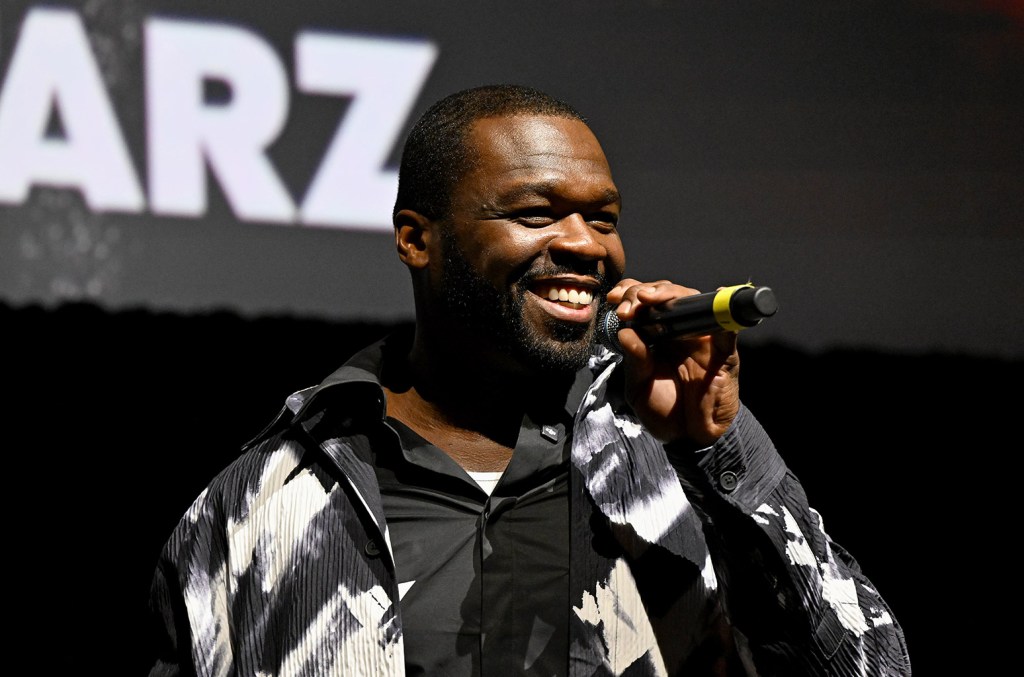
The producers of a horror movie starring 50 Cent are blasting the rapper’s “baseless” lawsuit aimed at blocking its release, calling it a “last-minute shakedown.”
Fifty (Curtis Jackson) sued earlier this year to stop the premiere of SkillHouse, an upcoming horror movie in which he plays a big role, over claims that he never signed off. He claimed producer Ryan Kavanaugh had not paid him “a dime” and he had “no creative input.”
But in a scathing response on Thursday, Kavanaugh’s attorneys say the rap star “time and time again” gave his clear approval for the project – and that he cannot now “kneecap the film on the eve of its release.”
Trending on Billboard
“After almost three years of acknowledging his agreement to appear in the film, Jackson seeks to enjoin SkillHouse from its impending theatrical release,” Kavanaugh’s lawyers write. “This is a baseless and last-minute shakedown.”
Set for release July 11, SkillHouse is billed as a “social media nightmare,” in which ten influencers are kidnapped and forced to compete in a “deadly showdown” where “every like, share, and follow is a fight for survival.” While 50 Cent has the top billing, the movie also stars actual creators (Bryce Hall and Hannah Stocking) with huge followings on TikTok, Instagram and YouTube.
Fifty filed his lawsuit in April, claiming he filmed the movie back in 2022 without a formal contract because he trusted that one would be signed later. But he says it never was — and that the producers cannot use his name and likeness without one.
“Defendants have billed Jackson as the star and producer of the film [and] have shamelessly and deceptively marketed the film as a ‘50 Cent Movie’ and ‘produced by 50 Cent,’ when it is nothing of the sort,” his lawyers wrote at the time.
But in Thursday’s response, attorneys for Kavanaugh and the movie’s production company say they have “a mountain of documentary evidence” that he did, in fact, agree to appear in and promote SkillHouse – including a tweet in which he bragged that it would “elevate horror to another level.” And they say 50 cannot “come close” to showing the kind of permanent damage that would necessitate an injunction blocking the movie’s premiere.
“Jackson cannot show irreparable harm from being associated with a well-received film he repeatedly touted his involvement in,” write Kavanaugh’s lawyers. “Moreover, he certainly cannot show an urgent need for action by the court when he, for almost three years, has known about (and approved) what he now contends is misappropriation.”
An attorney for 50 Cent did not immediately return a request for comment.
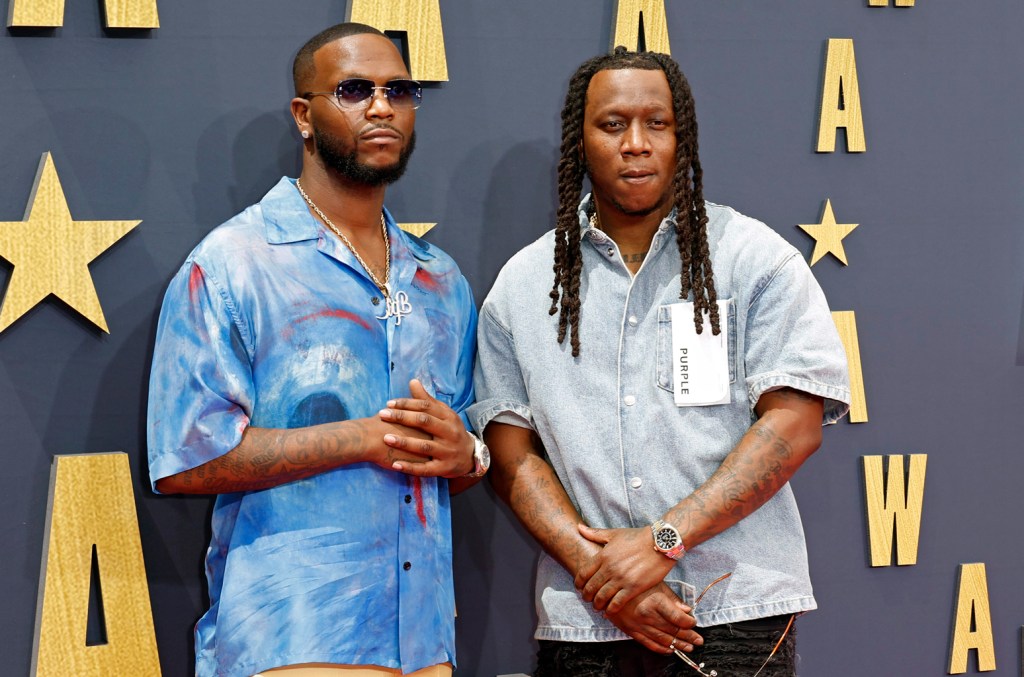
A Los Angeles judge says hip-hop powerhouse Top Dawg Entertainment must face allegations that the company “doxxed” two women after they sued the record label for sexual harassment and assault.
In a ruling Wednesday, Judge Michael E. Whitaker refused to dismiss allegations that the company broke California state law by revealing the identities of the two accusers in a response statement to the media that called the lawsuit a “shakedown.”
Top Dawg had argued that the statement was fair game because lawyers for the two women spoke the media first, but the judge was unpersuaded.
Trending on Billboard
“Defendants argue that it was plaintiffs who initiated the inflammatory press release and it was necessary for them to publicly respond and correct the record,” the judge writes. “Plaintiff’s correctly point out, however, that publicly revealing their true identities was not a necessary part of correcting the narrative in the public record.”
In a statement to Billboard on Thursday, Top Dawg’s attorney Allison Hart vowed to challenge the ruling further: “We have the utmost respect for the court, but believe that yesterday’s decision that our clients were not allowed to disclose the plaintiffs’ names was in error, and we intend to immediately appeal and continue vigorously defending against plaintiffs’ bogus claims.”
An attorney for the plaintiffs, meanwhile, praised the court’s decision: “Our clients believe the Court’s ruling speaks for itself, and are gratified the case has been set for trial,” said Shounak S. Dharap. “They look forward to presenting all the evidence to a jury of their peers.”
Using the pseudonyms Jane Doe and Jane Roe, the two women filed a lawsuit in December against Top Dawg, a top hip-hop label best known for helping to launch the careers of Kendrick Lamar, SZA and Doechii. Doe, a public relations staffer, says she faced “inappropriate workplace behavior,” including harassment and assault, as well as unpaid wages; Roe, a friend of a Top Dawg artist, says she was “sexually harassed twice by TDE employees.”
In addition to the company itself, the lawsuit names execs Anthony “Moosa” Tiffith Jr. and Brandon Tiffith, the sons of TDE founder Anthony “Top” Tiffith, Sr., as defendants.
“TDE’s leadership knew about these instances of sexual abuse, as well as the failure to properly compensate Ms. Doe, yet took no action to prevent further violations, discipline the individuals involved, or offer supportive services to plaintiffs,” their lawyers wrote.
Two months after the case was filed, lawyers for the women issued a press release publicizing their allegations. During the resulting media coverage, Top Dawg issued a strongly-worded denial, claiming the allegations were “fabricated” and filed by women seeking “ten minutes of fame.” Along with those denunciations, it also included the women’s real names, which had been unknown at the time.
A week later, attorneys for the accusers added a new claim to their lawsuit, alleging that the press statement had illegally released the womens’ names. They claimed the move violated a recently-enacted California statute that allows people to sue when they’ve been doxxed – a modern term for maliciously releasing someone’s identity on the internet.
Seeking to dismiss that new accusation, Top Dawg argued that the two women never had a legal right to sue under the “Jane” pseudonyms in the first place. But Judge Whitaker suggests that call had not been Top Dawg’s to make on its own.
“The court need not decide whether plaintiffs’ would ultimately have been able to proceed under pseudonyms or would have been ordered to proceed under their real names,” the judge says. “The court and parties were deprived of that answer when defendants revealed Plaintis’ true names in a public news article, mooting the issue. Thus, at the time the statement was made, it revealed plaintiffs’ true identities, which were not previously publicly known.”
Following the ruling, the entire case against Top Dawg remains pending. The defendants might now ask the judge to dismiss the original allegations of sexual harassment and assault; if such a motion were denied, the case would move forward into discovery and toward an eventual trial.

Just hours after BTS’ Jung Kook was officially discharged from his mandatory military service, a Chinese woman was taken into custody for allegedly attempting to break into the singer’s residence in Seoul. According to authorities at the Yongsan Police Station, the suspect — a Chinese national in her 30s — went to Jung Kook’s home […]

Atlanta rapper Silento, known for his 2015 chart-topper “Watch Me (Whip/Nae Nae),” has been sentenced to 30 years in prison after pleading guilty to shooting his cousin dead in 2021.
Silento (Ricky Lamar Hawk) had been scheduled to stand trial this week over the death of his cousin Frederick Rooks. Instead, the 27-year-old rapper took a plea deal on Wednesday (June 11).
The rapper pleaded guilty to voluntary manslaughter, aggravated assault, gun possession and concealing a death but said he was mentally ill when the crimes were committed. The manslaughter charge was downgraded from a harsher malice murder count in his indictment, while Georgia prosecutors agreed to drop another felony murder charge.
DeKalb County Superior Court Judge Courtney Johnson sentenced Silento to 30 years in prison following the plea. He’ll get credit for the four years he’s spent in jail since his 2021 arrest.
Prosecutors claim Silento shot his 34-year-old cousin Rooks multiple times in February 2021 and then fled the scene. Silento allegedly admitted to killing Rooks during a post-arrest interview with investigators, and prosecutors say bullet casings recovered from the scene matched a gun found on the rapper when he was apprehended.
A rep for Silento said when he was arrested in 2021 that the rapper had been “suffering immensely from a series of mental health illnesses.” He was diagnosed with severe bipolar disorder in jail, according to court filings.
Silento’s lawyer did not return a request for comment on the guilty plea and sentence on Wednesday.
“Watch Me (Whip/Nae Nae)” spawned a viral dance craze in 2015 and spent 51 weeks on the Billboard Hot 100, peaking at No. 3. In 2019, Billboard named the track one of the 100 Songs That Defined the Decade.
Silento faced a number of legal troubles after the success of “Watch Me.” In 2017, he was held in the United Arab Emirates over a business dispute with a local concert promoter, after which a court ordered him to pay 300,000 dirhams ($81,500) for failing to play two scheduled shows in Al Ain and Abu Dhabi.
In 2020, Silento was arrested twice in two days in California for domestic violence and for walking into a stranger’s home holding a hatchet. Later the same year, he was arrested again for driving 143 mph on Interstate 85 in Georgia.
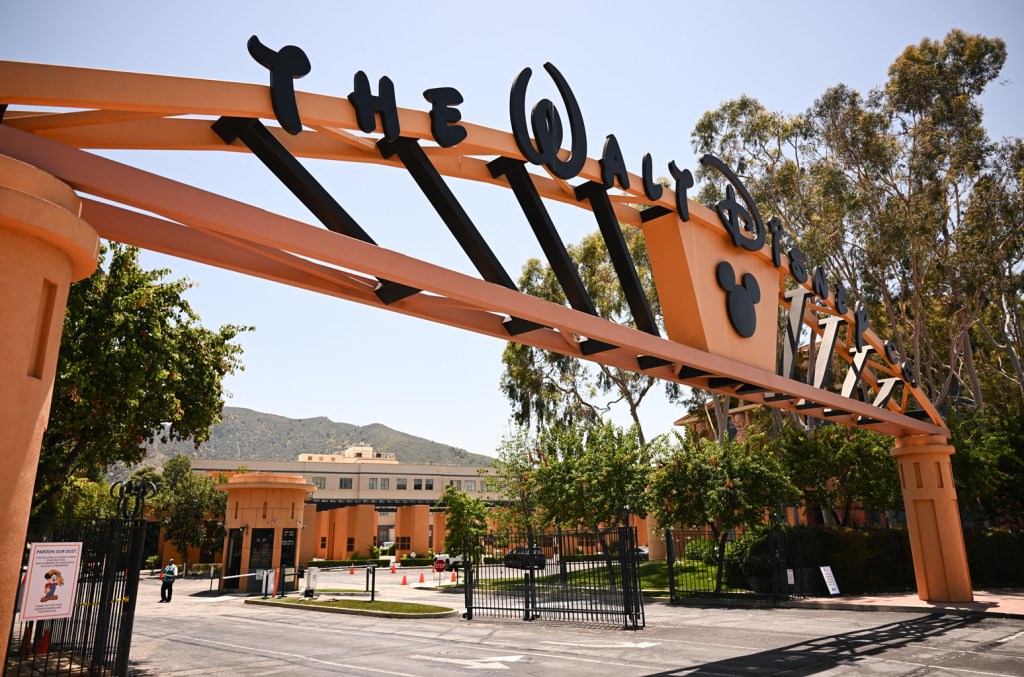
The RIAA is throwing its support behind a blockbuster copyright lawsuit filed by Disney and Universal against artificial intelligence firm Midjourney, calling the case “a critical stand for human creativity.”
The lawsuit, filed earlier on Wednesday (June 11), claims Midjourney has stolen “countless” copyrighted works to train its AI image generator — and it marks the first foray of major Hollywood studios into a growing legal battle between AI firms and human artists.
Disney and Universal’s new case, which comes as major music companies litigate their own infringement suits against AI firms, “represents a critical stand for human creativity and responsible innovation,” RIAA chairman/CEO Mitch Glazier wrote in a statement.
Trending on Billboard
“There is a clear path forward through partnerships that both further AI innovation and foster human artistry,” Glazier says. “Unfortunately, some bad actors — like Midjourney — see only a zero-sum, winner-take-all game. These short-sighted AI companies are stealing human-created works to generate machine-created, virtually identical products for their own commercial gain. That is not only a violation of black letter copyright law but also manifestly unfair.”
AI models like Midjourney are “trained” by ingesting millions of earlier works, teaching the machine to spit out new ones. Amid the meteoric rise of the new technology, dozens of lawsuits have been filed in federal court over that process, arguing that AI companies are violating copyrights on a massive scale.
AI firms argue such training is legal “fair use,” transforming all those old “inputs” into entirely new “outputs.” Whether that argument succeeds in court is a potentially trillion-dollar question — and one that has yet to be definitively answered by federal judges.
Disney and Universal’s new lawsuit against Midjourney is the latest such case — and immediately one of the most high-profile. The 110-page lawsuit claims the startup “helped itself” to vast amounts of copyrighted content, allowing its users to create images that “blatantly incorporate and copy Disney’s and Universal’s famous characters.”
“Midjourney is the quintessential copyright free-rider and a bottomless pit of plagiarism,” the companies wrote in their complaint, lodged in Los Angeles federal court on Wednesday morning.
The case echoes arguments made by Universal Music, Warner Music and Sony Music, which filed their own massive lawsuit against the AI music firms Udio and Suno last summer. In that case, the music giants say the tech startups have stolen music on an “unimaginable scale” to build models that are “trampling the rights of copyright owners.”
Music publishers have filed their own case, accusing Anthropic of infringing copyrighted song lyrics with its Claude model. Numerous other artists and creative industries — from newspapers to photographers to visual artists to software coders — have launched similar cases.
Disney and Universal’s complaint makes the same basic argument — that using copyrighted works to train AI is illegal — but does so by citing some of the most iconic movie and TV characters in history. Disney cites Darth Vader from Star Wars, Buzz Lightyear from Toy Story and Homer Simpson from The Simpsons; Universal mentions Shrek, the Minions, Kung Fu Panda and others.
“Piracy is piracy, and whether an infringing image or video is made with AI or another technology does not make it any less infringing,” lawyers for the studios write. “Midjourney’s conduct misappropriates Disney’s and Universal’s intellectual property and threatens to upend the bedrock incentives of U.S. copyright law that drive American leadership in movies, television, and other creative arts.”