State Champ Radio
 Legal News
Page: 9

Trending on Billboard
Country singer Jameson Rodgers allegedly hurled a “full, unopened beer can” into a concert crowd and hit a fan during a 2022 festival on the Jersey Shore – and an appeals court now says Sony Music must continue to face the resulting lawsuit filed by the injured woman.
Samantha Haws sued Rodgers, Sony and others, claiming the incident at the 2022 Barefoot Country Music Festival in Wildwood, NJ, had left her with “severe and permanent injuries.” She even sued MillerCoors because it was a can of Miller Lite that Rodgers allegedly threw.
Related
Sony wants to be dismissed from the case, arguing that it cannot be sued in New Jersey because it isn’t based in the state and didn’t operate the festival. But a lower judge denied that request last year – and a New Jersey appeals court upheld that ruling on Wednesday.
In recent years, there’s been a disturbing trend of objects being thrown at concert performers. NBA YoungBoy stopped a show earlier this month after fans threw objects, Luke Combs was hit in the face during a July concert, and Bebe Rexha needed stitches after being hit with a smartphone, leading to criminal charges against the offender.
But there’s also been multiple incidents involving objects thrown by the artists, often resulting in legal action. 50 Cent was sued last year over an incident in which he threw a microphone off-stage in frustration, allegedly hitting a stagehand. Cardi B hurled a mic at a fan who threw a drink at her at a 2023 Las Vegas concert, resulting in another lawsuit.
In her July 2024 case, Haws claims that Rodgers and/or others “threw full, unopened cans of Miller Lite beer from the stage into the crowded audience” at the Barefoot Festival. She says one struck her “violently and without warning in the head and facial area,” leaving her with “severe, painful and permanent bodily injuries.”
Sony, named as a defendant in the case because Rodgers is signed to Columbia Nashville, immediately moved to exit the case. The company argued that it didn’t organize or market the festival or pay for or provide security for it. But a judge said last year that Rodgers had potentially performed at the festival as Sony’s agent, which could legally put the company on the hook for his actions.
In Wednesday’s decision, the New Jersey appeals court rejected Sony’s appeal of that ruling. It said there was “no error” by the lower judge because Haws had established a “business relationship between Sony and Rodgers related to live performances” and the label “would be subject to specific jurisdiction if Rodgers was acting on Sony’s behalf at the time Haws was injured.”
The ruling does not mean Sony is liable to Haws, or that her allegations will ultimately be proven. Instead, it merely sets the stage for more litigation over whether Sony was sufficiently involved to face the lawsuit. Reps for Sony, and both reps and an attorney for Rodgers did not immediately return requests for comment on Thursday.

Trending on Billboard
Lizzo is facing a copyright lawsuit over her “I’m Going Til October,” a track she teased on social media to poke fun at Sydney Sweeney’s American Eagle ad controversy but never actually commercially released.
The case, filed Tuesday by a group called GRC Trust, claims that Lizzo’s provocative song (also known as “Good Jeans” in reference to the Sweeney debacle) stole material from an earlier track called “Win or Lose (We Tried),” which appears to have been recorded by the soul singer Sam Dees.
Related
Obtained by Billboard, the lawsuit is light on details – claiming Lizzo’s track “incorporates, interpolates, and samples instrumental and vocal elements” without more specifics. But it pointedly says that reps for the star have “acknowledged” that the materials were used.
The case is notable because Lizzo never formally released the song in question. Though she teased a snippet on TikTok, the star has not included it on any formal release, including her June mixtape My Face Hurts From Smiling. Her long-awaited next studio album, Love in Real Life, was scheduled to drop at some point in 2025 but she said last month she’s unsure if or when it will be released.
Posting a song featuring an uncleared sample on social media would still count as copyright infringement; but the stakes would be lower, because it would be harder to prove that Lizzo made substantial profits without actually selling the allegedly infringing song. Such pre-release disputes are more typically handled with private negotiations rather than full-blown lawsuits.
In a statement to Billboard, Lizzo’s reps said: “We are surprised that The GRC Trust filed this lawsuit. To be clear, the song has never been commercially released or monetized, and no decision has been made at this time regarding any future commercial release of the song.”
Related
The American Eagle ads, launched in July under the tagline “Sydney Sweeney Has Great Jeans,” sparked criticism that they were an allusion to eugenics and white supremacist ideals. That then prompted a right-wing backlash defending them and mocking the critiques.
In her August video on TikTok, Lizzo can be seen washing a Porsche while wearing a denim top. The clip features a snippet from “Going Til October,” in which the star raps: “No kizzy, he ain’t got no business being with me. Fat ass pretty face with the titties. Bitch, I got good jeans like I’m Sydney.”
While Tuesday’s lawsuit claims that snippet used material from “Win or Lose,” it doesn’t explicitly specify who wrote or recorded that track. But it appears to be the 1995 song recorded by Dees, which repeatedly features the lyric “win or lose we tried.” In an earlier sampling suit against Ye (formerly Kanye West), GRC Trust brought similar infringement allegations over another track by Dees.
The copyright case is the latest legal headache for Lizzo. In 2023, she was hit with a bombshell lawsuit from three former dancers (Arianna Davis, Crystal Williams and Noelle Rodriguez) who claimed they had experienced sexual harassment and a hostile work environment while working for the superstar. The case, which also included allegations of weight-shaming, racial and religious discrimination, remains pending amid a lengthy appeal.

Trending on Billboard
Broke Records is facing a lawsuit from ATLXS, the 18-year-old Italian artist behind the hit dance track “Passo Bem Solto,” who alleges the indie label is refusing to release him from a distribution deal he signed as a minor.
Broke, co-founded by Andre Benz and Brandon De Oliveira in 2023 in partnership with Create Music Group, has carved out a niche identifying viral songs and turning them into streaming hits. This is precisely what the label did with “Passo Bem Solto,” which is currently No. 6 on Billboard‘s Hot Dance/Electronic Songs chart and has more than 450 million Spotify streams across various remixes.
Related
But the artist behind “Passo Bem Solto,” 18-year-old ATLXS (Diego Basile), is now suing Broke to get out of his contract. ATLXS’ attorney, Douglas Johnson, writes in a Monday (Oct. 20) federal complaint that he signed over the “Passo Bem Solto” masters to Broke in January, and Johnson tells Billboard that the agreement also included publishing rights.
The lawsuit alleges the deal was “predatory,” and that a provision of California’s family code allows a contract signed by a minor to be later “disaffirmed” — that is, made void. ATLXS, who was only 17 when he signed with Broke, sent a legal notice to the label terminating his contract under this provision last month.
According to the lawsuit, Broke refused to honor the termination notice and is continuing to monetize “Passo Bem Solto” on streaming platforms. ATLXS is seeking a court order requiring his masters and publishing rights to be reverted back, as well financial damages for copyright infringement.
Related
“Defendant has retained revenues, royalties and profits derived from the exploitation of the subject works after disaffirmance,” reads the complaint. “Defendant has continued to exploit the works through all of its streaming distribution channels, including continuing to stream the subject works on several streaming services, including but not limited to YouTube and Spotify.”
Speaking with Billboard on Tuesday (Oct. 21), Johnson says California law is clear that minors can rebuke their contracts and that an artist like ATLXS can regain his copyrights. “I find it to be a straightforward case,” he says.
Reps for Broke declined to comment on the lawsuit Tuesday.
Trending on Billboard
David Geffen’s estranged husband has dropped a scandalous lawsuit that leveled shocking abuse allegations against the music and film mogul while seeking lifelong financial support.
Geffen will continue to fight it out in divorce court over temporary spousal support and potential asset division with Donovan Michaels, a former exotic dancer who married the 82-year-old billionaire without a prenup in 2023. But Michaels’ lawyers filed a court notice on Friday (Oct. 17) dropping a civil lawsuit that had sought far more: “financial support commensurate with his lifestyle for the rest of his life.”
Related
Michaels’ civil case, brought in July after Geffen initiated divorce proceedings, aired years of dirty laundry and leveled shocking allegations against the Asylum Records and Geffen Records founder.
The 32-year-old (born David Armstrong) claimed that Geffen began paying him for sex after they met through the website SeekingArrangements.com in 2016. Michaels said Geffen treated him as a “sexual commodity” and plied him with drugs and alcohol as “tools of coercion” during their relationship and eventual marriage.
At the heart of the lawsuit was Michaels’ claim that Geffen promised to provide him with “lifetime support.” Michaels said he relied on this assurance when he gave up a modeling career to be a full-time husband to Geffen.
Geffen, meanwhile, fervently denied Michaels’ claims as “petty gossip and salacious lies.” The billionaire said Michaels was merely trying to extort a lucrative settlement out of him, and that he never promised any sort of lifelong financial support.
Related
Now that the civil lawsuit has been dropped, lawyers for the estranged couple will focus their attention on a more traditional marriage dissolution proceeding filed by Geffen in May. Geffen is asking in that case for a judge to declare that his only financial obligation to Michaels is $50,000 per month in spousal support for just one year.
Geffen says the judge should note that he’s already given Michaels $5 million worth of art and jewelry, and notes that the couple lived “separate lives” during the mere 23 months they were married. Geffen claims that because he was retired and making no income during the marriage, there aren’t any marital assets to share with Michaels.
“While respondent will have far less wealth than petitioner due to petitioner’s vast separate property estate when the parties’ married, respondent will certainly walk away from this brief marriage with more wealth than most Americans,” wrote Geffen’s attorney Parima Pandkhou in a Sept. 18 divorce filing.
Michaels, however, says it remains an open question whether Geffen made money through investments during their marriage that should be considered joint assets. Michaels has slammed Geffen for trying to “conceal the truth about his enormous wealth” and says the divorce cannot be finalized until he gets a chance to look at Geffen’s books.
Related
“This is quite literally a case of David and Goliath,” wrote Michael’s lawyer Samantha Spector on Oct. 2. “While David has repeatedly yet falsely attempted to portray himself as an aging ‘retiree,’ the reality is that he remains an enormously important power player in uber wealthy circles who, through a myriad of capitalist ventures, is one of the highest income earners on the planet.”
Michaels’ and Geffen’s lawyers are set to appear in Los Angeles family court for a hearing on Nov. 14. Neither side returned a request for comment from Billboard on Tuesday (Oct. 21).
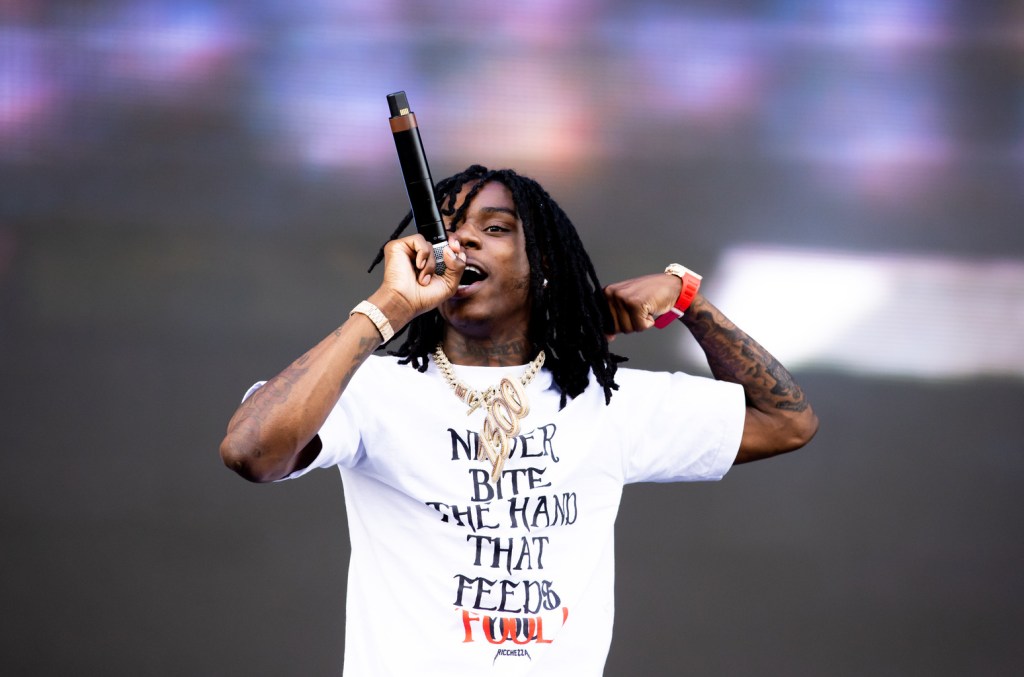
Polo G has settled a legal dispute over a planned European tour he cancelled in 2023, ending dueling contract and intellectual property theft claims between the Chicago rapper and a Dutch concert booking agency. The rapper (Taurus Bartlett) was in the middle of exchanging evidence via the legal discovery process with booking agency J. Noah […]
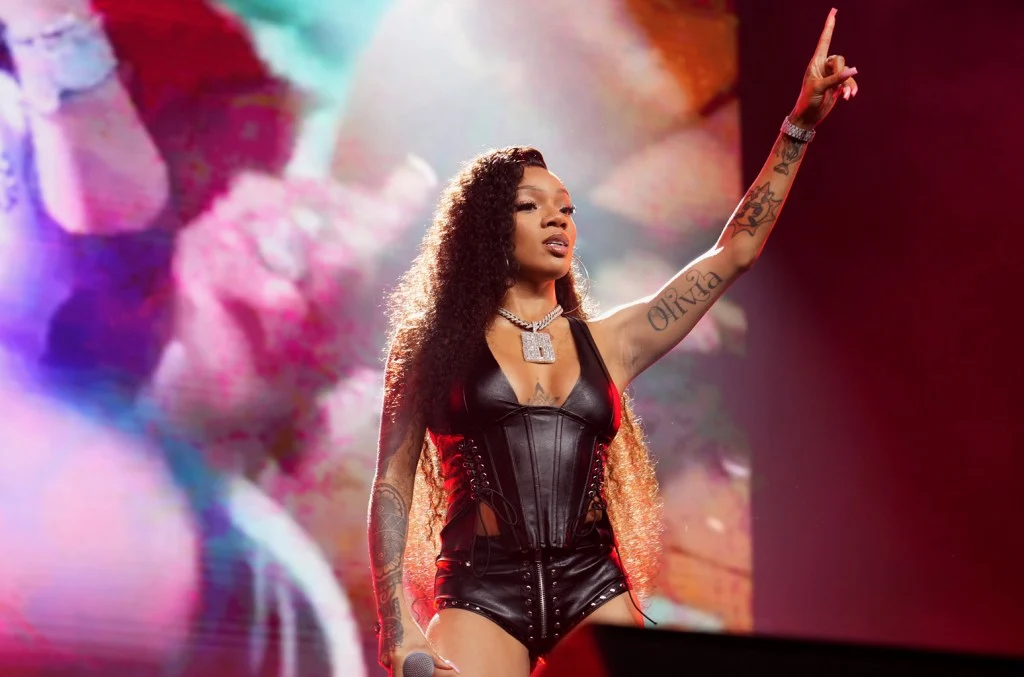
GloRilla is facing a copyright lawsuit from a social media personality who says the rapper stole her viral catchphrase — “all natural, no BBL” — and used it in her 2024 song “Never Find” without permission.
Natalie Henderson — aka @slimdabodylast on Instagram — says she went viral last year with the phrase, seemingly a reference to not needing a “Brazilian butt lift” cosmetic surgery. She says she then turned it into a song with lyrics including “All natural, no BBL/ Mad hoes go to hell.”
In a case filed Wednesday (June 20) in Louisiana federal court, Henderson claims that GloRilla (Gloria Woods) violated federal copyright law by copying those lyrics into her 2024 track “Never Find,” which features the line: “Natural, no BBL/ but I’m still gon’ give him hell.”
Trending on Billboard
“There are unmistakable similarities between the two works,” Henderson’s attorney writes. “Based upon a side-by-side comparison of the two songs, a layperson could hear similarities in the lyrics, arrangement, melody, core expression, content, and other compositional elements in both songs and conclude that songs are essentially identical.”
“Never Find,” featuring K Carbon, was featured on GloRilla’s debut studio album Glorious, which peaked at No. 5 on the Billboard 200 and ended up as the top-selling female rap album last year. The song itself, a bonus track, did not chart.
It’s unclear whether the copying of such a small snippet of words amounts to infringement. Copyright law does not cover short phrases, including slogans and taglines, nor does it cover commonplace material that’s been widely used by others. Whether the allegations against GloRilla clear those thresholds will be decided by a federal judge.
A rep for GloRilla did not immediately return a request for comment.
This isn’t the star’s first tangle with copyright law. Back in 2023, GloRilla was hit with a lawsuit claiming she used unlicensed samples from a decades-old New Orleans hip-hop song in her hit songs “Tomorrow” and “Tomorrow 2.” The case was dismissed last year.
In November, the rapper Plies sued her, along with Megan Thee Stallion, Cardi B and others, over claims that the 2024 song “Wanna Be” featured an uncleared sample from his 2008 track “Me & My Goons.” But the case was voluntarily dropped in March.

A federal judge has rejected R. Kelly’s emergency request to be let out of prison due to an alleged jailhouse murder plot against the disgraced R&B star, who’s serving more than 30 years for multiple sex crime convictions.
Kelly’s attorney, Beau Brindley, has been petitioning a Chicago court for Kelly’s release since last week, saying prison guards are trying to have the singer (Robert Sylvester Kelly) killed to stop him from uncovering prosecutorial misconduct in his case. Brindley claims jail officials attempted to solicit a fellow inmate to carry out the hit, and that when that didn’t work, they fed Kelly an overdose quantity of sleeping pills and denied him medically-necessary surgery for blood clots.
Prosecutors have dismissed the allegations as a “fanciful conspiracy” and “deeply unserious.” Judge Martha M. Pacold denied the bid for release on Thursday (June 19) without addressing its merits, saying such a request must be brought as a civil rights lawsuit or habeas corpus petition in North Carolina, where Kelly is imprisoned.
“Jurisdictional limitations must be respected even where, as here, a litigant claims that the circumstances are extraordinary,” wrote the judge.
Judge Pacold issued her decision ahead of a hearing that had been set for Friday (June 20), canceling the court date after seemingly learning all she needed to know from voluminous court papers that have been filed on the issue.
In a statement shared with Billboard on Thursday, Brindley said his team is “not surprised by this ruling as we knew that technical jurisdiction would be a challenge under these circumstances.”
“However, we had no choice but to act immediately given explicit evidence of a threat to Robert Kelly’s life,” Brindley added.
On Friday (June 20), Brindley tried another avenue to convince the Chicago judge to release Kelly: filing a motion for a new trial and asking for emergency bail in the meantime.
The Friday motion reiterates Brindley’s previous allegations that prosecutors unlawfully pressured a witness to testify against Kelly and intercepted Kelly’s communications with his lawyers ahead of his federal trial in Chicago.
“If someone dies in prison, it seems commonplace,” writes Brindley. “With that in mind, it becomes easy to understand how the people who committed this corruption and those that helped cover it up would rather kill a disgraced inmate convicted of sex crimes than face consequences that could ruin their lives and careers.”
The motion repeatedly notes that President Donald Trump is prioritizing rooting out corruption in the justice system. Brindley has publicly asked Trump to pardon Kelly in conjunction with the jailhouse murder plot claims.
A spokesperson for prosecutors did not immediately return a request for comment on Friday.
Kelly was convicted in Chicago of child pornography and enticing minors for sex in 2022, one year after a separate federal jury in New York also found the singer guilty of racketeering and sex trafficking
The former R&B star was sentenced to 30 years in prison for the New York conviction and 20 years in the Chicago case, though all but one year of the second sentence will overlap with the first. Both convictions have been upheld on appeal.
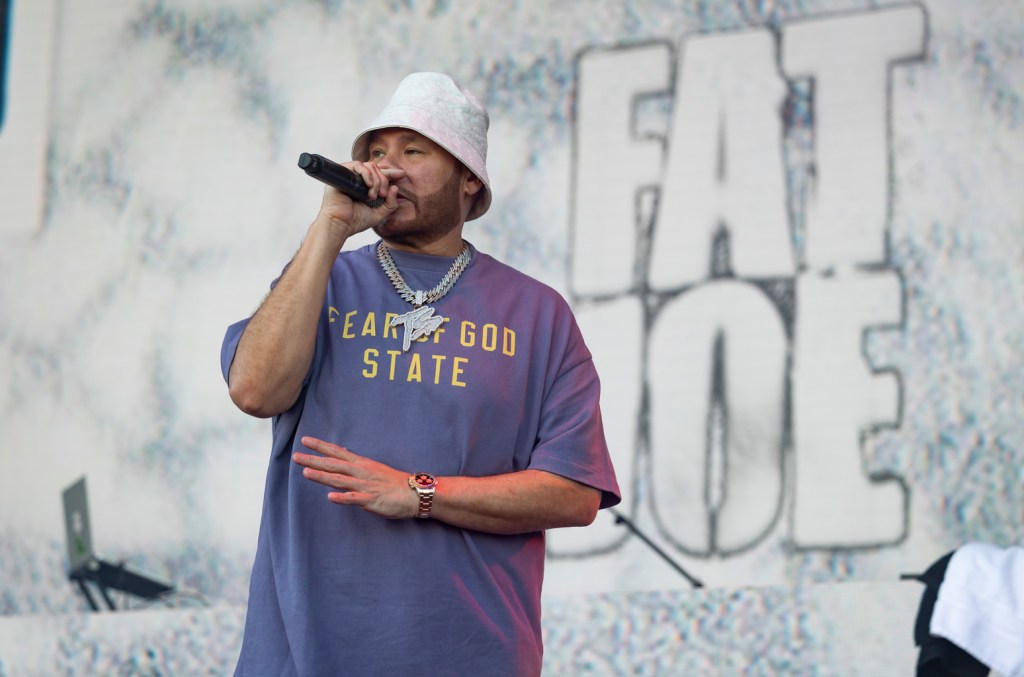
Two months after Fat Joe sued his former hypeman Terrance “T.A.” Dixon for extortion over “false and vile accusations,” the one-time employee has filed his own lawsuit accusing the rapper of having sex with two underage girls.
In a complaint filed Thursday in Manhattan federal court, Dixon accuses Fat Joe (Joseph Cartagena) of a “deliberate and sustained campaign of exploitation,” leveling claims of sex trafficking, financial fraud, and racketeering. Most seriously, Dixon claims that he “personally witnessed defendant engage in sexual relations with children who were fifteen and sixteen years old.”
“Minor Doe 1 is a 16-year-old Dominican girl residing in New York,” Dixon writes in his lawsuit, obtained by Billboard. “In exchange for cash, clothing, and payment of her cell phone bill, defendant would get oral sex and other sexual acts performed on him by Minor Doe 1.”
Trending on Billboard
Those explosive allegations come two months after Fat Joe sued Dixon and his attorney, Tyrone Blackburn, over claims that they were extorting him by making “wholly fabricated, grotesque, and scandalous allegations,” including “unspeakable acts such as pedophilia.”
In a statement responding to the new case, Fat Joe’s lawyer Joe Tacopina called them a “blatant act of retaliation” and a “desperate attempt to deflect attention from the civil suit we filed first.”
“Law enforcement is aware of the extortionate demand at the heart of this scheme,” Tacopina says. “The allegations against Mr. Cartagena are complete fabrications — lies intended to damage his reputation and force a settlement through public pressure. Mr. Cartagena will not be intimidated. We have taken legal action to expose this fraudulent campaign and hold everyone involved accountable.”
Asked by Billboard about Tacopina’s statement regarding law enforcement, Blackburn repeatedly referred to his opposing counsel by the name Joe Taco Bell: “We offered Joe Taco Bell an opportunity for his client and me to meet at the [U.S. Attorney’s Office for the Southern District of New York] to file our respective criminal complaints and he tucked his tail between his legs and never responded. We met with law enforcement. Let’s see where this goes.”
In his Thursday complaint, Dixon says he dedicated his “talent, labor, and loyalty” to Fat Joe for 16 years, serving not just as a hype man but also a “lyricist, background vocalist, security team member, and creative collaborator.” But he says the star manipulated and abused him in myriad ways, ranging from underpayment to threatening his life.
“Defendants systematically engaged in coercive labor exploitation, financial fraud, sexual manipulation, violent intimidation, and psychological coercion against plaintiff Dixon, all intended to enrich defendant Cartagena and his associates while deliberately suppressing, silencing, and erasing plaintiff’s substantial creative, artistic, and commercial contributions, which were foundational to defendant Cartagena’s professional success and personal brand,” Blackburn writes on Dixon’s behalf.
That’s a very different story from the one that Fat Joe himself told first in April, when he sued Dixon and Blackburn for defamation over “a predatory plot, built entirely on lies, to destroy Cartagena’s reputation and business for profit.”
In that case, the star says he “compensated Dixon handsomely” and the hype man “never complained or expressed any dissatisfaction.” But he says the ex-staffer recently started airing false grievances about his pay and other issues, and has published “shocking falsehoods” to social media while making “outrageous financial demands.”
The early lawsuit also names Dixon’s lawyers as a defendant, claiming Blackburn threatened to file baseless legal action. Citing a recent ruling by a New York federal judge that sharply criticized Blackburn’s litigation tactics, the suit calls his behavior “shakedown tactics masquerading as lawyering.”
“Dixon’s and Blackburn’s conduct is … a cold-blooded attempt to extort exorbitant sums from Cartagena by leveraging the specter of public disgrace and professional ruin,” Tacopina wrote in April. “His defamatory statements accusing Cartagena of heinous crimes are devoid of any factual foundation, relying instead on the power of shock, scandal and Cartagena’s high-profile status to maximize leverage.”
The allegations about Fat Joe in the newer case are certainly shocking and scandalous. The complaint is 157 pages – far longer than the typical pleadings in such a case – and comes with an unusual bright red “trigger warning” at the top. It is also replete with photos of the alleged teenage victims, and claims that Dixon faced “credible threats” to his life, including “attempts to lure him into a violent ambush.”
The lawsuit also includes claims under the Racketeer Influenced and Corrupt Organizations Act – the federal “RICO” statute often used in criminal cases against mobsters and drug cartels. Those sprawling claims allege that Fat Joe and his associates operated an illicit enterprise, and also names a number of outside groups as defendants, including Jay-Z’s Roc Nation.
Blackburn included similar civil RICO claims in a sexual assault case he filed last year against Sean “Diddy” Combs on behalf of producer Rodney “Lil Rod” Jones. While a judge has allowed the case to move forward, he dismissed the racketeering claims in March.
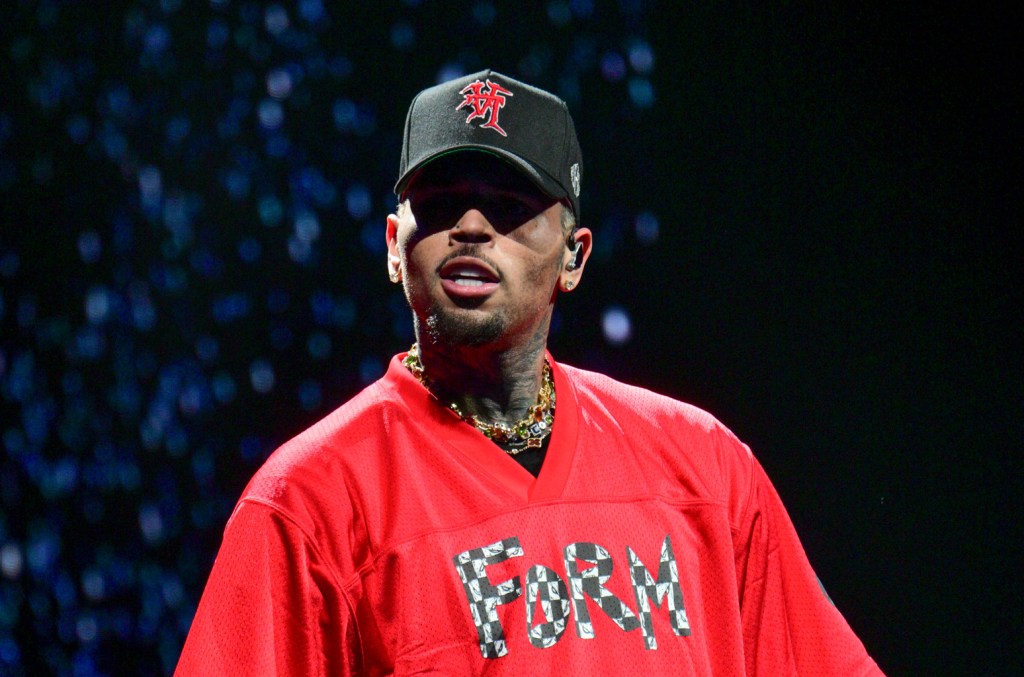
LONDON — Chris Brown appeared in a London court on Friday (June 20) to plead not guilty to a charge of serious assault. The Grammy Award-winning singer is facing multiple charges in relation to an alleged physical dispute with a music producer. The alleged incident took place in a nightclub in Mayfair, London in February […]
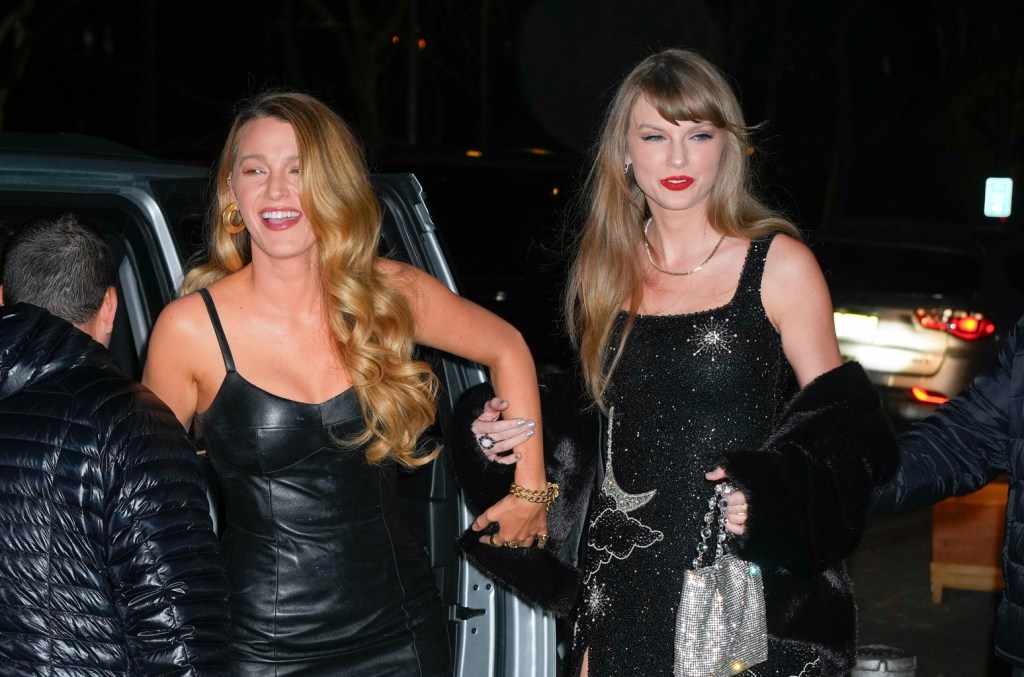
Blake Lively and Taylor Swift’s text messages will have to be handed over in litigation over the movie It Ends With Us, with a judge determining that the friends’ conversations about the working environment on set are relevant to Lively’s sexual harassment and retaliation claims against co-star and director Justin Baldoni.
Baldoni and his production company, Wayfarer Studios, prevailed Wednesday (June 18) on the issue of Swift’s text messages, which have taken center stage in Lively’s It Ends With Us lawsuit over the past month. Baldoni first tried to get the texts directly from Swift herself, but then dropped his subpoena on the pop superstar, opting instead to seek the messages from Lively in the normal discovery process.
Lively’s lawyers fought that request last week, saying the actress’ texts with Swift have no place in court and Baldoni is just trying to make headlines. But Judge Lewis J. Liman says these messages are indeed relevant, citing Lively’s own discovery disclosures that identified Swift as someone who would know that Baldoni sexually harassed her on set and then orchestrated a retaliatory smear campaign after she complained.
Trending on Billboard
“Given that Lively has represented that Swift had knowledge of complaints or discussions about the working environment on the film, among other issues, the requests for messages with Swift regarding the film and this action are reasonably tailored to discover information that would prove or disprove Lively’s harassment and retaliation claims,” writes the judge.
As for Lively’s claim that Baldoni is only involving Swift in the case to prop up a public relations narrative, Judge Liman says “this concern does not justify denying the Wayfarer parties relevant discovery.”
“A motion or request may be, and in this case often has been, both a legitimate litigation tactic and an attempt to maneuver in the broader court of public opinion,” writes the judge. “The mere fact that the request has been discussed in the press does not render it illegitimate.”
A spokesperson for Lively reacted to the decision on Wednesday by noting that the actress has “produced far more documents in this case” than Baldoni. Lively’s rep also says Baldoni and his publicity team have been trying to “drag Taylor Swift” into the debacle since they launched their alleged retaliatory smear campaign last summer.
“We will continue to call out Baldoni’s relentless efforts to exploit Ms. Swift’s popularity, which from day one has been nothing more than a distraction from the serious sexual harassment and retaliation accusations he and the Wayfarer parties are facing,” adds Lively’s spokesperson.
A rep for Baldoni declined to comment on the decision.
Swift’s reps did not immediately return a request for comment on the matter. In a previous statement from May, the singer’s team said she had no involvement in It Ends With Us and that Baldoni’s subpoena against her was “designed to use Taylor Swift’s name to draw public interest by creating tabloid clickbait instead of focusing on the facts of the case.”
The exchange of documents in Lively’s harassment and retaliation lawsuit, which has also dragged in Swift’s public opponent, Scooter Braun, is geared towards preparing for a trial in 2026. Baldoni has tried to bring a countersuit accusing Lively and her inner circle of defamation, but Judge Liman threw out those claims as legally invalid last week.