State Champ Radio
 genre hiphop
Page: 6

Trending on Billboard
Fugees rapper Pras Michel was sentenced Thursday (Nov. 20) to 14 years in prison following his conviction on illegal foreign lobbying and conspiracy charges.
The rapper, who rose to fame alongside his bandmates Lauryn Hill and Wyclef Jean, was found guilty in 2023 on federal accusations that he orchestrated a “foreign influence campaign” to get the U.S. to drop an investigation into fugitive Malaysian financier Jho Low.
Related
At a hearing Thursday in D.C. federal court, Judge Colleen Kollar-Kotelly sentenced Michel to 14 years in prison, followed by three years’ probation. He was already ordered last month to forfeit a whopping $64 million allegedly linked to the scheme.
In an exclusive statement to Billboard, Michel’s spokeswoman Erica Dumas said: “Pras has spent his career breaking barriers and defying expectations. While today marks a difficult moment, it is not the end of his story or his legacy. He is profoundly grateful for the continued support of those who believe in him as he prepares for what lies ahead.”
Prosecutors had sought a “severe” sentence for a man who they said had “betrayed his country for money.” In court filings, they said that an average sentence for others convicted of a similar-sized financial scheme had been more than two decades: “The Court’s sentence should reflect the seriousness of Michel’s offenses,” they said.
Michel’s attorneys, on the other hand, had called for a far lighter sentence of only 36 months. They said the government was seeking a type of sentence “typically reserved for terrorists who murder innocents and the heads of the largest Mexican drug cartels.”
Related
Michel will surrender to authorities on Jan. 27.
Composed of Hill, Jean and Michel, the Fugees rose to fame in the 1990s with hits like “Killing Me Softly,” “Ready or Not” and “Fu-Gee-La.” After splitting up in 1998, the three each had successful solo careers and mostly stayed separate until recent years, during which they’ve attempted multiple reunion tours.
In 2019, Michel was hit with sweeping federal criminal charges over accusations that he funneled money from Low, the mastermind of the billion-dollar 1MDB embezzlement scheme, to a lobbying campaign aimed at getting the first Trump administration to drop its investigation into the disgraced financier. He was also accused of secretly funneling Low’s money to Barack Obama’s 2012 presidential campaign, and of later trying to influence an extradition case on behalf of China.
In April 2023, following a trial that included testimony from actor Leonardo DiCaprio and former U.S. Attorney General Jeff Sessions, Michel was convicted on 10 counts, including conspiracy to defraud the U.S. government.
Michel later sought a re-trial on the grounds that his ex-lawyer, David Kenner, botched his defense by using an unproven artificial intelligence (AI) tool to craft closing arguments. That motion was later denied, though Kenner eventually pleaded guilty to a criminal contempt charge over allegations that he leaked grand jury materials to reporters ahead of the trial.
Michel’s attorneys will now launch his appeal of both the sentence and the underlying convictions; such appeals can take months or years, and typically face an uphill climb to reverse a conviction.

Trending on Billboard
An appeal filed by Making the Band contestant Sara Rivers aimed at reviving her $60 million sexual assault lawsuit against Sean “Diddy” Combs has been abruptly dismissed — a move that came after her lawyers failed to file basic court forms.
Rivers sued Combs earlier this year over claims that he harassed and groped her during the filming of the 2000s MTV reality show, but a federal judge ruled this summer that she’d waited far too long to sue. After that ruling, she quickly filed an appeal aimed at overturning it.
Related
But last month, according to court records reviewed by Billboard, the appeals court dismissed Rivers’ case. The reason? Her attorneys failed to meet a required deadline to file basic procedural forms that are filed at the start of any appeal.
That failure means that the earlier ruling dismissing Rivers’ case is now final, and most of her case is now closed. A small element of the case has not yet been fully dismissed, but the majority of her case was dismissed permanently.
Ariel Mitchell, the attorney who represents Rivers and failed to make the required filings, did not immediately return a request for comment on Thursday (Nov. 20). Reps for Combs also did not return a request for comment.
Rivers, who became a member of hip-hop group Da Band, sued Combs in February, claiming he had cornered her in a recording studio and “ran his left hand across her breasts.” She also claimed that he later blackballed her in the music industry in retaliation for rebuffing his advances.
Related
The case was one of dozens of civil lawsuits filed against Combs over the past two years alongside his blockbuster federal criminal case. Following a two-month trial, Combs was acquitted last month on the most serious charges of racketeering (RICO) and sex-trafficking in that case, though he was found guilty on two lesser counts of interstate prostitution. Last month, he was sentenced to four years in prison.
In August, Judge Jed Rakoff ruled that Rivers had filed her case far too late. He said allegations centered in the 2000s were clearly filed years after the statutes of limitations had expired.
“It is important to remember the many positive purposes served by statutes of limitations,” the judge wrote. “They promote justice by preventing surprises through plaintiffs’ revival of claims that have been allowed to slumber until evidence has been lost, memories have faded, and witnesses have disappeared.”
Judge Rakoff said Rivers had invoked a “hodgepodge” of arguments for why the time limits should be lifted in her case, including that she was afraid of retaliation from Combs and his business empire. But the judge said that wasn’t enough.
Related
“While Rivers does allege that she experienced a general fear of retaliation preventing her from speaking out against Combs, general claims of psychological stress cannot give rise to duress tolling,” the judge said, referring to the technical term for such a delay.
Rivers quickly appealed, setting the stage for a lengthy battle before the U.S. Court of Appeals for the Second Circuit. But after making her initial case filings, Mitchell never filed another document in the case — even after being warned to do so.
In early October, the court warned her that failure to submit Form C and Form D (a basic case synopsis and disclosure regarding transcripts, respectively) would result in the case being dismissed in two weeks. Mitchell never filed those forms, and the case was duly dismissed on Oct. 17.
Mitchell is the same attorney that Combs is currently suing for defamation over allegations raised by Courtney Burgess, another one of her clients. In TV interviews, Burgess claimed to have videos showing Combs in sexual encounters with celebrities — a claim Mitchell later echoed. Combs says such videos don’t exist and that he was defamed by Mitchell and Burgess’ “outlandish claims.” That case is pending.

Trending on Billboard
In an impressive year for Caribbean music, Jamaican-born, New York-based rising star Cjthechemist is one of the few artists who can say they produced the riddim for their own hit song.
“Me like good girls, weh love badness/ Me like independent bad b—h/ Drive-by any time, love e madness/ Me like f—k inna e party, me toxic,” goes the seductive intro of Cjthechemist’s Chronic Law-assisted runaway dancehall hit, “NY Girls.”
Built on a trap-dancehall foundation and laced with finger-picked guitar and solemn brass, “NY Girls” is an ode to the Big Apple’s finest women. But Law’s sultry vocal and the pair’s hyperspecific, borough-name-checking lyrics are what encouraged the ladies of NYC’s Caribbean diaspora to embrace the track as their latest anthem. Originally released on May 9, “NY Girls” quickly became one of the hottest songs in its namesake city, prompting other dancehall stars to put their own spin on the riddim.
Now that Armanii (“Link Up”), Valiant (“All Ova”), Kkrytical (“Bring It”), Yaksta (“Hooked on You”), Shaneil Muir (“Hurt”), Kraff Gad (“Maniac”) and Bayka (“Baddie”) have graced the “NY Girls” riddim, The Chemist has recruited Grammy-nominated rap superstar French Montana for the latest remix. After appearing on Masicka’s “Whites” remix earlier this year, French is a smart addition to “NY Girls.” His cadence pairs well with the foreboding nature of trap-dancehall production, and his Bronx roots only bolster the song’s claim to the title of new-age NYC anthem. On Friday (Nov. 21), The Chemist will unveil an NY Girls Riddim album, compiling 15 different spins on the hit riddim, including new tracks from Pablo YG, Dre Island and Dejor.
“He’s the OG,” Cjthechemist tells Billboard a few days after shooting the music video for the remix. “I wanted somebody from New York. He reached out, and I accepted. It’s a big move.”
After exploding onto the scene in 2021 with the smash “1Matik” riddim and his debut album, The Formula, Vol. 1, Cjthechemist has spent the past two years cementing his status as one of the most consistent producers in the dancehall game. At August’s Caribbean Music Awards, “Higher Life,” which he produced for Kranium and Chronic Law, earned three nominations, including dancehall song of the year.
Below, the multi-hyphenate speaks with Billboard about producing the “NY Girls” riddim, the contemporary Caribbean music that excites him most right now, and the new songs he has on the way with Dexta Daps.
What’s the first song you remember getting stuck in your head as a kid?
It was at DF Kelly Production. [1998’s] “Bashment Party” by Rayvon and Red Fox. That’s from primary school. I could visualize everything he was saying, so that song really stuck with me.
What are some of your earliest musical memories?
When I was around 14, I put out my first official track with an artist called “New York, New York.” I wasn’t even producing at the time, just making beats. I remember seeing my name on the CD, and it was mind-blowing — even though mi neva mek a dollar because I didn’t know the mechanics behind it. But that was the first time I was like, “Yo, I really want to do music.”
Do you remember when you started DJing?
I was a DJ before a composer. I was originally named DJ Frax, and I used to make mixes on an Atomix MP3 player. Once I found out how to record the mixes, I started selling them to my friends, which brought me to FruityLoops. And I just started making beats from there.
Which producers inspired you?
The first producer whose beats I really analyzed was Tony Kelly and his [1998] “Bookshelf” riddim. My father had the instrumental on the computer, and I would listen to it over and over — not to add to it, but to deconstruct it. And it was so simple. I knew immediately that it was the sound I wanted to go with.
Where did you first get the idea for the “NY Girls” riddim?
Well, just like KFC, mi nuh give out di full recipe. [Laughs.] I was talking to my friend RJ about what records work for him more; he said the uptempo stuff works better, but people still like to hear him talk slow. I thought I could meet him in the middle, so I found the right tempo for the beat, but didn’t know what to sing about. For him, “gyal songs” are not one of his biggest strengths, so I told him to sing about girls in his own way.
It was like a raffle: Dexta Daps was on the riddim, then Kranium, then Chronic Law. A bunch of us were in the studio together, and I was [playing] different beats. The first time [“NY Girls”] played, Dexta was like, “What is that?” and Chronic Law was like, “It’s mine!” It was like a tango. I played a different beat, and Dexta took that one, so Law came back the next day and started writing “NY Girls” on his phone. That was the first time I’d ever seen him write lyrics on his phone. He asked me to help him with the second part of the song, and the rest is history.
When did you realize the song was gaining traction?
From the day I put it out. But I didn’t think it was going to go outside of the New York diaspora. Chronic Law had a priority record called “ATL” that was a similar vibe, but more about gangsters, so the art of this was incorporating the ladies into it. Soon enough, people from England and Italy and all over started using the song and tagging us, so I knew it was bigger than New York.
Why do you think people are connecting to the song so much?
The intro alone is crazy. Then, Law used the word “independent.” He gave the ladies something to hold onto and talk about. Even if you’re not from Brooklyn, you’re still a bad b—h, and you’re still independent.
Why did Chronic Law deserve to get that first spot on this riddim?
It’s just the closeness of me and him, and the chemistry that we create. It’s good when you have a friend and a music partner you can make a promise to. We’re just trying to give each other hits, so we meet at a common ground. I grew respect for him. He’s a fun, phenomenal artist. He’s very quick, and he challenges himself and me as a producer.
Did you feel any pressure to follow the “1Matik” riddim?
Yes. I had the “1Rifle” riddim, and I wouldn’t call it a flop, but it wasn’t as successful as the “1Matik” riddim. You’re only good as your next thing. I don’t really try to “follow” success because it’s a high; if you try to follow it, you’re a crackhead. So, I just do me, my way. I only do music with people around me. I reach out to people, don’t get me wrong, but I prefer to cater to those in my immediate space.
Last year, you also produced Higher Life, which earned three nominations at the 2025 Caribbean Music Awards. How did that song come together?
Me and Kranium go way back; I’m one of these personal engineers. He called me one Sunday morning, saying, “Come give me a hit song.” Those were his exact words. I said, “Aight, cool, mi dere!” I played him the “Higher Life” beat, and it wasn’t his first pick. We started working on a song, and I was like, “I have something else mi wan yuh fi listen to.”
I played it, and Kranium started humming, so I called my friend Ajji to slide through, and we finished the song. Then, Kranium asked me if I thought Chronic Law would cut a verse, and I was like, “Consider it done.” The song was really good without Law, but he completed it.
When you think of dancehall right now, what three words come to mind and why?
“It’s something new.” The music has changed, but I think we’re going back to the authentic-ness of the sound. We have room for improvement on a lot of things, but I think we’re going in the right direction. Now is the time when we’re separating the boys from the men, especially now that Vybz Kartel is back. It’s a level ball game. Nobody’s above nobody right now.
You said that “nobody’s above anybody,” but, in your opinion, who’s running the place right now?
I run di place. Dem try and keep up, but it’s hard!
We haven’t gotten an album from you since 2021. When can we expect the next one?
Soon. We’ll have a series of albums. I’m working on something called Chemist Presents to show Chemist as an artist, Chemist as a producer, etc. And we’re going to have a part two of the last album [2021’s The Formula, Vol. 1]. We’ll also put all of these tracks on a compilation and feed it back to the people.
What else do you have planned for the rest of this year?
I have a song with Dexta coming called “Rose,” and another one called “Champagne.”
What sounds across the Caribbean are most exciting to you right now?
I like Yung Bredda’s record, “The Greatest Bend Over.” Lady Lava is really fresh, too; she has that dancehall energy even if she sings soca. She will be accepted in any room.
What do you want to see from dancehall next year?
More and more records breaking through. I think we need that back in the space. I think we’re equipped now, and we have the knowledge now to go about it the right way.
Trending on Billboard
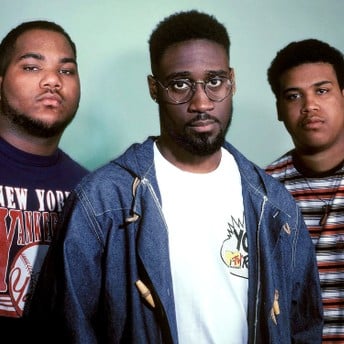
Somehow, after a long day of interviews, roll-outs, and conversations surrounding the group’s new album Cabin In The Sky, De La Soul pulls up to the Billboard office ready to party.
Explore
See latest videos, charts and news
It’s pitch black outside, the office is completely empty after a long workday, but Kelvin “Posdnuos” Mercer and Vincent “Maseo” Mason are bursting at the seams with energy and excitement surrounding their first album in nine years.
Cabin In The Sky, which drops Friday (Nov. 21), is De La’s first album without David “Trugoy the Dove” Jolicoeur, who passed away unexpectedly in 2023. The resulting 20 songs are a perfect encapsulation of what makes De La such a legendary group. The playful banter, eclectic samples (including one from Boston’s “More Than a Feeling”), and reflective wisdom are all on display.
The New York rappers were approached by Nas and Mass Appeal at the top of the year to create a new record as part of the label’s “Legend Has It” series — which, throughout 2025, has included releases from Raekwon, Mobb Deep, Ghostface Killah, Big L, and more veteran greats. De La was hard at work on its Premium Soul On The Rocks project at the time, an EP produced by DJ Premier that was technically announced back in 2014 but never came to fruition. De La decided a new album was a necessary and fitting challenge for the group, whose last proper release was and the Anonymous Nobody back in 2016.
Below, De La chats about the late Trugoy the Dove, the role of the algorithm, and how important it is to still have an album rollout in 2025.
I kinda want to start off by just talking about the last two years you guys have had. The situation with Tommy Boy Records is finally resolved, De La is on streaming, everyone was celebrating you and your cultural impact again. You’re now about to release your first album in nine years. Is there any sort of overwhelming feeling happening at this moment?
Pos: I’m feeling absolutely beautiful. I’m really happy and proud of this album, proud of all we’ve accomplished. When you get to that finish line and you’ve realized things that you’ve had in your mind are now manifested — and I feel strongly about this album obviously because it’s the first album we’ve done without Dave — but it’s here in the physical and I can say without question [Dave] is here, his spirit, his energy, it’s very much a part of this album. Anything that he had placed in certain songs that we chose to use, all of that is felt. In that regard alone, that’s a success. But I really, really feel like De La fans are going to love this album.
Going off that, “The Package” has a all the joyful sprinklings of a classic De La Soul record. To lean back into that playfulness, especially after the loss of Dave, feels very intentional to me. What was it like revisiting that playfulness without Dave around?
Maseo: That’s something that naturally just exists within us.
Pos: We’re big kids!
Maseo: It’s not like we try to channel some shit, it’s what already exists in the people that we are. We done have moments today where we bug out.
Pos: I’ve always had no problem saying that there aren’t a lot of artists that are like that. You know, cameras on, mean face, muscles, references to the street, but then when you get off the cam they’re the funniest, most hilarious people you ever want to meet. But we just never, us being who we were, that was a part of our mold.
Maseo: And in their defense I think it’s just being guarded based on how this industry has treated us. You keep your radar up for the bulls—t.
Your colorful cover art over the years has really set the tone for your albums in that way. Other rappers relied on machismo and grimier art when you guys first came out, but De La chose these kaleidoscopic colors and unique designs. The cover for Cabin In The Sky is no different. How important is the role of cover art in making your music?
Pos: The role of cover art is very important. It was almost like the microphone for us, like, “C’mon everybody, gather around.” At the time, 3 Feet High and Rising came out it really stood out because of that, but that wasn’t the particular thought process going into this. We just knew that in the title being what it was we were like, “Well we see a sky! Feel like a sky should be involved.” Then what was in that sky was what we tweaked and figured out.
So what was in the sky? What does it mean to have a Cabin in the Sky?
Pos: It plays off our own partner who has transitioned and where he is. You know, as I explained in the title track, “Does he have his cabin? How many acres did he get?” If you did really well, took care of yourself, helped others, do you get more acreage with his cabin? So it’s like, your mansion or your home in the sky in heaven. But as Mace would say, joy and pain, there’s a lot of therapy in that album. How we touched on Dave and what we feel and how we feel he should feel and also just this album in general, man. It felt like Dave was working with us from heaven. So that’s how it is. It’s like, I could speak about him and you know the next song is him. He’s very much a part of this album and I think it’s just beautiful.
Scattered throughout the album you rap a lot of turns of phrase that feel like you got them from your therapist. Like “Talk less, listen more.”
Pos: I can’t even tell you when I wrote that. I just know at times that’s how I write it. Like someone could just say something like, “Yo, y’all need to like, something something.”
I definitely [embody that phrase]. And I do feel like a lot of times I’ve said it in other parts of the record. In that song “Sunny Storms” I say something like, “..As we got older, we talk healthier, loud attitude, crave to be stealthier.” And I just mean that, like, wisdom usually calms you down. The volume goes down with wisdom. You observe more and take more in as a teacher, as opposed to when you’re ignorant, your mouth is always open. So I think that’s where I’m really coming from. Sometimes you gotta —
Mase: You gotta listen the f—k up.
Pos: And shut the f—k up.
But there are moments on this album where you almost flex that wisdom like you would money or cars or something. How important was it to strike that balance of, “Hey, we’re still out here and we’re competitive in this thing called hip-hop” but at the same time…
Pos: Lyrics always meant a lot, whether it was being creative with it, whether it’s being within the act of lyricism. A lot of that always felt like a natural play for me. People who I get inspiration they think of it the same way. Yasiin Bey, Talib Kweli, Common, Black Thought, those are dudes that figured out a way to express yourself but express yourself within this cannon of rhymes. They don’t gotta be super big words, but just figuring out cool words to say something? For me it was kinda like, “Wow, wait, I went there? That’s dope!”
Mase: Leos have the ability to do s—t right. *laughs*
Pos: Yeah, like when I listen [to these songs] and think about it I’m like, “Yeah, I pulled that one off!” Well, well. But yeah, it’s always important for us to —
Mase: F—kin’ Leos man!
Pos: Yes, yes. Like earlier in our career we definitely were leaning more into our creativity. I was leaning more into like, depth.
Tell me about “A Quick 16 for Mama” and what it felt like having to write such condensed bars about your mothers. Feels like an impossible task to just keep the love to 16 lines.
Pos: When I heard the sample saying, “Mama taught you one thing, you gotta hustle for it.” And I just remember right after I got it, I hit Mase and, like — obviously there’s so much you can say about your mother. But I almost looked at it as a comedic thing. Like, “Why don’t I name it “A Quick 16 for Mama?” Because who could really say 16 lines about your mother? You could write a whole album about your mother. So I thought it would be cool to express more, but Mase was like, “Nah! It can only be 16.”
Why 16?
Pos: Cause normally in music you’re writing a 16 bar rhyme or 24 bar rhyme, especially these days.
Mase: You gotta hold the attention span.
Pos: To keep a song under like, two minutes and change, you gotta be able to be like, “Ok, you do 16 and I do 16, or you do 24 and I do 12,” to stay within the three minute range of time. So I just thought it would be cool, and Mase was like, “You got yours?” Then Killer Mike was like, “Nah, I got 24” and [Mase] was like, “That’s too much! We said 16!” But then of course, when the rhymes are being said, you can feel the warmth and love that’s being said for our mothers, who are both no longer here.
De La Soul
Andre Jones
It’s interesting you brought up attention spans. Now that you guys are on streaming and a part of this algorithmic ecosystem, do you guys feel pressured at all to play that game?
Mase: No, I don’t care. I just don’t care.
Pos: I agree with him. We don’t even come from the era of understanding — not that we don’t understand the algorithm — but the creative aspect doesn’t even care about that. It’s about getting that point across, and I’m just being honest. Mass, Appeal when we told ’em we were doing this album was like, “Oh, you got 10 songs? Cool, let’s go.” And it was like, “Nah, we have to let this album take it where it needs to go,” which ended up being 20 songs.
Mase: As an artist, I don’t care about the algorithm. As a DJ? It’s a battle.
The algorithm is actually dictating what music should be played out in the world. Who the f—k is the algorithm? What party have you DJed, algorithm? What party have you ever, DJed algorithm? You know what I mean? What radio station have you ever worked for, algorithm?
Pos: You do realize Mack is not the algorithm. [Laughs.]
I’m on your side, Mase! But what does that battle look like then from your perspective?
Mase: My pushback is to be where the algorithm is, and challenge it by playing music. By playing music hoping that the algorithm will follow my lead and every other DJ’s lead. The only way you can change what’s happening is to go on the same platform and press upon it as well. So this is where, in my own mind, I just created a battle. To knowing that’s what we’ve been up against, that’s been dictating music here.
Pos: I’m just trying to use this as debate, but when we came out it was obviously different then the older generation before us. You know, they could be like, “It’s about vinyl” and we could be like, “Nah, you know it’s about cassettes and CD’s.”
Mase: “But it’s about cassettes and soundsystems and boom boxes!”
Pos: So we get it, but it’s important as artists for us to express what we feel — and that’s always been a great challenge, to have [our publicst] Tony sitting, [Mass Appeal marketing exec] Al Lindstrom sitting here, and they have to figure out, “OK, how can we help De La’s art be played and heard this time?” That’s the business person, no different than it was when we came out with 3 Feet High and Rising. Nothing like that had been done before, and it was pressed upon Tommy Boy to figure out, “Okay, how can we make sure this record next to LL Cool J gets played?” And you figure it out, how to walk that balance and make it be heard.
Are you seeing any cultural similarities between when you came out with 3 Feet High and Rising versus now?
Pos: I think there’s more freedom and more places for your album to be heard. I know what it was to be with Dante Ross and walk up into the radio stations, and you see this DJ who you’ve listened to all your life — but he has this look like, “You know if I don’t like this I’m gonna break this record in front of you?” It’s different because you were scared! Like, “OK, I’m in New York, my record gotta be played on the hottest radio station!” Whereas now, you can live in the universe of SoundCloud and live there forever.
And I think that’s amazing, that you have artists that have three million [listeners] and I’ve never heard them in my life! We’re just so curious to understand it, and I think that’s so beautiful about music. The freedom of that.
Mase: We just feel like certain things should still apply. When it comes to artists putting out music, especially if they’re part of some sort of establishment, the traditional marketing and promotion still exists. Like you gotta get out and touch some people.
The Clipse and Cardi B showed that this year too, that the classic rollout still works.
Mase: Yeah! They were all like, “Yo, did you see the rollout for the Clipse?” Like as far as we know, it’s just a rollout!
It’s just a regular rollout!
Pos: I was like…it looks like they’re just doing a rollout!
Mase: Like you mean you don’t go outside?
Pos: Like, “Oh, they’re promoting their album?”
It just says a lot about the state of things when a regular album roll out gets such a big and unusual reaction.
Pos: Yeah! Like, I love JID’s album, but I ain’t seen him nowhere! You know what I’m sayin’?
He did get a Grammy nom off of it!
Pos: Well that’s great, but God d–n, I ain’t seen him nowhere! I was waiting to see him. So I can hear him talk about it. I ain’t see him nowhere! So that’s what I’m sayin’ is, like — the [roll outs], that’s what we know. That’s what we love. I just truly feel like it does make a difference. I understand with technology it can be — but like, talking to you over a Zoom call? C’mon man. You gotta see each other, talk to each other.
It’s great that it can work for you though. I’d love to teleport to Greece or somewhere and talk to someone, but Zoom, it works. It’s better than the days of us just sitting on a phone call with static, but in person is just amazing.
De La Soul
Andre Jones
A lot of De La Soul’s skits are as famous as your songs. You got some new skits on this album, but I’m curious why you think skits have kinda fallen by the wayside in hip-hop?
Pos: A lot of times skits for us can be a song. Like “Talkin’ Bout Hey Love” off De La Soul Is Dead is a skit, but it’s music, there’s singing, talking but rhyming. We’ve always embraced it but, yeah, I don’t know.
Mase: I think just the consumption of music, no one really listens to projects like that anymore. It became, “My song, my song.” Even when you had the opportunity to go cop an album, like, okay, let’s be real in this aspect. A lot of artists started putting out s–tty albums too. So they made the fan feel like, “Why should I go buy the whole f—king album when I can just get the song I like and put it on my own f—king playlist of s—t that I f—k with? So then the body of work goes out the window. Especially when you have more artists not really living up to the project and the perception of the project.
So it teetered back and forth. The fan was feeling cheated and the artist is given a f—ked up perception. Then you got the artists who want to make a great body of work caught up in this shuffle.
Pos: Then the attention span thing! And a couple of people — actually, I’d be lying if I said a couple of people — but a lot of people are also doing s—tty skits.
A lot of ’em are, like, arguments with your girl now. Where she’s just like, “You went out with who?”
Pos: Right? Then it’s like, on to the next song where it’s like, “Makin’ babies, we makin’ babies!” Like, wait a minute, there was just an argument with your girl and now the song is makin’ babies? It don’t make no sense.
I wanna close out talking about “Run It Back!!” with Nas, because I feel like it shows that there’s still a lot of chest-beating coming from De La Soul. There’s a lot of good vibes on this album, but also a lot of moments where you’re flexing your stuff. Do you feel like there’s still something for De La Soul to prove?
Pos: No man, it really is just the era we’re from of appreciating lyrics, how to deliver lyrics, and be blessed to be around people who treat it the same way. Like, Nas is on this album, he feels the same way. Common is on this album, he feels the same way Black Thought, Q-Tip are on this album, they feel the same way. We egg each other on, we inspire each other. I invited Nas on the track! I can’t slack, he’s Nas! They really appreciate who we are and how we do things, and it’s not like I write some nonsense.
Mase: Nas sent us two verses.
Pos: Yeah! He was like, “Yo, I did two. Which one you like? The second one’s a little tame.” I was like, “Nah man, the first one where you talk about un-smackable? You not gonna be photographable?” We’re all big kids man. We’re blessed to be here at this age, caring about what we do, the way Quincy Jones cared about how he did music, until the day he died. We just prefer quality in everything we do… I love the challenge of it.
And if I’m being quite honest when I say this — not to try to sound weird — but that’s Dave! Meaning, Dave, when he writes — I love writing not being in the studio. It’s quiet… I love silence, I can be anywhere. Dave, he loves being in the studio, the pressure of, “I gotta get this done in this session!” I love that aspect of me, adapting that from Dave.

Trending on Billboard
Long before Drake’s feuds with A$AP Rocky and Kendrick Lamar reached a boiling point in 2024, both men opened for Drizzy on his Club Paradise Tour in 2012.
A$AP Ferg was around the trio of then-emerging superstars throughout the North American trek, and he reflected on how the different parties grew to now become foes more than a decade later.
Ferg, who joined the Bootleg Kev Podcast on Wednesday (Nov. 19), compared their relationship to a family dynamic, with each looking for their own avenues to greatness.
“I feel like that’s kind of natural, though, because even when you think about the family dynamic — little brother, big brother things — a lot of the times, a little brother want to grow up and prove himself and not be under the wings of the big brother,” he said. “That happens a lot, people grow into individuals.”
Ferg continued to point to how all three artists weren’t finished products at that time, and still growing and evolving as humans.
“A lot of the times, where we start is not who we really are. We’re still growing into the person we are. The K. Dot that was on tour, or the Drake that was on tour, or the Rocky that was on tour, or the Ferg that was on tour, is not that same person,” the Harlem native added. “We were still learning ourselves during that time, so when you grow, you can’t expect for the relationship to be the same.”
Obviously, Drake, Kendrick Lamar and A$AP Rocky became music titans in their own rights and dominated the 2010s in rap.
Last year, Rocky appeared to take shots at the 6 God on Future and Metro Boomin’s “Show of Hands,” and Drizzy replied by sending a shot in Rocky’s direction on his “Family Matters” diss track in the midst of his 2024 battle with K. Dot.
Watch the full interview below. Talk about the Club Paradise Tour acts being at odds takes place around the nine-minute mark.
Trending on Billboard
Max B met his wife while he was behind bars about a decade ago, and she joined him for her first-ever interview on Wednesday (Nov. 19) since his release from prison. The chat was part of a Mase-assisted episode of Cam’ron’s Talk With Flee.
Max B’s wife — who has not publicly shared her name — opened up about how she met the artist born Charles Wingate and revealed that it was actually an ex of hers who put her on to the Wave God’s music.
“I had an ex-boyfriend and he would listen to his music, so shout-out to him,” she said, which drew a laugh from Mase and Cam. “Ever since that, I was listening to his music. I didn’t know he was locked up when I was listening to his music. That’s when I researched him and I found out about his case.”
She revealed that the ex said he’s “happy” for her, and Max actually invited him to their wedding, but he declined to attend. “I’ll sit that one out,” the former flame allegedly told her.
Mrs. Wingate explained that they connected when she wrote him letters after learning about his case. Max was originally sentenced to 75 years for a 2007 murder and robbery. He later pleaded guilty to aggravated manslaughter and received a reduced sentence of 20 years. Max B ended up serving about 16 years behind bars.
“I met him probably, like, 10 years ago. I wrote him and it was just kind of like, after reading his case,” she said. “I was compelled to write him. I wanted to give him some type of faith or hope.”
Mrs. Wingate continued of their journey: “People that are on the outside have problems already that are not in jail. Imagine the problems — somebody incarcerated and you can’t really work through them like how a normal person would, you know? Like, he can’t call me when he wants to every time. Sometimes he would be in the hole or something like that, and I can’t communicate with him.”
Max B and his wife married while he was behind bars, and he gave her a renewal diamond ring at his welcome home dinner on Nov. 10, following his release on Nov. 9.
Watch the interview below. Mrs. Wingate joins the show just shy of the 37-minute mark.
Trending on Billboard
Nelly is demanding that a lawyer for one of his former St. Lunatics bandmates repay more than $78,000 he spent in legal bills to defeat her “frivolous” lawsuit over the rights to his debut album Country Grammar.
The case, filed by ex-bandmate Ali, was dropped in April after Nelly argued it was obviously filed years after the statute of limitations had expired. Last month, a federal judge ruled that the case was so bad that Ali’s lawyer must repay his legal bills as punishment for pursuing it too far.
In a court filing on Wednesday, Nelly’s attorneys handed Ali’s lawyer the tab: $78,007 in legal fees for three copyright litigators, covering 142 hours they say they spent working on the case after it was clear it should have been dropped.
Related
“These rates are reasonable because they reflect the market rate for similar services to our quality of work in the New York City area,” Nelly’s attorney Kenneth Freundlich writes in the filing.
Ali’s attorney, Precious Felder Gates, will have a chance to argue for a lower fine before the judge settles on a final number. In a statement to Billboard on Thursday, she said she still believes the sanction itself was “unwarranted,” saying she’d “acted with the honest conviction that our client’s claims merited judicial consideration.”
Wednesday’s filing highlights the risk of filing questionable lawsuits against well-heeled defendants – and a potential weapon for top musicians who have complained about a rise in such cases. Ed Sheeran, Cardi B, Jay-Z and many other stars have warned that such lawsuits are often aimed at extracting quick settlements by exploiting the hassle and expense of litigation.
The case against Nelly was filed last year by members of St. Lunatics, a hip-hop group also composed of St. Louis high school friends Nelly, Ali (Ali Jones), Murphy Lee (Tohri Harper), Kyjuan (Robert Kyjuan) and City Spud (Lavell Webb). It centered on Country Grammar, the star’s debut solo album that spent five weeks atop the Billboard 200 and helped launch a career that reached superstar heights with his 2002 chart-topping singles “Hot in Herre” and “Dilemma.”
Related
The lawsuit alleged that Nelly had cut his former crew members out of the credits and royalty payments for the hit album. It claimed the star had repeatedly “manipulated” them into falsely thinking they’d be paid for their work.
But three of the St. Lunatics quickly dropped out, saying they had never actually wanted to sue Nelly and hadn’t given authorization to the lawyers who filed the case. Though Ali initially moved ahead alone, he dropped the case entirely in April. That move came as Nelly’s lawyers were seeking to dismiss the decades-delayed case under the Copyright Act’s three-year statute of limitations.
Though the case was over, Nelly’s attorneys refused to let Ali and his lawyers walk away. They asked for sanctions — meaning legal penalties — over a “vexatious” lawsuit that “should never have been brought.”
In the American legal system, each side usually pays its own legal bills, even including defendants who win a lawsuit that they feel they shouldn’t have faced. Only in rare cases, including as punishment for misconduct, do judges order the loser to repay the winner’s fees.
Last month, U.S. Magistrate Judge Robert W. Lehrburger said the case against Nelly was that kind of rare situation. He said it should have been “patently obvious” to Felder Gates that the case was doomed by last November, but that she had instead “doubled down.”
Related
Felder, the judge said, should face punishment for “vexatiously protracting the proceedings in bad faith by her attempt to obfuscate the facts she knew barred Jones’s claims and her subsequent refusal to withdraw the amended complaint in the face of overwhelming arguments that the claims could not possibly succeed.”
At the time, Freundlich said he hoped the ruling “sends a message to lawyers that there will be consequences for dragging a defendant into an action that is frivolous on its face.”
Wednesday’s filing explained the amount that Nelly’s lawyers say Felder Gates should pay under that order. Freundlich, a veteran music industry litigator, says he spent 19 hours at his rate of $725 per hour; a senior counsel at his firm, Jonah A. Grossbardt put in 88 hours at $575 per hour; and an associate, Hugh H. Rosenberg, worked 35 hours at $375 per hour.
Such rates are typical for attorneys at those levels in major law firms in New York and Los Angeles. Many lawyers at bigger firms charge even more, and complicated cases can cost millions to litigate. But the judge is not required to grant the entire request and could very well settle on a lower number.
Felder Gates will have a chance to file a motion next week seeking a lower fine, but the judge’s order means that she will eventually have to pay Nelly some amount of fees. In her statement to Billboard, she continued to defend her firm’s conduct in the case.
“Our firm pursued a legitimate claim in good faith to protect rights expressly afforded to our client,” she said. “Based on the information available and the applicable law, we held a reasonable and well-supported belief that viable arguments existed to [extend] the statute of limitations, and we accordingly advanced those defenses.”
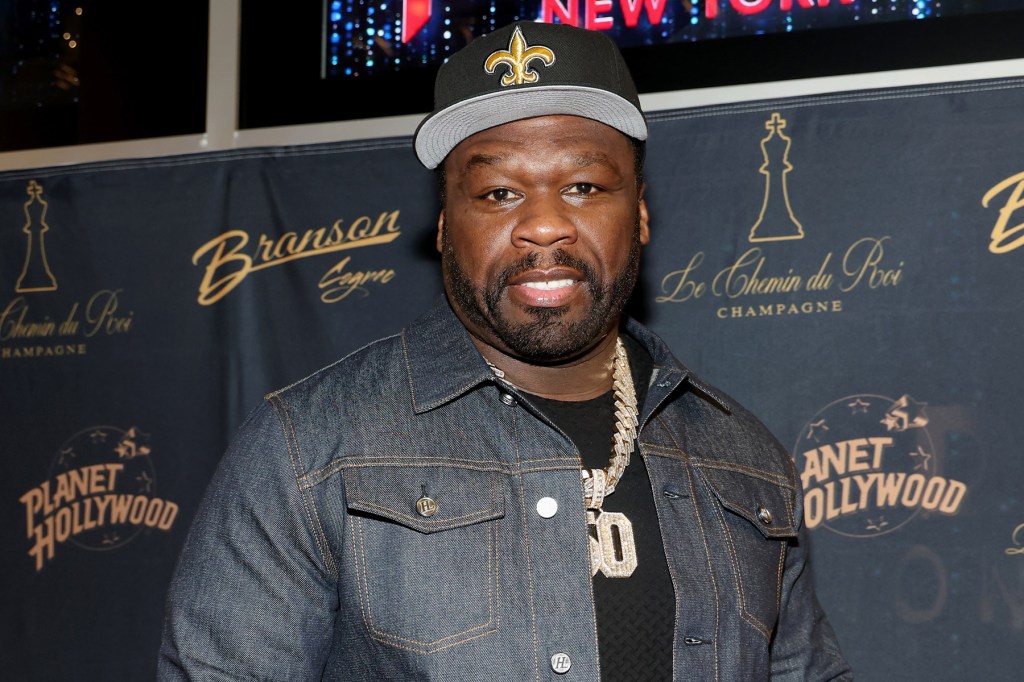
Trending on Billboard 50 Cent’s film empire continues to expand. The G-Unit boss is on board as a producer for the upcoming crime drama Moses the Black, which will star rappers Wiz Khalifa and Quavo. The gangland flick is slated to come to U.S. theaters on Jan. 30, 2026. Omar Epps, Chukwudi Iwuji, Detroit rapper Skilla […]
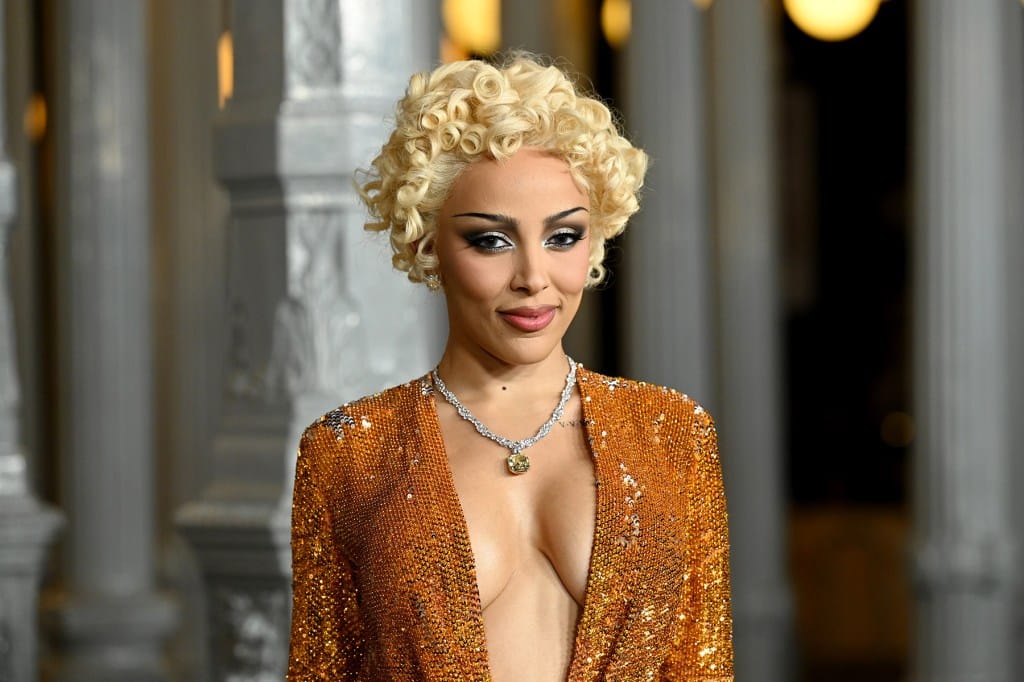
Trending on Billboard Doja Cat kicked off her Tour Ma Vie World Tour in New Zealand on Tuesday, and she’s responding to a few early critics of the global trek. It appears some fans weren’t thrilled with clips from Doja’s tour opener, as they took issue with the wardrobe changes, set design, visuals and storytelling […]
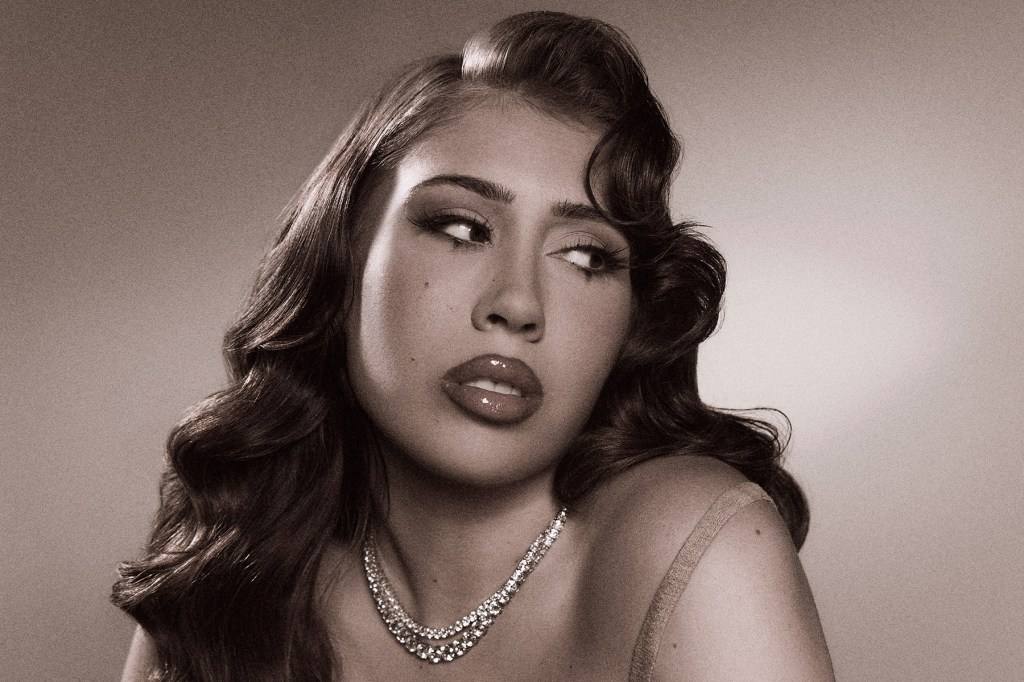
Trending on Billboard Kali Uchis and Blood Orange are among the artists added to Tyler, the Creator’s 2025 Camp Flog Gnaw, following the festival’s postponement to this weekend (Nov. 22-23) due to inclement weather. Geese and emerging rapper Fakemink were also added to the bill after Clairo, Don Toliver, Men I Trust, Sombr, Tems and […]