State Champ Radio
 genre dance
Page: 7
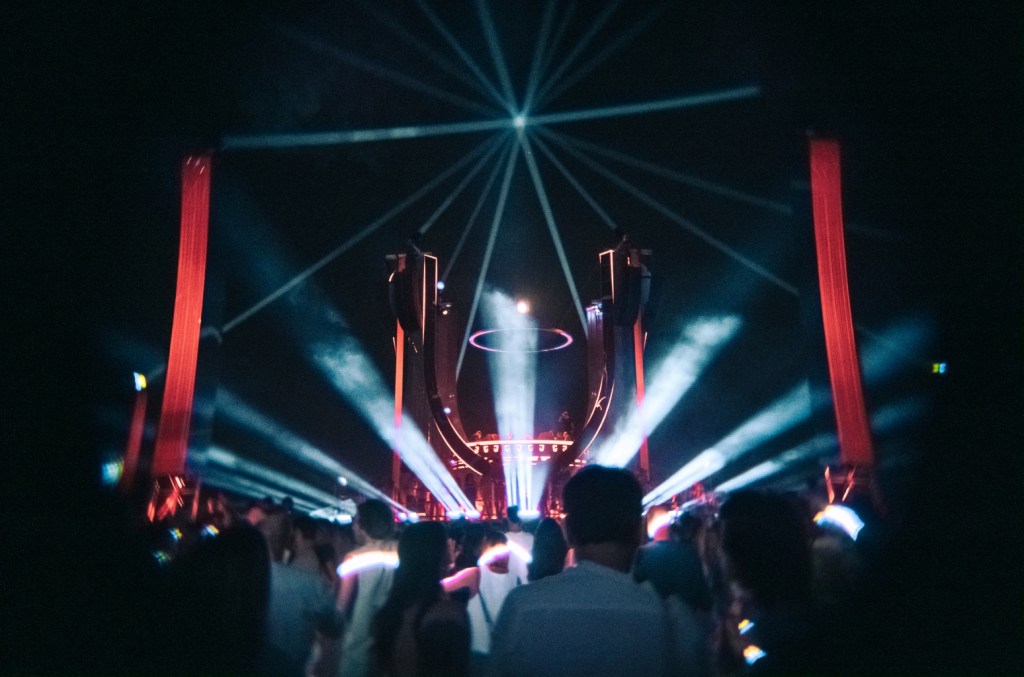
There’s a new big techno festival in Italy, the Adriatic Sound Festival. This year’s fest just ended, having taken place on June 13 and 14 at the airport in Fano, a city in the Marche region on the Adriatic Sea, with two days, two monumental stages, 28 artists, music from 2 p.m. to 2 a.m., and headliners ranging from Rüfüs Du Sol to the “maestro” of techno, Sven Väth. The festival was born big — being a first edition, one wouldn’t expect such levels of production and audience (the organizers declared almost 17,000 total attendees).
The exclusive launch party on Thursday evening (June 12) at the former church of Saint Francis, in the center of Fano, gave a taste of the atmosphere of Adriatic Sound Festival. The location is spectacular: Dating back to the 14th century, the structure shows a stratification of styles where the neoclassical column and the large apse visually dominate. Without a roof, the former church recalls the atmosphere of places such as the Abbey of San Galgano in Tuscany or the Convento do Carmo in Lisbon.
Trending on Billboard
The architectural elements were revitalized by the elegant play of lights and lasers, in an ideal dialogue between past and present. It was in this context that — among others — Franky Wah’s DJ set took place, with his introspective beats. He was joined on stage by 22-year-old guitarist Brandon Niederauer, an artist that at the age of 15 was already playing with Lady Gaga and Stevie Nicks, and also blues legends such as Derek Trucks and Buddy Guy.
It’s a good way to add value to the architectural heritage of Fano, which in turn is an integral part of the fest’s concept, with its references to the Roman past of the city (the ancient Fanum Fortunae) starting from the design of the main stage, which recalls Roman columns and the Arch of Augustus, once the entrance to the city.
The jewel in the crown of Adriatic Sound Festival were its two stages: main stage “The Temple,” with its huge 360-degree open structure, and “The Hangar,” positioned in front of the central hangar of the three present at Fano airport (the other two are embellished visuals in the night hours).
The festival’s parking lot was particularly large, though many spectators used alternative forms of transportation such as bicycles and shuttle buses; ambulances and paramedics were present and clearly visible within the festival area, and there were a good number of food trucks, bars and toilets.
Along with the concept, the location was equally iconic. The choice of Fano Airport was one of the winning ingredients of Adriatic Sound Festival, with an energy a bit like U2’s “Beautiful Day” video. The row of three airport hangars can become the symbolic “skyline” of the festival.
Festival organizers respected the lineup’s schedule, with set changes taking place with minute precision and without interruption. There were no hitches apart from Green Velvet’s last-minute cancellation. He was one of the most anticipated DJs and would have graced the main stage for the final set Saturday night, but was replaced by Nicole Moudaber, who took the stage for a surprise second set after performing a few hours earlier at the Hangar Stage.
In Italy, an event like this has never been seen south of Turin, the de facto capital of the Italian electronic scene, where major festivals such as Kappa FuturFestival, Movement and C2C take place. Precisely because it is still “unexplored” from the point of view of mass tourism and the production of major events, and because it is very close to the historic clubbing district of Rimini and Riccione, this area is in a strategic position for an event like Adriatic Sound.
Throughout the festival, one could hear accents from many different parts of Italy, but also a lot of English. With clear potential in terms of audience — starting with the tourists who normally crowd the Adriatic beaches in the summer — Adriatic Sound has what it takes to truly become an event of European relevance.
This article was originally published on Billboard Italy.

Noted party starters The Chainsmokers have pushed that ethos just a little bit farther Wednesday (June 18) via their new remix of Charli xcx‘s “Party 4 U.” Under the duo’s watch, the five-minute original gets pared way down to two minutes and 15 seconds, with the guys bumping up the BPM and weaving Charli’s voice […]
SG Lewis will release his third studio album this fall.
Titled Anemoia, the project is out Sept. 5 on the British producer’s own Forever Days label. The project will be his first full length since 2023’s AudioLust & HigherLove, which was a follow-up to his lauded 2021 debut, Times. These two albums reached No. 13 and No. 11 on the Top Dance Albums chart, respectively. In 2024 the producer also worked on the collaborate Heat EP alongside Tove Lo.
Lewis’ most recent release, May’s “Back of My Mind,” is the lead single from Anemoia, a word defined as “nostalgia for a time you’ve never known.”
“When I discovered the word ‘anemoia,’ it articulated a feeling I’d struggled to describe for so long — a nostalgia for times I never lived through,” Lewis says in a statement. “Throughout my career, I’ve often referenced past eras of music, studying them inside out to understand their cultural and technical history. In doing so, I started to question my emotional connection to those times, and why they left such a mark on me.
Trending on Billboard
“This album is rooted in the dancefloor, and even its quieter moments are shaped by Balearic sounds that are influenced from spending a lot of time in Ibiza last summer. I think a lot of the music carries an undertone of melancholy, even when it feels high in energy. More than anything, I want Anemoia to be a soundtrack to living in the present — to creating the kind of moments that others might one day feel nostalgic for.”
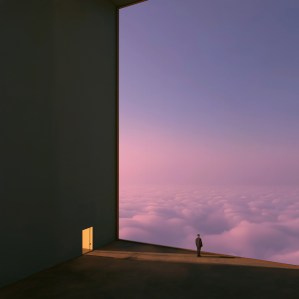
In tandem with the new album, Lewis is announcing a 14-date North American tour that will begin on the same day of the album release and features support from Peruvian producer Sofia Kourtesis. See the dates and the album’s surrealist cover art below.
Tour Dates:Sept. 5 – Austin – ACL LiveSept. 6 – Dallas – House of BluesSept. 11 – Toronto, Ontario, Canada – HISTORYSept. 12 – Washington, D.C. – EchostageSept. 13 – Boston – Royale FridaySept. 19 – Queens, N.Y. – Knockdown CenterSept. 20 – Queens, N.Y. – Knockdown CenterSept. 26 – Detroit – The Majestic TheatreSept. 27 – Chicago – RADIUSOct. 2 – Seattle – Showbox SoDoOct. 4 – Vancouver, B.C. – Vogue TheatreOct. 10 – Los Angeles – Shrine Expo HallOct. 17 – San Francisco – Bill Graham Civic AuditoriumOct. 18 – Denver – Mission Ballroom
SG Lewis
Courtesy Photo
Electronic dance music may have been born in America, emerging from the disco dancefloors of 1970s New York, the house hotbed of ’80s Chicago, and the techno frontier of ’80s Detroit, but it initially found a more receptive audience abroad. While the U.S. largely relegated it to the underground, Europe and Latin America embraced it wholesale, building ecosystems of clubs, festivals and media that treated dance as a cultural fixture.
Billboard launched its first “Disco Action” dance charts in the ‘70s and built a legacy of covering dance music well before the digital era, thanks to talented journalists like Larry Flick, Michael Paoletta and Brian Chin. When I joined Billboard in 2014, the genre lived in a column called CODE, with sharp contributing voices like Kerri Mason and Zel McCarthy keeping the beat alive.
Dance music was exploding in popularity in America, but the legacy media hadn’t entirely caught up. While Rolling Stone and SPIN gave deadmau5 and Skrillex cover stories during the early EDM boom of 2011–2012 and Billboard dedicated three cover stories to the genre’s explosion throughout 2012, most top-tier U.S. music publications weren’t offering dedicated coverage of the genre. Meanwhile, in Europe, outlets like Mixmag, Resident Advisor and DJ Mag were deeply embedded in the scene, offering both depth and consistency that was largely absent in the American press.
Trending on Billboard
As a result, the scene relied on a network of scrappy music blogs with their ear to the ground and finger on the pulse. Social media was reshaping the ecosystem. Artists were breaking online before they ever hit radio, and the direct line to fans was turning DJs into stars. At the same time, the democratization of digital tools gave rise to a new generation of bedroom producers, making tracks on laptops that could suddenly reach millions.
I was living in Berlin when Kerri gave me the opportunity to start freelancing for Billboard in 2014. My first feature was on a then-unknown kid named Kygo, before he’d ever played outside his native Norway. Soon after, I was covering European festivals like Tomorrowland and Sónar, and the doors that opened for Billboard made it clear we had a rare window to build something meaningful.
Feeling the winds of destiny at my back, I moved back to New York and delivered a 10-page proposal for a Billboard Dance vertical. Looking back, I probably could have been more concise. Nothing happens overnight at a legacy media brand, and this was no exception. I’ll always be grateful to Tye Comer and Mike Bruno for championing my vision and helping win over the higher-ups to get it approved.
When we announced Billboard Dance’s launch in 2015, the industry welcomed it as a much-needed step forward in the scene’s stateside maturation. One piece of feedback I often heard was that my hiring felt like the passing of a generational torch. I was seen as part of the blog-era generation, close in age to many of the artists we were covering and trusted by the community that had championed them early on. As a DJ and producer myself, I could speak their language and recognize the difference between innovative production and recycled presets when deciding which artists to spotlight.
With full-time focus, dedicated resources and standalone social channels, Billboard Dance’s coverage could expand beyond the charts and into the culture. These additions were buoyed by the launch of the Hot Dance/Electronic chart in 2013, with the team recognizing and responding to the genre’s explosion. The additions of passionate contributors like Dave Rishty and Kat Bein helped our lean team punch above its weight class and go toe-to-toe with much larger outlets.
We built a reputation for curation, spotlighting artists like Martin Garrix, Alison Wonderland and Black Coffee long before they became headliners. As a new wave of artists climbed the Billboard Hot 100, we put faces to the movement — The Chainsmokers and Marshmello as crossover juggernauts, Diplo and DJ Snake as global tastemakers, REZZ and TOKiMONSTA as rising voices from the underground — and gave them the covers they deserved.
It’s been really heartening to see Billboard Dance continue to thrive under Katie Bain’s leadership since she took over in June of 2019. She’s brought thoughtful editorial vision and a clear sense of where the scene is headed, helping the brand remain relevant for a new generation of dance music fans. The Launch Launching it as “Billboard Dance” was a victory in itself. At the time, there were some who pushed for “Billboard EDM,” but we held the line. History has smiled on that decision, as the term “EDM” has become synonymous with a very specific (and often reviled) subset of the genre, while “Dance” gave us the latitude to reflect the full spectrum of global, cross-genre electronic music. I remember getting coffee with Dutch house and techno DJ/producer Joris Voorn during one Amsterdam Dance Event, and he thanked me for using the term “dance,” saying it showed the broader scene was finally being taken seriously by American media. “With all due respect,” he quipped. “We wouldn’t be sitting here right now if you were Billboard EDM.”
It illustrated the rift that existed between mainstream dance music and the underground at the time, a divide I addressed in an early op-ed. We made a concerted effort to bridge that gap, spotlighting house and techno artists like Jamie Jones, Guy Gerber and Damian Lazarus with their first Billboard features through our “The Dance World According to“ series.
Shortly after we launched Billboard Dance, dance music entered a generational run of pop chart crossovers. In 2015, Major Lazer and DJ Snake’s “Lean On” debuted at No. 4 on the Hot 100, while Skrillex and Diplo’s “Where Are Ü Now” peaked at No. 8 and helped resurrect Justin Bieber’s career. The following year ushered in an unprecedented streak for The Chainsmokers, who landed five top-ten hits with “Roses” (No. 6), “Don’t Let Me Down” (No. 3), “Closer” (No. 1), “Paris” (No. 6) and “Something Just Like This” (No. 3). Some of the old rock heads at the publication still didn’t respect dance music, but they could no longer deny its relevance.
The cover stories always felt especially meaningful because dance music has long carried a bit of an underdog complex. The Marshmello cover in March 2018 was a standout. It was the masked artist’s first-ever interview and a testament to the trust we’d built by covering his rise from the start. Scarcely three years earlier, we’d published the first-ever photo of him wearing his now-iconic helmet — a true full-circle moment. In that short span, he had gone from a total unknown to a global hitmaker, and just a few months later, he would release his biggest hit to date, “Happier” (No. 2).
April 20, 2018, is a day I’ll never forget. Billboard broke the news of Avicii’s passing, sending shockwaves of grief and disbelief through the music world. I remember having to compose myself before stepping into a whirlwind of media appearances — Good Morning America, CBS, Reuters, The New York Times‘Popcast and more. It felt surreal, and honestly uncomfortable, to speak publicly so soon after his death. But in the days that followed, several people close to Tim reached out to express appreciation for how his story was told.
Looking back, I do think his loss changed the trajectory of dance music. As I wrote in his Billboard obituary five days later, Avicii’s loss marked the end of innocence for the scene. It forced the industry to confront the toll of nonstop touring and the elephant in the room: mental health. Conversations that had long been avoided were suddenly impossible to ignore.
Launching the Billboard Dance 100 in 2018 was a milestone. We became the first publication to secure full touring data from every major booking agency, going beyond hard ticket sales to deliver the most accurate snapshot of the global dance/electronic touring landscape and inform the rankings. But the most powerful statistic, in my view, was the 180,000 fan votes from 174 countries. That overwhelming response opened eyes both inside and outside the publication to the truly global reach of dance music’s fanbase.
Taking Billboard Dance from URL to IRL with the Dance 100 events at 1 Hotel South Beach during Miami Music Week marked a defining moment for the brand. In an industry built on live music and real-world connection, these events made it real. Everyone from Armin van Buuren and Nicky Romero to Marshmello’s manager, Moe Shalizi, and Goldman Sachs CEO David Solomon came through to celebrate. Having Afrojack and Arty on the decks didn’t hurt either.
Afrojack
World Red Eye/Courtesy of Matt Medved
Dance Music’s Continued Evolution
One encouraging shift over the years is that the music industry has finally accepted that dance music is here to stay. I remember having to answer the same question ad nauseum in our early Billboard meetings: “When will the EDM bubble burst?”
A decade later, the numbers speak for themselves. According to the 2025 IMS Business Report, the global electronic music industry has reached a record value of $12.9 billion, marking a staggering 87% increase since Billboard Dance’s 2015 birth. That growth hasn’t come in a straight line. The industry was rocked by COVID, losing more than half its value in 2020 as festivals were canceled, clubs shuttered and touring ground to a halt. But the rebound has been swift and striking: a 34% surge in 2022, followed by another 17% climb in 2023.
When we launched Billboard Dance, TikTok didn’t exist. Soundcloud was still the first stop for discovery, and Spotify was just beginning to shift listening habits. Virality hinged on Hype Machine chart-toppers, not sped-up remix snippets blowing up overnight.
Today, discovery in dance music is a different beast. Spotify playlists are kingmakers, with premier placements critical to breaking a track. Social media has become the frontline where most listeners first encounter a song. A 20-second drop can ignite a worldwide trend. Keinemusik’s “Move” went parabolic even before its official release, buoyed by a wave of Instagram reels and TikTok edits that turned a live set highlight into a global hit. Viral Boiler Room sets have been career-making moments for artists like Fred again.. and Yousuke Yukimatsu. Tracks are breaking as much through content as they are through clubs.
Sonically, dance music has evolved significantly. The formulaic big-room drops that dominated the EDM era have given way to a broader, more dynamic spectrum. House and techno have taken over festival stages with a new generation of headliners like John Summit, Dom Dolla and Sara Landry. Of course, the real innovation remains on the side stages: in the rise of amapiano and Afro-house, the resurgence of jungle and drum and bass, and the creative cross-pollination of global sounds.
The Future
A decade after founding Billboard Dance, I believe we’re witnessing a new renaissance in dance music. Five years removed from a pandemic that shuttered the touring industry, we’re experiencing a boom driven by pent-up demand. From vinyl to CD-Js to digital, technology has always driven dance music forward, and today’s tools are accelerating that evolution.
One trend to watch is the rise of immersive audiovisual experiences. Just as modern dance music empowered producers to step out from behind the scenes and into the spotlight, we’re now seeing digital artists and audiovisual creators begin to take center stage. At Now Media, we’ve been covering the rise of Anyma long before his shows at the Sphere captured the world’s attention. Look at what Eric Prydz has done with HOLO, what Dixon is building through Transmoderna or how Max Cooper is merging sound with interactive installation art.
This movement is poised to go mainstream in a major way. Daft Punk’s pyramid set off an arms race in stage production, and I think Anyma’s Sphere shows will similarly be remembered as the spark for a new paradigm in dance music visuals.
Matt Medved
Courtesy of Matt Medved
The rise of AI-generated music is the biggest shift that not enough people are paying attention to. Tools like Suno and Udio can now turn a simple text prompt into a fully formed track within seconds. While we’re not quite at a Midjourney-for-music moment, the quality is improving at a remarkable pace. This is a seismic shift that’s going to impact everything from how music is made to how it’s valued. Dance music, with its reliance on repetition and structure rather than narrative or lyricism, is especially exposed. It’s a genre where AI can already mimic form convincingly, and that makes the stakes even higher for originality.
There’s disruptive creative potential here, especially for artists without access to traditional resources. Just as drum machines and DAWs once lowered the barrier to entry, AI tools are unlocking new creative workflows for electronic musicians to bring ideas to life. In my own productions, it’s been a game-changer — what used to take me weeks in the studio now takes hours. Producers can generate custom loops, build tailored sample packs on demand, create instant demos with AI vocalists, and use the tools as a dynamic sounding board to refine ideas in real time. The real value isn’t in simply pressing generate, but in how you select and shape those raw outputs into a sound that’s distinctly your own. As AI visual artist Claire Silver likes to say, “Taste is the new skill.”
But taste alone won’t be enough. Platforms are already flooded with AI-generated tracks, a relentless tide of indistinguishable output. As that volume becomes overwhelming in the years to come, the challenge shifts from production to curation. In a world where anyone can generate music instantly, listeners will gravitate toward what feels real. The artists who thrive in this new landscape will be those who can harness technology to create something meaningful and unmistakably human. Matt Medved is the co-founder, CEO and editor-in-chief of Now Media. He previously served as the founding editor of Billboard Dance, editor-in-chief of SPIN and senior vp of content at Modern Luxury.
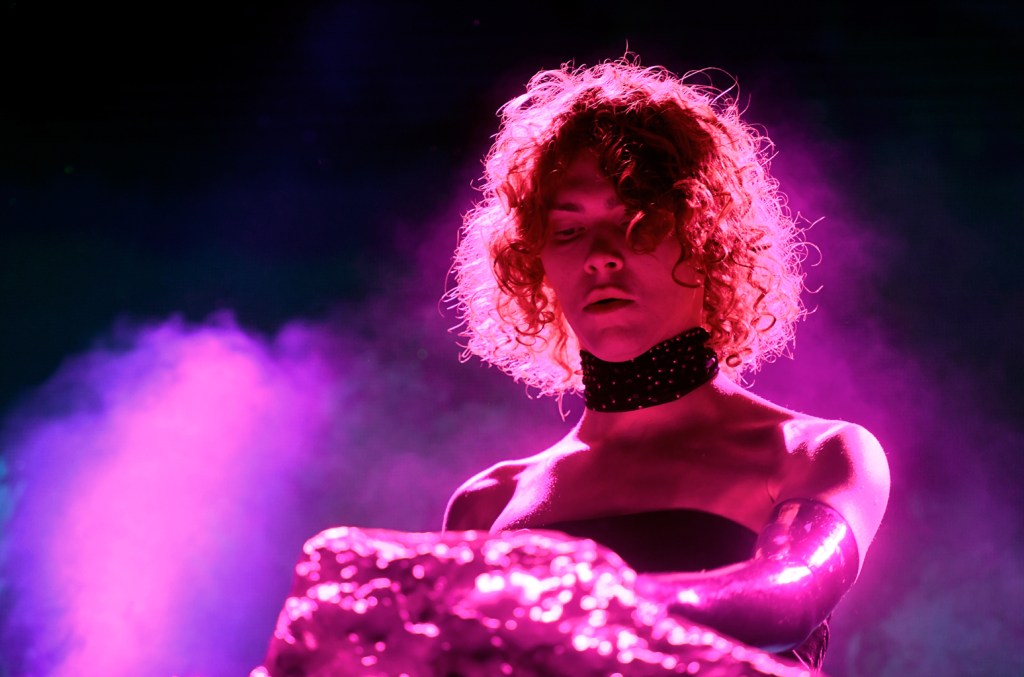
In the 10 years since Sophie broke through the noise with singles such as “Bipp” and “Lemonade,” the late visionary has become synonymous with progressive pop production. So for the 10th anniversary of her breakthrough set of songs, the producer’s collaborators are celebrating her influence with a commemorative release.
On Wednesday (June 18), record label Numbers will debut an expanded anniversary edition of SOPHIE’s Product, the 2015 compilation album that brought together some of the producer’s earliest releases. Alongside the original compilation’s eight tracks, the expanded edition of Product will also include two previously unreleased singles — “Ooh” and “Get Higher” — and “Unisil,” a Product-era track that was released in 2021.
“Ooh,” originally created in 2011, features vocals from The X Factor alum Jaide Green, who reflected in a statement on her first reaction to hearing the track. “‘Ooh’ stood out to me, it was fun, playful, and creative. It was clear the lyrics were very significant to SOPHIE, however it didn’t feel like your usual heartbreak song, it was uptempo and happy,” she wrote. “Even still, there was a strength behind the words. I thought it was a perfect fit, pure genius.”
Trending on Billboard
Meanwhile, “Get Higher” was first written by SOPHIE in 2013, when she shared the hyperpop-tinged production with singers Cassie Davis and Sean Mullins. “She had this unapologetic ferocity for being true to who she was, that was infectious. I remember dancing around in the studio, vibing to the energy of creation in a way that I had never experienced before, devoid of ego,” Mullins said in a statement of the new track. “That’s what SOPHIE did for me, and I think what she’s done for a lot of other people with her incredible ability to connect us all to our higher selves through the act of creativity.”
Product will be released on all streaming platforms Wednesday, with physical editions — including deluxe vinyl, CD and a “Product card” featuring an NFC code for instant tap access to the album phones — will be available in stores starting on July 11.
Check out the full tracklist for the 10th anniversary release of SOPHIE’s Product below:
“BIPP”
“ELLE”
“LEMONADE”
“HARD”
“MSMSMSM”
“VYZEE”
“L.O.V.E.”
“UNISIL”
“GET HIGHER” (new)
“OOH” (new)
“JUST LIKE WE NEVER SAID GOODBYE”
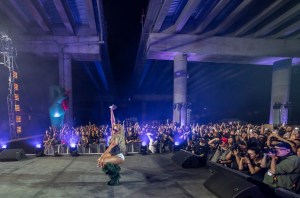
“The first thing we do when we book: we type in your name, and we write ‘homophobic,’” says nightlife promoter and producer Rayne Baron of finding acts for her annual festival, LadyLand. If nothing incriminating shows up, the artist has “passed the first test.” Next up: Has the musician in question wished fans “happy Pride”; have they collaborated with LGBTQ artists before; have they ever just flat-out said, “I love gay people”?
Sitting in Greenpoint’s quaint McGolrick Park as a light rainstorm hovers above, Baron — better known to New York City music venues and party people as Ladyfag — is telling Billboard how she and her tiny team go about booking acts for her LGBTQ music festival, which debuted in 2018. Baron is laughing, but she’s entirely serious: LadyLand is a very queer and very Brooklyn affair that takes place during Pride Month — a time when the last thing any self-respecting LGBTQ person wants to do is watch a hater, or even a lukewarm ally, onstage.
Trending on Billboard
Over the course of seven years (during which it took a pandemic breather), LadyLand has grown from a 5,000-strong party at Bushwick’s Brooklyn Mirage to one with 10,000 revelers at Greenpoint’s Under the K Bridge Park, the fest’s home since 2023; this year, LadyLand is expected to draw some 20,000 to the official-but-DIY-coded outdoor space on June 27-28, with Cardi B and FKA Twigs headlining.
“It’s not a party with problems,” she muses of the event, which takes her three-person team all year to plan. “It is a problem, and you keep solving them until you have a festival.”
2025 marks her second year working with Bowery Presents on LadyLand, which they co-produce. “It was a struggle from the start to find investors,” she admits. “People said the numbers don’t work, there’s a reason it doesn’t exist.”
But Baron — who by the time LadyLand launched in 2018 was an NYC nightlife legend thanks to seamlessly executed ongoing parties like Holy Mountain and Battle Hymn — was undeterred, intuitively sensing that queer New Yorkers, Brooklyn residents in particular, could use something that was “part party, part concert, part festival, part gay Pride.” LadyLand has been called “gay Coachella,” a label that Baron embraces while noting that it doesn’t quite give the full scope of the experience. (“But that’s fine, because people need something to reference,” she says.)
While Coachella brings to mind influencers snapping selfies in the desert, LadyLand is an inner-city gathering for LGBTQ people whose very identity reshapes culture — not merely reposting or recreating it after it’s made the rounds.
“In Brooklyn, we are still the heart of queer counterculture. We still write the prophecies for fashion, our DJs are playing the tracks with the ripple effect and the slang we use is a solid three years ahead of Hollywood,” says Charlene, a local performer and writer who’s become a mainstay of Brooklyn’s queer scene over the last decade (she recently took over summer Sunday BBQs at long-running gay bar Metropolitan from “Mother of Brooklyn Drag” Merrie Cherry.) “LadyLand is the only festival in New York that happily places our club fixtures and family alongside acts that are frankly too big for the club.”
“What makes LadyLand stand apart is how it celebrates the full spectrum of queer creativity — New York DJs, underground legends, dancers, fashion kids — it’s all there,” says dance music and ball culture legend Kevin Aviance, who made a surprise appearance in 2019 and returns this year. “Ladyfag curates with such intention, and it shows. Unlike circuit parties, this isn’t just about a beat — it’s about art, community and freedom.” As for what to expect from his DJ set, he adds, “Get ready, because I’m bringing the heat. Beats will be served, and the dolls will dance.”
That club-meets-festival vibe means that despite LadyLand’s big headcount, it doesn’t feel like a sprawling, isolating affair. “If it’s 10,000 people, 5,000 of them know the other 5,000; if they don’t know them, they might want to sleep with them. So you have to make it feel more familiar,” Baron says of pulling together the three-stage festival every year. “It’s a really strange concept to explain [to investors].”
Baron says Bowery Presents (which owns and operates many NYC venues) has been an open-minded co-producer. “It’s nice to feel supported,” she says. “They’re concert people, they know.” She also hails 12-year partner Red Bull: “They don’t do bullsh-t. They have never tried to do things that would affect the integrity of LadyLand.” This year, the energy drink brand helped her create a new stage that will bring Paul’s Dolls, a weekly party in Manhattan celebrating trans artistry, to the fest. “It’s a club, and you cannot have a gay club without dolls. We need them they need us. Gay culture is an ecosystem,” Baron explains. “In general, gays to the front. You don’t have to be gay to be here, but it helps.”
Ladyfag took her signature festival (including those giant inflatable green forearms with blazing red nails) from the Brooklyn Mirage to Under the K Bridge in 2023 for a simple reason. “Mirage kicked me out because I didn’t make enough money,” she frankly admits. When she started looking around her own neighborhood of Greenpoint, she was struck by the fact that the freshly built state park (where folks sometimes held illegal raves during the pandemic) reminded her of an electronic music festival in London which takes place in a park under a bridge. “I was always obsessed with Junction 2 Festival — my wife is English,” she says. After connecting with the parks department, she pulled everything together (“shoutout to my little team, Veronica and Carlos”) in just three months, putting on the first big event of any kind at the Under the K Bridge Park: “There was no template.” Since then, the state park has hosted numerous live music events, with the inaugural CBGB Festival set to take place there on Sept. 27.
LadyLand
Courtesy of LadyLand
To appeal to an extremely discerning nightlife crowd (“people can be c-nty,” she sighs) and live music lovers in a city that has no shortage of concerts, Baron goes through a high-wire balancing act every year while booking the lineup. Her team needs to nab headliners who sell tickets, but not book so many A-listers that it turns into a gathering of Stan armies. “I don’t want mega fandom,” she says. “We don’t want people standing in front of stage for 20 minutes waiting for the next performer, ruining the vibe.” She mixes in LGBTQ legends with up-and-coming artists, and spotlights local talent while also bringing in names who rarely make it to NYC. Plus, there are radius clauses with other NYC events and scheduling conflicts — oddly enough, Glastonbury has proved to be some of her biggest competition simply because it often goes down the same weekend and can pay more to performers than her scrappy little fest can.
“We are a small festival, as far as fests go,” she acknowledges. “Agents’ jobs are to make their artists money and there have been a lot of kindnesses shown my way.” Her long history in NYC nightlife has helped in that area, too — including for this year’s day-one headliner. Prior to Cardi B’s meteoric rise, when she was just another reality star (Love & Hip Hop) trying to break into music, Ladyfag booked her to play her monthly party Holy Mountain in February 2017. “She got very excited about being with the gays,” Baron recalls, her lips curving and eyes twinkling. “She was only supposed to do a few songs, but she wouldn’t stop. Within a few months, she became one of the biggest stars in the world — and she always remembered it.”
With that shared history, Baron was able to get the hip-hop superstar for less than what Cardi B would get from Madison Square Garden. “Was it free? F–k no,” she laughs. “Was it $4,000 that she put in her bra back in the day? No, we have all evolved from that.” This year’s day-two headliner, FKA Twigs, is someone Baron knows “outside of her agent,” too. LadyLand’s 2018 headliner Eve came from a similar situation (“We met at a party”) and she notes that while the inaugural edition “didn’t make any money, we didn’t lose money.” The following year, her nightlife background helped her nab Pabllo Vittar to pinch hit at LadyLand when headliner Gossip dropped out the last minute.
“We jumped in blind not really knowing what to expect, but I was completely blown away,” says the Brazilian drag juggernaut, who returns to play the fest this year. “It was amazing! The community, the energy, the artists, the vibe. I am so honored she asked me to play again this year officially, it feels very full circle with her.”
Despite that extensive Rolodex, LadyLand now books dozens of acts each year — meaning long gone are the days when everyone on the bill is a pal or acquaintance.
To fill out the lineup — and bring in artists outside the NYC nightlife realm — Baron and her team spend months sending each other clips of singers, DJs and rappers, debating their musical merits and keeping an eye on who’s buzzing on queer socials. Oftentimes, that means she can book rising artists before they become big names and demand higher price tags. One such case was 070 Shake, who blew up after signing on for the inaugural LadyLand but before the festival made its bow; this year, she sees 19-year-old rapper Cortisa Star in that vein.
But intuition without dollars only goes so far. With palpable remorse, she talks about the year where she almost booked a pre-fame Megan Thee Stallion but wasn’t able to afford the private plane that would have been required to take the rapper from point A to point B. Miley Cyrus has been a white whale for LadyLand; she says they’ve tried to get Ethel Cain every year; Grace Jones is on her wish list; and once she almost had Charli xcx locked, but her stage setup was too large for LadyLand’s then-home at Brooklyn Mirage. “Those are the things that happen that people don’t understand,” Baron says ruefully. But with each passing year, she checks another name off her wish list. For 2025, that “bucket list” booking was New York dance legend Danny Tenaglia, who plays Friday, the same day as Cobrah and Sukihana.
Plus, there are leftfield surprises that seem to fall into her lap thanks to LadyLand’s reputation as an experience that is queerer, edgier and more communal than most Pride Month events. “I appreciate those people who don’t need me and did it anyways. Madonna doesn’t need me, she had just done Brazil — the biggest concert she’d ever done — and then she came to my festival,” Baron shares of the 2024 edition, where the Queen of Pop popped by to help judge a ball. “She wanted to make a moment for gay people, and she did.”
LadyLand
Courtesy of LadyLand
Her careful, intuitive curation has brought everyone from SOPHIE to Honey Dijon to Pussy Riot to Christina Aguilera to the LadyLand lineup. “For a lot of people, it was the only time they ever got to see SOPHIE,” Baron says. One of those in attendance at the late electronic pioneer’s 2018 set was indie singer-songwriter Liam Benzvi, who is on this year’s bill. “The BQE is an institution of noise, and I’m proud to call it a friend and a bandmate,” says Benzvi of delivering his synth-pop gems at a state park that is literally under the Brooklyn-Queens Expressway. “Being from Brooklyn, I expect to see quality live music while surrounded by cool people, and cool is usually LGBTQ, so it’s a win-win for me.”
Bringing thousands of people to a state park entails “so much more work,” Baron chuckles as the raincloud above us finally burst open, forcing us to move the interview indoors to her apartment. “It’s a neighborhood. People live here — I live here — and you can’t have people partying after until 7 a.m. We need to make sure there’s enough bathrooms so that people aren’t pissing everywhere…. These are things that people don’t think about, nor should they have to.”
Plus, there’s “boring festival stuff with agents and managers, arguing about the run of the show, the size of the name on the poster.” To ensure each day’s lineup has an organic flow and isn’t solely based on least-to-most Instagram followers, there’s oftentimes an extended back-and-forth with artist reps, who care less about sonic juxtaposition and more about optics. “Sometimes agents do win and it’s a pisser,” she says. “I’m usually right on vibes.”
As anyone who has spent a moment at LadyLand (or any of her ongoing parties) can attest, Ladyfag does indeed know vibes — arguably, she’s become the premier connoisseur of queer nightlife vibes in NYC over the last decade. And in doing so, she’s not only spotlighting queer culture, but changing it.
“Ladyfag has created the pinnacle opportunity for us to show off the cultural engine we are,” Charlene says, “and in doing so has reshaped my relationship to the word ‘Pride.’”
“It feels like church for the children, honey,” says Aviance. “A safe, fierce space where you’re seen, heard and celebrated. I’ve been to a lot of parties in my time, but LadyLand is truly one of the best.”
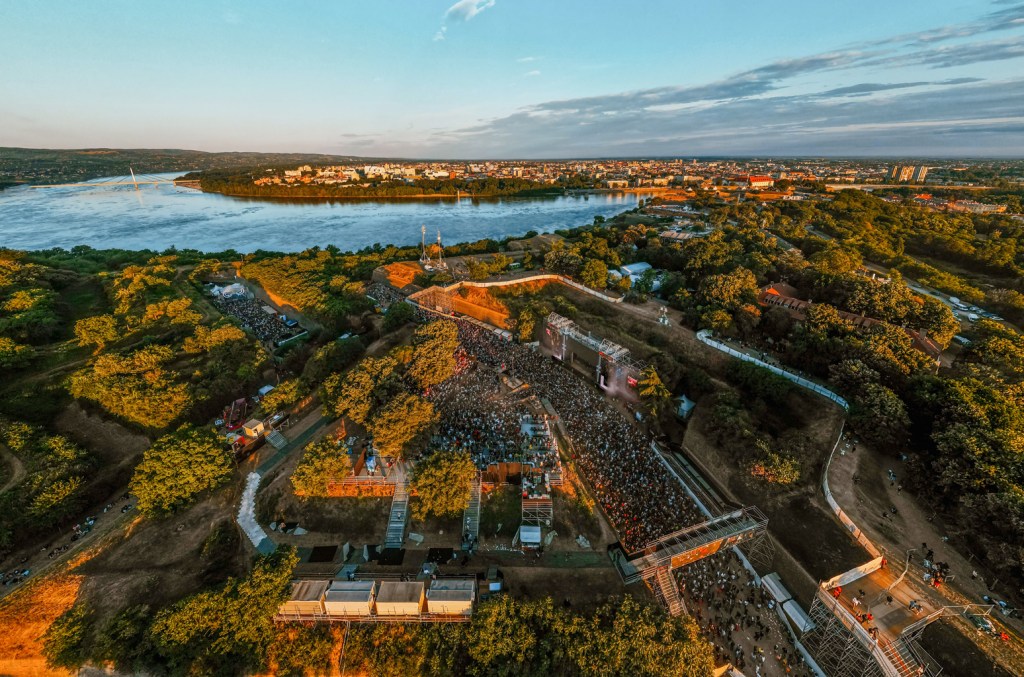
Serbia’s long-running EXIT Festival says that this summer’s edition of the event might be its last in the country.
The electronic event reports that its government funding and cultural grants have been revoked due to the festival publicly aligning with student-led anti-corruption protests that happened after the Novi Sad railway station collapse in November 2024, a tragedy that killed 15 people. The festival also says its sponsors have withdrawn due to pressure by pro-government entities.
“This is the hardest decision in our 25-year history but we believe that freedom has no price,” EXIT founder and director Dušan Kovačević says in a statement provided to media and posted to EXIT’s social channels. “With this act we are defending not only EXIT but the fundamental right to free expression for all cultural actors around the world. We invite them to stand with us in this fight.”
EXIT Festival is set to happen July 10-13 in Novi Sad, Serbia. The lineup features Tiësto, The Prodigy, Eric Prydz, Solomun, DJ Snake and many others.
Trending on Billboard
The event has a long history with pro-democratic movements, starting in 2000 as a pro-student movement meant to fight for freedom in Serbia and the Balkan countries. Happening at the Petrovaradin Fortress in the city of Novi Sad, the festival has won myriad awards that have distinguished it as one of the top festivals in Europe.
“Through music, creativity, and activism, EXIT has connected generations and nations, rebuilt broken ties, and built bridges where others route to divide,” Kovačević’s statement continues. “We have brought numerous European festival awards to our country and region, along with hundreds of millions of Euros in tourism revenue and international recognition that global experts consider invaluable.
“However, ever since we publicly stood with the students of Serbia in their fight for a freer and more just society, we have been subjected to immense financial and political pressures aimed at stripping us of our fundamental rights to freedom of thought and expression. Despite being completely cut off from public funding at all levels of government, and with some sponsors forced to withdraw under state pressure, we refuse to be silenced. As a result, this year’s anniversary edition will be the last to take place in a Serbia where freedom of speech is systematically suppressed.”
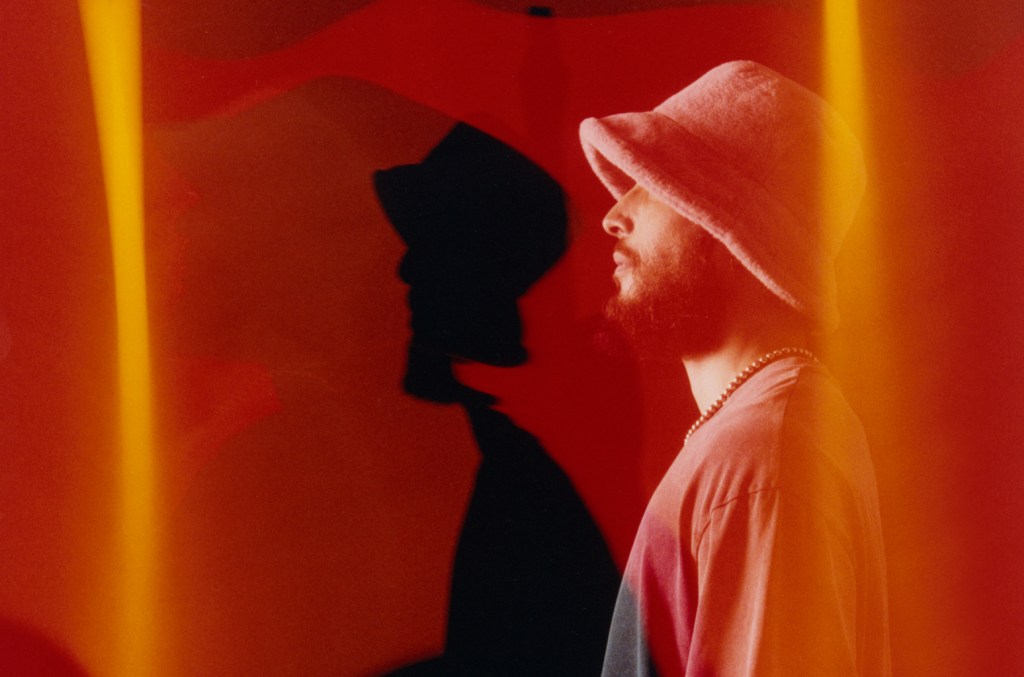
Roughly a decade ago, Bruno Boumendil, the French producer who goes by the name Folamour, perfected a distinct strain of soul-sampling house music, fragile yet fierce.
For source material, he mined plush soul ballads from the late ’70s and early ‘80s, dropping vocal snippets into productions that flew forward, so the charismatic voices seemed to be battling to maintain their stately dignity. He programmed his drums to start low in the mix before they reared up and lashed out, and used repetition to push tracks to dramatic climaxes, looping to lethal effect.
After an early run of success that included “When U Came Into My Life” (2016), “Ya Just Need 2 Believe in Yaself” (2017) and “I Know It Has Been Done Before” (2018), Boumendil pivoted. Though he never stopped making dance music, he started sprinkling it in among neo-soul and hip-hop tracks. But in recent years, he has been battling a creative funk.
Trending on Billboard
“I started to feel like everything was just a routine,” Boumendil explains. “I was doing gigs and creating music, but I wasn’t really thinking about it anymore.”
His new album, Movement Therapy, out June 13, comes after he forced himself to turn off autopilot, “to actually think about what I’m doing and be more than just someone going on stage and playing for two hours.” The first song on the record is a spoken-word manifesto: “For a while, I stopped moving and I felt dead inside. My soul and body were losing their light and purpose, I felt devoid of love for myself. Then I understood that I needed to stay in movement.”
In search of the lost spark, Boumendil fully recommitted to the style that initially boosted his career. He calls Movement Therapy his “first proper house music album.”
Boumendil, bearded, beaming and wearing his trademark bucket hat, spoke via Zoom from Paris, where he is based. He’s eager to discuss the intricacies of his production process and earnest about his passion for full-length albums — this is his fifth. “The format is tougher to present than big singles,” he says. “But I just love albums too much. It’s always nice when people want to dig into it.”
While France has a proud tradition of sample-based house music — the “French Touch” of Daft Punk, Cassius, and more — Boumendil was not raised in dance clubs. He grew up in Lyon, where much of his early listening was informed by his father, who enjoyed jazz and punk, funk and stadium rock. Later Boumendil fell hard for ‘90s hip-hop from New York, the boom bap made by the likes of DJ Premier, Pete Rock, and Q-Tip, where heady samples collided with hefty beats.
A love for rap led him obliquely to house, as if he snuck into the club through a side door: Both genres love a choice sample, even if they prefer different tempos. “I started to feel the connection,” Boumendil says, “and around 2010 to 2012, started falling in love with Kerri Chandler, Moodymann, Theo Parrish, all the old-school guys from Chicago and Detroit.” (Some of these “old-school guys” were a key influence on French Touch in the first place — when Daft Punk debuted their 1997 Essential Mix for BBC, they kicked it off with “Hear the Music,” from Chicago stalwart Paul Johnson.) Boumendil started DJing as a way of sharing his growing record collection.
Production came later, in 2014, when he was laid up in bed for three months with an illness. “I was like, ‘Okay, I have two options,’” he recalls. “I can watch Lost for like the 15th time, or I can try to do something better.” A friend helped tip the scale by introducing him to the production software Ableton.
He improved quickly. “Baise en Ville,” from the following year, mixed snatches of Jodeci’s volcanic lament “Cry for You” with soothing piano house. But Boumendil says it wasn’t until 2017 that his music started getting widespread attention. That year he put out “Lost Frequencies” — which flips “Lady,” a 1995 classic from one of Boumendil’s favorite artists, the neo-soul savant D’Angelo — as well as “Ya Just Need 2 Believe in Yaself,” one of his most-streamed songs, and the album Umami via Classic Music Company, the label co-founded by dance luminaries Derrick Carter and Luke Solomon.
Boumendil saw that burst of activity as the close of a chapter. After years of chopping samples on his MPC, he decided to start playing more instruments — sometimes hiring musicians to help — and making “slower stuff.”
Not anymore: Movement Therapy whizzes toward the dancefloor and rarely lets up. “Feel the Power,” “a song about the energy we feel when we are all together in a party,” detonates almost immediately and borrows its over-the-moon vocal from a ‘90s rave track, Love Decade’s “So Real.” In “Everyone’s Beautiful When They Do What They Love,” the bass hits as if it’s trying to maul its way out of the speakers. “I wanted to feel that growl, like it was an animal or something really savage,” Boumendil says.
While crafting Movement Therapy, he purposefully broke his studio routine in several ways as part of an effort to banish his malaise. “The musician’s life never stops — it’s hard to say, ‘I’m not doing shows for six months,’” Boumendil points out. “I had to feel a difference while I was still doing the things that made me feel that way [‘dead inside’], which was super tough.”
For the first time ever, he club-tested early versions of every song on the album. “One of the goals of coming back to house music was to have that link where on Thursday I can be in my studio making something, and on Friday I can try the song in a set,” Boumendil explains. After numerous tweaks — he’s been lucky to find a mastering engineer “who doesn’t mind doing like, 20 versions of a song” —”Ca Va Aller” and “Everyone’s Beautiful When They Do What They Love” have “been working super well” on the dancefloor.
In addition to establishing a new feedback loop between the club and the studio, Boumendil added more electronic touches after years of being committed to analog instrumentation. On both “Ca Va Aller” and “Everyone’s Beautiful When They Do What They Love,” synthesizers glitter like pennies at the bottom of a fountain.
The same goes for “Pressure Makes Diamonds,” the album’s lead single, originally released almost a year ago. “It’s always a bit unexpected [when I play that] in my set, because it has that really electronic, modern lead, which doesn’t really fit with the old-school funk, disco, and soul I usually play,” Boumendil acknowledges.
But queuing up the track serves as another way for him to scramble his old routines. There is a point in the song after the second verse where the drums and vocal fall away before revving up again, and when Boumendil hears it, he’s repeatedly been close to tears.
Treasuring these moments — “stepping back, understanding the power of dancing, and loving the music that makes you move” — is part of his larger project of creative rejuvenation. “I’m still working on it,” Boumendil says. “But I’ve never felt better about how I do things than I do right now.”
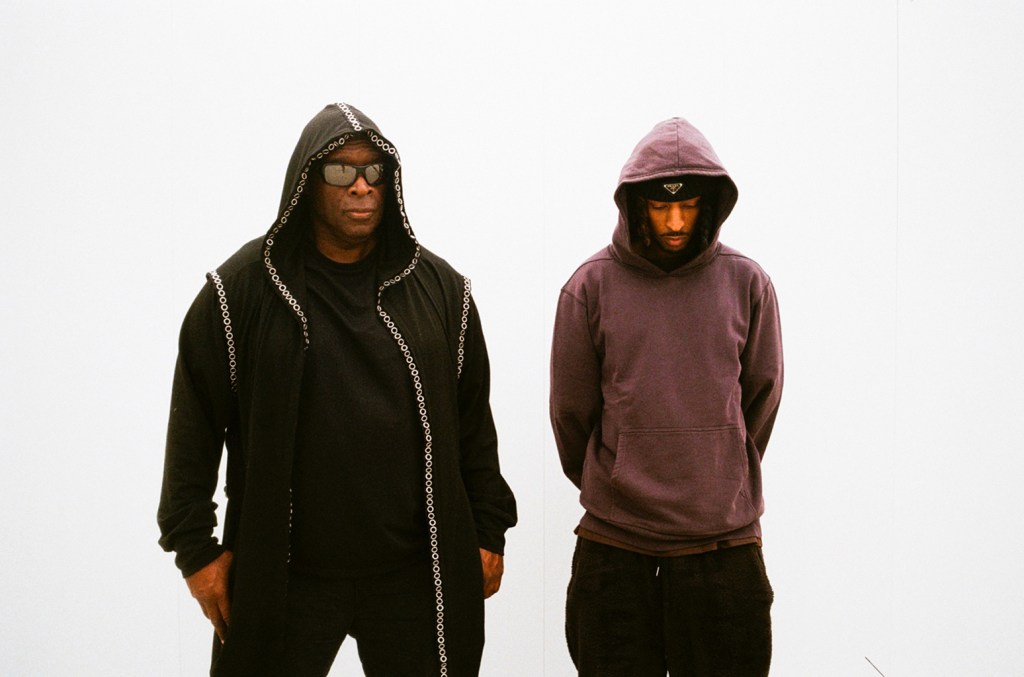
In 2023, the producer Kevin Saunderson wandered into the home studio he shares with his son Dantiez in Detroit. What he heard blasting from the speakers seemed familiar. “I said, ‘Man, that sounds like me!’” Saunderson recalls with a laugh. “[Dantiez] used some of my bass sounds.”
As one of three men widely credited with inventing Detroit techno, Saunderson is used to encountering artists who have borrowed scraps of his style. But this time, he got a chance to put his own twist on another producer’s unwitting homage.
“We’re always around each other,” Saunderson says of Dantiez. “We’ve already been doing Inner City [another group] together, and he sounds like me in some ways. So I thought, why don’t we just do an album together?” That release, e-Dancer, which takes its name from one of Saunderson’s projects in the 1990s, is due out June 13.
Trending on Billboard
The two men spoke to Billboard over Zoom from their Detroit home: Dantiez, laid back, lounged on a couch in one part of the house, while the elder Saunderson spoke passionately in another room about the genre he helped create. He has embraced the role of elder statesman and techno historian in recent years, doing frequent interviews about the style’s origins and even guest editing a series for Mixmag. “I’ve been in it since the beginning — I’m the beginning of this movement in many ways,” he explains. “I’ve seen a lot, and I want to be a driving force trying to educate people to our music.”
Over more than three decades, Saunderson’s discography has ranged from vocal dance-pop classics — Inner City’s “Good Life” and “Big Fun” — to the scrappy, scraping techno on e-Dancer’s canonical album, 1998’s Heavenly. “If you opened the techno songbook, Kevin Saunderson may have the most diverse — and in some ways, most prescient — discography of all,” Sam Valenti, founder of the label Ghostly International, wrote in January. “In any other country,” Valenti added, “he’d be given every tribute and lifetime achievement award imaginable.”
The producer DJ Spinna put it more simply in a recent Instagram comment: “Just Want Another Chance” — the song in which Saunderson invented the “Reese Bass” sound that he heard Dantiez using in the studio — “changed my damn life!!”
e-Dancer started as a retort to a dance world that often polices its borders, wary of the potential for dilution that accompanies mainstream success. Inner City’s first two singles traveled far beyond Detroit and even the wider, if still insular, world of dance-heads, becoming top 10 hits in the U.K. (“Good Life” also cracked the Hot 100 in the U.S.) “I had all that success with Inner City, and all the Detroit guys were joking with me — ‘You’re commercial, now we can’t play “Big Fun” in the club,’” Saunderson explains. “It ain’t underground enough.” e-Dancer was meant to demonstrate that Saunderson still “had that other sound” in his arsenal.
He put out the first e-Dancer single in 1991; the title was “Speaker Punishing,” suggesting this wasn’t easygoing ear-candy. The follow-up, “Pump the Move,” put harsh chattering electronics front and center — softening them slightly with a cushy synthesizer line — while the B-side was squirrely and agitated, with the strafing energy of acid house. Heavenly collected tracks from these singles along with more songs from the mid-1990s.
In the last decade, Saunderson has decided to revisit some of his early successes. Nearly 20 years after Heavenly, he gently retouched the songs on Heavenly Revisited (2017), and followed that with Re:Generate (2021), which gave producers like Adam Beyer, Robert Hood and Special Request a chance to rework tracks from the original album. In 2019, Saunderson also relaunched Inner City, enlisting Dantiez — now a dance music producer in his own right — to join the new version of the group with Steffanie Christi’an handling vocals in place of original singer Paris Grey.
Father and son have established a working routine that Saunderson summarizes as “he starts it, and usually I finish it.” “Even though we live together,” adds Dantiez, who also puts out music on his own and with his brother, “it’s hard to actually get us both in the studio at the same time.”
Between start and finish, though, tracks undergo endless tweaks. “I usually go through six, seven, eight versions of a song before it even makes it to [Saunderson],” Dantiez says.
And even with the album due out shortly, they continue to iterate. The early advance copy sent to Billboard had a hard-driving, string-soaked vocal cut titled “Symbolical,” but Saunderson said he would likely pull out the drums before e-Dancer came out, making the song “real ambient, just the violin and her voice.” A previous version of the album-closer “Escape” — which pairs revving synths with a mean, ankle-level bass line — featured a male vocal, but it was later removed.
The Dantiez track that reminded Saunderson of his own work is “Emotions,” the second song on e-Dancer, which lays out the album’s throughline: A bass, frayed around the edges, that skulks and snarls under many of the tracks, seemingly spoiling for a fight. That buzzsaw sound reappears on “Dancer,” with wordless vocals wafting above it, “Frequency,” where the synths stutter and screech like rusted car brakes, and “Reece Punch,” which pairs it with pounding four-note piano runs. Dantiez once said that the key to a killer club track is “a big kick and a great bassline,” and he stayed true to that principle on e-Dancer.
Since Saunderson’s output has been so “prescient,” as Valenti put it, he remains at ease even as techno continues to evolve around him. The style has gone through “so many different phases,” Saunderson says. “Tech house became very popular. I was always in between [genres] — I could do something very techno or really house. I never said I was doing tech house at the time, but it’s really an in-between version of house and techno [like what I was doing].”
Lately Saunderson has noticed that in the U.S., “the trend seems like everything has gotten faster.” It can be “a little complicated” following up a set from a DJ who is racing along at 150 beats per minute, but he’s seen that before too — as Saunderson posted on Instagram recently, he’s been “playing hard ‘n fast long before TikTok techno was a thing.” When playing out new tracks in his sets, he has found that “Melodica,” “Emotions,” “Dancer,” and “Frequency” have elicited the strongest response from club goers.
Following the release of e-Dancer, Saunderson and Dantiez will take their act on the road, performing at Loveland and MUTEK Montreal. They also have a party in Detroit, The Hood Needs House, that they are hoping to bring to other cities. On top of that, Saunderson maintains a busy solo DJ schedule, including a recent party at Detroit’s Movement Festival. At the event, he described recently as “techno Christmas,” he celebrated his KMS Records label and also featured his two sons — Damarii along with Dantiez — in the lineup.
“I find a way to play a few classics each set so people get a good education,” Saunderson says. “Some people may not know who the hell I am. But they hear me, and they get kind of blown away.”
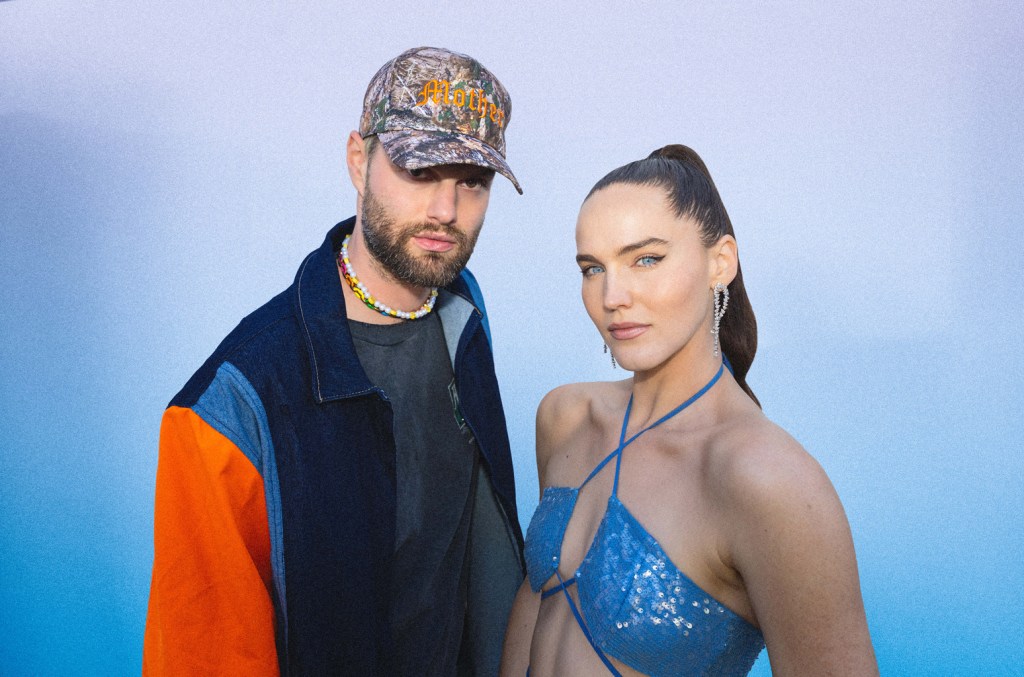
The Animal Talk kingdom just expanded. The label, founded by dance duo Sofi Tukker in 2018, now encompasses a management company that’s entered a partnership with Palm Tree Management. Sofi Tukker is the first act signed under the agreement.
Along with being a label and management company, Animal Talk is now also an artist collective focused on hosting future Animal Talk events and festivals, creating branded clothing capsules, developing Animal Talk as a lifestyle brand, securing strategic partnerships and more. Animal Talk is being run by Bella Tamis, Palm Tree’s Myles Shear and Mike Hoerner and Sofi Tukker’s Sophie Hawley-Weld and Tucker Halpern.
Animal Talk and Palm Tree Management will work together on management for Sofi Tukker while expanding the brand by signing artists, throwing events and more, effectively creating a management deal that allows Sofi Tukker to grow its vision for Animal Talk.
Trending on Billboard
“We’re so excited to announce our new management company, launching together with Myles Shear, Mike Hoerner and Bella Tamis,” Sofi Tukker tells Billboard in a statement. “We originally started Animal Talk as a label and a party many years ago. We launched LP Giobbi’s career, and threw some insane parties, but we put it on the back burner until now, because we didn’t have the bandwidth to do everything we wanted with it.”
Sofi Tukker continues that the idea for Animal Talk originally came from the Mary Oliver poem “Wild Geese,” which also inspired its debut EP, Soft Animals. “It has been a mantra for us since the very beginning,” the duo’s statement adds. “‘You do not have to be good… You only have to let the soft animal of your body love what it loves.’ We’ve been inspired watching what Myles has built with Palm Tree over the years. His entrepreneurial energy is infectious and we are so excited to start building out the Animal Talk world with him and Bella. We’ve learned so much over the past ten years of being artists with amazing people by our side, and feel really grateful to get to pay it forward. We’re excited to build a roster of hardworking, boundary pushing artists who want to build something special with us and make people dance all over the world.”
Shear, the co-founder of Palm Tree Management and Kygo‘s longtime manager, adds that he’s “really excited to be working with such talented artists like Sofi Tukker; they’re once in a generation talent. This partnership is unique and we have built a special team around this.”
“We couldn’t be more excited about working with Sofi Tukker,” adds Hoerner. “They’re incredibly talented artists and even better people who share an entrepreneurial mindset.”
Before partnering with Palm Tree Management and Animal Talk on the company, Tamis spent five-plus years with The Shalizi Group and its client Marshmello. She tells Billboard that “Sofi Tukker has been a driving force in dance music for some time, and it’s been incredible building out Animal Talk alongside them. They have a strong vision for working with like-minded artists’ brands, and we’re excited to keep growing it out.”
“We are excited to sign artists who push boundaries and create lanes that didn’t exist before them,” Sofi Tukker adds. “The goal for the company is to be a place for artists to thrive with a focus on strategy and staying authentic. It will be more than a management company, we have plans for fashion collaborations, parties and festivals in the future. “