State Champ Radio
 Dance
Page: 6
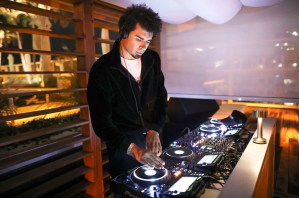
Electronic dance music may have been born in America, emerging from the disco dancefloors of 1970s New York, the house hotbed of ’80s Chicago, and the techno frontier of ’80s Detroit, but it initially found a more receptive audience abroad. While the U.S. largely relegated it to the underground, Europe and Latin America embraced it wholesale, building ecosystems of clubs, festivals and media that treated dance as a cultural fixture.
Billboard launched its first “Disco Action” dance charts in the ‘70s and built a legacy of covering dance music well before the digital era, thanks to talented journalists like Larry Flick, Michael Paoletta and Brian Chin. When I joined Billboard in 2014, the genre lived in a column called CODE, with sharp contributing voices like Kerri Mason and Zel McCarthy keeping the beat alive.
Dance music was exploding in popularity in America, but the legacy media hadn’t entirely caught up. While Rolling Stone and SPIN gave deadmau5 and Skrillex cover stories during the early EDM boom of 2011–2012 and Billboard dedicated three cover stories to the genre’s explosion throughout 2012, most top-tier U.S. music publications weren’t offering dedicated coverage of the genre. Meanwhile, in Europe, outlets like Mixmag, Resident Advisor and DJ Mag were deeply embedded in the scene, offering both depth and consistency that was largely absent in the American press.
Trending on Billboard
As a result, the scene relied on a network of scrappy music blogs with their ear to the ground and finger on the pulse. Social media was reshaping the ecosystem. Artists were breaking online before they ever hit radio, and the direct line to fans was turning DJs into stars. At the same time, the democratization of digital tools gave rise to a new generation of bedroom producers, making tracks on laptops that could suddenly reach millions.
I was living in Berlin when Kerri gave me the opportunity to start freelancing for Billboard in 2014. My first feature was on a then-unknown kid named Kygo, before he’d ever played outside his native Norway. Soon after, I was covering European festivals like Tomorrowland and Sónar, and the doors that opened for Billboard made it clear we had a rare window to build something meaningful.
Feeling the winds of destiny at my back, I moved back to New York and delivered a 10-page proposal for a Billboard Dance vertical. Looking back, I probably could have been more concise. Nothing happens overnight at a legacy media brand, and this was no exception. I’ll always be grateful to Tye Comer and Mike Bruno for championing my vision and helping win over the higher-ups to get it approved.
When we announced Billboard Dance’s launch in 2015, the industry welcomed it as a much-needed step forward in the scene’s stateside maturation. One piece of feedback I often heard was that my hiring felt like the passing of a generational torch. I was seen as part of the blog-era generation, close in age to many of the artists we were covering and trusted by the community that had championed them early on. As a DJ and producer myself, I could speak their language and recognize the difference between innovative production and recycled presets when deciding which artists to spotlight.
With full-time focus, dedicated resources and standalone social channels, Billboard Dance’s coverage could expand beyond the charts and into the culture. These additions were buoyed by the launch of the Hot Dance/Electronic chart in 2013, with the team recognizing and responding to the genre’s explosion. The additions of passionate contributors like Dave Rishty and Kat Bein helped our lean team punch above its weight class and go toe-to-toe with much larger outlets.
We built a reputation for curation, spotlighting artists like Martin Garrix, Alison Wonderland and Black Coffee long before they became headliners. As a new wave of artists climbed the Billboard Hot 100, we put faces to the movement — The Chainsmokers and Marshmello as crossover juggernauts, Diplo and DJ Snake as global tastemakers, REZZ and TOKiMONSTA as rising voices from the underground — and gave them the covers they deserved.
It’s been really heartening to see Billboard Dance continue to thrive under Katie Bain’s leadership since she took over in June of 2019. She’s brought thoughtful editorial vision and a clear sense of where the scene is headed, helping the brand remain relevant for a new generation of dance music fans. The Launch Launching it as “Billboard Dance” was a victory in itself. At the time, there were some who pushed for “Billboard EDM,” but we held the line. History has smiled on that decision, as the term “EDM” has become synonymous with a very specific (and often reviled) subset of the genre, while “Dance” gave us the latitude to reflect the full spectrum of global, cross-genre electronic music. I remember getting coffee with Dutch house and techno DJ/producer Joris Voorn during one Amsterdam Dance Event, and he thanked me for using the term “dance,” saying it showed the broader scene was finally being taken seriously by American media. “With all due respect,” he quipped. “We wouldn’t be sitting here right now if you were Billboard EDM.”
It illustrated the rift that existed between mainstream dance music and the underground at the time, a divide I addressed in an early op-ed. We made a concerted effort to bridge that gap, spotlighting house and techno artists like Jamie Jones, Guy Gerber and Damian Lazarus with their first Billboard features through our “The Dance World According to“ series.
Shortly after we launched Billboard Dance, dance music entered a generational run of pop chart crossovers. In 2015, Major Lazer and DJ Snake’s “Lean On” debuted at No. 4 on the Hot 100, while Skrillex and Diplo’s “Where Are Ü Now” peaked at No. 8 and helped resurrect Justin Bieber’s career. The following year ushered in an unprecedented streak for The Chainsmokers, who landed five top-ten hits with “Roses” (No. 6), “Don’t Let Me Down” (No. 3), “Closer” (No. 1), “Paris” (No. 6) and “Something Just Like This” (No. 3). Some of the old rock heads at the publication still didn’t respect dance music, but they could no longer deny its relevance.
The cover stories always felt especially meaningful because dance music has long carried a bit of an underdog complex. The Marshmello cover in March 2018 was a standout. It was the masked artist’s first-ever interview and a testament to the trust we’d built by covering his rise from the start. Scarcely three years earlier, we’d published the first-ever photo of him wearing his now-iconic helmet — a true full-circle moment. In that short span, he had gone from a total unknown to a global hitmaker, and just a few months later, he would release his biggest hit to date, “Happier” (No. 2).
April 20, 2018, is a day I’ll never forget. Billboard broke the news of Avicii’s passing, sending shockwaves of grief and disbelief through the music world. I remember having to compose myself before stepping into a whirlwind of media appearances — Good Morning America, CBS, Reuters, The New York Times‘Popcast and more. It felt surreal, and honestly uncomfortable, to speak publicly so soon after his death. But in the days that followed, several people close to Tim reached out to express appreciation for how his story was told.
Looking back, I do think his loss changed the trajectory of dance music. As I wrote in his Billboard obituary five days later, Avicii’s loss marked the end of innocence for the scene. It forced the industry to confront the toll of nonstop touring and the elephant in the room: mental health. Conversations that had long been avoided were suddenly impossible to ignore.
Launching the Billboard Dance 100 in 2018 was a milestone. We became the first publication to secure full touring data from every major booking agency, going beyond hard ticket sales to deliver the most accurate snapshot of the global dance/electronic touring landscape and inform the rankings. But the most powerful statistic, in my view, was the 180,000 fan votes from 174 countries. That overwhelming response opened eyes both inside and outside the publication to the truly global reach of dance music’s fanbase.
Taking Billboard Dance from URL to IRL with the Dance 100 events at 1 Hotel South Beach during Miami Music Week marked a defining moment for the brand. In an industry built on live music and real-world connection, these events made it real. Everyone from Armin van Buuren and Nicky Romero to Marshmello’s manager, Moe Shalizi, and Goldman Sachs CEO David Solomon came through to celebrate. Having Afrojack and Arty on the decks didn’t hurt either.
Afrojack
World Red Eye/Courtesy of Matt Medved
Dance Music’s Continued Evolution
One encouraging shift over the years is that the music industry has finally accepted that dance music is here to stay. I remember having to answer the same question ad nauseum in our early Billboard meetings: “When will the EDM bubble burst?”
A decade later, the numbers speak for themselves. According to the 2025 IMS Business Report, the global electronic music industry has reached a record value of $12.9 billion, marking a staggering 87% increase since Billboard Dance’s 2015 birth. That growth hasn’t come in a straight line. The industry was rocked by COVID, losing more than half its value in 2020 as festivals were canceled, clubs shuttered and touring ground to a halt. But the rebound has been swift and striking: a 34% surge in 2022, followed by another 17% climb in 2023.
When we launched Billboard Dance, TikTok didn’t exist. Soundcloud was still the first stop for discovery, and Spotify was just beginning to shift listening habits. Virality hinged on Hype Machine chart-toppers, not sped-up remix snippets blowing up overnight.
Today, discovery in dance music is a different beast. Spotify playlists are kingmakers, with premier placements critical to breaking a track. Social media has become the frontline where most listeners first encounter a song. A 20-second drop can ignite a worldwide trend. Keinemusik’s “Move” went parabolic even before its official release, buoyed by a wave of Instagram reels and TikTok edits that turned a live set highlight into a global hit. Viral Boiler Room sets have been career-making moments for artists like Fred again.. and Yousuke Yukimatsu. Tracks are breaking as much through content as they are through clubs.
Sonically, dance music has evolved significantly. The formulaic big-room drops that dominated the EDM era have given way to a broader, more dynamic spectrum. House and techno have taken over festival stages with a new generation of headliners like John Summit, Dom Dolla and Sara Landry. Of course, the real innovation remains on the side stages: in the rise of amapiano and Afro-house, the resurgence of jungle and drum and bass, and the creative cross-pollination of global sounds.
The Future
A decade after founding Billboard Dance, I believe we’re witnessing a new renaissance in dance music. Five years removed from a pandemic that shuttered the touring industry, we’re experiencing a boom driven by pent-up demand. From vinyl to CD-Js to digital, technology has always driven dance music forward, and today’s tools are accelerating that evolution.
One trend to watch is the rise of immersive audiovisual experiences. Just as modern dance music empowered producers to step out from behind the scenes and into the spotlight, we’re now seeing digital artists and audiovisual creators begin to take center stage. At Now Media, we’ve been covering the rise of Anyma long before his shows at the Sphere captured the world’s attention. Look at what Eric Prydz has done with HOLO, what Dixon is building through Transmoderna or how Max Cooper is merging sound with interactive installation art.
This movement is poised to go mainstream in a major way. Daft Punk’s pyramid set off an arms race in stage production, and I think Anyma’s Sphere shows will similarly be remembered as the spark for a new paradigm in dance music visuals.
Matt Medved
Courtesy of Matt Medved
The rise of AI-generated music is the biggest shift that not enough people are paying attention to. Tools like Suno and Udio can now turn a simple text prompt into a fully formed track within seconds. While we’re not quite at a Midjourney-for-music moment, the quality is improving at a remarkable pace. This is a seismic shift that’s going to impact everything from how music is made to how it’s valued. Dance music, with its reliance on repetition and structure rather than narrative or lyricism, is especially exposed. It’s a genre where AI can already mimic form convincingly, and that makes the stakes even higher for originality.
There’s disruptive creative potential here, especially for artists without access to traditional resources. Just as drum machines and DAWs once lowered the barrier to entry, AI tools are unlocking new creative workflows for electronic musicians to bring ideas to life. In my own productions, it’s been a game-changer — what used to take me weeks in the studio now takes hours. Producers can generate custom loops, build tailored sample packs on demand, create instant demos with AI vocalists, and use the tools as a dynamic sounding board to refine ideas in real time. The real value isn’t in simply pressing generate, but in how you select and shape those raw outputs into a sound that’s distinctly your own. As AI visual artist Claire Silver likes to say, “Taste is the new skill.”
But taste alone won’t be enough. Platforms are already flooded with AI-generated tracks, a relentless tide of indistinguishable output. As that volume becomes overwhelming in the years to come, the challenge shifts from production to curation. In a world where anyone can generate music instantly, listeners will gravitate toward what feels real. The artists who thrive in this new landscape will be those who can harness technology to create something meaningful and unmistakably human. Matt Medved is the co-founder, CEO and editor-in-chief of Now Media. He previously served as the founding editor of Billboard Dance, editor-in-chief of SPIN and senior vp of content at Modern Luxury.
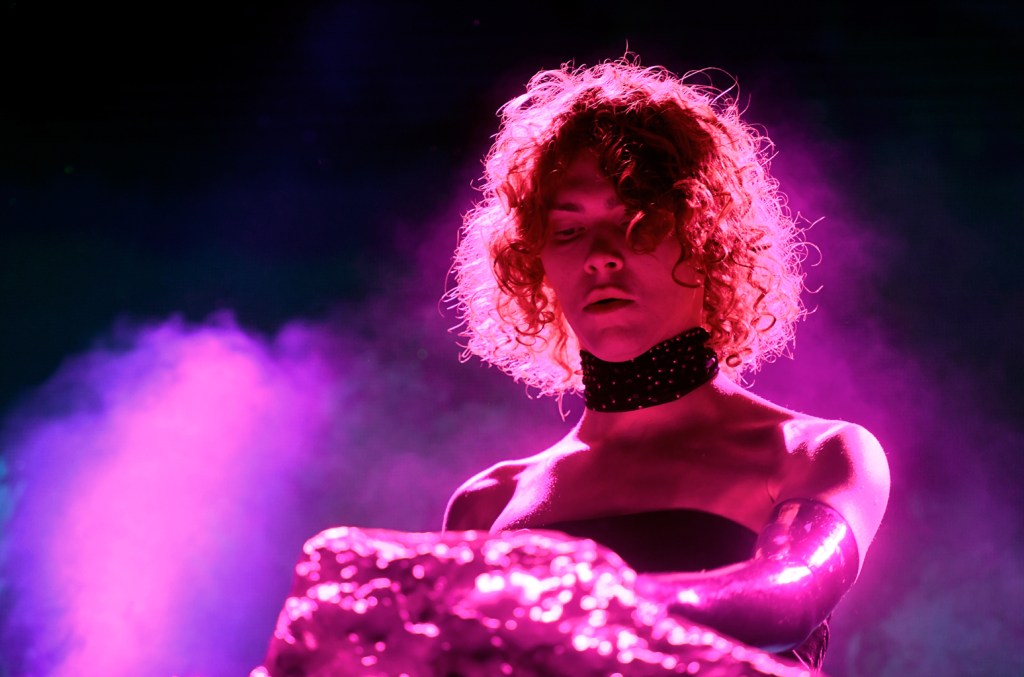
In the 10 years since Sophie broke through the noise with singles such as “Bipp” and “Lemonade,” the late visionary has become synonymous with progressive pop production. So for the 10th anniversary of her breakthrough set of songs, the producer’s collaborators are celebrating her influence with a commemorative release.
On Wednesday (June 18), record label Numbers will debut an expanded anniversary edition of SOPHIE’s Product, the 2015 compilation album that brought together some of the producer’s earliest releases. Alongside the original compilation’s eight tracks, the expanded edition of Product will also include two previously unreleased singles — “Ooh” and “Get Higher” — and “Unisil,” a Product-era track that was released in 2021.
“Ooh,” originally created in 2011, features vocals from The X Factor alum Jaide Green, who reflected in a statement on her first reaction to hearing the track. “‘Ooh’ stood out to me, it was fun, playful, and creative. It was clear the lyrics were very significant to SOPHIE, however it didn’t feel like your usual heartbreak song, it was uptempo and happy,” she wrote. “Even still, there was a strength behind the words. I thought it was a perfect fit, pure genius.”
Trending on Billboard
Meanwhile, “Get Higher” was first written by SOPHIE in 2013, when she shared the hyperpop-tinged production with singers Cassie Davis and Sean Mullins. “She had this unapologetic ferocity for being true to who she was, that was infectious. I remember dancing around in the studio, vibing to the energy of creation in a way that I had never experienced before, devoid of ego,” Mullins said in a statement of the new track. “That’s what SOPHIE did for me, and I think what she’s done for a lot of other people with her incredible ability to connect us all to our higher selves through the act of creativity.”
Product will be released on all streaming platforms Wednesday, with physical editions — including deluxe vinyl, CD and a “Product card” featuring an NFC code for instant tap access to the album phones — will be available in stores starting on July 11.
Check out the full tracklist for the 10th anniversary release of SOPHIE’s Product below:
“BIPP”
“ELLE”
“LEMONADE”
“HARD”
“MSMSMSM”
“VYZEE”
“L.O.V.E.”
“UNISIL”
“GET HIGHER” (new)
“OOH” (new)
“JUST LIKE WE NEVER SAID GOODBYE”
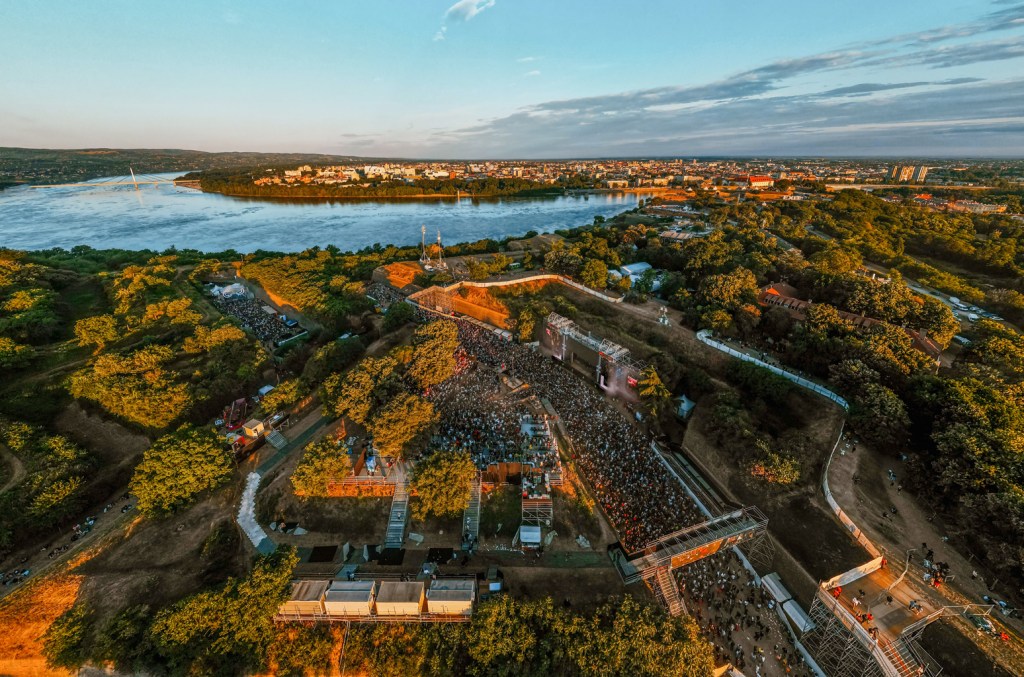
Serbia’s long-running EXIT Festival says that this summer’s edition of the event might be its last in the country.
The electronic event reports that its government funding and cultural grants have been revoked due to the festival publicly aligning with student-led anti-corruption protests that happened after the Novi Sad railway station collapse in November 2024, a tragedy that killed 15 people. The festival also says its sponsors have withdrawn due to pressure by pro-government entities.
“This is the hardest decision in our 25-year history but we believe that freedom has no price,” EXIT founder and director Dušan Kovačević says in a statement provided to media and posted to EXIT’s social channels. “With this act we are defending not only EXIT but the fundamental right to free expression for all cultural actors around the world. We invite them to stand with us in this fight.”
EXIT Festival is set to happen July 10-13 in Novi Sad, Serbia. The lineup features Tiësto, The Prodigy, Eric Prydz, Solomun, DJ Snake and many others.
Trending on Billboard
The event has a long history with pro-democratic movements, starting in 2000 as a pro-student movement meant to fight for freedom in Serbia and the Balkan countries. Happening at the Petrovaradin Fortress in the city of Novi Sad, the festival has won myriad awards that have distinguished it as one of the top festivals in Europe.
“Through music, creativity, and activism, EXIT has connected generations and nations, rebuilt broken ties, and built bridges where others route to divide,” Kovačević’s statement continues. “We have brought numerous European festival awards to our country and region, along with hundreds of millions of Euros in tourism revenue and international recognition that global experts consider invaluable.
“However, ever since we publicly stood with the students of Serbia in their fight for a freer and more just society, we have been subjected to immense financial and political pressures aimed at stripping us of our fundamental rights to freedom of thought and expression. Despite being completely cut off from public funding at all levels of government, and with some sponsors forced to withdraw under state pressure, we refuse to be silenced. As a result, this year’s anniversary edition will be the last to take place in a Serbia where freedom of speech is systematically suppressed.”
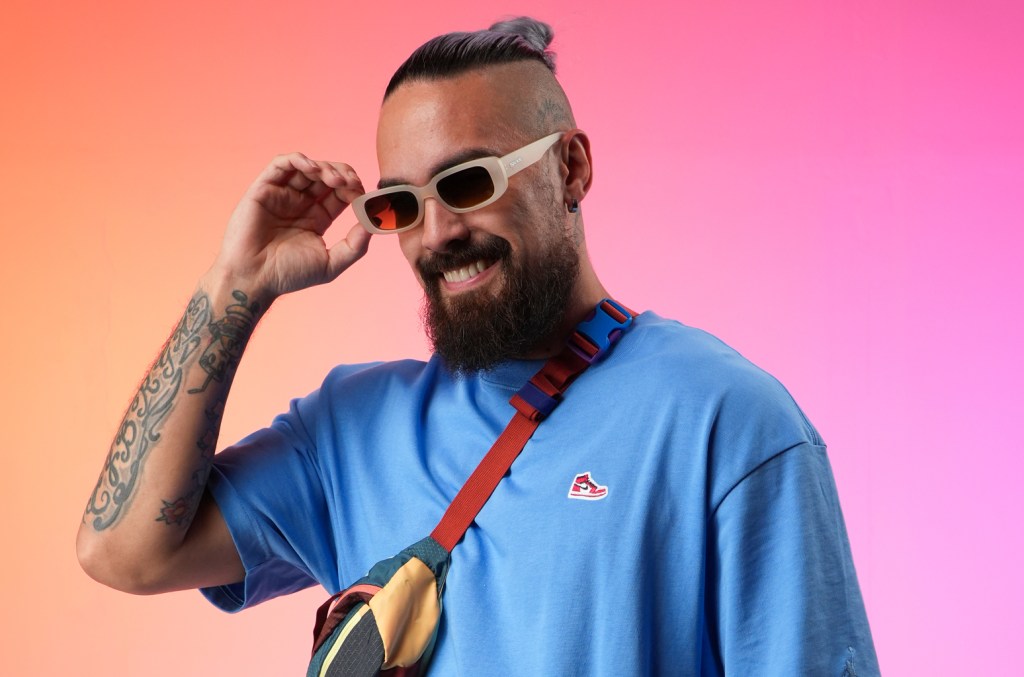
Lenny Pearce had been producing electronic music and uploading it to SoundCloud for years, but it wasn’t until he made a remix unlike anything being played in the club scene that his career skyrocketed.
“The first one that really took off was ‘Head, Shoulders, Knees & Toes,’ techno version,” says the Australian producer.
He’s speaking about his edit of the classic children’s song that encourages kids to touch their head, shoulders, knees and toes. (And eyes, and ears, and mouth and nose.) But instead of being rendered in traditional sing-song, Pearce’s version is done with kickdrum and waves of dark synth.
It’s one of many canonical children’s songs that Pearce has made dance remixes of, forging a genre he calls “toddler techno,” and with it carving out a niche space in the touring world with his baby raves.
Trending on Billboard
Thus far, Pearce has hosted events in Australia, Bahrain, Singapore and the United States, where he launched a ten-date tour this week. The run hits nine U.S. cities through the end of the month, with each event welcoming between 700 to 1,500 children and parents. Most of the shows sold out within minutes, altogether selling more than 11,000 tickets. After the U.S. he’s off to Malaysia and has had offers come in from Kenya as well.
“Nursery rhymes are just known by everyone,” he says of his global demand.
DJ-ing all-ages parties wasn’t on Pearce’s radar when he started in entertainment. 15 years ago, he was part of a 10-person breakdancing crew that won Australia’s Got Talent in 2010. This team, Justice Crew, then transformed into a boy band that clocked hits like “Boom Boom,” which hit No. 1 on the Australian ARIA Singles chart. Pearce DJ’d as part of Justice Crew shows and fell in love with production, eventually leaving the group to focus on it. While his career was for a time “going nowhere,” he says he eventually became a better and better producer, working in house and tech house and uploading his music to streaming platforms while trying to get the attention of labels.
Then, two years ago his first child — a daughter — was born. “She captured my heart,” Pearce says. “I wanted to do everything for her.” He was still making music, but was suddenly also a stay-at-home dad. And as any parent who’s spent long stretches of time with their young child has likely experienced, traditional children’s music was suddenly on heavy rotation in the Pearce household.
“She liked ‘The Wheels On the Bus’ and and all that,” says Pearce of his daughter. “With my creative mind I was thinking that I could remix these songs and put them on TikTok.” Amid the bottles and naps, he did just that, working from his home studio. “And then it just started to take off from there.”
One of Pearce’s first uploads, the techno edit of “Head, Shoulders, Knees & Toes” quickly racked up 500,000 views, with Pearce’s follower count on TikTok growing from 30,000 to over a million as he uploaded other kid-centric club edits. (He now has 2.1 million followers on the platform.) The track’s success lead him to sign myriad remixes to the longstanding Dutch dance label Spinnin’ Records, an imprint he’d been trying to get the attention of for years. In 2024, Spinnin’ released his slinky club version of “Wheels On the Bus,” which now has 2.3 million views on YouTube alone.
Pearce’s career was also buoyed by the fact that his identical twin brother, John Pearce, is a current members of Australian kids group The Wiggles. (The brothers were also both members of Justice Crew.) The connection made it possible for Lenny to remix an entire Wiggles album into The Wiggles Soundsystem: Rave of Innocence, which featured 14 edits of classics by the group. The album hit No. 1 on the ARIA Australian Dance Albums Chart.
Pearce’s work isn’t entirely reinventing the wheel. Snoop Dogg has done his own interpretations of children’s music, and in 2020, Marshmello and his team capitalized on the artist’s popularity among children and launched a kids-focused content platform. Dance edits of kids songs have been around for years, but mostly as one-offs, making them harder for parents to find in aggregate.
“There’s not one artist who has been doing it,” Pearce says. “There’ll be a random guy who does a trap version of ‘Five Little Ducks’ or something. But in the eyes of toddlers and parents, there hasn’t been an artist who they can go to for this sound.”
Pearce says the messages he gets from parents around the world are often ones of gratitude, given that his music provides something that children love, but which is different than the traditional kids fare that can become mind-numbing with repetition. His music is also a way for parents to connect with the club vibe that, for many, defined their pre-child years.
As such, Toddler Techno live events was the next logical step, with Pearce signing with WME for representation late last year.
“A DJ performing for kids and families sounded wild enough to be huge, and that’s exactly what it is,” says Pearce’s agent at WME, Peter Schwartz. “The family market has always been strong — parents need entertainment! Lenny’s engaging both kids and the parents who were raving not too long ago and still want to have fun.”
To wit, Pearce’s current U.S. tour sold out every show in ten minutes, Scwartz says, with second shows added in most markets. The run comes on the heels of Pearce’s debut album Toddler Techno (Vol. 1), released in March. Pearce is playing traditional pop/rock venues like Los Angeles’ Roxy Theater, The Brooklyn Bowl and Chicago’s Outset, and a bigger fall tour currently in the planning stages. Show tickets range between $30 and $40, with some venues letting very young children in for free.
“What Lenny’s doing is fun, fresh, and a little edgier than other kids’ acts,” says Scwartz, “which we think really sets him apart.”
Pearce, who has a warm personality, a wide smile and a long, colorful braid that in fact gives him an aptly cartoonish quality, says kids have always just naturally been drawn to him, making him the perfect artist to play a party designed for families. (To wit, he’s also collaborated with kids entertainment juggernauts including Nickelodeon, Disney and Hasbro.) His shows welcome even the newest of newborns (“There’s like, babies in carriages,” he says) and are not seated, meaning kids and parents can roam the dancefloor like attendees do in adults-only settings.
On the road, Pearce has seen entire families come dressed in matching mermaid outfits and others in tutus. (His now two year old daughter also prefers this latter accessory, with Pearce and his wife also welcoming a baby boy in April.) Shows also offer face-painting, hair braiding and photo booths, and a recent event had a giant inflatable octopus in the middle of the dancefloor. These elements are obviously kid-centric, but they’re also not really different from standard activities and styles at adults clubs and festivals. At a show in Philadelphia earlier this week, kids clutched glow sticks and wore sunglasses on the dancefloor, and their parents did too.
Pearce has heard plenty of jokes about attendees taking shots of apple juice versus alcohol and acknowledges that one of the reasons why what he does is so popular is because “it’s like an extreme to an extreme. Rave culture is supposed to be all about drugs and partying and this and that, and then kids are so innocent. But it’s not about the party aspect, it’s about music, entertainment, unity and including the whole family.”
There’s a lot of forthcoming music to keep the tiny fists pumping. Pearce has a new album of remixed kids classics dropping soon, with his ability to reconfigure these songs possible because many are old enough to be covered by public domain and are not under copyright. When Pearce does eventually get through the well of kids classics, he says he’ll simply shift genres and do all of the same music in drum & bass, or deep house, or reggaetón. “By the time that cycles around, we’ll all be retired,” he says.
In the meantime, he seems to have found his calling as both an artist and a dad.
“A lot of parents say they play my remixes in the car on the way to school or daycare and it’s not a buzzkill,” he says. “The kids enjoy it, and they do, too.”
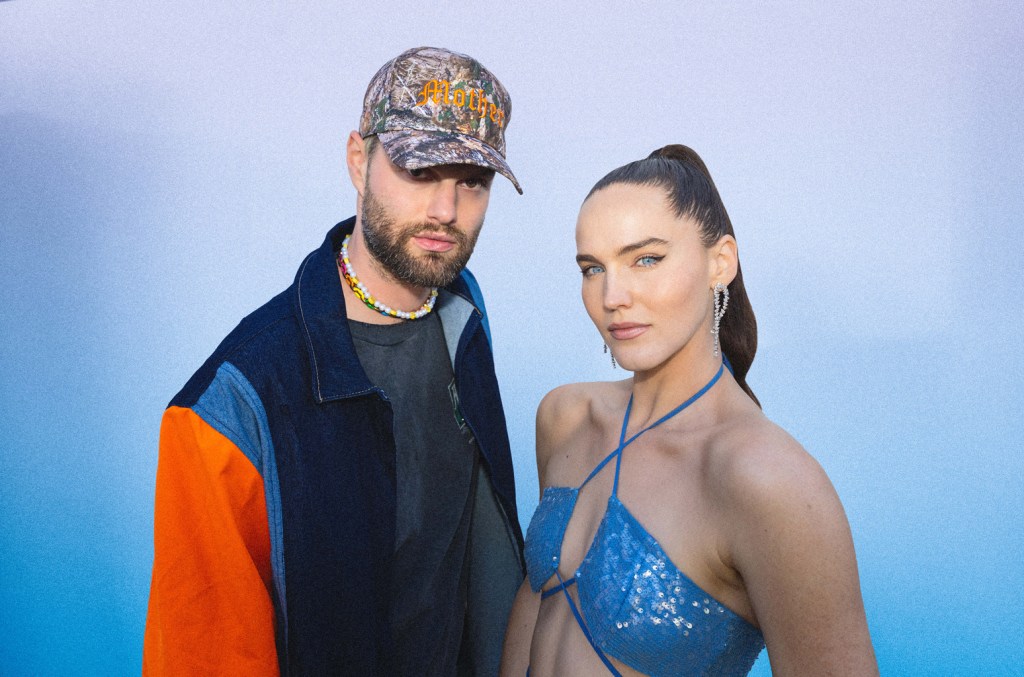
The Animal Talk kingdom just expanded. The label, founded by dance duo Sofi Tukker in 2018, now encompasses a management company that’s entered a partnership with Palm Tree Management. Sofi Tukker is the first act signed under the agreement.
Along with being a label and management company, Animal Talk is now also an artist collective focused on hosting future Animal Talk events and festivals, creating branded clothing capsules, developing Animal Talk as a lifestyle brand, securing strategic partnerships and more. Animal Talk is being run by Bella Tamis, Palm Tree’s Myles Shear and Mike Hoerner and Sofi Tukker’s Sophie Hawley-Weld and Tucker Halpern.
Animal Talk and Palm Tree Management will work together on management for Sofi Tukker while expanding the brand by signing artists, throwing events and more, effectively creating a management deal that allows Sofi Tukker to grow its vision for Animal Talk.
Trending on Billboard
“We’re so excited to announce our new management company, launching together with Myles Shear, Mike Hoerner and Bella Tamis,” Sofi Tukker tells Billboard in a statement. “We originally started Animal Talk as a label and a party many years ago. We launched LP Giobbi’s career, and threw some insane parties, but we put it on the back burner until now, because we didn’t have the bandwidth to do everything we wanted with it.”
Sofi Tukker continues that the idea for Animal Talk originally came from the Mary Oliver poem “Wild Geese,” which also inspired its debut EP, Soft Animals. “It has been a mantra for us since the very beginning,” the duo’s statement adds. “‘You do not have to be good… You only have to let the soft animal of your body love what it loves.’ We’ve been inspired watching what Myles has built with Palm Tree over the years. His entrepreneurial energy is infectious and we are so excited to start building out the Animal Talk world with him and Bella. We’ve learned so much over the past ten years of being artists with amazing people by our side, and feel really grateful to get to pay it forward. We’re excited to build a roster of hardworking, boundary pushing artists who want to build something special with us and make people dance all over the world.”
Shear, the co-founder of Palm Tree Management and Kygo‘s longtime manager, adds that he’s “really excited to be working with such talented artists like Sofi Tukker; they’re once in a generation talent. This partnership is unique and we have built a special team around this.”
“We couldn’t be more excited about working with Sofi Tukker,” adds Hoerner. “They’re incredibly talented artists and even better people who share an entrepreneurial mindset.”
Before partnering with Palm Tree Management and Animal Talk on the company, Tamis spent five-plus years with The Shalizi Group and its client Marshmello. She tells Billboard that “Sofi Tukker has been a driving force in dance music for some time, and it’s been incredible building out Animal Talk alongside them. They have a strong vision for working with like-minded artists’ brands, and we’re excited to keep growing it out.”
“We are excited to sign artists who push boundaries and create lanes that didn’t exist before them,” Sofi Tukker adds. “The goal for the company is to be a place for artists to thrive with a focus on strategy and staying authentic. It will be more than a management company, we have plans for fashion collaborations, parties and festivals in the future. “

A collection of remixes of The Cure’s 2024 album Songs of a Lost World is out Friday (June 13), and ahead of the release, electronic duo Daybreakers is exclusively sharing their edit of the group’s “Warsong” from the project.
In Daybreakers’ hands, the steady, heavy, four minute and 17 second original becomes more than six minutes of hypnotic synth and muscular basslines, with a long build releasing into sped up of vocals from The Cure frontman Robert Smith and the entire edit containing the same sense of mystique and style of the legendary U.K. band is known for. Listen to the “Warsong” remix below.
“As long time fans of The Cure, we had always wanted to do a project with them, and via our mutual friend and legendary producer, Mark Saunders, the opportunity arose when Robert got in touch to discuss our interest in doing a remix,” the duo tell Billboard in a joint statement.
Trending on Billboard
Made up of producers Ric Scot and Alex Hush, Daybreakers previous work includes remixes of U2’s “Love Is Bigger Than Anything In It’s Way” and Madonna’s “I Rise.” “I Rise” hit No. 1 on Billboard’s Dance Club Songs chart in Aug. 2019, aided by a package of remixes from artists including Daybreakers, Tracy Young, DJLW, Kue and Offer Nissim. “Love Is Bigger Than Anything In It’s Way” also hit No. 1 on this same chart in July of 2018 on the power of a remix collection that Daybreakers was a part of.
Scot and Hush’s first work together was a 2020 edit of Erasure’s “Hey Now (Think I Got A Feeling)” after which they decided to make Daybreakers an ongoing project.
As Mixes of a Lost World project came to life, Smith offered Daybreakers two tracks to choose from, one of them being ‘Warsong” which the pair say “really lent itself to something that we could incorporate our sound with. The song has a conflicted sadness to it but at the same time, we knew we could really make it work with a dance vibe.”
Daybreakers remix of “Warsong” has a real sense of drama,” Smith tells Billboard. “The breakdowns are simple, but far-out, and the vibe is cool, but urgent. It is one of my favorites on the [remix] album.”
Mixes of a Lost World will also feature edits by Four Tet, Orbital, Trentemøller, Chino Moreno, Paul Oakenfold and more. The project is out June 13 via Fiction/Capitol Records. In a statement made when the project was announced, Smith said that The Cure “has a colorful history with all kinds of dance music, and I was curious as to how the whole album would sound entirely reinterpreted by others.”
“To be chosen to do a remix is a great honor and we are thrilled with how much Robert likes the remix and we hope others do as well,” Daybreakers add. “Being included on the remix album alongside such a great variety of talented artists and producers is a huge privilege. Additionally, with all of The Cure’s recording royalties being donated to the WarChild UK charity, it really is for a wonderful cause.”
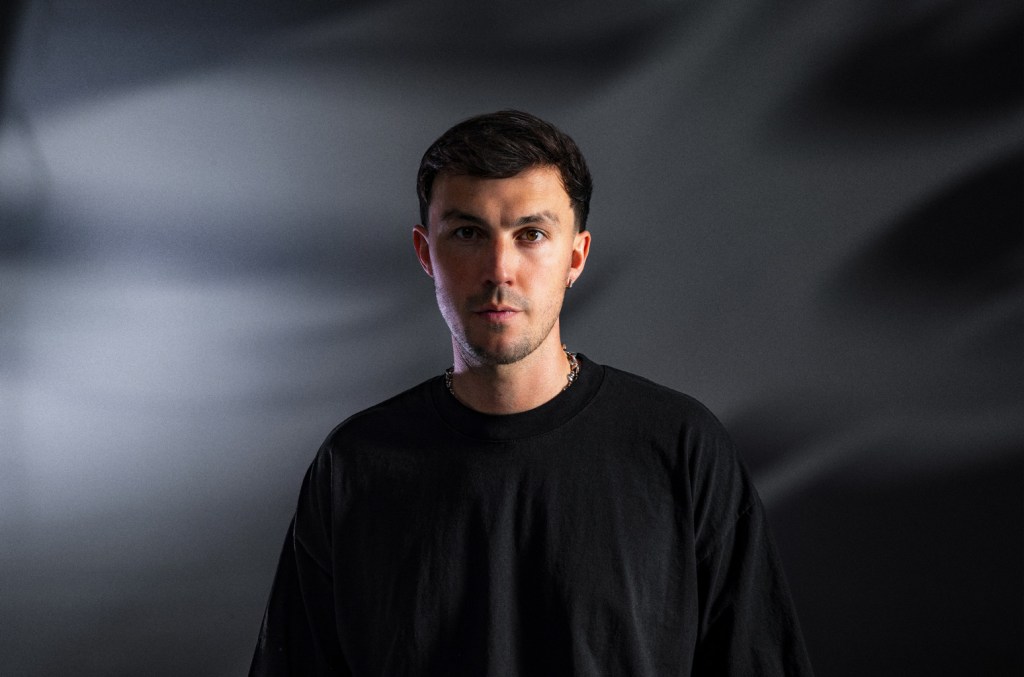
As protests continue in Los Angeles following sweeping ICE raids, electronic producer Cloonee has postponed a pair of shows meant to happen in the city this weekend.
“For the past four years now, I have called this city my home,” the British artist wrote Tuesday (June 10) in a statement posted to social media. “Like the city, my fans are diverse and it breaks my heart to see what the Latino community is going through right now.
“I have therefore decided that the right, responsible and only decision is to postpone this weekend’s events,” he continues. “Our time together is meant to be one of celebration, and now is not the time for celebrating.” Read the complete statement below.
Trending on Billboard
These shows were scheduled to happen June 13-14 at City Market in downtown Los Angeles, an area of town that’s seen myriad raids by ICE amid federal immigration efforts. Cloonee’s shows are now scheduled to happen July 11-12, with all tickets valid for the corresponding new dates, with refunds also available for the next seven days.
According to the L.A. Times, an immigrants-rights leader in the city reported that “about 300 people have been detained by federal authorities in California since sweeps began last week.” The situation has been inflamed after the Trump administration deployed the National Guard and U.S. Marines to Los Angeles amid protests over ICE raids.
Cloonee is one of many artists who’s spoken out on the ICE raids and their aftermath, with Doechii using her speech at the BET Awards in Los Angeles on Monday (June 9) to say that “I do wanna address what’s happening right now outside of the building. There are ruthless attacks that are creating fear and chaos in our communities in the name of law and order. Trump is using military force to stop a protest. And I want y’all to consider what kind of government it appears to be when every time we exercise our democratic right to protest, the military is deployed against us. What type of government is that?”
Read Cloonee’s complete statement: “For the past four years now, I have called this city my home. Like the city, my fans are diverse and it breaks my heart to see what the Latino community is going through right now.I have therefore decided that the right, responsible and only decision is to postpone this weekend’s events. Our time together is meant to be one of celebration, and now is not the time for celebrating.We are moving this weekend’s shows to the new dates of Friday, July 11th and Saturday, July 12th. All tickets will remain valid for the new corresponding date. If you are unable to join us at that time, you may cancel your tickets for a full refund in the next 7 days. All ticket buyers will receive an email to the address used to purchase the tickets with a refund link, or reach out to our team at insom.co/help.I understand this may upset a large number of ticket holders who, like myself, have waited months for these shows, and I do not take this decision lightly.I see you, I hear you and I simply will not throw a party whilst the Latino people who have supported me in this city are hurting so deeply.Please take care of yourselves, prioritize your safety and your community above all else. I will make this up to you in a months time.Dave.”
Mau5trap will release the next volume of its long-running We Are Friends compilation albums in 2026, marking the first new edition of the series since 2023 and the first edition since the label partnered with Create Music Group earlier this year. Launched by mau5trap in 2012, the tastemaking We Are Friends has long featured music […]

This week in dance music: deadmau5 and Rezz graced the cover of Billboard Canada, talking about their longstanding collaboratove project, Rezzmau5. In the story deadmau5 also spoke about selling his catalog to Create Music Group earlier this year, saying that “it was time to just let it go.” Elsewhere, Italian techno producer Deborah de Luca […]

Her Madgesty has spoken. Madonna took to social media on Thursday (June 5) to give fans insight into her forthcoming EDM remix album Veronica Electronica. “Making my Ray of Light album was a seminal moment in my life as an artist,” the Queen of Pop wrote on her Instagram Stories, referencing the mystical, techno-fueled 1998 […]