State Champ Radio
 Dance
Page: 12

Illenium has signed with Republic Records. The move comes after the electronic producer’s tenure at Warner Records, where he released two albums dating back to 2021. Prior to that, he was signed to UMG and the indie labels Seeking Blue and Kasaya Records.
“This is a completely new chapter for me,” the artist born Nick Miller tells Billboard of signing with Republic. “When I had my meeting with Republic, I just felt a family sort of love. I want people working my music that are as passionate as I am and truly have my best interest in mind. Republic absolutely has that for me.”
“I just felt an energy at Republic that was really inspiring,” he continues. “They’re also the best at what they do, so it’s hard to even consider anywhere else.”
Trending on Billboard
Illenium says that within the next six months, he’ll reveal information about a new project that he calls “my most ambitious, without a doubt.” He doesn’t say whether or not this project is a new album, but notes that “I’m working every day, but don’t have an exact ETA yet. But I’m moving at light speed.”
The last Illenium album was a 2023 self-titled project and an attendant remix album. Since then, the Colorado-based producer has released a handful of singles and remixes. His forthcoming work will include what he calls “a sick drum n bass style song” with Kid Kudi. He also says that “Ryan Tedder and I wrote something beautiful with Amy Allen and Lostboy,” and there additionally is “a bunch of other stuff that’s awesome but not ready to share yet.” On Tuesday (May 6), Illenium and Hayla also teased a new collaboration they say is “coming soon.”
“We are thrilled to welcome Illenium and his expert team to the Republic family,” Glenn Mendlinger, the evp of Republic Records and president of IMPERIAL & Casablanca Records tells Billboard. “The world he has created and the fandom he has built over the last decade is nothing short of remarkable. Nick is a true pioneer in the electronic music landscape and has carved out a lane that is distinctly Illenium. His anthemic, emotional music and signature production has touched people globally and his landmark live shows have created incredible communal moments for his fans. Together our ambitions are grand and the team is already setting up for a historic year ahead.”
In addition to his recorded music, Illenium has carved out a wildly successful touring career, becoming one of the few electronic artists able to play and sell out stadiums and arenas. His Trilogy shows have taken place at a handful of stadiums across the U.S., with a 2023 show in Denver grossing $3.9 million and selling 47,000 tickets, according to numbers reported to Billboard Boxscore.

Billboard’s Dance Moves roundup serves as a guide to the biggest movers and shakers across Billboard’s many dance charts — new No. 1s, new top 10s, first-timers and more.
This week (on charts dated May 10), Beyoncé, Gryffin, PinkPantheress and others achieve new feats. Check out key movers below.
Beyoncé
Beyoncé’s 2022 LP Renaissance rises 8-5 on the Top Dance Albums chart, earning 6,000 equivalent album units in the U.S. in the April 25-May 1 tracking week (up 26%), according to Luminate, as the superstar kicked off her Cowboy Carter Tour April 28 at SoFi Stadium in Inglewood, Calif. While the setlist primarily highlights her 2024 country album Cowboy Carter, Beyoncé included several Renaissance tracks during the tour’s first three shows (all at SoFi), including “America Has a Problem,” “My House,” “Cuff It” and “Alien Superstar.”
The album wasn’t Beyoncé’s only beneficiary: Her entire solo catalog sports gains following the tour’s launch. Her catalog raked in 57 million official U.S. streams during the tracking week, up 18% from the 48.3 million streams the week before. Cowboy Carter had the largest gains and surges 193-64 on the Billboard 200 with a 73% increase in units.
Trending on Billboard
Gryffin, Excision & Julia Michaels
Gryffin, Excision and Julia Michaels’ new collaboration, “Air,” debuts at No. 25 on the Hot Dance/Electronic Songs chart, fueled entirely by its 620,000 first-week streams. The track arrived April 25 via 10K Projects.
“Air” earns Gryffin his 38th career entry on the chart, and his second of 2025, after “In My Head,” with Kaskade and Nu-La, peaked at No. 15 in February. It also becomes Excision’s 10th entry and Michaels’ fifth.
PinkPantheress
PinkPantheress lands her second entry on the Hot Dance/Pop Songs chart with “Stateside.” Released April 25 on Parlophone/Elektra/Atlantic Records, the track debuts at No. 11 and joins her previous single, “Tonight,” which ranks at No. 13 after debuting at No. 5 in April. Both songs are set to appear on her second mixtape, Fancy That, a nine-track project due out Friday (May 9).
PinkPantheress previously charted two tracks on Hot Dance/Electronic Songs: “Way Back” with Skrillex and Trippie Redd (No. 13 in January 2023), and Kaytranada’s “Snap My Finger,” on which she’s featured (No. 40 last June). Her breakthrough collaboration with Ice Spice, “Boy’s a Liar, Pt. 2,” climbed to No. 3 on the Billboard Hot 100 in March 2023.
MEDUZA, Innellea, GENESI & Nu-La
MEDUZA, Innellea and GENESI’s “Edge of the World,” featuring Nu-La, debuts at No. 33 on the Dance/Mix Show Airplay chart, marking the highest new entry of the week. It gained by 33% in plays among 24/7 dance reporters and pop stations’ mix show hours.
The release marks a milestone for Italian house group MEDUZA, which scores its 10th career entry and first since “Another World,” with HAYLA, hit No. 1 in December, becoming the act’s third leader. It’s also the first entry for both Innellea and GENESI and the second for Nu-La, whose “In My Head,” with Gryffin and Kaskade, rises to a new No. 14 high.
In a fun twist, the chart’s second-highest debut is the similarly titled “End of the World” — Miley Cyrus’ latest single. It enters at No. 35 with a 30% gain in plays, becoming her 12th career hit on the chart.
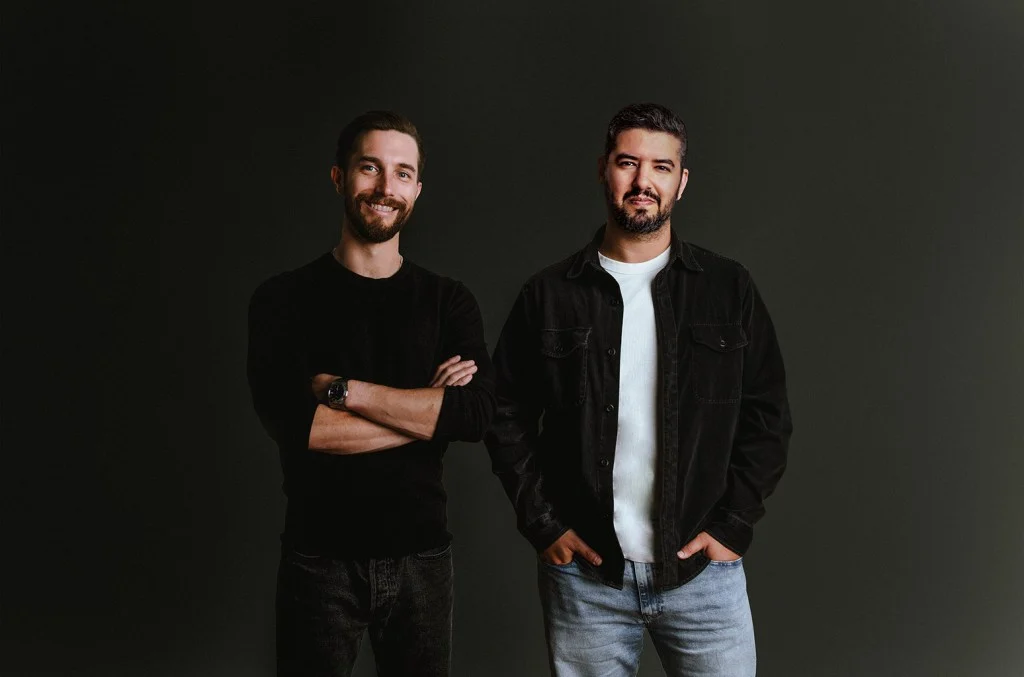
Create Music Group (CMG) has acquired indie electronic label Monstercat.
Founded in Waterloo, Canada, in 2011 and now with offices in Toronto and Los Angeles, Monstercat will continue to be operated by president Daniel Turcotte, vp Orri Sachar and director of finance Rob Hill. Monstercat founders Mike Darlington and Ari Paunonen will have advisory roles.
The acquisition will provide Monstercat with access to CMG’s global infrastructure, media portfolio and capital — enabling it to offer more competitive deal structures and better marketing support while expanding its global presence.
Beyond the acquisition, Create plans to invest an additional $50 million into the label over the next two years, with the money specifically going towards artist development, advances, and support for new signees and longtime roster artists.
Since 2011, Monstercat has released more than 8,000 recordings from artists across the electronic spectrum, including Kaskade, Alan Walker, Vicetone, Punctual, Whipped, DJ Diesel (the artist name of Shaquille O’Neal), Koven and more. Monstercat sublabels servicing various subgenres include Uncaged, Silk and Instinct.
Trending on Billboard
“Our mission has always been to build sustainable, long-term careers for exceptional artists,” Turcotte said in a statement. “Create gives us the reach and support to do that at a larger scale, without changing what makes Monstercat special. We’re still artist-first — only now with more tools to serve them.”
“Monstercat is everything an independent label should strive to be — exclusive, globally trusted and capable of breaking artists and songs at the highest levels,” added Create Music Group co-founder/CEO Jonathan Strauss. “Mike, Ari, Daniel, Orri, and the entire Monstercat team have built a culture and community at a scale rarely achieved in the music industry. We are excited to support their mission.”
The news marks the continuation of a recent acquisition spree by Create, with the company announcing in March that it acquired both the deadmau5 catalog and the catalog of the producer’s mau5trap label in a deal valued at $55 million. In April, it announced its acquisition of longtime indie electronic label !K7.
In 2024, Create received $165 million in backing from private equity company Flexpoint Ford, with Strauss at the time saying that the money would be used to scale operations, expand services and fund acquisitions.
The company is now aggressively pursuing acquisitions and investments in key indie labels and artists, with a goal of building intellectual property that can be successfully exploited via its platform. A representative for Create says this platform includes distribution and an owned audience that generates more than 200 billion monthly music streams on digital service providers.

Billboard’s Dance Moves roundup serves as a guide to the biggest movers and shakers across Billboard’s many dance charts — new No. 1s, new top 10s, first-timers and more.
Explore
Explore
See latest videos, charts and news
See latest videos, charts and news
This week (on charts dated May 3, 2025), David Guetta, ZULAN, Dom Dolla and others achieve new feats. Check out key movers below.
David Guetta & Sia
David Guetta and Sia’s latest collaboration, “Beautiful People,” rises 3-1 on Dance/Mix Show Airplay thanks to a 19% increase in plays (among 24/7 dance reporters and pop stations’ mix show hours) in the April 18-24 tracking week, according to Luminate.
The song earns Guetta his 18th No. 1, extending his record for the most in the chart’s 22-year history. It’s also Sia second, after her previous collab with Guetta, “Let’s Love,” in 2020.
Trending on Billboard
David Guetta’s Dance/Mix Show Airplay No. 1s“The World Is Mine,” feat. JD Davis, 2007“Love Is Gonen,” with Chris Willis, 2007“When Love Takes Over,” feat. Kelly Rowland, 2009“Sexy Chick,” feat. Akon, 2009“Gettin’ Over You,” with Chris Willis & feat. Fergie & LMFAO, 2010“Without You,” feat. Usher, 2011“Turn Me On,” feat. Nicki Minaj, 2012“Stay (Don’t Go Away),” feat. Raye, 2019“Let’s Love,” with Sia, 2020“Bed,” with Joel Corry & Raye, 2021“Heartbreak Anthem,” with Galantis & Little Mix, 2021“I’m Good (Blue),” with Bebe Rexha, 2022“Baby Don’t Hurt Me,” with Anne-Marie & Coi Leray, 2023“I Don’t Wanna Wait,” with OneRepublic, 2024“In The Dark” with Armin van Buuren & feat. Aldae, 2024“Never Going Home Tonight,” with Alesso & feat. Madison Love, 2024“Forever Young,” with Alphaville & Ava Max, 2025“Beautiful People,” with Sia, 2025
Guetta has achieved numerous other records on Dance/Mix Show Airplay, including the most top five hits (32), top 10s (44) and overall entries (67).
Most No. 1s on Dance/Mix Show Airplay18, David Guetta16, Calvin Harris12, Rihanna10, The Chainsmokers8, Ellie Goulding7, Anabel Englund7, Madonna6, Dua Lipa6, Tiësto
Along with “Beautiful People” and “Let’s Love,” Guetta and Sia previously charted together on Dance/Mix Show Airplay with “Titanium” (No. 2 peak in 2012); “Wild One Two” (by Jack Back featuring Guetta, Nicky Romero & Sia; No. 14, 2012); “She Wolf (Falling to Pieces)” (No. 8, 2013); “Bang My Head” (No. 6, 2016); and “Flames” (No. 27, 2018).
ZULAN
ZULAN makes her first appearance on Billboard’s charts this week with her debut track, “Forever.” The song, which she self-released April 11, opens at No. 22 on Hot Dance/Electronic Songs, powered by 630,000 official U.S. streams. “Forever” is a sped-up dance remix of Clairo’s 2018 song “4EVER.” ZULAN co-produced the track with New York-based producer/engineer Aire Atlantica, whose credits include work with SZA (“Low”), plus Doechii, King Princess and Mariah the Scientist.
Hailing from Argentina, ZULAN performed “Forever” at Coachella’s Do Lab Stage April 12, along with several unreleased tracks, including a remix of Ravyn Lenae’s viral hit “Love Me Not.”
Dom Dolla & Kid Cudi
The pair’s new collaboration, “Forever,” debuts at No. 9 on Hot Dance/Electronic Songs with 1.5 million streams in its first week. Released on Three Six Zero/Columbia Records, the song earns Dom Dolla his 10th career entry and third top 10, after “Rhyme Dust,” with MK (No. 9 peak in 2023), and “Dreamin’,” featuring Daya in February (No. 5).
“Forever” is Kid Cudi’s third entry on Hot Dance/Electronic Songs, after “Memories 2021” (by David Guetta featuring Kid Cudi; No. 31 peak in 2021) and “Summertime,” with Skrillex (No. 17, 2023).
Marshmello & Kane Brown
Marshmello and Kane Brown’s “Miles On It” spends a milestone 50th week at No. 1 on Hot Dance/Electronic Songs thanks 8.2 million in radio audience and 5.5 million streams. It’s just the third song in the chart’s 12-year history to reach the milestone.
Most Weeks at No. 1 on Hot Dance/Electronic Songs69, “Happier,” Marshmello & Bastille55, “I’m Good (Blue),” David Guetta & Bebe Rexha50, “Miles On It,” Marshmello & Kane Brown36, “Cold Heart (Pnau Remix),” Elton John & Dua Lipa33, “The Middle,” Zedd, Maren Morris & Grey27, “Closer,” The Chainsmokers feat. Halsey26, “Wake Me Up!” Avicii25, “Something Just Like This,” The Chainsmokers & Coldplay

All products and services featured are independently chosen by editors. However, Billboard may receive a commission on orders placed through its retail links, and the retailer may receive certain auditable data for accounting purposes.
If you’re a fan of super-shiny lips and glittery eyeshadows that capture the light, the disco glam trend is for you.
This trend has been showing up everywhere from music videos and movies to red carpets and at music festivals — it’s even transcended from a nighttime trend to an around-the-clock option. Celebrity makeup artist Hannah Jaclyn created a stunning disco glam looks on Miley Cyrus in the past, similar to the one seen in her new “Something Beautiful” music video. We spoke with different makeup artists to find out how to create this look so you can try out the trend for yourself.
How to Create a Disco Lip Look
To create a more sheer but glitter-heavy look, Jaclyn starts with a lip oil that helped smooth the lips so that the base was hydrated and devoid of any flakiness or texture. From there, she uses Jouer’s lip topper, which is super shiny and incredibly long-lasting.
Explore
Explore
See latest videos, charts and news
See latest videos, charts and news
If you want even more depth and shine, Urban Decay’s head of global artistry Steve Kassajikian explains how to use eyeshadow on the lips. While it may seem odd, he suggests starting by setting your lips with a translucent setting powder before applying your favorite lipstick. “Then take a loose or pressed glitter eyeshadow and press it against the lips with your finger and finish it off with a gloss,” Kassajikian told Billboard. “For depth, you can line the lips as well to give the glitter a bit of dimension.”
Trending on Billboard
Kassajikian notes that liquid lipsticks are often known for their long-lasting qualities, so they may be the best option for music festivals when you need real staying-power. Here are the products recommended by Jaclyn and Kassajikian.
Jouer Long Wear Lip Topper
Urban Decay Vice Lip Bond Glossy Longwear Liquid Lipstick
Urban Decay 24/7 Glide-On Waterproof Lip Pencil
$20.00
$25.00
20% off
Urban Decay 24/7 Moondust Glittery Eyeshadow
How to Create a Disco Eye Look
Both Jaclyn and Kassajikian suggest applying a base layer to the lid, either a cream or liquid eyeshadow or a primer intended specifically for the lids. This not only helps the glitter pop, but it will help the shadows really stick and prevent fallouts. “You can also use a powder glitter first and then use a liquid glitter on top with a fluffy eyeshadow brush,” says Kassajikian.
From there, press powder shadows into the lid with your fingertip or a dense flat brush. If you’re partial to a brush, Kassajikian suggests spraying it with a setting spray before dipping it in the shadow. To further prevent fallouts, apply a layer of translucent setting powder under the eyes so that any glittery particles can be swept away with a brush. Kassajikian also notes that liquid eyeshadow formulas can be easier to use and more long-lasting. Here are product recommendations from both artists.
Jouer Cosmetics Crème Eyeshadow Stick
Jouer Paris Lights Eye Paints
Urban Decay 24/7 Glaze-On Shimmer Liquid Eyeshadow
Urban Decay All Nighter Waterproof Makeup Setting Spray
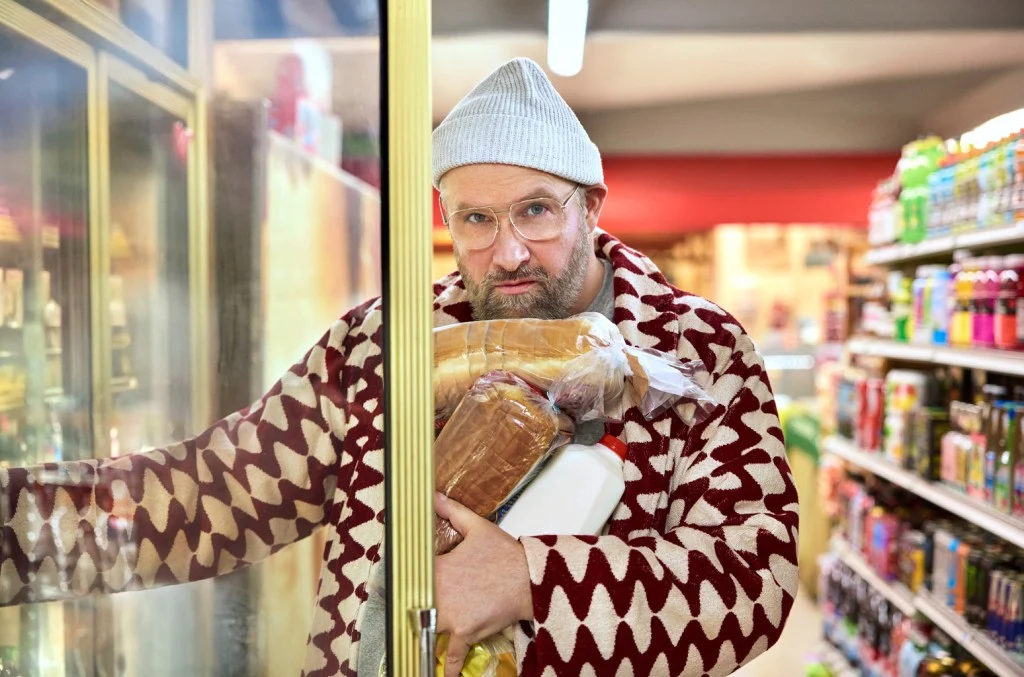
It’s a warm Tuesday afternoon in the deep San Fernando Valley, and the only day of the week Claude VonStroke is currently taking meetings.
The producer takes me through the cozy kitchen of his sprawling home, then across the verdant backyard, to a guest house that’s been converted into an office space. Here, his wife Aundy works in a room just behind the gleaming grand piano that dominates the primary space. Upstairs, where he works, the little attic is hot with many humming music machines.
He’s been up here most days lately, getting into creative flows that didn’t come as easily when he and Aundy were running Dirtybird — the label, events company, merch brand and long-running cultural hub that was synonymous with Claude VonStroke, the artist born with the all-time cool name Barclay Crenshaw.
VonStroke sold Dirtybird to EMPIRE in 2022, leaving the company he’d created alongside his wife, and which was home to a sprawling community of artists and signature sound that helped shift house music culture in the United States over the last ten-plus years. As fun as the Dirtybird Campouts, other brand parties and music all had been, running a company whose success was predicated on streams, relentless touring and ticket sales was also acutely stressful.
Trending on Billboard
Now that he’s no longer spending his days fretting about P&L, VonStroke spends most of his time making music — except for this day of the week, when he sends emails, takes meetings, schedules social gatherings and generally tends to business. This new phase of his life is something that his publicist enthusiastically describes as “a full-on reintroduction to the world of Claude VonStroke, complete with a new creative direction and sound.”
The reinvention that VonStroke has been privately working on for years publicly starts today (April 25), with the release of a two-track EP, I Was the Wolf, which contains the title track and its cinematic B-side “Move With the Pack.” The project is the first release of a load of new music created in a time where much of the week just consists of being up in the little room, unbothered and happily toiling away.
At the family picnic table, Claude VonStroke sits down to talk about selling Dirtybird, the soul searching that followed and why now, he just wants to be like Bill Murray.
The way that this project has been framed is Claude VonStroke 2.0, a complete new era.
I mean, kind of.
Unpack that for me.
I started Dirtybird Records after a bunch of us started these free park parties, and I did it for 20 years. By the end, it was not a record label — it was a festival company, a clothing company, a record label and a pipeline for every new tech house artist ever. Like, every name came through there.
So I was listening to 600 demos a week, putting on a festival ourselves with no additional money, building cities in the middle of nowhere, freaking out about tickets every single day of the year. Doing 10 BBQ [parties], another circuit of parties. I got to a point where I was like, “This is so awesome. I got way further than I could have ever imagined. I did 10 festivals at least, and it was fantastic.” I knew during the last festival that it was [done]. I always told myself that when it stops being fun, I should just get out before it becomes un-fun. So I found someone who wanted to keep it going at EMPIRE, and that all worked out really well. So it was just a win-win scenario where they took it over, and I’m able to do whatever I want, and it’s fantastic.
So how is your life different today than it was before you sold the label?
The label sale happened at the end of 2022, and we just sold them the events company. They didn’t buy them together, which is why all of these [new Dirtybird] events just popped up… We tried to sell it all the first time. They didn’t want everything at first, and then they realized what we told them, that you actually need it. The label and the events go together. They’re symbiotic. Which is kind of what I’m doing again, but the new idea is the opposite of that idea, where now I’m kind of in my Moodymann phase where it’s like — I did everything that was hard, and now I only want to go to the rooms that are fun and interesting and it doesn’t matter what the money is. I just want to make tracks I think are interesting. And it’s more about space in my head and the love of music.
Versus relentless pushing every day?
Versus just keep going up the ladder, and “We need to do this to get this.”
I imagine there was a decompression phase?
I was probably the most annoying person to my wife for the six months after the sale. I got all in a funk and was like, “What am I doing?” I read about when other people sold their companies, and it was very similar. Like, you did something forever and you’re not doing it.
“What’s my identity, now that I’m not that guy?”
I actually went and figured it out. I went and did my bass project for 18 months. That was super fun, and then at the end of that, I was like, “Well, I’ll keep doing that, but I still like house music, but I’m glad I had a break. And now I can come back to it with a different perspective.”
How has the perspective changed?
It’s like what I was saying before. I’m just doing it for fun, only. I’m just doing it for me, I guess.
At what point did Dirtybird stop being fun?
Well it was always fun, but it was hard. It was maybe the last two or three years that I felt the sound had been kind of boxed in. As the tech house bro sound emerged, we got blamed for it, and then it went that way.
Do you take any of that blame?
Oh yeah. We brought Fisher through, John Summit, Shiba San. Even if we had their first record, they all came through our shop. So yes, of course. I wasn’t going in that direction anymore, so for me to be like “Okay, somebody wants this, because it’s freaking going crazy,” that was a good point to leave.
The two new tracks that are out sound pretty different than your previous stuff. How do define what you’re doing now, and what phase would you say you’re in?
It is kind of pulling back to 2005, 2006 German stuff that I was really into. My favorite label is Playhouse, which doesn’t even exist anymore, and artists like Roman Flügel and Isolée and these kind of guys. I was always obsessed with that stuff, and it’s kind of like that stuff, but also none of that stuff holds up sonically anymore. They’re still unbelievable tracks, but over the last 18 months producing bass music I’ve learned a lot of great production stuff. Honestly I’m probably a three times better DJ, because bass is all fast cuts and chops and moving around, and house music seems like it’s DJ-ing for dummies at this point.
That might have to be a pull quote.
I just got way better and way more skilled doing bass music, because it’s all sound design, and highly intensive and figuring out that I’m going to use five sounds, and they’re the best possible sounds, versus using 14 and just layering them up until they work. It’s a different philosophy of working.
One of the biggest things that I can’t even really explain is that for seven years that I worked here [at the house], I spent all this money on the downstairs room to try to fix a room that was never going to be fixed. The bass and everything is just f—ed in that room. My wife told me to move upstairs five years ago, and I didn’t listen to her. Then as soon as I moved upstairs, it’s the perfect shape and all my stuff just went [he makes a motion like his mind is being blown]. You make a song and it actually sounds the same in the club. All my rooms were bad until this year or last year. My entire career! I would have to go play like, 30 gigs before I could finish a track.
That’s bananas.
It’s a lot of getting depressed at the show, like, “This song sucks.”
Does that now give you a new level of confidence that you can go out and know things are right from the jump?
Yeah, it’s crazy. It’s a life-changing moment, actually, that the room actually works.
What is the music sounding like, beyond the two tracks that are out now?
It’s interesting the way this is all shaping up. You know how people say that you just say something, and it starts coming true? It’s rolling out like that, which is always fascinating. It does happen. I found a beat that I liked, and was trying to hammer it out, then I accidentally moved some of the sounds around and it became a completely different thing, and I finished the whole thing in one day, which I the best possible scenario. Every time that happens, it’s very good. [He talks about a collaboration he made a few days ago with Reggie Watts, who came over to the house to record vocals.] I’m probably not even supposed to be talking about it, but who cares, because no one’s in charge of me! There’s no record label telling me that I can’t talk about releases coming up, there’s no one telling me I can’t talk about who I’m working with.
In terms of a label, who’s releasing this music?
I’m just doing it DIY. No label. Just distribution.
Do you have an idea of what success for the music will look like for you?
No. I don’t know. [laughs] I think as long as I like them a lot. I guess that’s really Rick Rubin to say, but that’s all it is. I can’t control it, really. I hope certain tracks find their way to the people that they’re meant for. But I’m not trying to get the biggest tech house artist to play “I Was the Wolf.” That’s not a track for them. I just hope they make it into their niches.
Where does this new music bring you in terms of touring?
I really just want to go to the rooms that I either know that I already love, or that I want to try out. But that’s one thing you can get wrapped up in, that I was definitely wrapped up in. Like, “Oh, we better play this, so this guy will let us play this, so we can over here and play this show so we can be in this.” Politics. I’m not doing any of that.
What rooms do you love?
I love this room in Dallas called It’ll Do. Perfect house club, perfect layout. I like Coda in Toronto. I like Walter Wherehouse [in Phoenix]. I’m trusting my agent, and he says Knockdown Center is the coolest and most fun place in New York, so I’m going to check it out.
You’ve been doing this for a long time. Do you have any particular feelings about being a veteran in the scene?
There were people that I looked at like, “That looks like absolute best life.” It was people like DJ Harvey and Moodymann and people who are just living on their own timeline and their own sphere of influence and not really caring if they miss five phone calls or answer everyone’s emails. I remember towards the last few years, being like “these guys are f—ing geniuses.” DJ Koze too. This little enclave of guys where you can’t really contact them. Nobody knows what they’re doing.
They’re playing a flute in a cave on a mountain.
That’s kind of where I’m headed, if I can. It’s like the Shangri-La of DJ-ing. I’ll be with the goats on the mountain and people will be like “fly in the helicopter! He’s got to take this phone call!” Like the Bill Murray of DJ-ing.
How do you think Dirtybird shifted dance music culture?
Dirtybird made this shift in American house music, because in 2015 I said, “Okay my kids are at this age, I can’t go to Europe every other week anymore, so let’s literally be the best house music label in America and only crush America.” Then it was, “Let’s do festivals, crazy merch, hammering it through this US based producer pool.”
That changed what people thought of house music. There were these original Detroit and Chicago labels, but they weren’t bridging this gap to 18-year-olds, so we were like, “Here we are.” I always say we were like a gateway drug between Damian Lazarus and commercial dance. You start here and then you come to us and then you end up in a K-hole. I’m kidding! But you know what I mean.
So to what extent does this shift you’re in now have to do with your kids being older and you being able to go back out to Europe?
Everything. All the pieces make sense. Now my son’s in college, my daughter is applying to college. Everything is just making it easy to be like this. I’m not killing myself because this is due and this is due. It’s just a totally different thing.
Veteran record label executive Gina Tucci has launched a new independent dance label, 146 Records. Today’s launch happens in conjunction with the label’s first release, “Sunrise,” by rising Swedish producer Discrete.
146 Records is based in New York City and currently has a team of four. Distribution is being handled by Virgin Music Group, where, Tucci says, “we benefit from their extensive industry expertise, global reach and robust distribution capabilities to effectively launch and scale our artists’ music.”
“For years, I’ve envisioned an electronic dance music label that nurtures artists with a song-first approach, prioritizing the music above all else,” she continues. “At 146, we provide artists the necessary time, resources and attention to produce their best work. My goal is to discover and develop the next generation of dance music talent, crafting the kind of hits that become classics, hits that resonate decades from now. I want 146 to feel like a creative home — a place artists can experiment, collaborate closely with me and our team, and leverage cutting-edge technology. The goal is to build enduring music catalogs that sustain lifelong careers.”
Trending on Billboard
Prior to founding 146, Tucci was the longtime head of Atlantic Records’ dance imprint Big Beat Records, the label founded by Atlantic Records CEO Craig Kallman in 1986. Here, Tucci helped lead the label’s 2010 relaunch and over the next 14 years broke acts including Skrillex, Clean Bandit, Icona Pop and Joel Corry, bringing dance music to new levels of visibility in tandem with the genre’s early 2010’s explosion in America. In the role she also led A&R creative for Galantis, Martin Solveig, Cash Cash, The Knocks, 100 gecs, Tiësto and more. Tucci has appeared on myriad Billboard Dance Power lists through the years.
“I bring to 146 the rigorous standards and global perspective I developed running Big Beat at Atlantic Records under Craig Kallman for over a decade,” Tucci says. “At Big Beat, I learned firsthand the intricacies of successfully launching and breaking dance records globally, recognizing that each rollout requires a uniquely tailored strategy. Dance music has always thrived on global connectivity, and I’m adept at leveraging data-driven insights to map out precise, effective release strategies that connect deeply with audiences worldwide.”
Today’s release from Discrete begins a weekly release schedule where, says Tucci, “we’re diving headfirst into exploring the new sound designs and grooves, but the art of great melodies will always remain paramount.” Discrete’s upcoming tour dates include May shows at Elsewhere in New York City and EDC Las Vegas.
“A lot of today’s tracks flash moments of brilliance but don’t fully ignite,” Tucci continues. “At 146, we’re closing that gap. We’re committed to sweating every detail, inspiring our artists to leave no creative stone unturned. It’s about elevating dance music from disposable moments into timeless anthems.”

The Chainsmokers dropped a remix of Chappell Roan‘s “Pink Pony Club” on Thursday (April 24), with the duo shaving down the original from four-plus minutes to a tight two-minute and 11-second edit. The remix bounces along on a dark house beat before taking a turn into brighter and quintessentially Chainsmokers sonic terrain around the one-minute […]
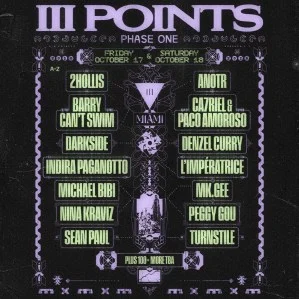
Miami’s long-running festival III Points has announced the phase one lineup for its 2025 edition.
The two-day fest will feature sets from artists including 2Hollis, Michael Bibi, Peggy Gou, Darkside, Barry Can’t Swim, Indira Paganotto, Nina Kraviz, Sean Paul, Anotr, Ca7riel and Paco Amoroso, Denzel Curry, L’Imperatrice, Mk.Gee and Turnstile.
III Points 2025 will happen Oct. 17-18 at its longtime site at Miami’s Mana Wynwood. Tickets go on sale Thursday (April 24), with lineup additions to be announced in the coming months.
2025 will mark the festival’s 11th edition since it launched in 2013. The festival was founded by a trio of Miami natives, and over the last decade, has become a standout event on the U.S. electronic festival circuit, while also helping elevate Miami as one of the crown jewels cities in the country’s electronic scene.
The festival, which partnered with Insomniac Events in 2019, has a strong focus on local culture, typically booking many acts from the Miami scene and bringing in food and craft vendors who reflect the city’s thriving local culture.
Trending on Billboard
“I think it’s just very authentically Miami, and a real time capsule of Miami sonically and visually right now,” III Points co-founder David Sinopoli told Billboard in 2023. “I think people feel that when they come.”
“We’re thrilled to be bringing III Points back to Miami for its 11th installment”, Sinopoli adds in a statement. “It is not easy navigating a forward-thinking, multigenre festival in the North American music landscape nowadays 一 but I believe our commitment to our Miami music community has been the guiding force for us.”
See the III Points phase one lineup below:
III Points 2025
Courtesy Photo
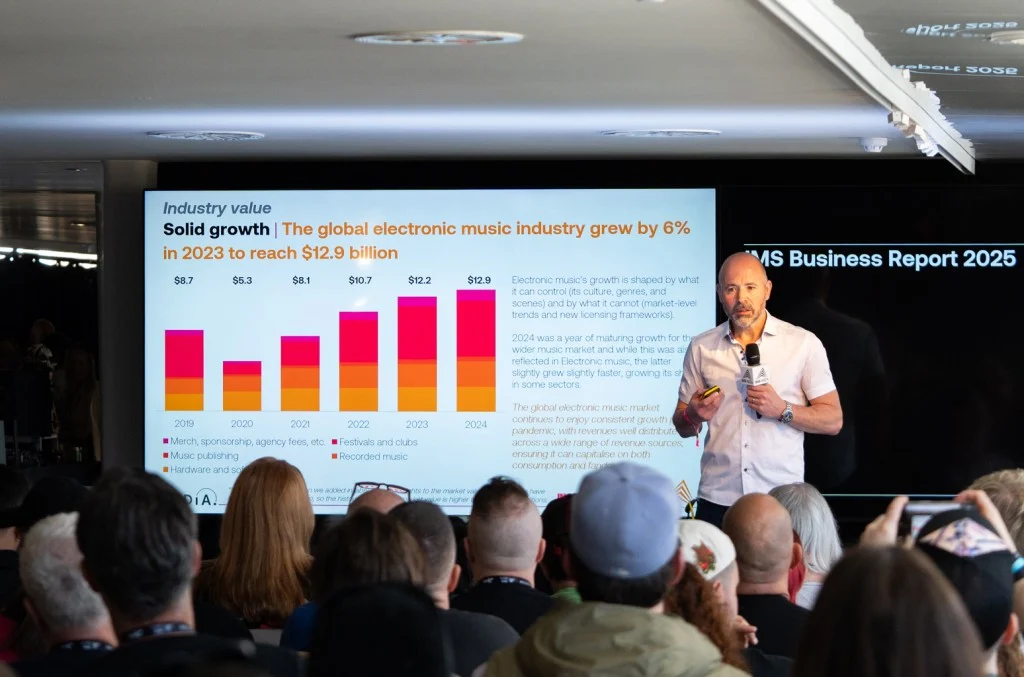
IBIZA, Spain — The annual dance industry conference IMS Ibiza began today (April 23) on its namesake island, with hundreds of people from around the sector gathering for three days of discussions, presentations, panels, music and more looking at the global electronic music scene and industry from all angles.
As is tradition, the Summit began with the presentation of the annual IMS Business Report, which tracks the key trends from the global business over the last 12 months. Marking its 11th edition this year, the report was authored by MIDiA Research’s Mark Mulligan and is available here.
Mulligan also presented the report to a packed room on Wednesday afternoon, giving context to the data and illustrating that while revenues may be lagging in clubs and festivals, electronic music culture is booming both on and offline. These are 11 key findings from the 2025 report.
Trending on Billboard
1) Streaming Is Way Up in the Global South
The report finds that while streaming revenue growth slowed to 6% in 2024, subscriber growth saw huge gains, with the overall streaming sector seeing a 12% growth in its subscriber base.
Incredibly, nearly four fifths of this growth came from Global South markets, an area the UN Trade and Development organization defines as comprised of Africa, Latin America and the Caribbean, Asia and Oceania. Mulligan noted that Global South statistic is especially crucial given that user growth will eventually give way to global cultural growth “as these users drive the rise of large local music scenes that will increasingly export their sounds to the West.”
The reports also found that Spotify stayed in the lead in terms of DSPs, maintaining its 32% market share and registering more than a quarter of a billion subscribers globally. The report notes that “YouTube Music was the only other global DSP to also enjoy strong growth in 2024, gaining to a 10% market share.
2) Electronic Music Is a Market Leader
The report notes that electronic music has the top or second highest count of Spotify followers in nine of the genre’s top 13 markets, compared to hip-hop, Latin and rock. And while Latin and hip-hop growth may be statistically stronger, the reach of these audiences, especially Latin, varies strongly by region, versus electronic music’s more global growth.
Additionally, the world’s top four electronic music markets — Germany, Australia, the U.S. and U.K. — all gained significant listener counts in 2024, although Mexico, the U.K. and Germany saw the highest growth, respectively. (Incredibly, electronic music was up 60% in Mexico.)
Meanwhile, electronic music consumption is considered endemic in The Netherlands and Australia, where the report found that the number of monthly electronic music listeners on Spotify is higher than the total population. (This is possible because individuals can consume more than one style of electronic music on the platform.)
3) Electronic Music Fans Over-Index For Time & Money Spent
Mulligan repeatedly emphasized the crucial nature and influence of IRL scenes, which dance music excels in cultivating and which many younger people are prioritizing over online existence.
“This idea of scenes is going to become more and more important,” he said, “because superstars are getting smaller and everything is fragmenting. It’s time to look simply beyond the stream counts, beyond the social numbers to measure the cultural impact, even though that’s nearly impossible to do. But that’s probably a good thing. If it’s not measurable, it’s harder for people to go and overtly commercialize it.”
He referred to culture as “the fuel in the engine,” saying that things like revenue, stream counts and social and followings “will come as a result of the culture. So the fact that the cultural indicators are beginning to really light up in 2024 points to a really strong few years coming up.”
4) Revenues in Ibiza Were Up, But Ticket Sales Were Slightly Down
The report notes that the average number of events per venue on the island “is on a steady, albeit modest decline and ticket volumes were down in 2024, with higher average ticket prices thereason that revenues were up once again. “You keep charging people more until they can’t afford it anymore” said Mulligan, “and there will come a point when people say ‘I literally can’t afford any more for this at the moment.’” This is especially true now, he noted, in a period of global economic uncertainty.
5) Afro House Continues to Rise
Mulligan reported that Afro-house “has absolutely rocketed” in the last year, while drum & bass is also in a “real era of resurgence.” A survey of the digital sample library Loopcloud indicates a large rise in samples of African music genres, suggesting the genre will continue growing.
6) Hard World = Hard Music
The Loopcloud survey also found a rise in harder electronic genres like hardcore and hard dance, while “softer” genres like ambient and chill out are going down and losing share. This is, Mulligan posted, is “because culture reflects the world around us. It’s a crappy world out there at the moment. There’s wars and famine and inequality, and I think that’s beginning to really come through in the music that people are making and the music that people are listening to.”
7) There’s Been a 45% Growth of Electronic Music Hashtags on TikTok
Amapiano and trance saw especially big growth on the platform. “Again,” Mulligan said, “there are all of these cultural indicators that are growing more strongly than the revenue indicators are.”
8) SoundCloud Also Remains a Strong Cultural Indicator
The platform saw 100% growth in uploads of UKG (UK garage) with jungle uploads also up 45%.”These tend to the genres that tend to be owned by Gen Z and even Gen Alpha,” said Mulligan. “SoundCloud has so many of these bootleg remakes … of course [the people who make them] can never get the rights cleared and put them onto Spotify, but a lot of this culture is happening online on places like SoundCloud.”
9) Music Catalog Investors Have a Growing Interest in Dance
“Mainly what happens is old white males invest in old white males, so you still see the Bob Dylans [of the world getting invested in], but we are beginning to see more and more of other genres,” Mulligan said of investor acquisitions of artist catalogs. The report states that the share of catalog deals for electronic artists doubled between 2020 and 2024, with recent notable examples including Kevin Saunderson, Tiga and deadmau5.
10) Dance Music’s Gender Divide Persists
In terms of the number of people producing music and playing events, Mulligan reported that “this is still a heavily male world,” although there’s also been a slight increase in the representation of female artists. This determination is based on a survey of data from AlphaTheta, where the registered userbase, the report says “points to the steady rise of female DJs, many of whom will be inspired by the growing share of top DJs that are now female.”
“We are beginning to see change,” Mulligan added in his presentation. “It’s not dramatic, but it’s good and steady progress.”
11) The Global Electronic Music Industry Was Valued at $12.9 Billion in 2024
This number includes live, merchandising, sponsorships, recorded music, publishing, music hardware and software, clubs, festivals and more. The number represents a 6% growth over 2024, which Mulligan noted “might not sound huge, but remember live music revenues — festivals and clubs — which is a really big part of the revenue mix, is beginning to slow, so that sort of drags down the overall numbers. But most importantly, the culture is absolutely booming. With 0.6 billion new social followers of electronic music followers in 2024 they’re the foundation for what’s set to be a really vibrant few years.”