Business

Sevdaliza Signs to Sony Music Publishing

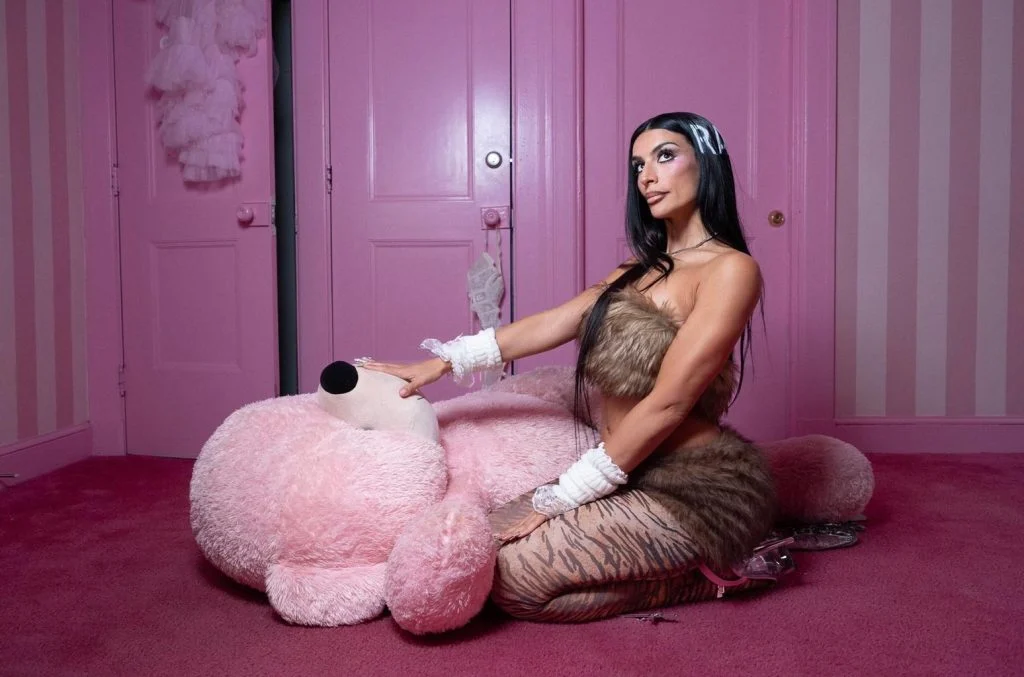
Iranian-Dutch singer, songwriter and producer Sevdaliza has signed her first-ever publishing agreement with Sony Music Publishing.

Known for releasing boundary-pushing music for the last decade, beginning with her EP The Suspended Kid in 2015, Sevdaliza reached new heights last year with her viral single “Alibi” featuring Pabllo Vittar and Yseult, which became her first Billboard Hot 100 hit, “Ride or Die Pt. 2” featuring Tokischa and Villano Antillano, and “No Me Cansaré” with Karol G.

Now, the Dutch-Iranian singer, songwriter and producer is taking her latest hits on the road — performing a series of avant garde shows in São Paulo, Mexico City, Los Angeles and Brooklyn that combine her music with visual art and storytelling. She’s also in the process of releasing her next “era” of music, starting with “Maria Magdelana” featuring Brazilian duo Irmãs de Pa — a song which recasts the Biblical figure as a symbol of feminism and resilience.

As music listenership becomes increasingly global, Sevdaliza has become a modern globe-trotting pop star, unafraid of crossing borders and genres for the sake of art. To support her rise, Sevdaliza also signed a deal with digital-savvy label broke records last year.

Trending on Billboard

“I am excited to expand my creative work in songwriting and composing on a global scale with the world’s leading music publisher, and look forward to collaborating with their incredible roster of talent” says Sevdaliza of the new deal.

“Sevdaliza is a one of one artist and songwriter who has forged a path for herself unlike anyone else,” added Sony Music Publishing’s Senior Manager, Creative A&R, Adam Ikner. “Sevda’s relentless pursuit of creative excellence in every aspect is unmatched, and we are honored to be part of her team as she enters this exciting stage in her career!”

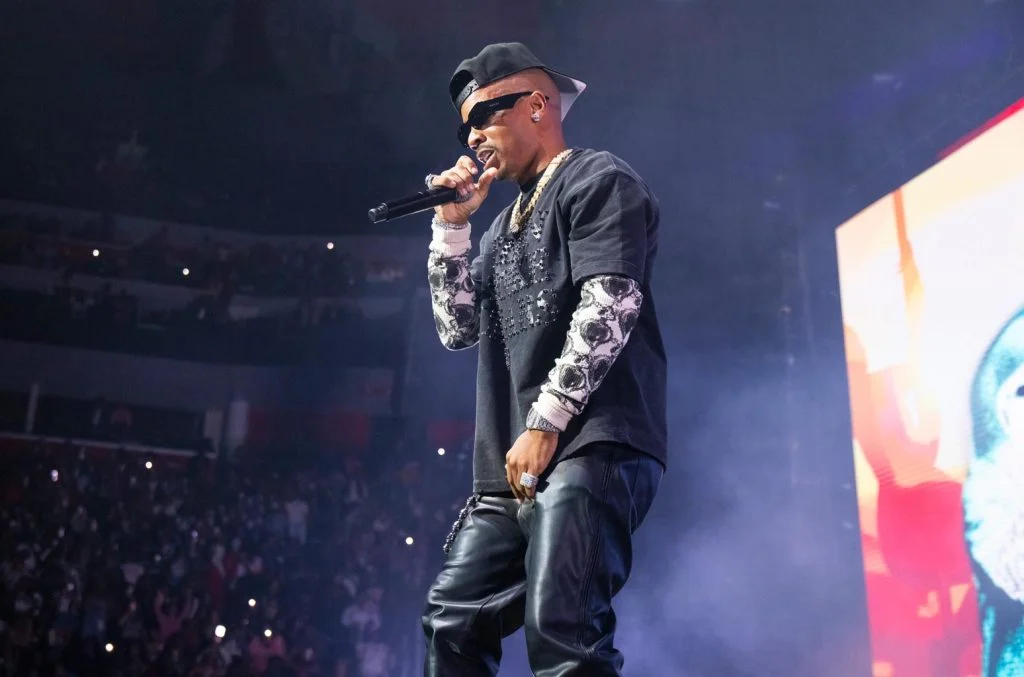
Plies Drops Lawsuit Against Megan Thee Stallion, GloRilla Over Soulja Boy Sample In ‘Wanna Be’

The rapper Plies has dropped a copyright lawsuit he filed against Megan Thee Stallion, GloRilla, Cardi B and Souja Boy over accusations that that the 2024 song “Wanna Be” featured an uncleared sample.

Filed in federal court last year, the case claimed that Megan and GloRilla stole Plies’ material indirectly by legally sampling a Soulja Boy song – a track that the lawsuit alleged had itself illegally used material from his 2008 track “Me & My Goons.”

But in a motion filed Friday, Plies (Algernod Washington) voluntarily dismissed his entire lawsuit against the stars. He did so “without prejudice,” meaning he could refile it in the future, but for now the case is closed.

Trending on Billboard

An attorney for Plies did not immediately return a request for comment on why the case was dismissed. Court documents did not indicate that any kind of settlement had been reached.

“Wanna Be,” released by Megan and GloRilla last April, debuted at No. 11 on the Hot 100. A remix, featuring Cardi, was released in late May. The song features a prominent sample of Soulja Boy’s 2010 track “Pretty Boy Swag,” which spent 16 weeks on the chart that summer.

Plies, best known for his 2007 singles “Shawty” and “Hypnotized,” filed his case in November, naming all four stars (Megan Pete, Gloria Woods, Belcalis Almanzar and Deandre Way) as defendants.

“Defendant Soulja Boy authorized Megan Thee Stallion and GloRilla to sample [his song],” lawyers for Plies write. “[Wanna Be] incorporates substantial elements of the copyrighted material underlying ‘Me & My Goons,’ without authorization from plaintiffs.”

Such accusations – claiming that a legal sample featured an unlicensed sample – have become increasingly common. While all samples in major releases are strictly cleared, copyrighted material featured within the sampled songs can sometimes be trickier to catch. In the last year, Barry White’s estate filed a lawsuit claiming Future and Metro Boomin’s “Like That” sampled from a 1980s hip-hop song that had ripped off White’s music, and a New Orleans group briefly sued Beyoncé for the same thing over a sample of Big Freedia featured in “Break My Soul.”

Beyoncé Cowboy Carter Tour Sells 94% of Ticket Inventory, Plus a New Date Is Added

Ticket sales for Beyoncé’s Cowboy Carter Tour are off to a galloping start.

Barely a month after pre-sales began and with six weeks until opening night, the world tour is at 94% capacity across all dates, according to new stats from promoter Live Nation. 

The Cowboy Carter Tour was announced on Feb. 3 with 22 shows in eight cities on either side of the Atlantic. In the ensuing days, demand forced additional dates in six of the eight markets, including two add-ons apiece in Atlanta and London.

But Queen Bey isn’t done yet, adding a 31st — and so far, final — date in a new location. Live Nation said on Monday that Beyoncé will bring the tour to Las Vegas’ Allegiant Stadium on July 25, returning to Sin City after playing two shows at the same venue during the Renaissance World Tour in 2023. 

The BeyHive Presale begins on Thursday, March 20 at noon PDT, with the Artist Presale at the same time on Monday, March 24. Additional pre-sales for Citi card members, Verizon Up, and Mastercard will also roll out in advance of the general on-sale (Tuesday, March 25). 

Trending on Billboard

The Cowboy Carter Tour follows the release of its namesake album. The set debuted atop the Billboard 200 last April and went on to win three record-extending Grammy awards, including album of the year and best country album. Beyoncé performed a Christmas Day NFL halftime show on Netflix, offering the first televised live performances of Cowboy Carter tracks and teased the tour announcement later that day.

Upon Beyoncé’s initial tour announcement, Billboard projected final earnings of $294 million from 1.1-1.2 million tickets. With her newest addition to a packed three-month schedule, Cowboy Carter Tour should exceed $325 million.

Diddy Pleads Not Guilty Ahead of May Sex Trafficking Trial

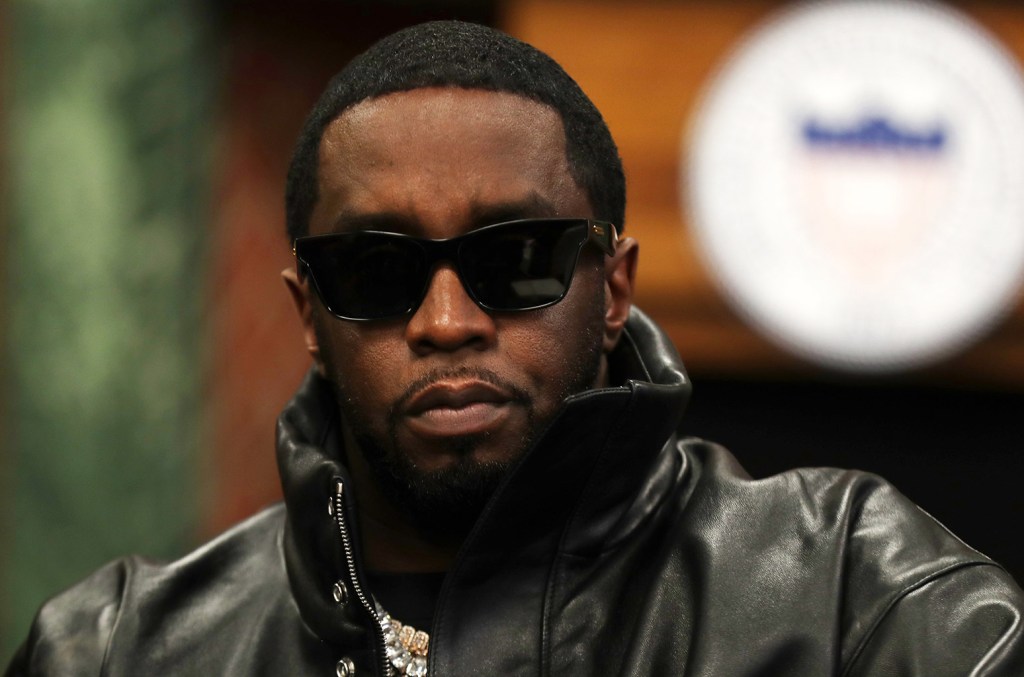
Sean “Diddy” Combs returned to federal court in New York City on Friday (March 14), pleading not guilty to the latest version of an indictment charging him with two decades of sex trafficking crimes.

The 55-year-old Combs, his beard noticeably grayer than even weeks ago, stood with his hands folded before him as he told Judge Arun Subramanian that he had read the indictment and understood the charges against him.

Combs, who has been held without bail since his September arrest, hugged two of his lawyers as he entered the courtroom and he blew kisses to family members and waved as he was led out by U.S. marshals afterward.

Subramanian told lawyers that questionnaires will be distributed to hundreds of prospective jurors at the end of April so that questioning of would-be jurors can begin on May 5, with opening statements expected to occur on May 12.

According to the indictment, Combs used the “power and prestige” he wielded as a music mogul to intimidate, threaten and lure women into his orbit, often under the pretense of a romantic relationship.

The indictment said he then used force, threats and coercion to cause victims, including three women specified in the court papers, to engage in commercial sex acts.

It said he subjected his victims to violence, threats of violence, threats of financial and reputational harm and verbal abuse.

“On multiple occasions, Combs threw both objects and people, as well as hit, dragged, choked and shoved others,” it said. “On one occasion, Combs dangled a victim over an apartment balcony.”

Defense lawyers have argued that prosecutors used the charges to try to demonize sex acts between consenting adults.

Part of the discussion in court Friday revolved around what will be allowed at the trial regarding a video that aired on CNN last year that showed Combs punching his former protege and girlfriend, the R&B singer Cassie, and throwing her on the floor in a hotel hallway.

Assistant U.S. Attorney Mitzi Steiner said the video was “critical to the case.”

Defense attorney Marc Agnifilo said the video was “deceptive and not in accordance with the actions that took place.”

He said certain actions were speeded up in the video by as much as 50% and others were taken out of order.

“From the defense standpoint, it’s a misleading piece of evidence, a deceptive piece of evidence, a piece of evidence that has been changed,” he said.

Steiner also said the government was reluctant to share information about accusers who may testify in the case with defense lawyers until deadlines arrive that require the information to be turned over.

She said many of the “individuals are incredibly frightened” not only at having their names revealed publicly but having them disclosed to defense attorneys.

Universal Music Group Shares Fall Nearly 9% on Pershing Square Stock Sale

The music business has earned a reputation for being recession-proof. In bad economic times, people still pay for their music subscription services and want to go to concerts. Some synch opportunities may dry up as advertisers make cutbacks, but overall, the music is a hearty business that doesn’t follow typical economic cycles.

Music business stocks, however, aren’t immune to fluctuations in the market and investors’ worries about the increasingly fragile state of the economy. This week, just three of the 20 companies on the Billboard Global Music Index (BGMI) finished with gains, and five stocks had losses in excess of 10%. Despite a host of strong quarterly earnings results in recent weeks, President Donald Trump’s tariffs on goods from Canada, Mexico, China and Europe have caused markets to panic, taking down music stocks along with the industrial and agricultural companies most likely to be affected.

The S&P 500 entered correction territory on Thursday (March 13) when it closed down 10% from the all-time high. The Russell 2000, an index of small companies, was down 18.4% from its peak. Most stocks improved on Friday (March 14) as markets rallied — despite a decline in the University of Michigan’s consumer confidence index — but the first four days of the week were too much to overcome. The S&P 500 finished the week down 2.3% and the Nasdaq composite closed down 2.4%.

Trending on Billboard

Markets outside of the U.S. fared better than U.S. markets. The U.K.’s FTSE 100 dropped just 0.5%. South Korea’s KOSPI composite index rose 0.1% and China’s SSE Composite Index improved 1.4%.

Even though 17 of the 20 companies on the BGMI posted losses this week, the index rose 0.5% to 2,460.71 because of Spotify’s 8.1% gain, and the dollar’s nearly 1% increase against the euro offset the weekly declines of 17 other stocks. Spotify is the BGMI’s largest component with a market capitalization of approximately $117 billion — more than twice that of Universal Music Group’s (UMG’s) $50.2 billion. The stock also received rare good news this week as Redburn Atlantic initiated coverage of Spotify with a $545 price target (which implies 5.5% upside from Friday’s closing price) and a neutral rating.

UMG shares fell 8.8% on Friday, a reaction to Pershing Square’s announcement on Thursday that it will sell 50 million shares worth approximately $1.5 billion. Pershing Square CEO Bill Ackman called UMG “one of the best businesses we have ever owned.” JP Morgan analyst Daniel Kerven admitted the news was “a near-term negative for confidence” in UMG but saw Pershing Square’s decision to sell shares as a move to take profits and re-weigh its portfolio (UMG was 27% of Pershing Square’s holdings) rather than a commentary about UMG’s long-term potential or recent operating performance. UMG shares ended the week down 8.2% to 25.46 euros ($27.78) but remained up 6.5% year to date. 

Live Nation shares dropped 6.5% to $119.22, marking the stock’s fourth consecutive weekly decline. During the week, Deutsche Bank increased its Live Nation price target to $170 from $150 and maintained its “buy” rating. On Friday, a judge denied Live Nation’s request to dismiss an accusation that the promoter illegally forced artists to use its promotion business if they wanted to perform in its amphitheaters. 

Other U.S.-based live entertainment companies also fell sharply. Sphere Entertainment Co. fell 10.1% to $31.55. MSG Entertainment dropped 1.3% to $31.46 despite Wolfe Research upgrading the stock to “outperform” from “peer perform” with a $46 price target. Vivid Seats, a secondary ticketing platform, fell 28.1% to $2.86 after the company announced fourth-quarter earnings. 

Radio companies, which tend to suffer when economic uncertainty causes advertisers to pull back spending, had yet another down week. iHeartMedia fell 12.0% to $1.61. Cumulus Media dropped 11.5% to $0.46. And SiriusXM, which announced layoffs this week, fell 10.1% to $22.67. Year to date, iHeartMedia is down 24.4% and Cumulus Media is down 40.3%. SiriusXM, on the other hand, has gained 1.4% in 2025. 

K-pop stocks also fell sharply despite South Korea’s market finishing the week with a small gain. HYBE, SM Entertainment, JYP Entertainment and YG Entertainment had an average decline of 7.4% for the week. Collectively, however, the four South Korean companies have had a strong start to 2025 and, after this week, had an average year-to-date gain of 19.3%.

Martin Garrix to Become First Artist to Play Three Nights at L.A. State Historic Park

Martin Garrix will play a trio of nights at the the L.A. State Historic Park this summer. According to a representative for the shows, this run will make the Dutch producer the first artist to ever play three nights at the outdoor L.A. venue.

Explore

Explore

See latest videos, charts and news

See latest videos, charts and news

The performances happen this June 27, 28 and 29. The rep adds that 40,000 tickets sold out immediately across the first two shows, with a third show added due to demand. Tickets for this final show are on sale now.

These performances will mark the first time Garrix has played in L.A. since 2016. The L.A. State Historic Park is a fixture in the city’s outdoor music scene, having hosted recent performances by dance artists including Dom Dolla, Afterlife and Zedd. The Park was also previously the location for festivals including HARD Summer and FYF.

Trending on Billboard

Today (March 14) Garrix also released a new single “Angels For Each Other,” with the song marking the first time in his 12-plus year career that he’s ever sung on one of his own tracks. “Angels For Each Other” is a collaboration with superstar Indian artist Aright Singh and also marks Singh’s first release for which he sings in English. Listen to the song below.

In the run-up to Garrix’s June shows in L.A., he’ll play various festivals around the world including Ultra Music Festival in Miami, Ultra Australia, Ultra Johannesburg, EDC Korea, EDC Las Vegas and his ongoing residency at Ushaïa Ibiza. The producer also recently took Billboard on a tour through his sprawling STMPD studio complex in Amsterdam. See that tour here.

Live Nation Can’t Beat DOJ Accusation That It ‘Coerced’ Artists With Access to Concert Venues

A federal judge says the Justice Department can move ahead with a key allegation in its antitrust case against Live Nation: That the company illegally forces artists to use its promotion services if they want to perform in its massive network of amphitheaters.

In a written ruling issued Friday (March 14), Judge Arun Subramanian denied Live Nation’s request to dismiss an accusation that the concert giant illegally required artists to buy one service if they wanted to purchase another one — known in antitrust parlance as “tying.”

Ahead of the ruling, attorneys for Live Nation had argued that it was merely refusing to let rival concert promoters rent its venues, something that’s fair game under longstanding legal precedents. But the judge wrote in his ruling that the DOJ’s accusations were clearly focused on artists, not competing firms.

Trending on Billboard

“The complaint explains that due to Live Nation’s monopoly power in the large-amphitheater market, artists are effectively locked into using Live Nation as the promoter for a tour that stops at large amphitheaters,” the judge wrote, before adding later: “These allegations aren’t just about a refusal to deal with rival promoters. They are about the coercion of artists.”

The decision was not on the final merits of the DOJ’s case; the feds must still provide factual evidence to prove that Live Nation actually coerced artists. But at the earliest stage of the case, when courts must assume allegations are true, Judge Subramanian ruled that the DOJ had done enough to move ahead.

The DOJ and dozens of states filed the sweeping antitrust lawsuit in May, aimed at breaking up Live Nation and Ticketmaster over accusations that they form an illegal monopoly over the live music industry. The feds alleged Live Nation runs an illegal “flywheel” — reaping revenue from ticket buyers, using that money to sign artists, then leveraging that repertoire to lock venues into exclusive ticketing contracts that yield ever more revenue.

Among other accusations, the government argued that Live Nation was exploiting its massive market share in amphitheaters — allegedly 40 of the top 50 such venues in the country – to force artists to use its concert promotion services.

“Live Nation has a longstanding policy going back more than a decade of preventing artists who prefer and choose third-party promoters from using its venues,” the DOJ wrote in its complaint. “In other words, if an artist wants to use a Live Nation venue as part of a tour, he or she almost always must contract with Live Nation as the tour’s concert promoter.”

Not so, argued attorneys for Live Nation. In its own court filings, the company said that it merely refuses to rent out its portfolio of amphitheaters to the competing concert promotion companies that artists have hired — and that it is “settled law” under federal antitrust statutes that a company has “no duty to aid its competitors.”

In Friday’s decision, Judge Subramanian said that argument could succeed at trial, but that the DOJ’s basic legal theory was sound enough to survive for now: “The facts may ultimately show that the tying claim here is nothing more than a refusal-to-deal claim,” the judge wrote. “But at this stage, the court’s role is to determine whether the complaint states a plausible tying claim, and it does.”

Live Nation did not immediately return a request for comment. A trial is tentatively scheduled for March 2026.

A Stream is Not a Stream: How Geography Affects the Economics of Music Streaming

When it comes to the value of music royalties, some artists have an advantage based on where they live.

Nigerian artists earned more than $43 million from Spotify in 2024, according to the streaming giant’s latest Loud and Clear report. A “significant” portion of those royalties came from outside Nigeria, with exports of the country’s music increasing 49% over the last three years. In other words, people in other countries — many of which provide better royalties than are available in Nigeria — are listening to Nigerian artists, effectively sending their money to the West African country.

Spotify’s Loud & Clear report provides good insight into how royalties are split between superstars, merely popular artists and everybody else. In 2024, 71,200 artists earned at least $10,000 in royalties from the streaming service, up from 66,000 in 2023, while 670 artists earned more than $2 million, an increase from 570 the prior year.

Read between the lines of the Loud & Clear data and you’ll see that royalties have different values to musicians in different countries. If you’re a recording artist in India, where free, ad-supported listening dwarfs relatively cheap subscriptions, you’re better off receiving your royalties from a country like the U.S. where subscriptions are many and prices are high. If you’re an Afrobeats artist in Nigeria, a U.S. stream is worth more than a stream at home.

Trending on Billboard

Economist Will Page found that almost a third of all streams inside the U.S. in 2023 came from artists outside the U.S. The top music exporter to the U.S. was the U.K. — which has roughly the same royalty rates as the U.S. — but the No. 2 exporter was Mexico, a country where a Spotify individual subscription costs the equivalent of $6.49. Colombia, where a Spotify subscription costs the equivalent of $4.12, was No. 6. As Page wrote in his roundup of 2023 global recorded music revenues, Mexican artists’ U.S. streams were worth more than three times what they would have earned had they originated in their home country. For Colombian artists, their U.S. streams were worth more than six times what they would have earned in their home country.

In a global music business driven by streaming platforms, artists can earn more by tapping into more lucrative markets. A Nigerian artist should want more U.S. fans. A Colombian artist gets more from a U.S. stream. It’s a form of arbitrage — buying low and selling high.

In the digital era, choosing where to live is also a form of arbitrage. People with the ability to work remotely are increasingly choosing to live somewhere more affordable. Millions of Americans have moved to states with lower costs of living in recent years, with some leaving the country for safe havens in Europe as political discourse turned sour. States such as Texas, Florida and Tennessee are attractive for the (relatively) cheaper costs of living and lack of state income tax. Digital nomadism goes internationally, too, as people work remotely from faraway places — co-working spaces have sprouted on the Indonesian island of Bali, for example — with a substantially lower cost of living. Dozens of countries offer a digital nomad visa, called a remote working visa.

Musical nomadism isn’t a thing — yet. And this is more of a thought experiment than a serious proposal. Moving to a foreign country would take artists away from a large, lucrative concert market. And unless a musician plans to infiltrate the local music scene in their new home, they would be without the networking and personal connections that foster both creativity and commerce. An artist with children and a spouse would also have to pull deep roots to leave the country. But if an artist only wants to record and release music online, living elsewhere — not just Texas or Tennessee, but a country where the cost of living is far lower than in the U.S. — would improve the economics of music streaming.

Given the value of listeners in mature streaming markets, a stream in the U.S. and U.K. is worth far more than a stream in many other countries. Spotify costs $11.99 per month for an individual in the U.S. In Nigeria, an individual Spotify subscription costs the equivalent of $0.84 per month. And if Nigeria is like other developing markets, ad-supported streaming — which returns less value to artists and rights holders — is far more popular than paid subscriptions.

In Nigeria, $1 in the U.S. has the spending power of over $8, based on the difference between Nigeria’s gross domestic product in nominal dollars and purchasing power parity. In other words, goods that cost $1 in Nigeria would cost $8 in the U.S. Other countries provide similar boosts in spending power. In Indonesia, $1 feels like $3.30 in the U.S. In Colombia, $1 has the spending power of $2.70. In Mexico, having $1 is like having $1.90 up north.

Differences in costs of living would make royalties seem far more valuable. A typical 0.35-cent per-stream royalty would feel like 2.8 cents in Nigeria, 1.2 cents in Indonesia, 0.95 cents in Colombia and 0.66 cents in Mexico. An American artist who earns $5,000 from a synch placement would get more from that income by walking across the U.S.-Mexico border.

Musicians who are hesitant to become digital nomads can find solace in the slowly improving streaming economics in developing markets. Mature streaming markets are driven by subscriptions, while developing markets tend to be driven by ad-supported streaming. But it’s widely believed that subscription uptake will improve over time, making those foreign streams worth more over time. And in the U.S., artist-centric policies, rising prices and upcoming super-premium tiers will bring more value to artists and rights holders. In other words, don’t dig out your passport just yet.

Veteran Booking Agent Wayne Forte Is Auctioning Off a Private Meeting to Raise Money for Charity

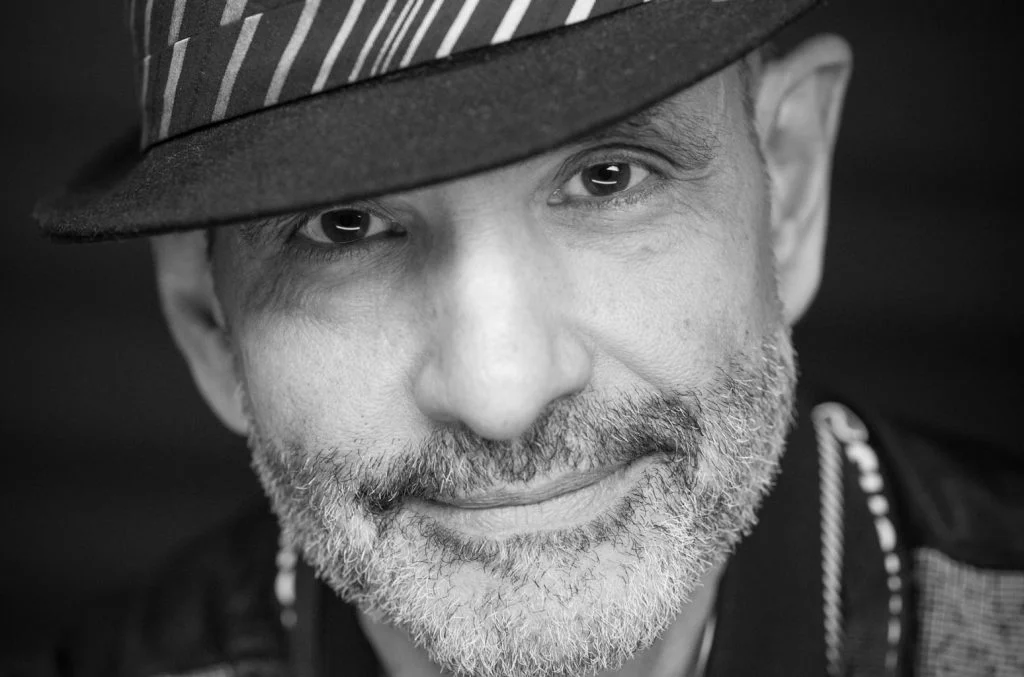
Veteran booking agent Wayne Forte with Entourage Talent and Paladin Artists is auctioning off a private meeting to raise money for the National Independent Talent Organization (NITO).

Forte is a widely respected talent agent whose clients include Duane Betts, Tedeschi Trucks Band, Joe Satriani and more. The native New Yorker has been booking artist in the music business since his days at North Carolina State University and has worked with legendary acts including Duran Duran, The Jam, Joe Jackson, Killing Joke, The Vapors, Depeche Mode, Adam and the Ants, Peter Gabriel, Genesis, King Crimson and Billy Idol.

It was through working at International Creative Management (ICM) that Forte met and began working with David Bowie. He later moved to the William Morris Agency, where he signed The Clash and brought the U.K. band to the U.S. for its 1978 Give ‘Em Enough Rope Tour. While at William Morris, he also helped sign Tom Petty and the Heartbreakers, Iggy Pop and The Cure, among other artists, and was eventually named the head of the agency’s East Coast music department.

Trending on Billboard

Forte struck out on his own in 1981, joining fellow William Morris agent Michael Farrell to launch International Talent Group. Through that agency, the duo booked and co-produced Bowie’s 1983 Serious Moonlight tour and expanded into the arena and stadium touring world, eventually signing artists like The Psychedelic Furs, Sade, Radiohead and more. In 1993, he launched Entourage Talent Associates and, in 2021, entered into a strategic partnership with booking agents Steve Martin and Andy Somer to form Paladin Artists. Forte is also a founding member of NITO, which lobbies for state and federal legislation on behalf of independent live music organizations, artists and music fans.

The auction for a meeting with Forte has been organized by Charity Buzz. Click here to learn more and submit a bid.

Sam Wesley Phillips, Former Select-O-Hits President, Dies at 74

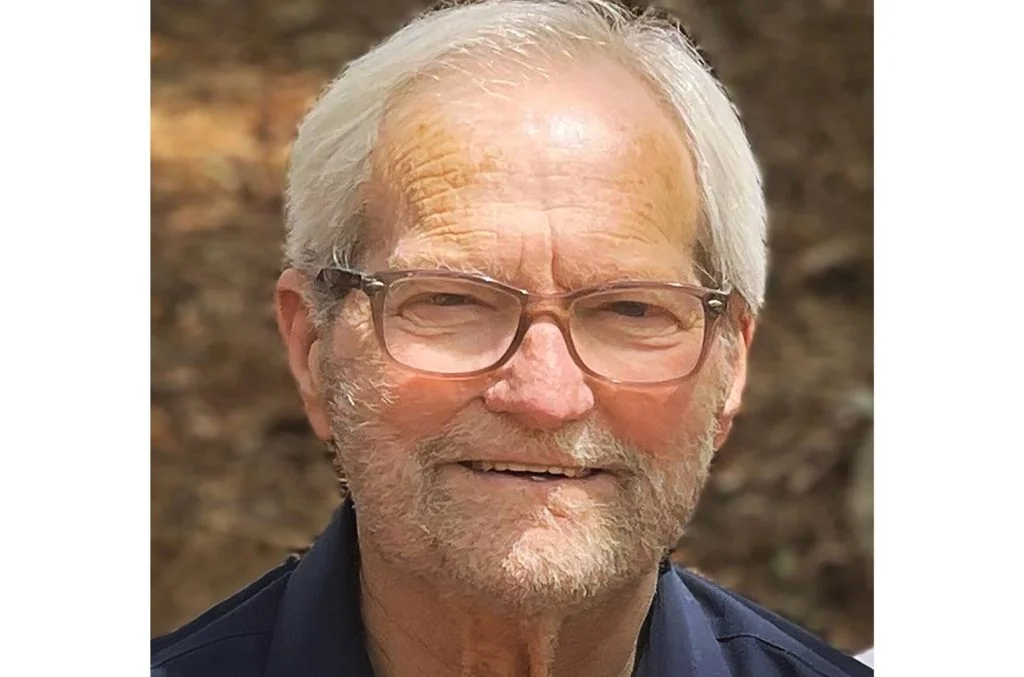
Long-time indie music distributor Sam Wesley Phillips passed away in Jackson, Miss., on Feb. 28 after facing multiple health issues over the last few years.  He was 74.

Better known to long-time Billboard readers by his nickname, Skip, Phillips worked his entire life, beginning at age 9, for his family company, Select-O-Hits, the 65-year-old independent music distributor based in Memphis. He was the third son of Lucile and Tom Phillips, who, together with Tom’s brother Sam Phillips — the Sun Records founder — started Select-O-Hits in 1960. Tom eventually bought out Sam’s uncle, the elder Sam Phillips, in the early 1970s.

Sam Wesley Phillips began working at Select-O-Hits first as a janitor/stockboy, then a salesman, followed by a role as studio engineer/producer. Sometime in the 1980s, he and his brother Johnny bought out their father, upon which Sam became the president of the company, which is still going strong as a music distributor today.

Trending on Billboard

Phillips’ family provided the below remembrance to Billboard.

Sam was born February 20, 1951, in Mobile, Alabama, to Lucile and Tom Phillips…Sam always had that mischievous twinkle in his eyes. Whether it was at school or working at the Record Shop on Chelsea, he found ways to enjoy life his way, but no one worked harder during those sixty-five years than he did.

Sam met his high school sweetheart and love of his life, Debby, at Frayser High School in 1967.  Debby and Sam were married in 1969 and were the loving parents to five children, Tiffany (Tommy) Couch of Jackson, MS, Lesle (Matthew) Heinz of Memphis, Ashlee Phillips (Will Brewer) of Memphis, Courtney (Stephen) Smith of Frisco, TX and Wes (Lauren) Phillips of Memphis.  

Sam lived his life with humor, kindness, strength, honesty, a passionate love for music and even more passionate love for his family.  He was most happy in a home filled with his family laughing and loving loudly; his children and grandchildren were his greatest treasures. 

Sam was preceded in death by his wife Debby, his son Wes, his parents and brother Tom. Left to cherish his memory in addition to his daughters are his siblings Johnny (Sandra) Phillips, Melinda Snipes, Irene Barg, Kathy (Harry) Gordon; Jennifer (Brad) Cullison; grandchildren John Thomas (Jordan) and Peyton Couch; Carter (Meghan) and Sam Heinz; Coby and Presley Bennett; Ethan and Aidan Phillips; Addison, Graham and Sadie Smith and Liam and Eden Cullison, his great granddaughter Vivian, loving cousins, nieces, nephews, sister-in-law, brother-in-law and too many friends to count.

We will miss his laugh and his kind, funny, strong spirit every single day but are thankful knowing that he’s now at peace, with no more pain and with his one true love, Debby, and their son, Wes.

The family requests that memorials in his honor be made to Wounded Warrior Project.