State Champ Radio
 Atlanta

Trending on Billboard
Usher is suing music producer Bryan-Michael Cox and other organizers of a failed Atlanta restaurant project, claiming in a new lawsuit that they still owe him $700,000 and misused money he lent to buy the property.
In a case filed last week in Georgia court and obtained by Billboard, the Atlanta superstar says he lent more than $1.7 to Cox and others to help purchase a building for “Homage ATL,” a high-end restaurant and lounge in the city’s tony Buckhead neighborhood.
Related
When the deal didn’t go through, Usher’s lawyers say he demanded his money back, but the Homage organizers only returned $1 million – because the rest had allegedly been used elsewhere without permission.
“Plaintiff loaned [the money] for the sole purpose of purchasing the Buckhead property,” Usher’s attorneys write. “The defendant investor group failed to purchase the Buckhead property and, instead, diverted the Raymond loan balance for [other] purposes.”
Cox is a well-known R&B producer who’s produced hits for Mary J. Blige, Mariah Carey and Usher himself. The other defendants are alleged project partners Keith Thomas and Charles Hughes, as well as attorney Alcide Honoré and several companies allegedly tied to the project.
In a statement on Instagram, Cox seemed to pin the blame for the dispute on others: “My legal team has … advised me of a lawsuit involving a company where I am only a passive minority shareholder. I was not a participant in that business transaction and have no involvement in the ongoing legal process. While I’m unable to share more details right now, I want to make one thing absolutely clear: my 27-year friendship with @usher remains fully intact.”
But Usher’s lawyers don’t seem to be in a friendly mood. They claim Cox and the rest of the Homage organizers were “unjustly enriched” by using the remaining loan funds for other reasons, “which was to plaintiff’s detriment, damage, and expense.”
Related
Usher’s case claims that Cox, Hughes and Thomas approached him last year about the project, which was “intended to offer the public a unique dining lounge experience.” Though he says they wanted the locally-raised superstar to sign onto the project as a full-fledged partner, Usher says he “declined to become an investor” and instead opted merely to loan the group money to buy the restaurant’s location for more than $6 million.
As the “days and months passed” in early 2025, the two sides continued to negotiate a potential investment by Usher, but no deal was ever reached and the Buckhead property was never purchased. Eventually, the star says he demanded his money back – but that Honoré effectively told him that some of the funds had been used elsewhere.
“Honoré all but admitted that the Raymond loan balance was disbursed when he stated that returning that balance was ‘not that easy’ because plaintiff’s funds had been deployed for ‘other purposes’,” Usher’s attorneys write. “Honoré stated [that Usher] would be repaid once the Buckhead property was purchased and the property was refinanced, indicating that he apparently no longer had possession, custody, or control over the funds.”
Several of the lawsuit’s claims are aimed solely at Honoré, including breach of bailment – meaning he failed to return Usher’s property – as well as various other forms of wrongdoing, including negligence and breach of fiduciary duty. He did not return a request for comment. The case accuses the rest of the investors of breach of contract, unjust enrichment and keeping money that wasn’t theirs. Thomas and Hughes could not immediately be reached for comment.
Trending on Billboard
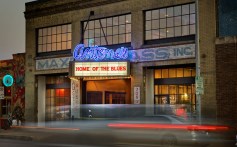
The staff at the Atlanta’s Masquerade can’t say for certain if the music venue is haunted, but there are stories – lots of stories.
The sprawling four-room venue first established itself in Atlanta in 1989 – two years after the first venue of its name was opened by the same owners in Tampa – and took over the former DuPre Excelsior Mill at 695 North Avenue that had come to life a century earlier. The mill produced a packing material to fill mattresses and other items (before foam eventually made it obsolete) and, like many 19th century factories, several workers were injured in the production process, and the belt of the mill took the life of at least one man.
Related
While no one has managed to exchange names with those haunting the various Masquerade venues, no one claims to be specifically visited by mill workers. There’s a woman who was seen by several staff members hanging around the freight elevators at the 695 location. One of Masquerade’s owners Berta Ochs says he was supervising the construction before the venue first opened one night and a leftover coin operated basketball machine started up. He could see a man shooting hoops and after yelling at the figure to leave, Ochs said, suddenly he was gone.
Employees have often felt like they were being watched when no one else was around and one employee who was working the venue’s haunted house Chamber of Horrors says she felt a tap on her shoulder, turned to find no one except a medical instrument from the prop table flung at her feet. There have even been online rumors that Masquerade has vampires.
Greg Green, Elena de Soto, and Brian McNamara.
Josh Martin
“Not to dispel the rumors,” says Masquerade marketing manager Camilla Grayson, “But I think that was because there was a plaster vampire up in the rafters that was left over from an event.”
“There’s also a popular roleplaying game called Vampire of the Masquerade that people go around doing live enactments of,” chimes in Masquerade GM and talent booker Greg Green. “That might have played into that whole vampire rumor too.”
Masquerade has not helped itself in the matter with rooms that denote the afterlife. Since its first Atlanta location, it has featured multiple rooms named Heaven, Hell and Purgatory and referred to them as a trinity of nightclubs. The rooms were stacked with Heaven obviously at the top, Hell on the bottom floor and Purgatory somewhere in-between.
“The upstairs Heaven room was known for the bounciness and sway of the floors,” recalls Green, who has been with the venue for nearly 35 years. “When people would get to jumping in unison and you were downstairs, you could see the ceiling looking like a trampoline. When you hear about people reminiscing, it is like, ‘We were jumping on the trampoline floor in Heaven and we just knew we were about to fall through, but never did.’”
Related
The venue’s 695 North Avenue location was a behemoth on the streets of Atlanta’s Fourth Ward – with an entirely black stone exterior save for a purple cursive neon sign that read Masquerade. It was an intimidating figure brought to life by founders Ochs, Brian McNamara and Dean Riopelle that attracted all forms of rockers and punks in the early 1990s including Fugazi, The Ramones, Foo Fighters, Radiohead and, of course, grunge legends Nirvana who were paid $200 to play for a room of maybe 50 people, according to Green.
Pay receipt for Nirvana’s 1990 performance at Masquerade.
Elena de Soto
With three rooms to fill, Masquerade was able to take a chance on many bands in their early years including Bjork, N.W.A and Coldplay. Green recalls a young Dave Matthews coming through at the start of his career with manager Coran Capshaw (a now-renowned artist manager who runs Red Light Management) selling the musician’s t-shirts out of his trunk.
In 2016, Masquerade had to leave behind the 695 North Avenue location when ownership sold the building as gentrification (and undoubtedly the historic music venue) made the Fourth Ward a desirable neighborhood to build a mixed-use development. Ownership was looking for another space to house the multi-room venue, when the city of Atlanta stepped in.
“The city wanted to keep us given the cultural institution that we were and [the city] had all these vacant spaces that they said, ‘Hey, is there any of this that you can use, even on a temporary basis,’” Green explains. The space is part of Underground Atlanta, a formerly neglected shopping and entertainment district that first opened in 1969, but the buildings date back to the mid-to-late 1800s when they served as the Georgia Railroad Depot and were a major hub early on for the city. “We didn’t really have a choice at the time. And wound up moving equipment, gear and all the stuff, building out on a small scale what it would take to operate temporarily and it just worked. That was nine years ago and we’ve stayed and we’ve expanded.”
Related
The Masquerade at Underground Atlanta now features four rooms Heaven (1,450 capacity), Hell (625), Purgatory (300) and Altar (250) connected by a shared courtyard. A fifth venue is expected to open in 2026.
Despite moving to a new location – surrounded by pedestrian-only spaces with shops and art galleries – Masquerade has not lost its spooky factor. Underground Atlanta’s custodial staff refuses to enter certain areas of the entertainment district at night and has heard people talking at night when no one was around. On one of the interior buildings there’s a plaque that says this wall was part of the first Civil War era hospital in Atlanta, “The dead and wounded were brought here,” explains Grayson.
A back hallway that connects all the venues is littered with creepy dolls with burnt-out eyes brought in by operations manager Howie Stepp – though no one knows where he sources the dolls from. Online, fans say they’ve seen a headless confederate soldier that walks around at night, and the courtyard is along Kenny’s Alley, which is named after a man who died in a jousting accident at the Georgia State Fair in the 1800s. That same courtyard is where fans from every room gather between sets to smoke, order some food, grab drinks and interact with music lovers of all genres.
New Found Glory play the Heaven room of Masquerade in 2022.
Elena de Soto
“The courtyard is the great equalizer,” Grayson says. “It’s awesome watching a K-pop fan interact with a ska fan because they’re both coming out of shows at the same time. It’s an awesome mix of people from all walks of life.”
With the ten-year anniversary of the new location looming, Masquerade is reaching new milestones. By the end of 2025, Green says the venue and their company Masquerade Presents, that promotes larger concerts in the city, will have presented a record 800 shows. Despite steep competition from various local venues including the more than 70,000-capacity Mercedes-Benz Stadium, the Live Nation-owned Coca-Cola Roxy and Tabernacle, and the home of NBA’s Atlanta Hawks State Farm Arena, Masquerade has continued to thrive by taking a chance on up-and-coming artists and seeing that goodwill returned.
“We really don’t look at the individual shows as a series of battles to be won or lost,” Green says. “We look at it as one long campaign. If we can come out just a little bit better off at the end of the year than we were at the beginning, then it’s a win.”
Related
In recent years, they have hosted shows with Japanese Breakfast, Mitski and Doja Cat. Alex G played 10 years ago at the 250-capacity Purgatory, worked his way up from Hell to Heaven and, earlier this month, he returned to Atlanta to play the 22,000-cap Eastern with Masquerade Presents as a co-promoter. Arena act Travis Scott played the Heaven room earlier this year to celebrate the 10th anniversary of his debut Rodeo.
“Part of our ability to maintain over all that time is an attitude of treating people just as well when they’re young and getting their start as we do when they’re superstars,” Green says. “Providing them with amenities they might not get at other small rooms like private green rooms and showers and laundry and all the things.”
“We’re able to take that risk on [rising acts] a second time, because we really believe in the music that people are creating, and not just focused on the numbers and the data. We were actually there. We’re talking to our staff that we’re working it that said this was really cool,” Grayson adds. “We’re like, ‘They are worth having back because they absolutely kicked ass to 30 people.”
Last Month’s Indie Venue Profile: Antone’s in Austin
Source: Paras Griffin / Getty
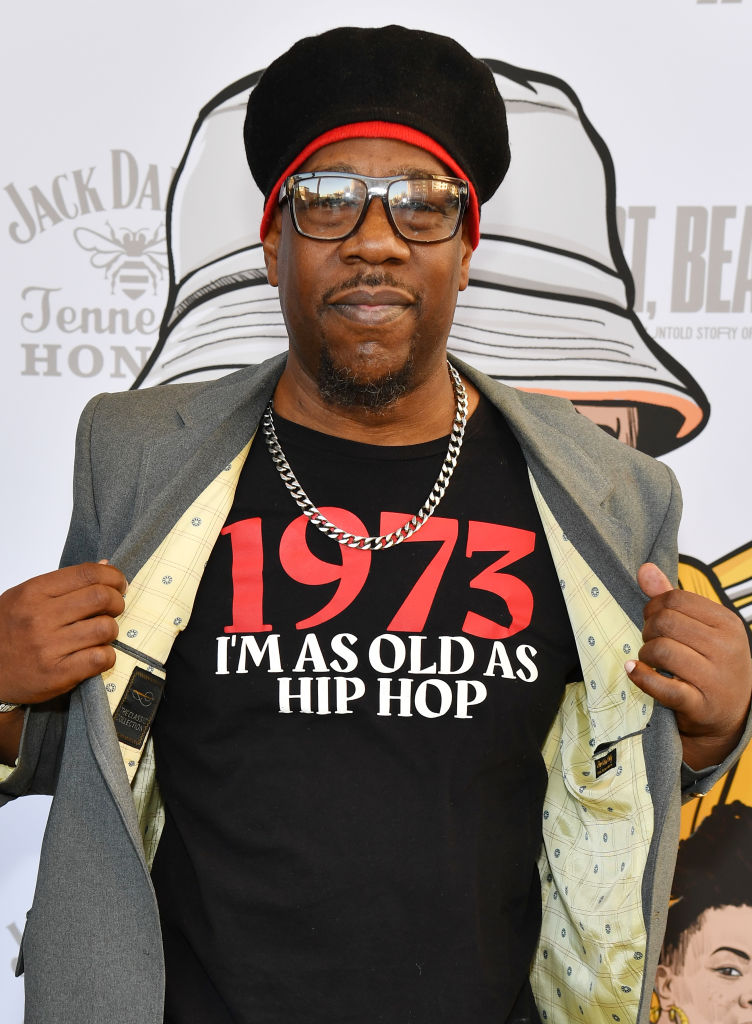
On Monday (June 9), the Atlanta Hip-Hop community lost one of its legends in Andre “Dres Tha Beatnik” Lett, who passed away after battling an illness. The news of Dres Tha Beatnik’s passing spread throughout the community he helped guide, shape, and connect, and we look back on the life and legacy of Andre K. Lett.
I can’t recall my first time meeting Dres Tha Beatnik, but I can pinpoint it to one of the many times I visited Atlanta to attend and cover the A3C conference and music festival. One of the things that stood out immediately was Dres’ signature hat, which I’ve only seen him without once in person. Along with his hat, Dres’ infectious smile, charm, and energy were just as magnetic in one-on-one conversations as he was onstage hosting events.
Like most people of significance, when they leave this physical plane, several of Dres’ peers, including some of my close friends, such as legendary rapper and producer J-Live and Full Plate Records honcho and rapper Dillon, all shared glowing tributes to Dres on their social media timelines. Others, such as Killer Mike, Mike’s Run The Jewels partner Trackstar The DJ, and many more communicated similar sentiments.
Mayor Andre Dickens of Atlanta also posted a message honoring Dres’ life and legacy with moving words that completely illustrated what he meant to Atlanta and Hip-Hop culture overall.
From Mayor Dickens:
“Atlanta has lost a cultural icon. Dres tha Beatnik was a unifier, a creative force, and a true champion of Atlanta’s hip-hop and arts community. For decades, Dres tha Beatnik brought energy, soul, and authenticity to every stage he graced. His voice uplifted countless artists and inspired a generation. His urban showcase Arts, Beats, and Lyrics helped craft our cultural landscape and uplifted countless artists. We are grateful for his legacy and the light he shared with our city.”
As he shared in this interview with A3C, Dres was a native of Philadelphia who honed his skills early on as a rapper but picked up the art of beatboxing as he bided his time, becoming adept at providing the platter for his rapping compatriots. During his hosting gigs, Dres would showcase his beatboxing along with his deep knowledge of Hip-Hop history. It was mesmerizing to witness the control Dres had over the crowd, proving himself just as vital as the acts he would welcome to the stage.
In full transparency, Dres and I were planning to work together on having him speak on the history of Hip-Hop music and culture with Hip-Hop Wired. Like most grand plans, we could never find the right time to do so, and he began sharing candid updates regarding his health online. Despite his struggles, Dres never muted his joy and always presented his usual affable nature.
In moments such as this, I find it difficult to find the words to honor Dres properly. I feel like I’m coming up short in that regard. I’m also deeply affected by the loss because it highlights how finite time is. Still, if there is something I can positively capture from this moment is that I can choose to live my life like Dres did: loving, loud, and proud, and all under the banner of Hip-Hop.
Andre “Dres Tha Beatnik” Lett, may you rest powerfully in peace.
—
Photo: Getty
HipHopWired Featured Video
CLOSE
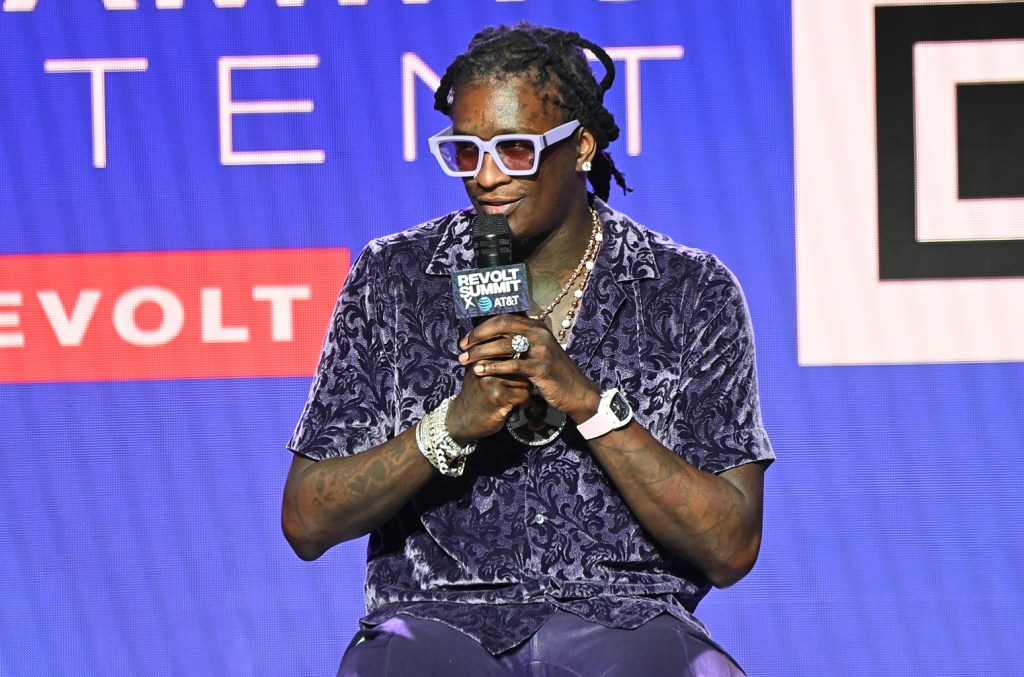
More than three years after Young Thug, Gunna and dozens of others were indicted in Atlanta on gang charges, Thug’s last co-defendant has pleaded guilty.
A trial had been set to start Monday (June 9) in Fulton County court for Christian Eppinger, who stood accused of attempted murder for allegedly shooting an Atlanta police officer in 2022. But he instead entered a so-called Alford plea, allowing him to technically plead guilty while maintaining that he is innocent; he was later sentenced to 40 years in prison.
Eppinger was the last remaining defendant of 28 men indicted in May 2022 by Fulton County prosecutors, who claimed that Thug’s “YSL” — nominally a record label — was also a violent gang called “Young Slime Life” that had wrought “havoc” on Atlanta for years. Thug was released from jail in October after a judge sentenced him to just probation, a stunning defeat for District Attorney Fani Willis after her office had labeled him a dangerous gang boss.
Asked Friday (June 6) if the massive prosecution had been a “waste of taxpayer money,” Willis vehemently defended the case and stressed that it had resulted in 19 convictions: “What my constituents say, who just voted me by 68 percent, is she’s doing an amazing job,” Willis told Atlanta’s NBC affiliate. “We are making sure that this community is safe.”
A representative for the DA’s office did not immediately return a request for comment on Monday.
Pitting prosecutors in America’s rap capital against a chart-topping rapper who helped shape the sound of hip-hop in the 2010s, the YSL case captivated the music business for years. Most notably, it relied heavily on song lyrics as evidence, a controversial practice that has drawn backlash from the music industry and efforts by lawmakers to stop it.
The case also saw Thug sit in jail for years while the messy proceedings — the longest in state history — played out in court, turning his charges into a cause célèbre and raising big questions about procedural fairness. Gunna, a frequent collaborator and protégé of Thug, was also initially charged, though he quickly pleaded out.
The charges against Thug and the other YSL members were built on Georgia’s Racketeer Influenced and Corrupt Organizations, a state-level version of the federal RICO law used against the Mafia, drug cartels and other large criminal enterprises. Prosecutors alleged that members of the YSL enterprise had committed murders, carjackings, drug dealing and many other crimes — and that Thug was the “King Slime” crime boss running the operation from the top.
But when the trial kicked off in January 2023, that sweeping narrative proved difficult to litigate in court.
After an unprecedented 10-month jury selection process, prosecutors slowly worked through a vast list of witnesses that included more than 100 names. Last summer, the case was delayed for weeks due to a bizarre episode over a secret meeting between the judge, prosecutors and a witness — an incident that saw the judge removed from the case. Things got worse for the DA’s office in October, when botched testimony from a state’s witness sparked talk of a mistrial and prompted a wave of plea deals.
Prosecutors offered such a deal to Thug, but it would have seen him spend 25 years in prison. Thug’s attorneys rejected that offer and instead opted to simply plead guilty — a gamble that paid off spectacularly when Judge Paige Reese Whitaker sentenced him to just probation with no time served in prison.
“I know you’re talented, and if you choose to continue to rap, you need to try to use your influence to let kids know that is not the way to go and that there are ways out of poverty besides hooking up with the powerful guy at the end of the street selling drugs,” Whitaker said.
After that, just two key defendants — Deamonte “Yak Gotti” Kendrick and Shannon Stillwell — remained in the trial, facing some of the most serious charges in the case, including carrying out the 2015 murder of rival gang leader Donovan Thomas that played a central role in the prosecution’s case. But a jury largely acquitted them on those counts in December, and both were released immediately after the verdicts.
Those verdicts ended the trial, but not the case. Eppinger and several others had been separated from the case early in the proceedings to face their own trials on charges related to YSL.
Eppinger, an aspiring rapper who used the performing name “Big Bhris,” pleaded guilty to a slew of charges on Monday, including armed robbery and RICO conspiracy. Though he was sentenced to 40 years, it will be served concurrently with an existing 45-year sentence on an earlier crime, meaning he did not receive any additional prison time.
Though the Thomas killing formed a core part of the YSL case — Young Thug was alleged to have helped rent the car that was used in the drive-by shooting — no defendants were ever convicted of the murder. The last defendant alleged to have been involved, Damekion Garlington, took a plea deal last month that saw him sentenced to five years in prison for aggravated assault.
In the Friday interview, Willis argued that crime had dropped in Fulton County “because of the efforts I have done against gangs.” And she harshly criticized others — media outlets for “glorifying violence,” defense attorneys who “don’t care about the African American community,” and even Judge Whitaker — for how the YSL case has been portrayed.
“It was an amazing time. We had 19 convictions. The community is safer,” Willis said. “We made sure that we got the resolutions that we want. If they’re unhappy with sentencing, they should elect other judges.”
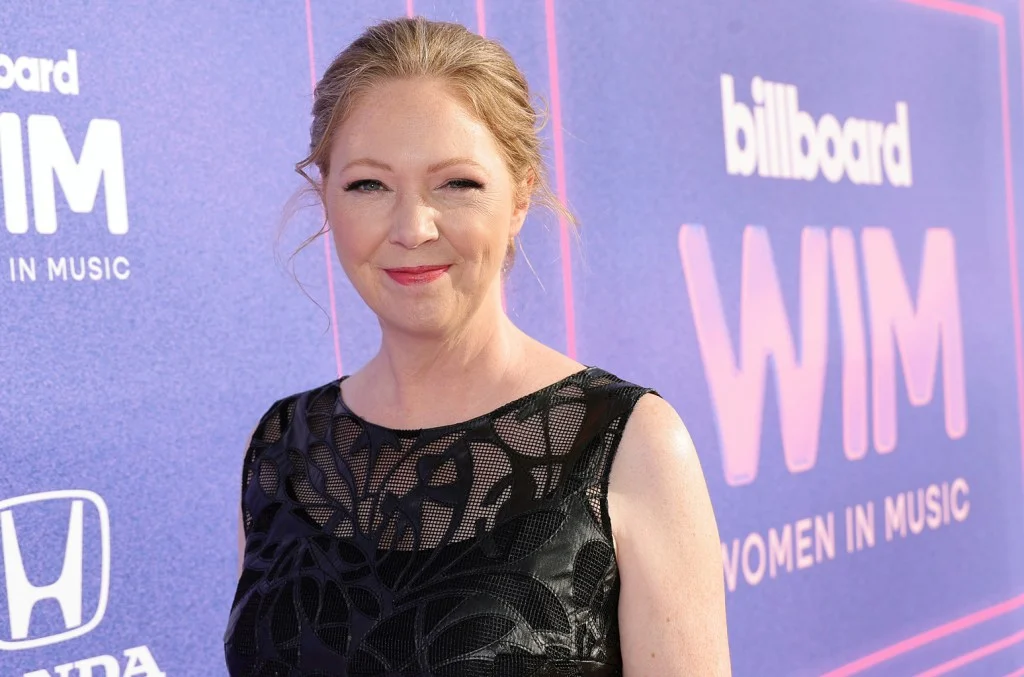
With more than 2,000 attendees converging on Atlanta for the annual Music Biz conference at the Renaissance Atlanta Waverly Hotel and Convention Center Galleria, Music Business Association president Portia Sabin opened day 2 by reminding everyone of the “guiding belief” behind the Music Business Association and its conference — while revealing the conference will return to Atlanta next year.
“We’re all better together,” Sabin proclaimed. “We know we can achieve success and overcome any challenge in our way when we come to the table with open minds, foster collaboration, and develop solutions that truly support one another.”
Sabin pointed out that the music industry has become truly global in the past several years and, corresponding to that, international music companies now comprise one-fifth of Music Biz’s membership. What’s more, she said 15% of the attendees at this year’s conference (which runs from May 12-15) are from outside the U.S: “That’s 250 individuals, representing 168 companies and over 30 countries, ranging from Vietnam and Australia, to Japan and Egypt,” she said.
Trending on Billboard
In order to better represent its membership and the global music industry, “we’ve embraced this shift by hosting our virtual Passport series — free webinars that dissect issues in music markets across the globe — as well as expanding our traveling Roadshow series with our first international event in Toronto this past March,” Sabin added.
Finally, Sabin pointed out that in preparing to hold the conference in Atlanta over the last year, Music Biz hosted a number of mixers and meetups to “build relationships with Atlanta’s vibrant music business community. Most recently, we partnered with the Mayor’s Office of Film, Entertainment and Nightlife for an event at City Hall, to connect local & global music professionals and preview some of the programming we offer at our conference.”
After holding the convention for the last 10 years in Nashville, the Music Biz conference is going on the road again, just like its antecedent organization, the National Assn. of Recording Merchandisers, did for decades by moving the annual convention to various cities. However, Sabin revealed that Atlanta will host the convention again next year, too, while thanking the city and the hotel for supporting it.
“Thank you to the team here at the Renaissance for making this year’s event possible, and to the city of Atlanta for being such gracious hosts ever since we announced plans to bring our conference here in 2025 and 2026,” Sabin said at the beginning of her remarks to attendees.
With the Music Business Association getting ready to hold its annual conference for the first time in Atlanta after nearly 10 years in Nashville, some longtime attendees thought the move might diminish turnout. But the organization’s president, Portia Sabin, says the event (May 12-15) is on track to match last year’s total attendance of 2,200 industry executives. More importantly, she adds that sponsorships for the convention are outpacing last year’s numbers.
That’s a crucial factor, because this conference — and others the organization hosts throughout the year — provides about 60% of Music Biz’s revenue, according to its most recently available 990 form, which nonprofit organizations are required to file annually with the IRS. For the year ended Sept. 30, 2023, $1.85 million of Music Biz’s $3.07 million in revenue came from its programs, while another $1.214 million came from membership fees, contributions, and grants. That revenue supports the organization’s staff, which consists of 10 employees, as well as covers the expenses of its operations, including its Nashville office and events.
Since taking the helm in 2019, Sabin has led the organization’s evolution from a trade group focused on music merchandisers into one that serves the broader music business. As part of that mission, she has helped the organization grow into an international force, with executives from 168 overseas music companies coming to Atlanta for this year’s conference. She has also worked to diversify the organization, increasing the presence of women and minorities on its board of directors, which has been expanded to 25 members to ensure Music Biz represents all sectors of the industry. “We’re always trying to be inclusive here,” she says.
Trending on Billboard
In preparation for this year’s event, Billboard caught up with Sabin to discuss what attendees can expect.
So are you and the Music Biz Assn. staff ready to rock and roll?
We are so ready to rock and roll!
How is the conference shaping up so far?
It’s shaping up amazingly. Our sponsorships are off the charts—way over what we budgeted for. Our hotel has been sold out for months, and all the overflow hotels are sold out too. So it’s shaping up great.
Where does attendance stand compared to last year?
We’re on track — about the same as last year [when 2,200 attended]. Attendance at this conference is always a little unpredictable because people book their hotels really early, but many wait until after South by Southwest to register. It’s just how it is.
Why did you decide to move the conference to Atlanta after nearly a decade in Nashville?
Multiple reasons. One was that I wanted to return to the older model where we moved around to great music cities, like Atlanta. The music industry is in many great cities in America, it’s not all just Los Angeles, New York and Nashville. Another reason was financial. Nashville has become increasingly expensive, and we didn’t want to raise conference fees or see hotel room prices skyrocket. So, we really wanted to keep costs down for our members and for our attendees and keep make sure the conference is reasonably priced.
What’s the makeup of this year’s attendees?
When I was hired in 2019, the board expressed that they wanted Music Biz to become a global organization that reflects the fact that the music industry is global. I think we’re really achieving that. A lot of people from overseas have gotten excited about the conference—they’ve seen it as a value add to their business. This year we’ve got 256 attendees from 168 companies coming from overseas.
Is the Trump-era tariff chaos affecting attendance?
There may be a person here or there who feels like they are not willing to travel at this time. But, we saw a similar thing the first year back after the pandemic, right? Then some people said, ‘Listen, I just can’t travel, and just I don’t feel safe.’ I feel like there’s always something going on where some people won’t attend for one reason or another.
Beyond the international presence, how else has the conference evolved over the last five years?
Our fastest-growing membership sector is tech, which I think reflects what’s going on in the industry as a whole. And it’s different now. Ten or 15 years ago, tech companies entered music with no real understanding — they were like, ‘I’ve got a cool idea for an app.’ And it was just dumb stuff that was not needed. Now, they’re more informed, trying to solve real problems. We’re seeing real solutions with real benefits. But now [the tech] people got more with the program, and they are like ‘let’s learn about the music industry and then figure out what problems need to be solved.’ So we’re seeing people coming into the industry with real solutions that give benefits to various players in the industry. Our tech sector has grown a lot.
What other changes have you seen?
Since I’ve been here, we have really worked hard to be more inclusive. So we have more publishing members now. We have people from the live sector—ticketing and touring. It’s become abundantly clear that the music industry has to work together here. We can’t just silo ourselves like maybe once we thought we could, 25 or 30 years ago.
From a publishing perspective, the CMOs (collective management organizations) seem to be getting a lot of attention this year.
Our programming is totally crowd-sourced, so we open the call for proposals, and then we just work through the proposals. The interest in publishing at the conference is huge, and we got a lot of proposals for CMOs programming this year, and a lot of it was coming from European members. So we have some really great, high level attendance from those folks. People were very excited about publishing and we even have a dedicated publishing track this year that’s sponsored by EMPIRE.
You mentioned a growing tech presence. Does that have its own track too?
One of the new themes is “new tech trends” and its programming that focuses on the new stuff that is happening in tech that people can learn from. For instance, one panel I’m really excited about is “From Piracy to Profit: What Adult Entertainment’s Digital Revolution Can Teach Us About the Future of Music.” This panel sounds really futuristic but it’s also about learning from other sectors in digital entertainment.
Will there be programming for DIY artists?
Yes, absolutely. We offer a special ticket price of $49 for artist and we give them a full day of programming on Monday (May 12) where they can get information on making and running a business and it’s topped off with the Spotify party at night.We also do the Roadshow were we visit 3-7 cities a year. We just did one last month in Toronto, as our first international show.
What other programming highlights can you share?
We have a new track called Human of Music, focused on workforce well-being. Another favorite is Workflow Workshop, which focuses on what we do and how we can do it better. And we are still doing the “Let’s Talk Physical” track, which we also do quarterly through online webinars. At the conference it will be on Monday. And there is always the Record Store Day Town Hall [on Wednesday, May 14]. We love the retail sector; it is very near and dear to my heart. We try to support that sector as much as possible.
Is there an AI track this year? What about metadata?
Last year we did a track on AI because it is just so ubiquitous. This year we said, let’s just intersperse it through the programming. So in every track there is at least one panel that’s got something to do with AI, because that was just what was submitted when we made the call out for programming. As for the Metadata summit, because there are so many other pieces, it’s become like the Metadata Technology and Rights Summit; and that’s on Wednesday morning.
You crowd-source your panel programming, but how do you evaluate the success of sessions afterward?
One thing I want to say about the surveys is people would sometimes say the panelists were great but the moderator was boring. So over the last two years, we have been offering moderator training pre-conference, just to improve their skills. We did it in April with a professional moderator trainer, and it’s free for a moderator on the program.
Having attended for years, I know the hotel layout really matters. How does this year’s venue stack up?
This year’s hotel, in my opinion, is more conducive for the conference than the JW Marriott in Nashville — because it’s just really straightforward. You walk in and there’s a big lobby, then you go up the escalator, and there’s a big atrium, and that’s the central hub of where everything will be, with the programming panel rooms branching off from there. That central hub, sponsored by Downtown, will have seating and tables; it’s the sort of place where everyone can hang out. Downtown will have a DJ there at different times of the day, which is awesome.
Will there be live music?
Yes! Every evening event features music. The Spotify-sponsored welcome bash on Monday night will have live performances. The Wednesday night Bizzy Awards, sponsored by Warner Music Group, will also feature live artists. Performing artists include Kayla Park and Yami Sadie.
Will there be a trade show floor?
No, but there will be companies displaying what they do in spaces around the central hub. We call that “activations” and they are all filled.
How are you handling the private meetings that are a big part of the conference?
The private meetings will be happening. All the meeting rooms sell out quickly. We know that is a big thing for people so we structure our programming and try to build it so there is a block open for lunch and other meetings. And while we love the panels, there are other ways for people to interact. So this year, we have a bunch of round tables. We have sync round tables. We have women’s leadership round tables. We’ve got the Startup Lab, where startups can meet with [potential] investors and with people who have been in the industry for a while who can act as advisors for startups.
Now the big question: where’s the bar?
There are two bars in the lobby—one is a standard hotel bar, and the other is a sunken bar sponsored by TuneCore.
Last question. Last year, you said the Atlanta conference would feel like summer camp. Is that happening?
Well, I bought some footie pajamas so I can walk around the hotel in them. And yes, it will feel really summer campy because every floor is going to be filled with just our people so it will be a lot of fun.

HipHopWired Featured Video
CLOSE
What up, Hip-Hop Wired Family! We’re back with our latest Baes & Baddies post, and we’re featuring Atlanta by way of St. Louis sweetface stunner, the spectacularly stacked Jasmyn Danielle aka @jascatron.
Despite our best efforts, all we know about Jasmyn Danielle is that she is a native of Missouri and now resides in Georgia. Her Instagram account only has a handful of images, but the @jascatron page is showing a lot more activity lately as she aims to gain fans and followers on social media.
It appears that the sultry model took a break back in November of last year and returned with a bang this month. We’ll feature her latest images and work our way back in the gallery section below.
For now, please show some love for our latest Baes & Baddies entrant, Jasmyn Danielle aka @jascatron.
—
Photo: @jascatron / Instagram

HipHopWired Featured Video
Source: Prince Williams / Getty
According to reports, a documentary series chronicling the history and impact of an iconic strip club in Atlanta, Georgia, has been acquired by the Starz network. Magic City: An American Fantasy, will be aired on Starz this summer, after making its debut at the South By Southwest Festival in Austin, Texas, last spring to rave reviews. The series consists of five episodes detailing what’s been referred to as the “Black Studio 54” and the impact it’s had on Hip-Hop culture, stemming from the story of its enigmatic owner, Michael “Mr. Magic” Barney. It’s been referenced in numerous songs, with a clientele that boasts names such as Shaquille O’Neal and Too Short among them.
“From politicians, to artists, to drug kingpins, Magic City has been a home for a broad cross-section of Black Atlanta for decades,” creator Cole Brown said in the press release. “Everyone should know the unbelievable story of this institution and the man who founded it, and Starz is the perfect partner to bring it to the world. We’re thrilled.” The team of executive producers behind Magic City: An American Fantasy includes legendary producer and Atlanta native Jermaine Dupri, DreamCrew Entertainment, which was created by Drake, and the majority owner of the Atlanta Hawks Jami Gertz. Charles Todd serves as director.
Other executive producers include Devin Amar and Alex Kaplan along with showrunner Bayan Joonam. In addition. the Scheme Engine, a BIPOC-founded studio with a focus on the representation of women and marginalized people in media, is also producing along with Ashley Brooke and Marlowe Blue. There is no date yet set for the series premiere. Its addition to Starz ties in with two of the network’s most popular series – B.M.F., which chronicles the story of the Black Mafia Family which has ties to Atlanta (with real-life members frequenting the club), and Katori Hall’s P-Valley, which revolves around the lives of African American female exotic dancers at a club called The Pynk.
“Magic City: An American Fantasy is a riveting behind-the-curtain look at one of the most unique places in Black culture,” said Kathryn Busby, President of Original Programming at Starz in the press release. “The docuseries’ unprecedented insider access and history unveiled from those who built its empire is a perfect complement to Starz’s slate of adult, culture-driving shows.”

HipHopWired Featured Video
CLOSE
Source: @ayria.jpg / @ayria.jpgLotto Savage, a real one from the Atlanta scene and close homie of 21 Savage, tragically passed away on March 19th, 2025.
The news hit hard when DJ Kutthroat, his manager and DJ, confirmed it with an emotional post on Instagram: “Dam Lotto #RIPLottoSavage.” The entire Atlanta hip-hop community froze, with fans and artists showing love and pouring one out for the G Block legend.
21 Savage, devastated by the loss, posted photos of them together on his Instagram story, showing just how deep their bond was. He finished it with a photo of another Slaughter Gang member, Tayman, and a caption that hit hard: “How y’all die the same day,” with broken heart emojis all over. You could feel the pain in his words.
Right now, there’s no word on what exactly happened to Lotto Savage, so fans are left waiting for more details. Lotto was a staple in the ATL rap game and made a name for himself. His passing leaves a huge hole in the scene, and it’s clear from all the tributes that he was loved and respected by many. As the story unfolds, the city feels the weight of this loss. The whole Slaughter Gang crew is mourning, and 21 Savage’s grief shows just how deep that friendship ran.
More updates are expected soon as we await more details on what went down.
Long Live Lotto Savage. Our thoughts and prayers go out to his family & friends.
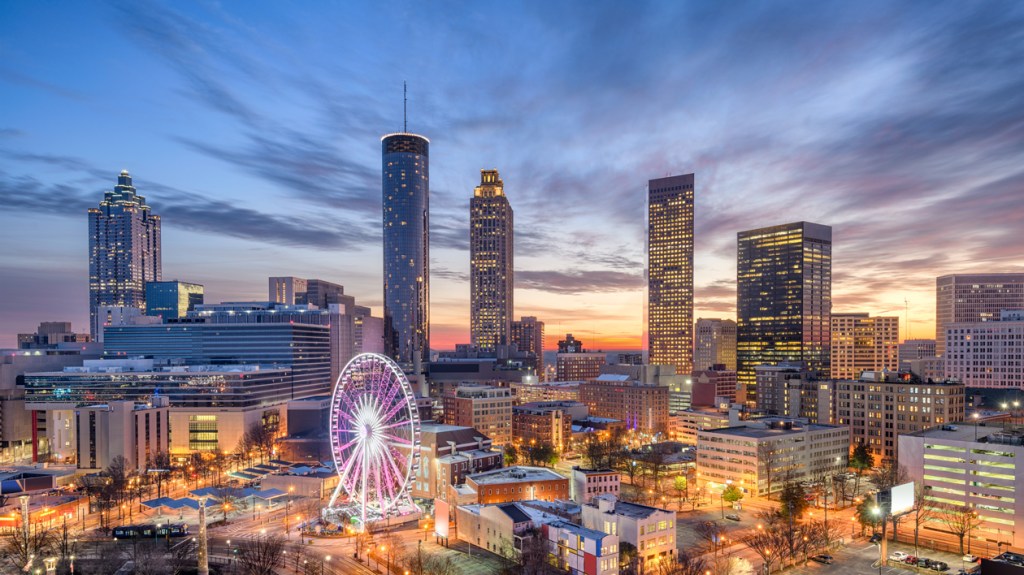
The Music Business Association has announced the agenda for Music Biz 2025, set for May 12-15 at the Renaissance Atlanta Waverly. This marks the first time the conference will be held in Atlanta, as part of a new rotating host city model, following a decade in Nashville.
The change, announced last March, is inspired by the Music Biz Roadshow series, which has connected industry professionals with local artist communities like Memphis and Chattanooga since 2022.
New events include a First Timers’ Meetup on May 12, allowing newcomers to connect with Music Biz staff and board members, followed by first day-capping party sponsored by Spotify. The State of the Industry breakfast on May 13 will explore global consumption trends and industry outlooks. Multi-panel discussions like Humans of Music and Workflow Workshop will focus on workforce and operational improvements.
Trending on Billboard
The Music Biz Roadshow returns on May 12, with support from The Mechanical Licensing Collective and Made In Memphis Entertainment, to help artists and their teams optimize revenue streams. Tech-focused pros can attend events such as the Startup Lab on May 12, Startup Round Robin on May 13, and the Music Tech Hackathon on May 15. Additional summits include Let’s Talk Physical, Music Security Summit, Publishing Summit, Music & Money and the Indie Label Summit.
The fourth annual Bizzy Awards dinner, sponsored by Warner Music, will be held on May 14, honoring late Twitch executive Cindy Charles, who died in a tragic traffic accident in October, with the 2025 Presidential Award, and Digital Data Exchange with the 2025 Impact Award. Finalists will be announced in February, with winners recognized at the event.
Music Biz president Portia Sabin expressed excitement for this year’s expanded agenda, highlighting the industry’s strong hand in shaping the program.
“The task of building a comprehensive, four-day program for our Annual Conference becomes harder and harder every year thanks to the innovative and compelling panel ideas contributed by our ever-growing global community — it’s a good problem to have!” said Sabin. “We’re proud of how the agenda for Music Biz 2025 came together, and we can’t wait to welcome both new & returning faces to our event in this year’s new host city.”