State Champ Radio
 Blog
Page: 437
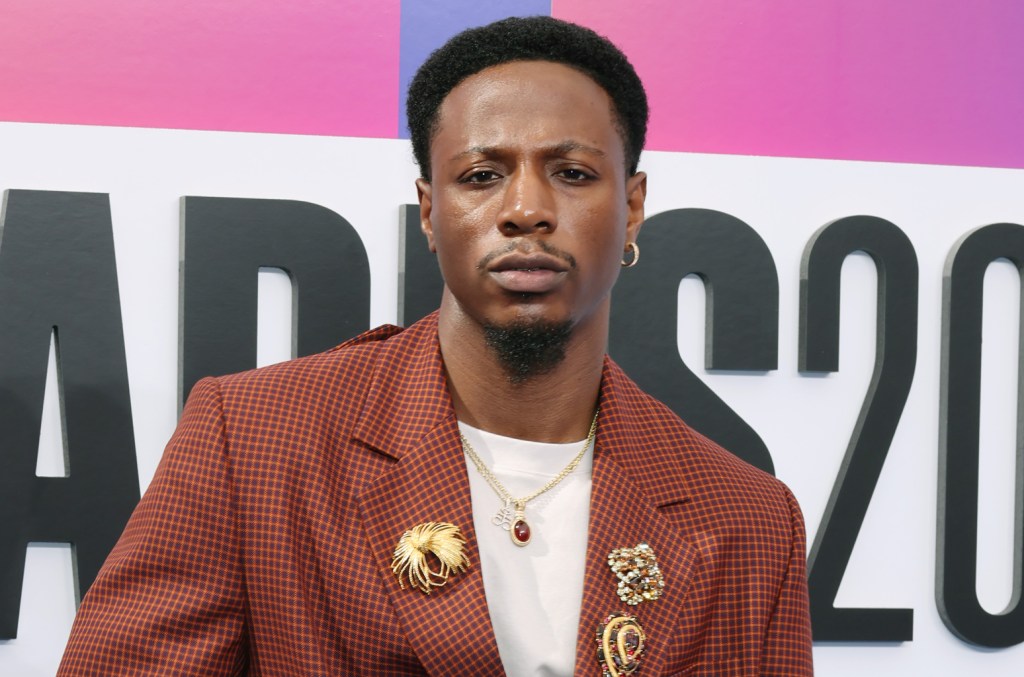
Joey Bada$$ batlle with the West Coast doesn’t appear to be losing steam anytime soon. On Thursday (May 15), the Brooklyn rapper and actor clapped back at Ray Vaughn’s recent diss track “Hoe Era” after Joey mentioned the TDE signee as he stood next to his labelmate Ab-Soul and Big Sean during their Red Bull […]
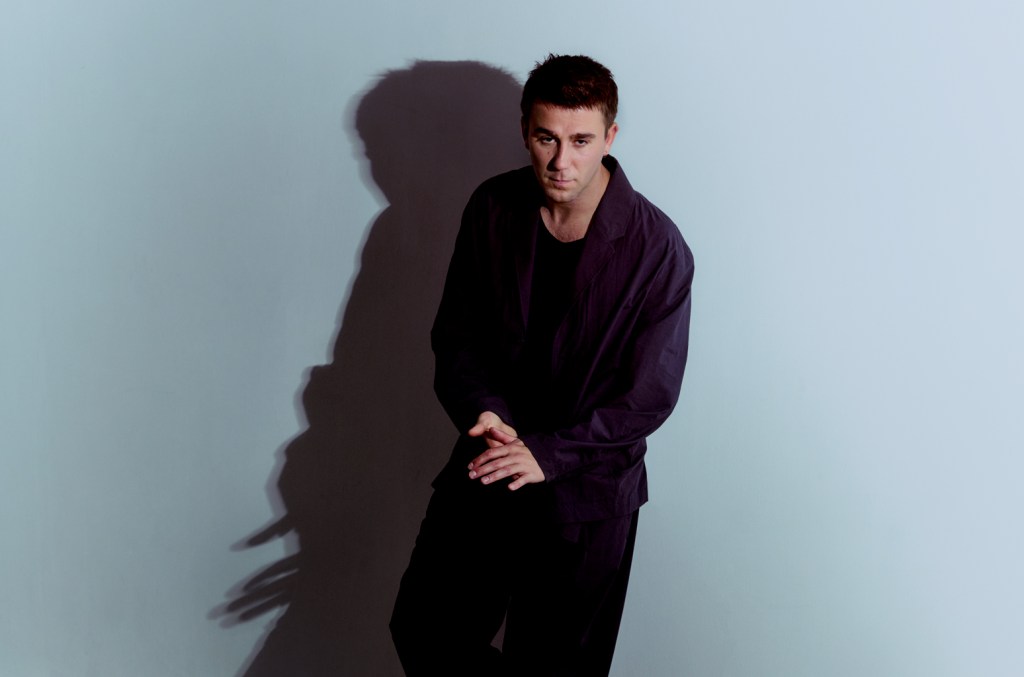
This week in dance music: DJ Snake graced the cover of Billboard France ahead of his giant stadium show in Paris last weekend. “With all humility, I don’t claim to represent France,” the producer said in the story. “I represent a guy from Paris, who’s Franco-Algerian, and I just try my best to do interesting […]
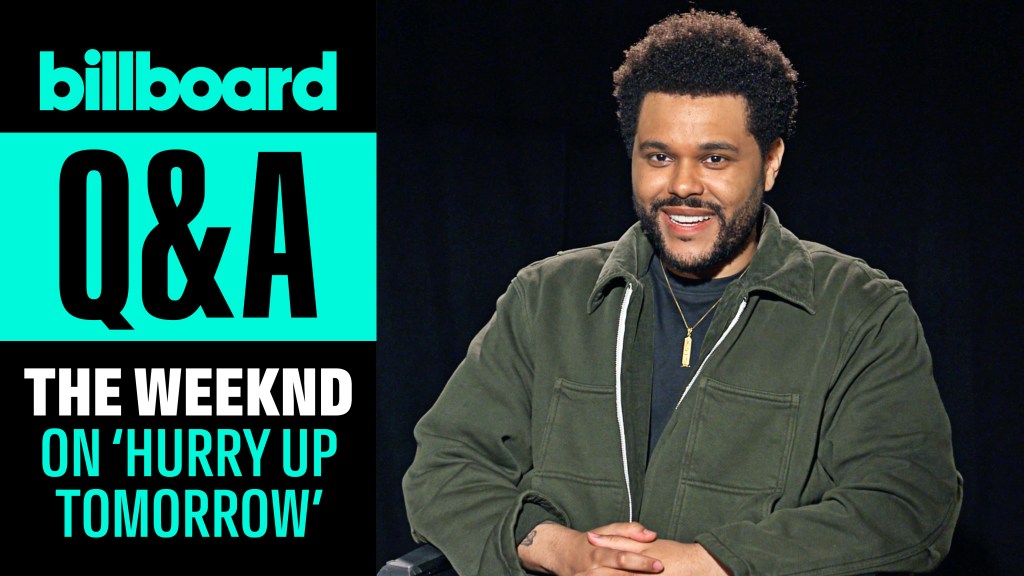
The Weeknd shares how his music from his album Hurry Up Tomorrow helps tell the story of his new movie of the same name, his inspiration for how the song works through the movie, why he decided to include his older songs in the movie and more with Billboard‘s Senior R&B, Hip-Hop & Afrobeats Writer Heran Mamo.
Heran Mamo:Heran Mamo from Billboard, as you know …
The Weeknd:Yes, how are you?
Heran MamoI’m good. How are you?
The Weeknd:I’m good, I’m good.
Heran Mamo:Good, well, congratulations on the film.
The Weeknd:Thank you.
Heran Mamo:Exciting to see you venture out into, you know, different mediums. But also I feel like knowing how much you love film, it’s such a natural progression to see your career go this way.
The Weeknd:Thank you.
Heran Mamo:One thing I wanted to know is, obviously you said in previous interviews that the film came before the album. Yeah, and you hear a lot of the like, the songs in the film, like, “Wake Me Up,” Cry for Me,” “Drive,” etc. Were those made specifically for the film and then later appeared on the album, and then all the other songs on Hurry Up Tomorrow the album, like, “Enjoy the Show,” “Reflections,” “Laughing,” etc., made when you realize, “Oh, OK, now this is gonna become an album”?
The Weeknd:Yeah. So there are certain songs that we needed completed for the film. Obviously, that performance drive was actually it wasn’t complete, but the idea was there, but we always wanted a performance song, like it was like, “What’s a concert song that we can open the film with, and in the vein of a pop record of live performance,” and “Wake Me Up,” was kind of the inspiration some of the stuff that Justice was doing. We always wanted that to kind of hit in that type of way. So, so there are certain songs, and then, of course, the the title track, the title song. That’s that idea.
You know, I was really inspired by, by Robert Altman, The Long Goodbye, where there’s this one song that you you hear it throughout the entire film. That’s what different iterations of it. When you hear it on the radio, you hear like a pop version of it, and you know, subjectively in the score, you know, diegetically, like a mariachi band will sing it every time he’s like when he goes to Mexico. And I kind of wanted to do that with Hurry Up Tomorrow, where you know, you hear, you know, pieces of this song throughout the film. It’s essentially you’re you’re seeing the making of it, not literally me making it, but like the themes and the concept and the melody and the soul of it is being made throughout the film. And you hear it the DNA is you. You hear it in the in the in the score. But eventually, by the end of it, it’s fully blossomed into this, this song, which essentially is what the film is saying. And funny enough, I actually had to finish the lyrics so that the night before, I had to perform it at the end. So yes, this music is very much a big part of the film. It came after, but it is like a sister piece. They don’t exist without each other.
Watch the full video above!
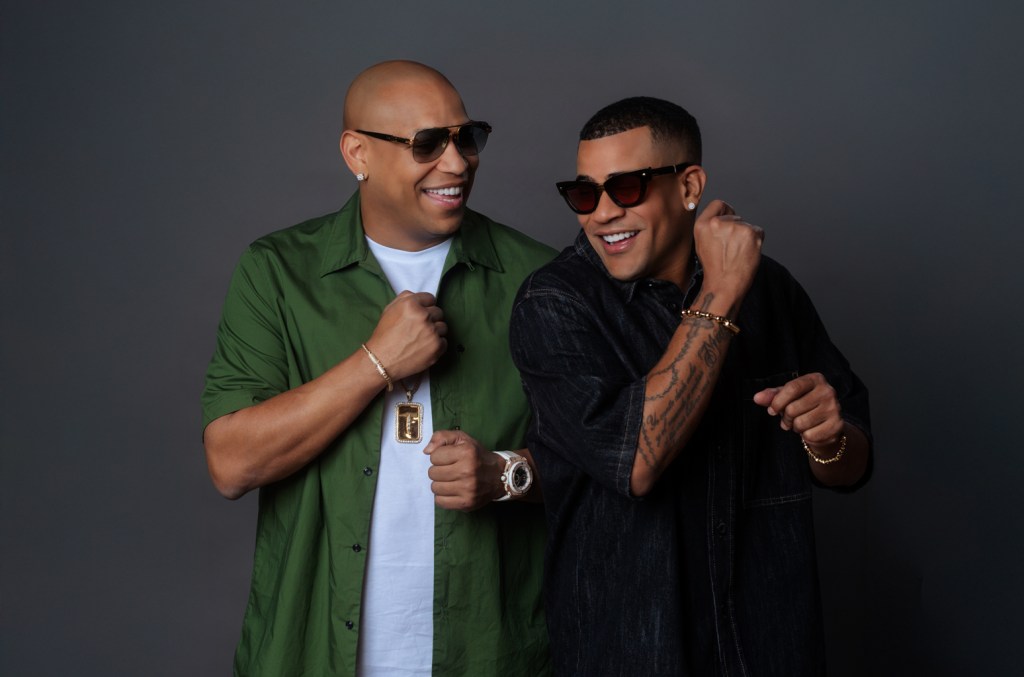
This week, Billboard’s New Music Latin roundup and playlist — curated by Billboard Latin and Billboard Español editors — features fresh new music, including new albums by DannyLux (Leyenda), Sebastián Yatra (Milagro), and Astronomía Interior (Hélices), to name a few. Cuban duo Gente De Zona also released its new album, Reparto, as a nod to the genre’s growth in popularity. “We’re showing […]
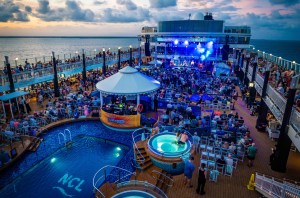
Most cruise ships clear their top decks to fit as many passengers as possible in the pool, but on the Norwegian Gem, that valuable real estate is sacrificed for something a little more sacred: the blues.
That’s because the 965 foot-long vessel, part of the Norwegian Cruise Line (NCL) fleet, is currently the home of the Keeping the Blues Alive at Sea X cruise — a sold-out annual expedition for which the ship’s theaters, lounges and swimming pool are all repurposed for hi-fidelity performances of guitar-driven rock, rhythm and blues.
On the Norwegian Gem, what was once a swim-up bar and pool is now drained and filled with monitors, rigging and enough staging to accommodate a full-scale live show built for theaters and performing arts centers. On Keeping the Blues Alive, contemporary blues legend Joe Bonamassa headlines a lineup of more than a dozen artists that also includes Grammy-winning duo Larkin Poe; rock and blues veteran Big Head Todd and the Monsters; Grammy winner Christone “Kingfish” Ingram; and blues guitarist Eric Gales. Launching out of Miami with stops in Belize and Cancun, Mexico, the cruise is facilitated by the Atlanta-based company Sixthman, a subsidiary of NCL since 2009. This year, the five-night voyage is accommodating about 2,500 diehard Bonamassa fans who have spent approximately $2,500 per cabin to hit the seas with the blues legend and the rest of the lineup, curated by Bonamassa and manager Roy Weisman.
Trending on Billboard
Keeping the Blues Alive at Sea
Will Byington
“Initially, I was not interested in doing a blues cruise — I had done one before and hated it,” explains Bonamassa, cigar in hand, speaking on the open-air deck of his top-level suite aboard the Gem. “And then I got a call from Sixthman in 2015 and was pitched on an experience that was more artist-friendly and didn’t require me to be in it so much. So we tweaked my schedule a bit, gave it a shot and I just saw how much fun everyone was having. Not just the fans, but the interactions with the other bands.”
Each artist on the Keeping the Blues Alive cruises is paid a festival rate and contracted for three appearances: typically two large stage performances and then a smaller, more intimate engagement. For Bonamassa, that means two main stage performances and a live session of his podcast Welcome to Nerdville.
This edition of Keeping the Blues Alive at Sea, a nod to Bonamassa’s non-profit of the same name, sold out months in advance. When the cruise hit the seas on March 20, the blues man already had two more sold-out Sixthman cruises on the books, including one to Alaska that departs from Seattle.
“Our model is that we focus on passionate communities, and this is one of the most passionate communities out there,” says Jeff Cuellar, who has served as Sixthman’s CEO since Jan. 17. Prior to that, Cuellar worked at festival company AC Entertainment, founder of the famed Bonnaroo festival outside of Nashville.
Larkin Poe
Will Byington
Bonamassa fans are on the older side, averaging ages 55 to 60. Besides an affinity for Bonamassa’s live performances, they are generally interested in blues, rock and guitar-driven music. However, Sixthman and NCL’s music business goes beyond Bonamassa; the company services more than 35 cruises annually, with upcoming voyages planned for Creed, Lindsey Stirling, Michael Franti, and Coheed and Cambria. Sixthman has also seen success with non-music themed voyages, including several chef-driven food cruises, a true crime podcast cruise and a recently launched cruise celebrating the Hallmark Channel, which sold out hours after going on sale, breaking a company record.
Most cruises take off from Miami and by law are required to make one stop at a foreign port — for NCL, that typically means Nassau, Bahamas; Costa Maya, near Cancun; and Harvest Caye, a private island owned by NCL in Belize. Most cruises include all-inclusive food offerings — alcohol packages are sold separately, typically in advance — and a variety of amenities including outdoor basketball courts, rock climbing walls, full-service gyms, specialty restaurants and casinos with poker rooms that often feature appearances by talent.
Cuellar says Sixthman operates much like a traditional promoter: “For the longest time, music has been the core of what we do and will always be the core, but we have started to diversify and look at other passionate communities, whether it be [for baseball team] the Savannah Bananas or Jay and Silent Bob,” the cinematic duo from Kevin Smith’s cinematic universe. Prices for most cruises start at $1,172 per person for interior cabins and run as high as $2,937 per person for high-end suites with meet and greets. The Norwegian Gem has a total of 1,197 cabins, while larger ships like the Norwegian Encore boast 2,043.
Keeping the Blues Alive at Sea
Will Byington
“It’s a lot of inventory to sell, and while we can have conversations about VIP sales and merch sales, we want to dig even deeper,” says Cuellar. “We want to know where fans are talking about the artist. Is it on Reddit? Is it Facebook? Where are other conversations happening?”
That information becomes critical when it comes to selling and marketing cruises, Cuellar explains, noting that Sixthman heavily relies on the artist to help sell cruise packages. Drawing from data points like Spotify listens, merch and VIP sales, the Sixthman team creates an index for participating artists and then “put[s] out a couple of scores that we use for evaluation to determine how confident we feel that this engagement will be a success,” he says.
“We’ll actually survey a section of their audience so that we know who would be willing to participate,” Cuellar adds. “Sometimes, you get great responses, and we decide to book it immediately, and other times we find it’s not the experience fans are looking for.”
Sixthman’s success with Bonamassa is due to “his amazing connection to his fans,” Cuellar says. “When Joe talks about it, people respond. When he sends out an email, people respond because they know they’re going to get a top-quality experience.”
It’s an experience that Bonamassa and Weisman, his longtime manager and business partner, have spent the last 26 years cultivating, evolving Bonamassa’s live show into a global touring brand with around 100 performances a year. Bonamassa began his career in 1989 as a 12-year-old guitar prodigy opening for blues legend B.B. King and spent his early 20s working the blues nightclub circuit. Weisman, a longtime music executive whose father was Frank Sinatra‘s manager for the last few years of his career, met Bonamassa in 1999 and worked with the bluesman to elevate his live shows to theaters and performing arts centers.
Keeping the Blues Alive at Sea
Will Byington
Their company, J&R Adventures, is home to Bonamassa’s record label, artist management group and vertically integrated touring entities that promote, market and produce his live shows. Early on in their relationship, the men discovered the pathway to success “was super serving an underserved marketplace,” Weisman says. “The key was for us to approach the blues like we’re not afraid of it,” he adds. Instead of trying to mold Bonamassa into a AAA-radio-friendly artist, Weisman says he and Bonamassa had to “go into the blues like a house on fire. Walk right into it. Not be afraid or try to circumvent around it because there’s room as an independent to make a wave without being crushed by the majors.”
That means owning and controlling every part of Bonamassa’s business, from his label to concert promotion. J&R Adventures books the venues for Bonamassa’s tours, takes the risk on each show and handles everything from production to marketing. For Sixthman, Bonamassa’s familiarity and understanding of his audience make him a natural partner, says Cuellar. Bonamassa’s team books all of the support talent and helps curate some of the artist-to-fan activities, like poker tournaments, cooking demonstrations, fireside acoustic performances and meet and greets.
Neither Cuellar nor Weisman would say how much Bonamassa earns from the cruises, other than to note that the model is based on profit sharing and Bonamassa is one of the top-selling artists in the history of the company.
“And they give us this amazing suite,” Weisman says of his accommodations on the top floor of the 14-deck sea liner that’s located inside NCL’s luxury penthouse complex called The Haven, which is equipped with high-end furnishings, private balconies and a 24-hour concierge service, all roped off from the rest of the cruise.
“Norwegian makes it very easy for artists who are used to living out of a suitcase and a hotel room,” he continues. “Being on a cruise like this allows you to settle in a bit, even if it’s just for five days. The privacy and hospitality they facilitate makes a noticeable difference.”
“Our greatest glory is not in never falling, but in rising every time we fall.”
It’s amusing to think modern-day cowboy Cody Johnson has much in common with an ancient Chinese philosopher. And yet his current single — “The Fall,” released by Warner Music Nashville to country radio on April 10 — mirrors thoughts about life and resilience expressed by Confucius around 500 years B.C. Johnson’s performance may hinge metaphorically on a rodeo experience, but its meaning resonates beyond the arena and across the centuries.
“When I heard the song, it sounded like the story of a lot of different people,” he says. “It is kind of cowboy, and it is authentic to me, as ‘The ride was worth the fall,’ you know. ‘I’d climb back on again.’ But it also has this relativity to a lot of other different people and their story. It’s a very unique thing that I couldn’t ignore.”
Explore
Explore
See latest videos, charts and news
See latest videos, charts and news
Songwriter Bobby Pinson (“Burning Man,” “It Happens”) came up with the hook, “The ride was worth the fall,” in 2021. That line would lead to a connected thought — “The fall was worth the smiles” is the next line in the chorus — and the chorus would build one step at a time with each phrase borrowing from its predecessor.
Trending on Billboard
“There was definitely the ankle-bone-connected-to-the-knee-bone theory going,” Pinson recalls. “That’s what I call it when one thing causes the other.”
That summer, with a wave of COVID-19 bubbling in Nashville, he booked a Zoom co-write with Jeremy Stover (“Time’s Ticking,” “You’re Like Comin’ Home”) and Ray Fulcher (“When It Rains It Pours,” “Lovin’ on You”), who was signed as an artist at the time with Black River and was about to head out on a radio promotion tour. Fulcher had no idea when he would be free to write again. He told his co-writers that since he might be opening a new chapter, he wanted to close this one with something meaningful. Fulcher had been enamored as a kid with the movie 8 Seconds about rodeo star Lane Frost, so “The Fall” had the potential to turn a personal interest into a universal lesson. The writers hinted at the sport, but avoided obvious words, such as “rodeo,” “horse,” “rope” or even “cowboy.”
“We wanted it to feel that way, without all of those pictures,” Fulcher explains. “We thought it would be cooler if we could say all that stuff without saying it.”
They dug in on the chorus first, constructing a melody that matched the lyrical idea. Each line would peak a half-step or full step higher than the previous one as the story built toward a new plateau. The chorus reached a crescendo about three-quarters through, then subsided in intensity as it circled back to a repetition of the original line, “The ride was worth the fall.”
“I think that aspect of it is a big part of the song,” Stover says, “the way the melody goes with the lyric — especially the way it goes into the minor [chord] at the end of the hook.”
Turning their attention to the verses, they similarly used a minor chord to launch a dark, conversational melody as the character confessed some of his failings.
“That’s life,” Stover suggests. “We obviously know no one is perfect, and that aspect of life, I think a lot of people relate to.”
The melody turned almost bouncy in the fourth and fifth lines of the verse — just enough to enhance the sing-along quality — then returned to a serious tone, setting up the impactful chorus. After piling up nebulous, non-rodeo images — alcohol abuse, arrogance, spiritual shortcomings — the first verse’s final line set up the chorus with a bronco-busting notion: “even when I fell off.”
“Everybody’s been through these things,” Pinson says, “and the key to a good song, to me, is to put things in there that people can use to their own advantage or insert into their own life. It’s not necessarily my stories or my pictures. It’s just my paint for somebody else’s painting.”
As they wrapped, Fulcher felt like they had written the significant kind of song he had desired.“It was pretty emotional — not every write is — to kind of dig into some of those parts of yourself that have felt the same way,” he says.
Subsequently, while Fulcher was on a radio tour, Pinson and Stover produced a demo that made its way to producer Trent Willmon (Granger Smith, Drake Milligan). “The Fall” reminded Willmon of Garth Brooks. “It felt like it could be a song like Garth’s ‘The Dance,’ but in a little more cowboy sort of language,” Willmon says. “And Cody loved it.”
Still, Johnson remained “on the fence about the song,” he says, fearful that it might sound like “’Til You Can’t, Part II.” Willmon, Johnson remembers, talked him into moving forward with it:
“His exact words were, ‘You’re at a point in your career where, if you want to record songs to try them on, record them. Try them on, and if you don’t like them afterward, we’re good. We just wasted a little time in the studio, and it’s OK.’ ”
They cut it at the Starstruck Studios in Nashville with a band that included drummer Jerry Roe, bassist Mike Brignardello, keyboardist Jim “Moose” Brown, acoustic guitarist Tim Galloway, steel guitarist Scotty Sanders and electric guitarists James Mitchell and Justin Ostrander. The demo gave them a good road map, though Johnson asked them to cut the tempo just a bit and to play with a tougher vibe.
“It needed that kind of ‘pump your chest out and be proud’ aspect,” Johnson says. “When we explained that to the band, I’d been kind of playing with the little acoustic riff at the beginning. Obviously, the players that played on the track were better than me, so they took it and ran with it.”
In the process, they scrapped a bridge and replaced it with Ostrander’s scene-changing solo. Johnson sang full-throated on every pass.
“The great thing about a great band is they’re paying attention not just to the numbers that are written on the chart, but they’re paying attention to the lyric and they’re listening to the singer,” Willmon says. “I think a lot of the changes that happened during tracking was because Cody was in there singing it with all this raw power and emotion and they’re feeling it. So that dictates a lot of how that band plays.”
Fiddler Jenee Fleenor overdubbed a pile of parts, creating a string section in the process. Willmon and Greg Barnhill provided backing vocals, and the song emerged as a fan favorite at concerts. It’s at No. 50 in its second week on Country Airplay as it establishes a home on the airwaves, seemingly fulfilling its destiny.
“It was not a single, we hadn’t pushed it, and I started noticing when I played ‘The Fall,’ as soon as I started playing the guitar [intro], every cell phone in the audience came up,” Johnson says. “After the first chorus, when I sing ‘The ride was worth the fall,’ the crowd goes insane. It feels like this song has already been on radio.”
Now, “The Fall” begins its rise.
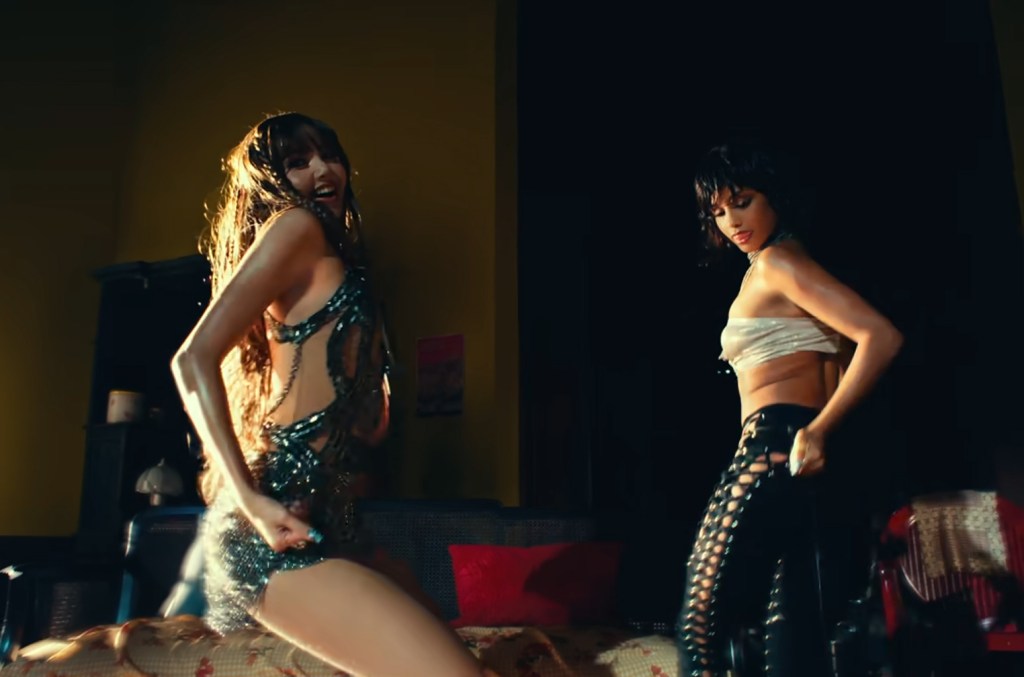
LISA and Tyla unveiled the scorching music video for their collaborative single, “When I’m With You,” on Friday (May 16).
As the Olivia De Camps-directed visual opens, the onset of a heatwave is announced over the radio promising “the hottest summer ever recorded.” The two international stars trade lines on the first verse, — LISA fanning herself from the comfort of a lounge chair and Tyla hanging with friends at a salon — before coming together to dance through the song’s chorus.
Later, a shirtless Mason Gooding makes an appearance during the second verse, flirting poolside with LISA as she raps, “Quick trip, won’t wait and I’m there for you/ Good girl, I’ll dare, but I’m bad for you/ Elevate my space and my bed for you/ Anyways, any day, I’ll make plans for you.”
Eventually, the video culminates with the K-pop idol and South African Grammy winner taking a dip in the pool during the song’s chant-ready outro, singing, “You must be outta your, outta your, outta your mind/ Can’t tell me nothing ’bout, nothing ’bout, nothing ’bout mine.”
Trending on Billboard
“When I’m With You” is the latest track off LISA’s debut solo album, Alter Ego, to get the music video treatment following lead single “Rockstar,” Rosalía collab “New Woman,” “Moonlit Floor (Kiss Me),” the Doja Cat and RAYE-assisted “Born Again” and “FUTW,” which featured the Thai superstar stepping into the shoes of her alter ego, VIXI.
The studio set debuted at No. 7 on the Billboard 200 upon its March release, and since then, LISA has brought Alter Ego to Coachella and walked the carpet of the Metropolitan Museum of Art for her very first Met Gala.
Meanwhile, Tyla dropped her latest single, “Bliss,” earlier this month, just days before also making a splash on the Met Gala carpet in a pinstripe Jacquemus suit. Next, she’s set to host the 2025 Kids Choice Awards on June 21.
Watch LISA and Tyla’s “When I’m With You” video below.

In recent years, social media platforms have become a key battleground for copyright infringement disputes, with music rights holders targeting brands that use copyrighted tracks in social media posts.
This development can be traced, in part, to increasingly sophisticated software that major music labels and publishers use to monitor infringing uses of their songs online — a reaction to the “whack-a-mole” frustration that rights holders feel when they consistently find their songs being used on the Internet without permission. And with the risk of potential statutory damage awards for copyright infringement ranging from $200 to $150,000 per infringed work, rights holders can hold significant leverage in any ensuing legal action. Thus, whether a brand is incorporating music into posts on its social media channels or partnering with influencers who do the same, using music on social media has never been riskier.
Below, we examine the rising tide of recent lawsuits and other legal action taken against brands by music rightsholders and outline key takeaways to help avoid infringing uses and ensure that artists are properly compensated for their work.
Trending on Billboard
The Vital Pharmaceuticals Case
In 2021, UMG Recordings sued Vital Pharmaceuticals, the parent company of Bang Energy, for direct, contributory, and vicarious copyright infringement, alleging that videos posted by Bang and its influencers on TikTok used UMG’s copyrighted songs without permission. UMG argued that Bang was “well aware” that its conduct constituted copyright infringement because UMG had informed Bang of its unauthorized uses before bringing suit. UMG also argued that Bang had control over and financially benefited from its influencers’ infringing videos, which the influencers submitted to Bang for approval before posting.
Bang denied any knowledge of infringement, arguing that TikTok’s standard music license covered Bang’s use of UMG’s music. The court disagreed and granted summary judgment on UMG’s claim for direct copyright infringement, holding that UMG did not authorize TikTok to permit end users, such as Bang, to use the music for commercial (as opposed to personal) purposes. The court reasoned that because direct liability for copyright infringement does not require proof of intent, Bang’s belief that TikTok gave it permission to use UMG’s music was, at most, relevant to the amount of damages Bang owed, not whether it was liable for copyright infringement in the first instance.
The court ruled against UMG, however, on its vicarious and contributory infringement theories related to Bang’s influencers, concluding that UMG failed to prove that Bang had input regarding the selection of music included in influencers’ videos and did not point to any evidence that Bang received a direct financial benefit from the influencers’ videos.
The Growing Litigation Trend
Since UMG v. Vital Pharmaceuticals, music rights holders have ramped up enforcement efforts against other brands. Sony Music Entertainment launched its own copyright infringement lawsuit against Bang (as did Warner Music Group) and also filed claims against brands such as Gymshark, OFRA Cosmetics, Marriott International and the University of Southern California. In each case, the brands, and/or the influencers they hired, allegedly used Sony-owned sound recordings in posts promoting the companies’ products or services.
Similar to UMG’s argument in Vital Pharmaceuticals, Sony argued that each of the companies knew that their content infringed Sony’s copyrights prior to the lawsuits, and thus that the infringement was “willful,” entitling Sony to statutory damages as high as $150,000 per infringed work. In the Gymshark case, as in Vital Pharmaceuticals, it was alleged that Gymshark knew that the music was unlicensed because Gymshark previously approached Sony to discuss music licensing and then proceeded to use Sony’s music without securing commercial licenses. OFRA allegedly failed to take down infringing content after Sony sent a cease-and-desist letter and then posted new infringing content after learning of Sony’s claims. And Marriott allegedly did not take down its posts upon Sony’s request, was previously sued in 2021 for similar copyright infringement issue, and generally knew how to enter into music licenses.
As in Vital Pharmaceuticals, Sony also brought claims against alleged infringers, such as Gymshark and OFRA, for contributory and vicarious liability based on their influencers’ infringing content. Most recently, Warner Music Group (WMG) sued Crumbl and Designer Brands Inc., the parent company of DSW Shoe Warehouse, under similar theories.
While a number of these cases were just recently filed, and others ultimately settled out of court or appear to be moving towards settlement, there is no question that they are part of a fast-growing trend, and provide a glimpse into the mindset, and tactics, of rights holders with respect to unauthorized music use on social media platforms.
Navigating Platform Music Licenses
So what can brands do to avoid this type of legal action and ensure from the outset that artists are properly compensated for their copyrighted works? The best way to avoid copyright infringement when using music owned by a third party is, of course, to license the music directly from the third-party rights holders. This approach is often impractical, however, given the speed and volume with which brands need to publish content on social media.
Instead, many brands use music from the social media platforms’ respective “commercial music libraries” or “CMLs,” which contain different music options than those available for “personal” accounts. The CMLs, such as Meta’s Sound Collection and TikTok’s Commercial Music Library, allow companies and individuals to use music on the platform specifically for commercial purposes, so long as the brand also adheres to the platform’s other license terms.
Using CMLs can pose challenges, however, especially with respect to registering “business” accounts within each platform. Even with the proper registration, it is not always clear which music within the different libraries’ business or commercial accounts can use, and the scope of those rights may (and do) change over time. There are, however, a number of strategies brands can use to help ensure they are using permitted music.
For example, before using a platform’s CML, brands should review the CML’s terms of service and related policies, including terms that specify which commercial purposes the music can be used for and whether the songs can be used in videos on other platforms. It is equally important for brands to actively track the platforms’ evolving license terms in order to remain compliant. And for some brands, it may make sense to use software or external vendors to monitor and flag their brand and influencer posts for potential copyright violations across social media platforms. Of course, every brand’s business needs will be different. The key is finding the right combination of internal and external resources to help minimize the risk of copyright infringement.
Conclusion
The rising chorus of lawsuits from music rights holders is nothing to tune out. Brands using music as part of their social media strategies (which, practically speaking, is almost every brand) must take proactive steps to mitigate legal risks, and they will also be protecting artists’ rights in the process. This includes complying with and staying informed about changes to platform-specific licensing terms, ensuring that their influencers stay within the bounds of such terms, and considering tools to monitor, flag, and remove potentially infringing content. Failing to take these precautions can lead to costly litigation, reputational damage, and the forced removal of content.
Sarah Moses is an entertainment litigation partner with Manatt, Phelps & Phillips, LLP and focuses her practice on a variety of complex litigation and commercial disputes. She represents media, entertainment and technology clients in copyright, trademark, right of publicity, First Amendment, blockchain and artificial intelligence (AI) matters, among others.
Monica Kulkarni is an advertising, marketing and media associate with Manatt, Phelps & Phillips, LLP. She represents clients across a variety of industries and provides multidisciplinary legal counseling on transactional, compliance and regulatory matters in advertising, entertainment and media.
Jacob Geskin is a law clerk with Manatt, Phelps & Phillips, LLP based in the Firm’s New York office where he works across music, intellectual property and media law.

At first blush, Rihanna’s “Friend of Mine” does not sound like a single from a kids movie. Unlike the superstar’s previous soundtrack work for films like Black Panther: Wakanda Forever and Home, which tended to veer toward sweeping pop balladry, “Friend of Mine” is a thumping club track, with Rihanna’s voice positioned as an elliptical refrain over a house beat.
Explore
Explore
See latest videos, charts and news
See latest videos, charts and news
Jon Bellion, who co-wrote and co-produced the track last year, was initially surprised to hear that the song would be featured in the upcoming Smurfs film, in which Rihanna is voicing Smurfette. Then he considered the sonic profile of “Friend of Mine,” and understood its mass appeal. “From a product standpoint, I don’t think you get such major chords and such a positive [message] over a dance record that doesn’t sound like a kids movie too often,” he tells Billboard. “So when do you nail the feel-good, family-friendly, high-taste, deep ‘90s nostalgia, that can also be played into the kids movie? Shoot it out into the world!”
That’s exactly what Rihanna did on Friday (May 16) with “Friend of Mine,” which precedes the Smurfs soundtrack (out June 13 through Roc Nation Distribution) and her star turn in the Smurfs film (in theaters July 18). Three years after her last music release, Rihanna has offered “Friend of Mine” as a long-awaited check-in with fans, and an unexpected song of the summer bid.
Trending on Billboard
The song came together during one of Bellion’s writing camps at his vacation home in the Hamptons last summer, with the studio veteran producing the song with Pete Nappi and Fallen, and all three receiving co-writing credits along with Elijah Noll, Elkan, Tenroc and Rihanna. That group of writers and producers are part of Beautiful Mind Projects, Bellion’s management, publishing and label company, and Bellion — who’s helped artists like Justin Bieber, Miley Cyrus and Maroon 5 score pivotal hits in recent years — says that the energy heard on “Friend of Mine” is a reflection of his collective’s collaborative spirit.
“It was a bunch of people having a blast, doing a music camp together, jamming on some DJ s–t and playing chords and just having fun,” he says. “And I think that that’s probably why it ended up sounding so new. It just felt like a natural thing, with a bunch of guys who like being around each other and want to make great s–t.”
“Working with [Jon] is always exciting because you know you’re going to walk away with a real song,” the producer Fallen, who’s also worked with artists like Doja Cat and Summer Walker, tells Billboard in a statement. “He sees things through. He’s the kind of person who will spend an entire week on a single track if that’s what it takes. We spent about three days on ‘Friend of Mine,’ just refining and dialing it in. Coming from the hip-hop world, I’m used to making five songs in a single session, so this level of detail was new for me. But it’s been the most valuable lesson I’ve learned working with him.”
One of Bellion’s earliest hits as a co-writer was “The Monster,” the 2013 smash from Eminem and Rihanna that topped the Hot 100 chart for four weeks. In the decade-plus since that breakthrough, he’s stayed in touch with Rihanna’s team, and says that he’s contributed “a couple songs” to her camp over the years that have yet to be released.
Considering that Rihanna’s output has been scant since her 2016 album ANTI, Bellion was uncertain that “Friend of Mine” would see the light of day, but the spontaneity of the track’s creation stood out in his mind when it came together last year. “The song is raw — like, she didn’t really mix it further than the two track that we sent out,” he says. “We [sent] it out, and I had it on my phone for a few days, and I just remember, every morning I’d wake up listening to it. I’d listen to it in the shower, like, ‘This is kind of jamming!’”
Bellion couldn’t recall another Rihanna single that sounded quite like “Friend of Mine” — and he says that, at some point after the song was finished, the realization hit him that unexplored territory was exactly what she had been searching for. “She’s not looking for ‘We Found Love 2.0,’ or ‘Work 2.0,’” he says. “The arrangement and the feel feels all very new — very cutting-edge, in front of what the next wave will be, because she usually tries to do that every time she puts something out.”
“Friend of Mine” arrives shortly before Bellion’s third studio album, Father Figure, is released on June 6; the project marks his first solo full-length in seven years, and features guest turns from Luke Combs, Pharrell Williams and Jon Batiste. While Father Figure includes deeply personal reflections on fatherhood and its challenges, Bellion is glad that “Friend of Mine” has arrived a few weeks beforehand, to give him a chance to pull off something he has yet to accomplish professionally.
“My whole career, I’ve wanted [a song] that plays at all the events — all the baby showers and sweet sixteens and wedding and Bar Mitzvahs,” Bellion says with a laugh. “I don’t think I’ve ever really had one of those, so it feels great, and hopefully it does well.”
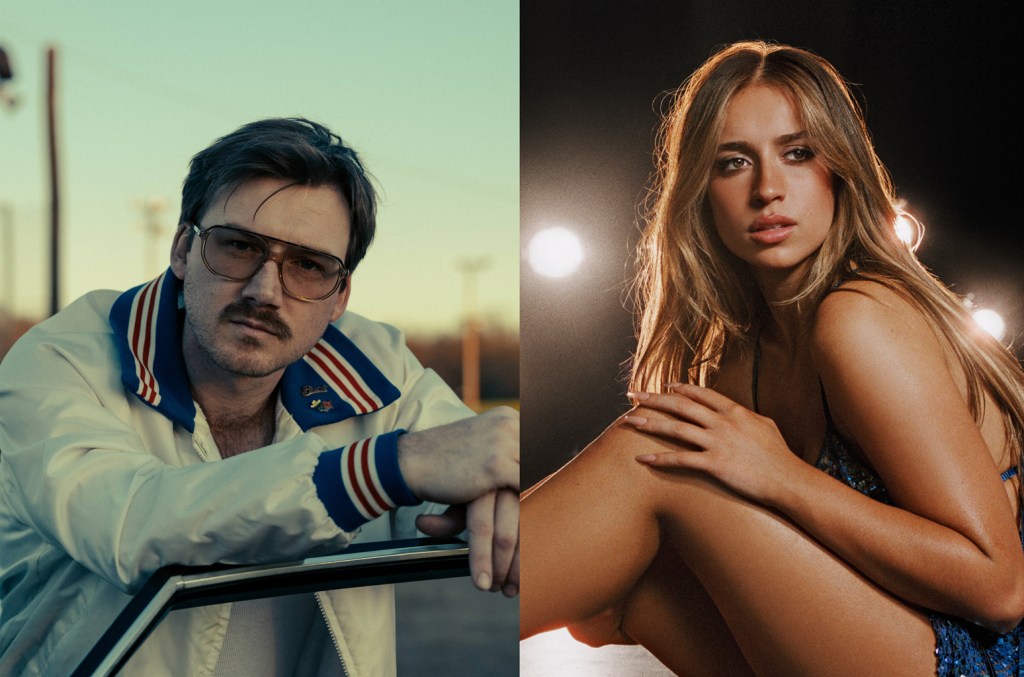
Morgan Wallen has his sister, Ashley, to thank for his new collaboration with pop star Tate McRae.
The country star and Canadian singer pair for the shimmering “What I Want,” about two broken hearts who find solace in each other, if only temporarily, on Wallen’s new album, I’m the Problem, which came out Friday (May 16).
“My sister turned me on to Tate and her music a few years ago and I’ve been a fan ever since,” Wallen tells Billboard. “She is a true pop star, a prolific songwriter and is also an extremely underrated vocalist.”
It turns out this duet has been a few years in the making. “We have known each other for a couple years and have been talking about doing a song together if the right one came about,” Wallen continues.
Trending on Billboard
“What I Want” wasn’t originally intended to be a duet, “but after listening to it a few times, she kept coming to my mind as someone that would really give the song a dynamic element that I felt it deserved,” Wallen says. He co-wrote the track with McRae, Jacob Kasher Hindlin, Ryan Vojtesak, John Byron and Joe Reeves.
Wallen has long wanted to record a duet with a woman, but was being very selective. In a Billboard interview at the end of 2023, the country star said, “I’ve reached out to a couple of people, and they’ve turned me down.” He declined to name names. “I just really want certain people, and I haven’t gotten the chance to do it yet. I’m going to keep trying to write songs for it or write with them.”
Wallen has released a number of successful collaborations with male artists, including “I Had Some Help,” his massive hit with Post Malone, as well as songs with Eric Church, Chris Stapleton, Florida Georgia Line and rapper Lil Durk. In addition to McRae, the new album also includes duets with Church, HARDY, ERNEST and Post Malone.
Like Wallen’s, McRae’s career is on fire. She earned her first No. 1 album on the Billboard 200 earlier this year with So Close To What, which came out Feb. 21. She is on a worldwide Miss Possessive arena tour that comes to the U.S. in August.