State Champ Radio

by DJ Frosty

Current track

Title

Artist

Current show

State Champ Radio Mix

12:00 am 12:00 pm

Current show

State Champ Radio Mix

12:00 am 12:00 pm


Author: djfrosty

Page: 931

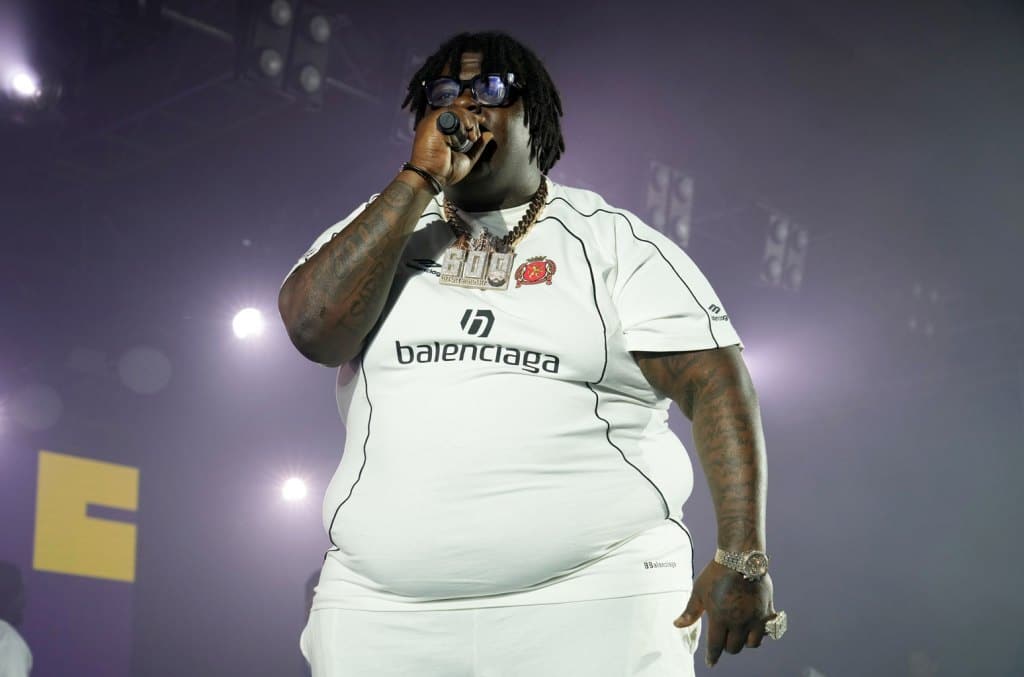
BigXthaPlug (born Xavier Landum) has been arrested on a possession of marijuana charge in Arlington, Texas. The Arlington Police Department tells Billboard BigX was booked into Arlington City Jail early Wednesday (Feb. 26) following a traffic stop shortly after midnight, and was charged with possession of less than two ounces of marijuana. An Arlington Police […]

Artist contract clauses to promote environmentally sustainable touring were highlighted Wednesday (Feb. 26) in London at the 37th annual International Music Conference.
The green initiatives have been put forth by the U.K. live music advocacy group LIVE (Live Music Industry Venues and Entertainment). Its members are a federation of 16 live music industry associations representing some 3,159 businesses, more than 34,000 British artists and 2,000 backstage workers.

Delegates to the ILMC, who hailed from some 60 countries, were greeted Wednesday morning with comments from Chris Bryant, the U.K. minister for creative industries, arts and tourism. “Live music in the U.K. is a really important part of what we have to offer,” said Bryant (while he lamented poor wifi at festivals and “utterly inedible” food at many venues).

Trending on Billboard

The green contract clauses, initially announced by LIVE last October, are “designed to galvanise industry-wide action and transform the environmental impact of live events,” according to a statement from the organization.

Efforts to reduce the impact of travel-intensive touring on the climate have been promoted in recent years by artists like Coldplay.  

When the band announced its Music of the Spheres Tour in 2021, it pledged to reduce its direct carbon emissions—from show production, freight, band and crew travel—by at least 50%. Coldplay subsequently announced that carbon emissions on the first two years of that tour were 59% less than its previous stadium tour (2016-2017) on a show-by-show basis, with its figures verified by the MIT Environmental Solutions Initiative.

The LIVE environmental proposals come at a time when climate change is acknowledged as the driving cause of catastrophes worldwide, from extreme flooding in Europe last fall to the devastating wildfires in Los Angeles earlier this year.

Within the music industry, it has been estimated that extreme weather had affected at least 30 major concerts in 2023, including evacuations, cancellations and postponements, based on a running tally, “while the total number of affected music events worldwide is surely far higher,” Billboard reported.

The contract clauses result from discussions with representatives from the agencies Wasserman and ATC Live, the global event producer TAIT, the Music Managers Forum and other major players in the touring industry. Leading the process has been the working group LIVE Green, guided by Carol Scott, the Principal Sustainability Advocate at TAIT, and Live Green impact consultant Ross Patel.

“It’s a long road, we’re all on it and we’re going in the right direction,” Patel told an ILMC session Wednesday which he hosted, along with Hilary Walsh, general manager of the U.K.booking agency Pure Represents.

The clauses are intended to help artists, agents, promoters,venues and others to create events with environmental sustainability at the core of planning events, with a focus on energy efficiency; waste reduction; water conservation; local and sustainable food; low carbon emission means of transport to encouraging attendees to travel to the show using lower carbon emission transport; offering sustainable and ethical merch; and much more. 

“We’re presented with the evidence of a changing global climate on a daily basis,” said Patel as he opened the ILMC session.  “And we also know that we hold the keys to be more resilient.”

Patel made the point that the changes to long-standing practices needed within the live music industry to make touring more sustainable are similar to those in the field of health and safety that are now considered standard.

Patel praised “industry professionals who can pack out an empty room at the drop of a hat, or transport thousands of fans to fields in the middle of nowhere, for life-changing experiences…. So why stop there?  Why not create events that fill attendees with hope” in the face of climate challenges.

Environmentally sustainable live events exist, said Patel. “The challenge is how to increase the frequency of that.”

Walsh offered the perspective of Pure Represents, a relatively young booking agency, whose founder, Angus Baskerville, has made sustainability a personal and business priority.

“It’s really important to Angus,” said Walsh, noting the agency founder is the father of two small children and “wanted to leave behind a legacy that was sustainable.”

Walsh notes that the green contract clauses (available online from LIVE) have been easily inserted into touring agreements for Pure clients.  

But sometimes those clauses have been deleted in returned contracts. Reducing resistance to change, says Walsh, required “conversations, not just on email, on Power Points, or any of that” with promoters, venues, tour managers, production managers and artist managers.

“It’s about us sharing that information,” says Walsh. “I think slowly everybody is getting onboard.”

Katie Bain provided assistance in this story.

HipHopWired Featured Video

Source: adidas / adidas
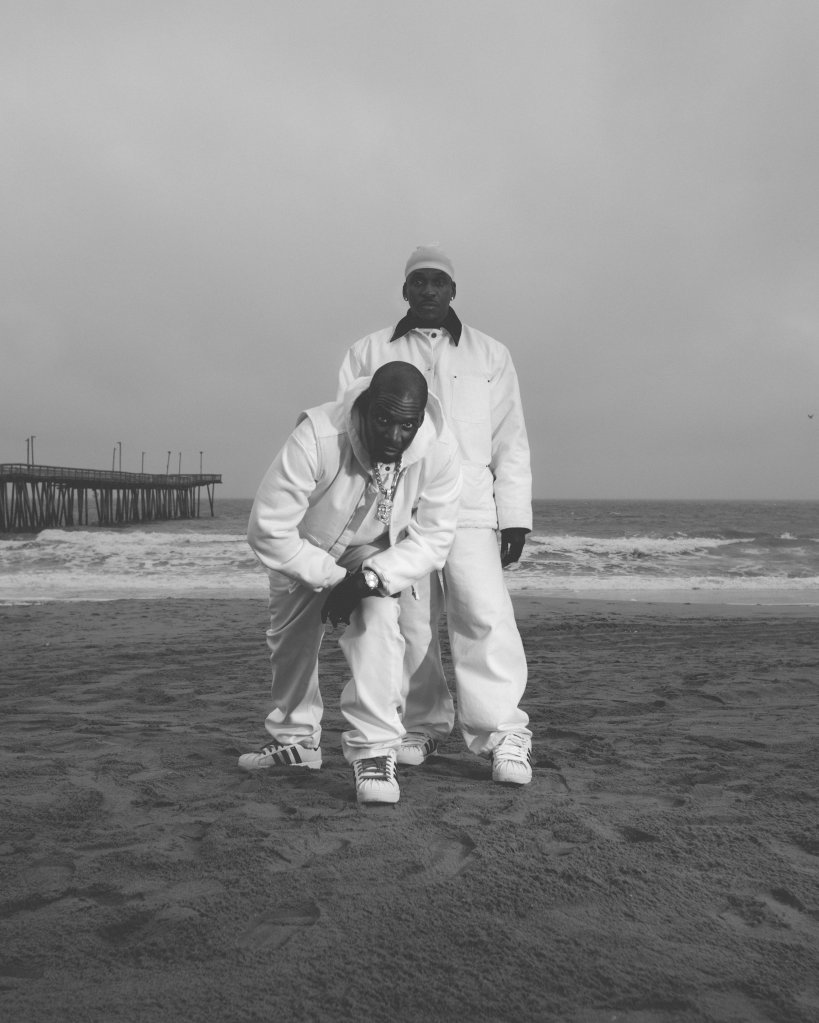
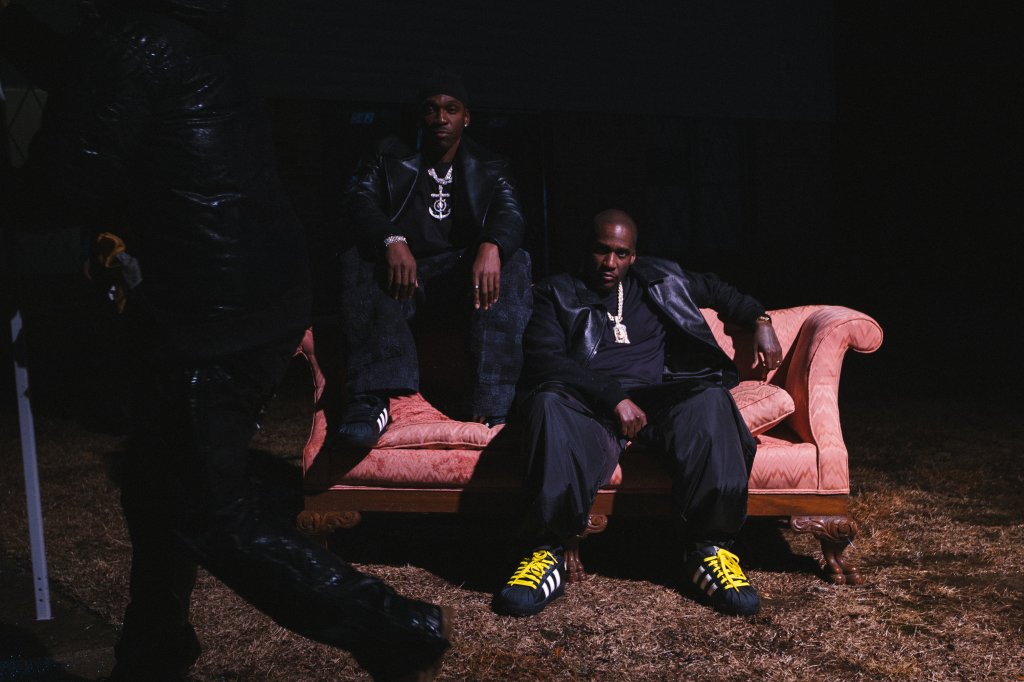
Virginia Beach continues to be at the forefront of redefining fashion. The Clipse are now starring in the launch campaign for the adidas Superstar 92.

Source: adidas / adidas

As per Sneaker News the legendary Rap group have been tapped by their long time friend and collaborator Pharrell Williams. This week adidas announced the launch of the Virginia Superstar 92; an oversized take on the classic sneaker. As a co-branded effort with Skateboard P’s Humanrace brand, this model sticks to the original’s framework including the signature all leather upper panel, rubber outsole and textile lining. To no surprise this version has a true point of difference in a couple of locations including VIRGINIA featured on the tongue and contrasting lace colors.

Shot in their hometown by another Virginia Beach native Cam Hicks, the duo is captured fully immersed in their element. Malice and Pusha T compliment each other well by sporting coordinated colors but avoid the stereotypical matching outfits that are now synonymous with tacky1990’s Rap group fashion.
The adidas x Humanrace Superstar 92 AKA The Double Wide comes in two colorways. One in a Core Black and Cream White with yellow laces and a Core White with black stripes and pink laces. Priced at $200.00 this release will available in limited quantities starting March 1 via the adidas CONFIRMED app.

Gospel music pioneer and pastor John P. Kee will be honored as a Trailblazer of Gospel at the 2025 BMI Trailblazers of Gospel Music Awards, to be held at Flourish Atlanta on Thursday, April 3.
Throughout the ceremony, BMI will also recognize the songwriters, producers and music publishers of the past year’s 25 most performed gospel songs in the United States. The private event will be hosted by Mike O’Neill, BMI president & CEO, and Catherine Brewton, BMI vp, creative, Atlanta.

“John P. Kee is a true visionary in the genre, and his music continues to have an impact in gospel music for over 40 years and counting,” Brewton said in a statement. “It’s an honor to recognize his dedication and the unwavering commitment he’s made through his artistry and evangelism.”

Trending on Billboard

Kee, known as the Prince of Gospel Music, is widely recognized for his contributions to contemporary gospel music. In the mid 1980s, he started a community choir in Charlotte, N.C., that eventually became known as the New Life Community Choir (NLCC). Over the course of his professional career spanning almost four decades, he has written music for Hallmark, Inc., The Hawkins Family, Daryl Coley, Billy Preston, Dorinda Clark Cole, Rev. James Cleveland, Bishop Rance Allen, Florida Mass Choir, Mississippi Mass Choir, Vanessa Bell Armstrong, and for the legendary Dr. James Cleveland’s Gospel Music Workshop of America, among others.

His music has been featured in film, television, commercials and on Saturday Night Live. Throughout his solo career and his work with NLCC, he has amassed 37 GMWA Excellence Awards, 27 Stellar Awards, three BMI Awards, two Billboard Music Awards, a Soul Train Music Award, a Trailblazer Award from former President Bill Clinton and received eight Grammy nominations. Adding to his list of accolades, Kee was inducted into the International Gospel Hall of Fame in 2005 and was previously honored at the BMI Trailblazers of Gospel Music Awards in 2001 and 2005.

In addition, Kee has been the full-time pastor of the New Life Fellowship Center in Charlotte since its inception in 1995.

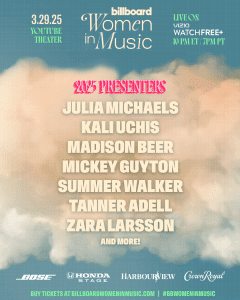
Billboard‘s Women in Music event wouldn’t be complete without a lineup of powerhouse musical performances, nor would the awards be nearly as meaningful without a slate of accomplished women on hand to present them. And on Wednesday (Feb. 26), the list of names for both were announced ahead of the 2025 ceremony. Among the performers […]

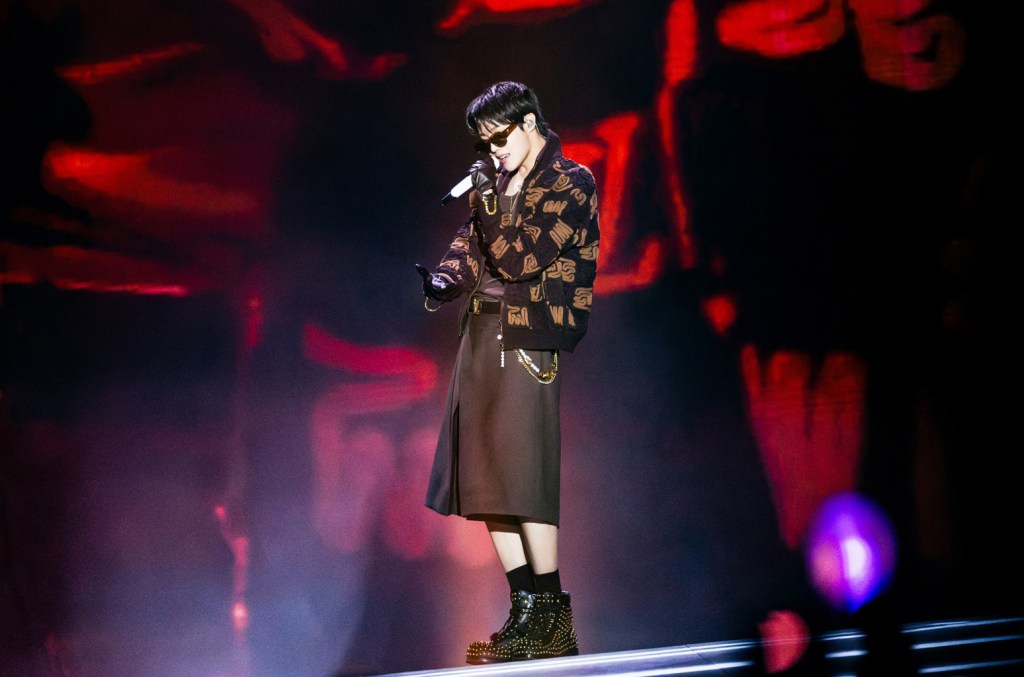
No, j-hope fans, you aren’t dreaming — he really is releasing a new solo project. On Wednesday (Feb. 26), the BTS star announced a new single titled “Sweet Dreams,” featuring Miguel.  Arriving March 7, the duet will find j-hope and the “Sure Thing” musician’s voices blending over a soulful R&B-pop track as they sing about […]

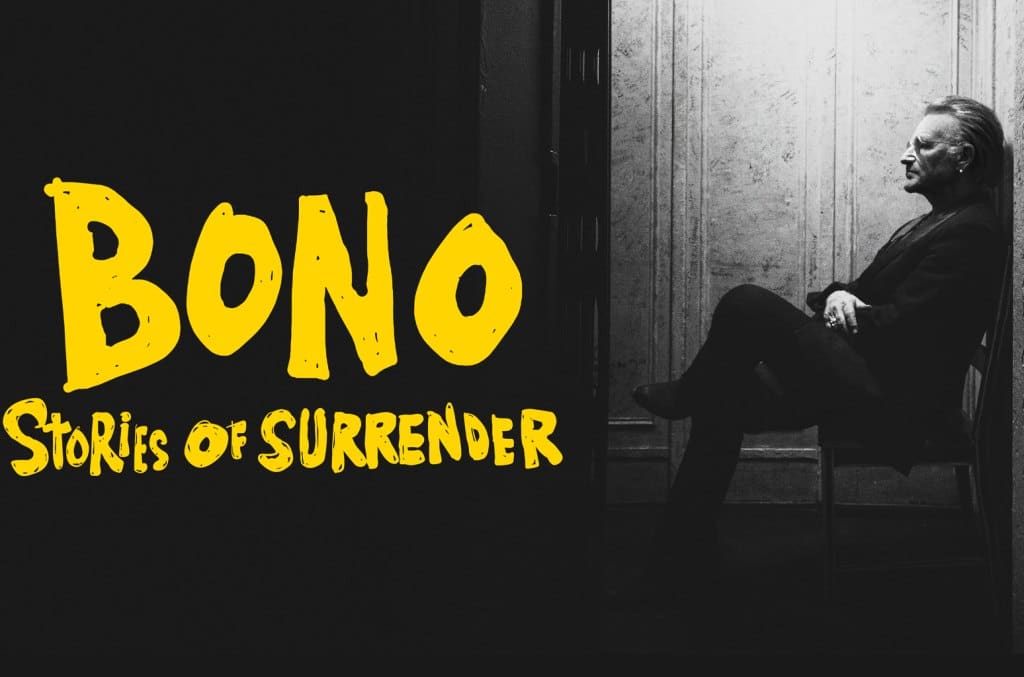
Apple Original Films announced that the documentary Bono: Stories of Surrender will premiere globally on Apple TV+ on May 30. In addition, the “lyrical, bold exploration” of the U2 singer’s one-man show of the same name based on his 2022 memoir, Surrender: 40 Songs One Story, will also be the first feature-length film available on […]

HipHopWired Featured Video

Source: Getty/Scott Dudelson / Getty/Scott Dudelson
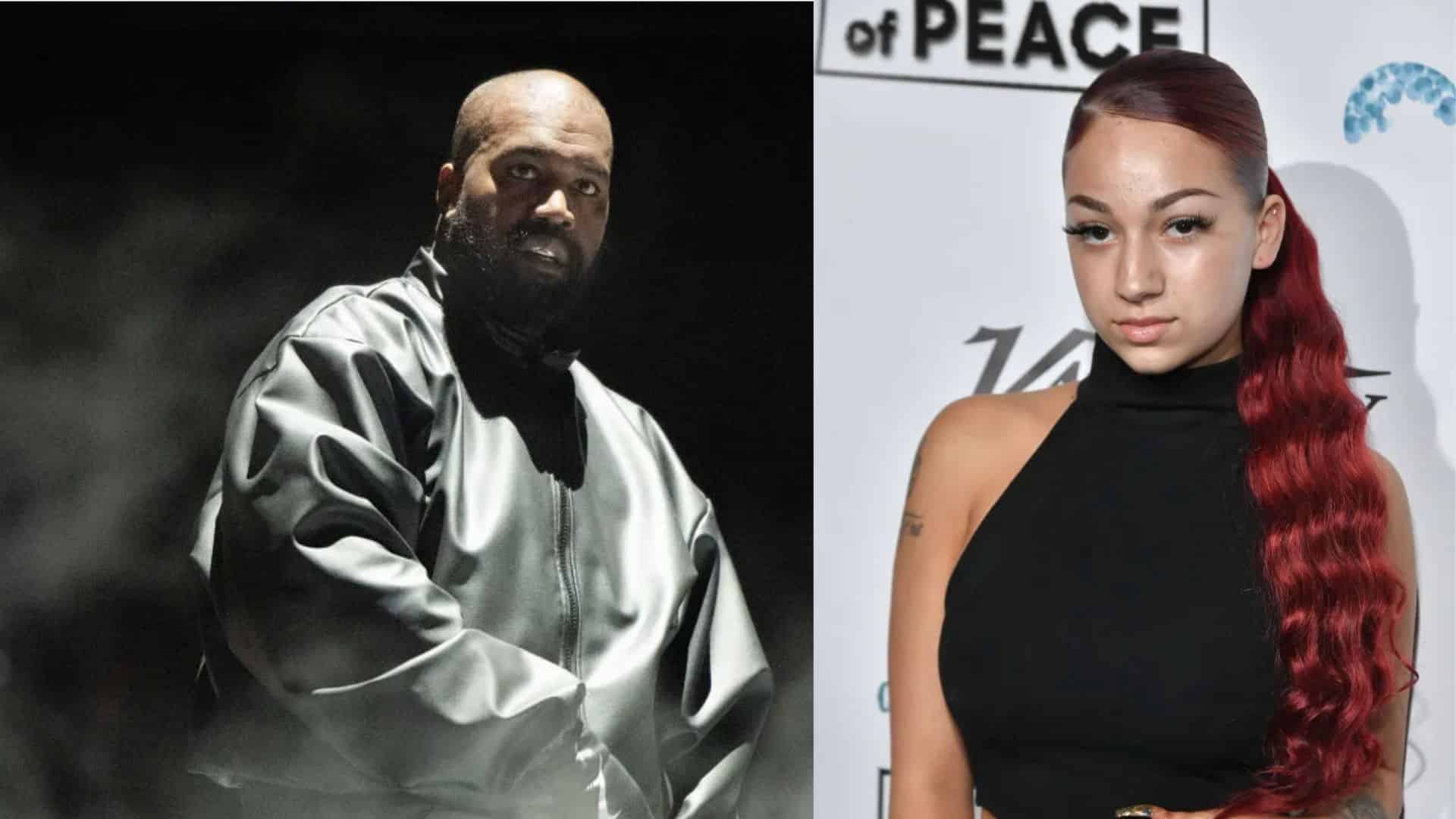
Kanye West recently set the record straight, making it clear that he wasn’t involved in Bhad Bhabie’s diss track aimed at Alabama Barker. The track, which samples Ye’s song ‘Carnival’ got a lot of attention, but Kanye wasn’t having it when it came to being dragged into the drama.

Ye reached out to Alabama Parkers pops, Travis Barker, to let him know that while he gave permission to use the sample, he had no part in the diss or the beef it stirred up. In a direct message to Travis, Ye emphasized that he cleared the sample for the song, but that’s where his involvement ended. He wasn’t co-signing the diss directed at Alabama, making sure Travis knew that he wasn’t backing any of the negativity.

The Chicago rapper’s move shows that, while he’s often part of the conversation when it comes to controversy, he wasn’t looking to add fuel to the fire. The situation showed Kanye’s ability to separate his music from the drama. Even though he’s been known for trolling and stirring the pot at times, he made it clear that this particular situation wasn’t something he wanted to be involved in.
Kanye’s message to Travis reflects his effort to maintain control over his own work while keeping his distance from personal family conflicts. It’s a reminder that, when it comes to his art, Ye isn’t here for any extra mess, unless it’s his own mess.

Submit questions about Billboard charts, as well as general music musings, to askbb@billboard.com.
Please include your first and last name, as well as your city, state and country, if outside the United States.

Or, reach out on Bluesky.

Let’s open the latest mailbag.

Dear Gary,

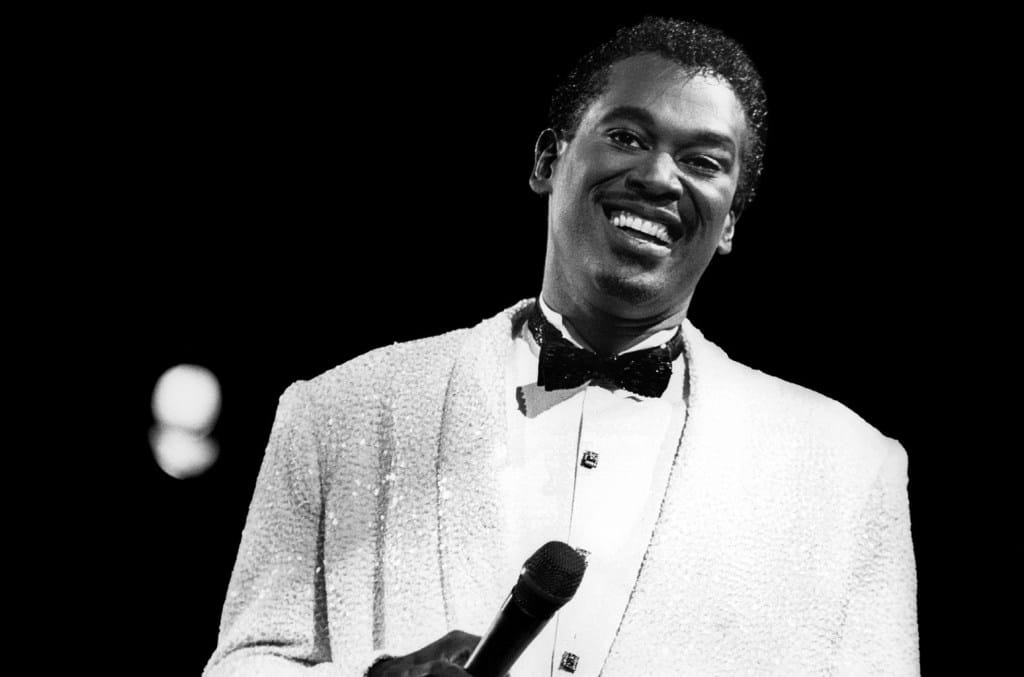
With “Luther” by Kendrick Lamar and SZA hitting No. 1 on the Billboard Hot 100 this week, it joins the list of songs that have incorporated people’s names in chart-topping titles. The song is, of course, a tribute to the late Luther Vandross, who never topped the chart as a billed artist, although his voice has been heard on multiple No. 1s dating back nearly a half-century.

No. 1 songs with proper names in their titles continue a trend that began soon after the Hot 100 started in 1958. Here’s a (long) look at them below (including one famous group name, in a 2016 hit), while realizing that there’s room for interpretation; Faith is a name, but George Michael didn’t mean it that way in his 1987 hit. Thankfully, others are as obvious as can be: “Venus was her name!”

Thanks,

My name … Jesper TanSubang Jaya, Malaysia

Trending on Billboard

“Tom Dooley,” The Kingston Trio (1958)

“Stagger Lee,” Lloyd Price (1959)

“Venus,” Frankie Avalon (1959)

“Running Bear,” Johnny Preston (1960)

“Cathy’s Clown,” The Everly Brothers (1960)

“Mr. Custer,” Larry Verne (1960)

“Michael,” The Highwaymen (1961)

“Hit the Road Jack,” Ray Charles and His Orchestra with the Raelettes (1961)

“Runaround Sue,” Dion (1961)

“Big Bad John,” Jimmy Dean (1961)

“Johnny Angel,” Shelley Fabares (1962)

“Sheila,” Tommy Roe (1962)

“Sherry,” The 4 Seasons (1962)

“Hey Paula,” Paul and Paula (1963)

“Dominique,” The Singing Nun (1963)

“Hello, Dolly!,” Louis Armstrong and the All Stars (1964)

“Ringo,” Lorne Greene (1964)

”Mrs. Brown You’ve Got a Lovely Daughter,” Herman’s Hermits (1965)

“Help Me, Rhonda,” The Beach Boys (1965)

”I’m Henry VIII, I Am,” Herman’s Hermits (1965)

“Hang On Sloopy,” The McCoys (1965)

“Ruby Tuesday,” The Rolling Stones (1967)

“Ode to Billie Joe,” Bobbie Gentry (1967)

“Judy in Disguise (With Glasses),” John Fred and the Playboys (1968)

“Mrs. Robinson,” Simon & Garfunkel (1968)

“Hey Jude,” The Beatles (1968)

“Love Theme From Romeo & Juliet,” Henry Mancini (1969)

“Venus,” Shocking Blue (1970)

“Cracklin’ Rosie,” Neil Diamond (1970)

”Me and Bobby McGee,” Janis Joplin (1971)

“Uncle Albert/Admiral Halsey,” Paul & Linda McCartney (1971)

“Maggie May,” Rod Stewart (1971)

“Theme From Shaft,” Isaac Hayes (1971)

“Brandy (You’re a Fine Girl),” Looking Glass (1972)

“Ben,” Michael Jackson (1972)

“Me and Mrs. Jones,” Billy Paul (1972)

“Frankenstein,” The Edgar Winter Group (1973)

“Bad, Bad Leroy Brown,” Jim Croce (1973)

“Brother Louie,” Stories (1973)

“Delta Dawn,” Helen Reddy (1973)

“Angie,” The Rolling Stones (1973)

“Bennie and the Jets,” Elton John (1974)

“Billy, Don’t Be a Hero,” Bo Donaldson and the Heywoods (1974)

“Annie’s Song,” John Denver (1974)

“Angie Baby,” Helen Reddy (1974)

“Lucy in the Sky With Diamonds,” Elton John (1975)

“Mandy,” Barry Manilow (1975)

“Lady Marmalade,” Labelle (1975)

“A Fifth of Beethoven,” Walter Murphy & the Big Apple Band (1976)

“Sir Duke,” Stevie Wonder (1977)

“MacArthur Park,” Donna Summer (1978)

“Bette Davis Eyes,” Kim Carnes (1981)

“Jessie’s Girl,” Rick Springfield (1981)

“Arthur’s Theme (Best That You Can Do),” Christopher Cross (1981)

“Jack and Diane,” John Cougar (1982)

“Mickey,” Toni Basil (1982)

“Billie Jean,” Michael Jackson (1983)

“Come On Eileen,” Dexy’s Midnight Runners (1983)

“St. Elmo’s Fire (Man in Motion),” John Parr (1985)

“Oh Sheila,” Ready for the World (1985)

“Sara,” Starship (1986)

“Rock Me Amadeus,” Falco (1986)

“Venus,” Bananarama (1986)

“Amanda,” Boston (1986)

“Jacob’s Ladder,” Huey Lewis & the News (1987)

“Dirty Diana,” Michael Jackson (1988)

“A Whole New World (Aladdin’s Theme),” Peabo Bryson & Regina Belle (1993)

“Macarena (Bayside Boys Mix),” Los Del Rio (1996)

“Maria Maria,” Santana feat. The Product G&B (2000)

“Ms. Jackson,” OutKast (2001)

“Lady Marmalade,” Christina Aguilera, Lil’ Kim, Mya & P!nk (2001)

“Hey There Delilah,” Plain White T’s (2007)

“Moves Like Jagger,” Maroon 5 feat. Christina Aguilera (2011)

“Black Beatles,” Rae Sremmurd feat. Gucci Mane (2016)

“The Scotts,” The Scotts, Travis Scott & Kid Cudi (2020)

“Montero (Call Me by Your Name),” Lil Nas X (2021)

“We Don’t Talk About Bruno,” Carolina Gaitán, Mauro Castillo, Adassa, Rhenzy Feliz, Diane Guerrero, Stephanie Beatriz & Encanto Cast (2022)

“Jimmy Cooks,” Drake feat. 21 Savage (2022)

“Kill Bill,” SZA (2023)

“Luther,” Kendrick Lamar & SZA (2025)

Thanks, Jesper!

Oddly enough for a tribute song with such a title, as fellow longtime “Ask Billboard” contributor Pablo Nelson notes, the name Luther isn’t said in “Luther” (nor is Bill in SZA’s “Kill Bill”).

Meanwhile, five Hot 100 No. 1s other than Lil Nas X’s above include the word “name” in their names:

“Stop! In the Name of Love,” The Supremes (1965)

“A Horse With No Name,” America (1972)

“You Give Love a Bad Name,” Bon Jovi (1986)

“Say My Name,” Destiny’s Child (2000)

“What’s My Name?,” Rihanna feat. Drake (2010)

It shouldn’t be a surprise that so many songs with names in their titles have topped the Hot 100. After all, everyone hears their name in “Happy Birthday to You,” which is listed first in Guinness World Records’ recap of the most frequently sung songs in English.

As for Luther Vandross, he and Richard Marx shared the 2004 Grammy Award for co-writing “Dance With My Father.” In a 2012 visit to Billboard, Marx mused about meeting Vandross at the American Music Awards in 1990, while they were both touring. “You meet somebody and … ‘I could hang with this guy,’” he recalled of his early impressions of the R&B legend. “Then when we both came off the road, we went to dinner and he offered to sing background vocals on my record I was making” — 1991’s Rush Street, whose lead single, “Keep Coming Back,” with prominent runs by Vandross, hit No. 1 on the Adult Contemporary chart.

“I said at the dinner, ‘Dude, that’s like if I was having dinner with Michael Jordan and I said, ‘You know … me and my buddies play pick-up basketball in the park on Sundays,’ and Michael Jordan said, ‘Do you need somebody for your team?’ ”

Ultimately, “He was just my pal,” Marx said of Vandross, who passed in 2005. “We spent a lot more time watching movies, going to dinner, just driving around. I was in love with his voice, as everybody was, but I just miss him. He was the funniest guy — hilarious. I just miss my friend. My memories of Luther are, 99%: We were bros.”

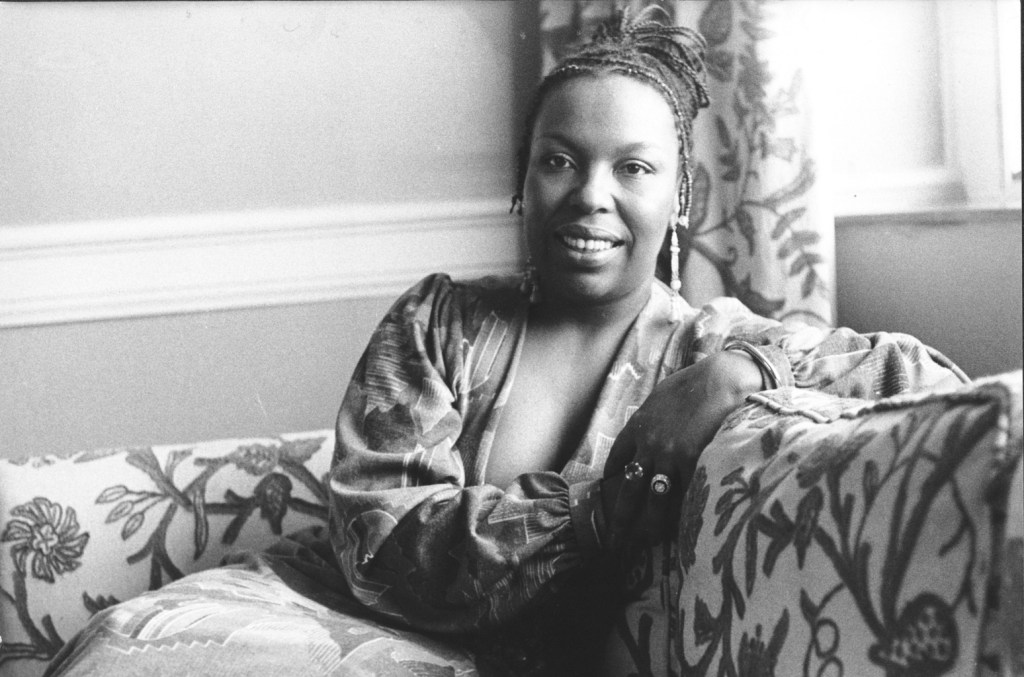
Forever No. 1 is a Billboard series that pays special tribute to the recently deceased artists who achieved the highest honor our charts have to offer — a Billboard Hot 100 No. 1 single — by taking an extended look back at the chart-topping songs that made them part of this exclusive club. Here, we honor Roberta Flack, who died on Feb. 24 at age 88, by looking at the singer’s second of three No. 1 hits as a recording artist: the instant standard “Killing Me Softly With His Song.” (In case you missed it, here’s a look at her first No. 1, “The First Time Ever I Saw Your Face.”)

Roberta Flack could have brought a book or a magazine to read on an American Airlines flight from L.A. back home to New York in 1972. She could have watched the in-flight movie or even taken a nap. Let’s all be grateful that she instead chose to listen to the in-flight audio program, which included a pretty pop/folk ballad recorded by a then-20-year-old singer named Lori Lieberman.

Trending on Billboard

Flack scanned the list of audio selections and learned that the composition, “Killing Me Softly With His Song,” was written by Norman Gimbel and Charles Fox. Gimbel was then best-known for writing English-language lyrics to such global hits as “The Girl From Ipanema” and “I Will Wait for You”; Fox for creating the sunshine pop musical backgrounds on the hit ABC show Love, American Style.

“The title, of course, smacked me in the face,” Flack later said. “I immediately pulled out some scratch paper, made musical staves [and then] play[ed] the song at least eight to 10 times jotting down the melody that I heard. When I landed, I immediately called Quincy [Jones] at his house and asked him how to meet Charles Fox. Two days later I had the music.”

By most accounts, the song was inspired by Lieberman seeing Don McLean perform at the Troubadour club in Los Angeles in November 1971. McLean’s “American Pie” entered the Billboard Hot 100 that month (on its way to No. 1 in January 1972), but Lieberman was more taken by another song in the set, the haunting ballad “Empty Chairs.” The singer jotted some notes and impressions on a napkin. She later described the experience, and how deeply it affected her, to Gimbel, with whom she was working at the time. (Gimbel and Fox had signed her to a five-year production, recording and publishing deal.)

Lieberman’s description reminded Gimbel of a phrase that was already in his idea notebook: “to kill us softly with some blues.” The phrase had appeared five years earlier in a novel by Argentinian writer Julio Cortázar and Gimbel thought it had possibilities. Gimbel drew from Lieberman’s account, crafted the lyrics, and passed them on to Fox, who set them to faintly melancholy music.

Lieberman did not receive a co-writing credit on the song. There is even a dispute over whether, and to what degree, the song was inspired by McLean’s performance. When Dan MacIntosh of Songfacts asked Fox in 2010 about the McLean origin story, Fox said: “I think it’s called an urban legend. It really didn’t happen that way.”

Lieberman had a falling out with Gimbel (who died in 2018) and Fox (who is still living at 84). This backstage drama is intriguing, but mostly irrelevant to the story of Flack’s recording, which quickly became one of the biggest and best (and most celebrated) singles of its era.

Jones, who died less than four months ago, played a key role in this story a second time. In September 1972, Flack was opening for Jones at the Greek Theater in Los Angeles. Flack was red-hot at the time, having landed million-sellers that year with the classic ballad “The First Time Ever I Saw Your Face” and the ebullient “Where Is the Love,” a silky duet with Donny Hathaway.

When the audience at the Greek kept cheering, Jones advised her to go back out and sing one more song. “Well, I have this new song I’ve been working on,” Flack replied. “After I finished [‘Killing Me Softly’], the audience would not stop screaming. And Quincy said, ‘Ro, don’t sing that daggone song no more until you record it.’”

As usual, Jones’ instincts were correct. Flack recorded the song on Nov. 17, 1972 at Atlantic Studios in New York. Flack arranged the track, Joel Dorn produced it and Gene Paul engineered. Flack also played piano on the track, while Hathaway contributed harmony vocals. The other musicians were Eric Gale (guitars), Ron Carter (bass), Grady Tate (drums); and Ralph MacDonald (congas, percussion, tambourine).

Flack completely transformed the song. Lieberman’s version of the song, produced by Gimbel and Fox and arranged and conducted by Fox, is pretty, but rather bland. Her version plays like a very good demo, which is essentially what it was.

Flack boldly restructured the song. Her recording has a cold open on the chorus “Strummin’ my pain…” Lieberman’s version opens with a long, moody piano solo (which sounds like it could have been featured in Love Story, one of the biggest movies of the era). Then she sings the first verse, only hitting the “Strummin’ my pain” chorus at the 0:51 mark.

Flack also transformed the song from a pop/folk tune to one that drew from a wide range of American music forms – pop, soul and jazz. A 25-second section, which doesn’t appear at all in the Lieberman version, borrows from the scatting tradition. Lieberman’s version ends with a 40-second instrumental outro. In Flack’s version, she is singing until the final note. And Flack sings the song with more passion, bringing out all the drama of the key line, “I felt he found my letters/ and Read Each One Out Loud!”

Flack’s transformation of this song was as complete as Aretha Franklin’s reinvention of Otis Redding’s “Respect” or Ike & Tina Turner’s re-imagining of Creedence Clearwater Revival’s “Proud Mary.” All three remakes show the power of interpretation – just as Lieberman’s largely unsung involvement in the song’s creation shows the importance of inspiration.

“Killing Me Softly” runs 4:46, longer than any other No. 1 hit on the Hot 100 in 1973. But it doesn’t seem long or padded as it seamlessly moves from section to section.

Fox has suggested that Flack’s version was more successful than Lieberman’s because Flack’s “version was faster and she gave it a strong backbeat that wasn’t in the original.”  According to Flack: “My classical background made it possible for me to try a number of things with [the song’s arrangement]. I changed parts of the chord structure and chose to end on a major chord. [The song] wasn’t written that way.”

Flack’s version was released as a single on Jan. 22, 1973, with a version of Bob Dylan’s “Just Like a Woman” (drawn from her 1970 album Chapter Two) on the B-side.

It was the top new entry on the Hot 100 (at No. 54) on the chart dated Jan. 27. It reached No. 1 on Feb. 24, displacing Elton John’s first Hot 100 No. 1, “Crocodile Rock.” “Killing Me Softly” reached the top spot in just five weeks, the fastest climb since Sly & the Family Stone’s “Family Affair” also reached No. 1 in its fifth week in December 1971. “Killing Me Softly” held tight in the top spot for four weeks before being bumped to No. 2 by The O’Jays’ exuberant “Love Train.”

But “Killing Me Softly” wasn’t done yet. It returned to the top spot for a fifth and final week before being dislodged for a second time by Vicki Lawrence’s “The Night the Lights Went Out in Georgia.” Flack’s five-week run at No. 1 was the longest by any single in 1973.

Flack was a perfectionist, which came into play here in at least two ways. Flack rehearsed the song with her band in the Tuff Gong Studios in Kingston, Jamaica, but she wasn’t satisfied with the background vocals on the various mixes. An executive at Flack’s label, Atlantic Records, assured her it would be a hit song no matter which mix was released. She refused to be rushed, recalling later that she “wanted to be satisfied with that record more than anything else.”

Also, Flack didn’t release an album with “Killing Me Softly” until Aug. 1, 1973, more than six months after the single’s release. That delay must have been agonizing for Atlantic executives. The album, with the shortened title Killing Me Softly, reached No. 3 on the Billboard 200 in September 1973. It would almost certainly have been a No. 1 album if it had been released while the single was being played every hour on the hour on every pop, soul and adult contemporary radio station in the land.

Flack followed “Killing Me Softly With His Song” with a slow and somber Janis Ian ballad, “Jesse.” It stalled at No. 30 on the Hot 100.

At the Grammy Awards on March 2, 1974, Flack became the first artist to win record of the year two years running, after taking home the award in 1973 for “The First Time Ever I Saw Your Face.” When Diana Ross announced her as the 1974 winner, a dazed Flack put her hand over her mouth. When she spoke, she simply said, “I’d like to thank the world.” (Since 1974, just two other artists have won back-to-back Grammys for record of the year: U2 triumphed in 2001-02 with “Beautiful Day” and “Walk On,” while Billie Eilish scored in 2020-21 with “Bad Guy” and “Everything I Wanted.”)

Flack won a second Grammy for “Killing Me Softly” – best pop vocal performance, female. (She probably should have won a third, best arrangement accompanying vocalists, but she wasn’t even nominated for that one.) The recording was inducted into the Grammy Hall of Fame in 1999.

Killing Me Softly was also nominated for album of the year (losing to Stevie Wonder’s Innervisions). It marked the first time in Grammy history that Black lead artists won album of the year and record of the year in the same year. Gimbel and Fox won song of the year for writing the song.

Flack re-recorded the song with Peabo Bryson on their 1980 double live album Live & More (its title borrowed from Donna Summer’s 1978 collection).

Many other artists have recorded the song over the years, including Johnny Mathis, on his 1973 album Killing Me Softly With Her Song; Al B. Sure!, on his 1988 album In Effect Mode; and Luther Vandross, on his hit 1994 collection Songs.

Fugees recorded an updated, but still faithful and deeply respectful version of “Killing Me Softly” (they shortened the title) on their second album, The Score, in 1996. Group member Pras made the suggestion to cover the song, which showcased Lauryn Hill on lead vocals.

The song reached No. 1 on both the Pop Airplay and R&B/Hip-Hop Airplay charts and No. 2 on Radio Songs. It likely would have been one of the year’s biggest Hot 100 hits were it not for rules at the time disqualifying songs not given an official single release. The track won a Grammy for best R&B vocal performance by a duo/group and an MTV Video Music Award for best R&B video. Flack and Fugees teamed to perform the song on the MTV Movie Awards on June 8, 1996.

Flack’s original track was remixed in 1996 by Jonathan Peters, with Flack adding some new vocal flourishes; this version topped the Hot Dance Club Play chart in September 1996.

Flack returned to the No. 1 spot on the Hot 100 for a third and final time in 1974 with the silky “Feel Like Makin’ Love.” But let’s save that story for the next Forever No. 1 installment.