Author: djfrosty
Page: 503
From Medellín to the biggest stadiums in the world, Karol G shares the story of her life in the new documentary Tomorrow Was Beautiful, premiering on Netflix Thursday (May 8).
Explore
Explore
See latest videos, charts and news
Directed by Cristina Costantini and produced by This Machine, Interscope Films and Bichota Films, the documentary offers an intimate look at Karol G’s rise to global stardom, along with a behind-the-scenes glimpse of her record-breaking Mañana Será Bonito World Tour and the challenges she faced along the way. Known for her sincerity and unbreakable connection with her fans, Karol G aims to show her most human side in this project. The tearjerking film brings together key moments from her life and career while highlighting her deep bond with her family, who have always provided her unwavering support.
Over two years of production, Tomorrow Was Beautiful captures moments such as a terrifying flight during which Karol G thought she was going to die, and painful memories including an experience when she was nearly abused by someone in the industry at age 16. The documentary also highlights her heartfelt tribute to Selena in Texas, with a cameo by Suzette Quintanilla, as well as her recognition as Billboard Women in Music’s Woman of the Year in 2024.
Trending on Billboard
“This is a very special piece for my fans. It’s an opportunity to show people who Carolina is, beyond just Karol G,” the singer told Billboard Español on the red carpet ahead of the documentary’s premiere on Tuesday (May 6) in New York City.
“Watching the documentary gave me the chance to reflect on the incredible journey I’ve had as a person— in the way I think, and even changes physically,” La Bichota shared. “I feel like it all started when I had blue hair, and then came the whole process with red hair, blonde hair and finally pink hair. I can see how my mindset evolved, how my sense of responsibility and commitment to my fans grew, and even how I view myself physically. I also feel that the beautiful kind of self-love you start to develop begins to blossom and becomes more noticeable.”
To capture this more intimate side of Karol G, Costantini took a vulnerable and up-close approach, aiming to showcase both the singer’s triumphs and challenges. “Most of her fans know a lot about her public image, but not so much about the personal side. Our goal was to document the intimate moments, above all,” explained the director to Billboard Español.

Karol G y Cristina Costantini hablan en el escenario durante la premiere en Nueva York del nuevo documental de Netflix Mañana Fue Muy Bonito, el 6 de mayo de 2025 en The Whitby Hotel.
Theo Wargo/Getty Images for Netflix
“In our first meeting, she told me she wanted to show the real side of touring. [She said,] ‘I don’t want to just show the glamour, what social media portrays. I want to show the realness,’” Costantini shared. “That really surprised me as a filmmaker. It’s a dream for us as documentary filmmakers.”
At the screening, Karol G was surrounded by her closest circle, including her family and members of her team — dancers, musicians and songwriters who have supported her throughout her career. Key guests included Edgar Barrera, Keityn, DFZM, Elena Rose, Myriam Hernández and Feid.
For more red carpet interviews from the premiere, check out Billboard Latin’s social media accounts.
HipHopWired Featured Video
Smokey Robinson and his wife were named in a $50 million lawsuit brought by four housekeepers who allege that the singer raped and abused them for almost 20 years. The four unnamed housekeepers say Smokey Robinson forced them to have sex in his Los Angeles home between 2007 to 2024.
We wish to urge caution in proceeding, as the details of the acts explained in the lawsuit filing might be disturbing to some.
Billboard reports that the lawsuit was filed on Tuesday (May 6) in Los Angeles County Superior Court. The four housekeepers say that the alleged acts took place at Smokey Robinson’s home in the Chatsworth neighborhood.
“Plaintiffs did not consent to defendant Smokey Robinson’s sexual contact or touching,” John W. Harris, an attorney representing the four housekeepers, wrote in the initial filing. “Plaintiffs explicitly told defendant Robinson on numerous occasions that they were not interested in his advances and objected to his forceful, physical, sexual, and harmful conduct.”
The four Jane Does, all numbered in sequence as such, stated in the filing that Robinson would have them come inside his bedroom, where he was wearing only his underwear. They claim Robinson would put down a towel and force the housekeepers to have oral and vaginal sex without protection.
One of the women say they didn’t report the crimes to the authorities “due to her fear of losing her livelihood, familial reprisal, public embarrassment, shame and humiliation to her and her family, the possible adverse effect on her immigration status, as well as being threatened and intimidated by defendant Smokey Robinson’s well-recognized celebrity status and his influential friends and associates.”
Frances Robinson, Robinson’s wife, was named in the suit for not preventing the assault and for creating an abusive and hostile working environment against the housekeepers, including allegations that she used racial slurs against them.
Smokey Robinson has yet to publicly respond to the lawsuit and the claims within.
—
Phot: Roy Rochlin / Getty
The Weeknd unveiled a never-before-seen scene from his upcoming Hurry Up Tomorrow film on Wednesday (May 7) that’s inspired by a real-life incident. Fans can unlock the secret scene he posted on Instagram Reels with a password. (Spoiler alert! If you can’t figure out the code, it’s “ICANTSING.”) The clip shows the singer (real name […]
HipHopWired Featured Video
Kai Ca$h first appeared on our radar by way of his excellent 2021 album, 711 (Deluxe), and has been featured on past CRT FRSH (Certified Fresh) playlist roundups. The Brooklyn native spoke with Hip-Hop Wired about his persistence and consistency as an artist, which has positioned the humble and talented rapper’s career to soar even higher.
Kai Ca$h took time out of his busy recording schedule to talk with Hip-Hop Wired about his early beginnings, finding his voice as an artist, and where he hopes to take his craft now that he recently signed a deal with the stacked Generation Now collective founded by DJ Drama and Don Cannon and distributed by Atlantic Records.
For Kai, his current position was something he honed in on early on.
“I was born into music, and it’s what I’m most passionate about,” Kai explains, adding, “I never really gave myself a second option when it came to what I wanted to do in life. I’m really proud of that because I put my blood, sweat, and tears, everything I have, all into the music.”
Kai credits his mother’s diverse ear for music for increasing his palate as a listener first. His father was a close friend of The Notorious B.I.G. and a member of Junior M.A.F.I.A., giving a young Kai access to meet buzzing rap stars such as Lil’ Kim and Lil Cease, among others.
“Just being around those types of environments and that energy and then going back home with my mom listening to music, it just reassured me that this is the thing I wanted to do,” Kai said.
As mentioned above, Kai’s 711 (Deluxe) was a wider introduction of his sound after dropping his debut in 2019, and he shared what his journey was like between that project to his latest project, CASH RULES.
“At that time [during 711], I was independent. Being an independent artist is one of the hardest things ever, ” Kai shared. “I champion every independent artist that figures it out and develops a system that works for them because you might not see any money from it in a long time.”
Surprisingly, Kai revealed that he was shy and reserved, but the independent grind motivated him to work on his craft and transform his timidity into the ferocity fans witness now during his energetic live performances. He recently performed at this year’s Dreamville Festival alongside his longtime collaborator and friend, Niko Brim, who also hails from Hip-Hop royalty.
Source: Kai Ca$h / Generation Now/Atlantic Records
Our conversation with Kai moved to CASH RULES, his first body of work under the Generation Now imprint. Clocking in at 10 tracks, CASH RULES covers several lanes, including soul sample-driven beats, songs for “outside,” and plenty of moments of self-reflection. Don Cannon’s guiding hand opened the way for production from notable names like Bink, 2forwOyNE (Jack Harlow), Buddah Bless (Travis Scott, Megan Thee Stallion), and more. However, Kai’s already sharp and focused delivery sounds immediately improved.
“I still have a lot of work to do,” Kai said, not content to rest on recent successes. “I feel like a freshman walking through these doors. It’s just as important as everything I did before, and in some sense even more, because now I have eyes on me and a different kind of pressure. But this has been my dream since a kid, so I don’t feel any pressure at all.”
Check out Kai Ca$h online on Instagram here, and keep up with his movement on his site here.
—
Photo: Kai Ca$h / Generation Now/Atlantic Records
Sabrina Carpenter was the lucky lady in Usher‘s crowd at the 2025 Met Gala who got to share a sensual moment with the R&B powerhouse Monday (May 5) — but the cherry on top was her dad’s hilarious reaction to the moment after the fact. In a photo taken that night inside New York City’s […]
While the 2025 Met Gala was a star-studded affair on a rainy Monday night (May 5) in NYC, one influential face missing from the hip-hop realm was Playboi Carti. The Atlanta native took to Instagram to post a dapper photoshoot he had with his girlfriend, Gio, where Carti claimed he was banned from attending the […]
Five years ago, fitness companies looked like the next big thing for music rights owners as the onset of the COVID-19 lockdown turned Peloton, the maker of high-tech stationary bicycles and treadmills, into a household name and the leader in a suddenly hot connected fitness market.
Peloton’s founder, John Foley, had created an online version of music-driven, brick-and-mortar studios such as SoulCycle. Unlike the staid strength and cardio products of earlier years, the new breed of bikes and treadmills manufactured by the company were internet-ready and could stream live or pre-recorded workouts. Other startups took notice, with competitors like Tonal and Hydrow vying for market share.
“There were fitness companies who saw what Peloton was doing, which was really putting music at the center of their workouts,” says Vickie Nauman, a licensing expert and founder/CEO of CrossBorderWorks. Instructors, some of whom would become small-time celebrities, used music to create identities and build communities. “This was the original founder’s vision,” she says.
Trending on Billboard
Flush with investment capital, fitness companies followed Peloton into expensive licensing agreements with rights holders to infuse music into their at-home products. Royalties from connected fitness companies, as well as social media and other new revenue streams, went from about 3% of the average catalog’s revenue in 2021 to “something like 7%” in 2023, according to Jake Devries, a director in Citrin Cooperman’s music and entertainment valuation services practice.
As it turned out, 2020 and 2021 were peak at-home fitness. The financial impact of the post-pandemic fitness bubble was seen in Universal Music Group’s results for the fourth quarter of 2024: A decline in its fitness business accounted for a nearly one percentage-point decline in its subscription growth rate, equal to approximately $12.5 million. And during its most recent earnings call on April 29, the company noted that fitness revenue was flat in the first quarter.
After pandemic restrictions ended, the stay-at-home fitness business ran into competition from gyms and fitness studios as people returned to public life. As a result, according to numerous people who spoke with Billboard, connected fitness companies had less cash to put into music licensing and, realizing they didn’t need massive catalogs and didn’t have the expertise to properly manage the rights and issue royalty payments, looked for more affordable, less arduous options.
Peloton, founded in 2012, was a trailblazer in at-home fitness. Its studio-quality bikes, which currently cost between $1,445 and $2,495, are outfitted with touchscreens that stream live and on-demand content for an additional $44 per month. Music is a focal point for the online classes, just as brick-and-mortar studios like SoulCycle incorporate popular songs into their workouts. Despite the high prices of Peloton’s bikes, online content has a greater financial impact: In its latest fiscal year, subscriptions accounted for 63% of the company’s $2.7 billion of revenue and 96% of its $1.2 billion of gross profit.
Music enhances online workouts in the same way it makes going to a fitness studio or a gym more enjoyable. But building cycle workouts around setlists of specific songs isn’t straightforward. Unlike brick-and-mortar locations that require only blanket licenses from performance rights organizations such as ASCAP and BMI, Peloton required more expensive direct licenses to incorporate music into its streaming content. After being sued by music publishers for copyright infringement in 2019, Peloton settled the following year and began negotiating the proper licenses.
Such a license had never been done for a fitness company, so major labels and publishers modeled custom licenses for Peloton based on their deals with Spotify and other on-demand music platforms, according to a licensing executive familiar with the negotiations. The agreements called for Peloton to pay rights holders based on a monthly per-subscriber fee, and the pool of royalties would then be proportionally divided based on usage, according to this person.
Peloton had built a name for itself in the fitness community by 2019, but it was supercharged the following year by the COVID-19 pandemic. As people stayed away from public places such as gyms and fitness studios, Peloton’s revenue jumped from $384 million in fiscal 2019 to $1.45 billion two years later, and its share price climbed from $27 following its September 2019 initial public offering to $171 in January 2021.
The enthusiasm for at-home fitness also benefited Peloton’s competitors. Hydrow, which offers rowing machines with Peloton-like streaming content, raised $25 million in June 2020 and another $55 million in March 2022. Tonal, a connected strength training platform, had raised a total of $90 million by 2019, before the pandemic piqued interest, then raised $110 million in September 2020 and $380 million in two funding rounds in 2021 and 2023 — the latter at a lower valuation.
As other connected fitness companies quickly sought music licenses to replicate Peloton’s success, rights holders offered them a version of the Peloton license, which provided them rights to large catalogs. (Peloton, the lone publicly traded company of the bunch, revealed in its 2021 annual report that it had a catalog of 2.6 million tracks.) “Once there was a model, it was always going to be easier to replicate a model you think is working than create a new licensing deal,” says the licensing executive.
But these fitness startups, desperate to corner share in a fast-growing market, initially made some missteps. “Because it was such a race, I think that many online fitness companies saw this as an existential opportunity, and they did not take the time to investigate what they were getting into,” says Nauman. “And so, they licensed all of this music, and that sent a signal to rights holders all over the world that fitness was going to be an enormous new line of business.”
The Peloton-style licenses weren’t cheap. Record labels and publishers were “aggressive with the rates they were asking for a lot of the services,” says an attorney familiar with the terms of the licensing contracts. An app-based product would likely pay 30% of revenue to music rights holders, according to this person, while hardware-based products with higher overhead and costs would pay approximately 16% of revenue. “That’s a pretty big share of revenue for a company that is not a music company,” the attorney adds.
The Peloton-style sync licenses also came with more complexity than fitness companies could handle. Managing a music catalog requires technology and know-how that fitness companies don’t have. They needed help matching compositions to sound recordings to ensure licenses were acquired from all rights holders, and the reporting required for PROs and making direct payments to record labels and publishers were outside of the fitness companies’ expertise.
As fitness companies dealt with stagnant growth, they laid off staff and tightened their budgets. From February 2022 to May 2024, founder/CEOs at Peloton, Tonal and Hydrow were forced out. When Peloton replaced Foley with former Spotify CFO Barry McCarthy in February 2022 and announced plans to lay off 20% of its corporate staff, its share price was trading under $30, down more than 82% from its high mark just 13 months earlier. Tonal and Hydrow each laid off about 35% of their workforces in 2022, and Hydrow further thinned its staff in 2023.
Sync licenses are crucial to Peloton because classes are often built around playlists, and music is crucial to the indoor cycling experience. But not every connected fitness product needs to integrate music in a way that requires a more expensive, Peloton-style license. For many other companies, a non-interactive, DMCA-compliant radio service with pre-cleared music is more than adequate.
Constrained by tighter budgets, some connected fitness companies started looking for alternatives to their original licenses. Today’s connected fitness CEOs tend to be most concerned about the cost and complexity of music licensing and the likelihood of being sued, says Jeff Yasuda, founder/CEO of Feed.fm, a provider of licensed music to connected fitness companies such as Hydrow, Tonal, Future and Ergatta. Being able to use popular music in their apps isn’t a priority.
“For a fitness company, your job is to make the best jumping jack app on the planet,” says Yasuda. Making a mistake handling music rights would put a company in jeopardy of facing lawsuits brought by music rights holders. “It’s just not worth the risk,” he says.
Feed.fm assures clients that the rights are compatible with various laws in different countries. It provides pre-cleared catalogs from Sony Music, Warner Music Group, Merlin, Insomniac Music Group and A Train Entertainment, and it works with record labels to create thematic stations, including one curated by CYRIL, a recording artist for Warner-owned Spinnin’ Records, and a Brat-inspired station featuring Charlie xcx, Dua Lipa, Chappell Roan and other artists that represent the brat summer of 2024. A rights holder itself, Feed.fm has signed 40 to 50 artists, which its vp of music affairs, Bryn Boughton, says gives it greater flexibility in licensing.
Outsourcing the licensing ultimately saves fitness companies money, says Con Raso, co-founder/managing director of Australia-based Tuned Global. Raso’s pitch to fitness companies is to invest money in marketing and let companies like Tuned Global handle the technology. “We don’t think, unless you’re doing it on a massive scale, you’re going to save money,” he says. Raso estimates that Tuned Global can remove 70% of clients’ costs versus licensing music and managing rights themselves.
Beyond traditional fitness apps, there’s big potential for licensing ambient or mood music for a new wave of mental health-focused apps. In the last six months, Raso has seen an uptick in demand for licensed music from companies more broadly associated with health and medical care. Consumers have a wide choice of apps for yoga, meditation, mindfulness and sleeping that incorporate music. Led by companies such as Calm, the market for spiritual wellness apps hit $2.16 billion in 2024, according to Researchandmarkets.com, and will grow nearly 15% annually to $4.84 billion by 2030. Record labels have already made forays into this space. Universal Music Group, for example, formed a partnership in 2021 with MedRhythms, which uses software and music to restore functions lost to neurological disease or injury.
The COVID-era boom of connected fitness products, though, seems all but over, having failed to live up to lofty expectations. Chalk it up to the chaotic nature of the pandemic and fast-moving startups battling for market share, says Nauman. “I don’t think it’s anybody’s fault,” she says. “I think it was such a lightning-in-a-bottle time that they were in a race to get to market as fast as they possibly could.”
Additional reporting by Liz Dilts Marshall.
Illenium has signed with Republic Records. The move comes after the electronic producer’s tenure at Warner Records, where he released two albums dating back to 2021. Prior to that, he was signed to UMG and the indie labels Seeking Blue and Kasaya Records.
“This is a completely new chapter for me,” the artist born Nick Miller tells Billboard of signing with Republic. “When I had my meeting with Republic, I just felt a family sort of love. I want people working my music that are as passionate as I am and truly have my best interest in mind. Republic absolutely has that for me.”
“I just felt an energy at Republic that was really inspiring,” he continues. “They’re also the best at what they do, so it’s hard to even consider anywhere else.”
Trending on Billboard
Illenium says that within the next six months, he’ll reveal information about a new project that he calls “my most ambitious, without a doubt.” He doesn’t say whether or not this project is a new album, but notes that “I’m working every day, but don’t have an exact ETA yet. But I’m moving at light speed.”
The last Illenium album was a 2023 self-titled project and an attendant remix album. Since then, the Colorado-based producer has released a handful of singles and remixes. His forthcoming work will include what he calls “a sick drum n bass style song” with Kid Kudi. He also says that “Ryan Tedder and I wrote something beautiful with Amy Allen and Lostboy,” and there additionally is “a bunch of other stuff that’s awesome but not ready to share yet.” On Tuesday (May 6), Illenium and Hayla also teased a new collaboration they say is “coming soon.”
“We are thrilled to welcome Illenium and his expert team to the Republic family,” Glenn Mendlinger, the evp of Republic Records and president of IMPERIAL & Casablanca Records tells Billboard. “The world he has created and the fandom he has built over the last decade is nothing short of remarkable. Nick is a true pioneer in the electronic music landscape and has carved out a lane that is distinctly Illenium. His anthemic, emotional music and signature production has touched people globally and his landmark live shows have created incredible communal moments for his fans. Together our ambitions are grand and the team is already setting up for a historic year ahead.”
In addition to his recorded music, Illenium has carved out a wildly successful touring career, becoming one of the few electronic artists able to play and sell out stadiums and arenas. His Trilogy shows have taken place at a handful of stadiums across the U.S., with a 2023 show in Denver grossing $3.9 million and selling 47,000 tickets, according to numbers reported to Billboard Boxscore.
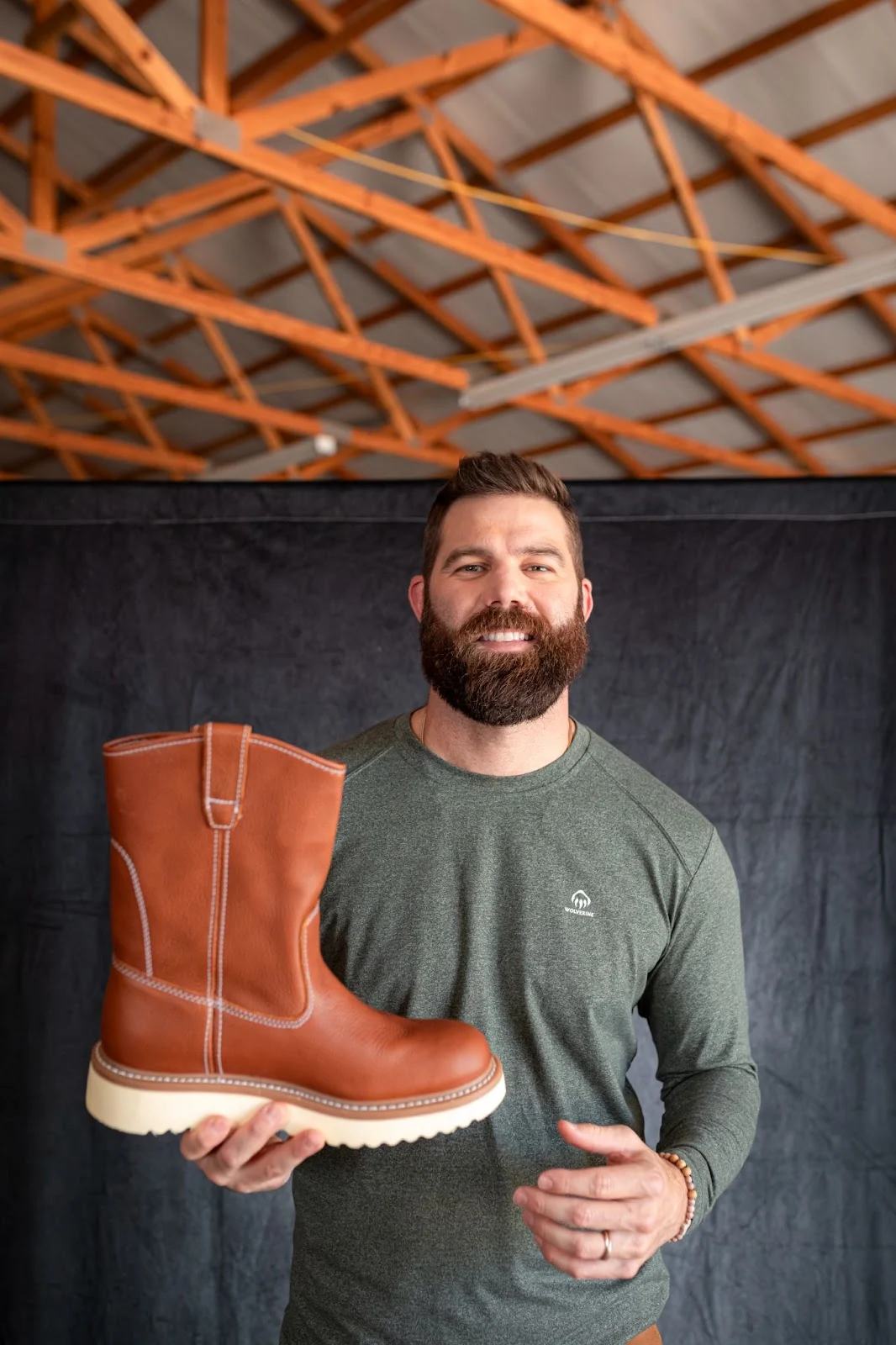
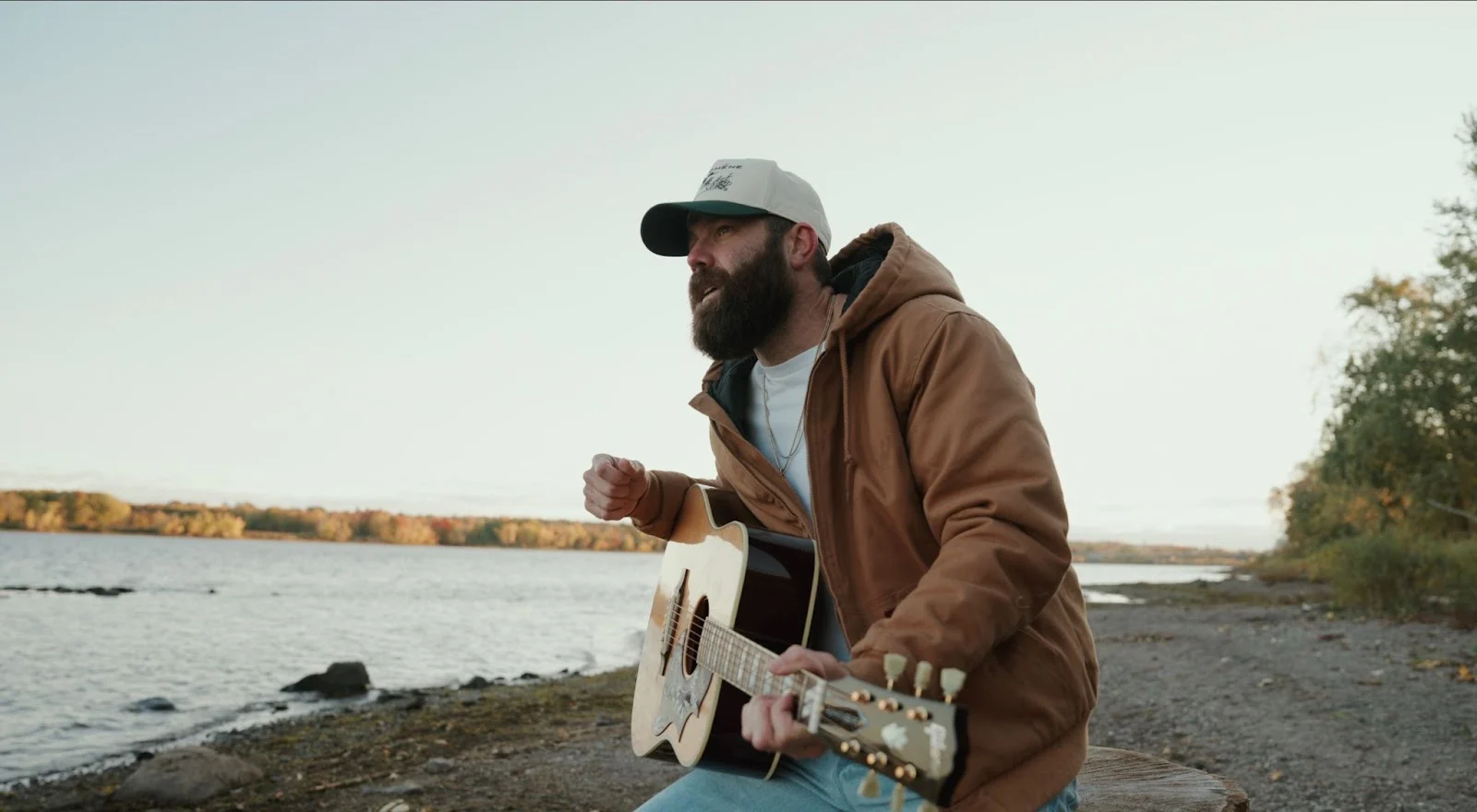
Wolverine, the 142-year-old workwear brand trusted by generations of tradespeople, is kicking things up a notch with their newest partnership with country music star Jordan Davis. Known for his heartfelt lyrics and no-nonsense work ethic, the Billboard-charting country artist is a perfect fit for Wolverine, which celebrates those who put in the work and stay the course.
Explore
Explore
See latest videos, charts and news
“For me, it’s the versatility of Wolverine,” says Davis. “It’s something I can wear in my everyday life—get off the road, jump in the truck, come out to the farm—and I know it’s going to be there for me. It’s a brand I have a lot of trust in.”
And that trust runs deep. Davis grew up watching his dad and grandpa working in their shops, refurbishing furniture and casting lines in the creek—all with Wolverine boots on their feet. Now, whether he’s writing songs in Nashville, playing shows around the world on his ‘Ain’t Enough Road Tour’, or spending time on his Tennessee farm, those same boots are still part of his story.
Trending on Billboard
But this partnership goes beyond the boots.
Wolverine and Davis are hitting the road for something big: The Wolverine x Jordan Davis Trades Tour. This first-of-its-kind initiative will celebrate eight American small trades businesses with over $100,000 in sponsorships and gear—giving back to the very people who inspire Wolverine and Jordan every day.
“For over 140 years, Wolverine has been about supporting those whose work we couldn’t live without – American tradesmen and women,” said Lauren King, Senior Director of Marketing for Wolverine. “The Wolverine x Jordan Davis Trades Tour is our latest commitment to celebrating their hard work, resilience, and impact. We’re proud to stand beside them and shine a spotlight on the essential work they do every day.”
“Growing up in a family of tradesmen is something I have a ton of pride in,” Davis shares. “It taught me about hard work and creating something from nothing. I want to pass that on to my kids—and this tour is a way to honor the folks still doing it.”
Each of the eight selected businesses will receive a $15,000 support package, including $7,500 toward growing their business, $2,500 in boots and gear, and even a VIP experience at a local stop on Jordan’s Ain’t Enough Road Tour. Plus, their name will be featured on the official Trades Tour t-shirt and promoted and sold across Wolverine and Jordan Davis’ channels, including merch stands at Jordan’s tour this fall.
“Wolverine has been with me on a lot of long days—on the road, at the farm, in the studio,” Davis says. “They’re built for endurance, just like the people who wear them.”
As Davis puts it, “There’s just something special about creating something with your own hands—and knowing you’ve got the gear to back you up.”
To check out the boots or nominate a trades business for the tour, head tohttps://www.wolverine.com/US/en/trades-tour.
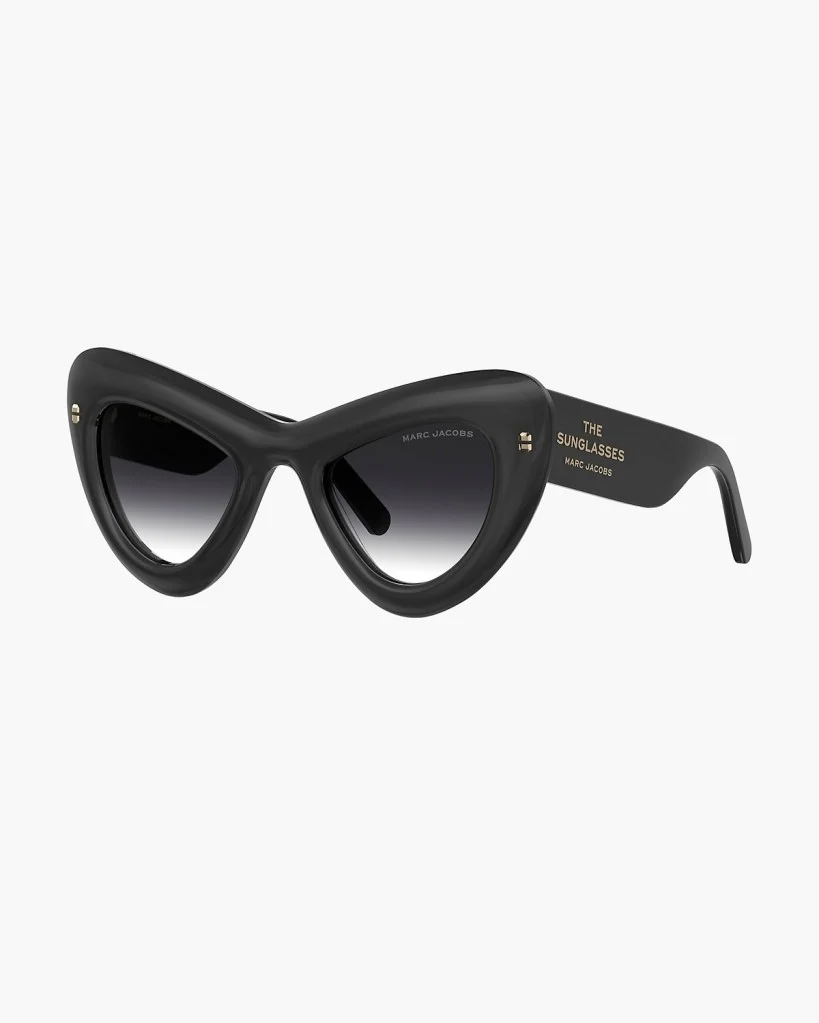
All products and services featured are independently chosen by editors. However, Billboard may receive a commission on orders placed through its retail links, and the retailer may receive certain auditable data for accounting purposes. Not only is Doja Cat showing off some of the cutest new bags in this Marc Jacobs campaign, the social post […]
State Champ Radio