Author: djfrosty
Page: 33
Jay-Z, Ye, Lil Kim, Nicki Minaj and more.
11/25/2025
Trending on Billboard
Fabrice Morvan might have a bone to pick with F. Scott Fitzgerald about that whole there are “no second acts in American lives” thing. Because the once-disgraced pop singer, who along with late partner Rob Pilatus was half of the face of 1990s dance pop duo Milli Vanilli, has just pulled off one of the most improbable second acts in music history.
Thirty-five years after being the first and so far, only, act to have a Grammy award revoked after it was revealed that the perfectly coiffed, fancy dancing duo did not sing a note on their best new artist-nominated debut 1988 album, Morvan recently landed his second Grammy nod for best audio book, narration, and storytelling recording for the audiobook of his memoir, You Know It’s True: The Real Story of Milli Vanilli.
“To this day ain’t nobody in the history of music has gone through what I went through,” said Morvan, 59, who went from being a multi-platinum, arena-filling superstar with three No. 1 singles on the Billboard Hot 100 chart to a late night punchline within two years when it was revealed that he and Pilatus were merely the images, but not the voices, on their LP. “Thirty-five years later you’re looking at a dude who got a Grammy nomination with his own voice! I found my own voice because of me being able to find the strength to tell my story. Wow. You can’t write that story!”
But, Morvan did and now he is up against some serious heavy-hitters in his category when the 68th annual Grammy Awards are handed out on Feb. 1. Among those he’ll be vying with for a Grammy are Supreme Court justice Ketanji Brown Jackson (Lovely One), comedian and former Daily Show host Trevor Noah (Into the Uncut Grass) and the Dalai Lama (Meditations: The Reflections of His Holiness the Dalai Lama).
Billboard caught up with Morvan to talk about the shock nomination, what his plans are for Grammy night and why the book (and the potential feel-good Grammy redemption arc) is the start of what he hopes will be a robust second (or third) act. (This interview has been edited for length and clarity).
Even though Milli Vanilli’s music has remained popular, it’s been a lifetime since most people heard your name. Why did you write the memoir now?
People were enlightened about what really took place and the documentary [the 2023 doc Milli Vanilli, which this writer appeared in] was instrumental in rewriting the narrative… I looked at my kids and thought it would be nice to leave something for them so they could understand each and every chapter, a gift to them. The documentary was done, the book was done, but I still felt I had so much truth I haven’t spoken and I don’t want to throw nobody under the bus, but it was very personal. [It was about] my childhood and how I grew up, so people can understand the choices I made. As humans, everyone goes through trauma, especially Rob, who got into the music industry because he had no love at home and he got addicted to that love, which is the core of the story. [Pilatus, 32, died in 1998 of a suspected drug overdose.]
What’s it feel like to be Grammy-nominated again?
[Laughs.] It was never in our minds back then, “ay man, let’s get that Grammy!” That was never something we wanted. We knew the criteria for a Grammy was you have to 100-plus percent perform. When we sat in the front row, we were like, “lord, lord, lord, no!” I knew how awards ran and when they sit you there and you have that camera view and your name is about to be read… we never wanted that… To this day ain’t nobody in the history of music who has gone through what I have gone through.
Thirty-five years later you’re looking at a dude that got a Grammy nomination with his own voice! I found my voice and because of me being able to find the strength to tell my story. Wow. You can’t write that story! It’s a true story about storytelling and redemption and trauma and I haven’t given up. Stories are here to have us look at our humanity and because of that it brings us closer together and music does the same thing.
Are you shocked that Grammys gave you another chance after the scandal the first time?
It’s about storytelling and I’m one-hundred percent sure my peers, the voters that nominated me, all had a story — they all fell, they were all used by someone, a person who took advantage of them. If you look at the story you have black and white, but in between are shades of gray that people can understand. People who’ve gone through what I went through can identify the shades of gray. The physical, mental, financially being taken advantage of — some people have all three — back then we were voiceless, but now with social media you hear more stories and are like, “Damn! What happened to that person?”
What did you think when you found out?
It had the total opposite effect. I never go towards hype. I run away as far as I can until I can feel calm. Like someone very famous said, “I sizzle,” then I meditate on it and figure out what does that look like? What does it really mean? It means I touched a nerve at the core of the people exposed to the story, whether they read the book or not, and my peers, because I am not the first, or last one, to have been used and taken advantage of in the industry. But I became the poster boy, 100%.
You competition is pretty fierce: a Supreme Court justice, the Dalai Lama, Trevor Noah… what are your odds?
I don’t look at the list. I told my story and was as vulnerable as possible. Understood early on, either I tell it all or why do this if I’m not going all the way? I was as vulnerable as possible and it touched a nerve about storytelling. I look at winning as when I meet someone in the streets and they say they read the book and it changed my life, that’s cool… Who would have thought?
Will you attend the Grammys and how do you think it will feel three decades later?
Oh man, of course. You know I’m gonna be there, I’ll look good too! Whatever happens out of the wreckage of Milli Vanilli I took whatever I could to reverse-engineer the DNA of what it was… I did the right thing, I listened to myself and kept going even through blind faith. You look at the company you’re in and for me it’s about inspiring the people who’ve been knocked down or misunderstood or judged, this is for you. It’s also in the name of Rob as well, for my family, for people who sometimes have no way out of that vicious circle you’re locked in because of life.
Do any feelings of shame or regret come with being in the Grammy spotlight again? Does it bring up difficult emotions?
No, because I’ve forgiven and forgiveness is such a magical tool. I advise anyone to forgive the ones who’ve hurted you, who’s abused you, who’ve taken advantage or you or otherwise you’ll keep going in vicious circles. When I was able to forgive them, forgive myself for letting it happen… I was able to forgive myself and I was able to walk out.
So maybe you won’t be in the front row this time, but what happens if your name is called?
[Big breath.] I don’t even know if that part is televised. But you know what I’m gonna do? When a situation gets very overwhelming I slow down everything and tune out everything around me. I would take that walk and thank the most important people in my life, my family, Rob and then it’s about the ones who’ve been misunderstood, underrated and underestimated. In the end, one thing I understood is it’s not about me, it’s about inspiring others. We’re nothing but a grain of sand… Just the fact that I’m nominated, in my heart I definitely won already. Just to be in the company of those people?! It’s never too late.
When we spoke a few years ago you promised this was not the last chapter for you. What is next?
I knew there would be more eyes on me this year, so right now I have out the single “Future Love” with Ray Slijngaard [2 Unlimited] and “Clothes Off” [a cover of Jermaine Stewart’s 1986 hit single “We Don’t Have to Take Our Clothes Off”] and I’m working on an Afrobeat record with James [BKS, the son of late Cameroonian sax giant Manu Dibango] due out in January called, if you can believe it, “Milli Vanity.” I’m also sitting on a couple of albums of material and something else might come out after the “Vanity” record. I’ve also released a reggaeton version of “Girl You Know It’s True” and an acoustic “Blame it on the Rain.” Also, I’m working on a deal with a company in New York to do 30-50 shows next year.
Trending on Billboard
Muni Long is setting the record straight regarding her new Instagram videos featuring a Mariah Carey impersonator, which some Lambs have interpreted as shade directed at the Songbird Supreme.
Shortly after posting two clips promoting her new single “Delulu” — in which an actress dressed as Carey crashes Long’s rehearsal and gives notes, mimicking the icon’s distinctive voice and mannerisms — the Florida native clarified on her Instagram Story on Monday (Nov. 24) that she meant no offense.
“Y’all don’t be delulu,” she wrote. “I would never disrespect Queen Mariah!!!!!!”
Long’s post on Stories comes as many fans have been flooding her comment section to accuse her of shading Carey. “Career too young for this level of disrespect,” one person wrote. “Humble yourself everything doesn’t need a rebuttal.”
“Shading Mariah in MARIAH’S SEASON good luck girl,” added another fan.
But according to Long, she has nothing but love for the Queen of Christmas, adding on her Story, “Forever a Lamb.”
Billboard has reached out to Carey’s reps for comment.
Also in one of the impersonator videos Long posted, the faux Carey sings a version of “Delulu,” after which Long winks at the camera and says, “I just … don’t like when other people sing my songs.” In the second clip, the impersonator pushes Long off a ledge.
“AND YOU KNOW WHAT!? She could push me off of every ledge in sight,” the caption reads. “THANK YOU!!! I LOVE HA!!!”
The first of the videos is definitely a reference to Carey’s previous comment about Long, with whom she collaborated on “Made for Me” last year. At the 2025 iHeartRadio Music Awards, Long performed a cover of “We Belong Together” as part of a tribute to the legendary vocalist, who later told GQ this past September, “I didn’t even hear the cover. I didn’t know it happened.”
“I’m very honored and flattered that she did it,” Carey added at the time. “I love Muni Long, she’s a great person, umm, but I just don’t like people doing my songs.”
That’s seemingly why some Lambs assumed Long was coming for Carey with her new videos — but in the first video’s caption, she also made her fandom of the superstar clear. “THE DIVA!?!!!!” Long wrote. “Maybe…I can come around to people singing my songs if this who singing it!”
Check out Long’s videos featuring “Mariah” below.
Trending on Billboard Tasha Cobbs Leonard and John Legend move 3-1 on Billboard’s Gospel Airplay chart dated Nov. 29 with their collaboration “Church,” marking a significant week for both artists. Cobbs Leonard adds to an impressive streak at the top of the format, notching her 10th leader, while Legend earns his first appearance — and […]
Juelz Santana, he of The Diplomats fame, is exactly the first person that comes to mind when one thinks of success and education, and we’re sure you can detect the sarcasm. In a recent appearance, Juelz Santana suggested that children don’t need to learn how to read and should instead focus on math and finances.
Keeping things Harlem, Juelz Santana, aka “Mr. Human Crack In The Flesh,” joined the set of the No Funny Shxt podcast and covered a wide range of topics. The episode naturally opens up with Santana showing Kenny “KP” Supreme and DP how to tie his signature bandana style.
Santana displayed moments of humility and wisdom after sharing his woes with using lean, and even showed some remorse for promoting the lifestyle surrounding the drug. He also shared details of his successful cannabis brand, promising an update soon.
Love Hip-Hop Wired? Get more! Join the Hip-Hop Wired Newsletter
We care about your data. See our privacy policy.
Near the end of the podcast, after a hilarious tale of crossing paths with Mike Tyson, Santana seemed to start out the gate correctly in saying children should embrace financial literacy, but lost the plot swiftly after boldly declaring that reading is indeed not fundamental.
“By the time they get to 9th grade, they should be learning how to start businesses,” Santana began. “But they don’t really know how to read. I say that respectfully.”
Santana was hit with some mixed results from KP and DP, and tried to clarify his point by saying audiobooks are just as valuable as reading.
He hammered everything home by saying, “I believe common sense is better than everything. I’m a common sense n*gga.” What was the last book Santana listened to? 48 Laws of Power.
Right.
While Juelz Santana is correct in saying some kids could benefit from audio learning, he’s expressing that angle in place of reading, and it could become a confusing message to the youth. For someone who didn’t want to promote drug use to kids, it appeared odd for him to promote moving away from the benefits of literacy.
Check out the full interview below. Hop to the 58:00-minute mark for the comments in question.
—
Photo: Getty
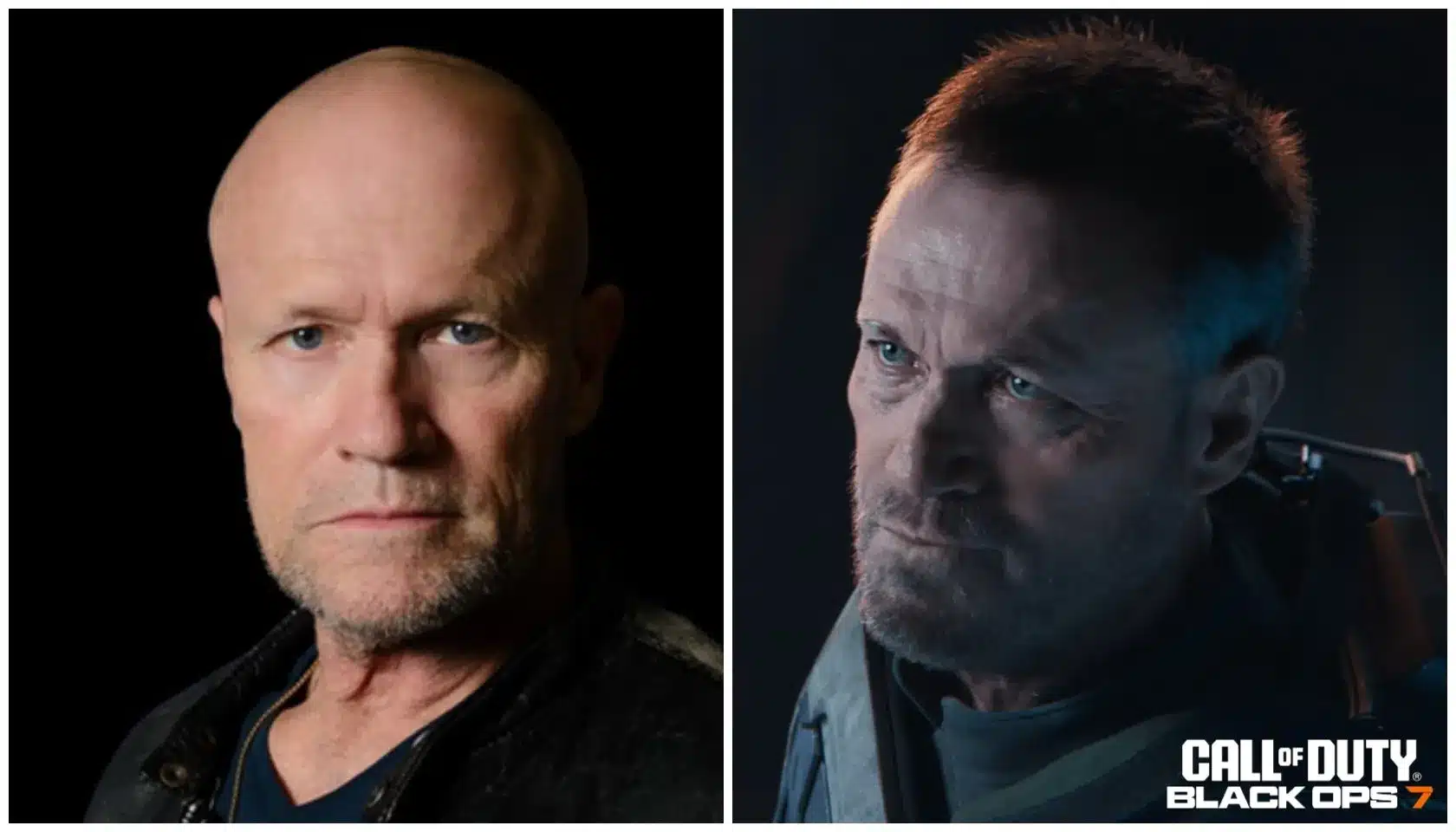
Rooker was happy to reprise the fan-favorite character of Mike Harper.
The motion capture and technology have significantly improved since Black Ops 2.
Rooker was surprised by the lasting impact of the Mike Harper character.
Michael Rooker is back as Mike Harper in Call of Duty: Black Ops 7, and he had plenty to say about his return to the iconic video game franchise.
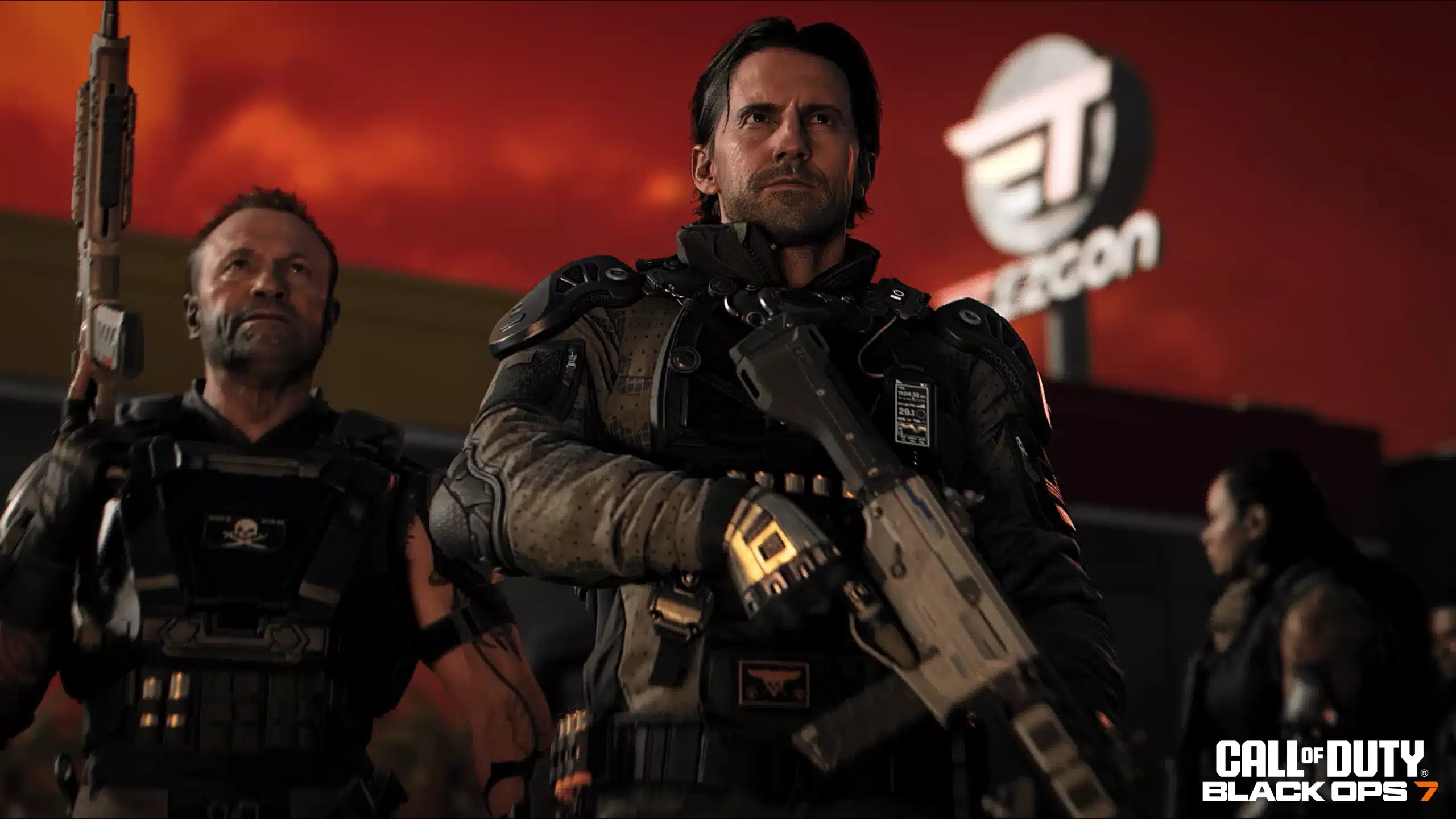
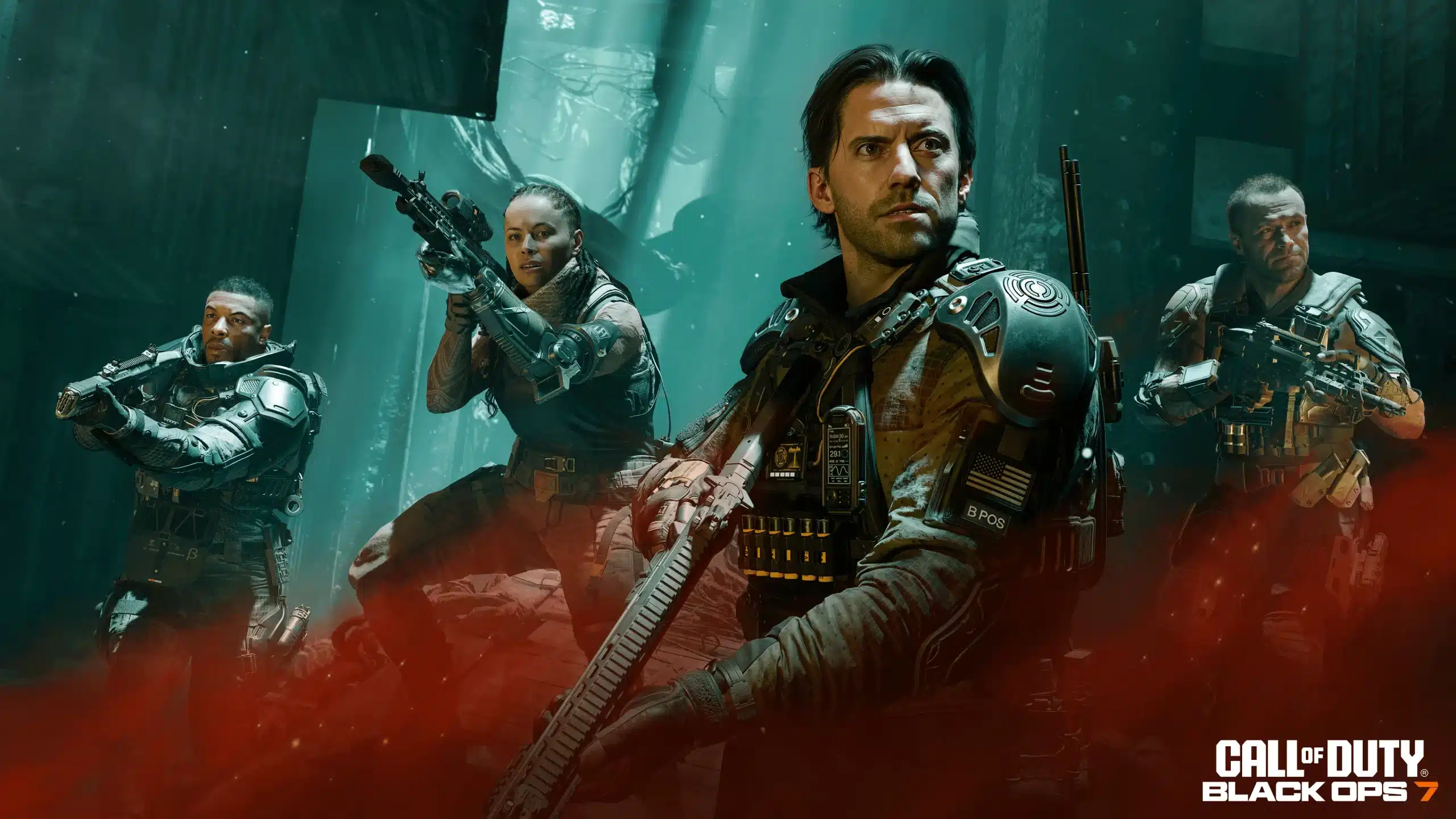
The cat’s out of the bag: Mike Harper survived the events of Call of Duty: Black Ops 2, meaning the choice to save him was the correct one, allowing him and his wisecracking self to be a part of JSOC and help Desmond Mason take down the guild, Black Ops 7 reality warping campaign.
HHW Gaming got to speak with Michael Rooker about making his return to the iconic video game franchise, and basically, he’s more than happy to be back.
Michael Rooker Says It Was A Great Choice To Bring Mike Harper Back
Activision / Treyarch / Call of Duty: Black Ops 7
Love Hip-Hop Wired? Get more! Join the Hip-Hop Wired Newsletter
We care about your data. See our privacy policy.
The first question immediately was how the game’s developers pitched the idea of Harper’s return in Black Ops 7 to him, and how they made the choice not to shoot Harper in Black Ops 2 the canon decision in the game.
“Oh, come on. Great choice. Mike Harper, fan favorite,” Rooker begins. “That whole concept of making that choice, that moral choice, to shoot Mike Harper, or not shoot Mike Harper. Shoot Mike Harper and save the world. Or hem the world. I’m not shooting my buddy. And that was a big choice for people, for gamers, and it’s a big deal. And so, that really, I think, embedded that character even more in folks’ minds. So now that Mike Harper is back in Black Ops 7, it’s just, oh, yeah. Oh, yeah. It’s about time. I know that’s what they’re going to be thinking, because that’s what I thought. I was like, “Yeah, well, it’s about time. Why not?”
Rooker Was Ready To Be A Part of The Design Process
Activision / Sledgehammer Games / Trey Arch / High Moon Studios / Call of Duty: Black Ops 7
Black Ops 2 was released more than a decade ago, meaning the design process for video games has, for all intents and purposes, gotten more sophisticated.
We spoke with Rooker about taking part in the process for Black Ops 7, and he revealed it’s a bit of a mix of new and old, but
“It was a big difference in the facial motion capture. We have cameras now that record the motion capture for the face, the eyes, the mouth, and all that stuff,” Rooker revealed to HHW Gaming.”Technically, it’s going to be way more detail. They’ve got the making of this game; the chips are different. All the internal stuff that they’re using to put everything together, to make the hair, was a big thing back then. The hair is a big thing. So they’ve gotten way better with that, and it’s just phenomenal stuff. And the motion capture is basically the same. The main thing for me was that it threw me for a loop for about five minutes, until I got used to having this camera in my face and the lights shining in my eyes. Once you’re over that, then it’s basically, yeah, I can do this scene with someone.
He continued, “The ADR room is basically old, tried-and-true stuff. There’s not a lot of big… There may be a lot… There very well may be advances in the recording aspect of this stuff that I don’t know about. I’m not a professional recording artist, or anything like that, so I don’t know the technology that goes in behind that. But I know for a fact that my job inside the studio hasn’t really changed.”
“As an actor, I’m still there, and try to get in the moment, or back to that moment, and make it as real as possible. That’s my goal anyway.”
Rooker Was Suprised At The Lasting Impact of Mike Harper Since Black Ops 2
Activision / Sledgehammer Games / Trey Arch / High Moon Studios / Call of Duty: Black Ops 7
One thing that surprised the Guardians of the Galaxy and The Walking Dead star was how popular Mike Harper became after his appearance in Black Ops 2, which led the developers to bring him back.
“Oh, you know what? I was surprised back then, back in the day, how popular that character ended up being, ” Rooker revealed. “And they were always telling me, “Oh, this is going to be great. They’re going to love this. People are going to love this.” And they did. People absolutely, absolutely, dug it. And I didn’t really stay with games that much, I did that, but I moved on. I did film and stuff like that. And as you know, gamers and cinema people, kind of different animals.”
“But this is going to be really a good combination now, because we’re getting to a point in gaming, where it’s looking very cinematic, “he continued.
“And now it’s unreal that they’re going to make a film based on the biggest game franchise in the world. So it’s about time, because I’m like, “Yeah, do it, man. Get these gamers off the couch, and into the theater.”
Who knows, maybe Mike Harper will end up in the film adaptation as well; it only makes sense.
You can peep our entire interview, where we touched on other topics above as well. Call of Duty: Black Ops 7 is out now.
Trending on Billboard
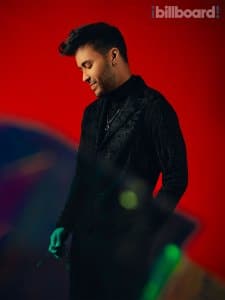
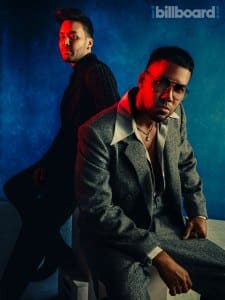
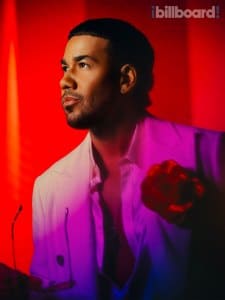
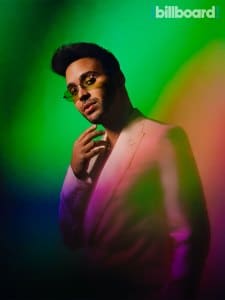
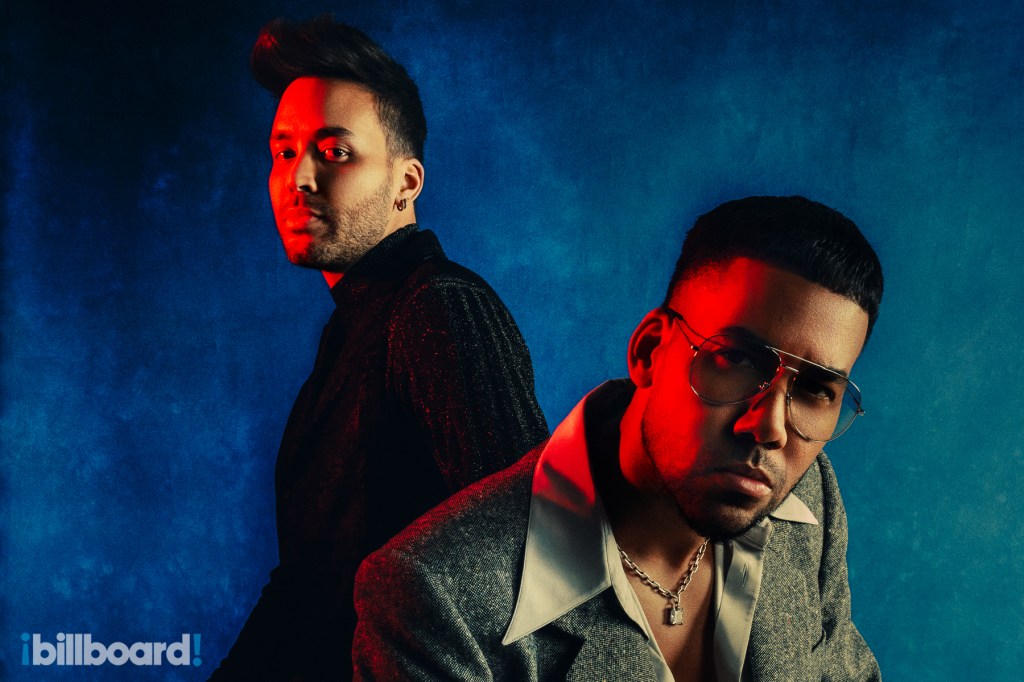
Romeo Santos arrives wearing a face mask and a hoodie. He’s not sick, just determined to avoid being recognized as he enters our New York studios, and immediately heads to his dressing room with his small entourage. Minutes later, Prince Royce walks through the door, just as quickly and discreetly, with a cap under the hood of his sweater covering half his face.
The two have been seen together in the past, but only as friends on social media. Today, the last Wednesday of October, they’re here to announce something completely different: Romeo Santos and Prince Royce, the “king” and “prince” of bachata, respectively, are finally collaborating, not on a single song, but on an entire album.
Their collaboration has been the best-kept secret in Latin music in years. Appropriately titled Better Late Than Never, the 13-song album will arrive Nov. 28 on Sony Music Latin, where only a small group of people knew of its existence.
Close friends and family were also unaware. (Coincidentally, Royce’s brother, who works as a photographer in New York, only learned of the project when he joined the team that shot the cover for this Billboard Español story and saw both artists’ names on the call sheet.) Many of the musicians who played on the album think it’s by one or the other, since both artists deliberately summoned their sidemen separately and were never seen together in the studio.
The result is pure synergy: “There’s no one taking center stage here,” Santos says. “There isn’t a song where he sings more than me or me more than him.”
I listened to the album the day before, when Santos — as he’s done in the past with Billboard — picked me up in a Cadillac Escalade V and played it for me from beginning to end, responding to my questions and reactions with the joy of someone who knows he has something special in his hands. He’s never been one to share files of his work through email before their release, and he certainly wasn’t going to risk it this time.
Better Late Than Never has the essence of Santos and Royce throughout but also offers something fresh for both artists. There are classic bachatas, more modern takes and mostly romantic lyrics, and the fusion of their recognizable voices is captivating from the first track, which shares the album’s title.
Songs such as “Dardos” and “Jezebel” stand out, the latter displaying strong R&B influences, as well as “Ay San Miguel,” a Dominican palo, and “Menor,” a surprising first collaboration for Santos with an emerging talent, Dalvin La Melodía — who also hadn’t yet been informed about Royce’s participation.
Santos and Royce wrote four of the songs together, starting with “Mi Plan,” penned during a friends trip to St. Barts in 2023, and “Better Late Than Never,” “Jezabel” and “Loquita Por Mí.” The rest were mostly written by Santos, always with Royce’s participation and honest input. But the seed of this production has been germinating since at least 2017, when they recorded the first of three failed attempts that will likely never see the light of day.
“I don’t want to sound cliché or overly religious, but God’s timing is perfect,” Santos says, explaining why now was the right time. “When we started recording the first song seven years ago, there was a little resistance from both of us. I felt convinced at the time… the vibe was there, but then we started evaluating it and [realized], ‘Mmm, this is not the song.’”
“There was a moment where I said, ‘Man, are we ever going to find that fusion, that muse, where we both feel comfortable and can say, ‘This is great?’ ” Royce adds. “And it wasn’t that I doubted it, but it required going in and really delving into it — and suddenly there was a switch.”
Santos
Malike Sidibe
The launch strategy was equally secretly planned. On Oct. 31, Halloween, Santos, unrecognizable in an Ace Ventura costume, announced on his Instagram account “new album November 28” — with a link in his bio to preorder it — along with a video of him partying in New York with an album in his hands. Days later, on Nov. 10, a massive listening party for his fans scheduled for Nov. 26 at Madison Square Garden was announced on Univision shows such as Despierta América and El Gordo y La Flaca and radio station WXNY-FM (La X 96.3) New York, where listeners could call in to win tickets. According to Santos’ publicist, at the time of the announcement, 7,000 people were online looking for tickets, all assuming that “it’s a [solo] Romeo album.”
Of course, there were no singles or previews. A music video featuring two songs — “Estocolmo” and “Dardos” — will be released simultaneously with the album. To communicate with the director, they used the code names “Batman” and “Robin.”
The collaboration between the two powerhouses is highly anticipated by bachata fans, and the fact that the project wasn’t rushed gives it new urgency and importance. Superstars of the genre from different generations, they are also very different in style — Santos with his sweet, high-pitched voice and use of traditional guitars; Royce with his light lyric tenor and a more pop/urban sound. And both have redefined the genre. Santos, 44, revived bachata when it was considered traditional regional music, giving it a sensual twist with touches of contemporary New York that captivated a new generation. Royce, 36, came later with bachata versions of Motown classics.
Santos rose to fame in the mid-1990s as leader of the group Aventura before launching a brilliant solo career in 2011 with Fórmula, Vol. 1, the longest-running bachata album by a solo artist on Billboard’s Top Latin Albums chart (17 weeks at No. 1); more recently, he was No. 2 on the Top Latin Artists of the 21st Century list (behind only Bad Bunny). Royce debuted in 2010 with a self-titled set that reached No. 1 on Top Latin Albums, which he has topped five times.
Both born in the Bronx to Dominican parents (except for Santos’ mother, who is Puerto Rican), they met at a family party. “Aventura was huge at the time,” Royce recalls. “I was in my room playing PlayStation. I heard the revolú [commotion], so many people outside. I went out and took a picture [with him],” adding that he was starstruck by the singer’s presence. Now, “This is a full-circle moment. What Romeo and Aventura have done has inspired me.”
“Romeo Santos and Prince Royce are two wonderful artists, two exceptional professionals — and even better human beings — who have dedicated their careers to bringing bachata to the world,” Afo Verde, chairman/CEO of Sony Music Latin Iberia, told me days after the interview. “Each of the songs on this brilliant album reflects the talent, creativity, passion and dedication of both of them. We can’t wait for all the fans to experience this magical album they’ve created together.”
Sitting down to talk for the first time about their most closely guarded secret in an exclusive interview with Billboard Español, Santos and Royce delve into the project, their friendship and the future of the genre that made them famous.
Prince Royce
Malike Sidibe
To begin, who approached whom? Who said, “Let’s do it”?
Romeo Santos: I’d like to take credit, but the truth is, the first person to mention the idea of recording not one, not two, but a whole album, was this gentleman right here. (Gestures to Royce.) And that was literally seven years ago, right?
Prince Royce: A long time ago, yes. I felt a lot of pressure from the public, really. If we make a song, what will it be? It can have pop elements, it can have very traditional elements, it can be a fusion. And I was thinking about how to fuse these two worlds, which, although it’s bachata, are two different styles of bachata. I always thought, “Man, how iconic would it be if we made an album, if we could give everyone these different kinds of flavors and colors?”
Santos: Yes, because that’s a valid point. When he says “the pressure,” it’s like a song will have an audience who will say, “I like this one,” but there will be another type of fan who will say, “Yes, but it’s too slow.” There are those who say, “Yes, but it’s too fast.” “Yes, but it doesn’t have that bitterness or it’s too depressing.” We have a production that fills all the gaps.
You recorded three previous tracks — one in 2017 for Golden, another in 2022 for Fórmula, Vol. 3 and a third later — and none of them were released. After three attempts, what motivated you to keep trying and not give up?
Santos: I think we started evaluating the three songs we had already recorded. “Where was the problem? How could the chorus of these three songs be improved? Was it the verse, the arrangement?” And at least I had the goal of making the songs feel organic, not like we took a song, sent a verse to Royce or vice versa, just to say we collaborated. I think it had to happen this way: three failed attempts to lead to this production. I don’t think I could have worked with Royce in a more ideal way. The best songs we were able to create are on this album.
Royce: I think for me it was, “We shouldn’t rush things.” Nowadays a lot of people lack patience, and I’ve always been very patient. I’m not a quitter, and he’s definitely not a quitter.
Santos: And you know what I respect? He was honest with me about those three songs. I mean, if he had been a hypocrite and told me, “They’re great,” this project wouldn’t have happened. But he was like, “I don’t know, loco, they’re OK, but do you think so?” So I kind of analyzed them. And honestly, every time I presented him with a song, I felt it was better than the last one.
How is it possible that none of this leaked in all these years?
Santos: Well, I’ll just say that in the world of privacy, I’m an expert. I feel very comfortable, even if it’s a little stressful, working on projects with the element of surprise. I’m used to it; I don’t like to prepare people.
Royce: In my case, I just don’t want to jinx it either. I know how he works, I’ve known him for many years. For me it was such an important project that I wanted the element of surprise, I wanted to surprise the audience, I wanted to focus on the project without anyone interfering and simply work.
Santos: Another factor was that we genuinely posted photos and videos together because we were hanging out. I think that when people saw those pictures and didn’t hear any music, they kind of overlooked it. And I didn’t know at the time that this was also what would work as a strategy for us. We managed to keep it a secret for several reasons. Also because technology has changed so radically these days that you can record a production, an album, whatever at home. We didn’t go to public studios; everything was recorded during vacations — we were in a villa with our friends and family, in my home studio in New York. We visited his house many times. That part was easy, honestly.
Royce (left) and Santos
Malike Sidibe
Tell me about “Batman” and “Robin.”
Santos: Ah, that was the code.
Royce: I called it the “Bora Project” with my small team.
Santos: We created this “Batman” and “Robin” thing, but for different aspects; for filming music videos, talking to the director: “Remember, Royce is Robin, I’m Batman.” Until it became second nature. Now I say to him: “What’s up, Robin?”
The fact that the record label hasn’t even heard the album speaks volumes about the creative freedom the label has given you to work together.
Santos: Look, I’m very grateful to Afo [Verde], to the whole Sony team really, but Afo is one of those people who respects the creative side of artists. And I remember sending Afo a message about two months ago, more or less, saying, “Brother, I have a project that I think is going to excite you. You’re going to love it, and I want to share this project with you. I want you to listen to it, to be one of the first.” Afo tells me, “I knew you were planning something,” because my last post was, if I’m not mistaken, on Jan. 8 of this year, and I’ve been ghosting on social media.
How easy or difficult was it working together as two big artists with such distinctive styles?
Royce: From the moment we made that first song [that actually worked], everything flowed for me. It was like there was a whole year where I felt like we were creating something incredible. I was so happy. And I really admire how he pushed me in the studio.
Santos: Thank you. I’m kind of a maniac.
Royce: I hadn’t felt like that in a long time. The fact that I thought I was doing well and [he’d tell me], “No, you can do better, bro,” and just keep at it…
Santos: And vice versa, because I’m so used to directing myself that sometimes you overlook certain things you stop doing as a performer. … The interesting thing about this project is that it has his essence, my essence, but musical proposals that neither of us has offered to the fans before.
Who was more involved in the production?
Santos: I would say I was… [But] I reiterate: He was very key because he trusted me, but also kind of challenged me. When I showed him a song, he was very honest, as he’s always been. So I went in already with that challenge.
What new elements will the audience hear?
Royce: There are new elements like “Dardos,” which has a lot of fusion. There are Afrobeat vibes, tropical vibes, different types of guitars, violins. [The song] “Better Late Than Never” starts off very pop, a cappella. And I think there are many elements, within bachata as well, in the way the guitar is played; there’s a bit of a rock flow.
Santos
Malike Sidibe
What did you think when you heard the album for the first time in its entirety?
Santos: We hugged with happiness.
Royce: I was jumping around, I was tipsy. … I was super excited. For me, it has been an honor to record this album. It has been a very beautiful experience in the studio as well.
Santos: You know what I used to tell him? “This pendejo sings beautifully!” Because I was listening to him from a different perspective. I love producing, and when you create a melody thinking of someone else, in my case, I enjoy it more than I enjoy singing it myself. And sometimes he sang a melody even better than what I envisioned.
Were you already a fan of Prince Royce’s music?
Santos: There’s a mutual respect. I’ve always told him about the songs I love from his repertoire. For me, “Incondicional” is one of those songs that, if you ask me what Romeo hasn’t done in bachata, both with Aventura and as a solo artist, when I heard that song I said, “F–k, mariachi with bachata!” That was great.
Royce, is there a song by Romeo you wish you had written?
Royce: There are many. I’ve always been a fan of “La Novelita” by Aventura. “Infieles.” “Eres Mía”… I think he’s a walking encyclopedia of bachata; he knows every bachata song and has a lot of musical knowledge. And he’s a genius with lyrics, truly.
As friends and colleagues, do you ever call each other for advice?
Santos: Of course. We’ve talked a lot long before this project. It’s a truly genuine friendship.
Prince, what’s the best advice you remember Romeo giving you?
Royce: There are many that I probably can’t say on camera. No, just kidding. (Laughs.) In terms of advice — not just musical; it could be business, it could be personal — we’ve had many conversations and he’s always been, I really mean it, very real with me… And I’ve always respected that.
Santos: I can tell you that one piece of advice he gave me once was, “Don’t take things so seriously.” I have that problem. Sometimes we forget to have fun. Especially when you have a plan, the rollout, marketing, a million things, and I feel like he has that quality. He loves what he does, just like I do, but maybe I’m too… What’s the word?
Royce: Particular, detail-oriented…
Santos: Yeah, sometimes that kind of takes away the fun.
Royce
Malike Sidibe
Let’s talk about the state of bachata. How do you see the genre right now?
Santos: How far the genre has come is impressive, especially when you see artists who aren’t bachata singers navigating this genre of heartbreak. When I listen to Rosalía, Manuel Turizo, Maluma, Shakira, Rauw Alejandro, Karol G, that’s an excellent sign that good work has been done since the beginning.
However, a superstar on the level of Romeo Santos and Prince Royce hasn’t emerged. Why do you think this has happened?
Santos: I think there are a lot of Prince Royces and Romeos in an attic, in a basement, creating the new sound. The thing is, this business isn’t easy. And when I say it’s not easy, it’s not easy for us either. There’s a very essential key that few apply, and that’s perseverance. If you analyze my career, people remember Aventura from “Obsesión,” but we’d been hard at work six years prior to that.
Royce: I think a lot of people always see the success but they never see the failures, what didn’t happen, the doors you knocked on. And I think that nowadays it’s very important to be different… and to bring something that Romeo Santos didn’t bring and that Prince Royce didn’t bring, because they’re already here.
Going back to your wonderful project, an album is usually followed by a tour. Do you plan to go on the road together? What do you envision for that show?
Santos: Obviously, yes, we are considering a tour, God willing, and a worldwide one so people can enjoy both of our repertoires. And when it happens, God willing, we don’t want it to feel like a show where he goes onstage, sings his setlist, then I sing mine. No. We want it to be an experience where, whether you’re a fan of Royce and me or just a fan of him or just of me, it’s a musical journey through both of our repertoires.
What would you say to Prince Royce fans who aren’t Romeo Santos fans, and to Romeo Santos fans who aren’t Prince Royce fans?
Royce: Well, personally, I think they’re going to become fans of all of us.
Santos: You want to know what I’d tell his fans? That they’re going to have to put up with Romeo! (Laughs.) No, but seriously, this is a treat, a gift for both sets of fans, because I think — and I don’t want to sound repetitive — that it’s a production where each song is dedicated to different styles, to his essence, to mine. But there’s something else you’ll notice about it: There’s no one taking center stage here. There isn’t a song where he sings more than me or me more than him. Maybe your favorite part of this particular song is Royce’s chorus, and maybe your favorite part is the pre-hook I did, but I hope you like it, that it evokes some kind of emotion in you in a positive way, because we made it with all the love we could put into a project.
Trending on Billboard Romeo Santos arrives wearing a face mask and a hoodie. He’s not sick, just determined to avoid being recognized as he enters our New York studios, and immediately heads to his dressing room with his small entourage. Minutes later, Prince Royce walks through the door, just as quickly and discreetly, with a […]
Trending on Billboard
SiriusXM is serving up the soundtrack to this year with the Billboard 2025 #1s Channel.
Listeners can relive 2025’s biggest chart-topping songs, according to Billboard’s weekly rankings, spotlighting pop, country, R&B/hip-hop, rock and alternative, Latin and more. Plus, flashbacks will highlight No. 1 favorites from throughout the 2020s.
The channel premiered Tuesday (Nov. 25) and is available exclusively on the SiriusXM app (channel 502) through Dec. 8.
Explore
See latest videos, charts and news
The Billboard 2025 #1s Channel features a range of music that defined this year and beyond, including Sabrina Carpenter’s “Manchild,” Lady Gaga and Bruno Mars’ “Die With a Smile,” HUNTR/X’s “Golden,” Kendrick Lamar and SZA’s “Luther,” Taylor Swift’s “The Fate of Ophelia,” Morgan Wallen’s “What I Want,” featuring Tate McRae, and Alex Warren’s “Ordinary.”
The Billboard 2025 #1s Channel marks the latest partnership between SiriusXM and Billboard — and accompanies the recently premiered Billboard Holiday Countdown, which is dashing through the 100 biggest seasonal favorites according to historical performance on Billboard’s Holiday 100 chart. The festive feature is available for streaming on-demand on the SiriusXM app through Dec. 26.
Previous SiriusXM and Billboard collaborations include the Billboard Latin Music Week Channel, the Billboard Top 500 R&B Countdown, the Billboard Top 500 Summer Hits Countdown, the Billboard Women of Pop Countdown and the Billboard #2 Countdown Channel. Additionally, SiriusXM’s Big 40 Countdown, on 80s on 8, and the Back in the Day Replay, on ‘90s on 9, are based on historical weekly Billboard Hot 100 charts, with other surveys counted down on 70s on 7 and Prime Country.
Trending on Billboard
Romeo Santos and Prince Royce join forces on a joint album titled ‘Better Late Than Never,’ and Billboard has the exclusive interview where they break their silence about their secret collaboration as Batman and Robin, sharing the magic behind their new and unexpected bachata album.
Romeo Santos:
The album is titled ‘Better Late Than Never,’ which means “better late than never.” The explanation seems obvious. Many people will likely say, “Why did you take so long?” The answer is simple: better late than never. We also wanted a song that would pay tribute to the title. That’s why there’s a song that’s literally called “Better Late Than Never,” which is a little more about love, heartbreak. A man who makes the mistake of not valuing his partner and when he sees her happy with someone else, and you see that things perhaps got damaged, he recognizes that he lost his great love, but that he asks her to give him one last chance, that he’s changed now.
Prince Royce:
He changed.
And that it took too long for the change, but better late than never.
Prince Royce:
I think that’s a very deep, deep meaning, you know I think it’s growth, I think it’s perseverance. And to tie to everything that we were talking about. So, I think that’s a very deep concept and title in general.
Yeah, no, I think the title couldn’t have been a better title, you know it’s like, better late than Never, you know. You have any negative thing to say about “why did we take so long?” Better late than never! You know? “Why an album?” Why not? Better late than never.
The first song we recorded for the album, with the album in mind already, was “Mi Plan.” I think it was in St. Barts. We were there, chilling. We were actually just chilling, actually. We were like: “Let’s go record”.
It’s like a fellas trip.
And that’s where that idea started, already with this concept in mind that maybe a production was coming.
Keep watching for more!
State Champ Radio