State Champ Radio

by DJ Frosty

Current track

Title

Artist

Current show

State Champ Radio Mix

12:00 am 12:00 pm

Current show

State Champ Radio Mix

12:00 am 12:00 pm


Author: djfrosty

Page: 302

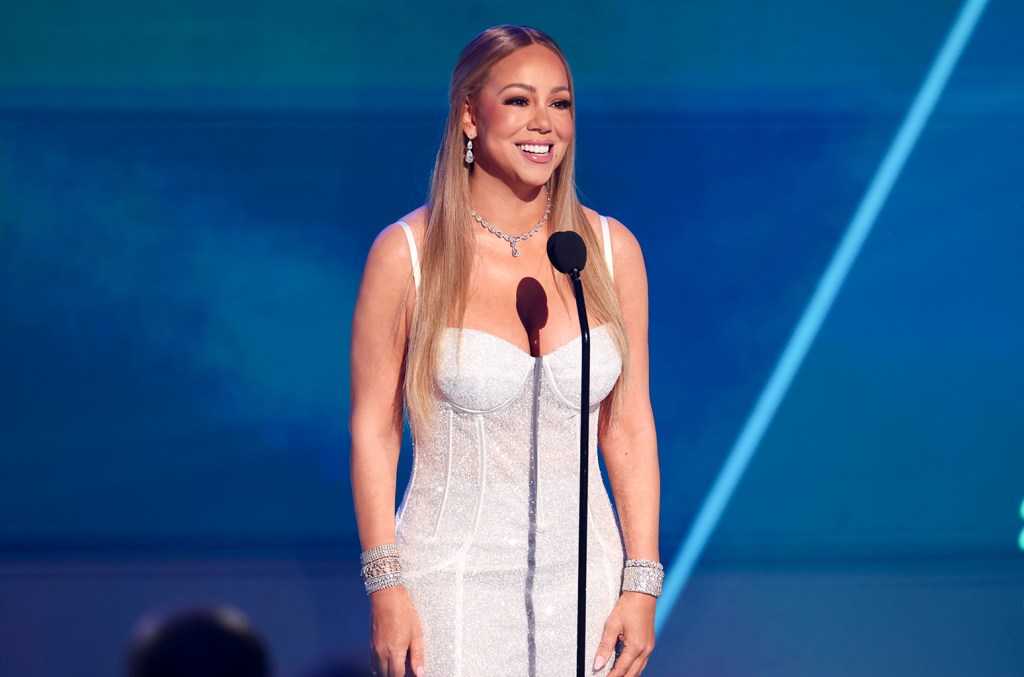
Last week, Mariah Carey dropped her first proper single in years — and now, “Type Dangerous” is getting a music video, as revealed Monday (June 9). As teased in a clip posted by the vocalist on her socials, MC’s new visual will arrive on Friday (June 13). The preview finds a characteristically glamorous Carey walking […]

Miley Cyrus educated Monica Lewinsky on the meaning of the acronym “WAP” in a new episode of Lewinsky’s podcast, Reclaiming with Monica Lewinsky, offering a humorous yet insightful reflection on her past controversies.

Explore

Explore

See latest videos, charts and news

See latest videos, charts and news

In an exclusive clip shared with Billboard ahead of the episode’s release, Cyrus jokingly explains to Lewinsky, who admitted being unfamiliar with the term, exactly what “WAP” means.

“A couple years ago, like, WAP…” Cyrus began, prompting Lewinsky to admit, “Wait, I don’t know what that is.”

Trending on Billboard

Laughing, Cyrus replied, “Are we telling Monica Lewinsky what WAP is about? Should I tell her?” before playfully clarifying, “It stands for Wet A– P—-. Okay?”

The “Flowers” singer then compared her infamous 2013 MTV Video Music Awards performance, which faced significant backlash, to Cardi B and Megan Thee Stallion’s celebrated rendition of “WAP” at the 2021 Grammys.

“It got performed at the Grammys. I dressed as a teddy bear and got shamed,” Cyrus remarked. “But Cardi B isn’t for kids. She’s not a child star. For me, it was so hard to go but like why is Rihanna not in trouble? But it was because I was a kid star, so it’s like the babysitter went rogue. I was like a babysitter for America’s children.”

Lewinsky’s podcast Reclaiming features candid conversations where guests explore the concept of reclaiming narratives that have been taken or lost. The podcast engages a variety of recognizable figures, experts, and everyday people in open and often unexpected discussions.

This episode’s timing coincides with the release of Cyrus’ ninth studio album, Something Beautiful, which debuted at No. 4 on the ARIA Albums Chart. The album continues Cyrus’ tradition of chart success, following her previous No. 1 albums Breakout (2008), Bangerz (2013), and Endless Summer Vacation (2023).

Fans can catch the full episode of Reclaiming with Monica Lewinsky at 12 p.m. ET on June 10, available early and ad-free for Amazon Music subscribers and Wondery+ listeners.

Watch the “WAP”-torial below.

In 2015, Dana Biondi was looking for the future.
The frat-rap and weed-rap crazes in the early 2010s catapulted artists like Wiz Khalifa and Curren$y to fame, but by the middle of the decade, Biondi — who had promoted shows at New Haven, Conn., club Toad’s Place and had some rap management experience — sensed a different energy on hip-hop’s horizon. “I had really seen a lot of the fans sit at shows and just kind of bob their head,” he recalls. “I knew that the industry was pushing toward a new movement.”

Biondi found that future in $uicideboy$. At the dawn of what would come to be known as the SoundCloud rap era, the New Orleans hip-hop duo, consisting of cousins $crim and Ruby da Cherry, had quickly attracted a passionate cult following with their strikingly personal lyrics, rock-influenced sonics and attitude, and, particularly, their riotous live shows. “The first show that I went to to see them was at the Roxy [in Los Angeles] — and it was chaos like I had never seen before,” says Biondi, now 36. “Between the mosh pits and the fandom and the overall show just being… chaotically beautiful, in a way. I [knew] that they were really special.”

He started managing the Boy$ shortly after — along with longtime friend Kyle Leunissen, who introduced him to the duo — while also serving as music manager for G59 Records, the cousins’ own label. Distributed by The Orchard, G59 now boasts a battalion of similarly minded artists like Shakewell, Germ and Night Lovell who have since cultivated their own fan bases. But the empire all revolves around $uicideboy$, who have not only hit the top 10 of the Billboard 200 with each of their four official studio albums but also become a popular arena act with their annual Grey Day Tour (which in 2024 grossed $50.7 million, according to Billboard Boxscore) and a dominant brand in artist merchandise. (Biondi cites merch sales of over $30 million in 2024 alone.)

Trending on Billboard

Biondi initially endeared himself to $uicideboy$ and proved his capabilities by helping organize their early merch operations. But his versatility is what made him indispensable; now a G*59 label partner, he finds himself “jumping from a marketing call to a merchandising call to a call directly with the artist, to a call with the artist’s family, to a call with a major label, to a call with a lawyer,” wearing many different hats for both artist and label. (In a more literal hat-wearing sense, during his Zoom call with Billboard, Biondi reps the brand with a GREY59 skull-and-crossbones cap that complements a G59 RECS hoodie.)

And as Biondi has helped the duo build its empire, they’ve mostly avoided traditional pathways to mainstream success: The pair, which has no real conventional hits and only reached the Billboard Hot 100 for the first time in 2024 (with “Us vs. Them,” which peaked at No. 96), has minimal radio promotion and does few media appearances. But Biondi is proud of what he has achieved with the Boy$ — who’ve already surpassed 1 billion on-demand U.S. streams in 2025 alone, according to Luminate — largely outside of the broader industry machine, and he believes it will only get easier for artists like them to blaze their own trails.

“If you’re a phenomenal artist and you’re very creative and you wrap the right team around you, the world’s yours,” he says. “I think that the future is indie.”

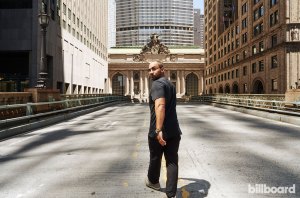
Dana Biondi photographed May 20, 2025 in New York.

Matthew Salacuse

When you saw $uicideboy$ the first time, could you see parallels between them and any other artists?

At the time, the fandom is what caught me. I saw how the crowd was chanting “G59.” I saw how mesmerized these fans were. There was only, what, 300 or 400 at the show? Maybe even less than that. But they were so engaged — and I just recognized early on the brand [strength]. And to me, that’s the most important thing: creating a brand and creating the stickiness of a brand with fans. That’s what will keep you around forever.

As far as comparing them [to other artists], I saw a combination of a hard-rock audience that was wearing black — and that was like skaters and more alternative — but then, obviously, they’re rappers, so I was able to hear the hip-hop influence of Three 6 Mafia and Bone [Thugs-N-Harmony]. It was kind of the perfect mesh of both genres, and that was really appealing to me because I had grown up listening to a lot of Bone Thugs and a lot of different alternative music.

They’re obviously much bigger now. When was the first moment that you went, “OK, this isn’t just something that can happen — this is something that is currently happening”?

When we started working full-on together, one of the first things I did was I brought them overseas and had them play proper club rooms. That was kind of a defining point — I was in the middle of Europe and the fandom was insane. I was like, “Man, this is going to work on a very big level, both here and domestically.”

A large part of our early success was doing a proper tour with proper routing overseas, in Australia and in Europe, and kind of showing the U.S. fans that this was a cultural movement and it was worldwide… and they were pulling the same amount, if not more, of people overseas than they were pulling in the U.S. The U.S. had to play a little bit of catch-up.

It’s pretty unconventional for mainstream acts to do an annual outing like the Grey Day Tour, as opposed to touring in conjunction with an album or a promotional cycle. What made you confident that this was the best touring strategy?

Growing up, I had always loved the concept of Warped Tour and how they went to so many different cities and brought so many different people around. It really created a yearly concert that each fan, no matter what, just signed up for. They were like, “We trust the Warped team to give us a great bill.”

The year that we started Grey Day [2019] — the year before was the last year of Warped. I saw a void in the marketplace, and that’s where Grey Day came from. Our lane was emerging, and it was very similar to that hard-rock, Warped lane — but it was obviously much more focused on hip-hop.

So I said, “Let’s just create our own yearly [tour], and let’s always look at some new artists that are up-and-coming — some friends that we just like to work with and like to tour with — and continue to keep it fresh and new and give the fans what they want.”

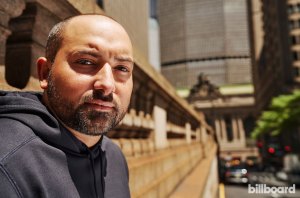
Dana Biondi photographed May 20, 2025 in New York.

Matthew Salacuse

Earlier this year, Billboard reported that you guys were shopping the catalog. Why did you think now’s the time for that, and has anything come of it yet?

It’s something that we are doing, and we just felt like it was a good time to try and gauge interests, really, and see where the market was for it. The guys have put out a lot of great music, and we plan on putting out a lot more albums and a lot of other great music. We look at the new music, starting this year, as the next phase of $uicideboy$. We’re just interested in the reach of the old music and looking for a partner to possibly consider for that.

But nothing firm there yet?

We have something firm, but it’s not done yet. So I can’t really speak on that.

Are there specific goals that they or you and the team have for the next few years?

We’ve hit so many different home runs in terms of touring and ticket sales and merchandise sales and streaming numbers. It would be nice to finally get some notoriety on the awards side of things, just because we feel like we are one of the biggest artists in music and our numbers and all of our credits show it.

And then, other than that, just continuing to make the Grey Day Tour bigger and continuing to get more eyes and views on the music. There’s still so many times where somebody will ask me what I do and I’ll tell them, and they’ll say, “Oh, I’ve never heard of those guys.” Which means that there’s more fans for us to attract. It’s always something that I enjoy hearing and shows that we still have some more work to do.

Would $uicideboy$ play the Grammys?

(Laughs.) I think so. They would definitely do it their own way because that’s how we do it. But I think they would. I think they would rock the house, and I think the rest of the world would view that performance as something really different and something that they might enjoy themselves. A lot of people would discover the $uicideboy$ on a stage like that.

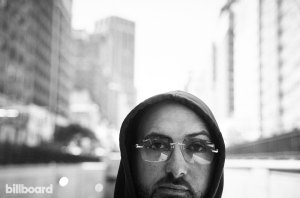
Dana Biondi photographed May 20, 2025 in New York.

Matthew Salacuse

As $uicideboy$ become $uicidemen, have you had a conversation with them about what the next 10 or 20 years look like? So much of what they’ve done so far is centered on youth culture and around their fans discovering them at a formative time in their lives. And I’m sure that’ll continue. But as the guys enter their 30s and 40s, have you talked about how to keep the brand vital?

We like to focus on about a year or two at a time. It just helps us stay more on the pulse. I mean, nobody knows how or where music is sonically going – and they don’t focus too much on the overall sound of everything. But I think our focus is always about a year or two out, and we kind of plan our moves accordingly. Like I said, they’re going to be around forever. What that looks like in five to 10 years? I don’t know.

Time will tell. We’ve worked at a really fast pace to this point between doing 50-, 60-, 70-plus shows a year and traveling the world and putting out two to three albums a year. Their pace has been phenomenal. At a certain point, it’s got to let up. But for now, we have a lot of great releases and a lot of really good plans in the future for the next couple of years.

What advice would you give young artists or labels that are just starting to catch their footing?

Picking the right people around you and formulating a team is the most important thing for me. Having everything from an agent to a lawyer to a marketing guy… It’s not just a one-man show — it’s a whole team, and everybody has responsibilities on that team to move the ball downfield. I would also say concentrating on your fans and continuing to develop your brand.

There has been a lot of discourse about the lack of developed hip-hop superstars in the past five years — but it seems like when people have those conversations, they’re mostly talking about the top-level crossover hit-makers of the last 30 years. Do you think cult stars like $uicideboy$ are the future of hip-hop stardom? Is the future of hip-hop independent?

I think so. Fans are now just focused on what they want to listen to. We did so many years of going on a playlist, like a RapCaviar, and finding out about songs. And now I think word of mouth is back and hearing about songs — whether it’s through quick videos like Instagram or TikTok or friends that are listening and hearing about new sounds — I think it’s back to the streets, even though the streets are in a different form these days.

Digital streets.

Yeah, the digital streets — and I think that’s the key to the future. People will take notice over time. It might not happen immediately — or it might happen immediately — but people will take notice. It’s all about developing that brand and creating something that has stickiness and has power.

This story appears in the June 7, 2025, issue of Billboard.

Taboo is joining the universe of Dora the Explorer. The Black Eyed Peas member wrote a new song titled “Melodía” for Paramount+’s DORA animated series, and Billboard has an exclusive first look at the number.
In a preview of the upcoming episode — titled “Dora’s Song for Papi” — Dora and her trusty BFF Boots travel through a colorful rainforest to create a special song for her dad before they can celebrate Papi-Dora Day together. On the way, the duo encounter cockatoos Quickatoo and Quickatina, voiced by Taboo and his 9-year-old daughter Jett.

“There’s no easy way of knowing/ Lo que te puede hacer/ Once the rhythm gets you goin’/ You feel it otra vez/ Ritmo, ambiente, flavor, sabor/ This music will give you that hunger for more,” Quickatoo sings in the sneak peek, as Quickatina plays along on a rainbow xylophone.

Trending on Billboard

Get an exclusive preview of Taboo’s performance of “Melodía” below.

In perfect harmony with the episode’s themes, Jett tells Billboard Family that working with her famous dad was “a great opportunity to have a father-and-daughter day together.”

“Jett and I, we spend a lot of time — whether we’re reading books at night creating characters and dialogue, or we’re making videos dancing — we’ve always had this creative spirit,” Taboo chimed in. “So to be able to channel that in such a great project like the DORA brand and experience, it’s a reflection of who we are as father and daughter.”

(Stay tuned for Billboard Family‘s full video interview with Taboo and Jett, coming soon.)

“Melodía” will also be featured on the show’s upcoming soundtrack, The Great Dora Fiesta (25th Anniversary Tribute Album), which arrives on June 13 and includes reimaginings of classic Dora ditties like “Swiper No Swiping,” “Backpack” and “I’m the Map,” as well as the original songs “Súper Bien” and “Dora-cappella.”

Taboo and Jett’s episode of DORA will begin streaming on Wednesday, July 2, exclusively on Paramount+ in the U.S. and internationally where the streaming service is available.

Taboo and Jett onstage at Black Eyed Peas’ New Year’s Eve concert on Dec. 31, 2023, at The Venetian Theatre in Las Vegas.

Courtesy

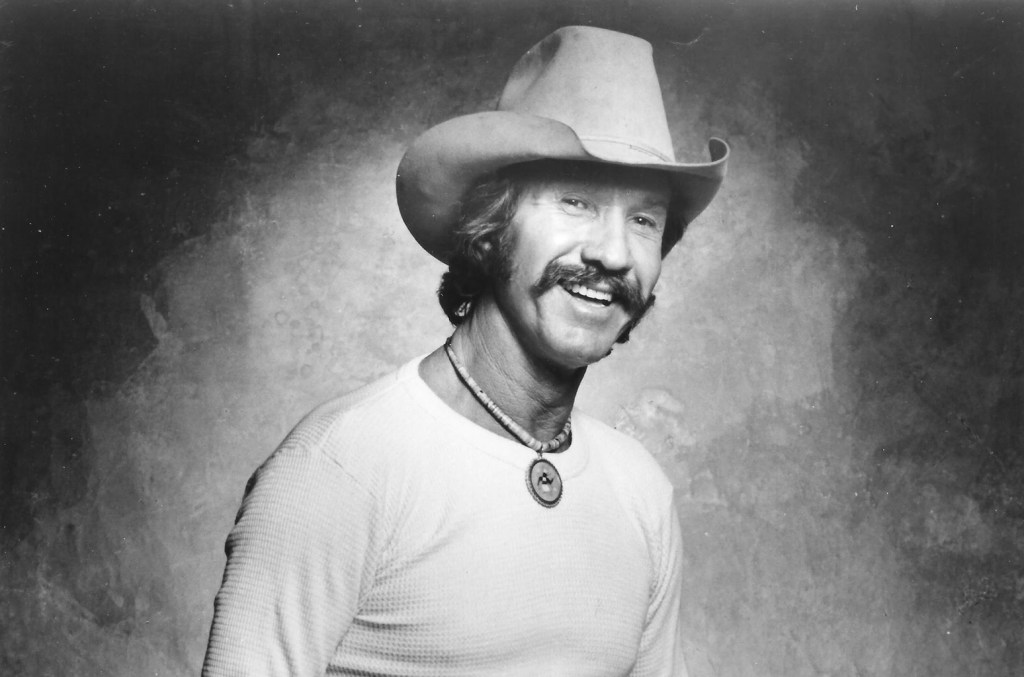
Anthem Music Publishing has acquired a catalog of songs written and recorded by Country Music Hall of Fame crooner Marty Robbins.
Among the titles in the newly-acquired catalog are Robbins’ 1960 hit “Big Iron,” which reached No. 26 on the Billboard Hot 100 and No. 5 on Billboard’s country chart. The catalog also includes Robbins’ 1959 hit “El Paso,” which topped both the Billboard Hot 100 and the Hot Country Songs chart. “El Paso” won a 1961 Grammy trophy for best country & western recording, and was inducted into the Grammy Hall of Fame in 1998. His hit “My Woman, My Woman, My Wife,” which won best country song in 1971, is also included in the catalog acquisition.

Jason Klein, Anthem Music Group CEO, said in a statement, “Marty Robbins was a towering figure in American music – an artist whose storytelling transcended genre and era. His songs are woven into the fabric of country and western music heritage, and continue to influence artists and resonate with fans to this day.”

“We’re honored to see Marty’s music find a new home with Anthem Music Publishing,” the Marty Robbins Estate noted in a statement. “His songs have stood the test of time, captivating generations with their vivid storytelling and emotional depth. We’re confident that Anthem will not only preserve Marty’s legacy, but elevate it – introducing his work to new audiences while honoring the timeless spirit of the originals. Marty’s music has always belonged to the people, and we believe Anthem shares that same dedication to keeping it alive for generations to come.”

Trending on Billboard

During his four-decade career, Robbins found success as a singer, songwriter, musician, actor, author and even a NASCAR driver. He earned 11 Billboard Hot Country Songs chart-toppers, and several of his hits, including “El Paso,” “My Woman, My Woman, My Wife” and “A White Sports Coat (And a Pink Carnation)” were self-penned by Robbins. He earned two Grammy awards, was a member of the Nashville Songwriters Hall of Fame, and his songs “Big Iron” and “El Paso” were included in the Western Writers of America’s Top 100 Western Songs of All Time.

As a NASCAR driver, Robbins ran 36 NASCAR races between 1966 and 1982, earning six top 10 finishes, including a top 5 finish in the Motor State 500 in Michigan in 1974. Early in his racing career, he became a regular performer on the last segment of the Grand Ole Opry’s Saturday night shows, so he could take part in races prior to the show. He also starred in films and television series, including The Drifter, Western Caravan and Marty Robbins Spotlight. Robbins passed away in 1982 at age 57.

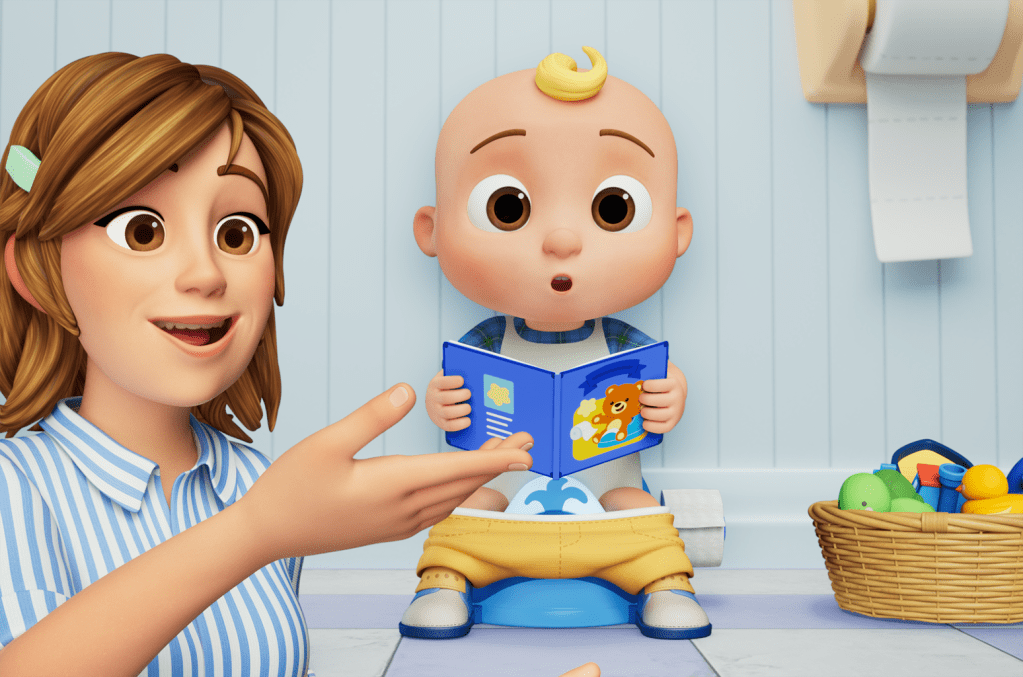
For every milestone in a kid’s life, there’s a CoComelon song — and now parents have a brand-new potty-training anthem to add to their toolkit, premiering exclusively on Billboard Family.
As part of the “CoComelon Can Help” campaign, an animated video for “When You Gotta Go, You Gotta Go!” hits CoComelon’s YouTube page on Tuesday (June 9) to help steer kids and caregivers alike through the often trying times of potty training.

JJ, the face of countless CoComelon clips, stars in the video as he figures out what to do when that moment strikes.

Trending on Billboard

“I gotta go, go/ Oh no/ When you gotta go, you gotta go!” J.J. sings in the instantly familiar CoComelon tune. “Trying something new can be hard/ And being brave is such a good start/ So come on, come on, it’s time to be smart/ ‘Cause when you gotta go, you gotta go!”

Watch the “When You Gotta Go, You Gotta Go!” video here:

In addition to the new song, CoComelon has also curated a Potty Time Songs playlist, filled with a lineup of previous CoComelon potty tunes, as well as a YouTube playlist of potty-training videos, in which JJ and his toddler buddies model real-life scenarios that kids run into when they’re potty training.

Finally, for families in Los Angeles, New York and Nashville, the Gotta Go Zone! tour is heading your way, with CoComelon Gotta Go Zones that include a family restroom designed for little ones with step stools, a soap bar and sensory play. There will also be music, kid activities, face painting, giveaways, snacks and character meet-and-greets. (You can RSVP for the events here.)

Need more CoComelon? The CoComelon: Sing-A-Long Live Tour is also currently on the road, with dates through June 29 in Louisville. You can also watch the CoComelon animated series on Netflix before it makes its way to Disney+ in 2027.

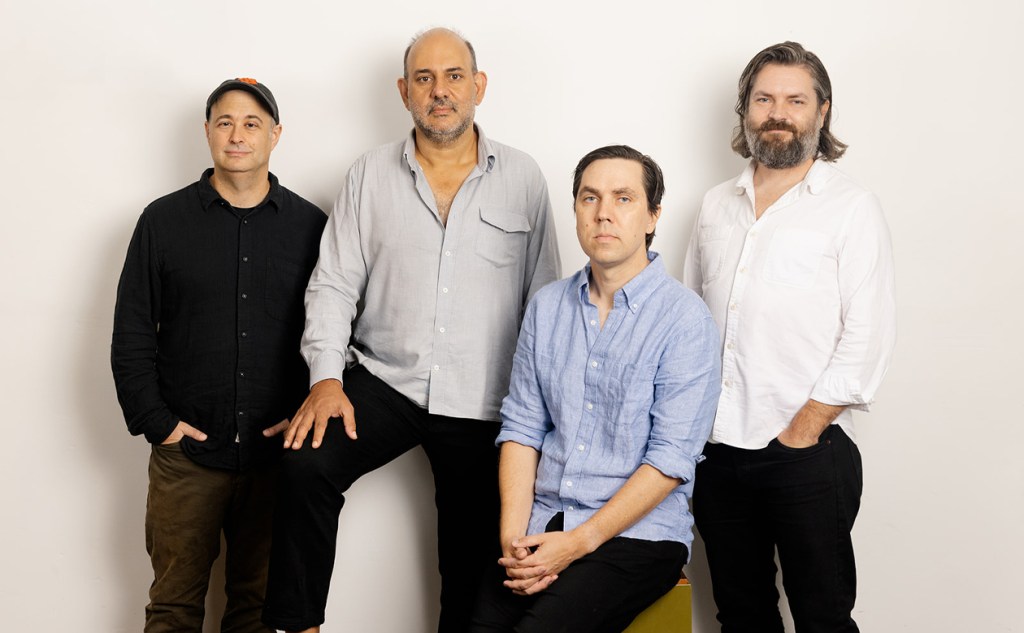
Secretly Group has announced a partnership with Merge Records as the veteran indie label’s co-founder and co-president exits the business.
The announcement sees Secretly co-founders Ben Swanson, Chris Swanson, Darius Van Arman and Phil Waldorf acquiring a 50% stake in the company. Meanwhile, Merge co-founder Mac McCaughan will continue in his role as label president and head of A&R, though co-founder and co-president Laura Ballance will leave the business. 

Other Merge staffers maintain their roles within the company, including label director Christina Rentz, Merge marketing director Jamie Beck and head of digital Wilson Fuller.

Merge was founded by MacCaughan and Ballance in North Carolina in 1989 as a means of independently releasing music made by those within their immediate circle of friends. This included groups such as MacCaughan’s Bricks and Wwax, alongside Metal Pitcher and Superchunk, which both featured MacCaughan and Ballance as members.

Trending on Billboard

Merge would attract plenty of attention throughout the ’90s and ’00s thanks to releases by bands such as Neutral Milk Hotel, The Magnetic Fields and Arcade Fire, with the latter proving to be a breakout success in the new millennium, giving the label their first appearance on the Billboard 200 with 2004’s Funeral, and first chart-topper with 2010’s The Suburbs.

“We continue to be inspired and amazed by the musicians we work with,” MacMcCaughan said in a statement. “I have known many of the people in the Secretly world for decades, and I know that they share Merge’s dedication to artists and getting their music into the hands of as many people as possible. 

“We have seen this in action working with Secretly Distribution’s international team since 2012, and are excited about what the future looks like with the strength and experience of Secretly Distribution working for Merge artists around the world, and now here at home. I know Laura has her own exciting future ahead, and I am excited to continue and expand upon the label we’ve run for 36 years.”

“It was never my goal to start a record label when I was 21 and run it for the rest of my life,” Ballance said of her exit from the company. “I have been doing this for 36 years now. Life is short. There are other things I have always wanted to do: make more art, travel for fun, volunteer more, write a book and lots of other things that being so entrenched in running a business does not allow me to do. 

“Merge Records started as a literal bedroom label, in my bedroom, and lived there for a few years before we were able to give it some space of its own. It has always been a labor of love. I am going to miss it and all the people and bands tremendously.”

“When we heard that Laura was looking to move on from Merge, we immediately engaged in conversations with Mac and Laura about what a new partnership with Secretly could look like,” explained Waldorf, Secretly co-founder.

“We looked up to Merge as we started our labels. We are not just fans of the music they’ve released, but their independent ethos and commitment to being an artist-first company,” he added. “Becoming a partner in Merge is beyond a dream for me – I saw Superchunk for the first time when I was a teenager, before I even knew you could have a full-time job in independent music, and attended Merge’s 5th Anniversary celebration at the Cat’s Cradle while I was a college student in Athens, GA, making this a real ‘pinch me’ moment three decades later.”

As MacMcCaughan noted, Merge has already been working with Secretly Group’s sister company Secretly Distribution for marketing and distribution services outside of North America for over a decade now. As part of the new partnership, Merge will continue to operate as a standalone label based in Durham, NC, while utilizing Secretly Distribution’s worldwide distribution arm and aspects of the Secretly ecosystem such as accounting, artist royalties, business affairs, licensing, IT and HR.

“Our aim is to support Merge with the independent ecosystem we’ve built at Secretly, while preserving what’s truly special about what Mac and Laura have built over the past 36 years, such that we can support Merge’s growth in the decades to come,” added Swanston, Secretly Co-Founder. 

The first new album to be released following this partnership, and the first to be distributed worldwide by Secretly, will fittingly be Superchunk’s Songs in the Key of Yikes, which is scheduled for an Aug. 22 release.

06/10/2025

Don Mischer, whose credits include the legendary program where Michael Jackson first unveiled the moonwalk, is being honored posthumously.

06/10/2025

Source: Kevin Winter/Gie Knaeps / Getty

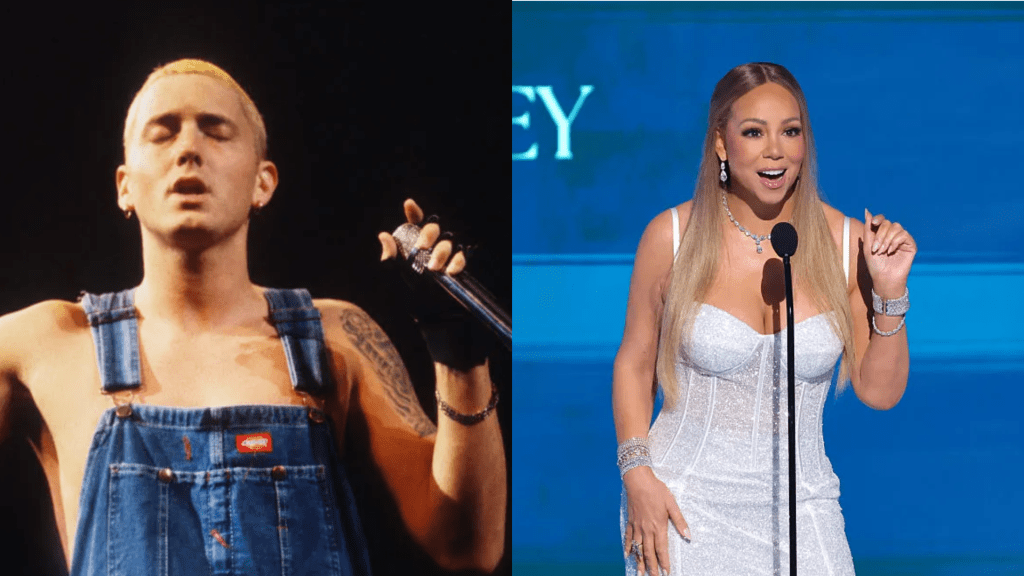
Eminem allegedly once wanted Mariah Carey to play his mom in the movie 8 Mile.

The story comes from music producer Damizza, who worked closely with Mariah and also held major roles in Hip-Hop. Speaking on the TFU Podcast, Damizza revealed that Eminem specifically asked to meet with Mariah to offer her the role. At first, Damizza didn’t want to get involved, saying, “I’m not getting in the middle of that. I know how this ends.”

At the time, Mariah turned down the meeting until she found out it was about a film. When they finally sat down, Eminem got straight to the point: “I want you to play my mother.” Damizza said Mariah was caught off guard, and she instantly was not feeling the idea.

What made this even more awkward? There were long-standing rumors that Eminem and Mariah had a brief relationship back in 2001. Eminem has talked about it publicly, but Mariah has always denied it. Their back-and-forth hit a peak in 2009 when Mariah dropped “Obsessed”, which many believed was aimed at Em. He fired back with “The Warning”, a brutal diss track that laid everything out.

In the end, Mariah turned down the role, but the fact that Eminem even asked her is wild.

Eminem’s movie 8 Mile came out in 2002 and ended up being a huge hit. It made a ton of money, over $240 million, even though it didn’t cost that much to make. The film was kind of based on his real life, and people were impressed with how real and emotional his acting was. The story about a guy trying to make it in rap really connected with a lot of people. The song “Lose Yourself” from the movie blew up and even won an Oscar.

8 Mile helped prove Eminem wasn’t just a rapper, he could act and tell powerful stories too.

HipHopWired Featured Video

“You have to kiss a lot of frogs before you find your prince.”
Suffering through bad relationships to finally find the ideal romantic partner is a universal story that’s understood by men and women of every age, and of every generation. It’s at the heart of most Hallmark movies and a number of fairytales. And it’s a go-to subject for plenty of hit songs, including Rascal Flatts’ “Bless The Broken Road,” Foreigner’s “Waiting for a Girl Like You,” Garth Brooks’ “Unanswered Prayers” and Johnny Lee’s “Lookin’ for Love.”

It’s appropriate that when LOCASH strode down that same thematic lane, it took years for “Wrong Hearts” to find its right moment.

Explore

Explore

See latest videos, charts and news

See latest videos, charts and news

“I always believe songs are on journeys, and they have their own timing,” LOCASH’s Preston Brust says. “And so here we are.”

Trending on Billboard

“Wrong Hearts” was created when the whole of society was (im)patiently waiting to move forward. They penned it in 2020, when the pandemic had forced musicians off the road. LOCASH was writing via Zoom nearly every day, and on this particular occasion, they connected on computer screens with Josh Thompson (“Drowns the Whiskey,” “One Margarita”) and Matt Dragstrem (“Mamaw’s House,” “What My World Spins Around”), who checked in from his third-floor writing room on Music Row. Either Dragstrem or Thompson had the “Wrong Hearts” title, but all four related to its inherent message.

“I been married 15 years,” LOCASH’s Chris Lucas notes. “Trust me, there was a lot of broken jukeboxes that didn’t play. There’s a lot of neon lights that flickered. You know, there’s all kinds of stuff we went through to get to where we’re at.”

The trick was to make that sentiment work for LOCASH’s rough-cut vocal sound.

“Josh was playing this vibe, almost like a ‘50s, ‘60s vibe – retro, but at the same time, cool again,” Lucas recalls. “We just started writing it, with a kind of ‘God Bless the Broken Road’ vibe, but a little edgier.”From the start, Dragstrem built a musical track to work from, centered around a strummed guitar part that held an Eagles/Poco sort of country-rock attitude. They dug straight into the chorus, setting their intent with the first lines: “All the wrong hearts/ All the wrong bars.”

“We’re chorus writers,” Brust says. “If that hook doesn’t feel really good, then we’re probably not even gonna chase a verse.”

They recounted empty whiskey glass and bad barroom choices, using short, breezy phrases. But midway through the chorus, they changed the phrasing and the melody, as the text got even darker.

“At that time, post-choruses were really in, so I think we thought of [that section] as a post-chorus,” Dragstrem says. “Then the more we were writing it, we were like, ‘Oh, this kind of feels like just a part of the chorus.’ Doing that front half of the chorus again might get a little old, so I remember I was trying to play with a different back half that kind of wrapped it nicely in a bow. I love the front half of the chorus, but I wanted that melody to be really special and be interesting every time you hear it.”

The back half started on “that highway to hell” – not intended as a nod to AC/DC, though they knew people would make that connection. That highway “led straight to your arms,” cruising into a new emotional light that carried through to a reprise of the “Wrong Hearts” hook at the chorus’ end.

With that section complete, they turned to the verses, using the opening stanza to recap the lonely prior wilderness. “Wastin’ my time,” “gettin’ used to the rain” – they used a conversational tone while recasting that period as drudgery. Then, the singer’s dream girl walks in “outta that neon blue” – it’s easy to picture her silhouetted in cigarette smoke with a Bud Light sign glowing behind her.

“That’s always the challenge for songwriters: to find new ways to say ‘the bar’ without saying ‘the bar,’” Dragstrem notes.

In verse two, the singer recognizes the former relationships were always doomed to fail, and he revels in the time he’s spending with his partner now “under midnight stars.” It was a mere coincidence that they’d placed a light source – the “neon blue” and the “midnight stars” – in each verse, though it fit “Wrong Hearts” well.

“There’s light at the end of the tunnel,” Lucas says. “Sometimes you can’t see it when you’re younger and you’re still trying to find love.”

To finish, they crafted a bridge that pulled the bar and the relationship together, raising a drink to their romance. They would also “raise one to…” – then comes the final chorus – “All the wrong hearts.” By celebrating those former romances, they framed the failed past as necessary for the victorious present.Dragstrem completed the instrumental part of the demo on his own, adhering to the country-rock motif, and Thompson sang the vocal for that version. LOCASH was enthusiastic about “Wrong Hearts,” but their label relationship at the time was, it turned out, nearing its end. They had two more singles, then moved on, eventually starting their own Galaxy Music Group.

As they worked on their first Galaxy album, LOCASH pulled “Wrong Hearts” off the pile and asked producer Jacob Rice (Jon Langston, Kidd G) to record the instrumental bed. Rice was up for the assignment.

“The way the melody sat over the chord progression was very cool to me,” he says.

He cut it at Saxman Studios around the end of 2023 with drummer Grady Saxman, bassist Devin Malone, guitarists Nathan Keeterle and Dave Flint, and steel guitarist Andy Ellison. Rice encouraged them to follow Dragstrem’s country-rock lead, with a specific alteration.

“One of the main things I told everybody in there was, ‘I don’t want this to be too light,’” Rice remembers.

“I wanted it to have a little bit of a toughness to it, a little bit of a masculine thing to it. The demo had a beachy kind of lighter vibe, I’d say, because it had nylon guitar [strings] going on, and it kind of leaned itself a little bit more [Kenny] Chesney, when Chesney was kind of doing his beach thing.”

If listeners dig deep, they’ll hear Ellison playing steel lines with elongated notes mid-chorus, handling a supporting role that would typically belong to a string section. Keeterle used a tremolo effect to apply a bubbly sound in the bridge, and Saxman slipped a maraca-sounding shaker into a quiet space before the chorus.

“That’s all musicianship,” Rice says. “A lot of that came from those guys just playing off each other.”LOCASH cut its vocals at a later date, working out their parts in the studio. Lucas took the primary lead on the chorus, while Brust dominated the verses. And before it was all over, Brust developed a bonus post-chorus that had the guys singing a background counter melody.

As previous single “Hometown Home” wound its way to No. 1 on Billboard‘s Country Airplay chart, a major programmer suggested “Wrong Hearts” was the obvious follow-up. They researched it through multiple avenues, and the feedback supported that advice. Galaxy released “Wrong Hearts” to country radio via PlayMPE on May 2. Interestingly, that phrase at the end of the bridge – “raise one to” – is being heard by some listeners as “raise one, too.” It takes “Wrong Hearts” even further, suggesting the guy is wanting to become a father – making him obvious wife material.

Thus, “Wrong Hearts” is even more utilitarian than they expected. Its journey so far is five years – long by typical standards – but the song has a shot at making a long-awaited connection, mirroring the story embedded in its easy-going melody.

“The right heart has been waiting for you all along,” Brust suggests. “You just got to get there.”