
Author: djfrosty
Page: 199
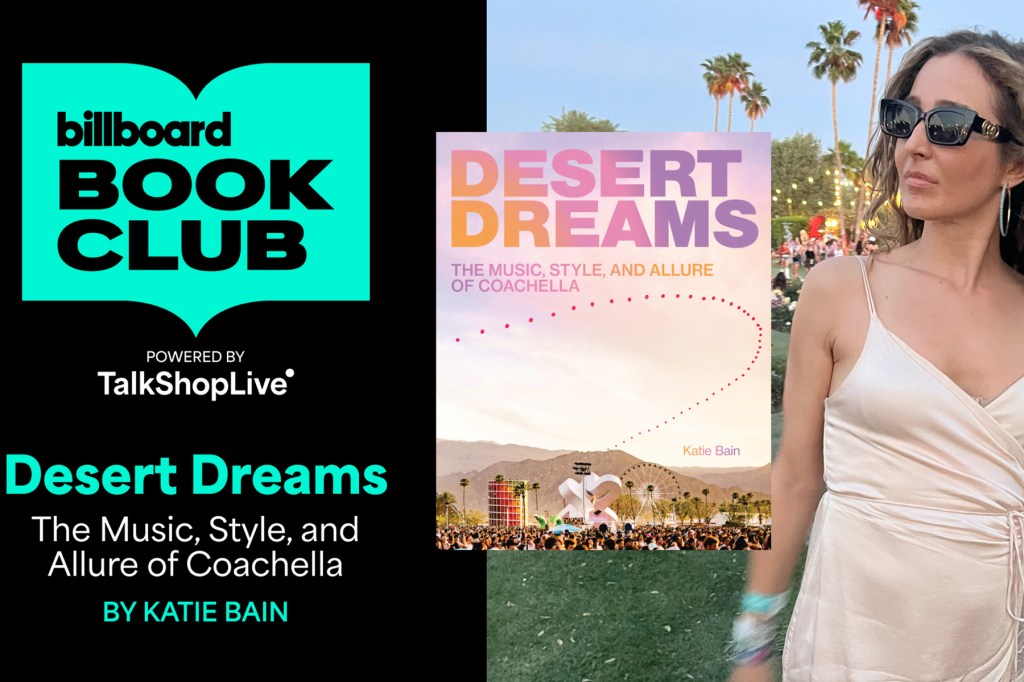
Trending on Billboard Billboard senior music correspondent Katie Bain is bringing her just-released book Desert Dreams: The Music, Style, and Allure of Coachella to a Billboard Book Club livestream today (Oct. 27). [talkshoplive modus=”rqqZwi_OmY-7″ data-auto-play=’1′] In the new book — which arrived last week, on Oct. 21 — Bain explores the history and influence of Coachella, […]
Source: Justin Goff Photos / Getty
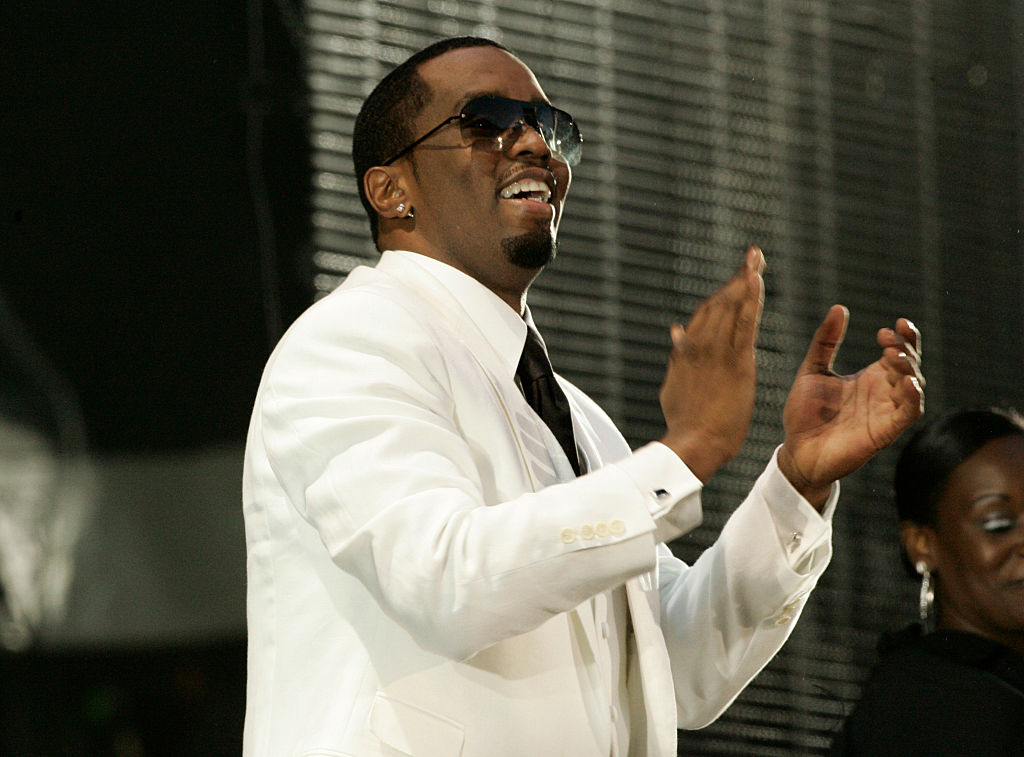
Diddy will have to hear different type of bars for the next couple of years. His release date has been confirmed.
As per Complex Diddy’s release date has been revealed. The online magazine is exclusively reporting that the Bureau of Prisons has confirmed that Bad Boy Entertainment founder is slated to be released May 8, 2028. While that may seem like only two and a half years, the release date includes his time served since he was arrested on Sept. 16, 2024. Diddy was found guilty on two counts of transportation for the purposes of prostitution. His legal team has expressed dissatisfaction with the judge’s sentencing. According to BBC his lawyers notified the United States Federal Court that they plan to appeal the conviction and 50 month sentence.
Earlier this month President Donald Trump was asked about the rumors that he is considering formally pardoning Diddy. While he confirmed that the disgraced entrepreneur did in fact request for his sentence be commuted by the POTUS, Trump made it clear that the plea isn’t out the ordinary. “A lot of people have asked me for pardons” the politician said. Last week The White House publicly denounced the hearsay that Donald Trump would pardon Diddy via a formal statement. “There is zero truth to the TMZ report, which we would’ve gladly explained had they reached out before running their fake news,” the official told NBC News in a statement. “The President, not anonymous sources, is the final decider on pardons and commutations.”
In recent news Diddy’s friend Charlucci Finney shared with The Daily Mail that the “I Need A Girl” rapper was almost attacked while in jail. “He woke up with a knife to his throat” Finney revealed. “I don’t know whether he fought him off or the guards came, I just know that it happened.” A representative from Metropolitan Detention Center, the facility where Diddy is being housed, has yet to comment on the alleged incident. Between appeals, rumors of pardons, and reports from behind bars, Diddy’s legal saga is far from over.
Trending on Billboard
As someone born and raised in New York City, I’ve seen sneakers move from simple staples to symbols of culture — defining how we express ourselves in the streets, on stage, and beyond. These days, I can’t walk a block in SoHo or through Union Square without spotting someone rocking a pair of Salomons. What started as a French outdoor brand known for trail running has become one of the city’s most unexpected style codes — a perfect mix of function, comfort, and flair.
Explore
See latest videos, charts and news
And now, Colombian superstar Feid just gave Salomon one of its most exciting crossovers yet with the XT-Pathway 2 FERXXO — his first-ever creative-directed sneaker.
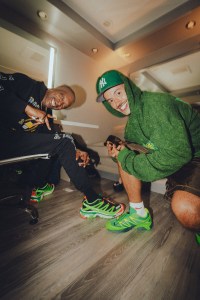
Feid’s Salomon XT-Pathway 2 FERXXO
Christopher Claxton
Feid has been stepping deeper into the fashion space since becoming a Salomon ambassador in Spring 2024. After showcasing an XT-4 collab last summer, his latest project takes things to another level. The XT-Pathway 2 FERXXO brings Feid’s world — Medellín’s lush green mountains, his signature bright green aesthetic, and his genre-blending energy — into the Salomon universe.
This sneaker isn’t just about style; it’s a reflection of identity. The color green has always been personal for Feid — it represents hope, his hometown, and, of course, a little bit of money. That same energy lights up the XT-Pathway 2, featuring near-fluorescent shades of green across glow-in-the-dark panels, custom charms on the Quicklace™ system, and a hand-drawn caricature by Feid himself.
Salomon x Feid
Courtesy Salomon
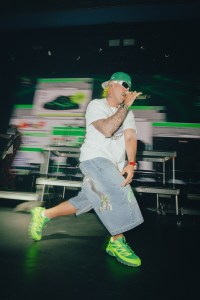
The connection between fashion and music has always run deep — especially here in NYC, where artists have long dictated what’s next in style. Feid knows this better than most, showcashing this sneaker during NYC’s Governor’s Ball. During his Hard Summer Festival set in Los Angeles this August, he brought out none other than Snoop Dogg, who hit the stage in an unreleased pair of Feid x Salomon XT-4 Friends & Family sneakers.
It was a moment that did more than break the internet — it broke boundaries. Seeing a hip-hop legend like Snoop cosign Feid’s vision connected two cultures in real time: Latin music’s global rise and hip-hop’s lasting influence. And while the Friends & Family pairs might never see shelves, they built the anticipation for the XT-Pathway 2 — the pair everyone can actually buy.
Snoop Dogg and Feid at Hard Summer Music Fest in Los Angeles on August 3rd, 2025.
SISMATYC
The XT-Pathway 2 FERXXO hit North America and Latin America on October 25 (with a global launch following October 28), just as the temperature started to drop. Winter in NYC means darker days, heavier fits — and for those who know, it’s the best time to let a bright sneaker shine. Those neon green tones pop even more against the city’s gray streets and subway stations.
These aren’t just hiking sneakers — they’re statements. In a city where Salomon has quietly climbed from niche outdoor gear to a mainstay of streetwear rotations, Feid’s collab feels right at home. You’ll see them lined up outside stores from the LES to Flatbush — people wanting a piece of this global connection between fashion, music, and movement.
Feid’s Salomon XT-Pathway 2 FERXXO
Christopher Claxton
Salomon’s rise in NYC mirrors Feid’s rise in global music. Both are breaking boundaries, blending worlds that weren’t supposed to meet, and redefining what “performance” means — whether it’s on the trails or on stage. The XT-Pathway 2 FERXXO celebrates that exact intersection of sport, style, and sound.
As Feid put it, “This shoe was made to stand out.” And in a city like New York, standing out isn’t just about being loud — it’s about being intentional.
For me, this one’s a Flex — without question. The design, the comfort, the cultural crossover — everything about this release feels authentic and forward-thinking. It’s not just a sneaker you wear; it’s a story you step into.
Because whether you’re on the subway, in a studio, or out in the streets of NYC, the XT-Pathway 2 FERXXO reminds you that the real trail is wherever you make your mark.But now we want to hear from you: Flex, Trade, or Fade? Will you add the XT-Pathway 2’s to your rotation, hold for trade value, or skip entirely? Drop your take in the comments.
Salomon x Feid
Courtesy Salomon
Source: Johnny Nunez / Getty
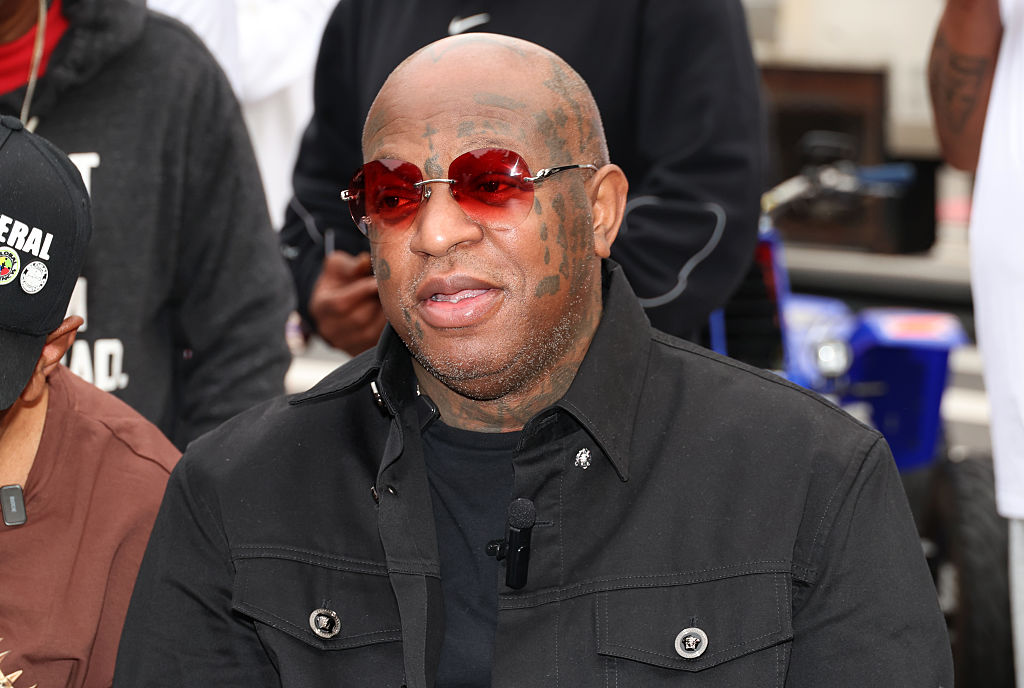
During a legendary Verzuz battle between Cash Money Records and No Limit, Birdman gave out a special shout-out.
Stunna has not been shy about embracing the new wave of rappers. From the jump, he put his arms around Young Thug & Rich Homie Quan. On the R&B side, signing Jacquees to Rich Gang. One artist he’s always shouted out is NBA Youngboy. Tracing back 5 years ago on a Quarantine special podcast with Lil Wayne, telling him YB is next up.
Since then, his prediction has looked to be on point. In the middle of one of the best Verzuz battles, Baby took the mic and shouted NBA YoungBoy out, “As long as I’m alive, Cash Money ain’t never gon’ die. Shoutout my n*gga NBA YoungBoy, Rich Gang, f*ck who don’t like it. We with all the bullsh*t. If you ain’t with us, f*ck ya, n*gga.”
This isn’t a surprise at all, as the Cash Money CEO has been on tour with YoungBoy, following him across the country to ensure he gets the bag and stays away from trouble. Recently, DJ Akademiks caught up with him at one of the stops at the MASA Tour and explained why he’s there, “I think this boy the one, I’m here to make sure he don’t f*ck up the money.”
Bird was also rocking a Never Broke Again chain, showing his support for the newest Louisiana star.
During the Verzuz, he also had an interesting choice of words for Hot Boy Turk. Where he shouted him out and seemingly slighting him at the same time, “Shout out to Turk, you little b*tch, You ain’t here but f*ck you.”
Turk quickly hopped on Instagram to respond to his Cash Money pier, “I wish them dudes well, but I wish myself more well.”
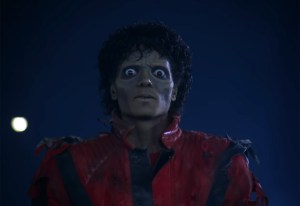
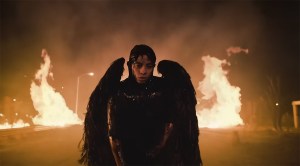
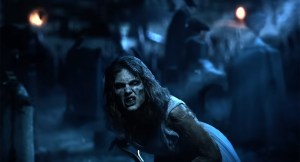
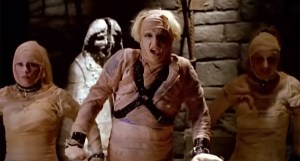
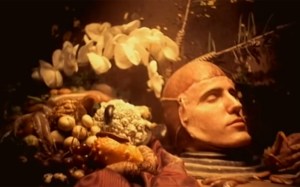
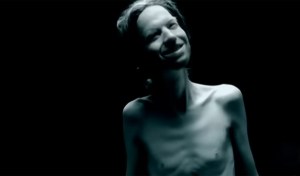
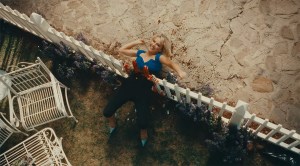
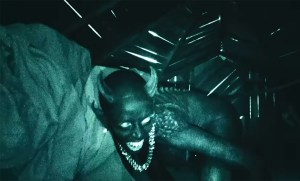
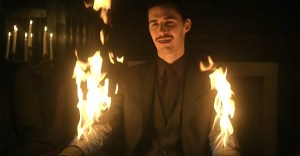
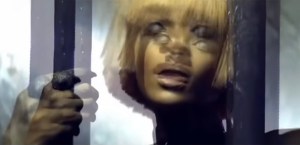
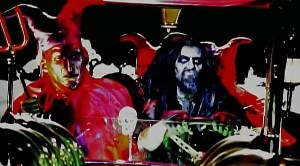
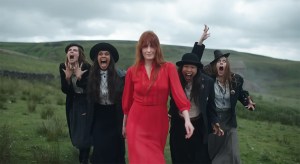
Check out horrifying visuals from Sabrina Carpenter, NIN, Rihanna, Doja Cat, Tool and other artists who will haunt your All Hallows Eve.
10/27/2025
Trending on Billboard After Pharrell Williams and the Jonas Brothers performed at the first two games of the 2025 World Series — the first time in 32 years Canada hosted the annual baseball championship — the MLB has unveiled its next slate of performers for games three and four in the matchup between the Toronto […]
Trending on Billboard
How much is enough?
Most people who accrue a fair amount of money and/or power ask that question at some juncture. Those who don’t ask it – well, they probably missed the point.
Count Thomas Rhett among those trying to figure it out. It’s the whole premise behind his new single, “Ain’t a Bad Life,” featuring Jordan Davis. He created it during a weekend on tour in the Dakotas in 2022 with four fellow songwriters who were pondering the subject.
Explore
See latest videos, charts and news
“We’d just been in this long conversation about contentment and how hard it is for a man, or a woman, to find contentment in life,” he recalls.
Funny thing about that. Rhett and his wife, Lauren, struggled mightily, even after he started having hits. He was actually losing money as an opening act during the early part of his career. He booked overlapping club shows in the middle of those dates to at least break even, but the added work tested his stamina and his patience.
“Those days when my wife and I had zero – like, those were arguably more fun,” he says. “I mean, when you’re scrapping for something, when you’re really in the trenches, and you’re ride or die, those are the times that really kind of built our marriage and [the] values that we still stand on today.”
All of that fed the scenario in the Dakotas. Several writers flew to a midwestern airport on Sept. 28, 2022, and met Rhett’s bus in transit for a show the next night in Grand Forks, N.D. They chatted a bit, stopped for dinner, then chatted some more. Finally, after midnight, they started the first of 12 or 13 songs they penned that weekend. Rhett introduced a chord progression with a James Taylor “Fire And Rain” vibe, and he sang a line that he’d had for a bit: “Didn’t win the Lotto, but the Dawgs won.”
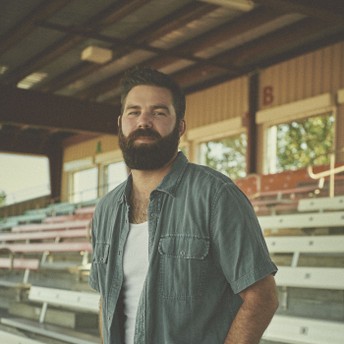
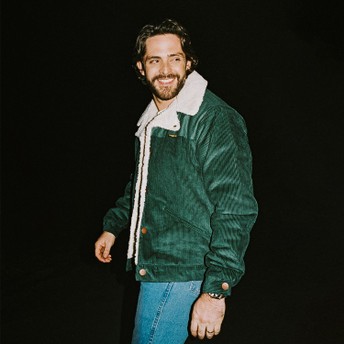
Someone else – likely Ashley Gorley (“I Had Some Help,” “Dirt On My Boots”) or John Byron (“Love Somebody,” “What I Want”) – chimed in “Didn’t bag a big ‘un, but I saw one.” And another line came up: “Ain’t a bad life for a good old boy.” That seemed like a hook, and they dug in trying to fit it all together, with Mark Trussell (“your place,” “Good Time”) taking over the guitar parts and feeding all their ideas into a track on his laptop as they built the song.
Rhett and Gorley had all sorts of melodies flying, and they picked out the ones that seemed to fit best together, even if they didn’t know exactly where they would use them.
“It’s usually a fast-paced thing, especially with him and TR,” notes Blake Pendergrass (“I Got Better,” “Heart Of Stone”). “That whole trip, I remember after it was over thinking about how cool it is to see them work together, where they’re just bouncing melodies and feels off of each other. It’s like this frantic 10- to 15-minute period at the beginning of any song.”
The first verse captured an average Joe with a long to-do list and a significantly used truck who seems mostly contented. Then they slipped into a series of choppy phrases – “No I ain’t… got it all… but I sure… got it made” – that changed the texture. “Ashley or somebody was flowing that melody, and after a little while, we’re all kind of wondering, ‘What is this section?’” Trussell recalls. “Somebody said,’ I think it’s the chorus.’ It happened pretty fast after that.”
Those phrases were unconventional for a chorus – they sneak up to the downbeat, instead of anthemically beginning at the start of a measure – and after a few lines, they changed things once more mid-chorus, mixing elongated “oo-oo-oo-oo” earworms with self-affirming lyrics on the way to the “Ain’t a Bad Life” payoff. “You got to get some ear candy in there,” Rhett says. “Especially on a song that means this much. That and the opening guitar lick arguably are the hookiest parts of the song.”
They stopped at some point – likely after the first verse and chorus – and moved on to other songs, but they came back and finished “Ain’t a Bad Life” after the weekend’s final show, Oct. 1 in Sioux Falls, S.D. After focusing on money and possessions in the opening verse, the second one explored the balance of personal enjoyment and spirituality, and the final verse – placed where a bridge would typically reside – celebrated family.
“When you’re doing a life song, where it’s not just about one thing, you’re aiming to try and make it more substantial as time goes on lyrically,” Pendergrass says. “Whether we even discussed that or not, I’m not sure, but generally speaking, I think that’s a gut kind of a situation where everybody’s on the same page.”
Trussell filled out a demo after the trip, but about three weeks later, they all decided the original intro sounded too much like “Fire and Rain.” So Trussell refashioned it around a 12-string guitar, and though it doesn’t mimic any particular song, it feels just a hair like “Gasoline Alley” / “Maggie May”-era Rod Stewart.
Rhett thought it would work as a duet, but he didn’t have anyone in mind for it, so instead of cutting it for his About a Woman album, he tabled it. But as they contemplated a deluxe version of the album, “Ain’t a Bad Life” resurfaced. Rhett had bonded with Davis on a hunting trip, and he seemed like the right guy for it. Rhett also decided that instead of recutting it, he should have Trussell produce the master, mostly copying what he’d done on the demo.
Trussell played many of the parts, though he worked with drummer Aaron Sterling to redo the rhythm tracks; hired Rich Brinsfield, of Drew Holcomb and the Neighbors, to handle bass; and enlisted Dave Cohen for keyboards. Rhett cut his vocal at home, and Trussell handled all the background vocals behind Rhett and Davis.
“The higher melody was pretty laid out for you – you follow the melody, it worked really well,” Trussell says. “The lower harmony part was a little more involved, because the chords aren’t your run-of-the-mill diatonic chords. The BGVs were actually really fun, to do some notes that [created some] dissonance, but also maybe keep it in sort of a major-feeling thing.”
Contented with the results, Valory released “Ain’t a Bad Life” to country radio via PlayMPE on Sept. 8, and it currently resides at No. 28 on Billboard’s Country Airplay list dated Oct. 25, its fifth charted week. It provides a centrist country topic as a follow-up to “After All the Bars Are Closed,” even as Rhett works on a future project.
“I just kind of felt like ‘Ain’t a Bad Life’ with Jordan was just a nice palate cleanser,” he says, “going into whatever comes next.”
Source: Anadolu / Getty
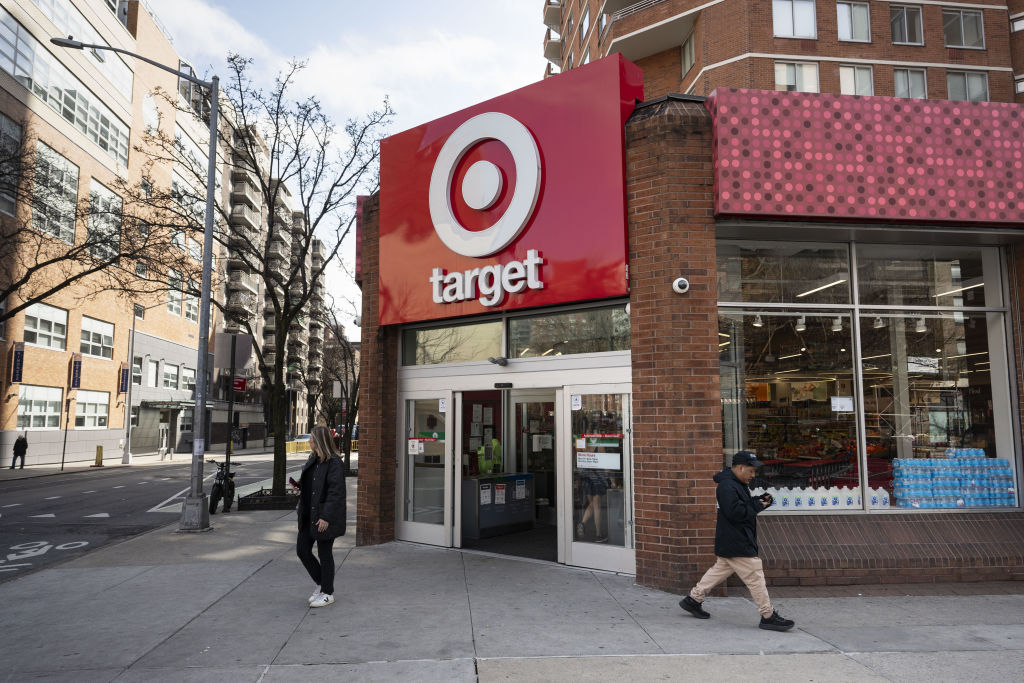
The retail giant Target announced internally that they would be cutting 1,800 corporate jobs throughout the company, in response to combatting slumping sales due to a boycott of Target by the public over its rollback on diversity, equity, and inclusion (DEI) initiatives. The round of layoffs is the first for the company in a decade.
According to reports, the announcement was in an internal memo by incoming CEO Michael Fiddelke sent to employees at Target’s headquarters in Minneapolis, Minnesota, last Thursday (Oct. 23). The plan is for 1,000 employees to be laid off, with another 800 unfilled positions that will be eliminated permanently. That constitutes an 8% cut to Target’s workforce, a spokesman said. Those targeted by the layoffs will be notified Tuesday (Oct. 28), and will receive severance packages along with salary and benefits until Jan. 3, 2026.
Target has been under fire since January, after its decision to roll back its DEI initiatives after President Donald Trump signed executive orders banning them. These initiatives included a pledge to have Black employees as 20% of its workforce over three years and promoting programs featuring Black and other minority creators. That led to a call for a boycott from Black faith leaders, including Pastor Jamal Bryant, and a 24-hour boycott on Feb. 28 by The People’s Union USA.“The truth is, the complexity we’ve created over time has been holding us back,” Fiddelke said in the memo. “Too many layers and overlapping work have slowed decisions, making it harder to bring ideas to life.” He acknowledged that the cuts are difficult, but “a necessary step in building the future of Target and enabling the progress and growth we all want to see.”
Target has been struggling with earnings since January, with its stock falling by $27.27 per share since the end of February, wiping out $12.4 billion in market value. The company has stated that it expects sales to decline again this year. There was also a significant shift in consumer traffic – its walk-in traffic dropped 11% from figures recorded last year. And its website traffic also reflects a drop of 9% from 5.2 million to 4.7 million web users, with a drop in mobile app usage from 4.2 million to 3.5 million.
Trending on Billboard
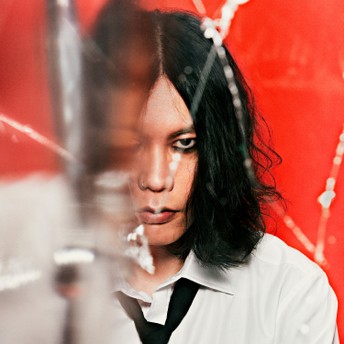
Kenshi Yonezu recently sat down with Billboard Japan to discuss his new single “IRIS OUT / JANE DOE.” “IRIS OUT” was written as the theme song for CHAINSAW MAN – THE MOVIE: REZE ARC, while “JANE DOE” serves as its ending theme. “IRIS OUT” sets impulsive vocals and comical lyrics against a swinging groove, while “JANE DOE,” a duet with Hikaru Utada, depicts a world that is both beautiful and dark. Together, they form a striking contrast.
Explore
See latest videos, charts and news
On the Billboard Japan charts, “IRIS OUT” hit the 100 million–stream milestone four weeks after its debut — the fastest ever in the chart’s history. Meanwhile, on the U.S. Billboard Global 200 that covers more than 200 countries and regions worldwide, the track achieved the highest ranking ever for a Japanese-language song, hitting No. 5 on the chart dated Oct. 4. In step with the movie, the single is currently making waves both at home and abroad.
In this latest interview, Yonezu shared the thoughts that shaped this release, as well as the changes in his day-to-day life after completing his world tour.
First off, tell us about how you’ve been doing. Since wrapping up the Kenshi Yonezu 2025 TOUR / JUNK in April, you’ve likely spent much of the past few months focused on creating. After completing such a large-scale tour, including overseas performances, has there been any changes in your mindset?
Experiencing concerts in countries I’d never been to before on the world tour, in Korea, the U.S., and various cities in Europe, was huge for me. I don’t want to sound disrespectful to those who’d already been listening to my music outside Japan, but since I hadn’t really thought about it much before, I was surprised by the realization that, “So many people have been waiting for me.” I was welcomed so warmly, and even heard voices calling out “Hachi,” a name I haven’t been addressed by in years, which made me genuinely happy. It left me with a very strong feeling of refreshing clarity.
After going through that, I feel like I’ve started aiming for a more productive way of living this year — something I’d always struggled with before. Looking back on my life, if I hadn’t been accepted through music, I think it would have been terrifying. I wasn’t someone who could function socially, just spending all my time making music or drawing at home, neglecting everything else. But now I feel like I’m gradually moving away from that kind of life. It’s very ordinary stuff, but I’ve started doing simple things like keeping a daily routine and paying attention to my health. For most people it might sound like, “Really? Only now?” But for me, it feels like my way of living has shifted a lot. I can’t say for sure whether the concerts were the direct reason, but I do feel they’ve had a big influence.

I saw your shows in Seoul and Los Angeles, and remember you saying, “I’ll come again” while addressing the crowd. Local fans probably took that as a promise of a reunion rather than a one-time visit, and I imagine that feeling developed for you somewhere along the tour.
Yes, that was almost something that just slipped out. Even when I said I’d come again, there wasn’t a concrete plan in place, so I wondered if it might have been an irresponsible thing to say. But the scenes I saw during the tour were radiant. For the first time in my life, it felt like I was truly making eye contact with the audience.
Now, tell us about “IRIS OUT” and “JANE DOE.” After you were asked to work on CHAINSAW MAN – THE MOVIE: REZE ARC, where did the production of the songs begin?
It started with the request to create two songs. One was already decided to be the ending theme, and for the other, the production team was exploring where it would fit within the film. From the beginning, I had a strong, specific idea of what I wanted “JANE DOE,” the ending theme, to sound like. But with “IRIS OUT,” I remember figuring things out as I went along while creating it.
Having written “KICK BACK” for CHAINSAW MAN before, were you mindful of any links between that song and the new ones?
From the start, I felt strongly that I didn’t want it to turn into something like “KICK BACK Part 2.” I never really felt that risk with “JANE DOE,” but with “IRIS OUT,” I sensed that if I let my guard down, it could easily end up becoming “KICK BACK Part 2.” So I placed a lot of importance on how to differentiate it from “KICK BACK.” It’s a song with a complex and eccentric structure, full of dynamism, so if that’s like a rollercoaster, then I wanted “IRIS OUT” to be more like a free-fall ride — starting with a jolt, racing straight ahead, and ending abruptly. I was very conscious of giving it that kind of decisiveness.
“IRIS OUT” feels like a song with a deliberately narrow focus, in the best way. It seems to reflect how Denji is led around as a character. How do you see it?
Since CHAINSAW MAN – THE MOVIE: REZE ARC features Reze as such an important character, I thought it’d be better to keep the focus on the relationship between Denji and Reze. In CHAINSAW MAN and in Tatsuki Fujimoto’s manga in general, there are often women who throw men off balance. I think that’s one of Fujimoto’s hallmarks as a writer, and the “Reze Arc” is very much a story where that nuance stands out. So it felt necessary to keep everything centered on Denji being enthralled by a woman named Reze, who is such an alluring and beguiling woman. By honing in on that single axis and driving straight into it, I felt I could differentiate it from “KICK BACK.”
What do you think makes Reze so appealing?
It’s that she playfully unsettles and misleads him in a way that’s somehow enjoyable. She blushes, casts an upturned gaze at Denji, and teases him a little while making her affection for him unmistakably clear. Of course someone like Denji would fall for it, and in a way, the desire to be deceived is actually an important aspect of romantic feelings. She’s charming and mischievous, but at the same time has a certain mysterious quality — you never really know what she’s thinking. If someone asked, “Who is that girl?” the truth is, no one really knows. She’s the kind of presence that unsettles your senses in the most pleasurable way possible.
Tell us about “JANE DOE” as well. Since it was intended to play during the ending of the Reze Arc movie, what was your initial concept for the song?
At first, I thought it probably shouldn’t be me singing. My male voice didn’t feel at all appropriate for the ending of the Reze Arc movie. I had a strong sense from the start that the song needed to be led by a female voice to work properly. I really like the duet “I’ve Seen It All” by Björk and Thom Yorke from Dancer in the Dark. I felt that kind of nuance would fit perfectly, and started creating the song with that in mind. From there, there were various twists and turns — I even tried a version that was nostalgic and evoked youthful feelings — but it felt overly circuitous. In the end, I felt that a duet with a slightly melancholic, dark vibe would be the most fitting. That’s how it came together.
You mentioned in your comments that you didn’t have a specific singer in mind when you began writing it. At what point in the songwriting process did you imagine Hikaru Utada for the track?
I started from the piano riff, and when the melody and lyrics for the first verse began to take shape, I was thinking it had to be Hikaru Utada. My personal impression of their voice is that it can be melancholic, wistful, and lonely, while at the same time — including their smoky tones — it has a freshness that sweeps through like a breeze. They have both qualities. Also, when listening to their music, there’s a sense of being overpowered by their immense talent and the brilliance of their songs and voice. There’s both a tremendous presence and a certain ethereality in their inner world. I even felt that without that duality, the song wouldn’t work.
Hikaru Utada is an extremely multi-faceted artist, and throughout their career they’ve given form to many different expressions. With “JANE DOE,” it feels like the sense of loss that often appears in their work is being drawn out. What are your thoughts on that?
Two of my personal Hikaru Utada favorites are “FINAL DISTANCE” and “Dareka no Negai ga Kanau Koro.” I first heard those songs in junior high, and they were the starting points for Utada-san’s presence becoming a big part of my life. I went to one of their concerts recently, where they performed the original “DISTANCE” in a remixed version. It was presented with a happiness and overflowing sense of euphoria that stood in contrast to “FINAL DISTANCE.” They were singing “hitotsu niwa narenai” (though we can’t be one) while dancing joyfully, and I thought it was wonderful. This is just my personal impression, but I feel that kind of duality, ambiguity, and kind of helplessness is something that lives strongly in their music. I felt there was something in common with what Reze embodies. Of course, I’m not saying Utada-san is like Reze.
You sing from Denji’s perspective in “IRIS OUT.” Listening to “JANE DOE,” it almost feels as if Utada is taking on the role of Reze. Was that intentional?
I explained to Utada-san that I wanted to create a duet between a girl carrying something incredibly complex and a boy who essentially doesn’t understand that at all, and asked them to sing it in that way. They approached that with their own take and that’s how it took shape.
What did you communicate with Utada in terms of recording and production?
Since they live in London, the recording process was carried out by exchanging data, almost like corresponding back and forth in letters. We did have one phone call, and during that conversation they told me something along the lines of, “I think if you sing it this way, your voice will stand out more.” I really felt they were right. That’s because Utada-san and I have very different sensibilities when it comes to singing. They’re a musician rooted in R&B and other styles that move with a laid-back, rich sense of rhythm. On the other hand, I come from a background in Vocaloid and computer-generated music, where I tend to place more importance on the vertical grid lines. I can also lean into an alternative rock-like urgency. Since we’re so different in nature, when Utada’s voice is layered onto something I’ve written, it makes the song feel much more full-bodied. That difference between us was really wonderful. As I mentioned earlier, the song ended up embodying the contrast between a girl carrying something deeply complicated and a boy who, at heart, doesn’t understand any of it. That wasn’t something we set out to do at all — it just happened as a result. But it feels like we arrived at the one and only way it could be.
The lines ”Let’s fill this world with mistakes“ in “JANE DOE” and “In this world right now, you’re my one-and-only perfect answer” in “IRIS OUT” feel deeply connected. Were you aware of contrasting or linking the two when you were writing them?
Not at all. When I’m writing a song, I’m completely absorbed in it, so I often only notice connections later on. Even with the title of “JANE DOE,” I realized later that it ties to a song in the Reze Arc movie — a Russian song that Reze sings alone in the story, which includes the line, “Jane slept in a church.” I only noticed that after finishing the song. I find it interesting when these kinds of unconscious links emerge naturally.
—This interview by Tomonori Shiba first appeared on Billboard Japan
Trending on Billboard
Taylor Swift, who seems to break industry records with every album and tour, just had the career week of her lifetime: in its first week of availability, her latest album, The Life of A Showgirl, rang up about $135 million in revenue, Billboard estimates.
Related
That total revenue number comes from the album’s massive first-week haul — it debuted with 4.002 million equivalent album units, according to Luminate, the only album to pass 4 million in the modern era, and accounted for 50.01% of all current albums in the U.S. that week — but also to an overdrive marketing campaign launched by the Swift camp and her record label, Republic. While global album unit numbers are not available through Luminate, in its first week of availability, the songs on The Life of A Showgirl garnered 1.4 billion global streams, which Billboard calculates by adding up Luminate global stream counts reported for each song on the album.
The Showgirl album came with 38 variants across about a dozen different editions. That included a number of different colored vinyl versions — with each including add-ons like a poster or autographed photos or an acoustic bonus track — with several limited editions or deluxe versions as well. Those variants drove an incredible buying frenzy among Swift fans. What’s more, most of those variants — because of the extra bells and whistles — resulted in wholesale prices above cost levels usually offered to retailers for CD and vinyl formats.
Since the preorder launch in August, most of the editions exclusive to Swift’s webstore were sold for limited windows of time. Target had an exclusive CD, and there was one widely available standard CD, while four CD variants with bonus tracks launched during street week and were initially exclusively sold in Swift’s webstore, before becoming available at indie record stores.
But the biggest revenue driver is that non-traditional channels — online CD stores like Amazon and the official Taylor Swift webstore, as well as Christian stores and chains like Urban Outfitters — accounted for 70% of all the album’s consumption units. Within that, Billboard estimates that Swift’s own store garnered the overwhelming bulk of that, or more than 65% market share of Showgirl’s total first week of 4.002 million album consumption units.
Related
That provided another revenue boost in that the Swift store charged retail pricing, similar to what brick and mortar stores were charging, rather than a wholesale price. For example, while retailers say the wholesale price for the Swift vinyl was $23.49 and $10.34 for CDs, the Swift webstore sold the vinyl album for $29.99, or 27.6% above wholesale; and the CD for $12.99, or 25.6% above wholesale. In other words, the albums sold through Swift’s webstore delivered at least 25% higher per-unit revenue than what she received from brick-and-mortar retail, giving her and Republic a higher profit margin. (Republic Records did not respond to a request for comment.)
The Swift store also offered two CD box sets, which featured the album bundled with a Showgirl hoodie and a Showgirl cardigan, priced at $65 to $70, respectively, delivering even more revenue.
All told, Showgirl sold 1.76 million CDs, 1.334 million vinyl album copies, 358,000 album downloads and 26,000 cassette albums and accumulated 523,000 stream equivalent albums in the U.S., thanks to the album’s nearly 682 million on-demand streams in the first week, according to Luminate. Setting aside streams, the sales figures accounted for 71% of all the albums sold in the U.S. that week; 77% of all CDs sold; 66% of all vinyl sold; 58% of all digital albums sold; and 72% of all physical albums sold.
Even Showgirl’s streams are doing somewhat better in terms of revenue than a typical pop album. For example, her streaming equivalent album units break out to 1,306 streams per unit, while an album like the Kpop Demon Hunters soundtrack averaged 1,423 streams per stream equivalent album (SEA).
What’s the significance of this? The industry and Luminate count 1,250 paid streams per one streaming consumption unit, and 3,750 ad-supported streams per one streaming consumption unit. So the closer the number of streams is to the 1,250 paid streams count — such as Showgirl’s 1,306 streams — shows that her fans were mainly accessing her music through a paid service, while the Kpop Demon Hunters album was somewhat more dependent on the lower-paying ad-supported per-stream rate.
Related
So how does that add up to $135 million? Considering retail pricing on her webstore, wholesale prices quoted from merchants, the standard wholesale cost for downloads (70% of retail) and the standard blended rate of $0.0053 per stream, Billboard calculates that in its debut week, Showgirl accumulated $80 million in revenue in the U.S. for Republic and Swift. Extrapolating for global activity, Billboard estimates that total revenue totaled about $135 million for its debut week.
Still, as amazing as that debut week was, her catalog so far this year is still trailing the torrid pace her music set in the prior two years, when her Eras Tour and The Tortured Poets Department album drove incredible business for her entire catalog. So far in 2025, her full catalog’s total U.S. album consumption units, including the contributions from Showgirls’ record-breaking first week, stands at 11.23 million units as of the week ending Oct. 16, or week 41 in Luminate calendar year terms. At the end of the 41st week last year, her catalog had accumulated 15 million units; in 2023, it stood at 12.3 million units.
By the end of those two years, she wound up with nearly 19 million album consumption units each year in the U.S. To put that number into perspective, Swift’s 37.4 million U.S. album consumption units across those two years dwarf Drake‘s figure of nearly 16 million album consumption units in the U.S. Globally, Swift’s catalog racked up 90.3 billion streams during the period, compared to Drake’s 36.7 billion global streams.
Related
During those two years of 2023 and 2024, Billboard estimates that the entire Swift catalog annually averaged about $350 million in revenue. So far this year, Swift’s catalog, including Showgirl, has generated around $265 million. That catalog estimate also includes revenue from activity from the second week of Showgirl‘s availability, which clocked in at nearly 339,000 album consumption units, including 1,000 track equivalent albums, bringing total sales of the album to 4.3 million units as of the week ending Oct. 16.
Another financial wrinkle: While most artists on major labels are still tied to a royalty rate percentage or, for superstars, a profit-sharing arrangement, Swift owns her entire catalog. That means that for physical product, she is likely reaping at least 70% of revenue collected after production, distribution and marketing fees are paid to Republic and Universal. For digital downloads and streaming, she might be realizing 85% to 90% of such revenue collected by UMG, or maybe even slightly above 90%.
And all of that is without calculating her music publishing — which in the case of 2023 and 2024 combined could be in the range of $100 million to $200 million, depending on her share of the songwriting — and merchandise, which could bring in untold additional millions. Across 30 different Showgirl-themed pieces of merch through her webstore, the numbers could be mind-boggling.
State Champ Radio